


Blog
Commercial poultry feed processing systems determine flock growth consistency and long-term farm profitability.
Pellet machine technology improves feed conversion efficiency, nutrient digestibility, and automated feeding stability across broiler and layer operations.
Modern feed mill equipment reduces feed waste, lowers bacterial contamination risk, and strengthens transportation efficiency during industrial poultry production.
High-capacity poultry feed machine systems support centralized feed manufacturing with controlled moisture, density, and pellet durability parameters.
Advanced animal feed pellet machine engineering decreases operating cost per ton while improving biological performance inside large-scale poultry farms.
Get professional poultry farm construction guidance, equipment selection solutions, and the latest price lists, whatsApp to +8618830120193, click to learn more:
Understanding Poultry Pellet Machine Working Principles
Poultry pellet machine systems compress powdered raw materials into dense cylindrical feed structures using rollers, dies, steam conditioning, and pressure transfer mechanisms.
Commercial poultry feed pellet machine production lines normally include crushing systems, feed mixers, conditioners, pellet mills, cooling systems, and vibrating screens.
Stable pellet quality depends heavily on moisture level, conditioning temperature, raw material particle size, and die compression ratio.
Fine grinding improves pellet density because smaller particles create stronger bonding strength during compression.
Data is for reference only.Swipe horizontally to view full table.
Industrial poultry feed machine factories normally maintain feed moisture between 15% and 18% before pellet compression.
Controlled moisture improves pellet durability while reducing breakage during transportation and silo storage.
Feed Conversion Improvement In Poultry Farms
Feed conversion ratio directly affects commercial poultry profitability because feed expenditure commonly represents 65% to 75% of total production cost.
Pellet feed improves nutrient accessibility and reduces energy loss during feeding activity.
Broilers consuming pelletized feed spend less time sorting ingredients and more metabolic energy supporting muscle growth and skeletal development.
Stable pellet structure also improves amino acid intake consistency throughout the flock.
Data is for reference only.Swipe horizontally to view full table.
A reduction from 1.91 FCR to 1.59 FCR can save more than $38,000 annually in a 12-house broiler farm consuming 4,800 tons of feed yearly.
European union standard reference only.
Large integrated poultry companies therefore increasingly invest in automatic feed pellet machine systems to stabilize long-term operational margins.
Scientific Explanation Of Pellet Feed Digestibility
Steam conditioning changes starch molecular structure inside feed ingredients through partial gelatinization.
Gelatinized starch absorbs digestive enzymes more efficiently inside the poultry intestinal tract.
Protein accessibility also improves because heat weakens fiber structures surrounding amino acid compounds.
Higher digestibility reduces nutrient excretion and improves metabolic energy utilization during rapid broiler growth phases.
Data is for reference only.Swipe horizontally to view full table.
Higher nutrient absorption supports breast muscle development, feather formation, and immune response stabilization inside commercial poultry production systems.
Lower nitrogen discharge additionally reduces ammonia accumulation inside tunnel ventilation poultry houses.
Feed Waste Reduction Through Pellet Technology
Powder feed creates major material loss inside poultry feeding systems because birds selectively consume larger particles while rejecting finer nutrient-rich components.
Loose feed particles also spill more easily during auger transportation and feeder vibration.
Pellet machine processing reduces ingredient separation because compressed pellets maintain structural integrity throughout transportation and feeding operations.
Large poultry integrations often measure significant annual savings after converting from mash feed to pellet feed systems.
Data is for reference only.Swipe horizontally to view full table.
Reduced feed waste also lowers litter moisture and decreases bacterial activity around feeding zones.
Cleaner litter conditions improve footpad quality and reduce ammonia stress inside enclosed broiler houses.
Pellet Density And Transportation Advantages
Pellet feed provides higher bulk density compared with powder feed systems.
Higher density allows feed trucks to transport more material per delivery cycle while reducing fuel cost per ton.
Centralized feed mill operations especially benefit from pelletized feed because stable density improves loading efficiency and storage performance.
Compressed feed structure additionally reduces moisture absorption during long-distance transportation.
Data is for reference only.Swipe horizontally to view full table.
Transportation optimization can reduce annual logistics expenditure by approximately $12,000 in medium-sized poultry integrations operating daily feed delivery schedules.
European union standard reference only.
Stable pellet structure also minimizes dust generation during silo unloading and pneumatic transfer operations.
Automation Compatibility In Modern Poultry Farms
Modern poultry farms increasingly depend on automated feeding systems to reduce labor dependency and improve production precision.
Mash feed frequently bridges inside silos and accumulates unevenly inside augers due to fine particle separation.
Pellet feed flows more consistently through automatic pan feeders, conveyor systems, and silo discharge mechanisms.
Stable feed movement improves feeding synchronization across entire poultry houses.
Data is for reference only.Swipe horizontally to view full table.
Stable feeding systems improve flock uniformity because all birds receive more consistent feed access throughout the production cycle.
Uniform body weight distribution simplifies vaccination scheduling and slaughterhouse processing management.
Biosecurity Benefits Of Poultry Pellet Machines
Steam conditioning inside poultry feed pellet machine systems significantly reduces bacterial contamination inside raw feed materials.
Conditioning temperatures between 75°C and 90°C lower pathogen survival rates before feed enters poultry houses.
Improved feed hygiene becomes increasingly important inside high-density broiler and layer operations where disease transmission risk remains elevated.
Lower microbial pressure supports healthier intestinal environments and more stable flock performance.
Data is for reference only.Swipe horizontally to view full table.
Lower bacterial load reduces mortality risk and decreases antibiotic treatment frequency during commercial poultry production cycles.
Feed sanitation therefore remains an important component of modern poultry biosecurity management.
Industrial Pellet Machine Capacity Analysis
Large-scale poultry integrations require continuous feed manufacturing systems capable of processing stable output volumes every hour.
Modern ring die pellet machine systems operate under high-pressure conditions with automatic lubrication and intelligent temperature monitoring technology.
Industrial feed pellet machine engineering focuses heavily on long operating life, stable compression efficiency, and reduced maintenance downtime.
Large feed mills commonly operate 20-hour daily production schedules supporting multiple poultry farms simultaneously.
Data is for reference only.Swipe horizontally to view full table.
Automated animal feed pellet machine systems improve production continuity while reducing labor requirements across industrial feed processing facilities.
Energy Consumption And Operating Cost
Electricity consumption strongly influences feed manufacturing profitability because pellet production requires continuous motor operation, steam conditioning,
and mechanical compression.
Modern poultry pellet machine systems increasingly adopt variable-frequency drives and optimized die structures to reduce energy consumption per ton.
Improved engineering efficiency lowers long-term production cost while maintaining stable pellet hardness and durability.
Data is for reference only.Swipe horizontally to view full table.
A feed mill producing 90 tons daily can reduce yearly electricity expenditure by approximately $26,000 after upgrading from conventional flat die systems to automated industrial pellet lines.
European union standard reference only.
Lower power consumption also improves sustainability performance under modern environmental compliance requirements.
Future Development Trends In Pellet Technology
Modern poultry feed machine engineering increasingly integrates digital monitoring systems and intelligent automation software.
Advanced feed mills now use online moisture sensors, automatic lubrication systems, and real-time temperature analysis technology to improve pellet consistency.
Some industrial facilities additionally integrate AI-assisted formula optimization systems that adjust feed composition according to bird growth stage and environmental conditions.
Future pellet machine development will focus heavily on lower energy consumption, reduced mechanical wear, and higher nutrient preservation efficiency.
Data-driven feed manufacturing systems will continue becoming essential infrastructure inside industrial poultry production environments.
Frequently Asked Questions
Q1: What pellet size works best for broiler chickens?
Broiler starter feed normally uses pellet diameters between 2.0 mm and 2.5 mm.
Grower and finisher phases commonly use pellet sizes between 3.0 mm and 4.5 mm depending on bird age and breed performance standards.
Q2: Why do poultry farms prefer ring die pellet machines?
Ring die pellet machine systems provide higher output capacity, stronger compression force, and longer operating life compared with flat die structures.
Large commercial feed mills therefore widely adopt ring die technology for continuous industrial production.
Q3: How much feed waste can pellet feed reduce?
Commercial poultry farms commonly reduce feed waste from approximately 0.39 kg per bird to 0.11 kg per bird after converting from mash feed to pellet feed systems.
Feed savings become increasingly significant inside large integrated broiler operations containing hundreds of thousands of birds annually.
Taiyu (HK) Group - One Of China Largest Pellet Machines Manufacturer
Professional poultry pellet machine systems for broiler, layer, and feed mill applications worldwide.
Global factory direct supply supporting stable equipment quality and competitive production pricing.
Complete poultry equipment manufacturing covering feeding, ventilation, manure removal, and automation systems.
Industrial poultry cage engineering solutions for modern commercial broiler and layer farms.
Professional Turn-key poultry project construction including installation, training, and technical operation support.
Contact Us To Received Your Customized Poultry Farm Plan
Headquarters And Branchs

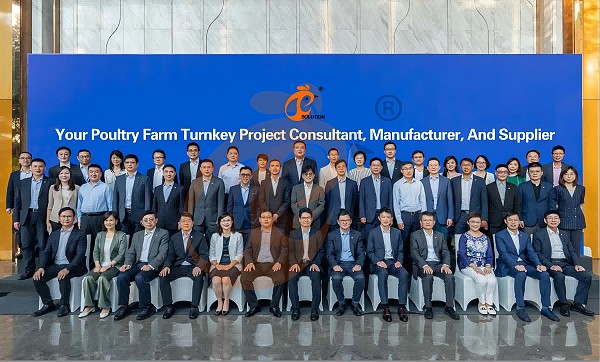
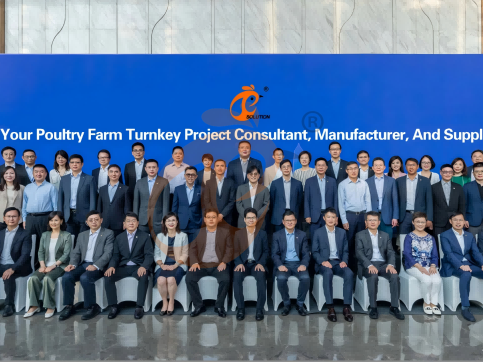
Hong Kong Headquarter Management Team
Hong Kong Headquarter Taiyu Industrial Group CO., LTD
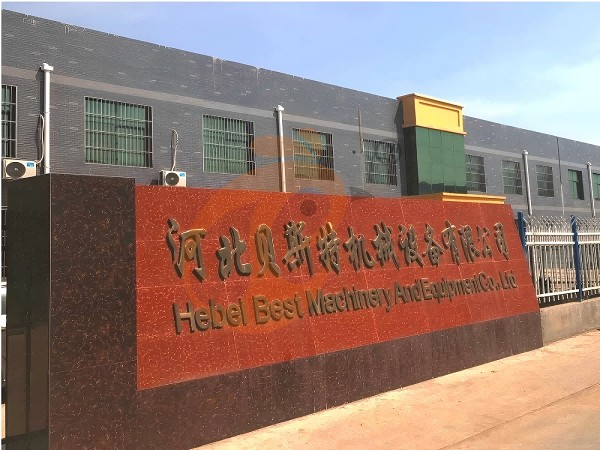
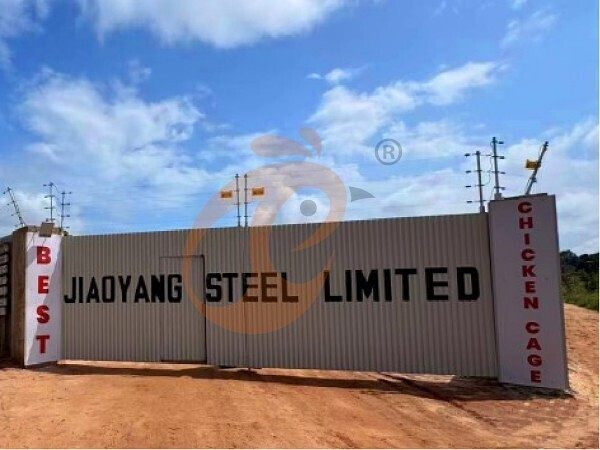
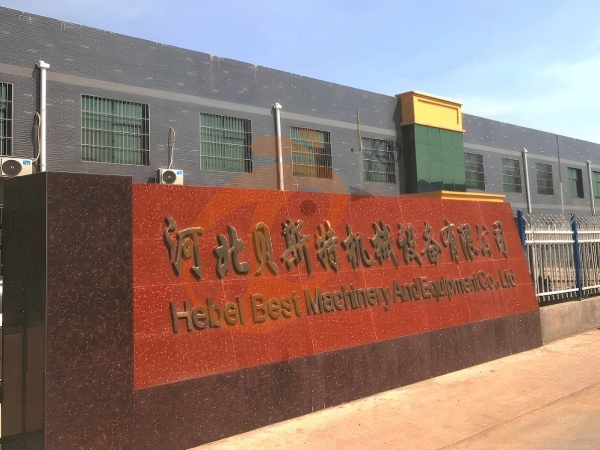
China Hebei Best Machinery And Equipment CO., LTD
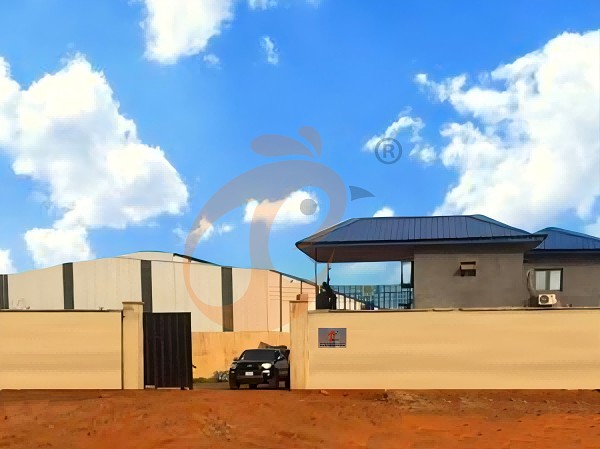
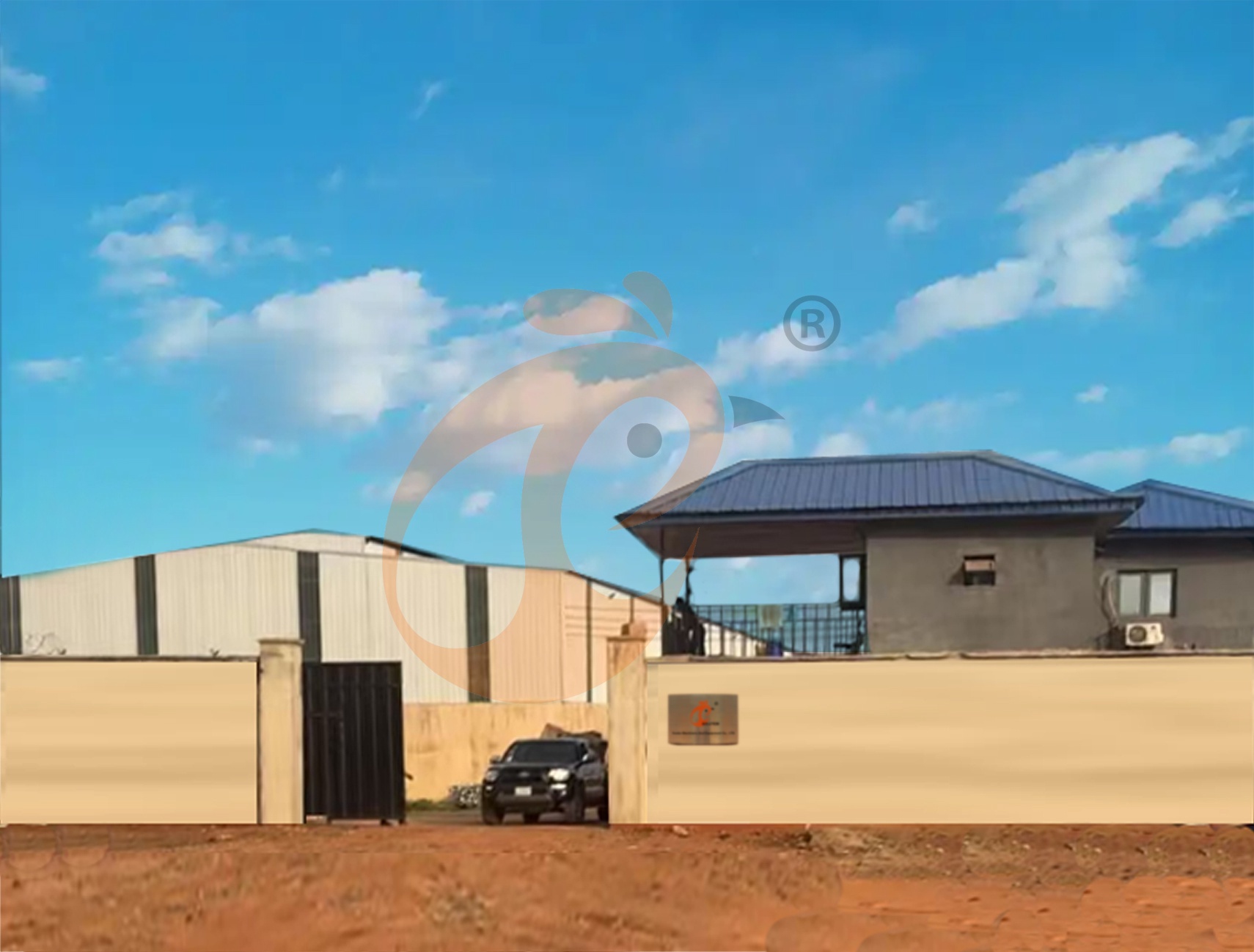
Nigeria Vanke Machinery And Equipment CO., LTD
Tanzania Best Machinery And Equipment CO., LTD
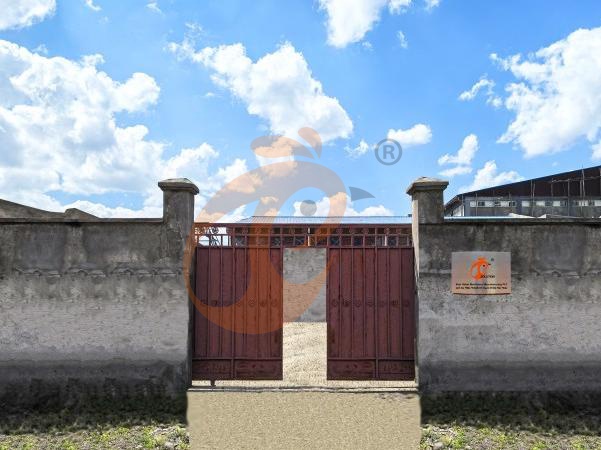
Ethiopia Best Hebei Machinery Manufacturing PLC

Reception /24 WhatsApp NO. : +8618830120193
FAQ
What Pellet Quality Indicators Are Required From Pellet Machine In Poultry Chicken Feed Manufacturing?
Hardness level is controlled at 3–5 kg/cm² for optimal bird consumption efficiency.
Fines content is kept below 8% to ensure uniform feed intake performance.
What Die Specification Standards Are Used In Pellet Machine For Poultry Chicken Feed Production?
Compression ratio ranges from 1:6 to 1:8 to ensure proper pellet density structure.
Die material hardness reaches HRC 50–55 for extended wear resistance under continuous operation.
What Roller System Parameters Are Required In Pellet Machine For Poultry Chicken Feed Processing?
Roller gap is adjusted between 0.1–0.3 mm to control pellet density formation.
Roller lifespan typically reaches 600–900 operating hours under standard feed production conditions.
- poultry farm
- poultry farms
- pellet machine
- poultry house
- poultry cage
- cage
- poultry farm construction
- poultry feeding system
- poultry equipment
- chickencage
- bestchickencage
- Nigeria
- layer farm
- broiler farm
- modern poultry farms
- commercial poultry farms
- poultry feed machine
- animal feed pellet machine
- industrial pellet machine
- modern poultry farm
- poultry feed processing
- poultry farm plan
- poultry feed
- Ethiopia
Message
Products recommended
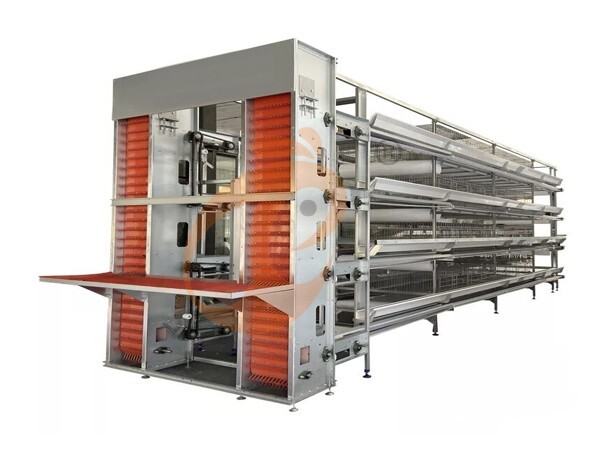
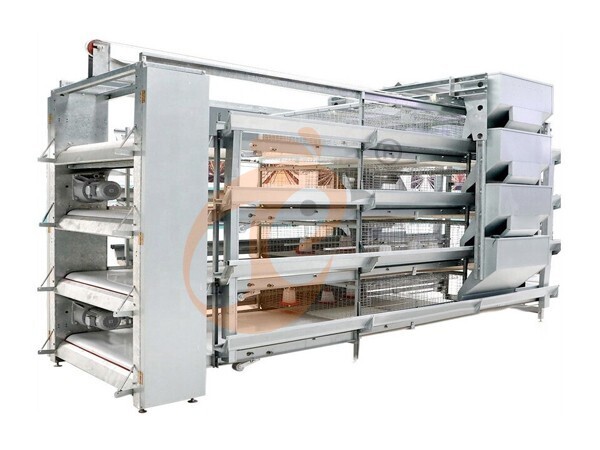
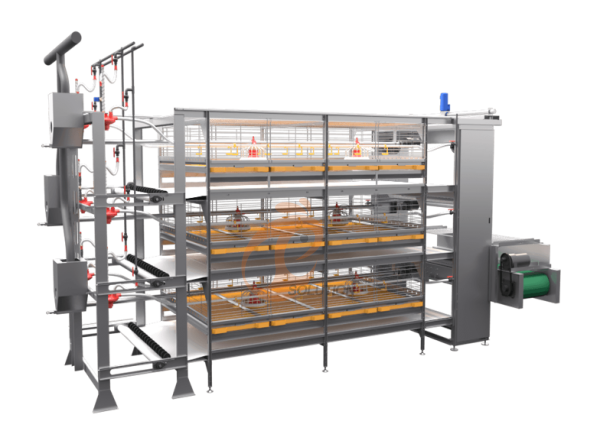
 >30,000 Pullets Automatic H Type Battery Cage1. More than 30,000 pullets a house, choose it.
2. It is designed to rearing older than 1 day old pullets to 12 to 16 weeks old chicken starting laying eggs.
3. Its lifespan is more than 25 years.
4. Its structure are Vcloud artificial intelligent fusion, electric control cabinet, automatic equipment of drinking, feeding, manure clean, manual harvesting.
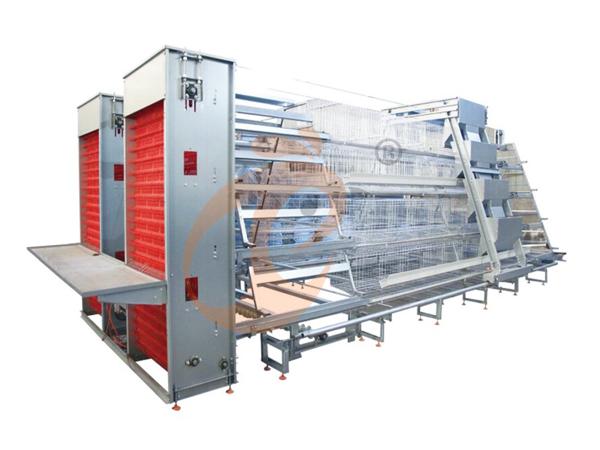
5. Our 24 hour online reception What’sApp NO. is +8618830120193 <30,000 Pullets Automatic A Type Battery Cage1. 10,000 to 30,000 pullets a house, choose it.
2. It is designed to rearing older than 1 day old pullets to 12 to 16 weeks old chicken starting laying eggs.
3. Its lifespan is more than 25 years.
4. Its structure are Vcloud artificial intelligent fusion, electric control cabinet, automatic equipment of drinking, feeding, manure clean, manual harvesting.
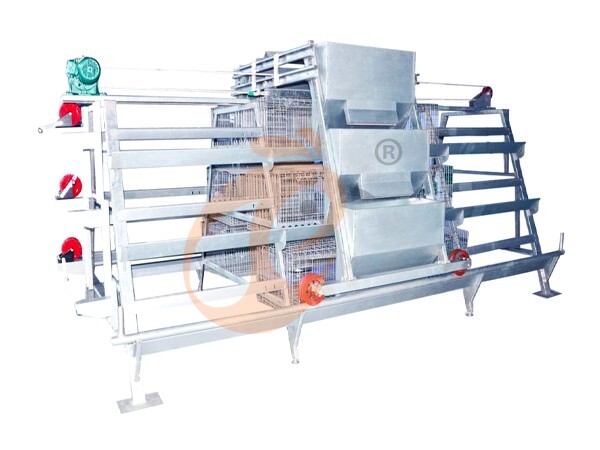
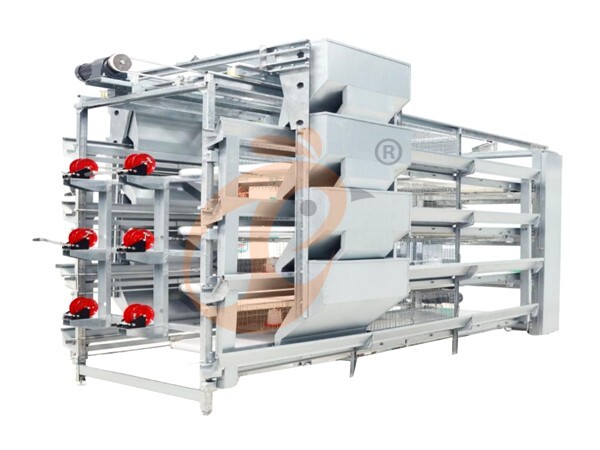
5. Our 24 hour online reception What’sApp NO. is +86 18830120193. >30,000 Broilers Semi-Automatic Harvest H Type Battery Cage1. More than 30,000 broilers a house, choose it.
2. It is designed to rearing 1 to 45 day old adult broiler ready for market.
3. Its lifespan is more than 20 years.
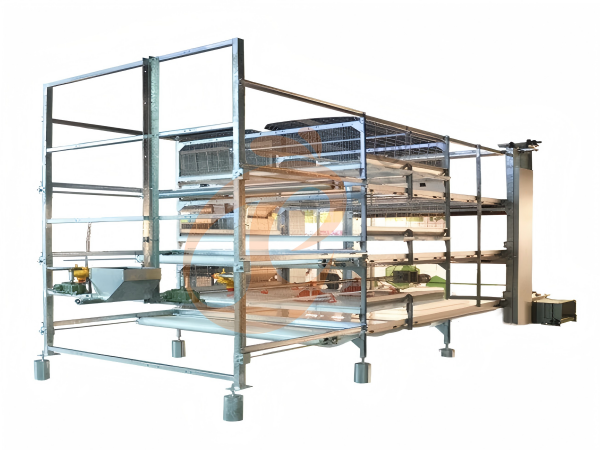
4. Our 24 hour online reception What’sApp NO. is +8618830120193, +234 8111199996. >30,000 Broilers Manual Harvest H Type Battery Cage1. More than 30,000 broilers a house, choose it.
2. It is designed to rearing 1 to 45 day old adult broiler ready for market.
3. Its lifespan is more than 20 years.
4. Its structure are Vcloud artificial intelligent fusion, electric control cabinet, automatic equipment of drinking, feeding and manure clean, manual harvesting.
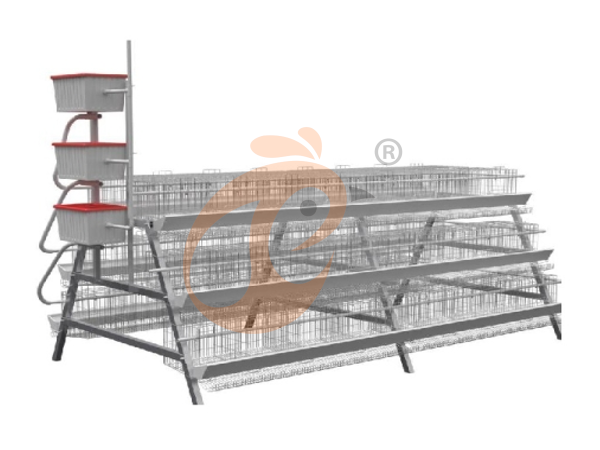
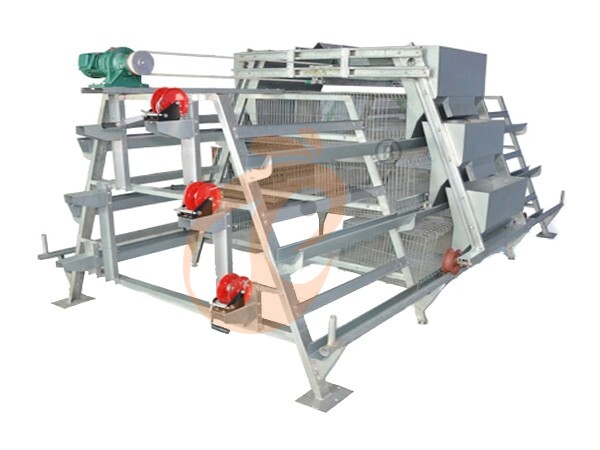
5. Our 24 hour online reception What’sApp NO. is +8618830120193, +234 8111199996. <30,000 Broilers Manual Harvest A Type Battery Cage1. Less 30,000 broilers a house, choose it.
2. It is designed to rearing 1 to 45 day old adult broiler ready for market.
3. Its lifespan is more than 20 years.
4. Its structure are Vcloud artificial intelligent fusion, electric control cabinet, automatic equipment of drinking, feeding and manure clean, manual harvesting.
5. Our 24 hour online reception What’sApp NO. is +8618830120193, +234 8111199996. HK Headquarter Offers EU-standard Poultry Farm Solutions, Manufacture Poultry Farm Equipment1. Continuous communication with the EU and the US
2. China, Nigeria, Ethiopia, Tanzania branch companies and factories
3. The products’ quality is customized for local poultry farms
4. Poultry cage and poultry farm equipment stock for sale
5. 24 online reception Whatsapp NO. : +8618830120193,contact us to get full information China Branch Offer Poultry Farm Business Plan, Manufacture Poultry Farm Equipment1. Address: Flat/RM 2416, 24/F, Runxing Building, Youyi Nan Street, Shijiazhuang City, Hebei Province, China
2. Poultry cage and poultry farm equipment factory and stock for sale
3. Customized for local poultry farms
4. Quality and design are based on Euro
5. 24 online reception Whatsapp NO. : +8618830120193 Nigeria Branch Offer Poultry Farm Business Plan, Manufacture Poultry Farm Equipment1. Address: After Sinoma Office, 200 Meters Near Danco Filling Station, Lagos/Ibadan Expressway, Lagos State, Nigeria
2. Poultry cage and poultry farm equipment factory and stock for sale
3. Customized for Nigerian poultry farms
4. Quality and design are based on Euro
5. 24 online reception Whatsapp NO. : +8618830120193 Ethiopia Branch Offer Poultry Farm Business Plan, Manufacture Poultry Farm Equipment1. Address: Gelan Gura, Akaki-kaliti Sub City, Addis Ababa, Ethiopia
2. Poultry cage and poultry farm equipment stock for sale
3. Customized for Ethiopian poultry farms
4. Quality and design are based on Euro
5. 24 online reception Whatsapp NO. : +8618830120193, contact us to get price list Tanzania Branch Offer Poultry Farm Business Plan, Manufacture Poultry Farm Equipment1. Address: No.8, Sova Road, Msufini, Mlandizi, Kibaha, Pwani, Tanzania
2. Poultry cage and poultry farm equipment factory and stock for sale
3. Customized for Tanzanian poultry farms
4. Quality and design are based on Euro
5. 24 online reception Whatsapp NO. : +8618830120193



Contact