


Blog
Industrial pellet machine selection influences production planning, investment structure, and long-term commercial returns with output ranges from 180 kg/h to 4.5 t/h.
Complete pellet production line solutions combine processing stages, automation systems, and engineering designs for biomass, feed, and agricultural material applications.
Small pellet machine models provide flexible operation with compact structures, simplified installation requirements, and suitable production environments.
Equipment profitability depends on energy usage, maintenance planning, market demand, and raw material availability.
Technical parameters including motor configuration, processing stability, and project integration determine commercial performance across different production models.
Get professional poultry farm construction guidance, equipment selection solutions, and the latest price lists, whatsApp to +8618830120193, click to learn more:
Market Evaluation And Profit Factors
Pellet production profitability depends on multiple technical and commercial elements, including machine structure, raw material supply, electricity usage, maintenance frequency, and sales volume.
Industrial pellet machine systems are designed for continuous commercial operation with integrated production planning, while small pellet machine equipment focuses on flexible manufacturing for farms, workshops, and specialized applications.
A suitable machine configuration should match investment capability, production objectives, and customer requirements.
Complete pellet production line projects normally include crushing, drying, pelletizing, cooling, and packaging processes to create a complete production workflow.
Technical specifications such as die design, drive arrangement, and material processing stability directly influence operating results.
Professional equipment selection can reduce production interruptions and improve project management efficiency.
Production Capacity Comparison
Data is for reference only.Swipe horizontally to view full table.
Industrial pellet machine systems support continuous production models for commercial pellet markets.
Small pellet machine equipment provides practical solutions for businesses requiring controlled investment and localized processing.
Complete pellet production line configurations can be customized according to raw material characteristics and project requirements.
Initial Investment And Equipment Structure
Investment planning requires evaluation of equipment cost, supporting facilities, operation requirements, and expected commercial returns.
Industrial pellet machine projects usually require auxiliary equipment including conveyors, cooling systems, storage units, and automated control components.
Small pellet machine structures contain fewer integrated modules, allowing faster installation and simpler operation management.
A compact production model can support new businesses entering pellet manufacturing markets.
Large commercial projects require stable material supply channels to maintain equipment utilization.
Engineering evaluation before purchase helps avoid production mismatch and unnecessary operational expenses.
Investment Parameter
Data is for reference only.Swipe horizontally to view full table.
European union standard reference only.
Commercial profitability depends on production planning, customer resources, and equipment utilization rate.
Complete pellet production line investment usually includes multiple machines instead of a single processing unit.
Energy Consumption Analysis
Energy management is a critical factor affecting pellet production margins.
Industrial pellet machine systems often operate with larger drive units, while Small Pellet Machine equipment focuses on reduced power requirements.
Motor selection, compression conditions, pellet diameter, and raw material moisture influence electricity consumption.
A professional complete pellet production line design integrates energy planning with material processing requirements.
Energy calculations should include pellet presses, conveyors, mixers, dryers, and cooling equipment.
Proper system configuration helps maintain stable production performance.
Energy Parameter
Data is for reference only.Swipe horizontally to view full table.
Energy management directly affects production cost control and equipment operation stability.
Industrial pellet machine systems normally integrate professional electrical control structures for continuous manufacturing environments.
Small pellet machine models provide practical processing solutions for agricultural producers and independent workshops.
A complete pellet production line requires coordinated energy planning between grinding, conditioning, pelletizing, cooling, and packaging sections.
Industrial projects should evaluate electricity supply conditions before equipment installation.
Maintenance Requirements And Service Life
Maintenance planning influences long-term equipment reliability and production continuity.
Industrial pellet machine systems require scheduled inspection programs because multiple mechanical components operate under continuous pressure.
Small pellet machine structures allow easier adjustment procedures and simplified daily maintenance management.
Wear components including rollers, dies, bearings, and drive parts influence replacement schedules.
Material characteristics, operating pressure, and lubrication quality determine component performance.
A professional service plan can reduce unexpected production interruptions.
Maintenance Data
Data is for reference only.Swipe horizontally to view full table.
Complete pellet production line maintenance planning normally covers mechanical, electrical, and automation inspection requirements.
Professional maintenance scheduling improves equipment lifespan and production consistency.
Revenue Potential And Business Application
Profit generation depends on how efficiently raw materials are converted into marketable pellets.
Industrial pellet machine applications commonly support commercial fuel suppliers, feed manufacturers, and large distribution networks.
Small pellet machine equipment serves farms, local processors, and specialized material suppliers requiring flexible production.
Complete pellet production line projects can support customized business models with multiple processing stages.
Market access, raw material stability, and customer relationships remain important factors affecting financial results.
A correctly selected machine configuration can create stronger commercial performance than oversized or unsuitable equipment.
Profit Calculation Parameter
Data is for reference only.Swipe horizontally to view full table.
European union standard reference only.
Financial evaluation should consider market conditions, customer contracts, and operation efficiency.
Industrial pellet machine investment can match businesses requiring structured production expansion.
Small pellet machine investment can support enterprises entering pellet manufacturing with controlled resources.
Technical Specification
Data is for reference only.Swipe horizontally to view full table.
Industrial pellet machine engineering specifications should be matched with raw material conditions and production targets.
Small pellet machine systems provide convenient operation for decentralized processing locations.
Complete pellet production line projects require detailed engineering analysis before manufacturing.
Final Profitability Conclusion
Pellet equipment profitability depends on investment planning, material resources, customer demand, and production strategy.
Industrial pellet machine solutions provide structured manufacturing capability for companies developing commercial pellet markets.
Small pellet machine solutions offer flexible operation models for businesses requiring compact production arrangements.
Complete pellet production line systems create integrated workflows from raw material preparation to finished pellet packaging.
The most suitable equipment choice depends on project conditions rather than equipment size alone.
Professional engineering evaluation helps investors select equipment matching production goals and market opportunities.
Frequently Asked Questions
Q1: What factors determine profitability between Industrial pellet machine and small pellet machine models?
Profitability depends on production planning, raw material supply, energy management, maintenance strategy, and market demand.
Industrial pellet machine projects can achieve commercial production targets when supported by stable material sources and professional operation systems.
Small pellet machine models are suitable for flexible processing environments with limited production requirements.
A complete evaluation should include equipment investment, operating expenses, and customer sales channels.
Q2: How does a complete pellet production line improve pellet manufacturing efficiency?
A complete pellet production line integrates crushing, drying, grinding, pelletizing, cooling, and packaging processes into one coordinated workflow.
Integrated engineering reduces connection problems between individual machines and improves production consistency.
Professional pellet production projects often require customized equipment selection according to material moisture, particle size, and final pellet requirements.
Q3: Which technical specifications should buyers check before purchasing pellet equipment?
Buyers should evaluate motor configuration, die structure, processing requirements, installation conditions, and future expansion plans.
A commercial system may require detailed engineering analysis before manufacturing.
For example, some pellet equipment models use ring die structures with production ranges around several tons per hour depending on raw materials and configuration.
Taiyu (HK) Group - One Of China Biggest Industrial Pellet Machine Manufacturer
Industrial pellet machine provides engineered pellet processing solutions with professional structures, stable operation systems, and commercial manufacturing applications for biomass, feed, and agricultural materials.
Global factory direct supply delivers equipment manufacturing, technical consultation, production inspection, and international project support through professional engineering teams.
Poultry equipment solutions integrate feed processing requirements with customized production systems for poultry farms, livestock projects, and agricultural businesses.
Turn-key engineering services provide complete project planning from raw material analysis, equipment arrangement, installation guidance, and commissioning support.
International export cooperation supports customers through customized production solutions, technical documents, spare parts supply, and long-term service planning.
Contact Us To Received Your Customized Poultry Farm Plan
Headquarters And Branchs

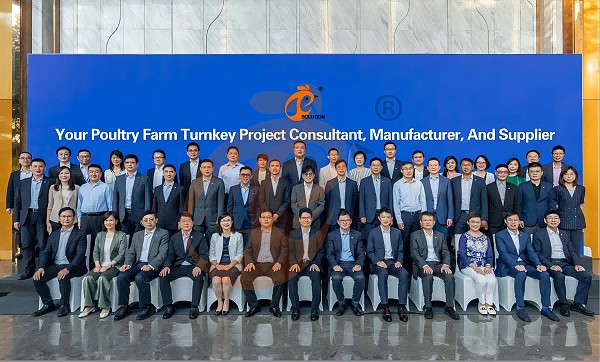
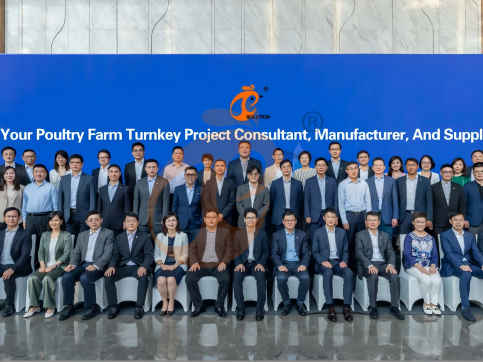
Hong Kong Headquarter Management Team
Hong Kong Headquarter Taiyu Industrial Group CO., LTD
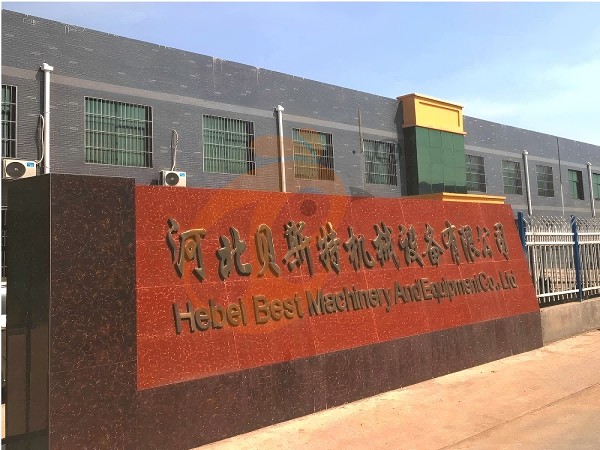
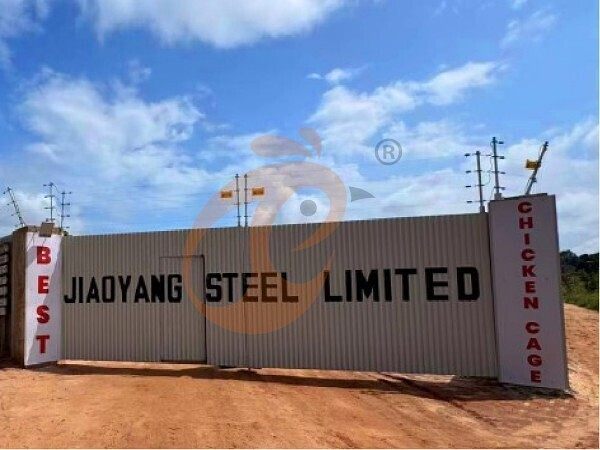
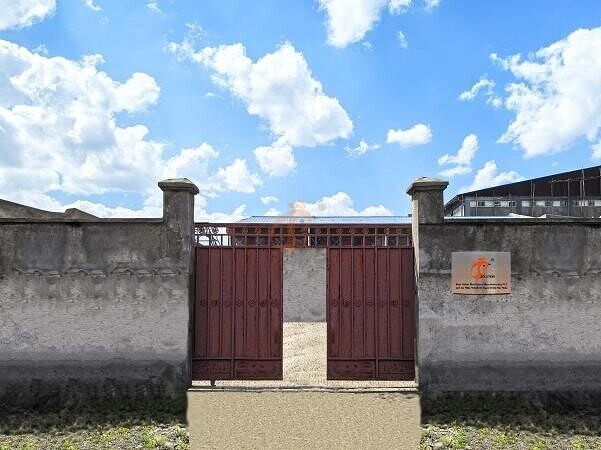
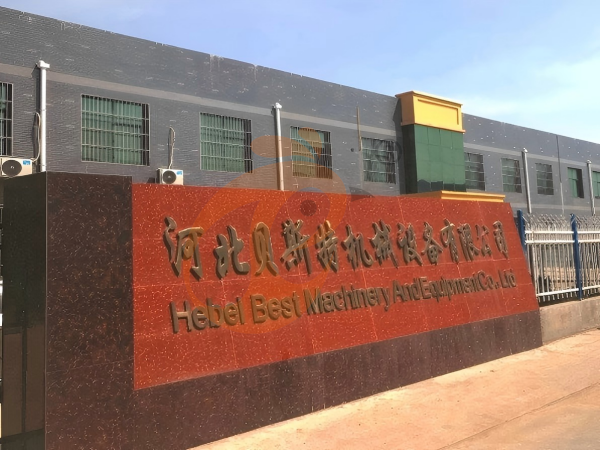
China Hebei Best Machinery And Equipment CO., LTD
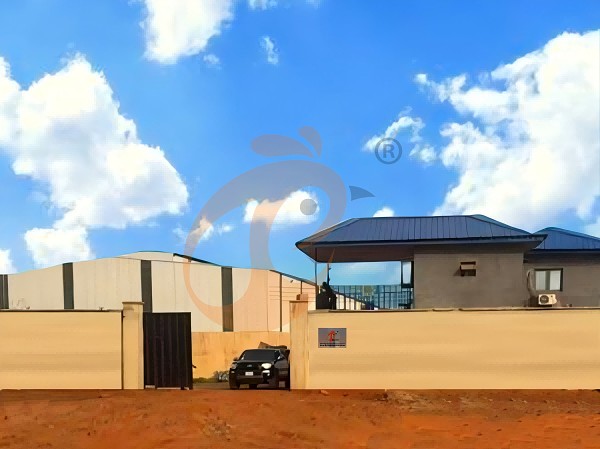
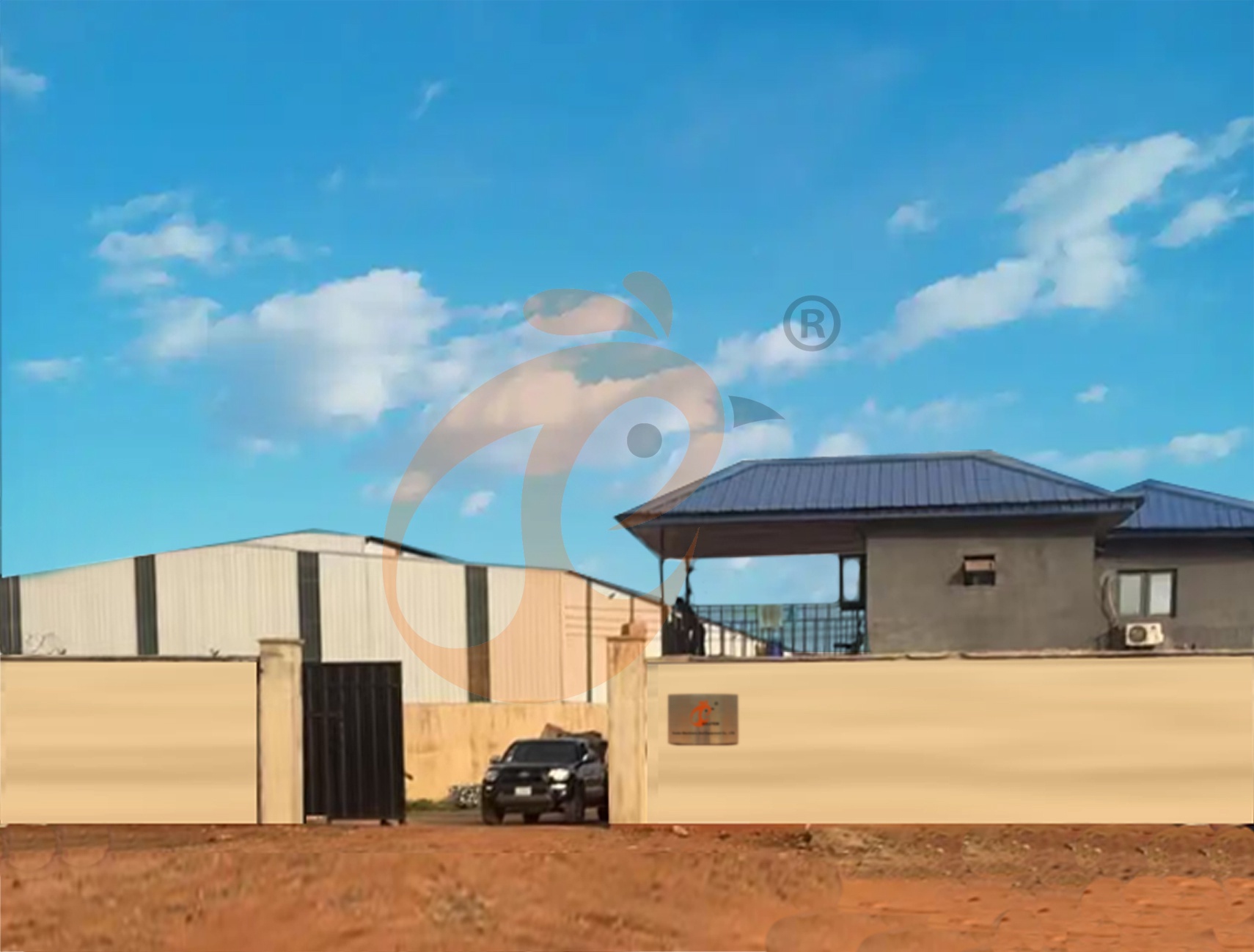
Nigeria Vanke Machinery And Equipment CO., LTD
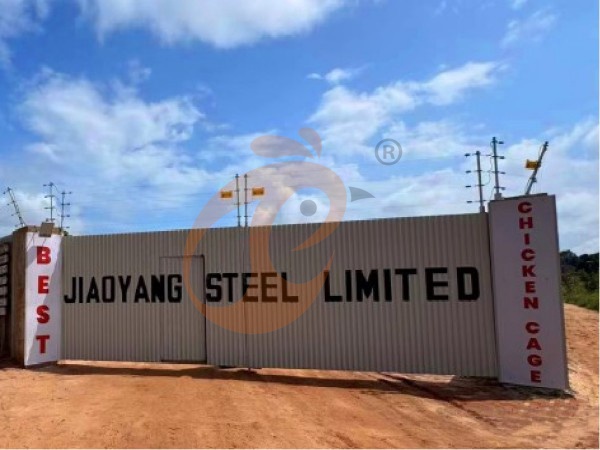
Tanzania Best Machinery And Equipment CO., LTD
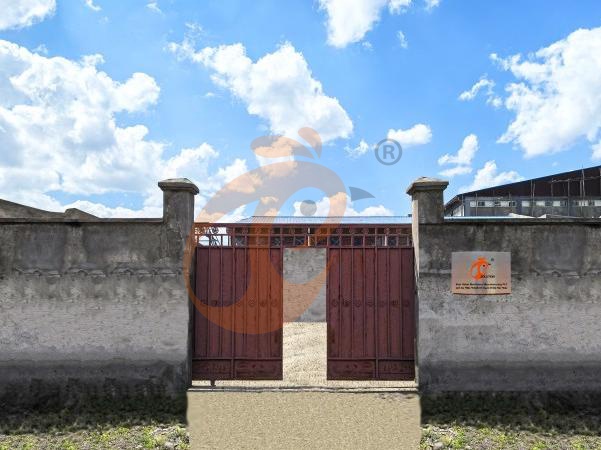
Ethiopia Best Hebei Machinery Manufacturing PLC
Reception /24 WhatsApp NO. : +8618830120193
FAQ
What Feeding System Standards Are Required For Pellet Machine In Poultry Chicken Feed Production Lines?
Feeder capacity is designed at 1.2–2.5 tons per hour depending on raw material density.
Flow consistency deviation is maintained within ±2% for uniform pellet quality output.
What Maintenance And Wear Part Replacement Standards Apply To Pellet Machine?
Bearing replacement intervals typically occur every 12–18 months under continuous operation.
Gearbox oil change frequency is maintained at 1000–1500 operating hours for system reliability.
What Safety Protection Systems Are Integrated In Pellet Machine For Poultry Chicken Feed Production?
Emergency stop response time is maintained within 0.5–1.0 seconds for operational safety.
Vibration monitoring limits are set at 4.5–6.0 mm/s to prevent mechanical failure.
Message
Products recommended
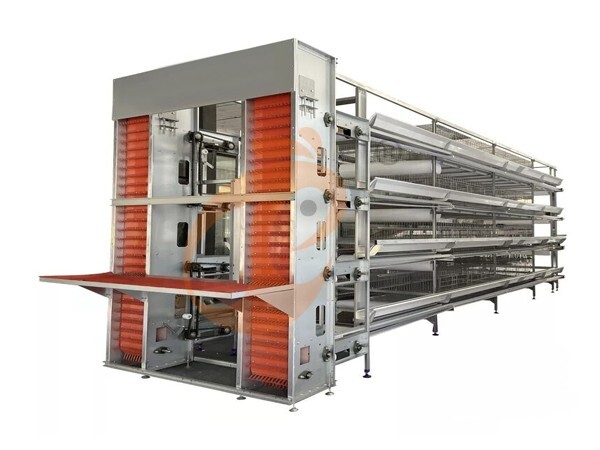
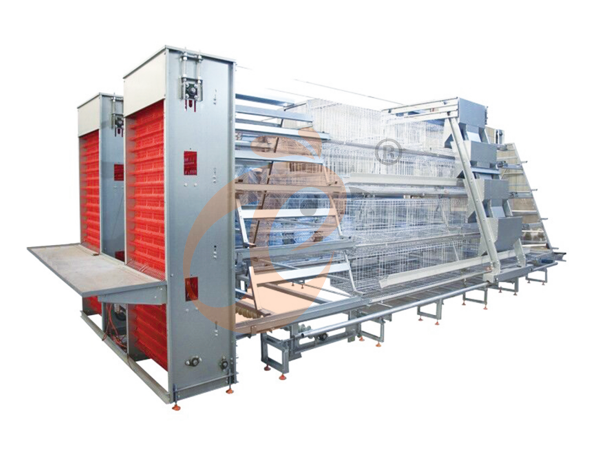
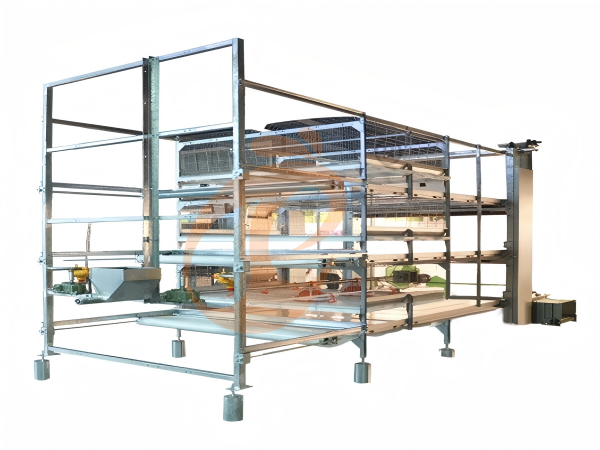
 >30,000 Pullets Automatic H Type Battery Cage1. More than 30,000 pullets a house, choose it.
2. It is designed to rearing older than 1 day old pullets to 12 to 16 weeks old chicken starting laying eggs.
3. Its lifespan is more than 25 years.
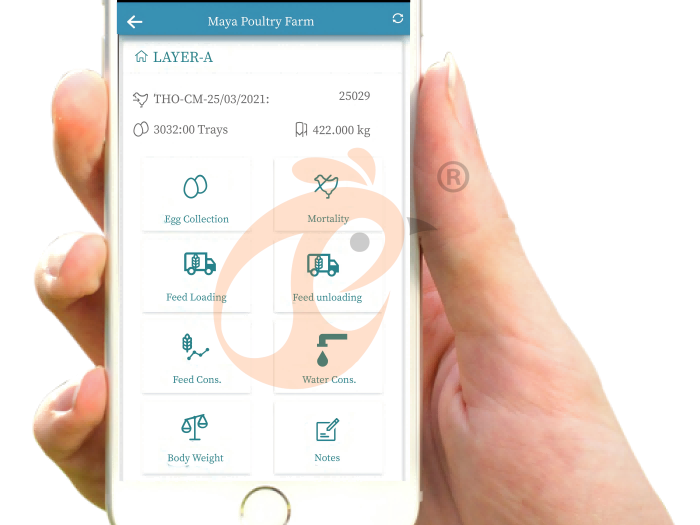
4. Its structure are Vcloud artificial intelligent fusion, electric control cabinet, automatic equipment of drinking, feeding, manure clean, manual harvesting.
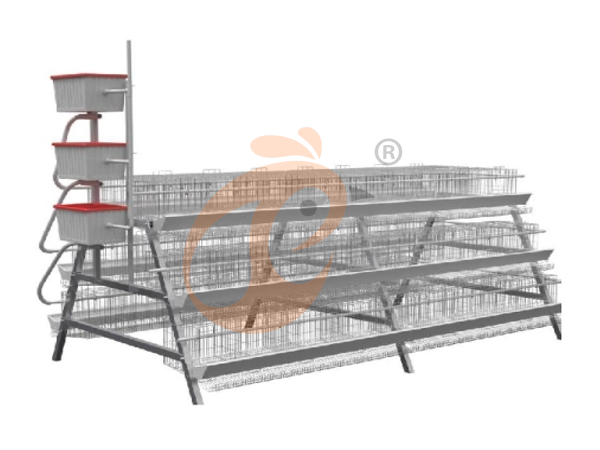
5. Our 24 hour online reception What’sApp NO. is +8618830120193 <30,000 Pullets Automatic A Type Battery Cage1. 10,000 to 30,000 pullets a house, choose it.
2. It is designed to rearing older than 1 day old pullets to 12 to 16 weeks old chicken starting laying eggs.
3. Its lifespan is more than 25 years.
4. Its structure are Vcloud artificial intelligent fusion, electric control cabinet, automatic equipment of drinking, feeding, manure clean, manual harvesting.
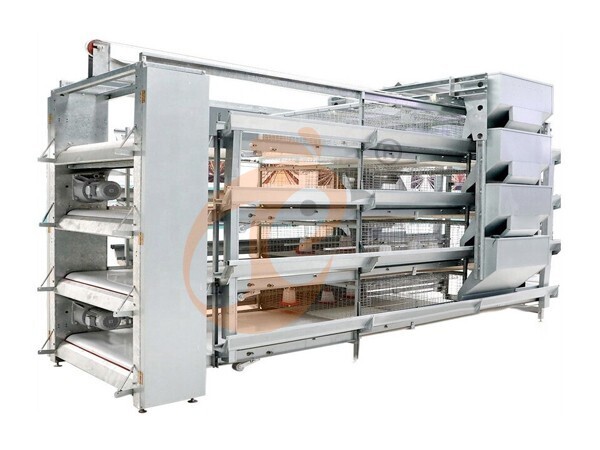
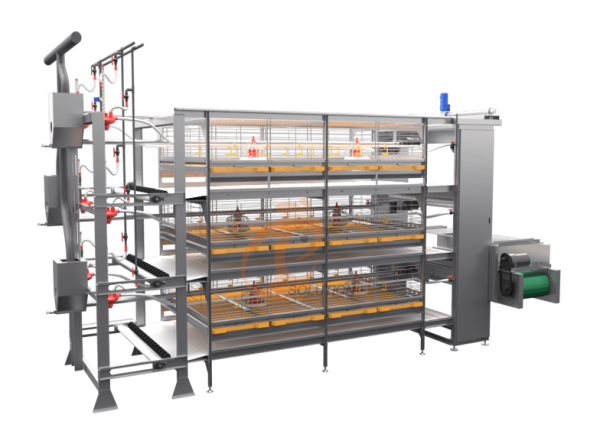
5. Our 24 hour online reception What’sApp NO. is +86 18830120193. >30,000 Broilers Semi-Automatic Harvest H Type Battery Cage1. More than 30,000 broilers a house, choose it.
2. It is designed to rearing 1 to 45 day old adult broiler ready for market.
3. Its lifespan is more than 20 years.
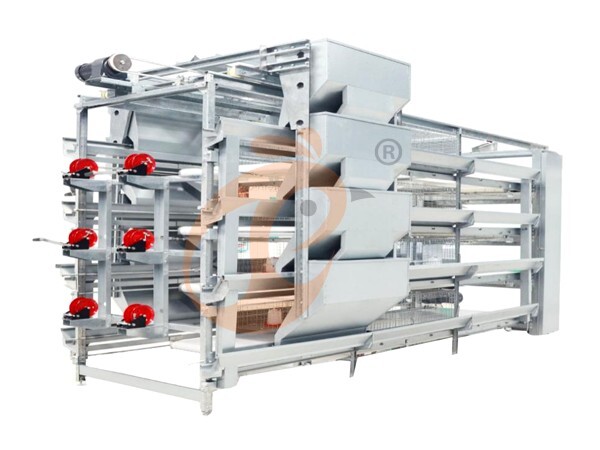
4. Our 24 hour online reception What’sApp NO. is +8618830120193, +234 8111199996. >30,000 Broilers Manual Harvest H Type Battery Cage1. More than 30,000 broilers a house, choose it.
2. It is designed to rearing 1 to 45 day old adult broiler ready for market.
3. Its lifespan is more than 20 years.
4. Its structure are Vcloud artificial intelligent fusion, electric control cabinet, automatic equipment of drinking, feeding and manure clean, manual harvesting.
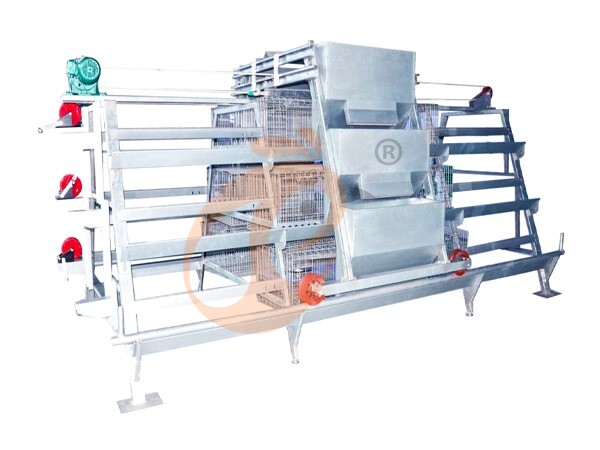
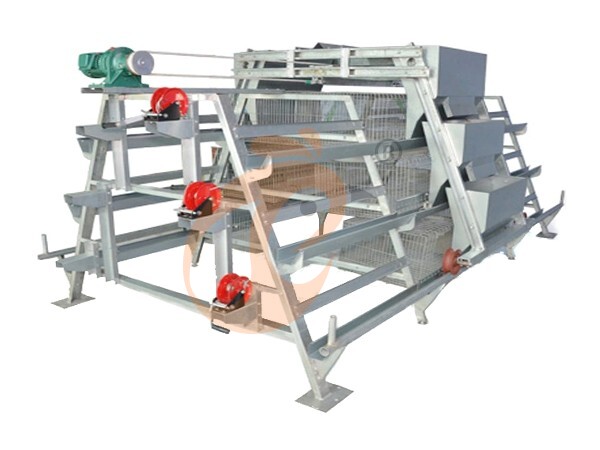
5. Our 24 hour online reception What’sApp NO. is +8618830120193, +234 8111199996. <30,000 Broilers Manual Harvest A Type Battery Cage1. Less 30,000 broilers a house, choose it.
2. It is designed to rearing 1 to 45 day old adult broiler ready for market.
3. Its lifespan is more than 20 years.
4. Its structure are Vcloud artificial intelligent fusion, electric control cabinet, automatic equipment of drinking, feeding and manure clean, manual harvesting.
5. Our 24 hour online reception What’sApp NO. is +8618830120193, +234 8111199996. HK Headquarter Offers EU-standard Poultry Farm Solutions, Manufacture Poultry Farm Equipment1. Continuous communication with the EU and the US
2. China, Nigeria, Ethiopia, Tanzania branch companies and factories
3. The products’ quality is customized for local poultry farms
4. Poultry cage and poultry farm equipment stock for sale
5. 24 online reception Whatsapp NO. : +8618830120193,contact us to get full information China Branch Offer Poultry Farm Business Plan, Manufacture Poultry Farm Equipment1. Address: Flat/RM 2416, 24/F, Runxing Building, Youyi Nan Street, Shijiazhuang City, Hebei Province, China
2. Poultry cage and poultry farm equipment factory and stock for sale
3. Customized for local poultry farms
4. Quality and design are based on Euro
5. 24 online reception Whatsapp NO. : +8618830120193 Nigeria Branch Offer Poultry Farm Business Plan, Manufacture Poultry Farm Equipment1. Address: After Sinoma Office, 200 Meters Near Danco Filling Station, Lagos/Ibadan Expressway, Lagos State, Nigeria
2. Poultry cage and poultry farm equipment factory and stock for sale
3. Customized for Nigerian poultry farms
4. Quality and design are based on Euro
5. 24 online reception Whatsapp NO. : +8618830120193 Ethiopia Branch Offer Poultry Farm Business Plan, Manufacture Poultry Farm Equipment1. Address: Gelan Gura, Akaki-kaliti Sub City, Addis Ababa, Ethiopia
2. Poultry cage and poultry farm equipment stock for sale
3. Customized for Ethiopian poultry farms
4. Quality and design are based on Euro
5. 24 online reception Whatsapp NO. : +8618830120193, contact us to get price list Tanzania Branch Offer Poultry Farm Business Plan, Manufacture Poultry Farm Equipment1. Address: No.8, Sova Road, Msufini, Mlandizi, Kibaha, Pwani, Tanzania
2. Poultry cage and poultry farm equipment factory and stock for sale
3. Customized for Tanzanian poultry farms
4. Quality and design are based on Euro
5. 24 online reception Whatsapp NO. : +8618830120193


Contact