


Blog
In Kenya's poultry sector, selecting drinking systems based solely on price leads to wet litter, disease outbreaks, and high labor costs. Water management directly influences flock uniformity and the Feed Conversion Ratio (FCR). In hot counties (such as Kisumu, Garissa, or Mombasa), switching from open bell drinkers to automated nipple lines reduces water waste by 20% to 35% while keeping bedding dry.
Get professional poultry farm construction guidance, equipment selection solutions, and the latest price lists, whatsApp to +8618830120193, click to learn more:
Climate Adaptation Framework
Kenya’s highly diverse microclimates dictate the engineering required for water delivery lines to prevent bacterial spikes and intake drops:
Hot & Arid Regions (e.g., Northern/Eastern Counties): High dust and ambient heat cause extreme water demand and valve clogging. Requires nipple lines with integrated pressure regulators and frequent flush points to keep water cool and fresh.
Humid Tropical Zones (e.g., Coastal Regions): High moisture accelerates wet litter and bacterial replication. Requires closed water lines with anti-leak, high-sensitivity nipples and drip cups to maximize house hygiene.
Cool Highland Zones (e.g., Central Highlands, Rift Valley): Long houses risk uneven water pressure and intake drops at the far end. Requires balanced line design with terminal end-flush valves to maintain consistent pressure across the entire house length.
Sourcing And Pricing Metrics By Farm Scale
System selection must scale with bird capacity to control daily labor hours and layout logistics.
Equipment Investment and Labor Metrics
(Note: Pricing benchmarks in Kenyan Shillings are estimated based on international EU/USA manufacturing standards; final costs vary by pipe wall thickness and regulator configurations).
Setup Requirements By Production Type
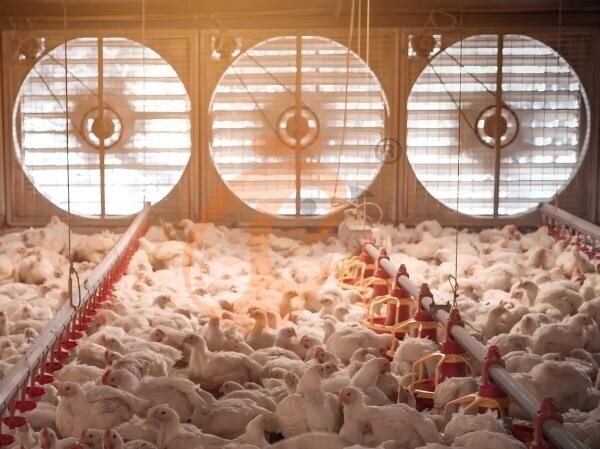
Broiler Operations: Focuses on floor dryness and rapid water access. Requires nipple lines equipped with drip cups and precise height-adjustable winching systems to match rapid growth curves.
Layer Cage Farms: Focuses on zero-leakage and contamination prevention near egg-collection zones. Requires cage-mounted stainless steel nipple lines designed to withstand continuous beak impact.
Chick Rearing Houses: Focuses on ultra-low trigger pressure for fragile chicks. Requires highly sensitive 360-degree trigger nipples paired with auxiliary starter drinkers during the first 14 days.
Critical Technical Factors To Evaluate
Before finalizing a commercial quote, evaluate these technical specifications to avoid rapid system failure:
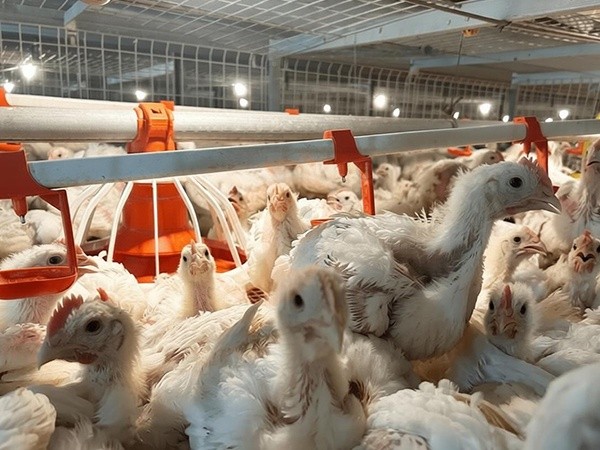
Nipple Mechanics: Demand internal components machined from premium stainless steel paired with durable, UV-stabilized engineered plastics to withstand intensive sanitation flush cycles.
Pressure Calibration: Houses extending past 60 meters must utilize high-stability pressure regulators to prevent starvation at the house terminus and flooding at the inlet.
Recycle Farm Integration: Excess water spillage ruins downstream waste value. For modern integrated farms, combining strict nipple flow control with a Manure Drying Machine allows solid-liquid separation, turning poultry waste into high-value organic fertilizer.
Frequently Asked Questions (FAQ)
What is the average payback period for converting to an automatic nipple system in Kenya?
For a commercial farm with over 5,000 birds, replacing manual bell drinkers with an automatic nipple system typically achieves a ROI within 6 to 12 months through a 35% reduction in water/medicine waste and significant daily labor hours saved.
How many broilers or layers can a single nipple valve support?
Under standard commercial management, one high-quality multi-directional nipple valve safely serves 8 to 12 broilers on a floor system, or 4 to 6 layers when mounted inside a cage partition.
Coordinated Turnkey Engineering By Vanke
Vanke manufactures and supplies heavy-duty poultry infrastructure, moving beyond simple parts supply to deliver complete, site-matched farm engineering layouts for the Kenyan market.
Complimentary Design Engineering: Receive free, custom structural chicken cage layouts and poultry house blueprints matched exactly to your plot size and local topography.
Full Lifecycle Eco-Farm Planning: Expert positioning and layout integration across all facility zones—including biosecurity gates, worker quarters, feed mills, egg storage depots, and organic manure processing lines.
Durable, Export-Grade Materials: High-tensile galvanized steel supports, anti-corrosive water pipes, and responsive field spare parts availability to eliminate downtime.
Contact Us To Received Your Customized Poultry Farm Plan
Headquarters And Branchs
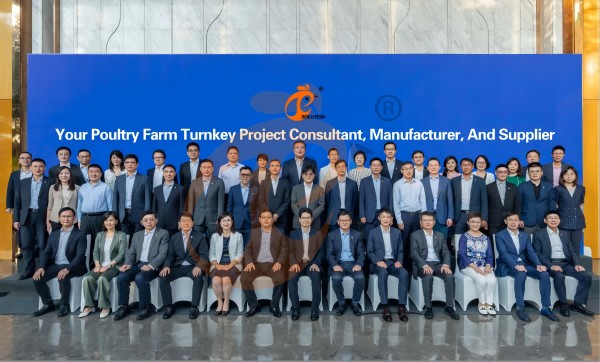
Hong Kong Headquarter Management Team
Hong Kong Headquarter Taiyu Industrial Group CO., LTD
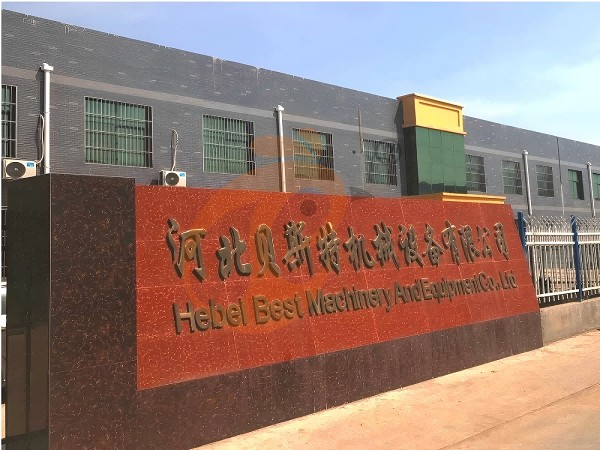
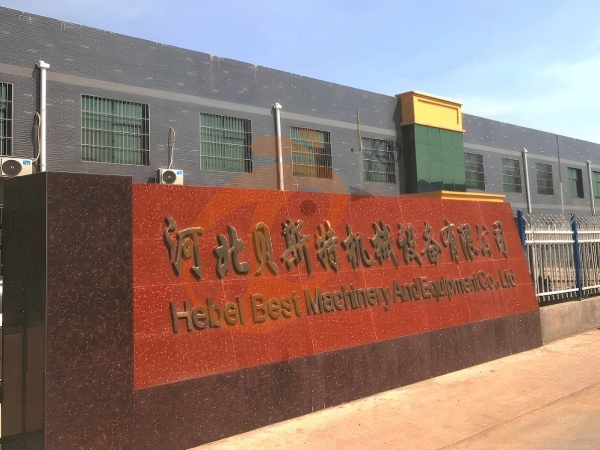
China Hebei Best Machinery And Equipment CO., LTD
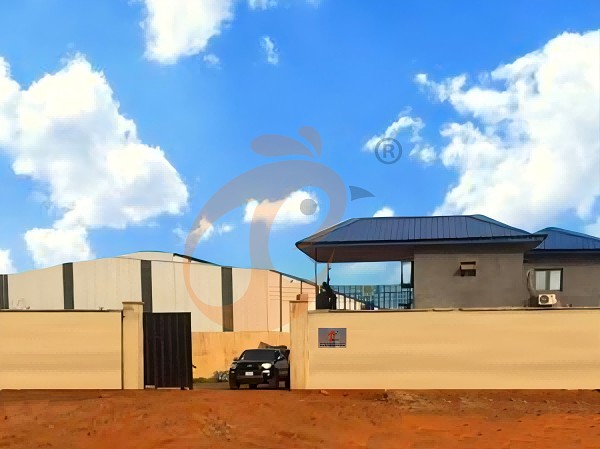
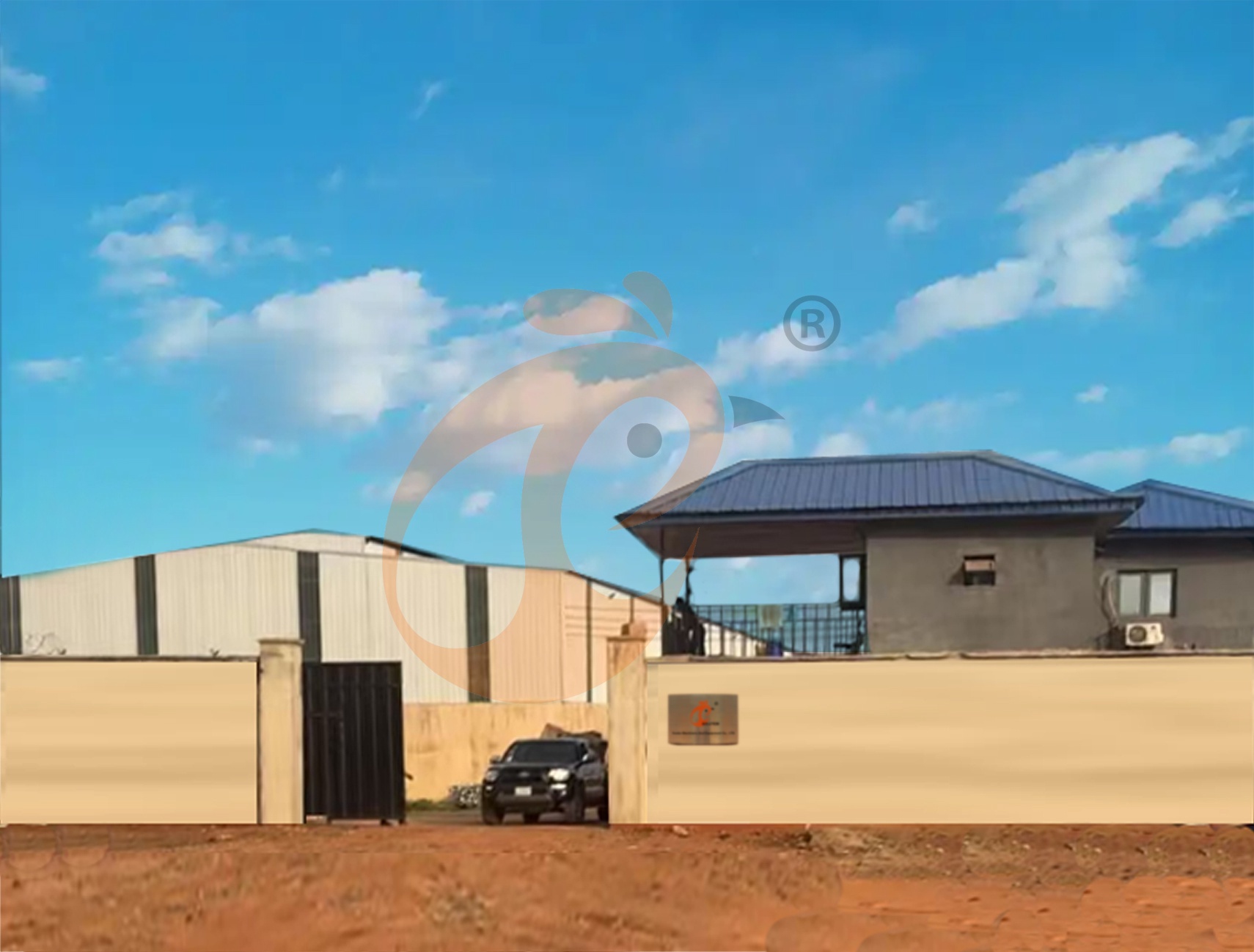
Nigeria Vanke Machinery And Equipment CO., LTD
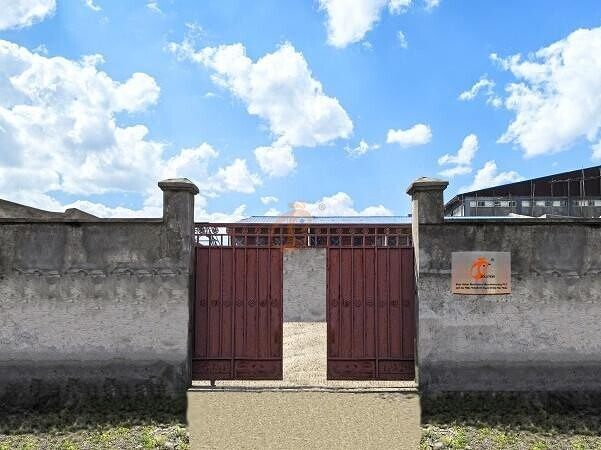
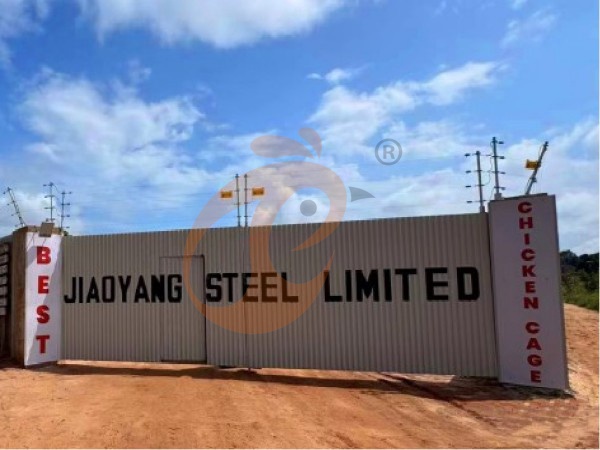
Tanzania Best Machinery And Equipment CO., LTD
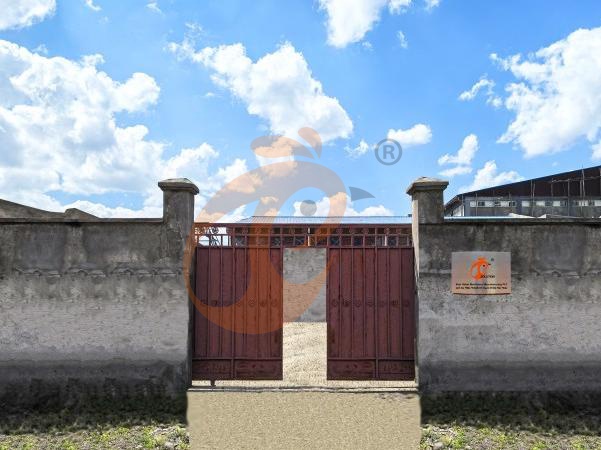
Ethiopia Best Hebei Machinery Manufacturing PLC
Reception /24 WhatsApp NO. : +8618830120193
FAQ
Message
Products recommended
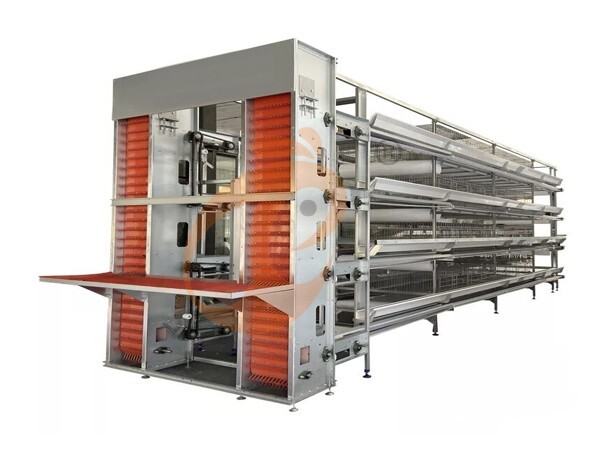
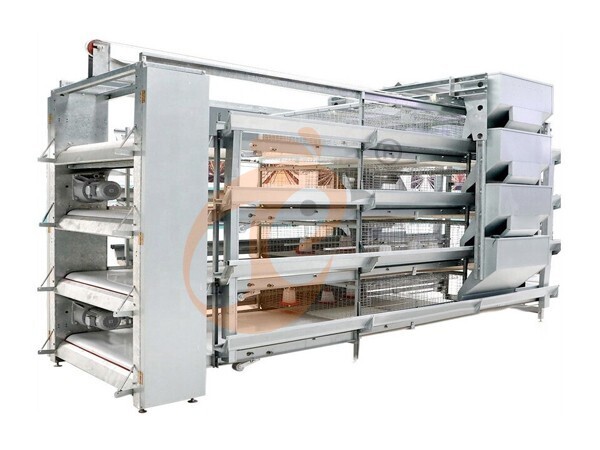
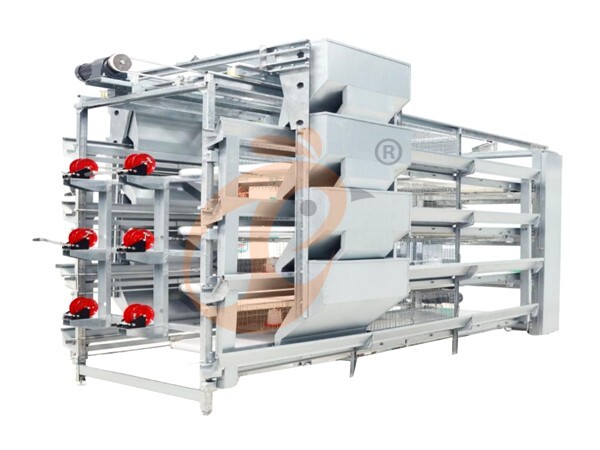
 >30,000 Pullets Automatic H Type Battery Cage1. More than 30,000 pullets a house, choose it.
2. It is designed to rearing older than 1 day old pullets to 12 to 16 weeks old chicken starting laying eggs.
3. Its lifespan is more than 25 years.
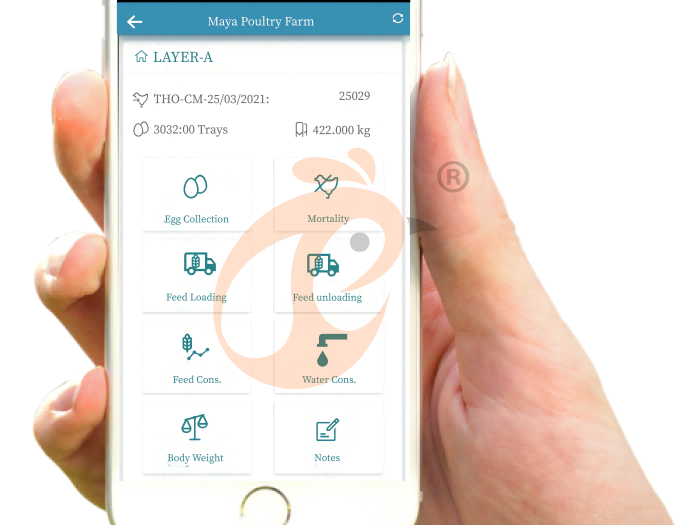
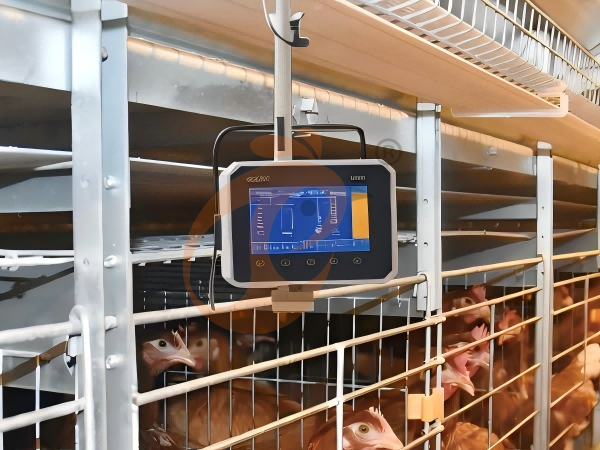
4. Its structure are Vcloud artificial intelligent fusion, electric control cabinet, automatic equipment of drinking, feeding, manure clean, manual harvesting.
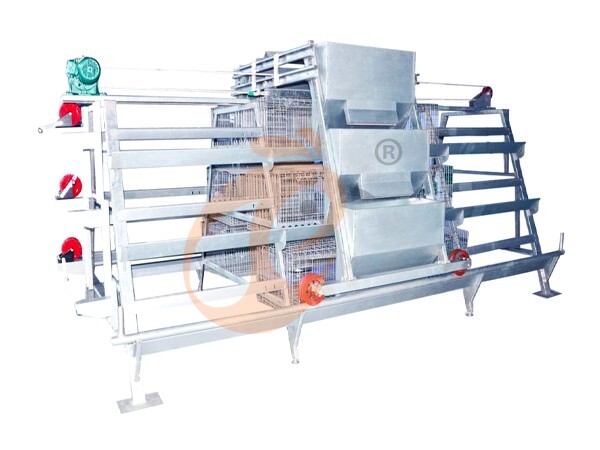
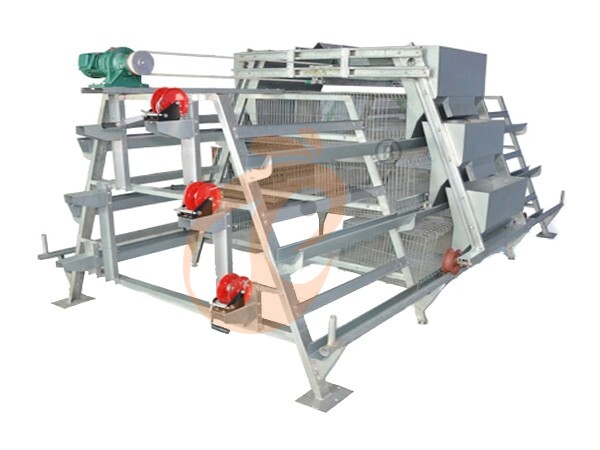
5. Our 24 hour online reception What’sApp NO. is +8618830120193 <30,000 Pullets Automatic A Type Battery Cage1. 10,000 to 30,000 pullets a house, choose it.
2. It is designed to rearing older than 1 day old pullets to 12 to 16 weeks old chicken starting laying eggs.
3. Its lifespan is more than 25 years.
4. Its structure are Vcloud artificial intelligent fusion, electric control cabinet, automatic equipment of drinking, feeding, manure clean, manual harvesting.
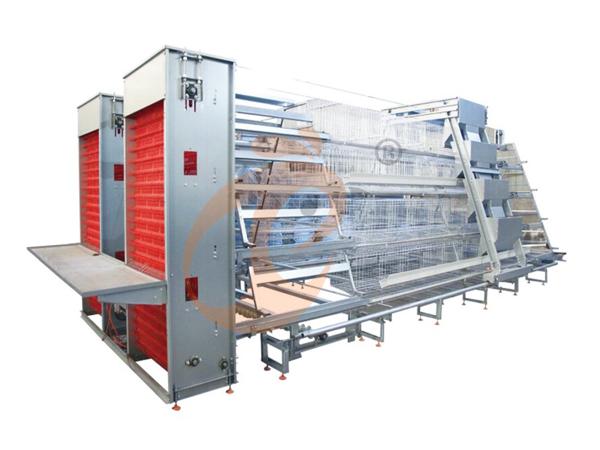
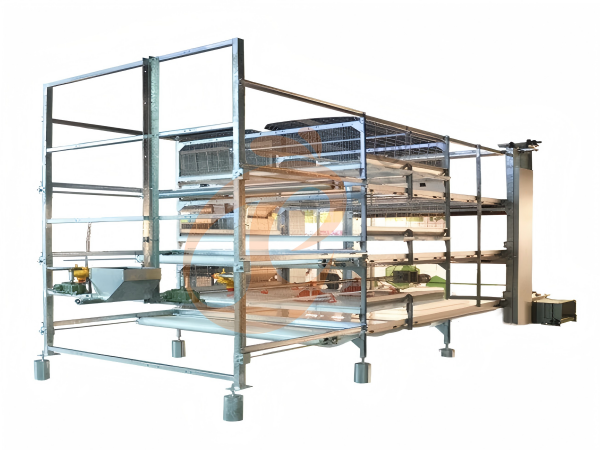
5. Our 24 hour online reception What’sApp NO. is +86 18830120193. >30,000 Broilers Semi-Automatic Harvest H Type Battery Cage1. More than 30,000 broilers a house, choose it.
2. It is designed to rearing 1 to 45 day old adult broiler ready for market.
3. Its lifespan is more than 20 years.
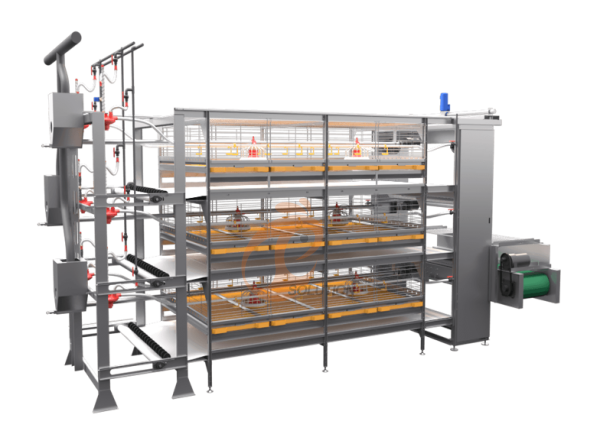
4. Our 24 hour online reception What’sApp NO. is +8618830120193, +234 8111199996. >30,000 Broilers Manual Harvest H Type Battery Cage1. More than 30,000 broilers a house, choose it.
2. It is designed to rearing 1 to 45 day old adult broiler ready for market.
3. Its lifespan is more than 20 years.
4. Its structure are Vcloud artificial intelligent fusion, electric control cabinet, automatic equipment of drinking, feeding and manure clean, manual harvesting.
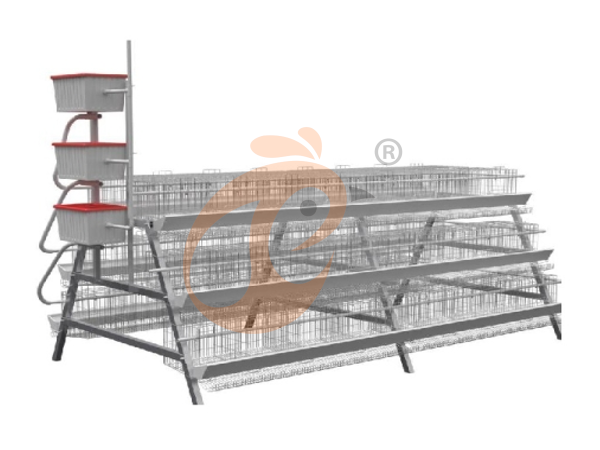
5. Our 24 hour online reception What’sApp NO. is +8618830120193, +234 8111199996. <30,000 Broilers Manual Harvest A Type Battery Cage1. Less 30,000 broilers a house, choose it.
2. It is designed to rearing 1 to 45 day old adult broiler ready for market.
3. Its lifespan is more than 20 years.
4. Its structure are Vcloud artificial intelligent fusion, electric control cabinet, automatic equipment of drinking, feeding and manure clean, manual harvesting.
5. Our 24 hour online reception What’sApp NO. is +8618830120193, +234 8111199996. HK Headquarter Offers EU-standard Poultry Farm Solutions, Manufacture Poultry Farm Equipment1. Continuous communication with the EU and the US
2. China, Nigeria, Ethiopia, Tanzania branch companies and factories
3. The products’ quality is customized for local poultry farms
4. Poultry cage and poultry farm equipment stock for sale
5. 24 online reception Whatsapp NO. : +8618830120193,contact us to get full information China Branch Offer Poultry Farm Business Plan, Manufacture Poultry Farm Equipment1. Address: Flat/RM 2416, 24/F, Runxing Building, Youyi Nan Street, Shijiazhuang City, Hebei Province, China
2. Poultry cage and poultry farm equipment factory and stock for sale
3. Customized for local poultry farms
4. Quality and design are based on Euro
5. 24 online reception Whatsapp NO. : +8618830120193 Nigeria Branch Offer Poultry Farm Business Plan, Manufacture Poultry Farm Equipment1. Address: After Sinoma Office, 200 Meters Near Danco Filling Station, Lagos/Ibadan Expressway, Lagos State, Nigeria
2. Poultry cage and poultry farm equipment factory and stock for sale
3. Customized for Nigerian poultry farms
4. Quality and design are based on Euro
5. 24 online reception Whatsapp NO. : +8618830120193 Ethiopia Branch Offer Poultry Farm Business Plan, Manufacture Poultry Farm Equipment1. Address: Gelan Gura, Akaki-kaliti Sub City, Addis Ababa, Ethiopia
2. Poultry cage and poultry farm equipment stock for sale
3. Customized for Ethiopian poultry farms
4. Quality and design are based on Euro
5. 24 online reception Whatsapp NO. : +8618830120193, contact us to get price list Tanzania Branch Offer Poultry Farm Business Plan, Manufacture Poultry Farm Equipment1. Address: No.8, Sova Road, Msufini, Mlandizi, Kibaha, Pwani, Tanzania
2. Poultry cage and poultry farm equipment factory and stock for sale
3. Customized for Tanzanian poultry farms
4. Quality and design are based on Euro
5. 24 online reception Whatsapp NO. : +8618830120193



Contact