


Blog
Battery cage system increases egg production efficiency in commercial poultry farming.
Floor system provides alternative poultry housing with lower initial investment requirement.
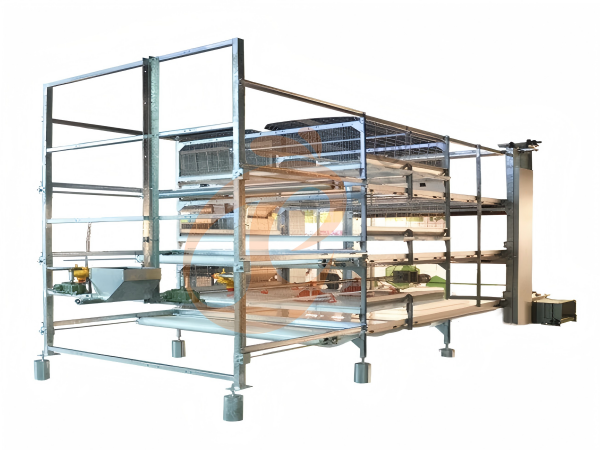
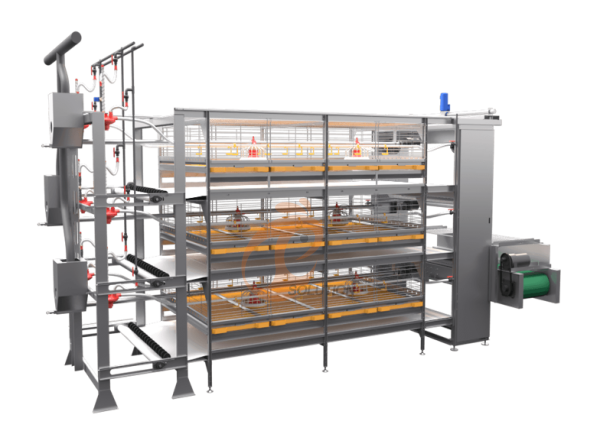
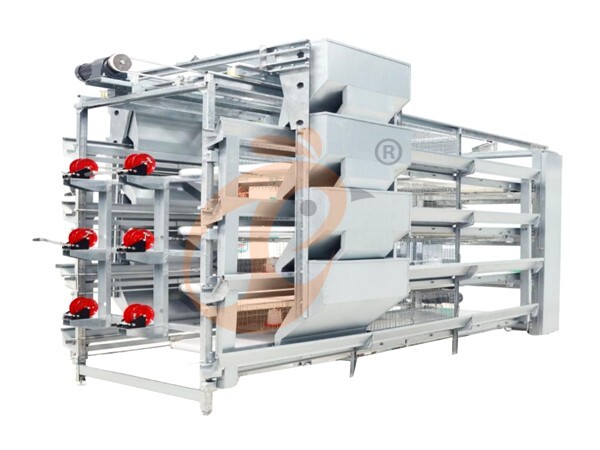
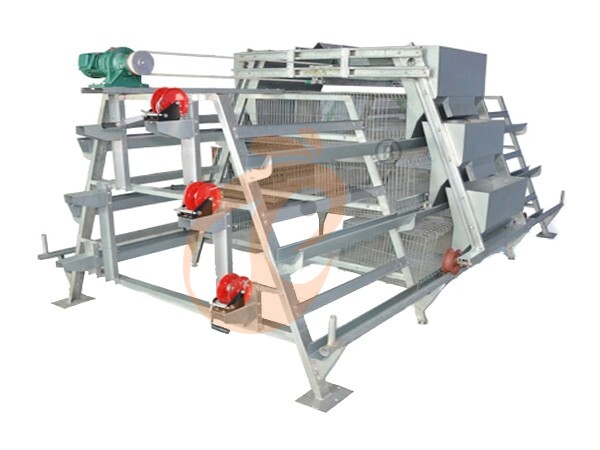
Layer battery cage system integrates automatic feeding and egg collection equipment structure.
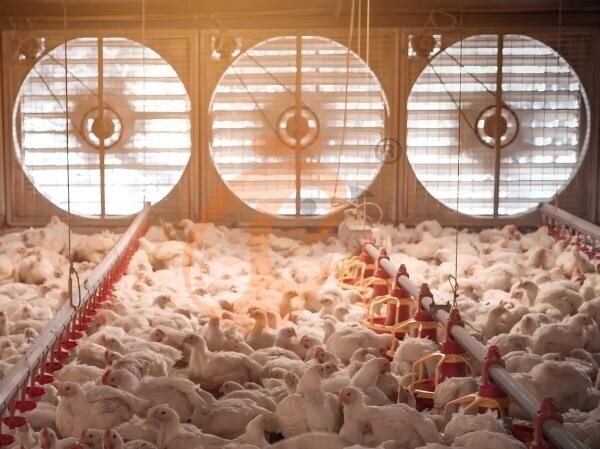
Floor poultry housing system relies on litter management and manual operational labor input.
Return on investment comparison between cage system and floor system determines poultry investment direction.
Get professional poultry farm construction guidance, equipment selection solutions, and the latest price lists, whatsApp to +8618830120193, click to learn more:
Overview
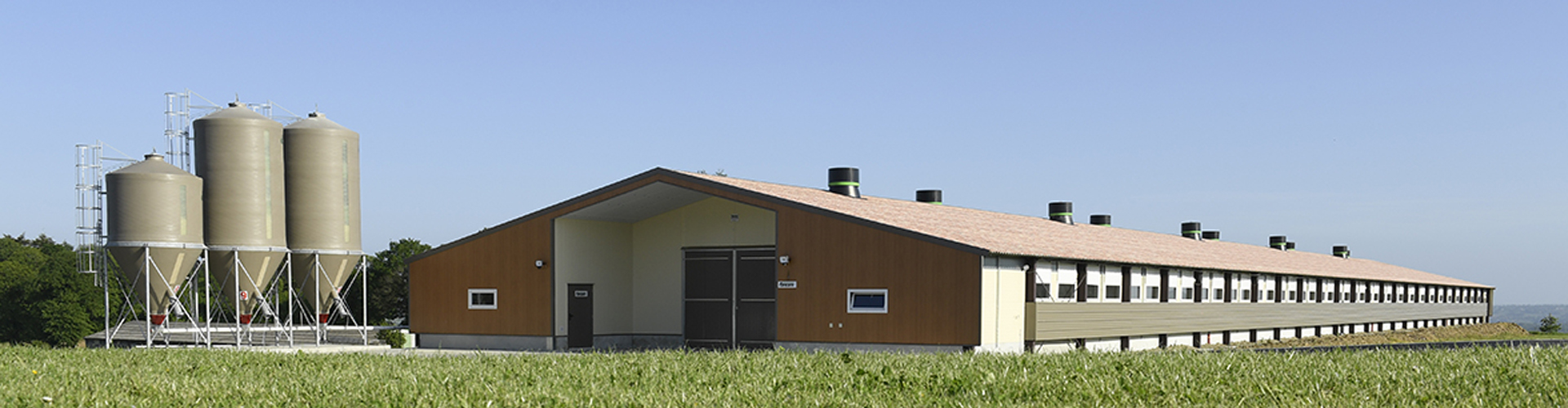
The global egg production industry is increasingly driven by system-level engineering choices rather than only breed selection or feed formulation.
Among all housing technologies, layer battery cage systems and floor (deep litter) systems remain the two dominant commercial architectures.
These systems differ in capital allocation structure, production density model, and automation dependency level.
Evaluates cost per bird, stocking density, feed efficiency, mortality structure, labor demand, and return on investment performance.
Poultry farm return on investment comparison models highlight structural divergence in long-term profitability between both systems.
Core Product Definition: What You Are Actually Buying
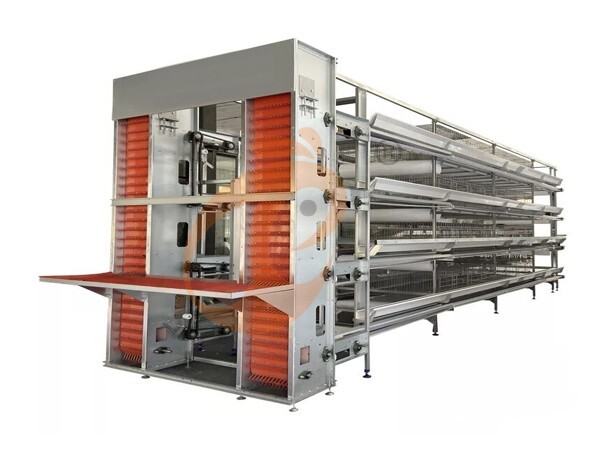
Layer battery cage system is an engineered poultry production platform designed for controlled high-density egg output.
Automation integration defines core performance variation between commercial poultry housing systems.
A complete commercial solution includes
- Multi-tier galvanized steel cage units
- Automatic feeding system
- Nipple drinking system
- Manure belt removal system
- Egg collection conveyor system
- Ventilation integration framework
System architecture focuses on production standardization and output consistency rather than environmental flexibility.
Floor system investment structure is dominated by civil construction and manual feeding infrastructure.
Data is for reference only.Swipe horizontally to view full table.
Capital intensity difference is mainly driven by automation equipment integration in cage systems.
System Capacity Design Per Standard Unit (1,000 Birds Basis)
Stocking density directly determines output ceiling per unit land area in commercial poultry farming.
Data is for reference only.Swipe horizontally to view full table.
Higher density design reduces land cost per production unit in cage systems.
Egg Production Output (Per Bird Productivity Benchmark)
Egg output per bird determines revenue ceiling in poultry farming operations.
Data is for reference only.Swipe horizontally to view full table.
Output stability variance is lower in controlled cage environments.
Feed Consumption Structure
Feed cost represents the largest operational expense in egg production systems.
Feed conversion ratio directly determines cost per egg unit.
Data is for reference only.Swipe horizontally to view full table.
Feed efficiency gap is a primary driver of return on investment difference between systems.
Operating Cost Structure (Annual Per 1,000 Birds)
Operational cost structure determines long-term profitability stability.
Data is for reference only.Swipe horizontally to view full table.
Labor structure difference is the largest cost separation factor.
Revenue Output Model (Market Price Scenario: $0.10/Egg)
Revenue is determined by egg volume multiplied by market price level.
Data is for reference only.Swipe horizontally to view full table.
Production volume difference directly impacts annual revenue ceiling.
Mortality And Survival Dynamics
Mortality rate affects replacement cost and production continuity.
Data is for reference only.Swipe horizontally to view full table.
Disease exposure level is structurally higher in floor systems.
Labor Efficiency Index
Labor requirement determines scalability of poultry production systems.
Data is for reference only.Swipe horizontally to view full table.
Automation reduces labor scaling pressure in cage systems.
Egg Quality Loss Rate
Egg handling efficiency affects saleable output ratio.
Data is for reference only.Swipe horizontally to view full table.
Collection system design determines post-production loss rate.
Return On Investment Calculation Model
Investment return structure reflects combined effect of cost and output efficiency.
Data is for reference only.Swipe horizontally to view full table.
Return on investment gap is primarily driven by feed efficiency and labor automation difference.
Investment Sensitivity Factors
Battery cage system reduces feed cost volatility impact due to improved FCR efficiency structure.
Automation reduces labor dependency and stabilizes operational cost structure.
Controlled housing improves production stability under disease pressure conditions.
Floor system increases sensitivity to labor cost fluctuation in operational budgeting.
Environmental exposure increases veterinary and disease control cost requirement.
Biological System Efficiency Explanation
Egg production efficiency depends on metabolic energy allocation in laying hens.
Cage systems reduce locomotion energy consumption, improving feed-to-egg conversion efficiency.
Poultry farm return on investment comparison studies show stronger efficiency performance in controlled environments.
Floor systems increase physical activity energy cost, reducing net production efficiency per feed unit.
Waste Management And Environmental Control
Data is for reference only.Swipe horizontally to view full table.
Waste handling system design directly affects environmental compliance cost structure.
System Expansion Scalability
Data is for reference only.Swipe horizontally to view full table.
Scalability advantage supports industrial expansion in cage systems.
Frequently Asked Questions
Q1: What is the initial investment difference between battery cage and floor system?
Battery cage system requires 11,500–18,000 USD per 1,000 birds.
Floor system requires 4,100–7,000 USD per 1,000 birds.
Equipment cost difference is mainly driven by automation infrastructure.
Q2: Which system has higher return on investment in commercial egg production?
Battery cage system achieves 18–32% return on investment.
Floor system achieves 10–18% return on investment.
Efficiency gap is driven by feed conversion and labor structure.
Q3: Which system produces higher egg output per bird?
Battery cage system produces 305–325 eggs per bird annually.
Floor system produces 265–295 eggs per bird annually.
Production consistency is higher in cage-based systems.
Taiyu (HK) Group - One Of China Biggest Layer Battery Cage System Manufacturer
Layer battery cage system integrated production solution for commercial egg farming operations.
Global factory direct supply chain supporting large scale poultry equipment distribution network.
Poultry equipment engineering covering automatic feeding, watering, and egg collection systems.
Poultry cage manufacturing with galvanized steel structure for long term durability performance.
Turn-key engineering project support for fully automated poultry farm construction worldwide.
Contact Us To Received Your Customized Poultry Farm Plan
Headquarters And Branchs

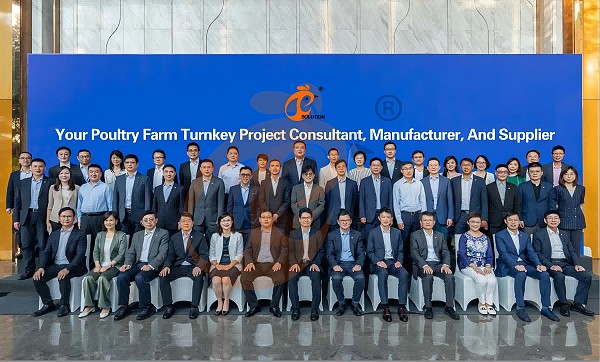
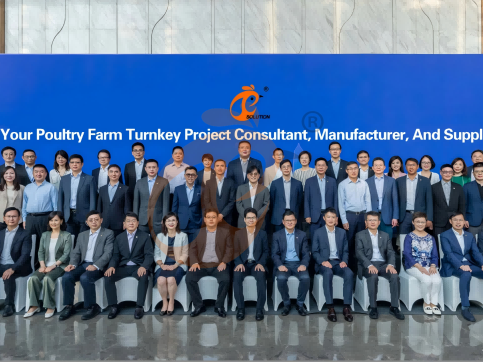
Hong Kong Headquarter Management Team
Hong Kong Headquarter Taiyu Industrial Group CO., LTD
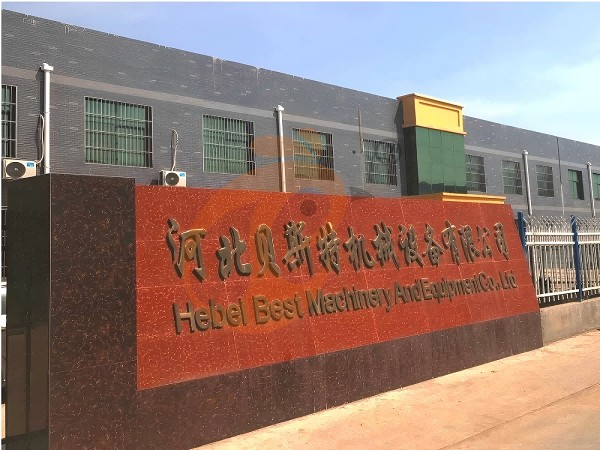
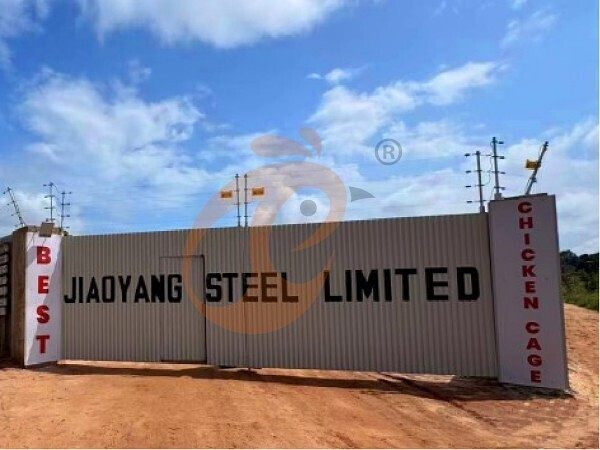
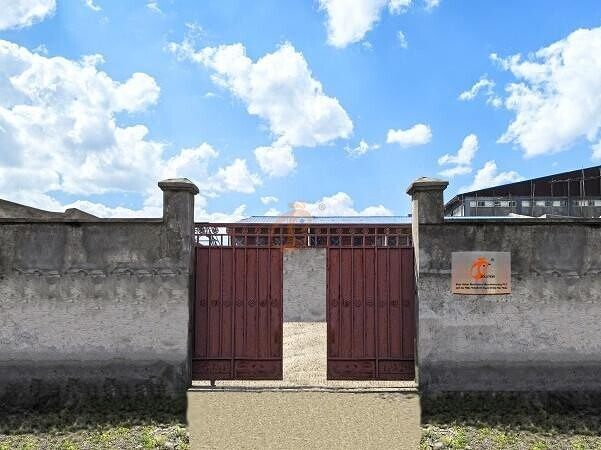
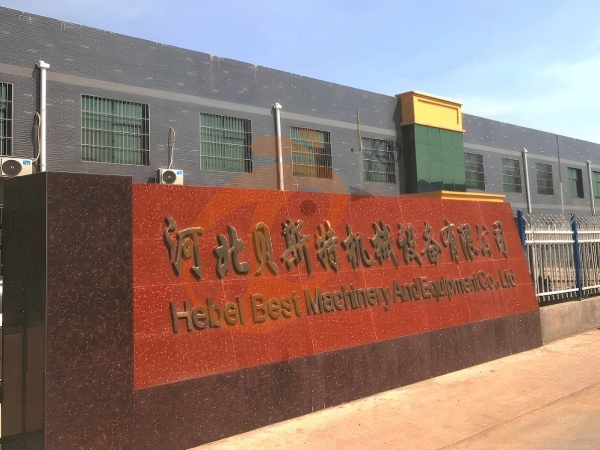
China Hebei Best Machinery And Equipment CO., LTD
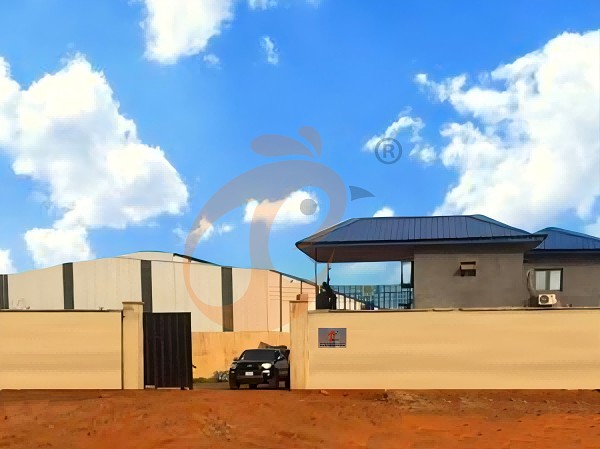
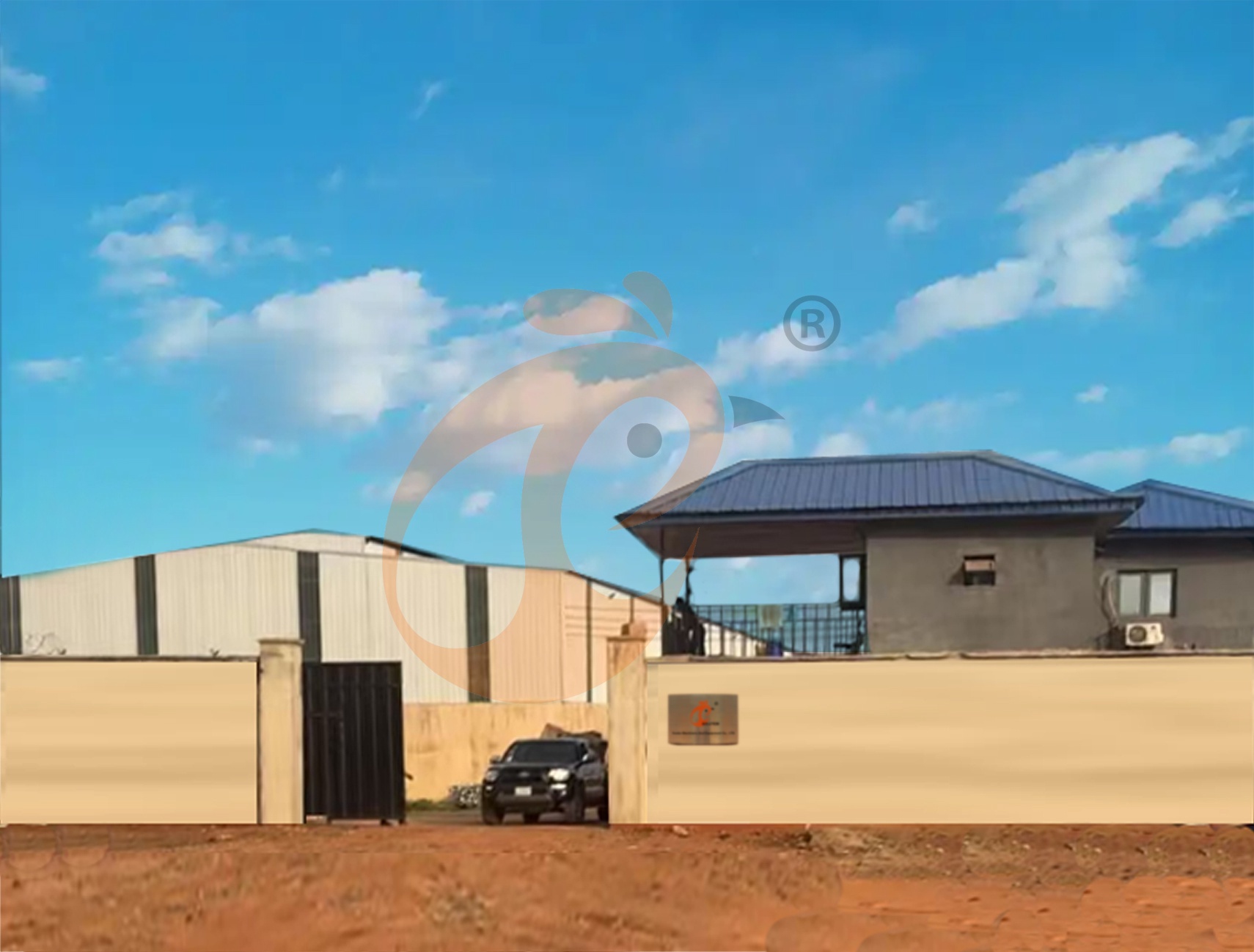
Nigeria Vanke Machinery And Equipment CO., LTD
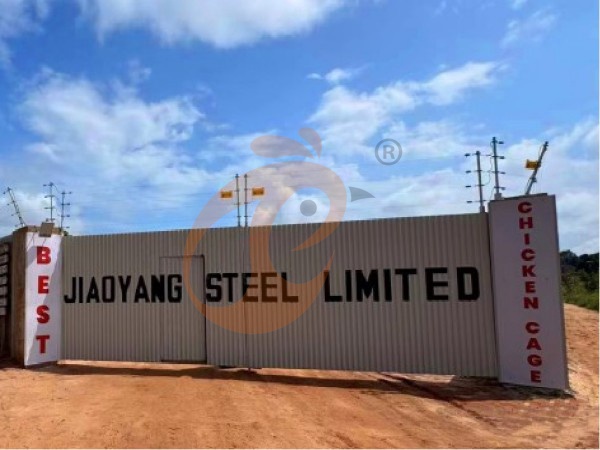
Tanzania Best Machinery And Equipment CO., LTD
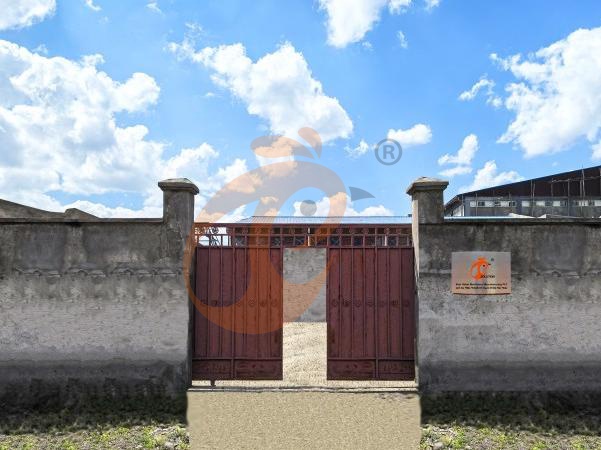
Ethiopia Best Hebei Machinery Manufacturing PLC
Reception /24 WhatsApp NO. : +8618830120193
FAQ
What Are The Flooring Material Specifications In Floor Rearing Poultry System For Poultry Chicken Houses?
Mesh opening size is maintained at 10–15 mm to ensure manure passage efficiency.
Load-bearing capacity reaches 80–120 kg per square meter for flock support stability.
What Ventilation Requirements Are Required In Floor Rearing Poultry System For Poultry Chicken Environments?
Air velocity at bird level is controlled at 0.2–0.4 m/s for thermal comfort.
Static pressure is regulated between 15–25 Pa for balanced airflow distribution.
What Feeding System Design Is Used In Floor Rearing Poultry System For Poultry Chicken Production?
Automatic pan feeders operate with 0.5–1.0 kg feed capacity per feeding point.
Feed distribution cycles are completed within 3–5 minutes per house line.
- battery cage
- battery cage system
- poultry farm
- poultry cage
- cage
- poultry farm construction
- layer battery cage
- battery cage system manufacturer
- layer battery cage system
- poultry housing system
- automatic feeding system
- deep litter system
- poultry equipment
- egg collection system
- egg collection equipment
- chickencage
- bestchickencage
- cage system
- cage systems
- Nigeria
- automated poultry farm
- automated poultry farm construction
- commercial egg farm
- egg production system
- poultry farming
- poultry housing systems
- poultry farm ROI
- egg collection conveyor
- poultry farm plan
- Ethiopia
Message
Products recommended
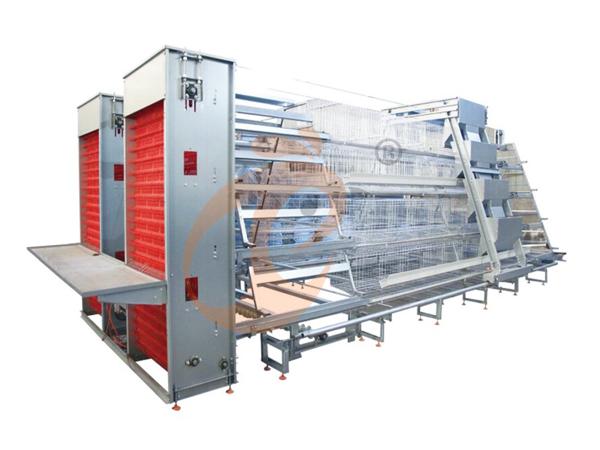
 >30,000 Pullets Automatic H Type Battery Cage1. More than 30,000 pullets a house, choose it.
2. It is designed to rearing older than 1 day old pullets to 12 to 16 weeks old chicken starting laying eggs.
3. Its lifespan is more than 25 years.
4. Its structure are Vcloud artificial intelligent fusion, electric control cabinet, automatic equipment of drinking, feeding, manure clean, manual harvesting.
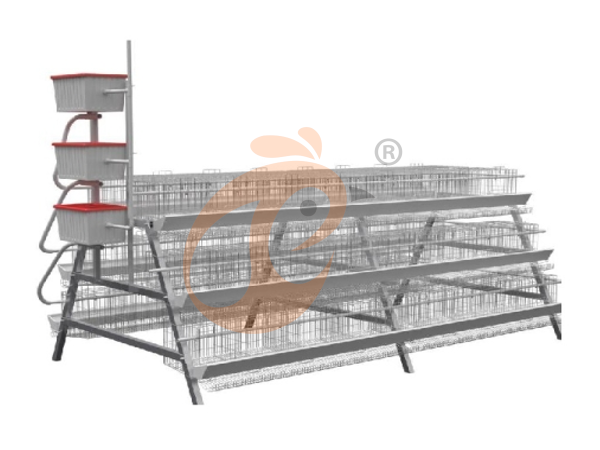
5. Our 24 hour online reception What’sApp NO. is +8618830120193 <30,000 Pullets Automatic A Type Battery Cage1. 10,000 to 30,000 pullets a house, choose it.
2. It is designed to rearing older than 1 day old pullets to 12 to 16 weeks old chicken starting laying eggs.
3. Its lifespan is more than 25 years.
4. Its structure are Vcloud artificial intelligent fusion, electric control cabinet, automatic equipment of drinking, feeding, manure clean, manual harvesting.
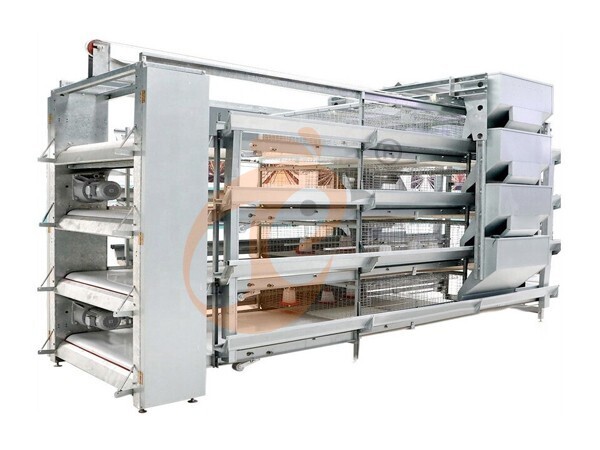
5. Our 24 hour online reception What’sApp NO. is +86 18830120193. >30,000 Broilers Semi-Automatic Harvest H Type Battery Cage1. More than 30,000 broilers a house, choose it.
2. It is designed to rearing 1 to 45 day old adult broiler ready for market.
3. Its lifespan is more than 20 years.
4. Our 24 hour online reception What’sApp NO. is +8618830120193, +234 8111199996. >30,000 Broilers Manual Harvest H Type Battery Cage1. More than 30,000 broilers a house, choose it.
2. It is designed to rearing 1 to 45 day old adult broiler ready for market.
3. Its lifespan is more than 20 years.
4. Its structure are Vcloud artificial intelligent fusion, electric control cabinet, automatic equipment of drinking, feeding and manure clean, manual harvesting.
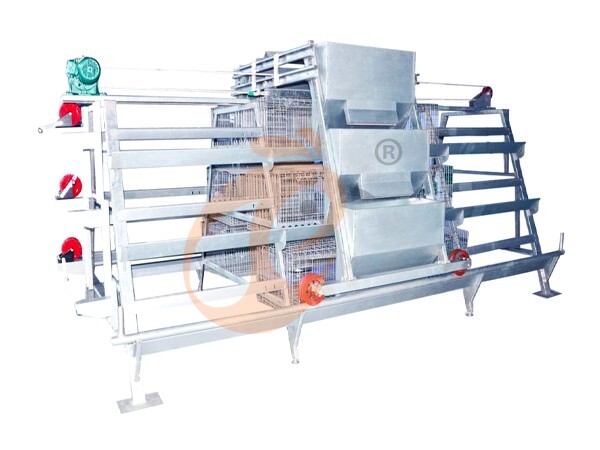
5. Our 24 hour online reception What’sApp NO. is +8618830120193, +234 8111199996. <30,000 Broilers Manual Harvest A Type Battery Cage1. Less 30,000 broilers a house, choose it.
2. It is designed to rearing 1 to 45 day old adult broiler ready for market.
3. Its lifespan is more than 20 years.
4. Its structure are Vcloud artificial intelligent fusion, electric control cabinet, automatic equipment of drinking, feeding and manure clean, manual harvesting.
5. Our 24 hour online reception What’sApp NO. is +8618830120193, +234 8111199996. HK Headquarter Offers EU-standard Poultry Farm Solutions, Manufacture Poultry Farm Equipment1. Continuous communication with the EU and the US
2. China, Nigeria, Ethiopia, Tanzania branch companies and factories
3. The products’ quality is customized for local poultry farms
4. Poultry cage and poultry farm equipment stock for sale
5. 24 online reception Whatsapp NO. : +8618830120193,contact us to get full information China Branch Offer Poultry Farm Business Plan, Manufacture Poultry Farm Equipment1. Address: Flat/RM 2416, 24/F, Runxing Building, Youyi Nan Street, Shijiazhuang City, Hebei Province, China
2. Poultry cage and poultry farm equipment factory and stock for sale
3. Customized for local poultry farms
4. Quality and design are based on Euro
5. 24 online reception Whatsapp NO. : +8618830120193 Nigeria Branch Offer Poultry Farm Business Plan, Manufacture Poultry Farm Equipment1. Address: After Sinoma Office, 200 Meters Near Danco Filling Station, Lagos/Ibadan Expressway, Lagos State, Nigeria
2. Poultry cage and poultry farm equipment factory and stock for sale
3. Customized for Nigerian poultry farms
4. Quality and design are based on Euro
5. 24 online reception Whatsapp NO. : +8618830120193 Ethiopia Branch Offer Poultry Farm Business Plan, Manufacture Poultry Farm Equipment1. Address: Gelan Gura, Akaki-kaliti Sub City, Addis Ababa, Ethiopia
2. Poultry cage and poultry farm equipment stock for sale
3. Customized for Ethiopian poultry farms
4. Quality and design are based on Euro
5. 24 online reception Whatsapp NO. : +8618830120193, contact us to get price list Tanzania Branch Offer Poultry Farm Business Plan, Manufacture Poultry Farm Equipment1. Address: No.8, Sova Road, Msufini, Mlandizi, Kibaha, Pwani, Tanzania
2. Poultry cage and poultry farm equipment factory and stock for sale
3. Customized for Tanzanian poultry farms
4. Quality and design are based on Euro
5. 24 online reception Whatsapp NO. : +8618830120193


Contact