


Blog
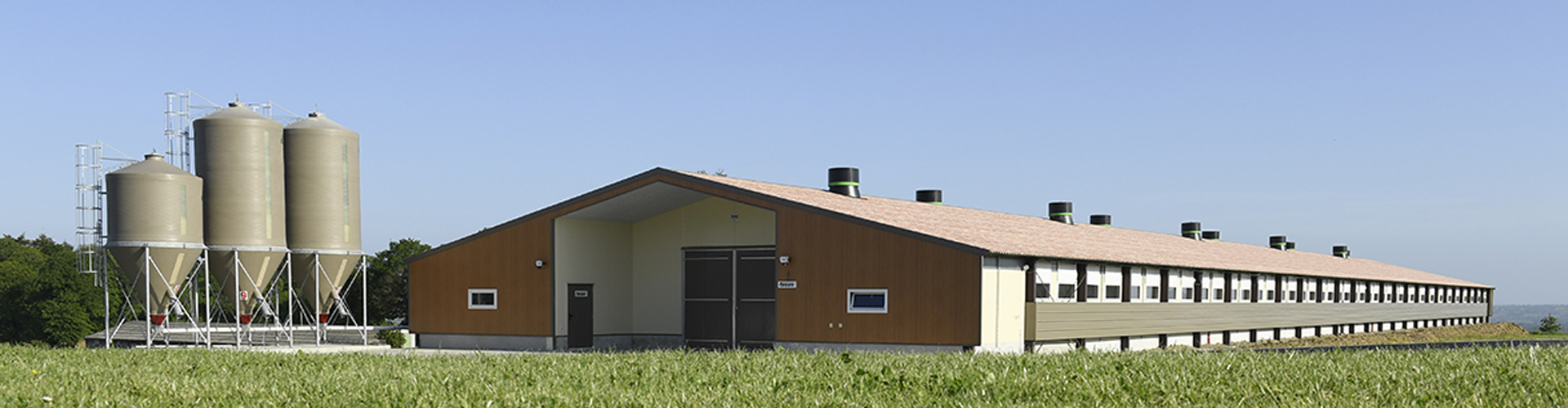
Layer chicken cage system solutions combine automated poultry equipment, modular structures, and efficient farm layouts with 4-tier configurations and 2.8 mm galvanized wire materials.
Professional cage planning integrates feeding, drinking, egg collection, and manure management systems with customized engineering support for commercial farms covering 6,000 m² projects.
Smart equipment arrangement improves production workflows through coordinated cage rows, automatic machines, and technical layouts designed around 18-hour operation cycles.
Modern poultry farms require durable equipment systems with corrosion-resistant components, precise installation planning, and 25-year structural service expectations.
Complete farm solutions connect design, manufacturing, and installation services through technical expertise, global supply capability, and project-based engineering management.
Get professional poultry farm construction guidance, equipment selection solutions, and the latest price lists, whatsApp to +8618830120193, click to learn more:
Smart Layout Planning For Modern Layer Cage Systems
A professional layer chicken cage layout is not only a building arrangement but also an integrated equipment solution.
Commercial poultry farms require cage frames, automatic feeding lines, drinking systems, manure belts, and egg collection units to operate as a connected production network.
Professional layer chicken cage system manufacturers provide customized engineering drawings to match farm buildings, equipment positions, and production requirements.
Complete solutions normally include structural analysis, equipment matching, installation guidance, and technical support throughout project development.
Equipment Integration Focus
- Cage framework: galvanized steel structure with modular assembly design and 8-section connection technology.
- Automatic feeding: motor-driven delivery equipment with programmable operation and 12-hour scheduling memory.
- Egg handling: conveyor-based collection equipment for centralized transportation and packing connection.
- Waste management: belt-type manure removal equipment connected with external discharge systems.
A modern project may combine 6.8-meter equipment service zones and 2.6-meter control installation areas to create organized production routes.
Engineering teams evaluate cage orientation, equipment positions, and operator workflow before manufacturing begins.
A complete poultry equipment solution helps farms reduce installation complexity and improve long-term operation stability.
Cage Structure Layout Parameters
Data is for reference only.Swipe horizontally to view full table.
The cage structure represents the foundation of a commercial poultry production system.
Professional manufacturers design cage panels, support frames, connection accessories, and automation interfaces according to project specifications.
Layer chicken cage equipment uses modular production methods to support different farm sizes and installation requirements.
Different models are selected according to automation targets, building structures, and customer production plans.
A typical engineering design can include 9.5-meter transport sections and 3.6-meter installation preparation areas for smoother equipment deployment.
Layout Tip One: Build Equipment-Oriented Working Routes
Traditional farm construction often places equipment after the building structure is completed.
Professional poultry projects use an equipment-first approach where cage systems determine the location of feeding motors, egg conveyors, inspection channels, and maintenance areas.
Recommended Design Sequence
Confirm cage model
Match automatic equipment position
Reserve maintenance routes
Complete building structure drawing
A complete layer chicken cage manufacturer solution combines production drawings with installation guidance.
Engineering layouts may include 3.2-meter electrical cable routing sections and 4.5-meter equipment transfer spaces to support future maintenance operations.
Scientific planning prevents problems such as blocked manure outlets, unsuitable motor positions, and limited replacement access.
Feeding Equipment Layout Data
Data is for reference only.Swipe horizontally to view full table.
Automatic feeding equipment forms a critical section of modern layer cage projects.
Advanced systems connect storage units, feeding pipelines, and cage rows into a continuous supply process.
Layer chicken cage supplier solutions often combine feeders with cage drawings before production to ensure accurate installation.
A commercial feeding system can support 14 daily operation programs and 6 remote monitoring channels for improved management.
Integrated equipment design reduces manual procedures and creates a more controlled production environment.
Ventilation And Cage Position Coordination
Air management equipment must follow cage arrangement logic.
Professional poultry houses combine cage direction, ventilation machines, environmental controllers, and sensor systems during the design stage.
Equipment Matching List
A complete poultry equipment supplier evaluates building volume, airflow direction, and cage positioning before recommending ventilation equipment.
Modern systems may include 14 ventilation sections and 32 sensor connection points for automatic environmental monitoring.
Correct equipment placement supports stable airflow distribution and simplifies future maintenance.
Environmental Equipment Layout Parameters
Data is for reference only.Swipe horizontally to view full table.
Environmental control equipment improves automation capability in modern poultry production facilities.
Layer chicken cage exporter projects often integrate controllers, sensors, and cage structures as a complete technical package.
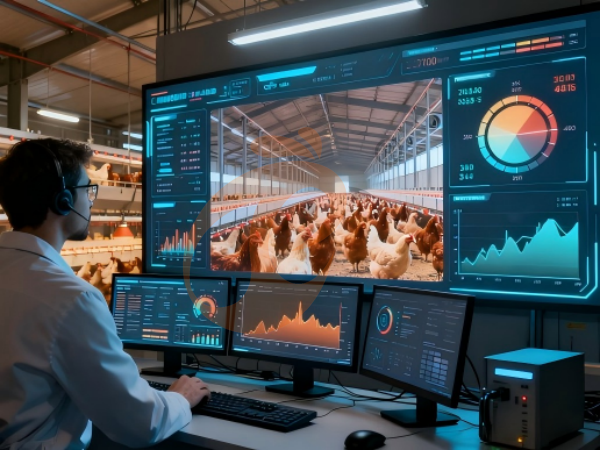
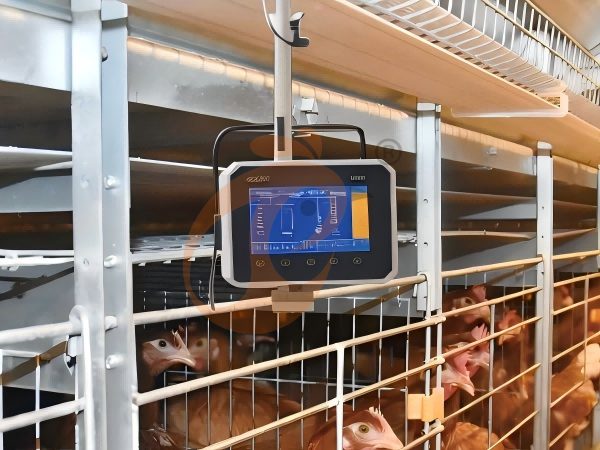
Intelligent management systems help operators monitor equipment performance through centralized control solutions.
A commercial project may require 15 monitoring points and 36 control commands according to building design.
Egg Collection Equipment Design Data
Data is for reference only.Swipe horizontally to view full table.
Automatic egg collection equipment creates a direct connection between cage rows and packing areas.
Professional layer chicken cage system manufacturers combine egg conveyors, cage frames, and transfer units into a complete workflow.
Advanced collection solutions help reduce repeated manual handling and maintain organized transportation routes.
Engineering designs may include 5.8-meter packing connection zones and 16 automatic transfer positions for commercial egg production facilities.
Equipment coordination during the planning stage improves installation accuracy and operational consistency.
Equipment Tip Two: Select Layout Based On Automation Level
Different farms require different equipment combinations according to production targets, management methods, and investment planning.
Professional poultry equipment suppliers provide customized solutions from basic cage systems to fully automated production lines.
Solution Selection Example
Layer cage + manual feedingSuitable for basic farm operation.
Layer cage + automatic feeding + manure belt
Suitable for commercial production.
Complete cage system + intelligent control cabinet
Suitable for integrated farm management.A complete layer chicken cage supplier service includes equipment selection, technical drawings, manufacturing, and installation support.
Global projects may require 8-month construction schedules and 20 technical documents for complete engineering approval.
Turn-key poultry solutions allow customers to manage projects through one professional supplier instead of coordinating multiple equipment providers.
Drinking System Equipment Parameters
Data is for reference only.Swipe horizontally to view full table.
The drinking system must match cage levels, bird positions, and water supply routes.
Professional poultry equipment manufacturers integrate pipelines and cage structures during production to improve installation efficiency.
Layer chicken cage equipment packages can include stainless steel drinking components, pressure control devices, and water management accessories.
A complete system may contain 10 filtration inspection points and 24 pipeline connection areas according to farm requirements.
Precise water equipment planning supports stable operation throughout the production cycle.
Manure Removal Equipment Integration Strategy
Modern layer cage projects use manure removal equipment as an important automation component.
The cage layout should reserve installation space for belts, motors, scrapers, and waste transfer systems.
System Connection Process
Cage Row
Manure Belt
Transfer Unit
Storage Area
External Processing
Professional layer chicken cage exporter solutions connect cage structures with automatic manure management systems.
Equipment manufacturers analyze cage foundation design, waste routes, and maintenance access before production.
A commercial layout may include 7.5-meter waste transfer routes and 11 control inspection positions to support continuous operation.
The integrated design reduces manual cleaning requirements and improves production management efficiency.
Manure System Layout Parameters
Data is for reference only.Swipe horizontally to view full table.
Manure removal systems are commonly included in complete automated poultry equipment packages.
Professional suppliers design waste transportation systems together with cage frames to ensure structural compatibility.
Layer chicken cage system projects can combine manure belts, motors, controllers, and discharge equipment according to farm capacity.
Large commercial installations may require 13 maintenance access points and 4 independent operation modules for system management.
The coordinated design creates a cleaner and more organized production environment.
Final Equipment Planning Checklist For Layer Cage Projects
A successful layer cage layout requires cooperation between farm design and equipment manufacturing.
Before Production
✓ Confirm cage type and production capacity.
✓ Match feeding, drinking, and egg collection equipment.
✓ Reserve electrical connection locations.
✓ Design manure transportation routes.
✓ Prepare installation drawings.
Manufacturer Service Advantages
- Complete cage production.
- Customized equipment arrangement.
- Farm layout support.
- Installation guidance.
- Automation system matching.
Professional poultry equipment companies provide complete production solutions instead of individual machine supply.
Layer chicken cage manufacturer services combine engineering design, factory manufacturing, and technical installation assistance.
Commercial customers can receive integrated solutions covering equipment selection, project planning, and after-sales support.
For international projects, complete packages may include 12 engineering drawings and 30 quality inspection records.
Projects involving equipment purchases above $50,000 require European union standard reference only for certain international technical evaluations.
Frequently Asked Questions
Q1: What equipment is included in a modern layer chicken cage system?
A modern layer chicken cage system usually includes cage frames, automatic feeders, drinking lines, egg collection equipment, manure removal systems, and control devices.
Complete projects may combine more than 20 equipment components depending on farm requirements.
Q2: How does cage layout affect poultry farm efficiency?
Scientific cage layout improves equipment connection, worker movement, and maintenance procedures.
Professional designs normally consider building structure, automation level, and future expansion requirements with project areas starting from approximately 3,000 m².
Q3: Why choose a complete poultry equipment supplier?
A complete supplier provides manufacturing, engineering design, installation guidance, and technical support together.
Turn-key solutions help farms coordinate multiple systems through one project management process.
Taiyu (HK) Group - One Of China Biggest Layer Chicken Cage Manufacturer
Layer chicken cage system provides integrated poultry housing equipment with modular structures, automated components, and customized engineering solutions for global commercial farms.
Factory-direct poultry equipment production supports international customers with complete manufacturing processes, quality inspection procedures, and project delivery management.
Turn-key engineering services combine farm planning, equipment installation, technical drawings, and commissioning support for different poultry production projects.
Global export capability delivers poultry equipment solutions to international markets through professional production facilities and experienced engineering teams.
Complete project cooperation includes customized design, equipment supply, installation assistance, and long-term technical service support.
Contact Us To Received Your Customized Poultry Farm Plan
Headquarters And Branchs

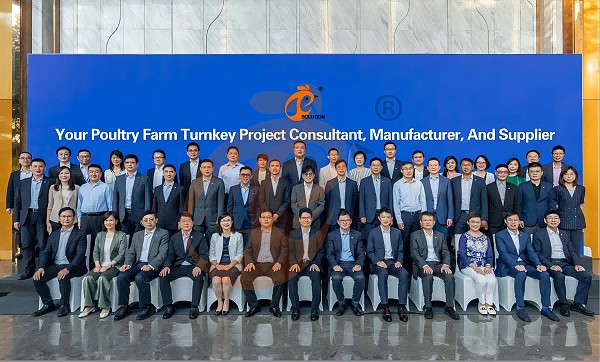
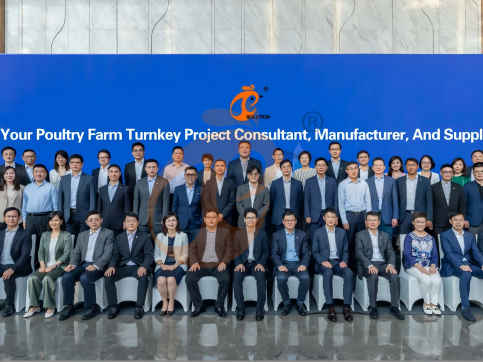
Hong Kong Headquarter Management Team
Hong Kong Headquarter Taiyu Industrial Group CO., LTD
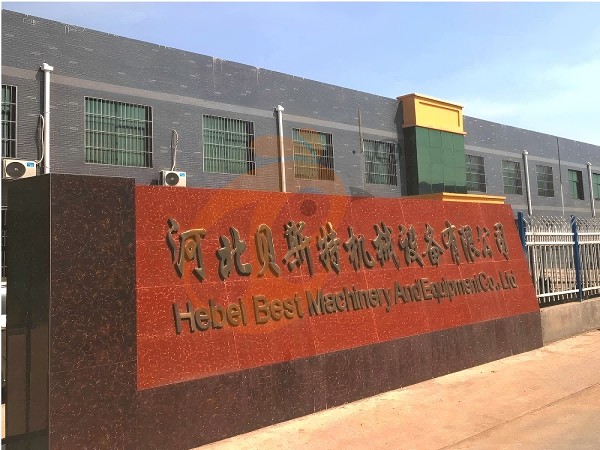
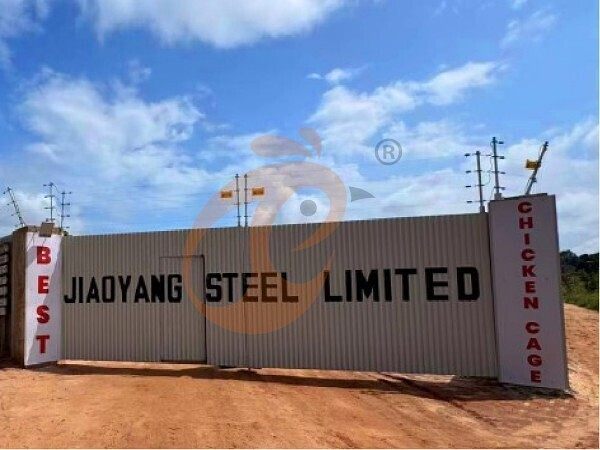
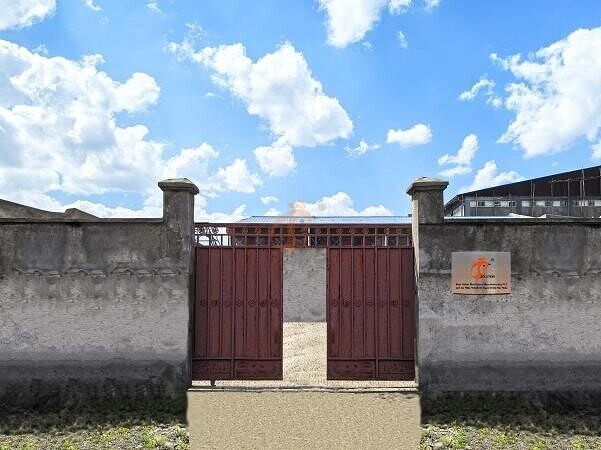
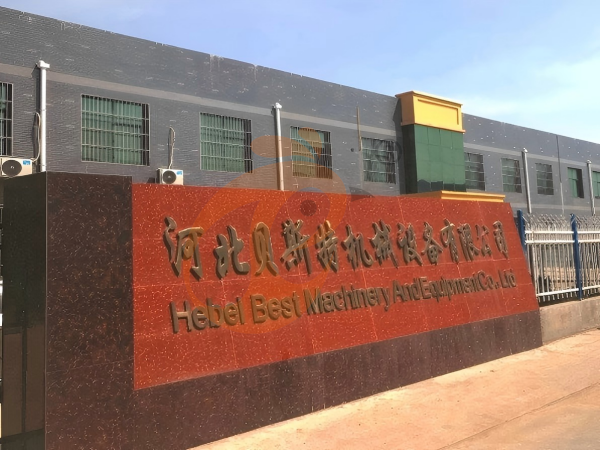
China Hebei Best Machinery And Equipment CO., LTD
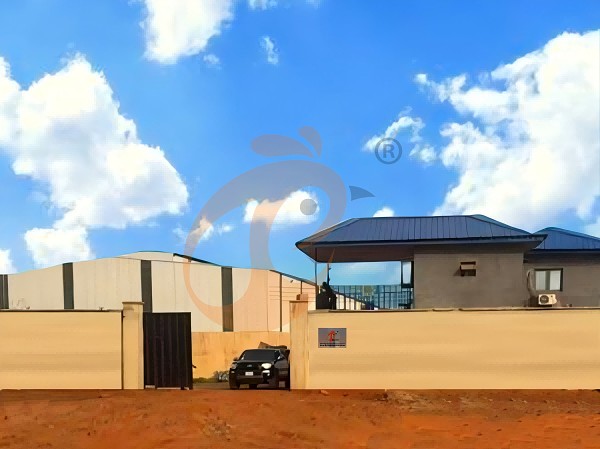
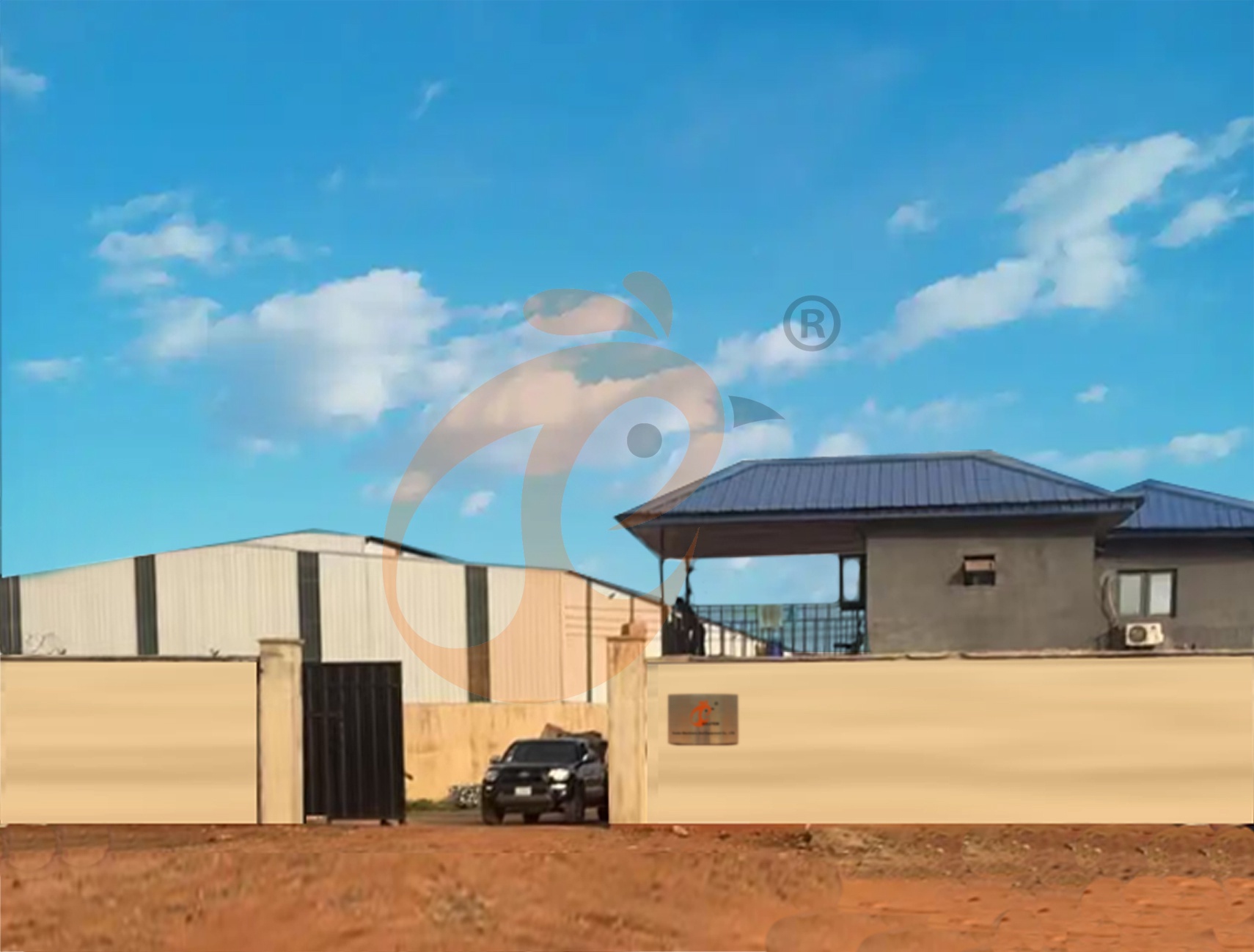
Nigeria Vanke Machinery And Equipment CO., LTD
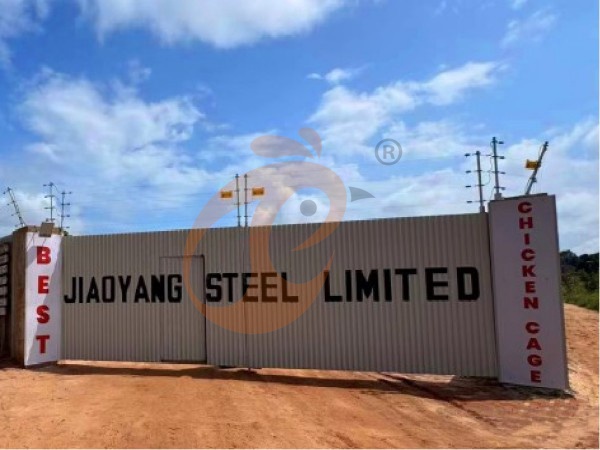
Tanzania Best Machinery And Equipment CO., LTD
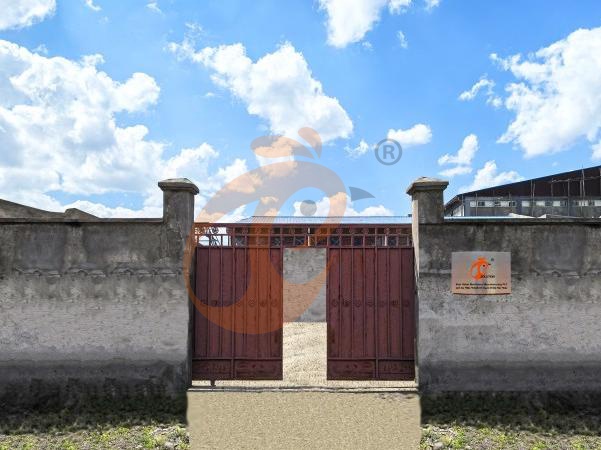
Ethiopia Best Hebei Machinery Manufacturing PLC
Reception /24 WhatsApp NO. : +8618830120193
FAQ
How To Reduce Stress And Improve Egg Production In Battery Cage Farms?
Good ventilation, temperature 18–25℃, lighting 16h/day.
Automatic feeding and drinking systems ensure sufficient nutrition and water; egg production 90–98%.
What Are The Advanced Tips For Egg Hygiene And Quality Control In Layer Cage Systems?
Monitor feed nutrition and water quality to ensure strong eggshells.
How To Implement Advanced Light Management Systems In Poultry Cage Farms?
Combined with automatic feeding, egg production increases 2–3%, breakage <3%.
- poultry farm
- chicken cage
- poultry farms
- layer cage
- poultry house
- cage
- poultry farm construction
- layer cage system
- chicken cage layout
- chicken cage manufacturer
- chicken cage system
- chicken cage supplier
- chicken cage equipment
- chicken cage exporter
- chicken cage system manufacturer
- poultry equipment
- manure removal system
- manure removal equipment
- egg collection equipment
- automatic egg collection equipment
- chickencage
- bestchickencage
- cage system
- cage systems
- layer chicken cage supplier
- h cage
- layer chicken cage
- Nigeria
- poultry farm efficiency
- layer chicken cage system
- modern poultry farms
- commercial poultry farms
- layer chicken cage layout
- poultry equipment supplier
- automated poultry equipment
- layer chicken cage exporter
- layer chicken cage manufacturer
- layer chicken cage system manufacturer
- poultry equipment manufacturer
- poultry housing equipment
- cage manufacturer
- cage supplier
- cage exporter
- layer cage layout
- modern poultry farm
- automatic egg collection
- poultry farm plan
- poultry equipment suppliers
- Ethiopia
Message
Products recommended
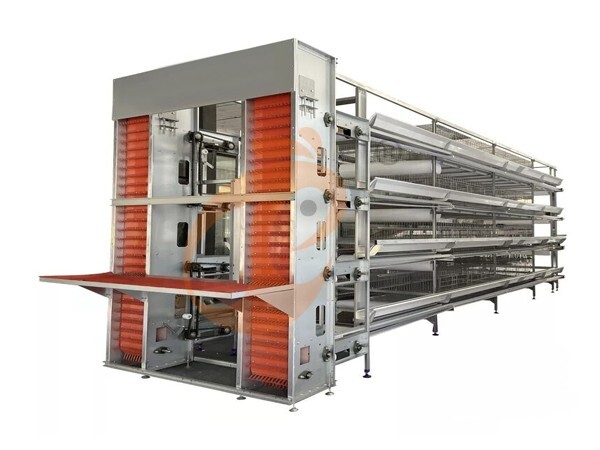
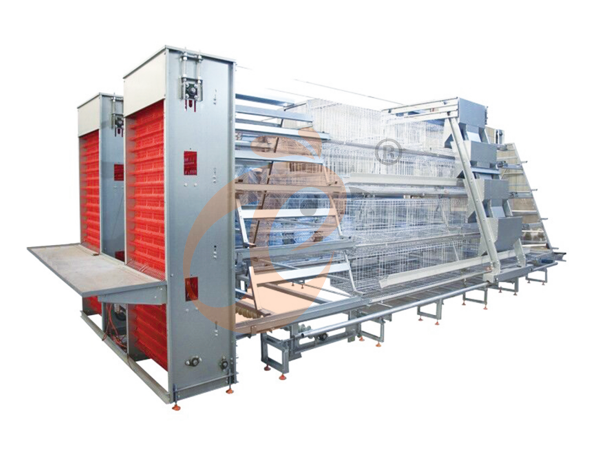
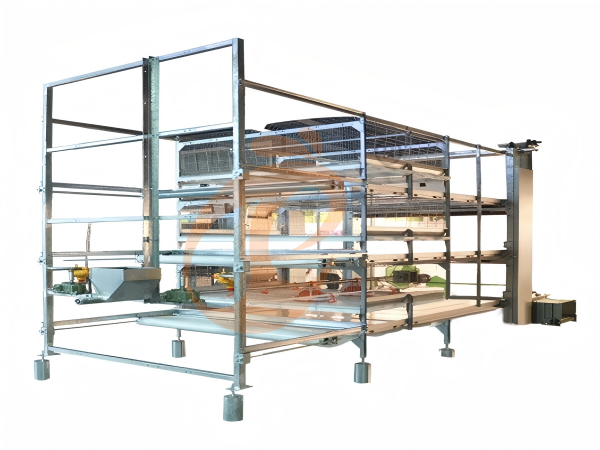
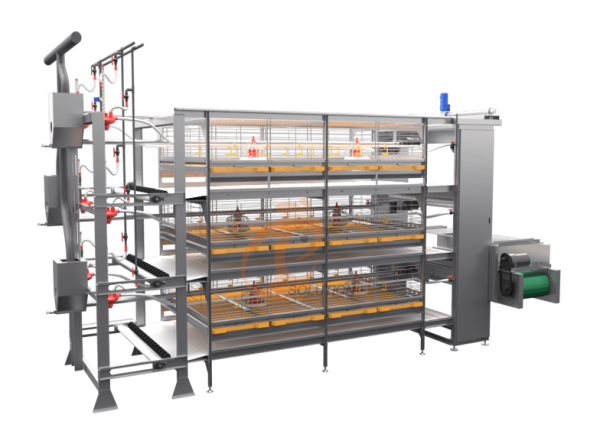
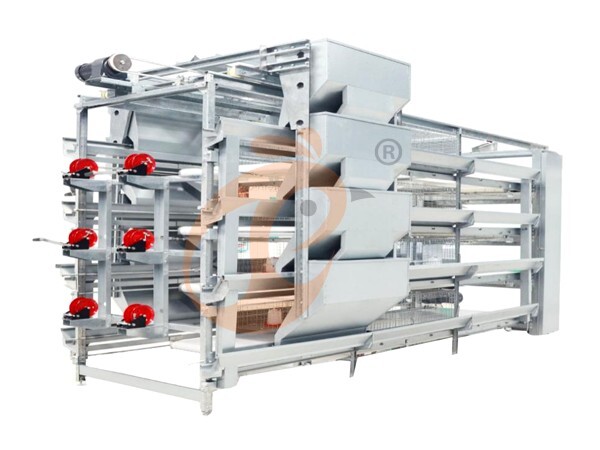
 >30,000 Pullets Automatic H Type Battery Cage1. More than 30,000 pullets a house, choose it.
2. It is designed to rearing older than 1 day old pullets to 12 to 16 weeks old chicken starting laying eggs.
3. Its lifespan is more than 25 years.
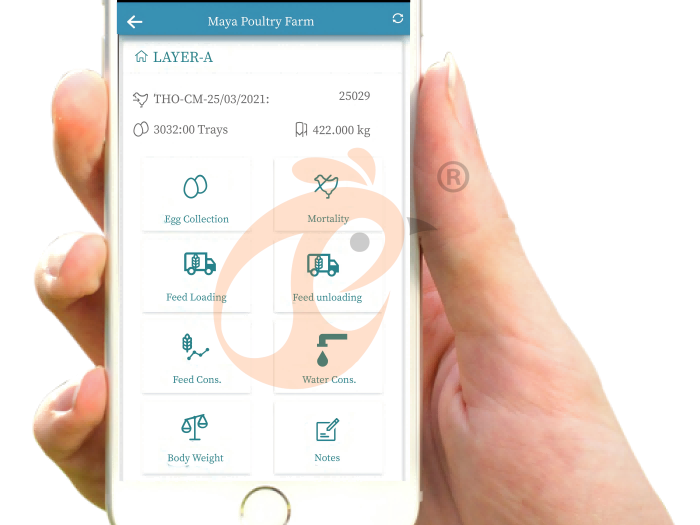
4. Its structure are Vcloud artificial intelligent fusion, electric control cabinet, automatic equipment of drinking, feeding, manure clean, manual harvesting.
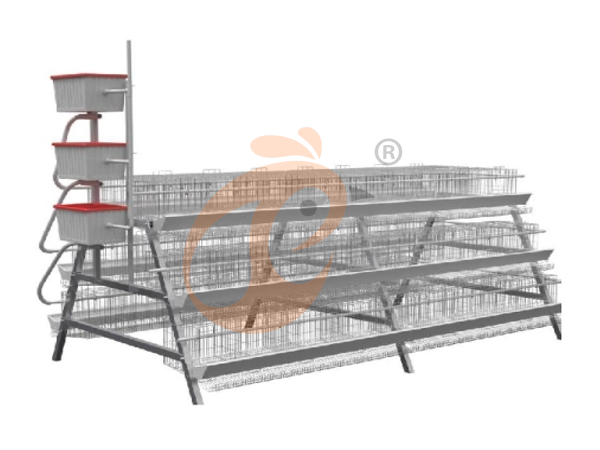
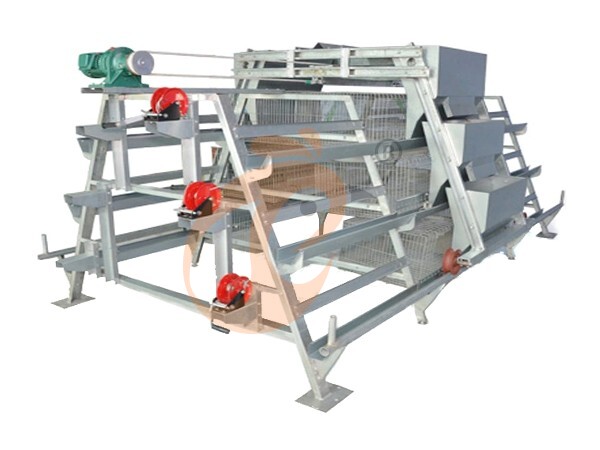
5. Our 24 hour online reception What’sApp NO. is +8618830120193 <30,000 Pullets Automatic A Type Battery Cage1. 10,000 to 30,000 pullets a house, choose it.
2. It is designed to rearing older than 1 day old pullets to 12 to 16 weeks old chicken starting laying eggs.
3. Its lifespan is more than 25 years.
4. Its structure are Vcloud artificial intelligent fusion, electric control cabinet, automatic equipment of drinking, feeding, manure clean, manual harvesting.
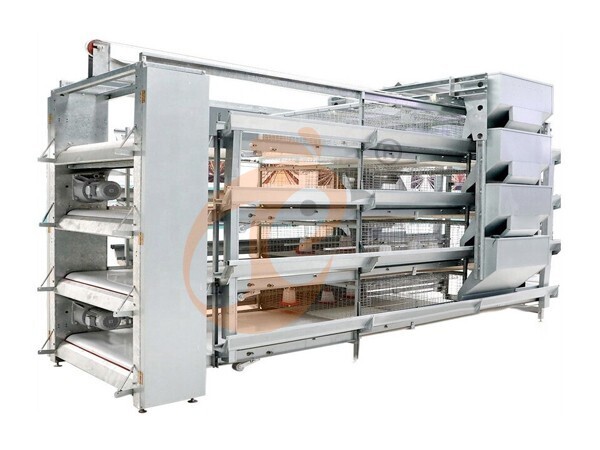
5. Our 24 hour online reception What’sApp NO. is +86 18830120193. >30,000 Broilers Semi-Automatic Harvest H Type Battery Cage1. More than 30,000 broilers a house, choose it.
2. It is designed to rearing 1 to 45 day old adult broiler ready for market.
3. Its lifespan is more than 20 years.
4. Our 24 hour online reception What’sApp NO. is +8618830120193, +234 8111199996. >30,000 Broilers Manual Harvest H Type Battery Cage1. More than 30,000 broilers a house, choose it.
2. It is designed to rearing 1 to 45 day old adult broiler ready for market.
3. Its lifespan is more than 20 years.
4. Its structure are Vcloud artificial intelligent fusion, electric control cabinet, automatic equipment of drinking, feeding and manure clean, manual harvesting.
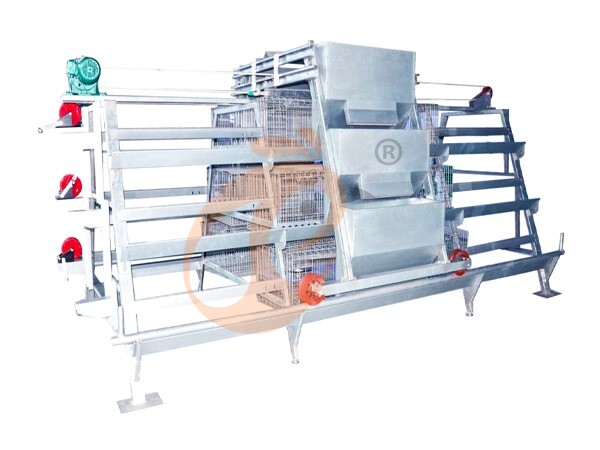
5. Our 24 hour online reception What’sApp NO. is +8618830120193, +234 8111199996. <30,000 Broilers Manual Harvest A Type Battery Cage1. Less 30,000 broilers a house, choose it.
2. It is designed to rearing 1 to 45 day old adult broiler ready for market.
3. Its lifespan is more than 20 years.
4. Its structure are Vcloud artificial intelligent fusion, electric control cabinet, automatic equipment of drinking, feeding and manure clean, manual harvesting.
5. Our 24 hour online reception What’sApp NO. is +8618830120193, +234 8111199996. HK Headquarter Offers EU-standard Poultry Farm Solutions, Manufacture Poultry Farm Equipment1. Continuous communication with the EU and the US
2. China, Nigeria, Ethiopia, Tanzania branch companies and factories
3. The products’ quality is customized for local poultry farms
4. Poultry cage and poultry farm equipment stock for sale
5. 24 online reception Whatsapp NO. : +8618830120193,contact us to get full information China Branch Offer Poultry Farm Business Plan, Manufacture Poultry Farm Equipment1. Address: Flat/RM 2416, 24/F, Runxing Building, Youyi Nan Street, Shijiazhuang City, Hebei Province, China
2. Poultry cage and poultry farm equipment factory and stock for sale
3. Customized for local poultry farms
4. Quality and design are based on Euro
5. 24 online reception Whatsapp NO. : +8618830120193 Nigeria Branch Offer Poultry Farm Business Plan, Manufacture Poultry Farm Equipment1. Address: After Sinoma Office, 200 Meters Near Danco Filling Station, Lagos/Ibadan Expressway, Lagos State, Nigeria
2. Poultry cage and poultry farm equipment factory and stock for sale
3. Customized for Nigerian poultry farms
4. Quality and design are based on Euro
5. 24 online reception Whatsapp NO. : +8618830120193 Ethiopia Branch Offer Poultry Farm Business Plan, Manufacture Poultry Farm Equipment1. Address: Gelan Gura, Akaki-kaliti Sub City, Addis Ababa, Ethiopia
2. Poultry cage and poultry farm equipment stock for sale
3. Customized for Ethiopian poultry farms
4. Quality and design are based on Euro
5. 24 online reception Whatsapp NO. : +8618830120193, contact us to get price list Tanzania Branch Offer Poultry Farm Business Plan, Manufacture Poultry Farm Equipment1. Address: No.8, Sova Road, Msufini, Mlandizi, Kibaha, Pwani, Tanzania
2. Poultry cage and poultry farm equipment factory and stock for sale
3. Customized for Tanzanian poultry farms
4. Quality and design are based on Euro
5. 24 online reception Whatsapp NO. : +8618830120193


Contact