


Blog
Industrial H type layer chicken cages lifespan planning is essential for Ethiopian egg farms managing large laying hen populations in commercial systems.
Ethiopian poultry farms increasingly adopt multi-tier cage systems to improve egg collection efficiency, farm management, and space utilization in rapidly expanding urban egg markets.
Climatic diversity across regions such as Oromia, Amhara, and the Rift Valley influences structural durability and maintenance schedules for commercial chicken cage systems.
Long-term operational planning requires understanding material strength, environmental exposure, maintenance routines, and management capacity inside Ethiopian poultry houses.
Get professional poultry farm construction guidance, equipment selection solutions, and the latest price lists, whatsApp to +8618830120193, click to learn more:

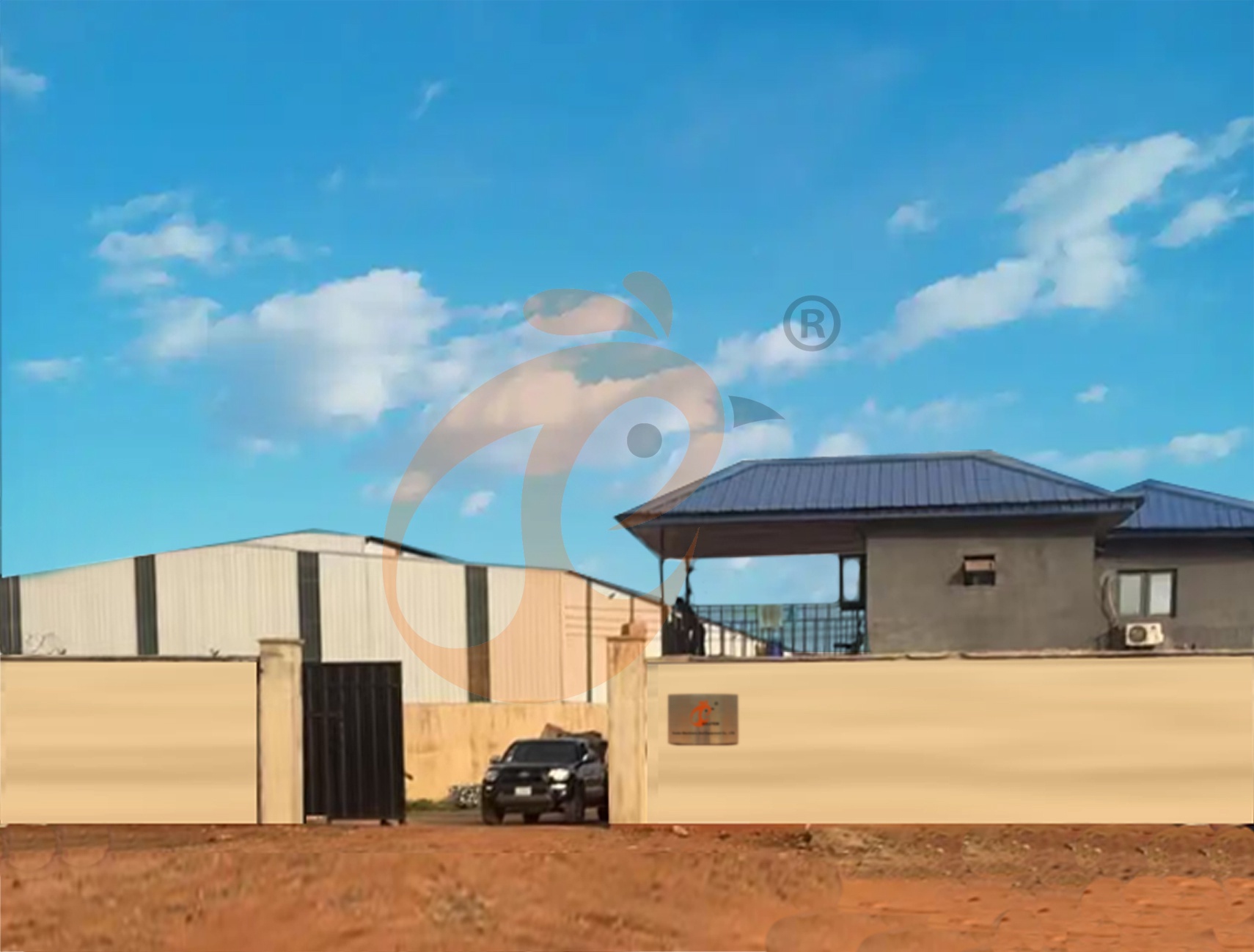
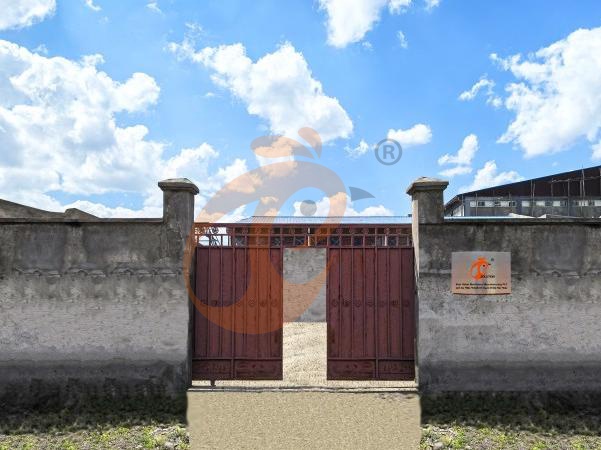
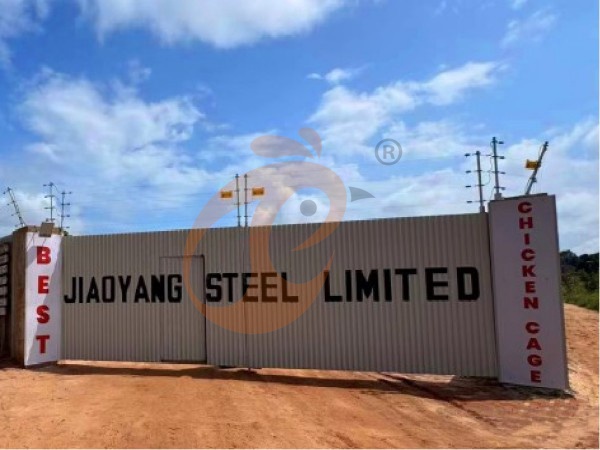
Ethiopia Branch Office And Factory Of Poultry Farm Equipment
Overview Of H Frame Layer Chicken Cage Lifespan In Ethiopian Poultry Farms
Industrial poultry farms in Ethiopia have expanded rapidly as urban demand for eggs increases in cities such as Addis Ababa, Adama, and Bahir Dar.
Modern housing systems increasingly rely on H-frame chicken cage structures because they improve stocking efficiency, egg collection control, and manure management.
Understanding the expected lifespan of these systems is therefore critical for farm investment planning.
Data is for reference only.Swipe horizontally to view full table.
The lifespan range depends on environmental exposure, cage material specifications, and operational management inside poultry houses.
In many Ethiopian farms, cage lifespan aligns closely with the middle of this range because dust, manure moisture, and ventilation limitations influence corrosion patterns.
Structural Materials And Lifespan Factors
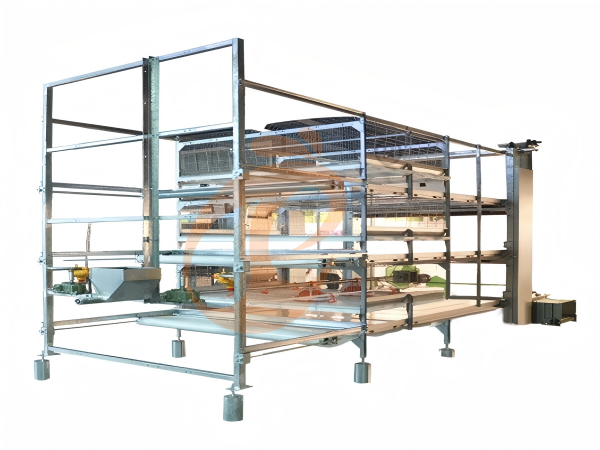
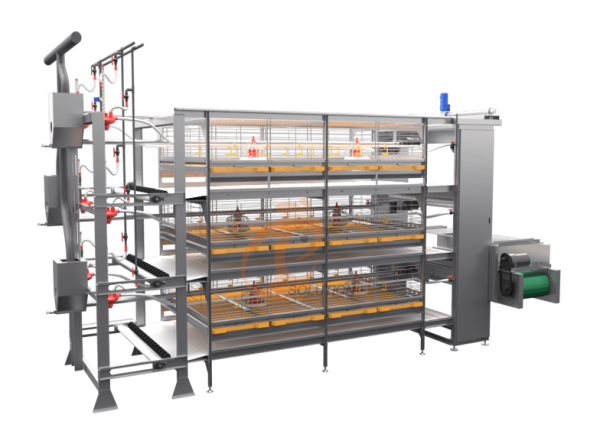
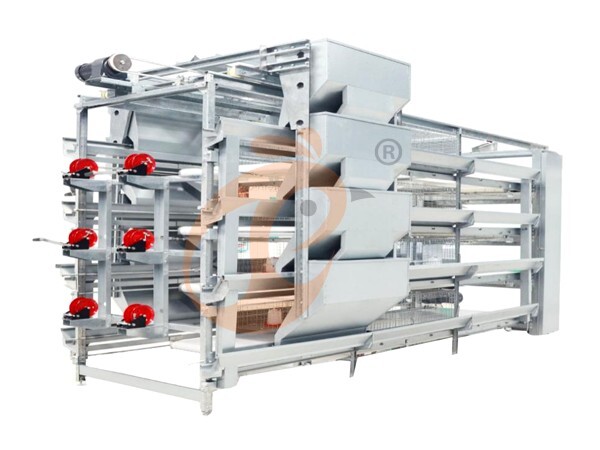
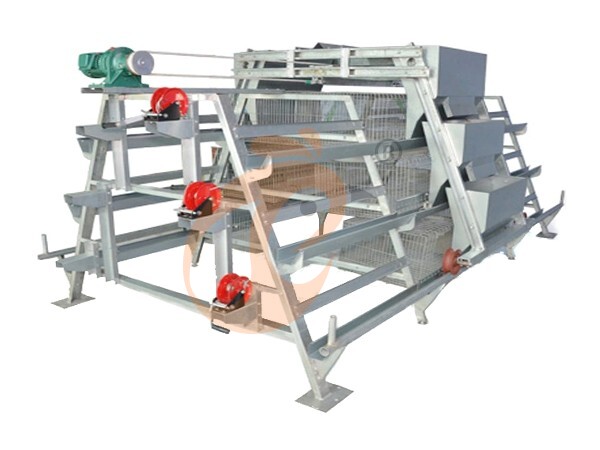
Industrial H-frame layer chicken cage structures are primarily fabricated from galvanized steel mesh panels and reinforced support frames.
Material quality directly determines how long a poultry cage structure can function without deformation, corrosion damage, or mechanical instability.
The durability of industrial layer chicken cage systems in Ethiopia depends largely on galvanization thickness and welding consistency.
Farms that invest in stronger steel frames generally experience fewer maintenance interruptions over long production cycles.
Data is for reference only.Swipe horizontally to view full table.
Many Ethiopian farms historically imported cage systems with lighter material thickness due to capital constraints.
However, farms focusing on long-term egg production sustainability increasingly prioritize stronger steel materials to reduce replacement cycles.
Ethiopian Climate Influence On Cage Durability
Ethiopia's geography creates distinct climate zones that influence cage durability.
Highland areas such as Addis Ababa experience cooler temperatures but moderate humidity, while eastern regions and the Rift Valley encounter higher heat levels and dust accumulation.
These environmental conditions affect the durability of Ethiopian H frame chicken cage durability systems through corrosion acceleration and structural stress from temperature fluctuations.
Data is for reference only.Swipe horizontally to view full table.
Environmental control systems, particularly ventilation and manure drying mechanisms, can significantly reduce corrosion pressure on steel cage components.
Maintenance Practices And Lifespan Extension
Maintenance discipline strongly determines whether a cage system operates close to its maximum design lifespan.
Ethiopian poultry farms that implement scheduled inspections and cleaning routines can significantly reduce mechanical wear.
Preventive maintenance is also an important factor influencing industrial layer chicken cage systems longevity in large-scale egg farms.
Data is for reference only.Swipe horizontally to view full table.
Consistent maintenance management improves structural lifespan while supporting stable egg production environments for laying hens.
Egg Production Metrics And Structural Wear
Layer chicken cages experience constant operational stress due to hen movement, feeding activity, egg collection processes, and manure removal.
Production intensity therefore influences long-term structural wear.
Monitoring production indicators helps Ethiopian farms evaluate when cage repairs or reinforcements are necessary.
Data is for reference only.Swipe horizontally to view full table.
European union standard reference only.
Routine monitoring allows farmers to correlate structural condition with production efficiency across successive laying cycles.
Cost Analysis Over Lifespan
Financial planning plays a crucial role when farmers evaluate long-term investments in H-frame layer chicken cage systems.
Cage lifespan affects depreciation, maintenance expenditure, and operational continuity.
Understanding lifecycle expenses is especially important for farms expanding egg production near major urban markets such as Addis Ababa.
Data is for reference only.Swipe horizontally to view full table.
European union standard reference only.
Lifecycle cost analysis helps Ethiopian producers determine when structural upgrades are economically justified.
Local Pain Points In Ethiopian Egg Production
Ethiopian poultry producers often face operational challenges that influence cage lifespan and farm productivity.
Power reliability, dust accumulation, and limited access to high-grade materials can increase structural wear.
Data is for reference only.Swipe horizontally to view full table.
Addressing these operational constraints improves both cage durability and overall egg production stability.
Strategic Solutions For Ethiopian Producers
Long-term structural performance requires integrated planning across cage design, farm management, and environmental control.
Improved ventilation, quality steel materials, and worker training programs all contribute to extended cage lifespan.
Data is for reference only.Swipe horizontally to view full table.
These strategies enable farms to maximize the return on investment in industrial layer chicken cage systems.
Frequently Asked Questions
Q: What is the expected lifespan of H-frame chicken cages in Ethiopian poultry farms?
A: Typically 8–15 years, depending on material quality, climate exposure, and maintenance practices, with most farms achieving around 12–15 years using strong galvanized steel.
Q: How does Ethiopian climate affect H-frame cage durability?
A: Highland zones have moderate moisture with slight lifespan reduction, while western humid areas accelerate corrosion; proper ventilation and manure drying can help stabilize cage lifespan.
Q: How can Ethiopian farmers extend the lifespan of H-frame cages?
A: Regular maintenance such as monthly washing, bi-monthly bolt checks, corrosion-proof painting every 4 years, and worker training can add 3–5 years to cage service life.
Ethiopia Best Hebei Machinery Manufacturing Plc - One Of Ethiopia Largest Chicken Cage Supplier
Global factory direct supply ensures stable pricing and consistent equipment quality for poultry farms expanding egg production across Ethiopia.
The company provides advanced poultry farm equipment including automated feeding, drinking, manure removal, and egg collection systems for commercial farms.
Reliable poultry cage manufacturing integrates durable galvanized steel structures designed for long-term industrial layer housing environments.
Professional engineering teams deliver Turn-key poultry farm projects from layout planning to installation and technical training.
Extensive experience supporting African poultry operations allows customized solutions tailored for Ethiopian climate and farm management conditions.
Contact Us To Received Your Customized Poultry Farm Plan
Headquarters And Branchs
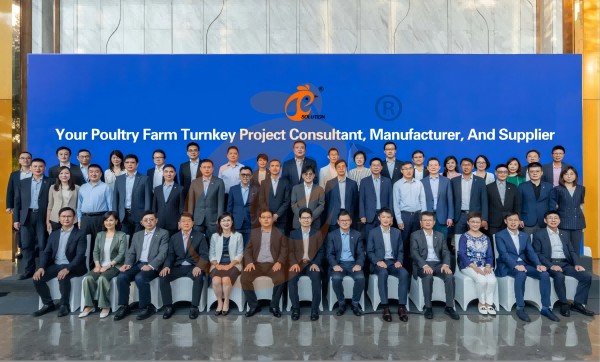
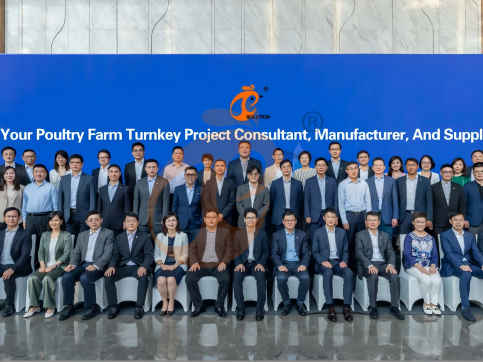
Hong Kong Headquarter Management Team
Hong Kong Headquarter Taiyu Industrial Group CO., LTD
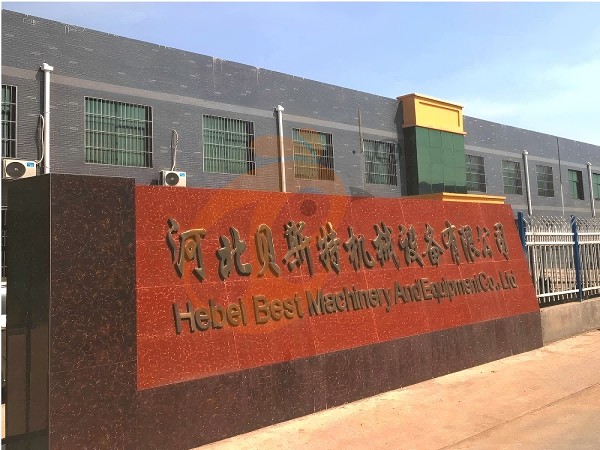
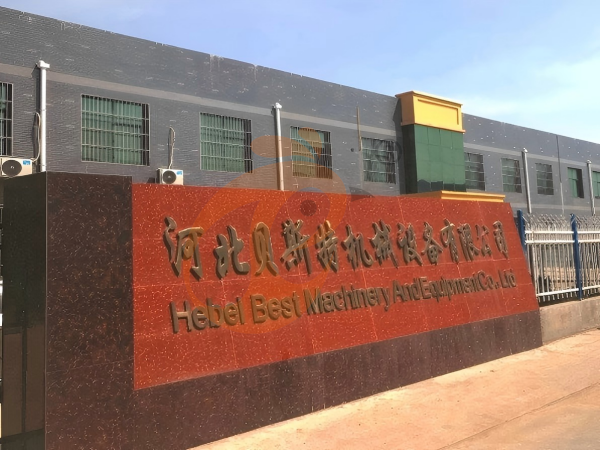
China Hebei Best Machinery And Equipment CO., LTD
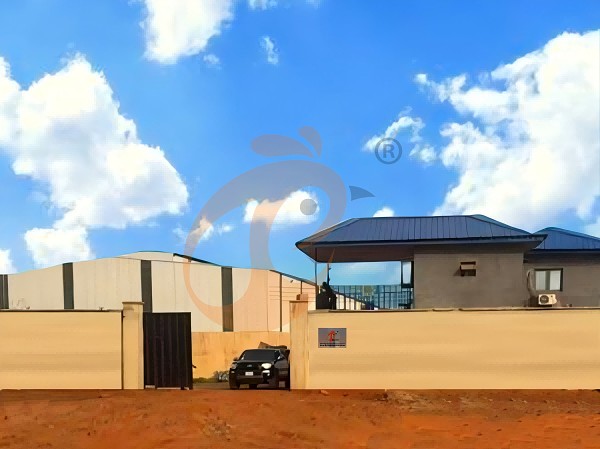
Nigeria Vanke Machinery And Equipment CO., LTD
Tanzania Best Machinery And Equipment CO., LTD
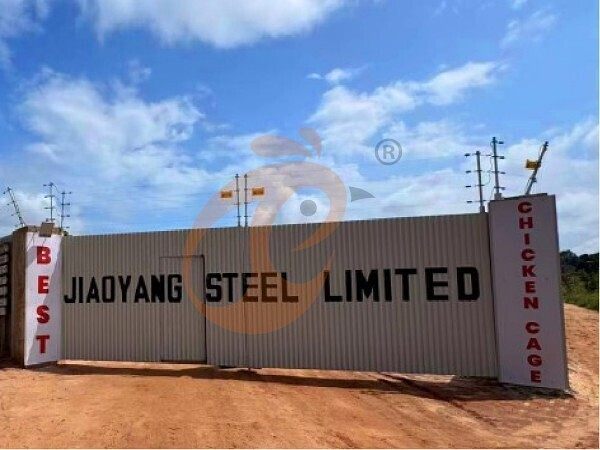
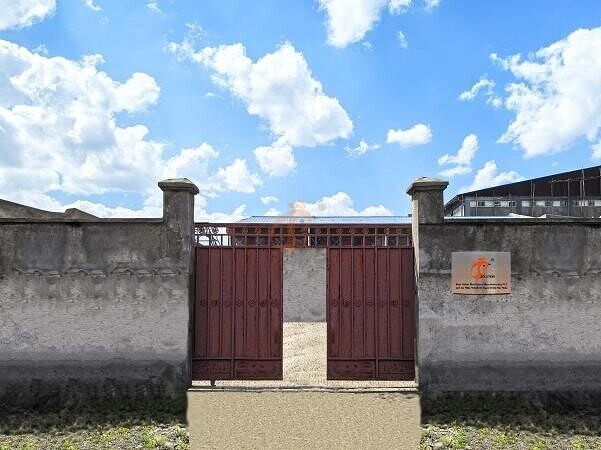
Ethiopia Best Hebei Machinery Manufacturing PLC
Reception /24 WhatsApp NO. : +8618830120193
FAQ
How To Minimize Egg Breakage In H-Type Layer Cage System?
Non-slip conveyor belt design
Egg breakage rate below 1%
Shell thickness remains stable
Daily egg yield remains consistent
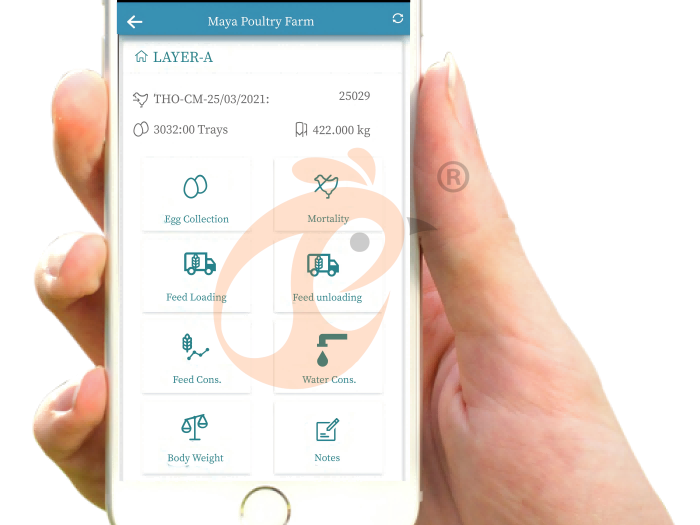
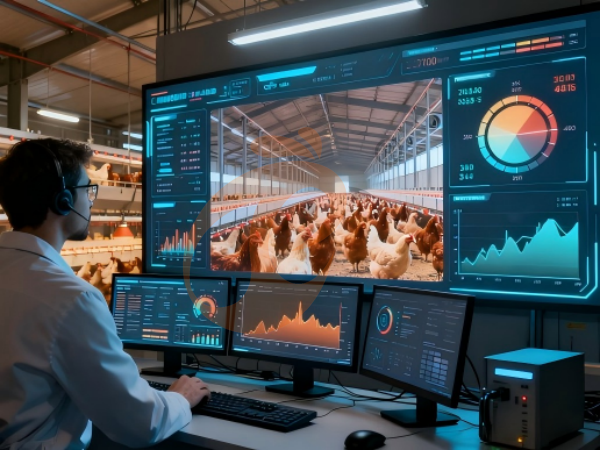
How To Integrate H-Type Chicken Cage System With Farm Management Software?
Monitor temperature, humidity, and air quality in real time
Remote data management
Labor requirement reduced by 70–90%
Production efficiency increased by 10–15%
What Are The Optimal Lighting And Ventilation Settings For H-Type Battery Cage?
Temperature controlled at 20–25°C
Ventilation rate: 4–6 m³/kg body weight/hour
Egg production rate 90-98%
Mortality rate reduced 2–3%
- poultry farm
- chicken cage
- poultry farms
- poultry house
- poultry cage
- cage
- poultry farm equipment
- poultry farm construction
- chicken cage system
- chicken cage supplier
- poultry farm project
- poultry cage structure
- egg collection system
- hen cage
- chicken cages
- chickencage
- bestchickencage
- cage system
- h type
- cage systems
- h cage
- layer chicken cage
- h type layer chicken cage
- Nigeria
- layer chicken cages
- hen farm
- layer chicken cage system
- cage design
- cage supplier
- poultry farm plan
Message
Products recommended
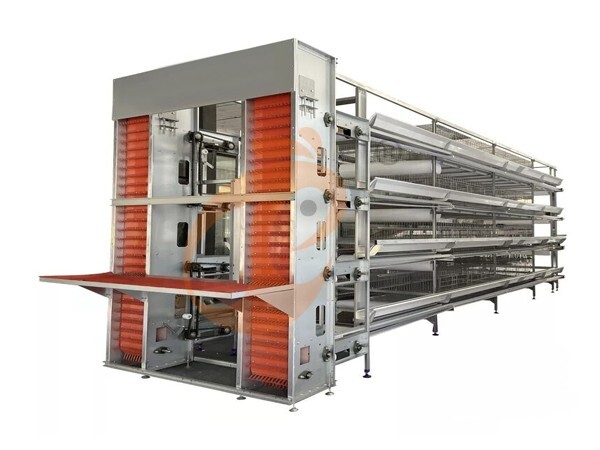
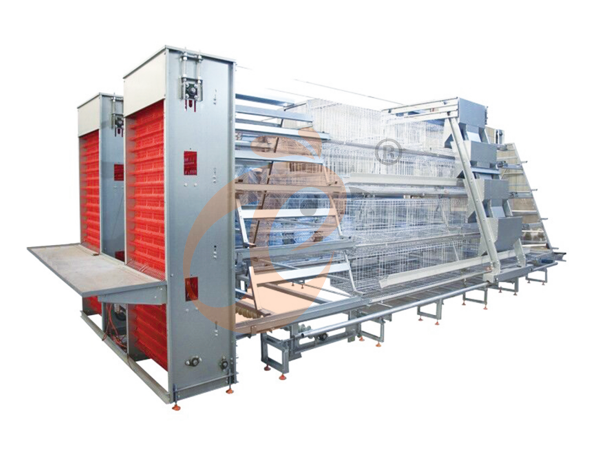
 >30,000 Pullets Automatic H Type Battery Cage1. More than 30,000 pullets a house, choose it.
2. It is designed to rearing older than 1 day old pullets to 12 to 16 weeks old chicken starting laying eggs.
3. Its lifespan is more than 25 years.
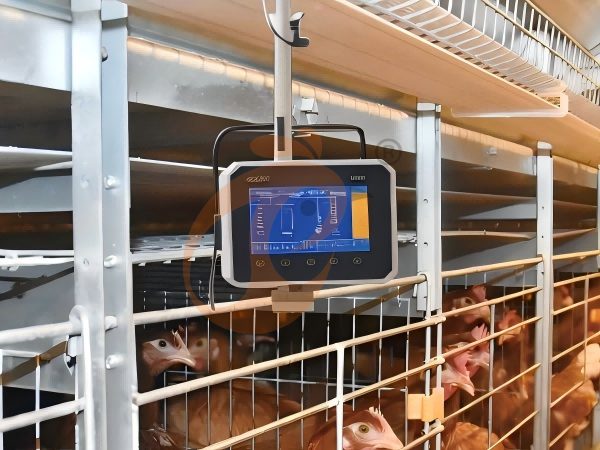
4. Its structure are Vcloud artificial intelligent fusion, electric control cabinet, automatic equipment of drinking, feeding, manure clean, manual harvesting.
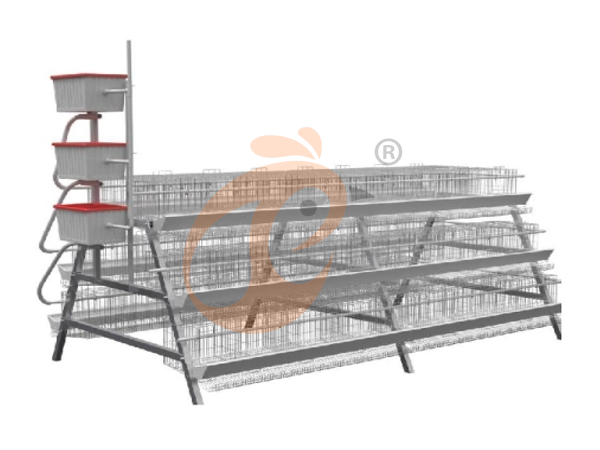
5. Our 24 hour online reception What’sApp NO. is +8618830120193 <30,000 Pullets Automatic A Type Battery Cage1. 10,000 to 30,000 pullets a house, choose it.
2. It is designed to rearing older than 1 day old pullets to 12 to 16 weeks old chicken starting laying eggs.
3. Its lifespan is more than 25 years.
4. Its structure are Vcloud artificial intelligent fusion, electric control cabinet, automatic equipment of drinking, feeding, manure clean, manual harvesting.
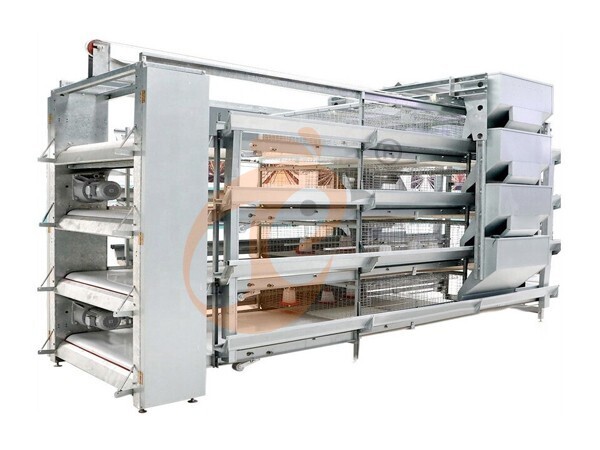
5. Our 24 hour online reception What’sApp NO. is +86 18830120193. >30,000 Broilers Semi-Automatic Harvest H Type Battery Cage1. More than 30,000 broilers a house, choose it.
2. It is designed to rearing 1 to 45 day old adult broiler ready for market.
3. Its lifespan is more than 20 years.
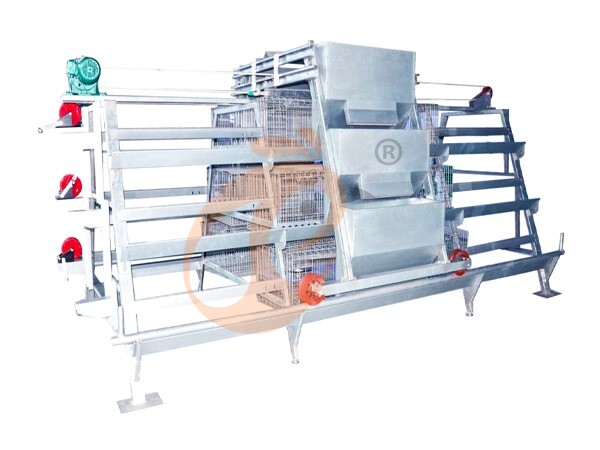
4. Our 24 hour online reception What’sApp NO. is +8618830120193, +234 8111199996. >30,000 Broilers Manual Harvest H Type Battery Cage1. More than 30,000 broilers a house, choose it.
2. It is designed to rearing 1 to 45 day old adult broiler ready for market.
3. Its lifespan is more than 20 years.
4. Its structure are Vcloud artificial intelligent fusion, electric control cabinet, automatic equipment of drinking, feeding and manure clean, manual harvesting.
5. Our 24 hour online reception What’sApp NO. is +8618830120193, +234 8111199996. <30,000 Broilers Manual Harvest A Type Battery Cage1. Less 30,000 broilers a house, choose it.
2. It is designed to rearing 1 to 45 day old adult broiler ready for market.
3. Its lifespan is more than 20 years.
4. Its structure are Vcloud artificial intelligent fusion, electric control cabinet, automatic equipment of drinking, feeding and manure clean, manual harvesting.
5. Our 24 hour online reception What’sApp NO. is +8618830120193, +234 8111199996. HK Headquarter Offers EU-standard Poultry Farm Solutions, Manufacture Poultry Farm Equipment1. Continuous communication with the EU and the US
2. China, Nigeria, Ethiopia, Tanzania branch companies and factories
3. The products’ quality is customized for local poultry farms
4. Poultry cage and poultry farm equipment stock for sale
5. 24 online reception Whatsapp NO. : +8618830120193,contact us to get full information China Branch Offer Poultry Farm Business Plan, Manufacture Poultry Farm Equipment1. Address: Flat/RM 2416, 24/F, Runxing Building, Youyi Nan Street, Shijiazhuang City, Hebei Province, China
2. Poultry cage and poultry farm equipment factory and stock for sale
3. Customized for local poultry farms
4. Quality and design are based on Euro
5. 24 online reception Whatsapp NO. : +8618830120193 Nigeria Branch Offer Poultry Farm Business Plan, Manufacture Poultry Farm Equipment1. Address: After Sinoma Office, 200 Meters Near Danco Filling Station, Lagos/Ibadan Expressway, Lagos State, Nigeria
2. Poultry cage and poultry farm equipment factory and stock for sale
3. Customized for Nigerian poultry farms
4. Quality and design are based on Euro
5. 24 online reception Whatsapp NO. : +8618830120193 Ethiopia Branch Offer Poultry Farm Business Plan, Manufacture Poultry Farm Equipment1. Address: WR93+FQ2, Addis Ababa, Ethiopia
2. Poultry cage and poultry farm equipment stock for sale
3. Customized for Ethiopian poultry farms
4. Quality and design are based on Euro
5. 24 online reception Whatsapp NO. : +8618830120193, contact us to get price list Tanzania Branch Offer Poultry Farm Business Plan, Manufacture Poultry Farm Equipment1. Address: No.8, Sova Road, Msufini, Mlandizi, Kibaha, Pwani, Tanzania
2. Poultry cage and poultry farm equipment factory and stock for sale
3. Customized for Tanzanian poultry farms
4. Quality and design are based on Euro
5. 24 online reception Whatsapp NO. : +8618830120193


Contact
By clicking 'Allow All', you agree to the storage of cookies on your device to enhance site navigation, analyze site usage and assist with our marketing efforts.