


Blog
Pralson feeder placement optimization improves feed access efficiency, supports poultry feeding systems, and enhances automatic chicken feeder performance across commercial poultry houses.
Stocking density calculations influence flock distribution, feeder accessibility, and production consistency throughout different housing dimensions.
Environmental management, ventilation balance, and lighting conditions contribute to stable feeding activity and bird welfare outcomes.
Feeder height adjustment and water line coordination reduce feed losses while supporting consistent nutrient intake patterns.
Continuous performance evaluation helps producers identify operational improvements, manage production costs, and maintain sustainable poultry operations.
Get professional poultry farm construction guidance, equipment selection solutions, and the latest price lists, whatsApp to +8618830120193, click to learn more:
Understanding Bird Feeding Behavior
Before determining feeder locations, poultry managers should understand how chickens naturally access feed.
Birds tend to move repeatedly between feeding, drinking, resting, and ventilation zones.
If feeders are concentrated in one area, birds may crowd together, creating uneven feed consumption patterns.
Scientific observations show that broilers typically visit feeders dozens of times per day, while layers distribute feeding activities throughout daylight hours.
Field monitoring also indicates that birds commonly travel 3.2 m to 5.6 m between feeding and resting activities during active periods.
Therefore, feeder placement should support natural movement rather than force birds to travel excessive distances.
Data is for reference only.Swipe horizontally to view full table.
Step 1: Calculate Stocking Density Accurately
The first step in feeder optimization is determining the actual stocking density.
Overcrowding often causes feeder competition, while excessive feeder allocation may increase installation and maintenance costs.
A practical guideline is to calculate bird numbers, usable floor area, and feeder capacity simultaneously.
Production records from integrated poultry operations indicate that floor utilization efficiency often ranges from 87% to 93% depending on internal equipment arrangements.
Feeder placement should distribute feeding points evenly throughout the house rather than concentrating them near entrances or service aisles.
Data is for reference only.Swipe horizontally to view full table.
Step 2: Maintain Correct Feeder Spacing
Once feeder quantity is determined, spacing becomes critical.
Feeders should be arranged to create equal access opportunities across the entire house.
In long poultry houses, feeders should follow straight distribution lines.
Managers should avoid creating gaps where birds must travel significantly farther than average to access feed.
For automatic chicken feeder installations, technicians often maintain alignment tolerance within 25 mm across an entire feeder line to support consistent operation.
Data is for reference only.Swipe horizontally to view full table.
Step 3: Position Feeders Relative To Water Lines
Water and feed consumption are closely connected.
Chickens typically drink shortly after feeding.
Therefore, feeder placement should consider drinker line locations.
A balanced layout reduces bird travel time and improves feeding efficiency.
However, feeders should not be positioned directly beneath leaking drinkers because moisture contamination can spoil feed and increase wastage.
Monitoring programs frequently record water-to-feed ratios between 1.65:1 and 1.90:1 under stable environmental conditions.
Data is for reference only.Swipe horizontally to view full table.
Environmental Factors Affecting Feeder Placement
Temperature, airflow, and lighting influence feeding behavior.
Birds often avoid areas exposed to strong drafts or excessive heat.
In tunnel-ventilated houses, feeder placement should support even bird distribution from the cooling pad end to the exhaust fan end.
Lighting uniformity is equally important because chickens are naturally attracted to adequately illuminated feeding zones.
Environmental audits commonly target floor-level temperature variation below 1.8°C between opposite ends of the house.
Data is for reference only.Swipe horizontally to view full table.
Step 4: Adjust Feeder Height Regularly
Feeder height is often overlooked but significantly affects feed intake and wastage.
A feeder positioned too low allows birds to scratch feed onto the litter.
A feeder positioned too high may limit access for smaller birds.
The ideal feeder rim height generally aligns with the birds' back level.
Regular adjustments should be performed as birds grow.
Inspection records from commercial poultry houses indicate that height adjustments are typically performed every 4 to 6 days during active growth phases.
Data is for reference only.Swipe horizontally to view full table.
Step 5: Evaluate Performance Data Continuously
Poultry managers should routinely evaluate bird performance data and adjust feeder locations when necessary.
Important indicators include feed conversion ratio, body weight uniformity, feed wastage, mortality, and daily feed consumption.
Small layout adjustments can generate measurable production improvements over multiple flocks.
Data analysis platforms often collect operational information at intervals of 15 minutes to support management decisions.
Data is for reference only.Swipe horizontally to view full table.
Common Placement Mistakes To Avoid
Several common mistakes reduce feeder effectiveness.
Installing feeders too close to walls.
Creating unequal feeder spacing.
Ignoring ventilation patterns.
Failing to adjust feeder height.
Positioning feeders near wet litter areas.
Neglecting flock performance analysis.
In some production facilities, feed wastage may increase by 2.8% to 4.6% when feeder positioning errors remain uncorrected for an entire production cycle.
These errors can increase feed waste and contribute to uneven flock development.
Frequently Asked Questions
Q1: How often should feeder placement be reviewed?
Placement reviews are commonly performed before every new flock placement and again after approximately 10 to 12 days of bird growth.
Additional inspections may be necessary when flock distribution becomes uneven.
Q2: What is a practical distance between feeding zones?
Many poultry houses maintain feeding access coverage so that no bird travels more than approximately 6.3 m to reach a feeding point.
Actual requirements depend on house dimensions and flock size.
Q3: Can proper placement reduce operating costs?
Yes.
Feed savings of $0.018 to $0.043 per bird per cycle have been reported in some commercial operations through improved feed distribution efficiency.
Taiyu (HK) Group - One Of China Largest Pralson Feeder Manufacturer
Pralson feeder systems are applied in broiler houses, layer farms, breeder facilities, and integrated poultry feeding systems requiring stable feed distribution and controlled bird access.
Factory-direct manufacturing supports global project supply with standardized production procedures, component traceability, and documented quality inspection processes.
Poultry equipment portfolios typically include feeding systems, drinking systems, ventilation equipment, environmental controllers, manure handling units, and housing accessories.
Turn-key engineering solutions cover project planning, equipment integration, installation guidance, commissioning support, and operational training according to project specifications.
International project execution emphasizes logistics coordination, spare-parts planning, technical documentation, and long-term equipment lifecycle management for commercial poultry operations.
Contact Us To Received Your Customized Poultry Farm Plan
Headquarters And Branchs

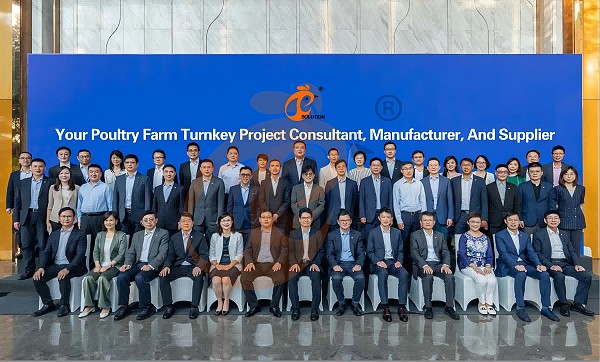
Hong Kong Headquarter Management Team
Hong Kong Headquarter Taiyu Industrial Group CO., LTD
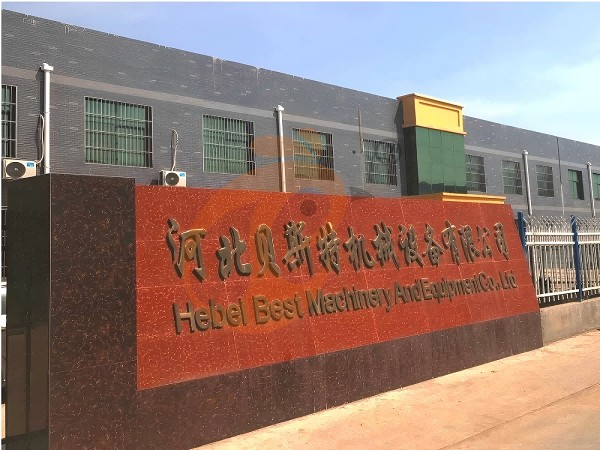
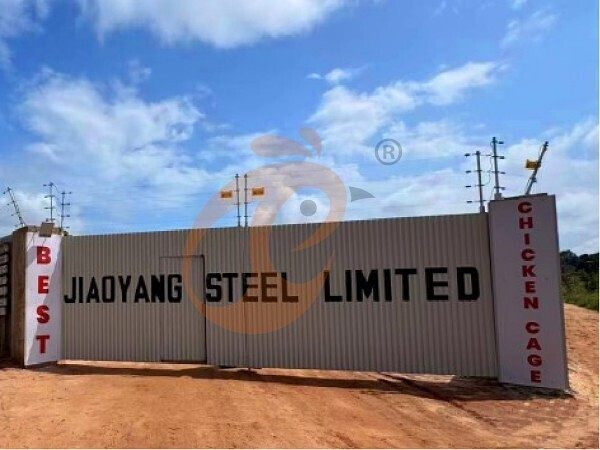
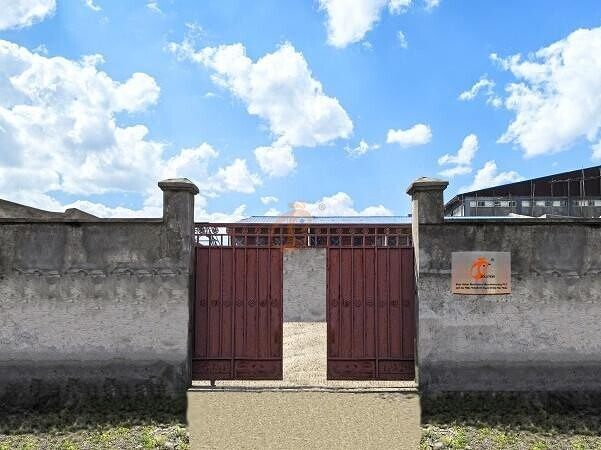
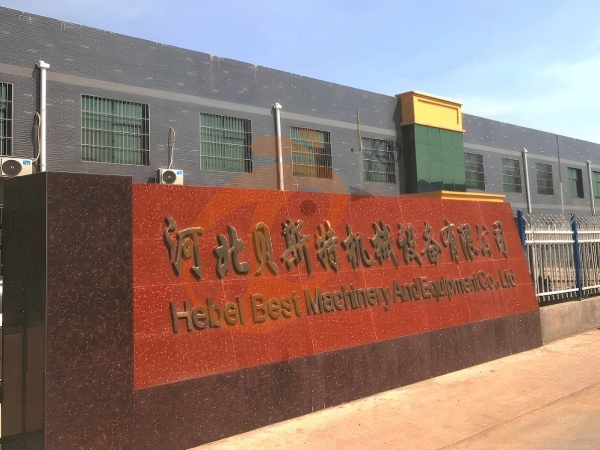
China Hebei Best Machinery And Equipment CO., LTD
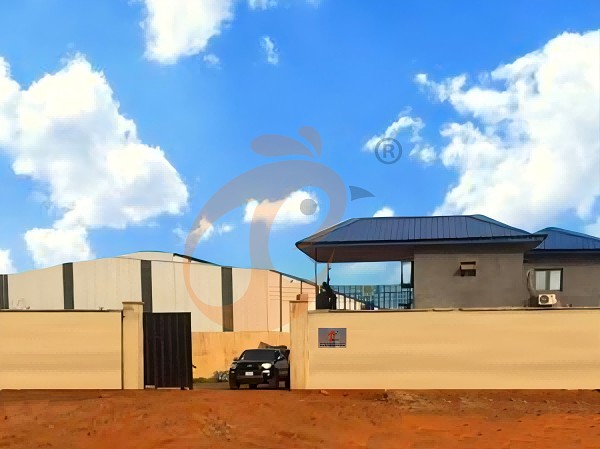
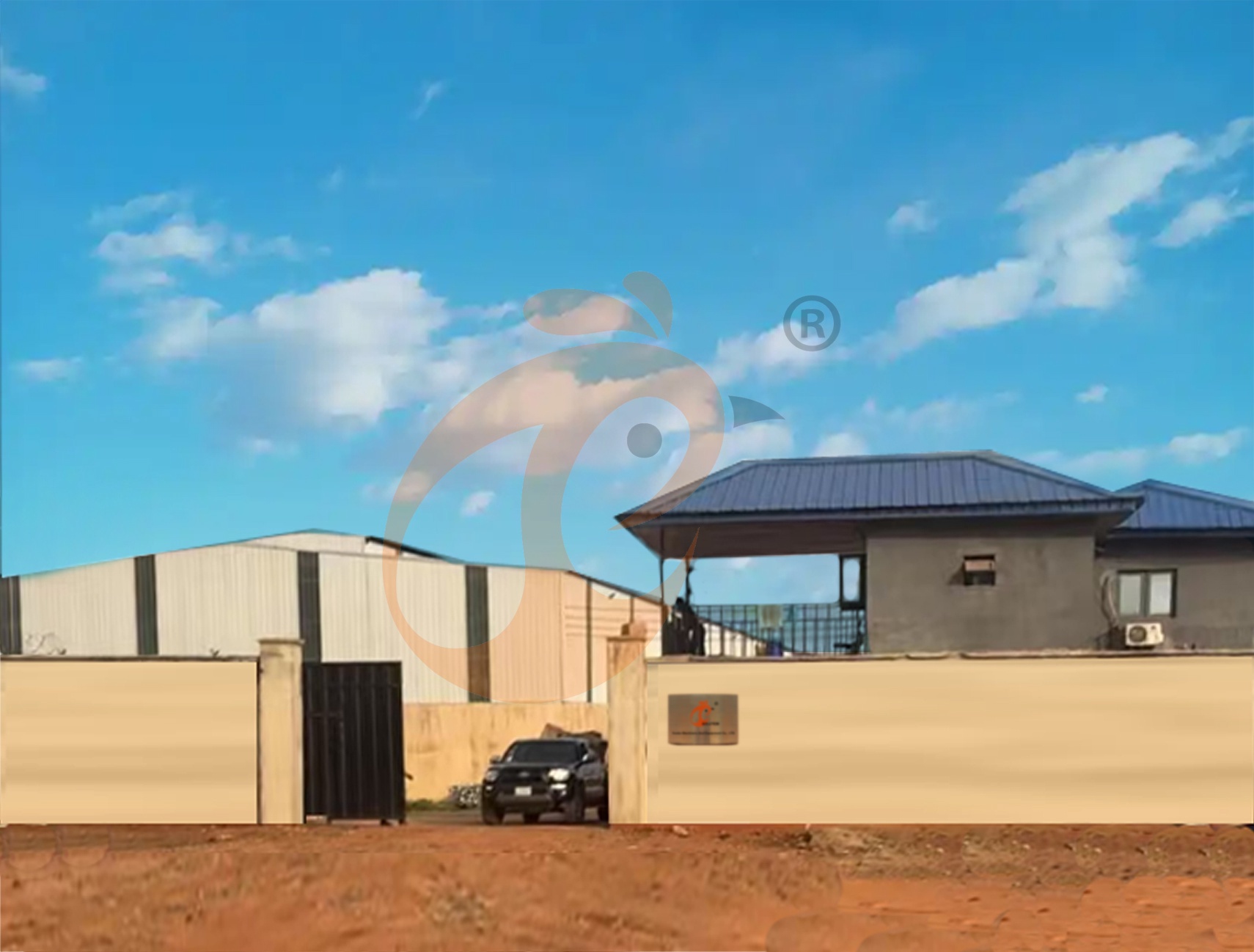
Nigeria Vanke Machinery And Equipment CO., LTD
Tanzania Best Machinery And Equipment CO., LTD
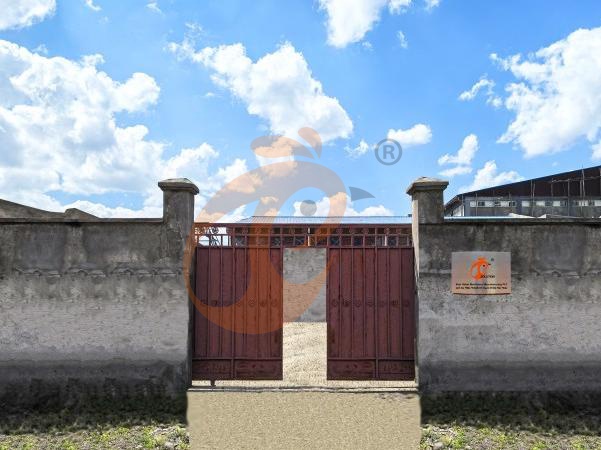
Ethiopia Best Hebei Machinery Manufacturing PLC
Reception /24 WhatsApp NO. : +8618830120193
FAQ
What Are The Water Filtration Requirements For Plasson Poultry Equipment?
Suspended solid concentration is controlled below 40 mg per liter for system stability.
Backwash flow rate reaches 1.5–2.0 m³ per hour for effective filter regeneration.
What Are The Pipeline Dimension Standards In Plasson Poultry Equipment?
Branch lines operate with 16–20 mm diameter for balanced pressure across drinking points.
Maximum pipeline length per zone reaches 80–120 meters without pressure loss impact.
What Are The Bird Age Adaptation Settings In Plasson Poultry Equipment
Water flow sensitivity is adjusted to 60–100 ml per minute for different age groups.
Bird access spacing is optimized at 8–15 birds per nipple depending on growth phase.
Message
Products recommended
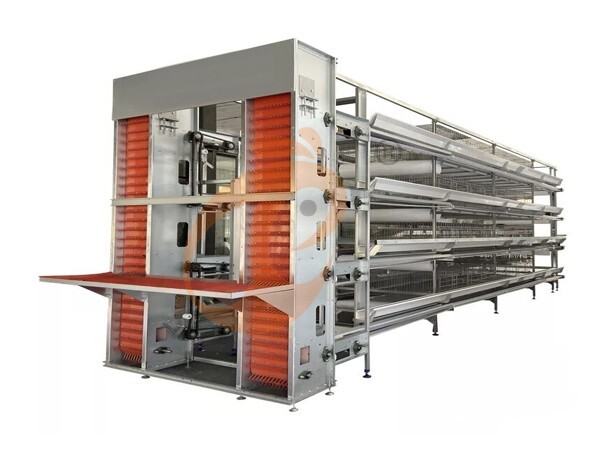
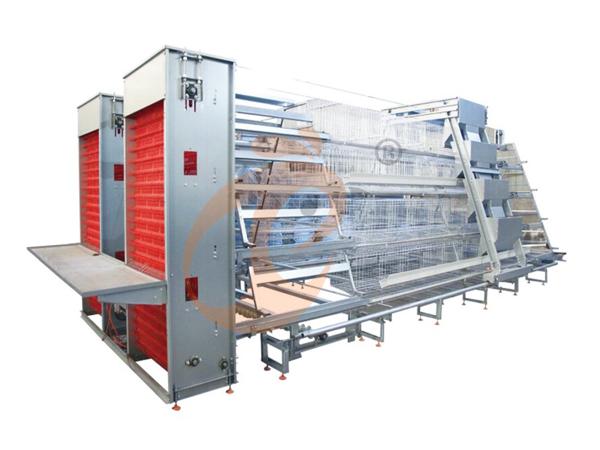
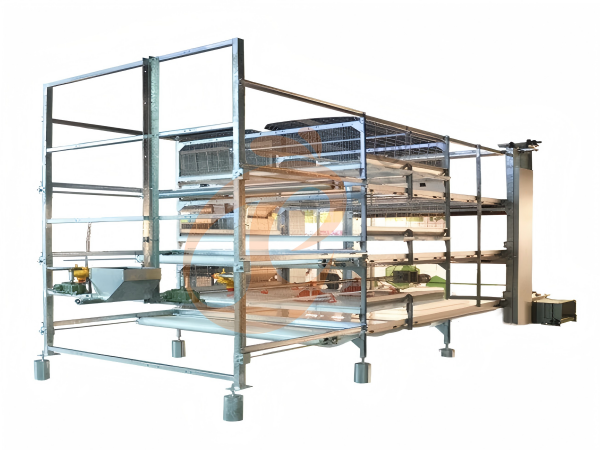
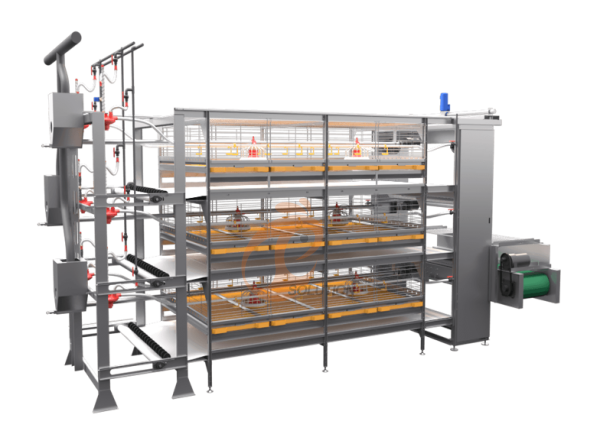
 >30,000 Pullets Automatic H Type Battery Cage1. More than 30,000 pullets a house, choose it.
2. It is designed to rearing older than 1 day old pullets to 12 to 16 weeks old chicken starting laying eggs.
3. Its lifespan is more than 25 years.
4. Its structure are Vcloud artificial intelligent fusion, electric control cabinet, automatic equipment of drinking, feeding, manure clean, manual harvesting.
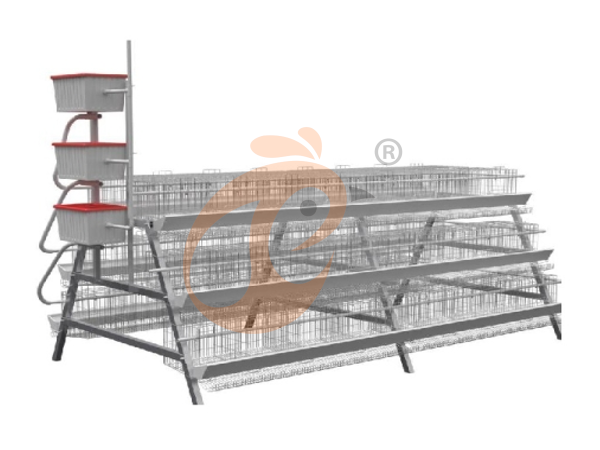
5. Our 24 hour online reception What’sApp NO. is +8618830120193 <30,000 Pullets Automatic A Type Battery Cage1. 10,000 to 30,000 pullets a house, choose it.
2. It is designed to rearing older than 1 day old pullets to 12 to 16 weeks old chicken starting laying eggs.
3. Its lifespan is more than 25 years.
4. Its structure are Vcloud artificial intelligent fusion, electric control cabinet, automatic equipment of drinking, feeding, manure clean, manual harvesting.
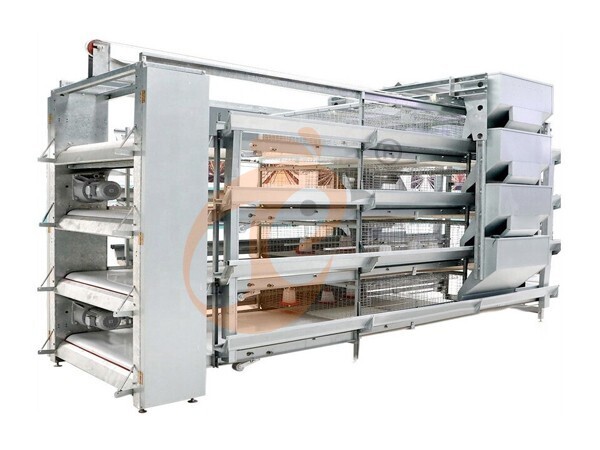
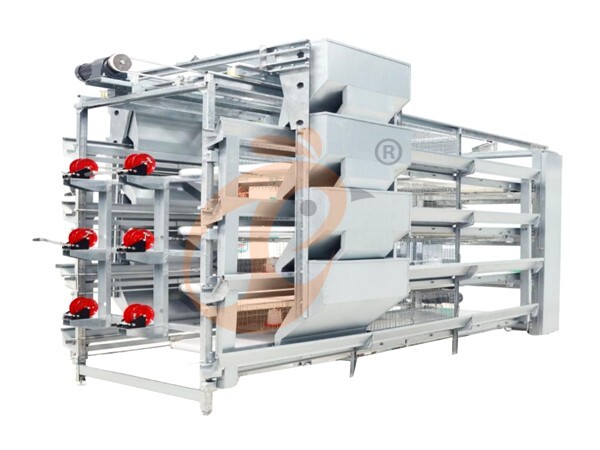
5. Our 24 hour online reception What’sApp NO. is +86 18830120193. >30,000 Broilers Semi-Automatic Harvest H Type Battery Cage1. More than 30,000 broilers a house, choose it.
2. It is designed to rearing 1 to 45 day old adult broiler ready for market.
3. Its lifespan is more than 20 years.
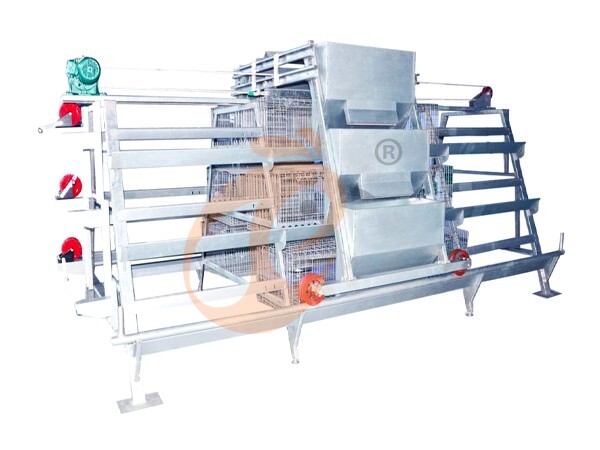
4. Our 24 hour online reception What’sApp NO. is +8618830120193, +234 8111199996. >30,000 Broilers Manual Harvest H Type Battery Cage1. More than 30,000 broilers a house, choose it.
2. It is designed to rearing 1 to 45 day old adult broiler ready for market.
3. Its lifespan is more than 20 years.
4. Its structure are Vcloud artificial intelligent fusion, electric control cabinet, automatic equipment of drinking, feeding and manure clean, manual harvesting.
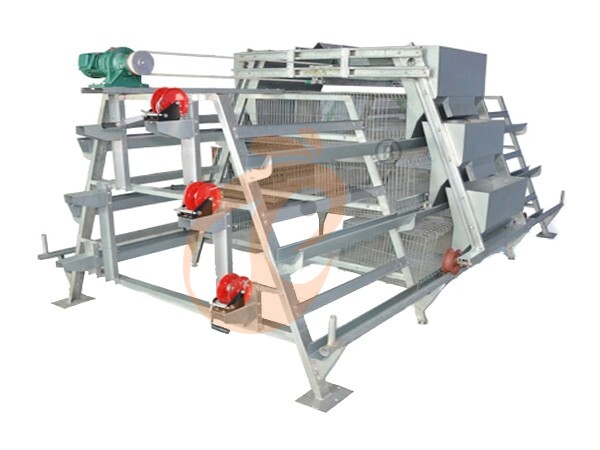
5. Our 24 hour online reception What’sApp NO. is +8618830120193, +234 8111199996. <30,000 Broilers Manual Harvest A Type Battery Cage1. Less 30,000 broilers a house, choose it.
2. It is designed to rearing 1 to 45 day old adult broiler ready for market.
3. Its lifespan is more than 20 years.
4. Its structure are Vcloud artificial intelligent fusion, electric control cabinet, automatic equipment of drinking, feeding and manure clean, manual harvesting.
5. Our 24 hour online reception What’sApp NO. is +8618830120193, +234 8111199996. HK Headquarter Offers EU-standard Poultry Farm Solutions, Manufacture Poultry Farm Equipment1. Continuous communication with the EU and the US
2. China, Nigeria, Ethiopia, Tanzania branch companies and factories
3. The products’ quality is customized for local poultry farms
4. Poultry cage and poultry farm equipment stock for sale
5. 24 online reception Whatsapp NO. : +8618830120193,contact us to get full information China Branch Offer Poultry Farm Business Plan, Manufacture Poultry Farm Equipment1. Address: Flat/RM 2416, 24/F, Runxing Building, Youyi Nan Street, Shijiazhuang City, Hebei Province, China
2. Poultry cage and poultry farm equipment factory and stock for sale
3. Customized for local poultry farms
4. Quality and design are based on Euro
5. 24 online reception Whatsapp NO. : +8618830120193 Nigeria Branch Offer Poultry Farm Business Plan, Manufacture Poultry Farm Equipment1. Address: After Sinoma Office, 200 Meters Near Danco Filling Station, Lagos/Ibadan Expressway, Lagos State, Nigeria
2. Poultry cage and poultry farm equipment factory and stock for sale
3. Customized for Nigerian poultry farms
4. Quality and design are based on Euro
5. 24 online reception Whatsapp NO. : +8618830120193 Ethiopia Branch Offer Poultry Farm Business Plan, Manufacture Poultry Farm Equipment1. Address: Gelan Gura, Akaki-kaliti Sub City, Addis Ababa, Ethiopia
2. Poultry cage and poultry farm equipment stock for sale
3. Customized for Ethiopian poultry farms
4. Quality and design are based on Euro
5. 24 online reception Whatsapp NO. : +8618830120193, contact us to get price list Tanzania Branch Offer Poultry Farm Business Plan, Manufacture Poultry Farm Equipment1. Address: No.8, Sova Road, Msufini, Mlandizi, Kibaha, Pwani, Tanzania
2. Poultry cage and poultry farm equipment factory and stock for sale
3. Customized for Tanzanian poultry farms
4. Quality and design are based on Euro
5. 24 online reception Whatsapp NO. : +8618830120193




Contact