


Blog
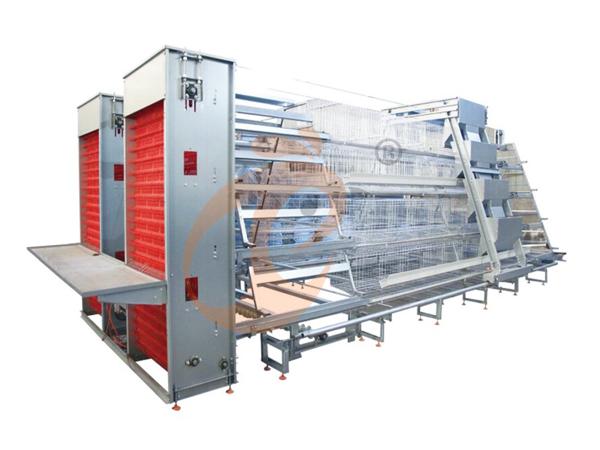
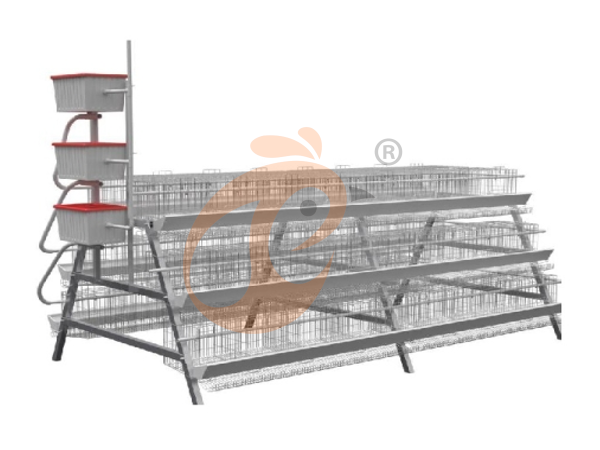
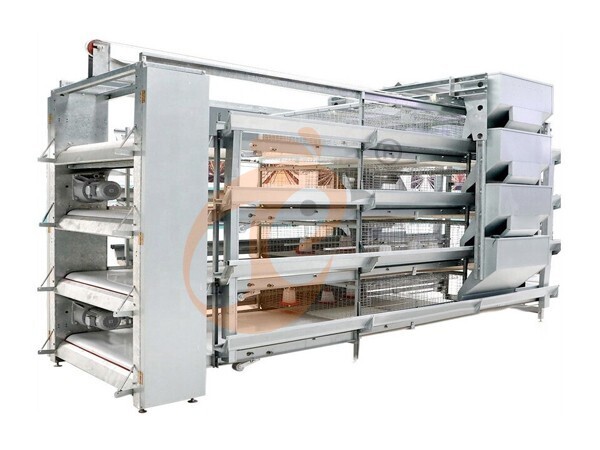
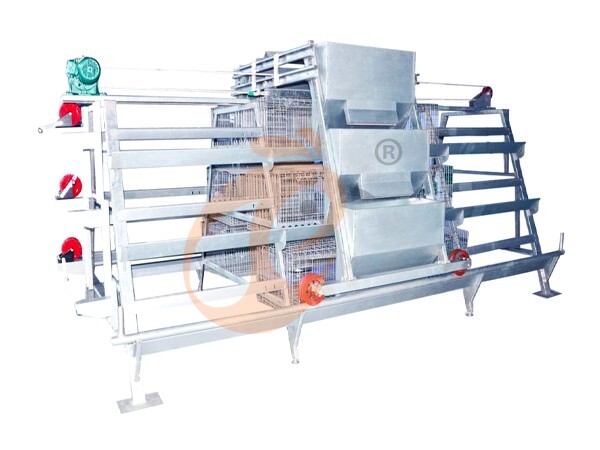
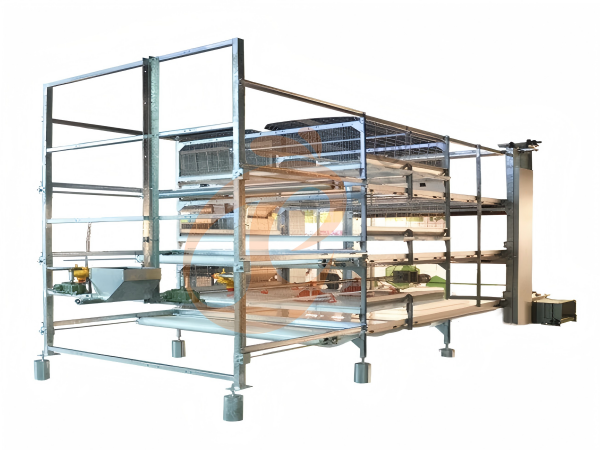
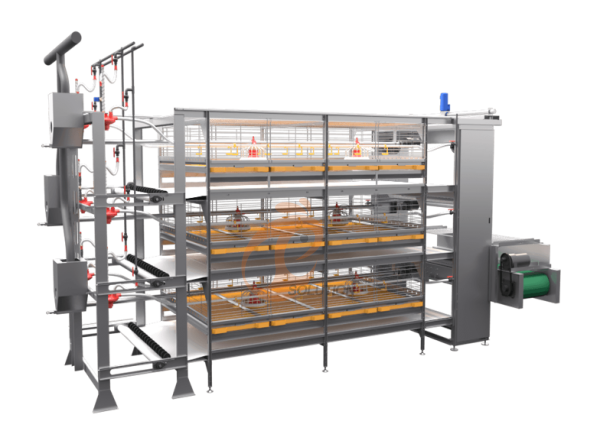
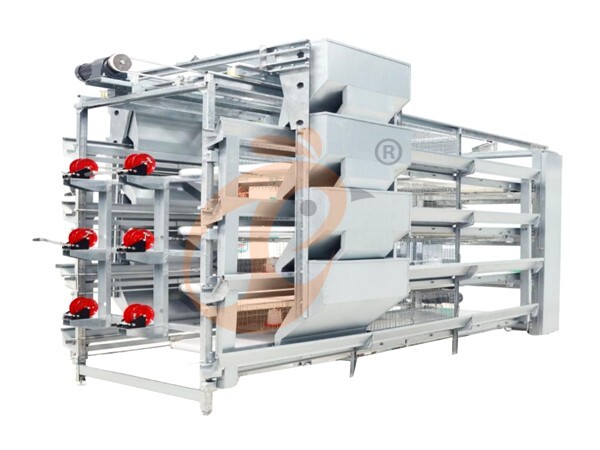
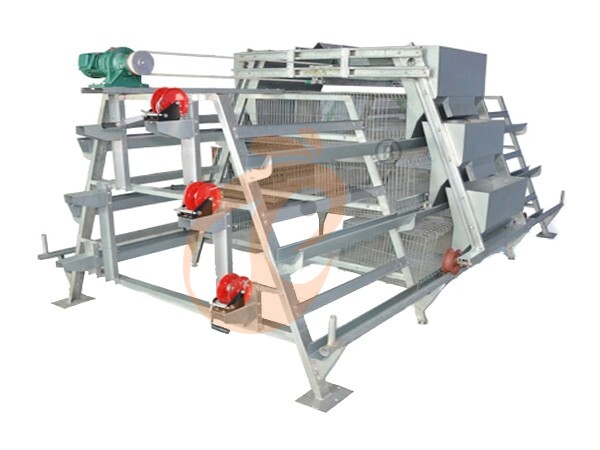
Modern layer chicken cages systems reshape commercial egg production through precise spatial engineering and controlled flock management.
Stocking density design influences bird physiology, feed conversion efficiency, and laying cycle stability across intensive poultry operations.
Environmental regulation within cage structures determines ammonia balance, temperature consistency, and respiratory health performance in laying hens.
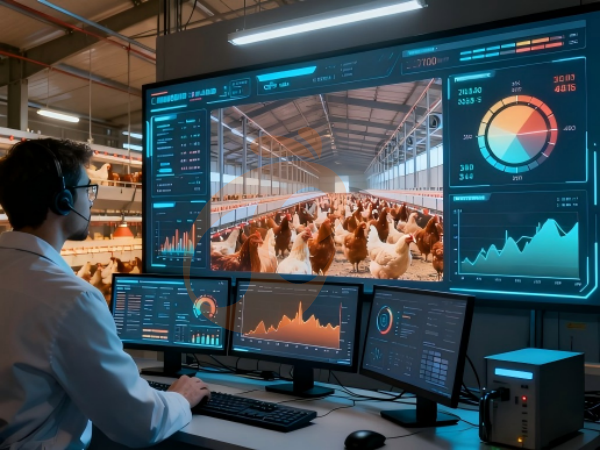
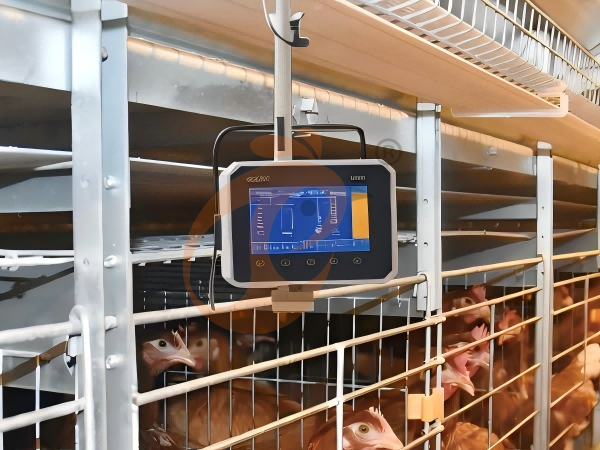
Automation integration enhances feeding uniformity, egg collection rhythm, and labor efficiency across large scale farming environments.
Economic performance depends on synchronized optimization of space utilization, production output, and operational cost control within cage based systems.
Get professional poultry farm construction guidance, equipment selection solutions, and the latest price lists, whatsApp to +8618830120193, click to learn more:
Cage Space Engineering Parameters
The foundation of stocking density optimization begins with spatial engineering inside layer chicken cages.
Each structural dimension determines how birds distribute movement and access resources.
Data is for reference only.Swipe horizontally to view full table.
These structural variables determine how evenly hens distribute themselves within each cage compartment and directly influence usable stocking capacity per
tier.
Egg Production Output Metrics
Stocking density in layer chicken cages strongly correlates with egg production performance indicators measured across commercial farms.
Data is for reference only.Swipe horizontally to view full table.
These production metrics demonstrate how subtle density adjustments influence physiological output consistency across laying cycles.
Feed Intake And Nutrient Utilization
Efficient feed conversion is a critical determinant of profitability in layer chicken cages, especially under varying density conditions.
The system performance is also influenced by layer cage density optimization, which directly impacts feed distribution efficiency.
Another important factor is automated poultry cage system efficiency, ensuring uniform nutrient access across all tiers.
Data is for reference only.Swipe horizontally to view full table.
Feed and water intake metrics reflect metabolic adaptation responses triggered by spatial competition levels inside cages.
Environmental Stability Indicators
Environmental regulation is essential in maintaining equilibrium within layer chicken cages, particularly in intensive systems.
Data is for reference only.Swipe horizontally to view full table.
These parameters define the microclimate stability envelope required for sustained laying performance under commercial stocking conditions.
Health Performance And Survival Metrics
Bird health indicators provide early signals of density misalignment in layer chicken cages systems.
Data is for reference only.Swipe horizontally to view full table.
These indicators quantify physiological stress accumulation and immune response efficiency under different stocking intensities.
Equipment Utilization Efficiency
Modern layer chicken cages rely heavily on automation systems whose performance is influenced by population density distribution.
Data is for reference only.Swipe horizontally to view full table.
These metrics reflect mechanical synchronization efficiency across feeding, watering, and egg retrieval subsystems.
Financial Performance Metrics
Economic outcomes are the final validation layer for stocking density strategies in layer chicken cages.
European union standard reference only.
Data is for reference only.Swipe horizontally to view full table.
Financial indicators integrate biological efficiency with market pricing dynamics to determine profitability per production cycle.
Five Practical Optimization Strategies
To effectively manage stocking density in layer chicken cages, farmers should implement structured operational adjustments rather than static rules.
First, density should be adjusted gradually in synchronization with flock age progression rather than applied as a fixed lifetime value.
Second, environmental data should be monitored continuously using sensor-based systems to ensure spatial conditions remain within physiological tolerance ranges.
Third, feeding and drinking lines must be recalibrated whenever bird population shifts occur to prevent resource competition imbalances.
Fourth, production data should be analyzed weekly to detect early deviations in egg output or feed efficiency.
Fifth, cage occupancy should be aligned with equipment cycle capacity rather than theoretical maximum space utilization, ensuring mechanical systems operate within stable load thresholds.
Frequently Asked Questions
Q1: What is the optimal space allocation per hen in layer chicken cages?
Optimal allocation commonly ranges from 420 cm² to 500 cm² per bird depending on breed weight class.
At 460 cm², farms often observe stable production around 93% hen-day output.
Q2: How does density affect egg production consistency?
Higher density increases variability in feed access timing and can shift production stability by 2–6% across cycles.
Q3: Can environmental control compensate for higher stocking density?
Ventilation above 1600 ppm CO₂ helps stabilize conditions, but performance decline still appears beyond 22°C thresholds.
Taiyu (HK) Group - One Of China Largest Layer Chicken Cages Manufacturer
Layer chicken cages system supports 50,000 hens per modular unit with fully automated feeding lines and stable production cycles at 93% laying rate.
Global factory direct supply ensures poultry equipment manufacturing with standardized steel structure fabrication and export-grade inspection.
Turn-key poultry engineering covers design, installation, climate control, and full farm automation integration services.
Industrial capacity reaches 120 container shipments monthly for large scale livestock housing projects worldwide distribution.
Technical service includes layout design, system commissioning, and long term operational optimization support for commercial farms.
Contact Us To Received Your Customized Poultry Farm Plan
Headquarters And Branchs

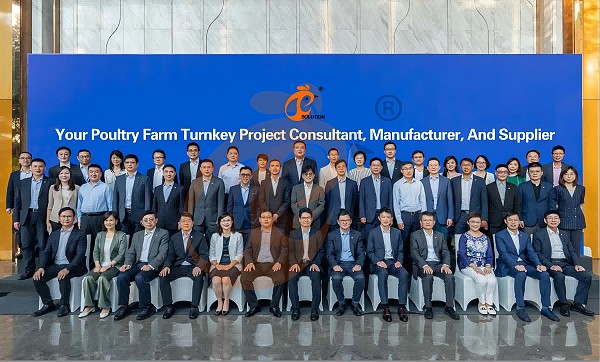
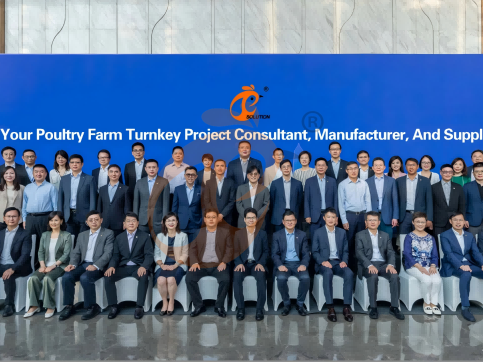
Hong Kong Headquarter Management Team
Hong Kong Headquarter Taiyu Industrial Group CO., LTD
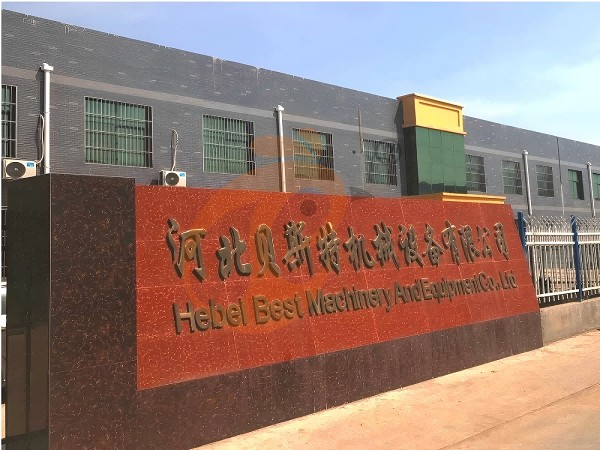
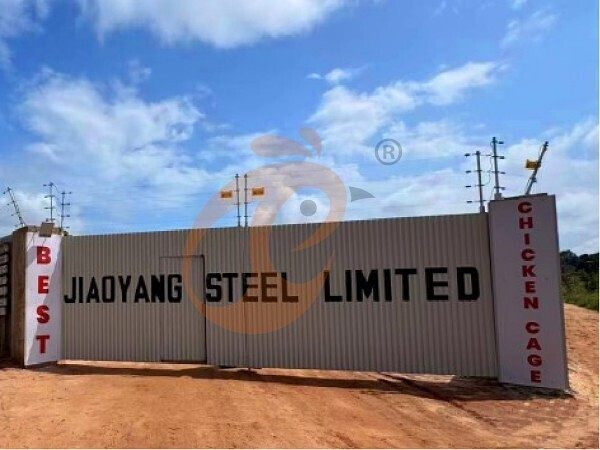
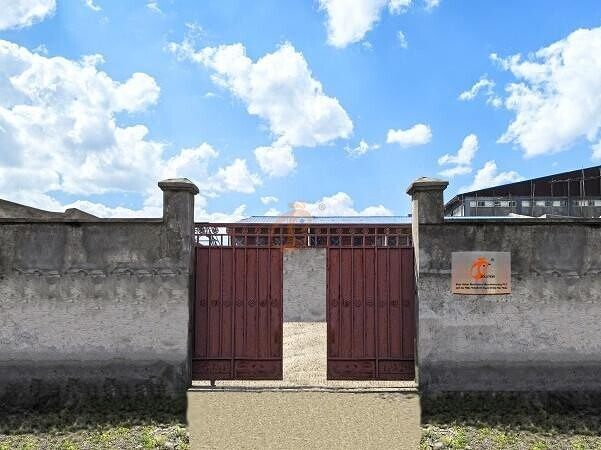
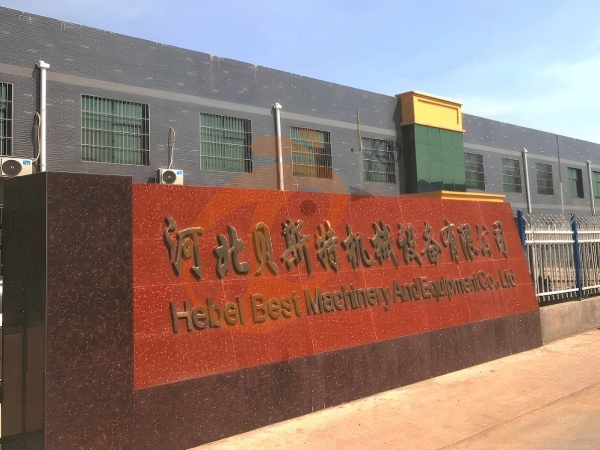
China Hebei Best Machinery And Equipment CO., LTD
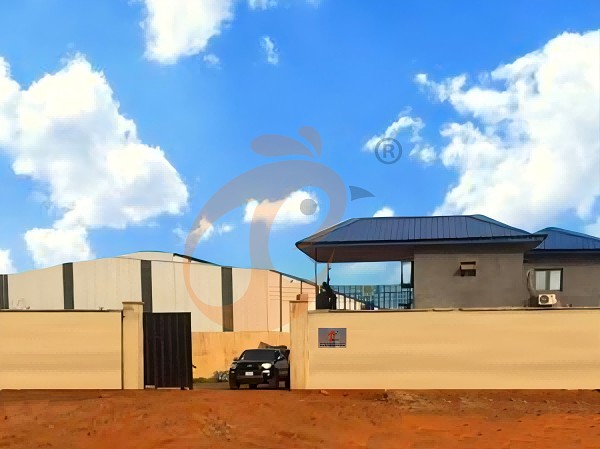
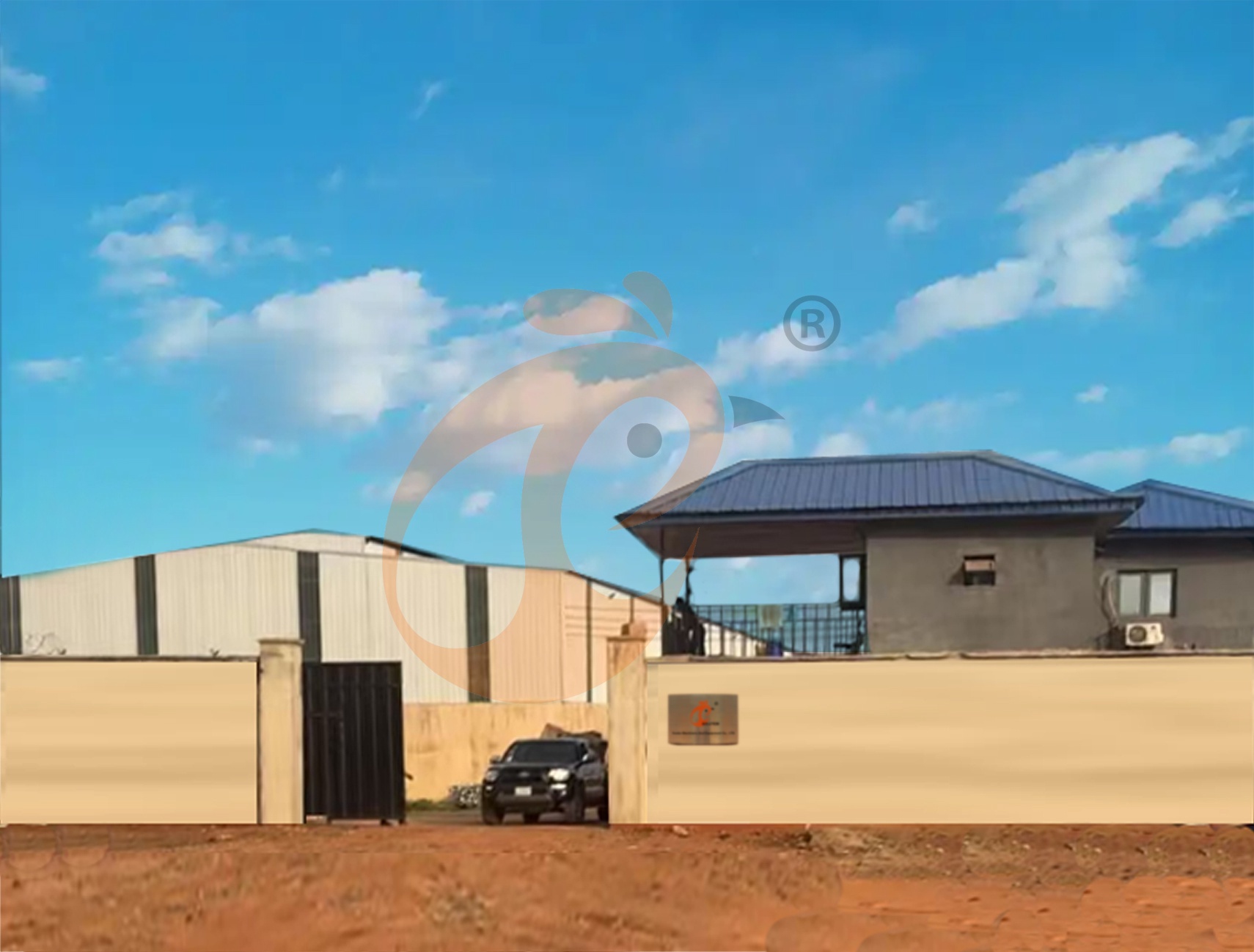
Nigeria Vanke Machinery And Equipment CO., LTD
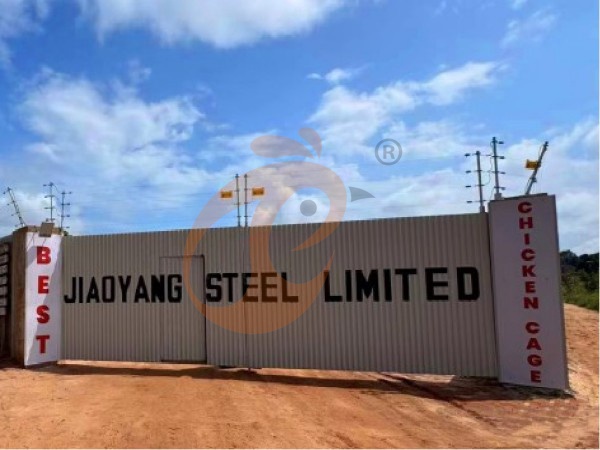
Tanzania Best Machinery And Equipment CO., LTD
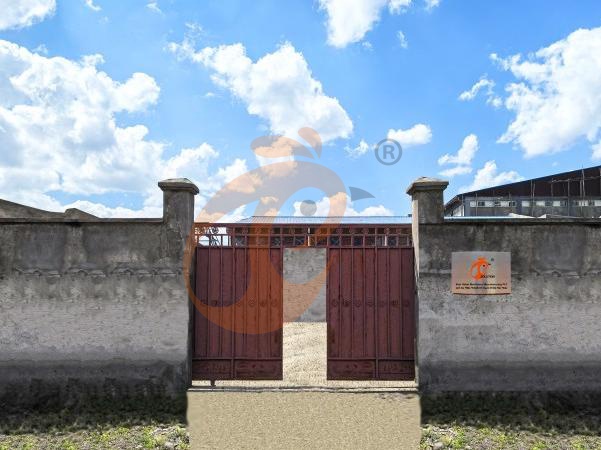
Ethiopia Best Hebei Machinery Manufacturing PLC
Reception /24 WhatsApp NO. : +8618830120193
FAQ
How To Reduce Stress And Improve Egg Production In Battery Cage Farms?
Good ventilation, temperature 18–25℃, lighting 16h/day.
Automatic feeding and drinking systems ensure sufficient nutrition and water; egg production 90–98%.
What Are The Advanced Tips For Egg Hygiene And Quality Control In Layer Cage Systems?
Monitor feed nutrition and water quality to ensure strong eggshells.
How To Implement Advanced Light Management Systems In Poultry Cage Farms?
Combined with automatic feeding, egg production increases 2–3%, breakage <3%.
Message
Products recommended
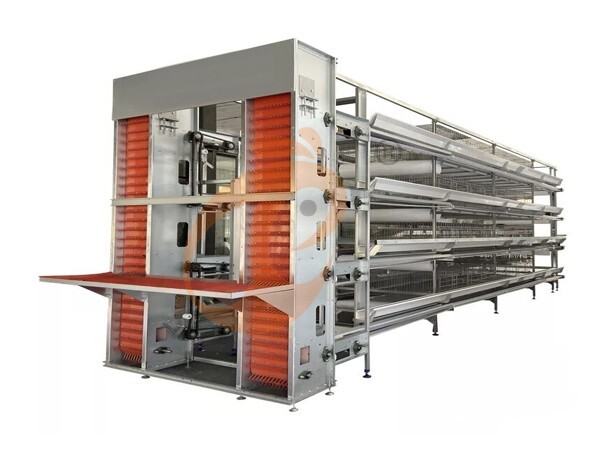
 >30,000 Pullets Automatic H Type Battery Cage1. More than 30,000 pullets a house, choose it.
2. It is designed to rearing older than 1 day old pullets to 12 to 16 weeks old chicken starting laying eggs.
3. Its lifespan is more than 25 years.
4. Its structure are Vcloud artificial intelligent fusion, electric control cabinet, automatic equipment of drinking, feeding, manure clean, manual harvesting.
5. Our 24 hour online reception What’sApp NO. is +8618830120193 <30,000 Pullets Automatic A Type Battery Cage1. 10,000 to 30,000 pullets a house, choose it.
2. It is designed to rearing older than 1 day old pullets to 12 to 16 weeks old chicken starting laying eggs.
3. Its lifespan is more than 25 years.
4. Its structure are Vcloud artificial intelligent fusion, electric control cabinet, automatic equipment of drinking, feeding, manure clean, manual harvesting.
5. Our 24 hour online reception What’sApp NO. is +86 18830120193. >30,000 Broilers Semi-Automatic Harvest H Type Battery Cage1. More than 30,000 broilers a house, choose it.
2. It is designed to rearing 1 to 45 day old adult broiler ready for market.
3. Its lifespan is more than 20 years.
4. Our 24 hour online reception What’sApp NO. is +8618830120193, +234 8111199996. >30,000 Broilers Manual Harvest H Type Battery Cage1. More than 30,000 broilers a house, choose it.
2. It is designed to rearing 1 to 45 day old adult broiler ready for market.
3. Its lifespan is more than 20 years.
4. Its structure are Vcloud artificial intelligent fusion, electric control cabinet, automatic equipment of drinking, feeding and manure clean, manual harvesting.
5. Our 24 hour online reception What’sApp NO. is +8618830120193, +234 8111199996. <30,000 Broilers Manual Harvest A Type Battery Cage1. Less 30,000 broilers a house, choose it.
2. It is designed to rearing 1 to 45 day old adult broiler ready for market.
3. Its lifespan is more than 20 years.
4. Its structure are Vcloud artificial intelligent fusion, electric control cabinet, automatic equipment of drinking, feeding and manure clean, manual harvesting.
5. Our 24 hour online reception What’sApp NO. is +8618830120193, +234 8111199996. HK Headquarter Offers EU-standard Poultry Farm Solutions, Manufacture Poultry Farm Equipment1. Continuous communication with the EU and the US
2. China, Nigeria, Ethiopia, Tanzania branch companies and factories
3. The products’ quality is customized for local poultry farms
4. Poultry cage and poultry farm equipment stock for sale
5. 24 online reception Whatsapp NO. : +8618830120193,contact us to get full information China Branch Offer Poultry Farm Business Plan, Manufacture Poultry Farm Equipment1. Address: Flat/RM 2416, 24/F, Runxing Building, Youyi Nan Street, Shijiazhuang City, Hebei Province, China
2. Poultry cage and poultry farm equipment factory and stock for sale
3. Customized for local poultry farms
4. Quality and design are based on Euro
5. 24 online reception Whatsapp NO. : +8618830120193 Nigeria Branch Offer Poultry Farm Business Plan, Manufacture Poultry Farm Equipment1. Address: After Sinoma Office, 200 Meters Near Danco Filling Station, Lagos/Ibadan Expressway, Lagos State, Nigeria
2. Poultry cage and poultry farm equipment factory and stock for sale
3. Customized for Nigerian poultry farms
4. Quality and design are based on Euro
5. 24 online reception Whatsapp NO. : +8618830120193 Ethiopia Branch Offer Poultry Farm Business Plan, Manufacture Poultry Farm Equipment1. Address: Gelan Gura, Akaki-kaliti Sub City, Addis Ababa, Ethiopia
2. Poultry cage and poultry farm equipment stock for sale
3. Customized for Ethiopian poultry farms
4. Quality and design are based on Euro
5. 24 online reception Whatsapp NO. : +8618830120193, contact us to get price list Tanzania Branch Offer Poultry Farm Business Plan, Manufacture Poultry Farm Equipment1. Address: No.8, Sova Road, Msufini, Mlandizi, Kibaha, Pwani, Tanzania
2. Poultry cage and poultry farm equipment factory and stock for sale
3. Customized for Tanzanian poultry farms
4. Quality and design are based on Euro
5. 24 online reception Whatsapp NO. : +8618830120193


Contact