


Blog
Broiler chicken cages require precise density calibration to maintain stable production performance.
Spatial allocation directly influences growth uniformity, feed efficiency, and environmental balance inside poultry houses.
Water delivery systems, especially nipple drinker networks, regulate hydration consistency under high stocking pressure.
Thermal load distribution and ventilation capacity define the upper limits of cage occupancy rates.
This article explains engineering-based parameters and operational controls for optimized cage management systems.
Get professional poultry farm construction guidance, equipment selection solutions, and the latest price lists, whatsApp to +8618830120193, click to learn more:
Engineering Baseline For Stocking Density Design
Stocking density must be defined using measurable mass-per-area and thermal load indices rather than subjective comfort indicators.
Data is for reference only.Swipe horizontally to view full table.
At higher biomass loading per square meter, hydraulic demand in broiler chicken cages increases significantly due to elevated metabolic water requirements.
Global broiler cage optimization standards is widely referenced in commercial poultry engineering planning systems for density design frameworks.
Structural Constraints In Cage-Based Systems
Stocking density is constrained by fixed mechanical capacities of feeders, drinkers, and manure belts.
Data is for reference only.Swipe horizontally to view full table.
Mechanical limitations in broiler chicken cages often define maximum stocking density before biological constraints are reached.
Poultry cage hydraulic engineering solutions is frequently applied in high-density broiler farm expansion projects.
Nipple Drinker Hydraulic Performance Parameters
Water delivery precision determines flock uniformity under dense stocking conditions inside broiler chicken cages.
Data is for reference only.Swipe horizontally to view full table.
Deviation in these hydraulic parameters leads to uneven water distribution across broiler chicken cages, affecting uniform growth rates.
Nipple drinker pressure regulation system is a critical design component in automated poultry watering infrastructure.
Water Consumption Scaling With Stocking Density
Water intake scales non-linearly with biomass accumulation in broiler chicken cages under different temperature conditions.
Data is for reference only.Swipe horizontally to view full table.
Broiler chicken cages require continuous recalibration of water delivery capacity to match increasing metabolic demand.
High density poultry water intake management system is applied in commercial broiler cage operations for hydration balance control.
Ventilation And Moisture Load Interaction
Air exchange systems must compensate for metabolic heat and evaporation inside broiler chicken cages.
Data is for reference only.Swipe horizontally to view full table.
Moisture accumulation near drinker zones inside broiler chicken cages increases significantly when airflow is uneven.
Industrial poultry ventilation integration design is commonly used in large-scale broiler cage climate control systems.
Feed And Water Synchronization Metrics
Feed intake efficiency is strongly linked to hydration timing inside broiler chicken cages.
Data is for reference only.Swipe horizontally to view full table.
Water access timing in broiler chicken cages directly influences digestion efficiency and post-feeding recovery.
Automated poultry feed water synchronization system is applied in precision broiler production environments.
Microbial Load Management In Water Lines
Biofilm accumulation in drinking systems increases under intensive broiler chicken cages operation conditions.
Data is for reference only.Swipe horizontally to view full table.
Water hygiene management in broiler chicken cages is essential for maintaining biosecurity and production stability.
Poultry drinking line hygiene control system is essential in intensive broiler cage biosecurity management.
Growth Performance Index Under Density Pressure
Performance indicators in broiler chicken cages reflect combined effects of feed intake, water access, and thermal regulation.
Data is for reference only.Swipe horizontally to view full table.
Uniform performance in broiler chicken cages depends heavily on equalized resource distribution across all cage tiers.
Commercial broiler performance monitoring system is widely deployed in automated poultry production lines.
Drinker Line Calibration And Seasonal Adjustment
Nipple drinker system stability requires seasonal recalibration to maintain uniform water delivery under varying ambient conditions.
During hot season operation, inlet water temperature is typically maintained between 14–17°C to reduce thermal stress impact.
Pipe slope is controlled within 2–4 mm per meter to ensure complete drainage after flushing cycles.
Daily pressure fluctuation tolerance is usually kept within ±1.5 kPa to prevent uneven activation response across cage rows.
Frequently Asked Questions
Q1: What is the ideal pressure range for nipple drinker systems in broiler chicken cages?
Typical operational pressure ranges between 18–26 kPa depending on bird weight phase and water demand intensity.
Stable pressure ensures uniform distribution across all cage levels and reduces intake deviation below 5 percent.
Q2: How does stocking density affect water consumption in broiler chicken cages?
Higher density increases daily water intake from approximately 140 ml to over 410 ml per bird.
This requires continuous adjustment of nipple drinker flow stability and pipe pressure calibration.
Q3: Why is water line hygiene important in broiler chicken cages?
Biofilm accumulation can exceed 2200 RLU/cm² at elevated temperatures around 22°C.
Regular flushing every 18–48 hours maintains microbial stability and prevents performance decline.
Taiyu (HK) Group - One Of China Biggest Broiler Chicken Cages Manufacturer
Broiler chicken cages operating at 42–45 kg/m² density require synchronized nipple drinker calibration across all tiers for stable production output.
Factory direct supply chain enables hydraulic testing between 15–26 kPa for integrated poultry system engineering projects.
Global poultry equipment manufacturing covers cages, feeding systems, and ventilation units for industrial-scale farms.
Turn-key engineering service includes layout design, installation, and commissioning for automated broiler production facilities.
Export supply network supports standardized broiler chicken cages deployment across multi-regional agricultural projects.
Contact Us To Received Your Customized Poultry Farm Plan
Headquarters And Branchs
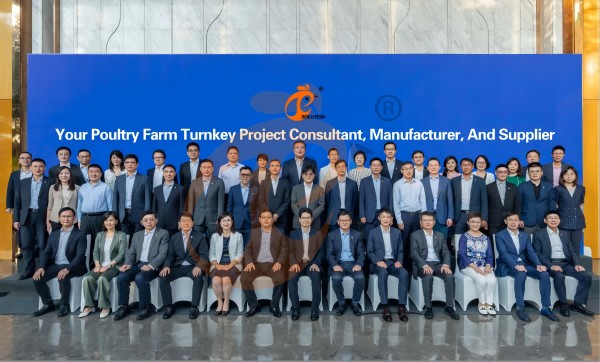
Hong Kong Headquarter Management Team
Hong Kong Headquarter Taiyu Industrial Group CO., LTD
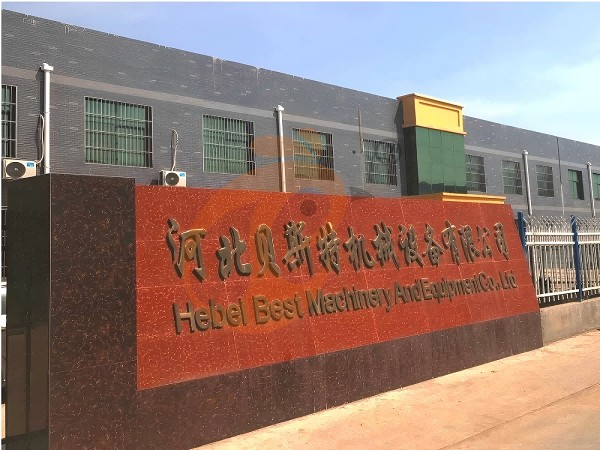
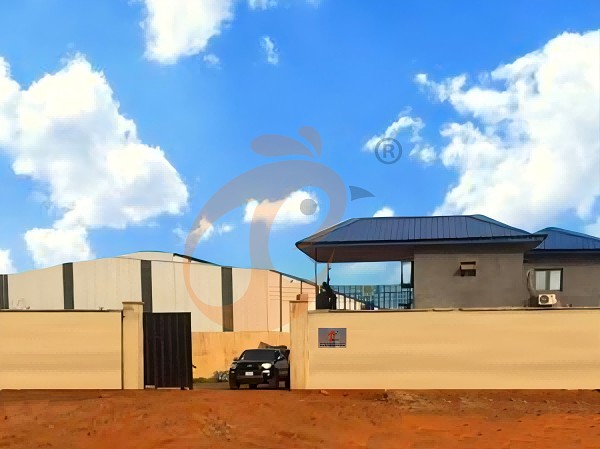
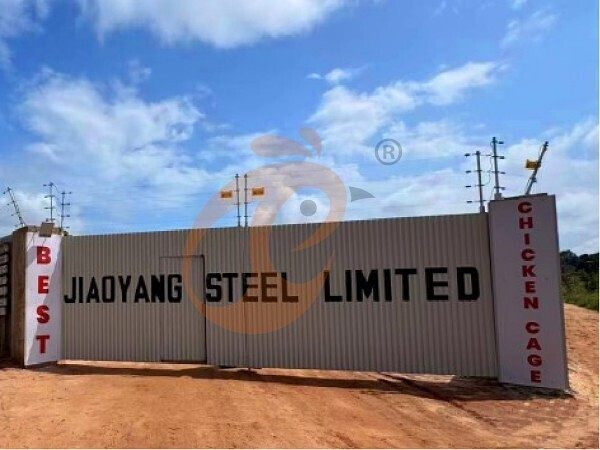
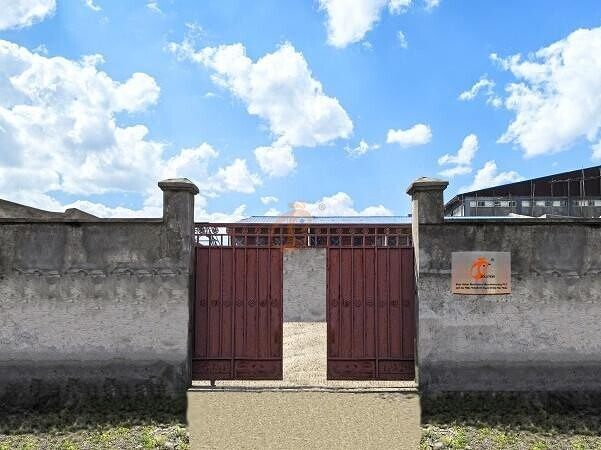
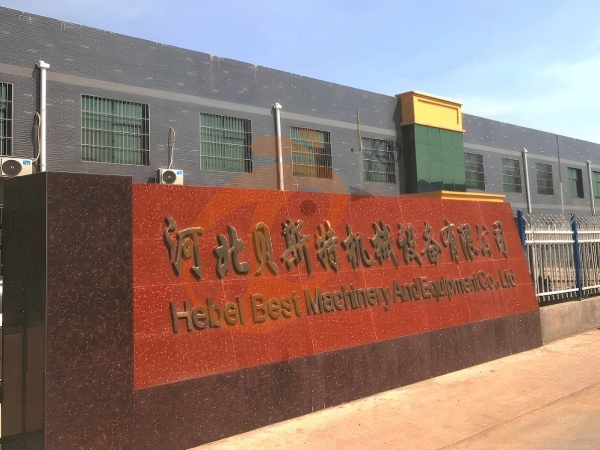
China Hebei Best Machinery And Equipment CO., LTD
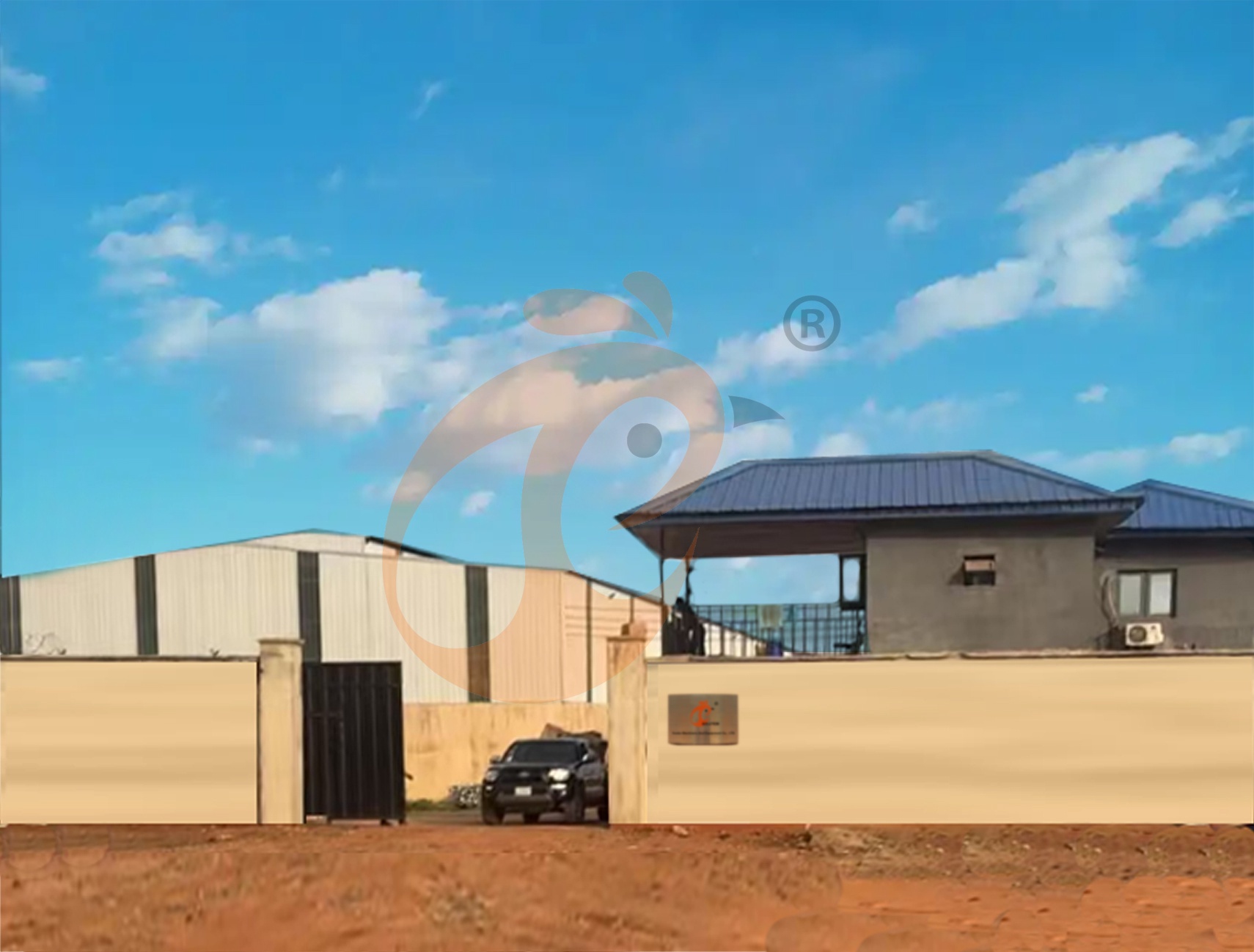
Nigeria Vanke Machinery And Equipment CO., LTD
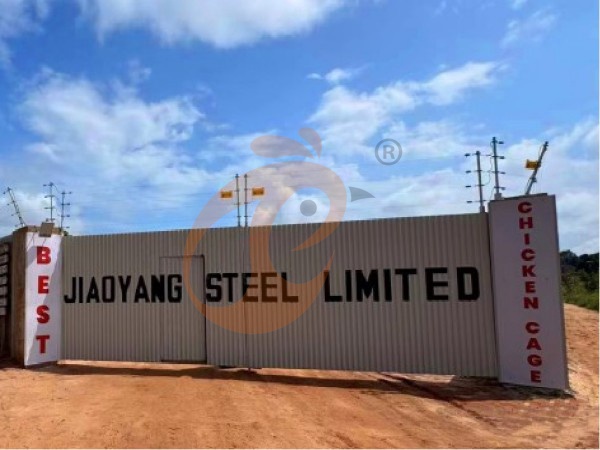
Tanzania Best Machinery And Equipment CO., LTD
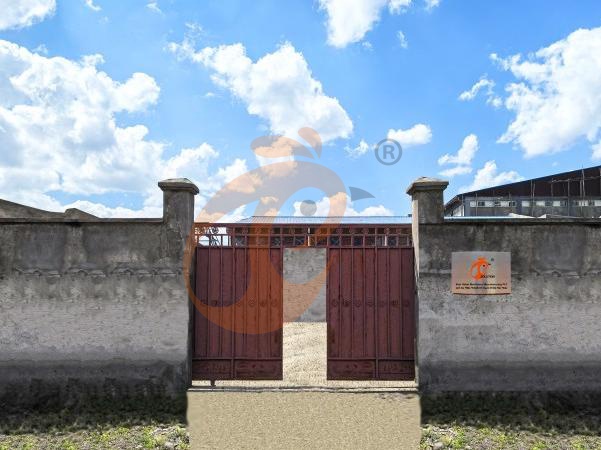
Ethiopia Best Hebei Machinery Manufacturing PLC
Reception /24 WhatsApp NO. : +8618830120193
FAQ
What Cage Structure Options Are Available For Broiler Chicken Cage Systems?
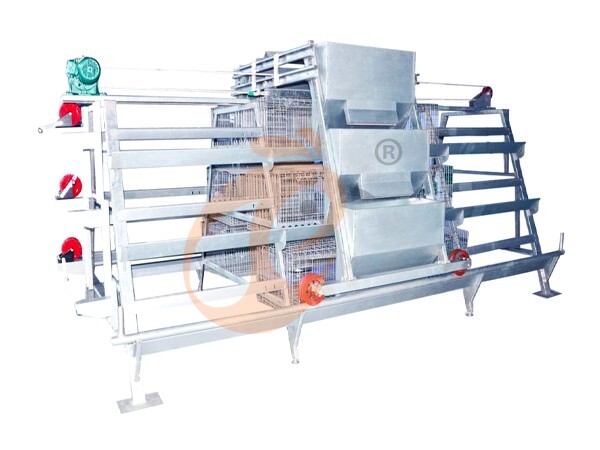
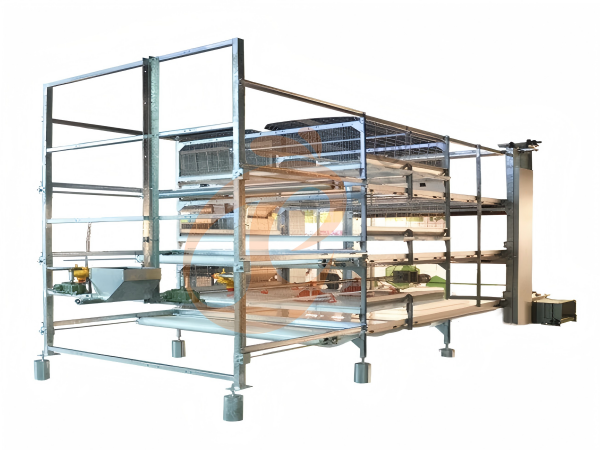
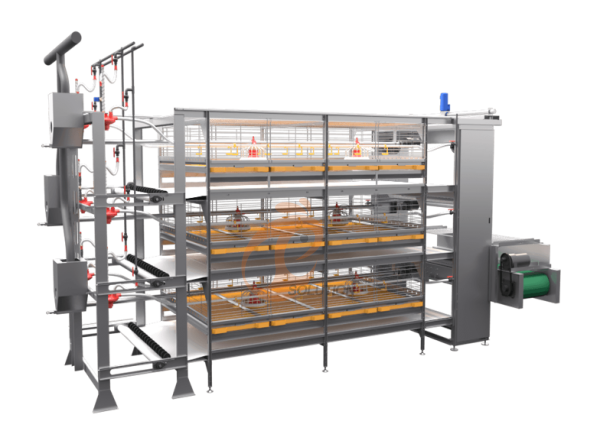
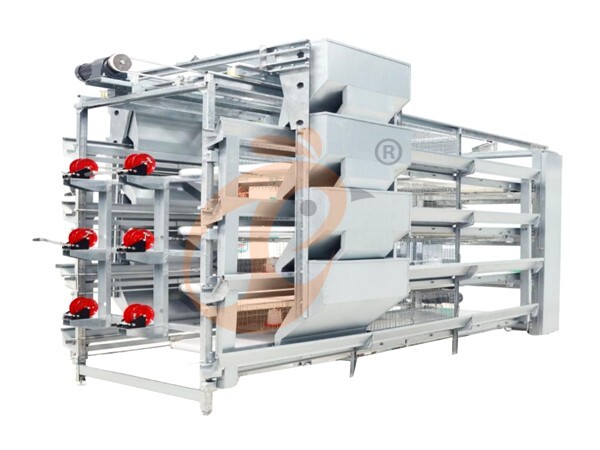
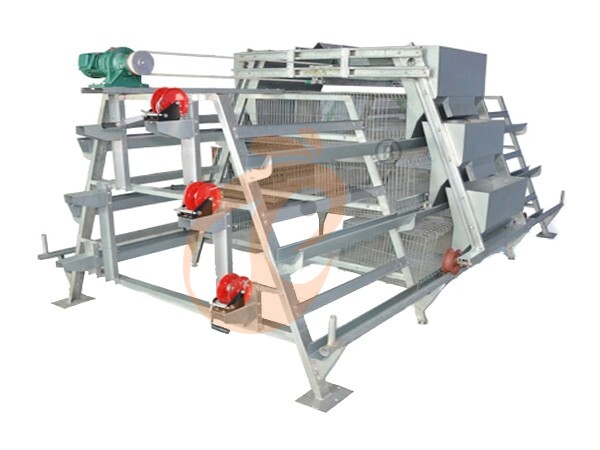
H-type cage systems are configured in 3–12 tiers accommodating 360–1440 birds per set for intensive farming operations.
Structural height ranges from 1.75–10.11 meters maximizing vertical space utilization and housing efficiency.
How Does Stocking Density Affect Broiler Chicken Cage Performance?
H-type systems maintain 500 cm² allocation per bird optimizing housing density and production output.
Bird distribution is balanced at 8 birds per compartment in partitioned cage configurations reducing competition.
Which Cage Dimensions Are Commonly Used In Broiler Chicken Cage Systems?
H-type cage modules measure 3.3 × 1.82 meters providing larger continuous housing sections.
Internal compartment height varies from 40–55 cm ensuring adequate bird activity and ventilation circulation.
- poultry farm
- chicken cage
- broiler cage
- poultry house
- poultry cage
- cage
- poultry farm construction
- poultry equipment
- chicken cages
- broiler chicken cage
- chickencage
- bestchickencage
- broiler chicken cages
- Nigeria
- broiler farm
- broiler farm expansion
- poultry drinking line
- poultry farm plan
- poultry feed
- Ethiopia
Message
Products recommended
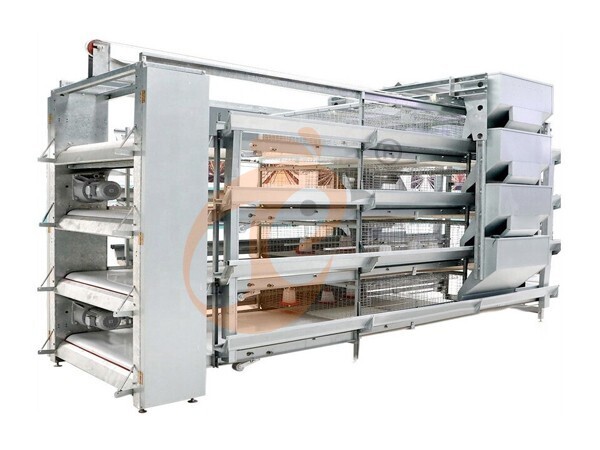
 >30,000 Pullets Automatic H Type Battery Cage1. More than 30,000 pullets a house, choose it.
2. It is designed to rearing older than 1 day old pullets to 12 to 16 weeks old chicken starting laying eggs.
3. Its lifespan is more than 25 years.
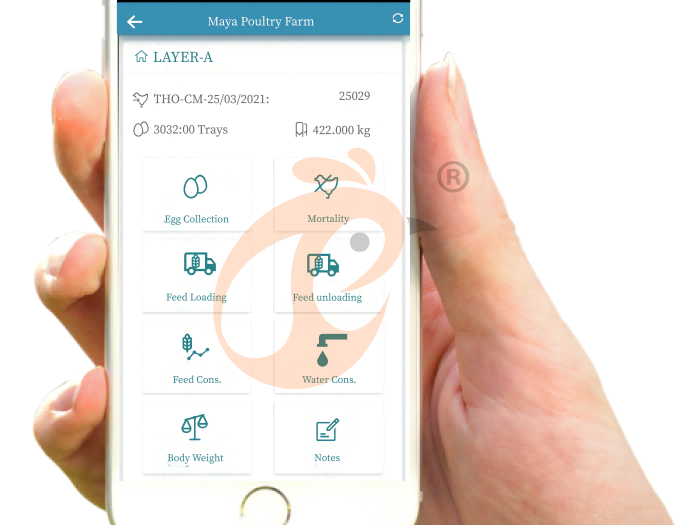
4. Its structure are Vcloud artificial intelligent fusion, electric control cabinet, automatic equipment of drinking, feeding, manure clean, manual harvesting.
5. Our 24 hour online reception What’sApp NO. is +8618830120193 <30,000 Pullets Automatic A Type Battery Cage1. 10,000 to 30,000 pullets a house, choose it.
2. It is designed to rearing older than 1 day old pullets to 12 to 16 weeks old chicken starting laying eggs.
3. Its lifespan is more than 25 years.
4. Its structure are Vcloud artificial intelligent fusion, electric control cabinet, automatic equipment of drinking, feeding, manure clean, manual harvesting.
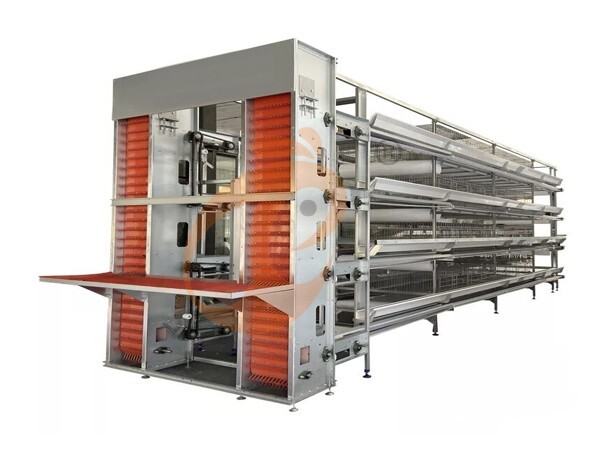
5. Our 24 hour online reception What’sApp NO. is +86 18830120193. >30,000 Broilers Semi-Automatic Harvest H Type Battery Cage1. More than 30,000 broilers a house, choose it.
2. It is designed to rearing 1 to 45 day old adult broiler ready for market.
3. Its lifespan is more than 20 years.
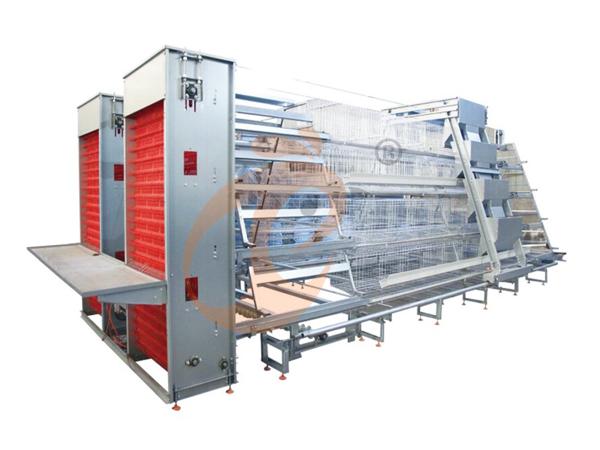
4. Our 24 hour online reception What’sApp NO. is +8618830120193, +234 8111199996. >30,000 Broilers Manual Harvest H Type Battery Cage1. More than 30,000 broilers a house, choose it.
2. It is designed to rearing 1 to 45 day old adult broiler ready for market.
3. Its lifespan is more than 20 years.
4. Its structure are Vcloud artificial intelligent fusion, electric control cabinet, automatic equipment of drinking, feeding and manure clean, manual harvesting.
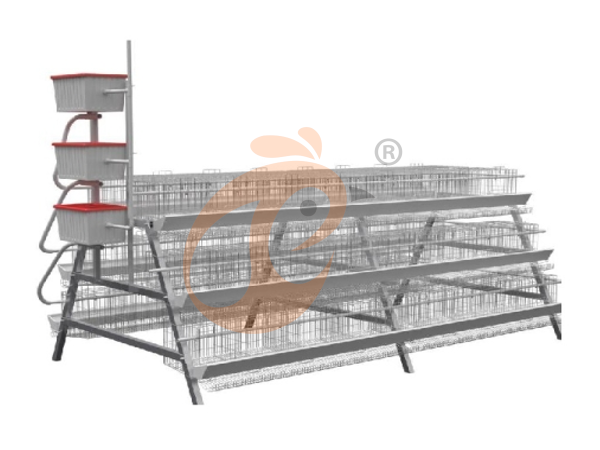
5. Our 24 hour online reception What’sApp NO. is +8618830120193, +234 8111199996. <30,000 Broilers Manual Harvest A Type Battery Cage1. Less 30,000 broilers a house, choose it.
2. It is designed to rearing 1 to 45 day old adult broiler ready for market.
3. Its lifespan is more than 20 years.
4. Its structure are Vcloud artificial intelligent fusion, electric control cabinet, automatic equipment of drinking, feeding and manure clean, manual harvesting.
5. Our 24 hour online reception What’sApp NO. is +8618830120193, +234 8111199996. HK Headquarter Offers EU-standard Poultry Farm Solutions, Manufacture Poultry Farm Equipment1. Continuous communication with the EU and the US
2. China, Nigeria, Ethiopia, Tanzania branch companies and factories
3. The products’ quality is customized for local poultry farms
4. Poultry cage and poultry farm equipment stock for sale
5. 24 online reception Whatsapp NO. : +8618830120193,contact us to get full information China Branch Offer Poultry Farm Business Plan, Manufacture Poultry Farm Equipment1. Address: Flat/RM 2416, 24/F, Runxing Building, Youyi Nan Street, Shijiazhuang City, Hebei Province, China
2. Poultry cage and poultry farm equipment factory and stock for sale
3. Customized for local poultry farms
4. Quality and design are based on Euro
5. 24 online reception Whatsapp NO. : +8618830120193 Nigeria Branch Offer Poultry Farm Business Plan, Manufacture Poultry Farm Equipment1. Address: After Sinoma Office, 200 Meters Near Danco Filling Station, Lagos/Ibadan Expressway, Lagos State, Nigeria
2. Poultry cage and poultry farm equipment factory and stock for sale
3. Customized for Nigerian poultry farms
4. Quality and design are based on Euro
5. 24 online reception Whatsapp NO. : +8618830120193 Ethiopia Branch Offer Poultry Farm Business Plan, Manufacture Poultry Farm Equipment1. Address: Gelan Gura, Akaki-kaliti Sub City, Addis Ababa, Ethiopia
2. Poultry cage and poultry farm equipment stock for sale
3. Customized for Ethiopian poultry farms
4. Quality and design are based on Euro
5. 24 online reception Whatsapp NO. : +8618830120193, contact us to get price list Tanzania Branch Offer Poultry Farm Business Plan, Manufacture Poultry Farm Equipment1. Address: No.8, Sova Road, Msufini, Mlandizi, Kibaha, Pwani, Tanzania
2. Poultry cage and poultry farm equipment factory and stock for sale
3. Customized for Tanzanian poultry farms
4. Quality and design are based on Euro
5. 24 online reception Whatsapp NO. : +8618830120193


Contact