


Blog
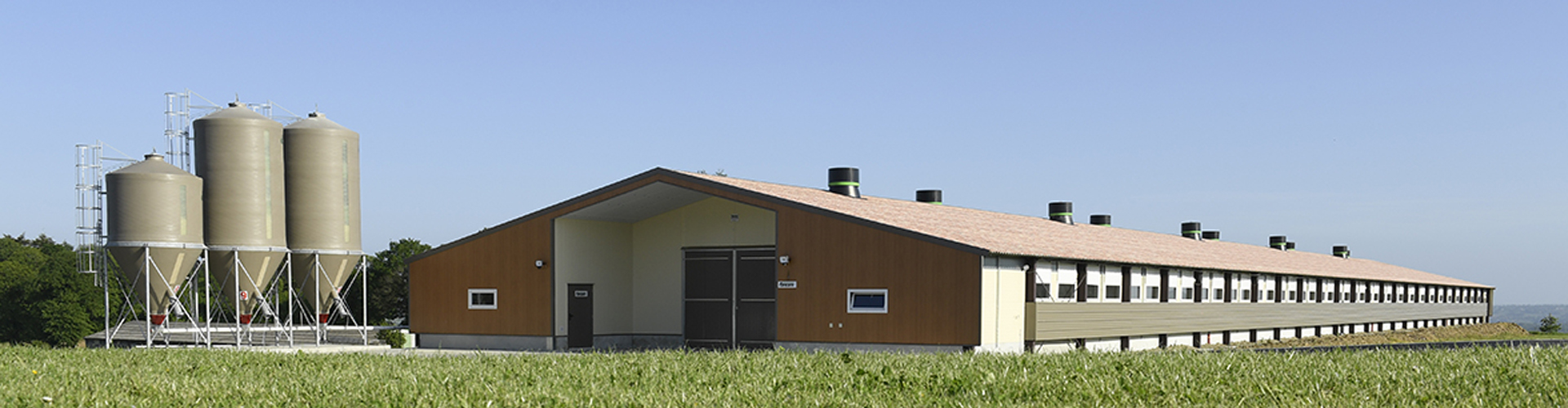
Floor rearing system feed efficiency improvement defines modern poultry production profitability and system stability.
This article explains nutrient formulation, mechanical feeding control, environmental engineering, and biological digestion optimization in integrated poultry housing.
Introduces practical operational steps used in commercial broiler farms to reduce feed loss and improve conversion efficiency.
Presents quantitative system data, equipment parameters, and biological performance indicators for engineering reference.
The discussion connects feeding system design with metabolic response and production cost optimization under controlled conditions.
Get professional poultry farm construction guidance, equipment selection solutions, and the latest price lists, whatsApp to +8618830120193, click to learn more:
Precision Feed Formulation For Floor Rearing System Performance
Precision nutrition design is the foundation of stable feed utilization in floor rearing system operations.
Feed composition must align with digestive enzyme capacity and amino acid absorption efficiency to ensure consistent growth.
Data is for reference only.Swipe horizontally to view full table.
Balanced amino acid supply improves protein deposition efficiency in muscle tissue formation.
Stable nutrient ratios reduce metabolic waste output and improve digestive system predictability.
Modern poultry farms use floor rearing system feed efficiency optimization technology to stabilize production cycles.
Automated Feed Distribution Timing System
Feeding timing directly controls digestive rhythm and nutrient uptake synchronization in poultry metabolism.
Automated systems ensure uniform feed delivery and reduce mechanical losses during distribution.
Data is for reference only.Swipe horizontally to view full table.
Regular feeding intervals improve intestinal enzyme secretion consistency.
Automated systems reduce human operational error and improve feed allocation precision.
This mechanism is widely applied in poultry floor feeding efficiency system design projects.
Thermal Regulation And Airflow Engineering In Floor Housing
Airflow engineering determines metabolic energy distribution and feed conversion efficiency in poultry housing systems.
Temperature and gas concentration directly affect respiratory load and nutrient utilization efficiency.
Data is for reference only.Swipe horizontally to view full table.
Thermal stress increases maintenance energy consumption and reduces growth efficiency.
Optimized ventilation reduces ammonia concentration and improves respiratory stability.
Advanced farms apply commercial floor rearing ventilation efficiency solutions to stabilize flock performance.
Feed Physical Structure And Pellet Engineering Optimization
Feed physical characteristics influence ingestion behavior and mechanical digestion workload in poultry systems.
Data is for reference only.Swipe horizontally to view full table.
Uniform pellet structure improves gizzard function and digestion efficiency stability.
Excessively fine feed increases dust loss and reduces measurable intake accuracy.
Feed engineering is essential in poultry feed conversion improvement floor system solutions.
Water Delivery Pressure And Hydration Synchronization System
Water intake regulates enzymatic activity and nutrient solubility in poultry metabolic processes.
Hydration balance directly influences digestion speed and nutrient transport efficiency.
Data is for reference only.Swipe horizontally to view full table.
Insufficient hydration reduces digestive enzyme activity and nutrient absorption efficiency.
Stable water delivery improves intestinal transport performance and feed conversion consistency.
Stocking Density And Spatial Behavior Control In Floor Rearing
Bird spatial distribution influences feed access competition and intake uniformity in floor systems.
Stocking density directly affects stress level and feeding behavior stability across flock populations.
Data is for reference only.Swipe horizontally to view full table.
Lower density improves feeding access time per bird and reduces competition intensity.
Spatial optimization enhances uniform nutrient intake distribution across production cycles.
Microbial Ecosystem Engineering In Poultry Intestine
Gut microbiota regulates nutrient digestion efficiency and immune system stability in poultry production.
Beneficial bacteria improve fermentation efficiency and short-chain fatty acid production.
Lactobacillus plantarum at 10⁹ CFU/Kg feed enhances carbohydrate digestion efficiency.
Bacillus subtilis improves protease enzyme activity in intestinal environment.
Microbial balance stabilizes gut pH and reduces pathogen colonization risk.
Mechanical Equipment Calibration For Feed Efficiency Systems
Mechanical precision determines feed delivery stability and system loss reduction in floor rearing environments.
Equipment calibration ensures synchronized feed transport and distribution across production zones.
Data is for reference only.Swipe horizontally to view full table.
Mechanical inconsistency increases feed spillage and reduces measurable intake accuracy.
Regular maintenance ensures stable long-term system performance.
Lighting Synchronization And Feeding Behavior Regulation
Lighting programs influence circadian rhythm and feeding behavior synchronization in poultry systems.
Light intensity and duration affect metabolic rate and intake distribution patterns.
Data is for reference only.Swipe horizontally to view full table.
Controlled lighting improves feeding uniformity and reduces energy waste during rest cycles.
Circadian alignment enhances digestive efficiency and nutrient utilization stability.
Economic Performance Impact Analysis
European union standard reference only.
Feed efficiency improvements directly reduce production cost per kilogram output in commercial poultry systems.
Data is for reference only.Swipe horizontally to view full table.
System optimization reduces resource waste and improves production efficiency.
Frequently Asked Questions
Q1: What is the main factor affecting feed efficiency in floor rearing system?
Feed formulation quality and environmental stability are the most critical factors affecting feed efficiency.
Protein balance, amino acid digestibility, and energy ratio determine biological conversion performance.
Environmental control such as temperature and ammonia level directly influences metabolic energy distribution.
Combined system optimization produces more stable and predictable feed conversion results.
Q2: How does automated feeding improve poultry production performance?
Automated feeding systems reduce human error and improve distribution accuracy across flock populations.
They ensure consistent feeding intervals, reducing stress and competition among birds.
Mechanical delivery systems also minimize feed spillage and improve measurable intake accuracy.
This leads to improved conversion efficiency and reduced production cost per cycle.
Q3: Why is water management important in floor rearing system?
Water intake regulates enzyme activity and nutrient transport efficiency in poultry metabolism.
Insufficient hydration reduces digestion speed and nutrient absorption capacity.
Proper water pressure and flow stability ensure consistent feed utilization efficiency.
Balanced hydration improves overall growth performance and system stability.
Taiyu (HK) Group - One Of China Largest Poultry Equipment Manufacturer
Floor rearing system feed efficiency equipment is the core production focus of this article.
The company specializes in automated feeding systems, ventilation units, and complete poultry floor rearing solutions.
Global factory direct supply ensures stable production cost control and reliable equipment delivery performance.
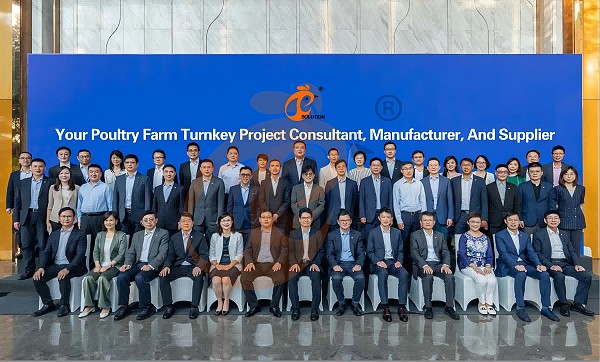
Turn-key engineering services include system design, installation, and operational training for poultry farms.
Professional poultry equipment manufacturing supports large-scale commercial production efficiency optimization worldwide.
Contact Us To Received Your Customized Poultry Farm Plan
Headquarters And Branchs

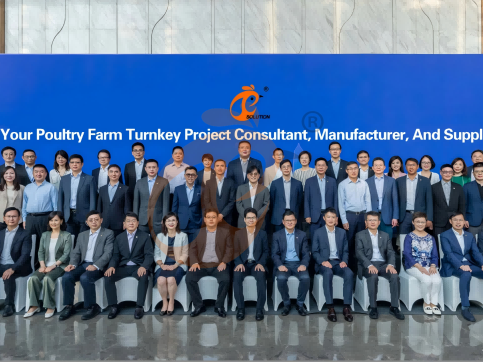
Hong Kong Headquarter Management Team
Hong Kong Headquarter Taiyu Industrial Group CO., LTD
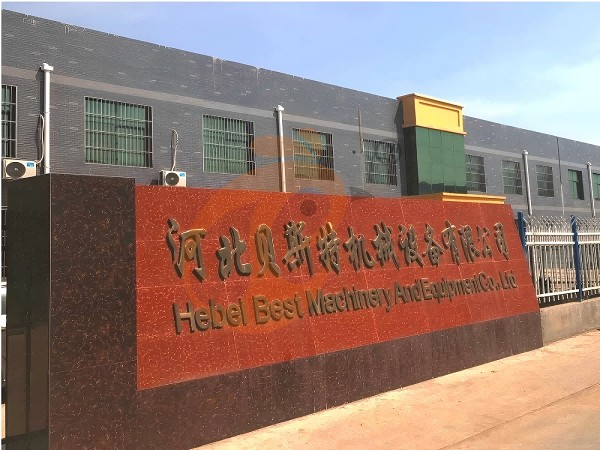
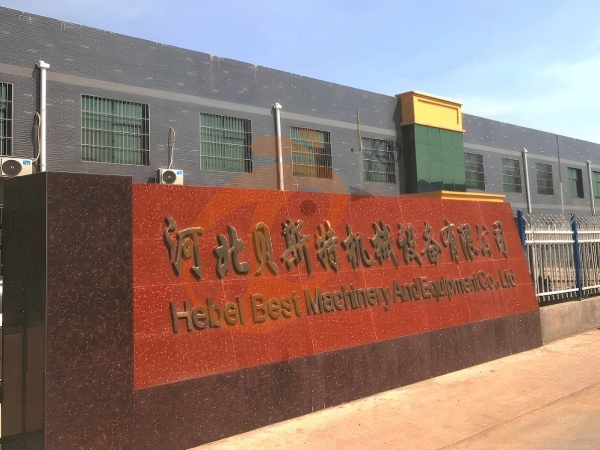
China Hebei Best Machinery And Equipment CO., LTD
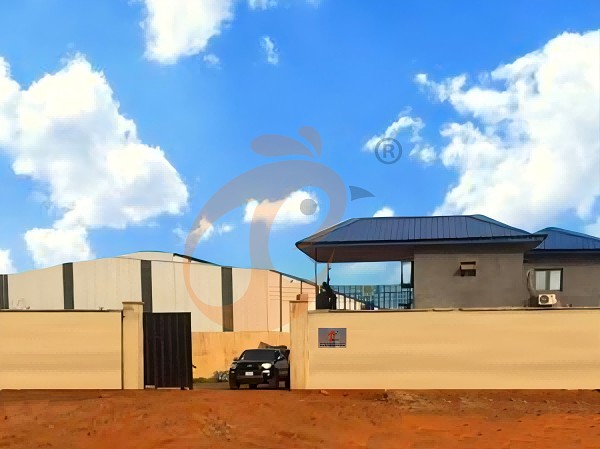
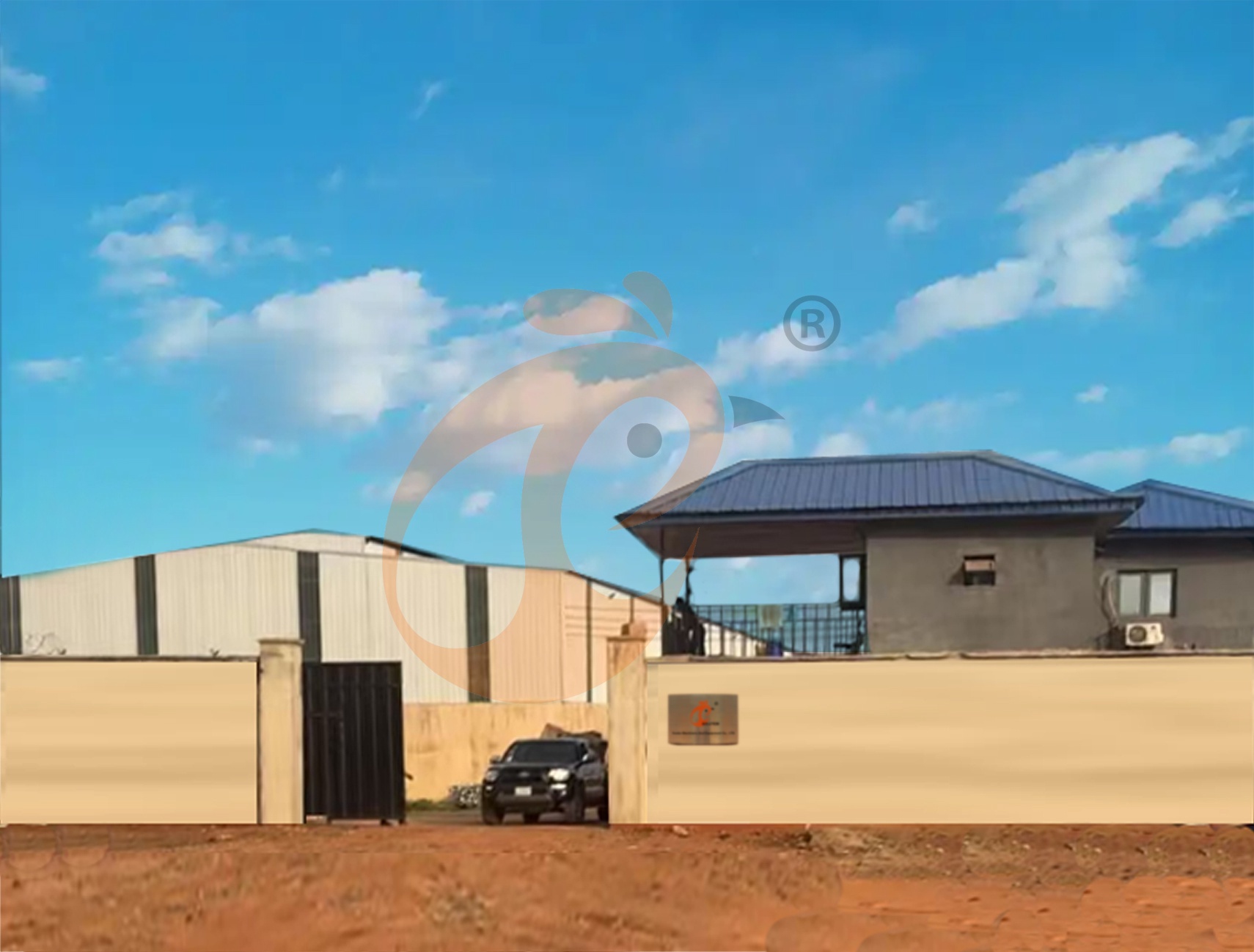
Nigeria Vanke Machinery And Equipment CO., LTD
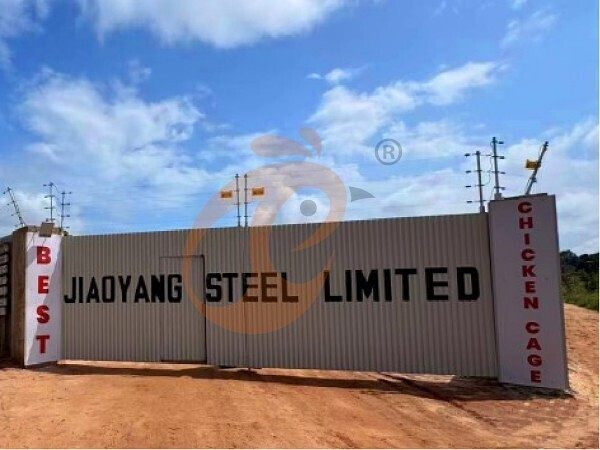
Tanzania Best Machinery And Equipment CO., LTD
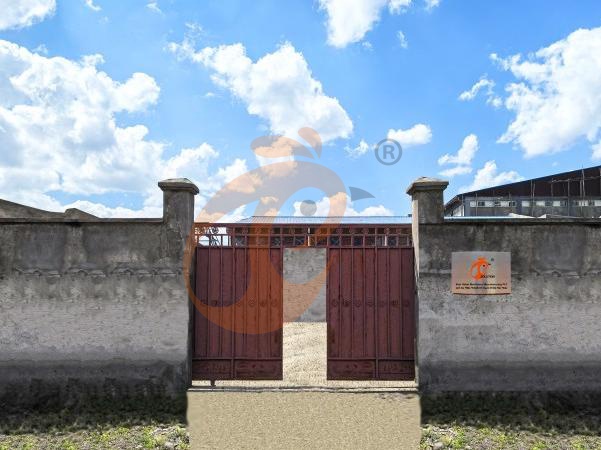
Ethiopia Best Hebei Machinery Manufacturing PLC

Reception /24 WhatsApp NO. : +8618830120193
FAQ
What Growth Performance Indicators Are Expected In Floor Rearing Poultry System?
Feed conversion ratio is maintained at 1.65–1.85 for commercial broilers.
Market slaughter age ranges from 38–45 days depending on breed selection.
What Disease Control Standards Apply In Floor Rearing Poultry System?
Flock vaccination coverage reaches 90%–98% depending on disease prevention program.
Pathogen reduction targets aim for 80%–90% decrease in bacterial load.
What Are The Manure Management Requirements In Floor Rearing Poultry System?
Ammonia emission control targets remain below 15 ppm through regular cleaning cycles.
Dry matter content is maintained above 65% to improve composting efficiency.
Message
Products recommended
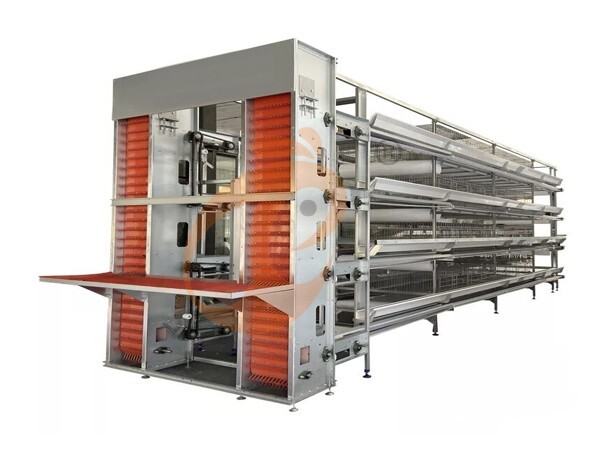
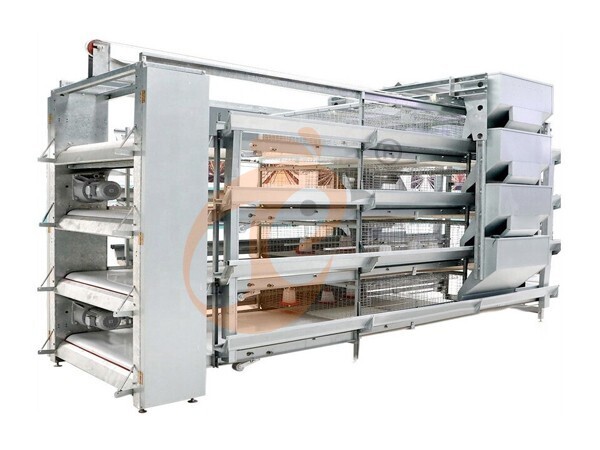
 >30,000 Pullets Automatic H Type Battery Cage1. More than 30,000 pullets a house, choose it.
2. It is designed to rearing older than 1 day old pullets to 12 to 16 weeks old chicken starting laying eggs.
3. Its lifespan is more than 25 years.
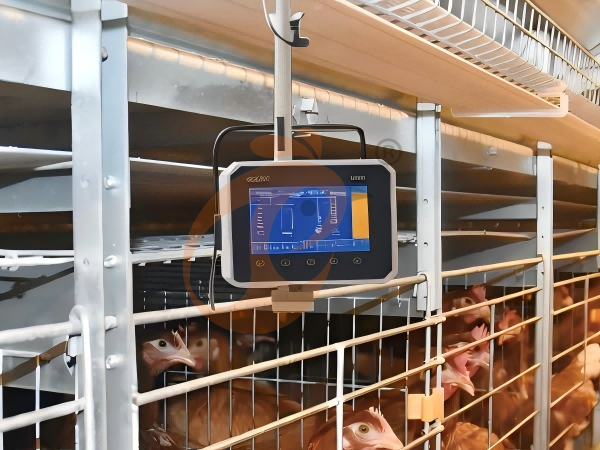
4. Its structure are Vcloud artificial intelligent fusion, electric control cabinet, automatic equipment of drinking, feeding, manure clean, manual harvesting.
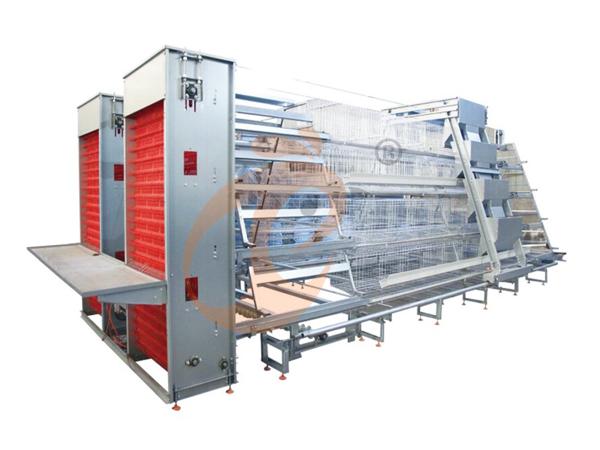
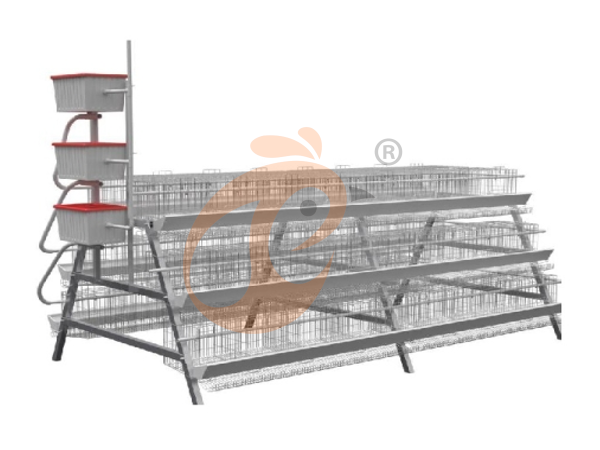
5. Our 24 hour online reception What’sApp NO. is +8618830120193 <30,000 Pullets Automatic A Type Battery Cage1. 10,000 to 30,000 pullets a house, choose it.
2. It is designed to rearing older than 1 day old pullets to 12 to 16 weeks old chicken starting laying eggs.
3. Its lifespan is more than 25 years.
4. Its structure are Vcloud artificial intelligent fusion, electric control cabinet, automatic equipment of drinking, feeding, manure clean, manual harvesting.
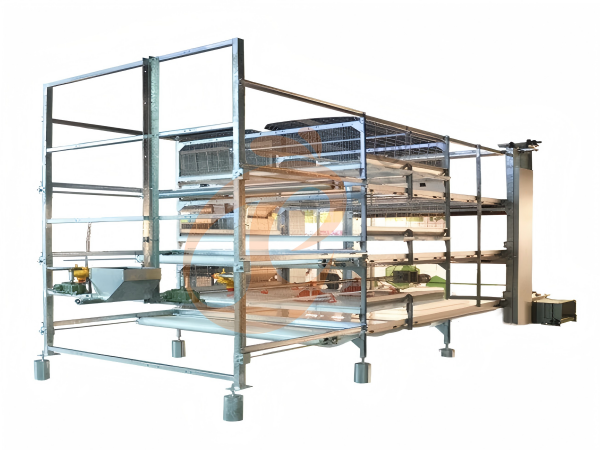
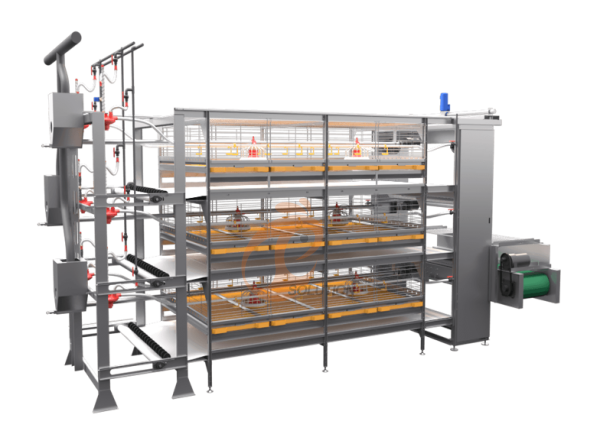
5. Our 24 hour online reception What’sApp NO. is +86 18830120193. >30,000 Broilers Semi-Automatic Harvest H Type Battery Cage1. More than 30,000 broilers a house, choose it.
2. It is designed to rearing 1 to 45 day old adult broiler ready for market.
3. Its lifespan is more than 20 years.
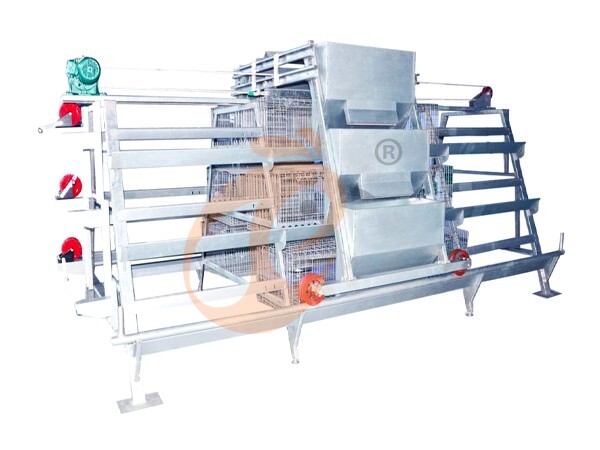
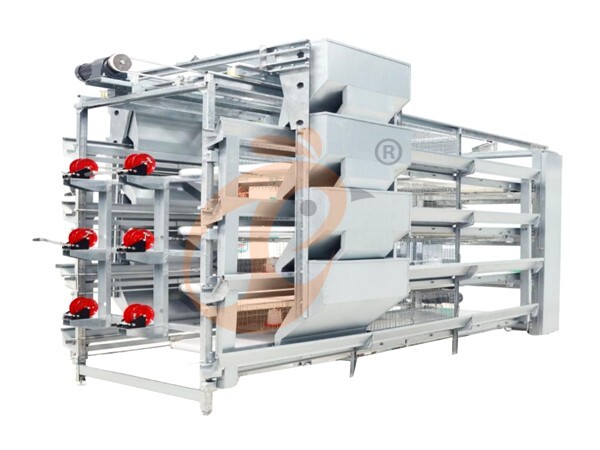
4. Our 24 hour online reception What’sApp NO. is +8618830120193, +234 8111199996. >30,000 Broilers Manual Harvest H Type Battery Cage1. More than 30,000 broilers a house, choose it.
2. It is designed to rearing 1 to 45 day old adult broiler ready for market.
3. Its lifespan is more than 20 years.
4. Its structure are Vcloud artificial intelligent fusion, electric control cabinet, automatic equipment of drinking, feeding and manure clean, manual harvesting.
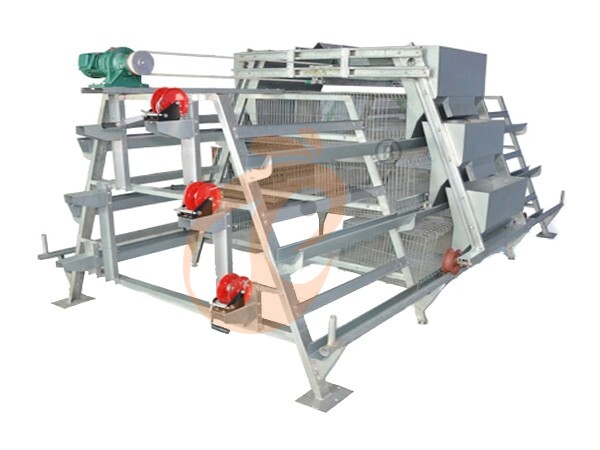
5. Our 24 hour online reception What’sApp NO. is +8618830120193, +234 8111199996. <30,000 Broilers Manual Harvest A Type Battery Cage1. Less 30,000 broilers a house, choose it.
2. It is designed to rearing 1 to 45 day old adult broiler ready for market.
3. Its lifespan is more than 20 years.
4. Its structure are Vcloud artificial intelligent fusion, electric control cabinet, automatic equipment of drinking, feeding and manure clean, manual harvesting.
5. Our 24 hour online reception What’sApp NO. is +8618830120193, +234 8111199996. HK Headquarter Offers EU-standard Poultry Farm Solutions, Manufacture Poultry Farm Equipment1. Continuous communication with the EU and the US
2. China, Nigeria, Ethiopia, Tanzania branch companies and factories
3. The products’ quality is customized for local poultry farms
4. Poultry cage and poultry farm equipment stock for sale
5. 24 online reception Whatsapp NO. : +8618830120193,contact us to get full information China Branch Offer Poultry Farm Business Plan, Manufacture Poultry Farm Equipment1. Address: Flat/RM 2416, 24/F, Runxing Building, Youyi Nan Street, Shijiazhuang City, Hebei Province, China
2. Poultry cage and poultry farm equipment factory and stock for sale
3. Customized for local poultry farms
4. Quality and design are based on Euro
5. 24 online reception Whatsapp NO. : +8618830120193 Nigeria Branch Offer Poultry Farm Business Plan, Manufacture Poultry Farm Equipment1. Address: After Sinoma Office, 200 Meters Near Danco Filling Station, Lagos/Ibadan Expressway, Lagos State, Nigeria
2. Poultry cage and poultry farm equipment factory and stock for sale
3. Customized for Nigerian poultry farms
4. Quality and design are based on Euro
5. 24 online reception Whatsapp NO. : +8618830120193 Ethiopia Branch Offer Poultry Farm Business Plan, Manufacture Poultry Farm Equipment1. Address: Gelan Gura, Akaki-kaliti Sub City, Addis Ababa, Ethiopia
2. Poultry cage and poultry farm equipment stock for sale
3. Customized for Ethiopian poultry farms
4. Quality and design are based on Euro
5. 24 online reception Whatsapp NO. : +8618830120193, contact us to get price list Tanzania Branch Offer Poultry Farm Business Plan, Manufacture Poultry Farm Equipment1. Address: No.8, Sova Road, Msufini, Mlandizi, Kibaha, Pwani, Tanzania
2. Poultry cage and poultry farm equipment factory and stock for sale
3. Customized for Tanzanian poultry farms
4. Quality and design are based on Euro
5. 24 online reception Whatsapp NO. : +8618830120193



Contact