


Blog
Poultry equipment daily maintenance improves farm efficiency by stabilizing feeding, ventilation, and drinking systems under continuous production conditions.
Daily inspection reduces mechanical wear accumulation and supports consistent poultry housing environmental control performance.
Preventive cleaning helps maintain hygiene balance inside pipelines, fans, and automated feeding lines.
Routine monitoring enhances system response accuracy across electrical control and sensor networks.
Structured maintenance planning reduces unexpected downtime and improves long-term poultry production stability.
Get professional poultry farm construction guidance, equipment selection solutions, and the latest price lists, whatsApp to +8618830120193, click to learn more:
Poultry Equipment Maintenance Engineering Overview
Poultry equipment is the core infrastructure of modern poultry production systems integrating feeding, ventilation, drinking, and automation modules.
Proper poultry equipment maintenance improves operational stability and reduces long-term equipment failure risk.
Without routine inspection, mechanical fatigue and environmental imbalance can reduce system performance efficiency.
Stable poultry equipment operation ensures synchronized production conditions across the entire poultry house.
Feeding System Performance Calibration Analysis
Feed distribution systems require precise mechanical coordination to ensure consistent feed delivery across production lines.
Poultry equipment feeding system stability directly influences flock growth uniformity and feed utilization efficiency.
Regular calibration reduces mechanical stress and improves long-term operational consistency.
Data is for reference only.Swipe horizontally to view full table.
Ventilation Airflow Regulation System Optimization
Airflow systems regulate ammonia concentration, humidity balance, and temperature uniformity in poultry houses.
Poultry equipment ventilation performance directly affects energy consumption and animal respiratory health.
Stable airflow management improves environmental consistency and reduces stress levels in poultry production systems.
Data is for reference only.Swipe horizontally to view full table.
Drinking Water System Hygiene Control Engineering
Water delivery systems directly influence digestion efficiency and microbial safety in poultry environments.
Poultry equipment water systems require strict hygiene control to prevent contamination and biofilm formation.
Daily flushing ensures stable water quality and improves system reliability.
Data is for reference only.Swipe horizontally to view full table.
Thermal Control System Calibration Framework
Temperature control systems regulate heating and cooling balance inside poultry housing environments.
Accurate poultry equipment thermal regulation ensures stable metabolic conditions and improves feed conversion efficiency.
Sensor calibration improves response accuracy and system stability.
Data is for reference only.Swipe horizontally to view full table.
Electrical Automation Stability Control System
Electrical systems integrate ventilation, feeding, lighting, and alarm functions into a unified control network.
Stable poultry equipment electrical performance prevents cascading system failures.
Routine inspection ensures safe and continuous operation of automated systems.
Data is for reference only.Swipe horizontally to view full table.
Mechanical Lubrication And Wear Reduction System
Mechanical friction occurs in rotating shafts, bearings, and chain transmission systems in poultry equipment.
Proper lubrication reduces wear and improves mechanical efficiency.
Regular maintenance extends equipment lifespan and stabilizes performance.
Data is for reference only.Swipe horizontally to view full table.
Environmental Sensor Calibration System
Sensor systems monitor temperature, humidity, and gas concentration in poultry equipment environments.
Calibration ensures accurate environmental control and stable system performance.
Daily validation reduces operational deviation and improves control precision.
Data is for reference only.Swipe horizontally to view full table.
Waste Management And Sanitation Flow System
Waste removal systems control ammonia concentration and environmental hygiene in poultry equipment houses.
Stable manure handling improves air quality and reduces contamination risk.
Regular cleaning cycles ensure system efficiency and environmental balance.
Data is for reference only.Swipe horizontally to view full table.
Lighting Control Optimization System
Lighting systems regulate feeding rhythm and biological cycles in poultry equipment production environments.
Stable lighting improves behavioral consistency and supports production efficiency.
LED performance must be monitored regularly to ensure uniform output.
Data is for reference only.Swipe horizontally to view full table.
Preventive Maintenance System Optimization
Preventive maintenance improves poultry equipment operational stability and reduces unexpected breakdown frequency.
Scheduled maintenance ensures long-term system reliability and consistent performance.
Structured inspection cycles improve equipment lifecycle efficiency.
Data is for reference only.Swipe horizontally to view full table.
Common Maintenance Mistakes And Risk Control
Ignoring early warning signals is a major cause of poultry equipment instability and unexpected shutdown events.
Proper monitoring of mechanical and electrical changes is essential for stable system operation.
Small deviations in real operation can escalate into major failures if not corrected in time.
Risk Control Data Table
Data is for reference only.Swipe horizontally to view full table.
Frequently Asked Questions
Q1: How often should poultry equipment be maintained?
Daily inspection is required for feeding, ventilation, and drinking systems to ensure stable operation.
Weekly and monthly calibration schedules support long-term equipment reliability.
Q2: What is the main benefit of preventive maintenance?
Preventive maintenance reduces emergency repair costs and improves poultry equipment lifespan stability.
It also ensures consistent production performance across all systems.
Q3: Which system has the highest maintenance priority?
Ventilation and electrical control systems require the highest priority due to their impact on overall farm stability.
Failure in these systems can affect all other poultry equipment operations.
Taiyu (HK) Group - One Of China Toppest Poultry Equipment Manufacturer
Poultry equipment daily maintenance supports global factory direct supply poultry farm equipment systems with integrated poultry cage production lines.
Turn-key engineering solutions include ventilation control, feeding automation, and water line systems with parameter range 380V to 415V stable operation.
Poultry equipment design focuses on 42 rpm feeding accuracy and 45000 m³/h airflow engineering standard for large-scale farms.
Global factory direct sales provide poultry equipment and poultry cage integrated systems for commercial poultry housing projects.
Turn-key project services include installation, commissioning, and full poultry house system integration for international poultry farming operations.
Contact Us To Received Your Customized Poultry Farm Plan
Headquarters And Branchs
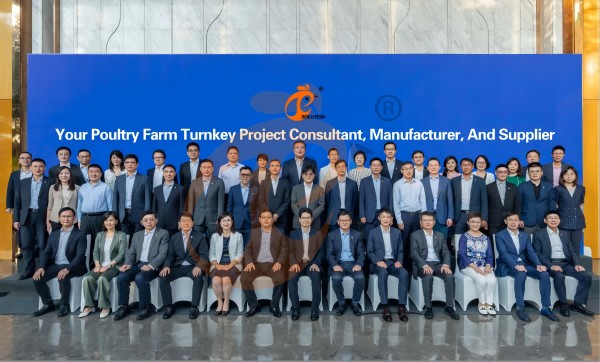
Hong Kong Headquarter Management Team
Hong Kong Headquarter Taiyu Industrial Group CO., LTD
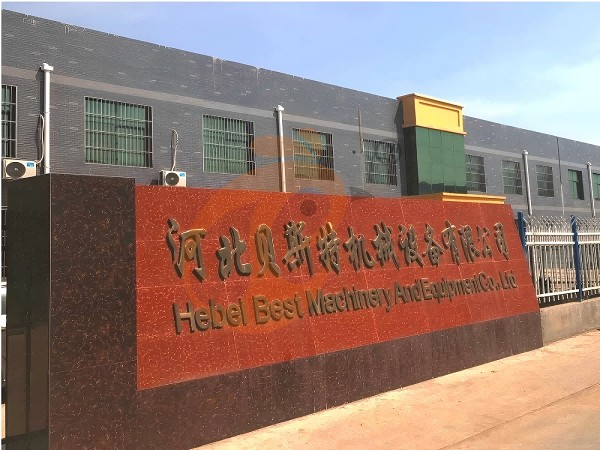
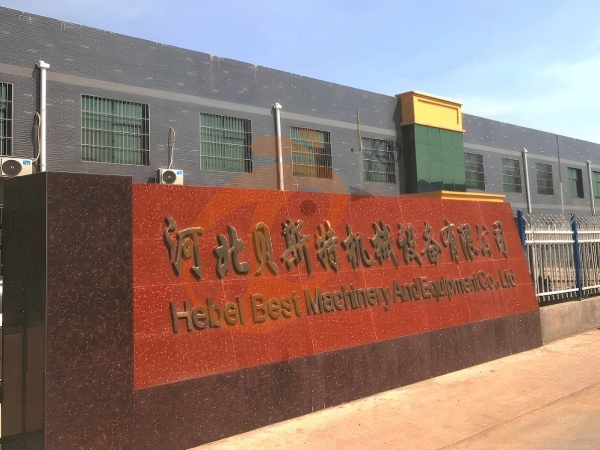
China Hebei Best Machinery And Equipment CO., LTD
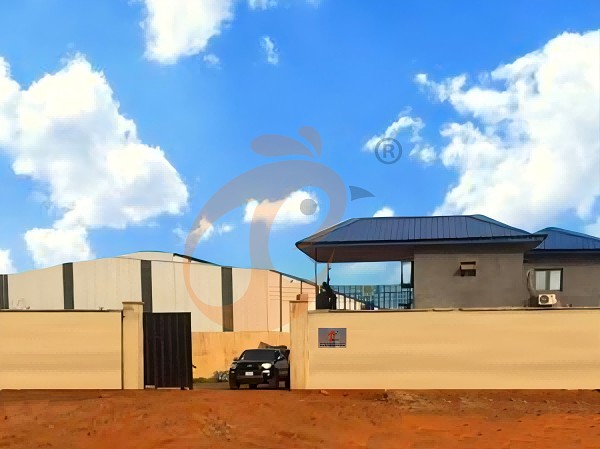
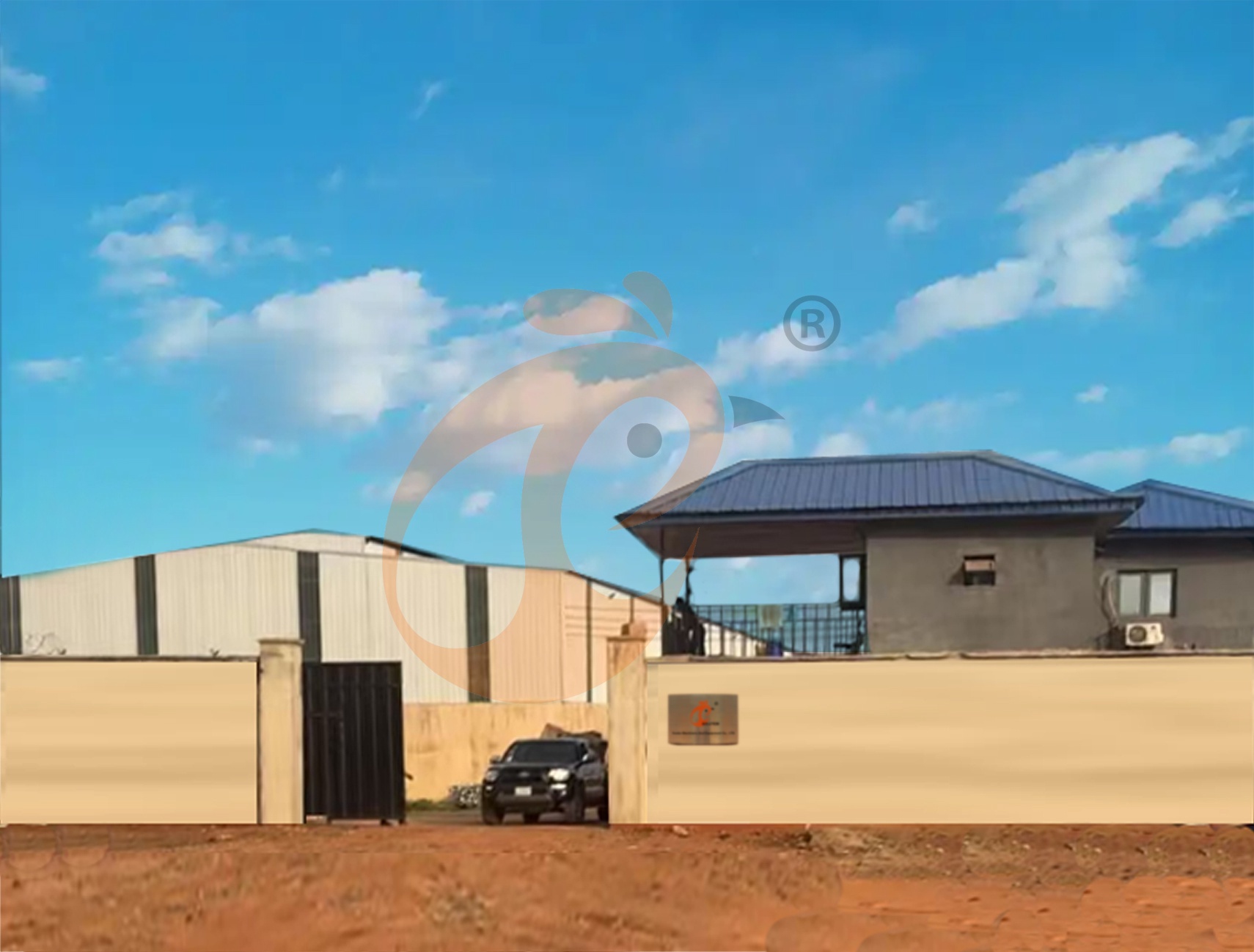
Nigeria Vanke Machinery And Equipment CO., LTD
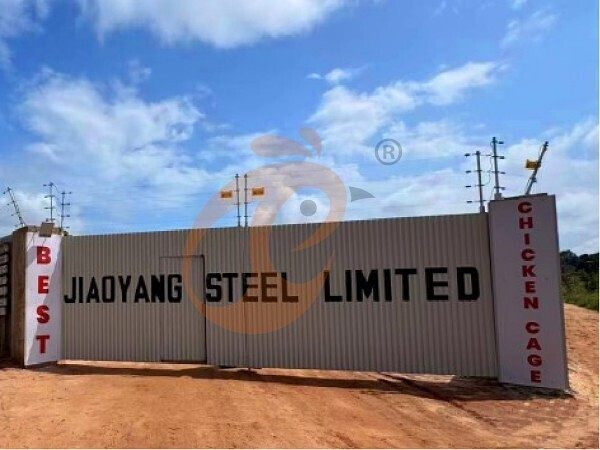
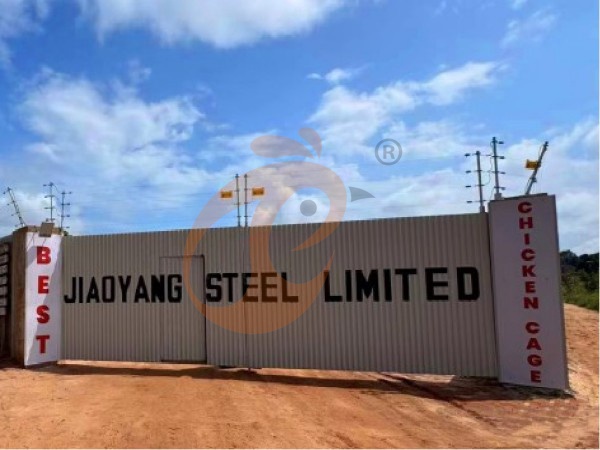
Tanzania Best Machinery And Equipment CO., LTD
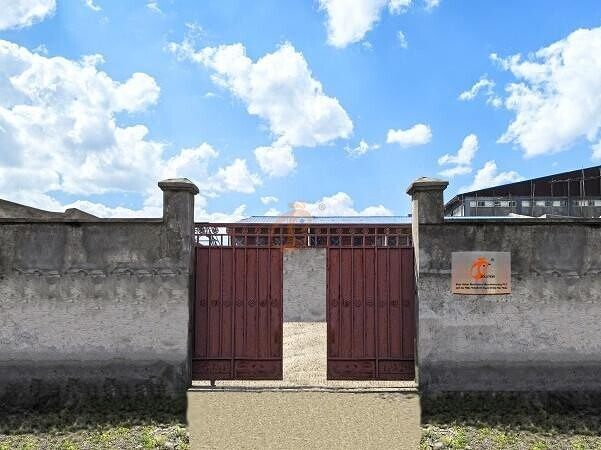
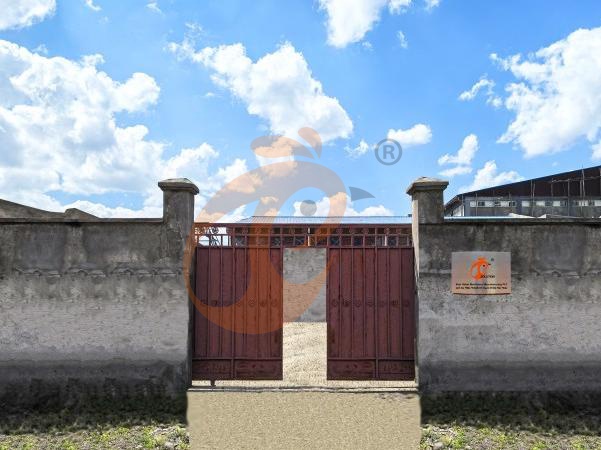
Ethiopia Best Hebei Machinery Manufacturing PLC
Reception /24 WhatsApp NO. : +8618830120193
FAQ
What Equipment Modules Are Included In Automatic Chicken Cage Poultry Equipment For Poultry Chicken Cage Systems?
Watering modules integrate pipelines rated for 16–20 mm diameter supporting stable distribution.
Manure belts utilize 1.0–1.2 mm thickness materials for continuous waste removal durability.
Which Structural Equipment Specifications Define Automatic Chicken Cage Poultry Equipment In Poultry Chicken Cage Systems?
Wire mesh spacing is maintained at 20–25 mm to support bird stability and waste separation.
Galvanization coating reaches 90–130 g/m² for corrosion resistance in high humidity environments.
What Drive System Equipment Parameters Are Used In Automatic Chicken Cage Poultry Equipment For Poultry Chicken Cage Farms?
Gear reducer ratio is configured between 1:20–1:40 for controlled mechanical output speed.
Transmission efficiency reaches 85%–92% minimizing energy loss during continuous operation.
Message
Products recommended
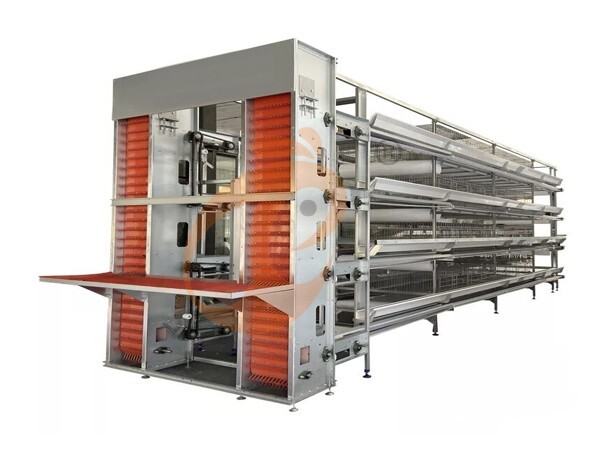
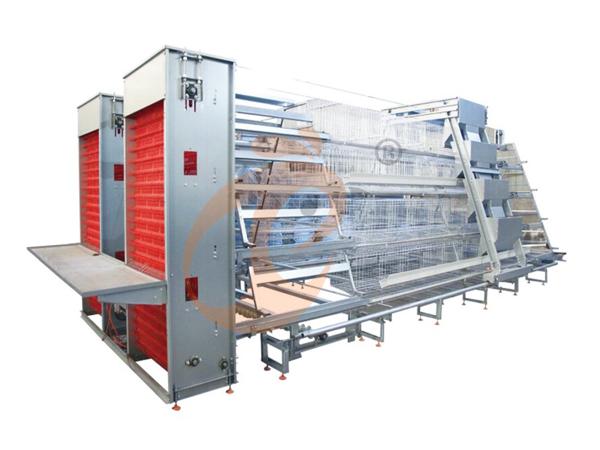
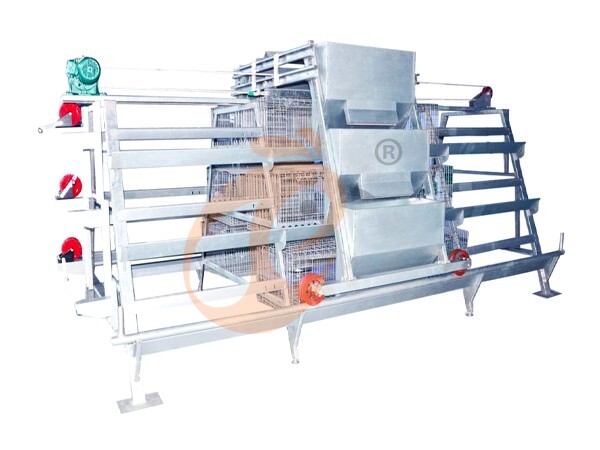
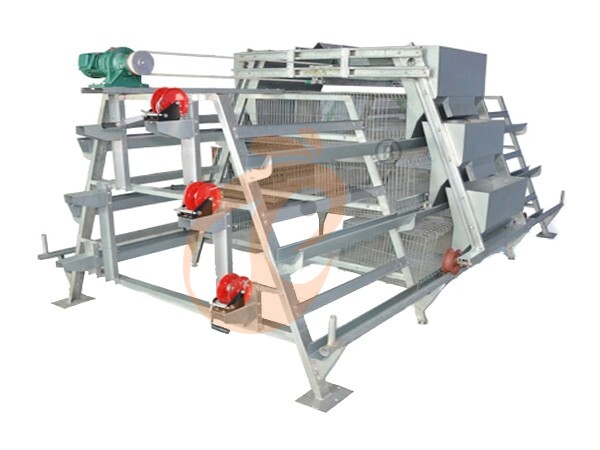
 >30,000 Pullets Automatic H Type Battery Cage1. More than 30,000 pullets a house, choose it.
2. It is designed to rearing older than 1 day old pullets to 12 to 16 weeks old chicken starting laying eggs.
3. Its lifespan is more than 25 years.
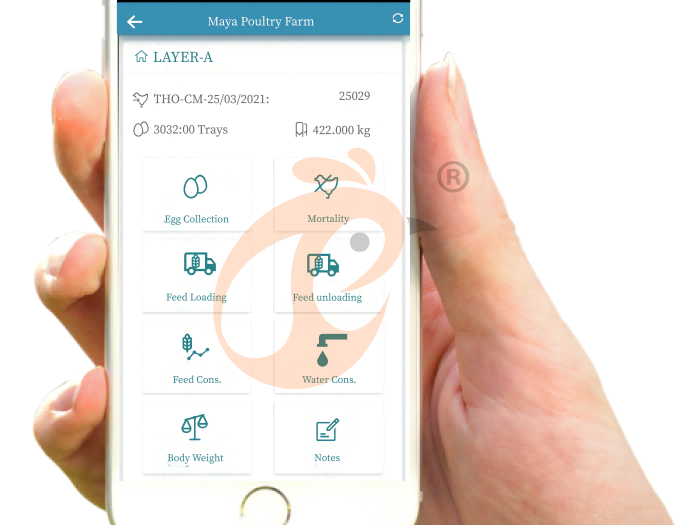
4. Its structure are Vcloud artificial intelligent fusion, electric control cabinet, automatic equipment of drinking, feeding, manure clean, manual harvesting.
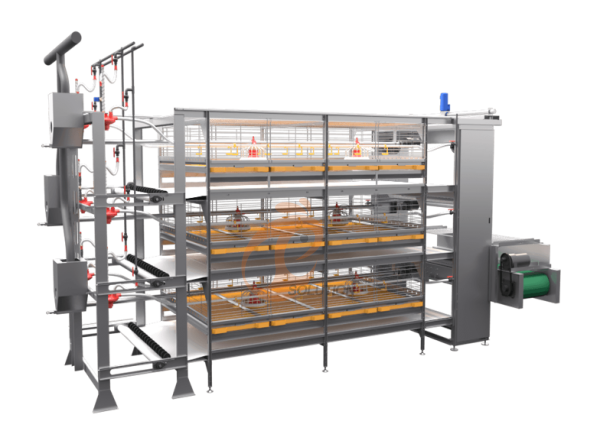
5. Our 24 hour online reception What’sApp NO. is +8618830120193 <30,000 Pullets Automatic A Type Battery Cage1. 10,000 to 30,000 pullets a house, choose it.
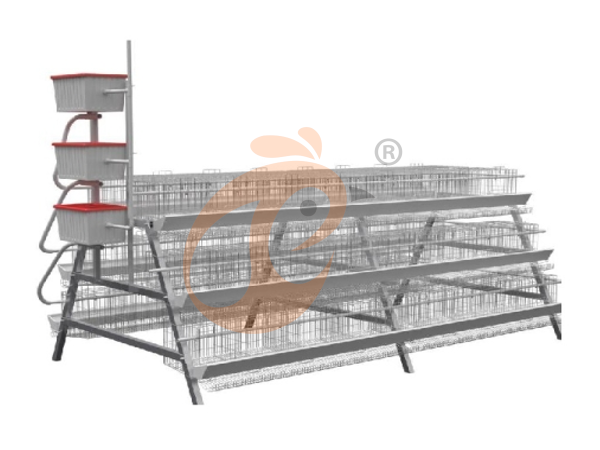
2. It is designed to rearing older than 1 day old pullets to 12 to 16 weeks old chicken starting laying eggs.
3. Its lifespan is more than 25 years.
4. Its structure are Vcloud artificial intelligent fusion, electric control cabinet, automatic equipment of drinking, feeding, manure clean, manual harvesting.
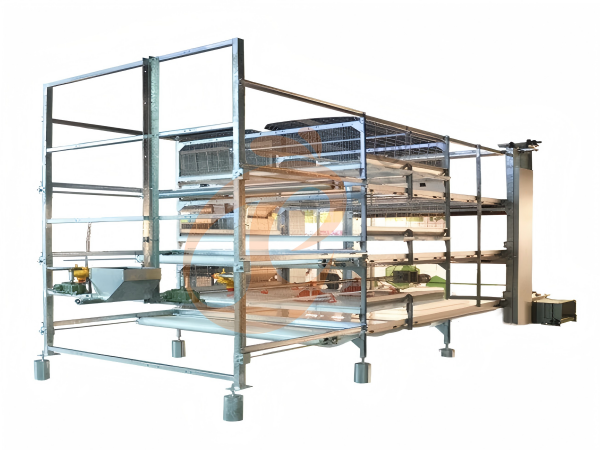
5. Our 24 hour online reception What’sApp NO. is +86 18830120193. >30,000 Broilers Semi-Automatic Harvest H Type Battery Cage1. More than 30,000 broilers a house, choose it.
2. It is designed to rearing 1 to 45 day old adult broiler ready for market.
3. Its lifespan is more than 20 years.
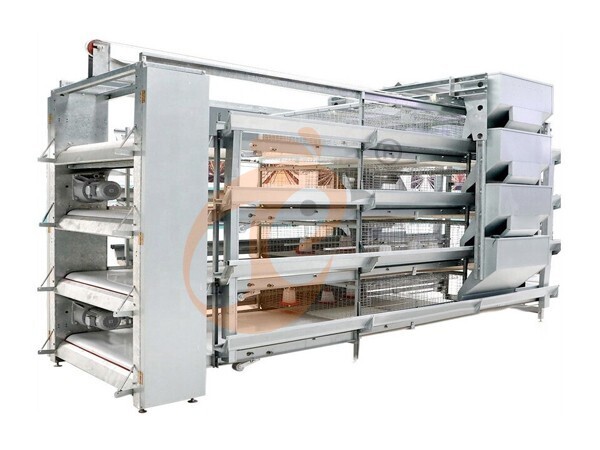
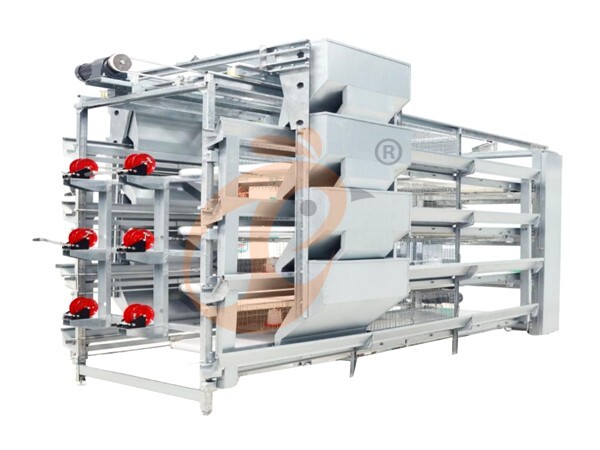
4. Our 24 hour online reception What’sApp NO. is +8618830120193, +234 8111199996. >30,000 Broilers Manual Harvest H Type Battery Cage1. More than 30,000 broilers a house, choose it.
2. It is designed to rearing 1 to 45 day old adult broiler ready for market.
3. Its lifespan is more than 20 years.
4. Its structure are Vcloud artificial intelligent fusion, electric control cabinet, automatic equipment of drinking, feeding and manure clean, manual harvesting.
5. Our 24 hour online reception What’sApp NO. is +8618830120193, +234 8111199996. <30,000 Broilers Manual Harvest A Type Battery Cage1. Less 30,000 broilers a house, choose it.
2. It is designed to rearing 1 to 45 day old adult broiler ready for market.
3. Its lifespan is more than 20 years.
4. Its structure are Vcloud artificial intelligent fusion, electric control cabinet, automatic equipment of drinking, feeding and manure clean, manual harvesting.
5. Our 24 hour online reception What’sApp NO. is +8618830120193, +234 8111199996. HK Headquarter Offers EU-standard Poultry Farm Solutions, Manufacture Poultry Farm Equipment1. Continuous communication with the EU and the US
2. China, Nigeria, Ethiopia, Tanzania branch companies and factories
3. The products’ quality is customized for local poultry farms
4. Poultry cage and poultry farm equipment stock for sale
5. 24 online reception Whatsapp NO. : +8618830120193,contact us to get full information China Branch Offer Poultry Farm Business Plan, Manufacture Poultry Farm Equipment1. Address: Flat/RM 2416, 24/F, Runxing Building, Youyi Nan Street, Shijiazhuang City, Hebei Province, China
2. Poultry cage and poultry farm equipment factory and stock for sale
3. Customized for local poultry farms
4. Quality and design are based on Euro
5. 24 online reception Whatsapp NO. : +8618830120193 Nigeria Branch Offer Poultry Farm Business Plan, Manufacture Poultry Farm Equipment1. Address: After Sinoma Office, 200 Meters Near Danco Filling Station, Lagos/Ibadan Expressway, Lagos State, Nigeria
2. Poultry cage and poultry farm equipment factory and stock for sale
3. Customized for Nigerian poultry farms
4. Quality and design are based on Euro
5. 24 online reception Whatsapp NO. : +8618830120193 Ethiopia Branch Offer Poultry Farm Business Plan, Manufacture Poultry Farm Equipment1. Address: Gelan Gura, Akaki-kaliti Sub City, Addis Ababa, Ethiopia
2. Poultry cage and poultry farm equipment stock for sale
3. Customized for Ethiopian poultry farms
4. Quality and design are based on Euro
5. 24 online reception Whatsapp NO. : +8618830120193, contact us to get price list Tanzania Branch Offer Poultry Farm Business Plan, Manufacture Poultry Farm Equipment1. Address: No.8, Sova Road, Msufini, Mlandizi, Kibaha, Pwani, Tanzania
2. Poultry cage and poultry farm equipment factory and stock for sale
3. Customized for Tanzanian poultry farms
4. Quality and design are based on Euro
5. 24 online reception Whatsapp NO. : +8618830120193


Contact