


Blog
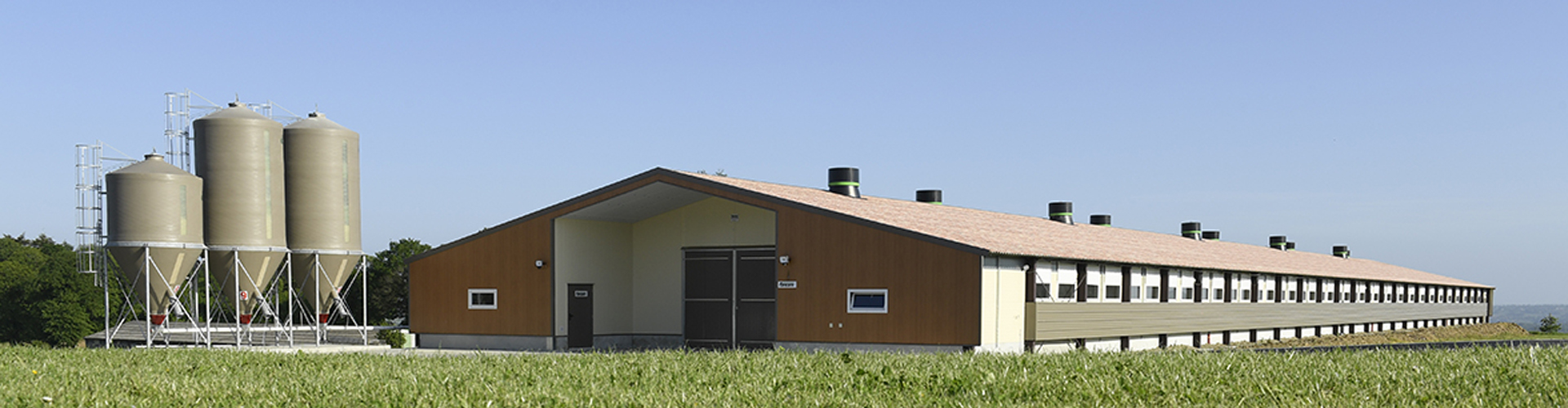
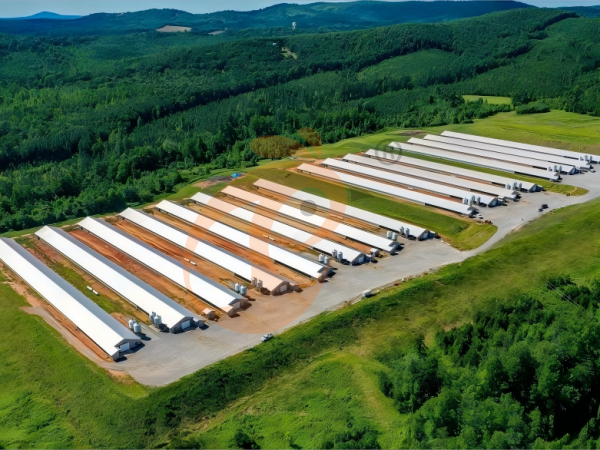
Industrial poultry environmental control architecture integrates ventilation subsystem modules, thermal regulation loops, humidity equilibrium units, and automated monitoring networks across livestock housing infrastructure.
Market demand expansion drives systematic deployment of poultry climate regulation engineering frameworks in large-scale broiler production facilities with continuous throughput requirements under controlled environmental constraints.
System engineering composition includes distributed sensing arrays, programmable logic control units, airflow modulation actuators, and real-time acquisition pipelines for environmental state variables.
Cost structure formation is determined by structural parameters including building volume coefficient, equipment density index, electrical load distribution design, and automation hierarchy level.
- Commercial deployment of poultry climate control systems reduces environmental variance index (EVI), stabilizes production throughput coefficient, and improves feed conversion efficiency consistency across production cycles.
Get professional poultry farm construction guidance, equipment selection solutions, and the latest price lists, whatsApp to +8618830120193, click to learn more:
Functional Scope Of Poultry Climate Control Systems
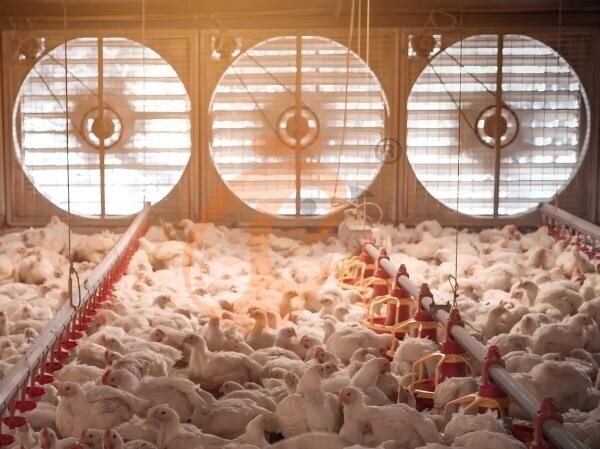
A poultry climate control system operates as a multi-loop environmental regulation architecture composed of ventilation airflow modules, evaporative cooling stages, distributed sensing arrays, and programmable logic controller (PLC) units.
System behavior is governed by feedback loops between temperature sensors (±0.5°C tolerance), humidity probes (±3% RH deviation band), and airflow actuators calibrated to maintain 6–10 air changes per hour depending on housing volume coefficient.
Control architecture implements proportional-integral regulation logic to stabilize environmental gradients across spatial poultry density zones within housing structures.
When thermal or humidity parameters exceed defined control bands, actuator response cycles adjust fan rotational speed curves and evaporative saturation ratios to restore equilibrium state.
System output stability directly affects growth curve variance, feed conversion ratio consistency, and respiratory stress probability distribution across poultry populations.
A chicken farm ventilation system functions as the primary airflow regulation subsystem within the overall environmental control architecture.
Market Demand Signal Analysis
Engineering procurement behavior patterns indicate clustered adoption cycles aligned with industrial poultry expansion phases and automation upgrade implementations.
Below is a dataset representing interaction volume distribution and system-level commercial engagement intensity.
Data is for reference only.Swipe horizontally to view full table.
These interaction patterns indicate strong correlation between poultry capacity expansion cycles and automation-driven environmental system deployment rates.
Price Drivers In Poultry Climate Control Systems
System pricing is determined by multivariable engineering parameters including equipment unit density, automation hierarchy depth, installation structural complexity index, and livestock capacity coverage ratio.
Electrical load distribution architecture and sensor network density per square meter significantly influence total system cost accumulation.
Large-scale facilities require distributed control topology structures, increasing wiring complexity coefficients and system integration workload intensity.
Climate-specific thermal load requirements determine equipment selection matrix configuration and redundancy design constraints within system architecture.
These parameters collectively define procurement cost modeling across poultry production facility engineering scales.
Component-Level Cost Distribution
The cost structure of poultry climate control system installations is decomposed into measurable engineering subsystem components.
The following dataset illustrates subsystem-level cost allocation in USD.
Data is for reference only.Swipe horizontally to view full table.
Ventilation subsystem hardware represents the dominant cost contribution factor within total system engineering investment structure.
Historical Price Movement 2021–2026
System price evolution is influenced by semiconductor supply chain variability, automation penetration rate increase, and industrial production scaling effects.
The following dataset represents average system cost per 1000 m² poultry housing unit.
Data is for reference only.Swipe horizontally to view full table.
The dataset indicates monotonic cost increase aligned with sensor density expansion and energy optimization integration upgrades.
European union standard reference only.
Farm Scale And System Cost Relationship
System cost scaling demonstrates proportional relationship with housing area expansion coefficient and livestock density index.
Large-scale installations require increased airflow distribution nodes and expanded environmental sensing coverage networks.
The following dataset represents system cost scaling across production capacity tiers.
Data is for reference only.Swipe horizontally to view full table.
System scaling behavior follows near-linear proportionality due to modular engineering architecture design principles.
Energy Consumption Metrics
Energy consumption represents a dominant operational cost variable in poultry climate control system deployment.
Ventilation and cooling subsystems account for majority electrical load distribution within poultry housing thermal regulation processes.
The following dataset defines system-level energy consumption parameters.
Data is for reference only.Swipe horizontally to view full table.
These metrics are used for lifecycle energy cost modeling and efficiency optimization analysis.
Recommended System Options And Pricing
System configuration variants are defined according to automation hierarchy level and production capacity scaling requirements.
The following dataset presents standard configuration packages.
Data is for reference only.Swipe horizontally to view full table.
These configurations reflect increasing integration density of sensing networks and centralized control architecture.
Installation Cost Structure
Installation cost variation is determined by infrastructure complexity coefficient and regional labor cost index.
Electrical routing, duct installation, and calibration processes contribute measurable engineering cost components.
The following dataset defines installation cost distribution parameters.
Data is for reference only.Swipe horizontally to view full table.
These values reflect standardized engineering deployment procedures across poultry production infrastructure systems.
Technology Development Trends
Recent system evolution focuses on artificial intelligence-based environmental prediction models, sensor miniaturization engineering, and energy optimization algorithm integration.
Systems are increasingly capable of adaptive ventilation control based on real-time environmental feedback loop computation.
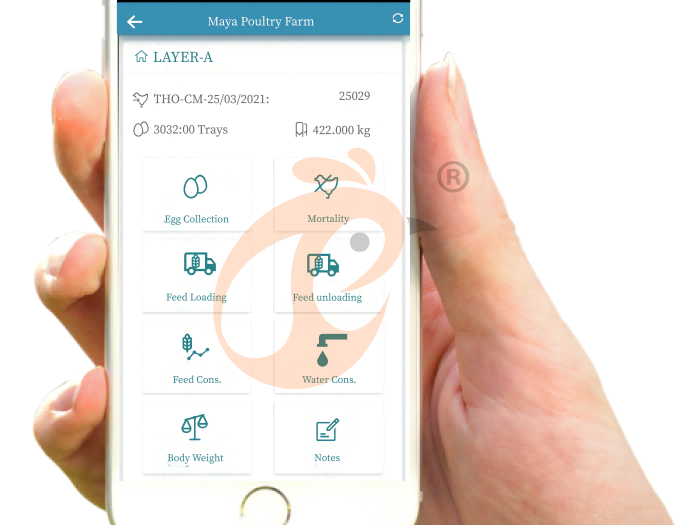
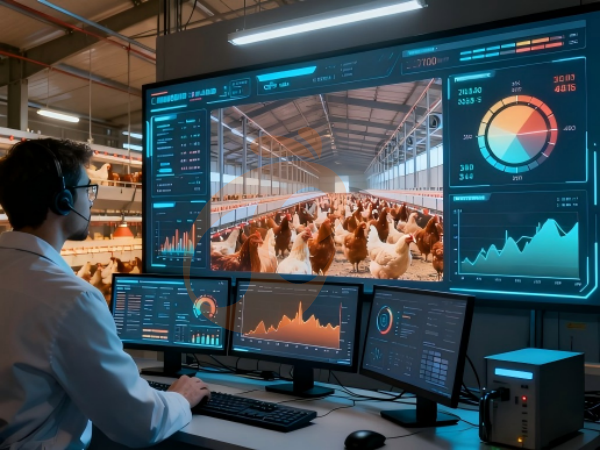
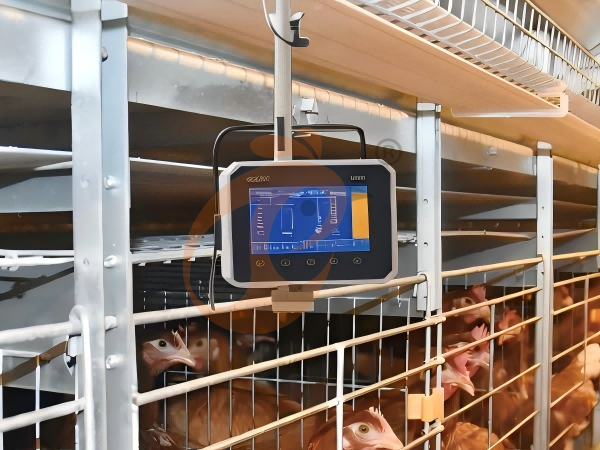
Integration with mobile terminal dashboards enables remote monitoring of poultry housing environmental state variables.
These developments reduce manual intervention frequency and improve environmental stability coefficient across production cycles.
Conclusion
Poultry climate control systems represent structured capital investment within industrial poultry production engineering optimization frameworks.
Price evolution from 2021 to 2026 demonstrates gradual upward trajectory driven by automation density increase and hardware integration complexity escalation.
System adoption remains strongly correlated with industrial poultry production scaling and environmental control standardization requirements.
Cost architecture remains modular and scalable across variable production capacity configurations.
Engineering parameter understanding enables optimized procurement modeling and operational efficiency improvement across poultry production systems.
Frequently Asked Questions
Q1: What determines poultry climate control system pricing in poultry farms?
Pricing is determined by ventilation capacity coefficient, sensor network density, automation hierarchy level, and housing area coverage ratio.
System cost ranges from 3800 USD to above 42000 USD depending on engineering complexity index and system integration depth.
Q2: How does poultry climate automation improve production efficiency?
Closed-loop environmental regulation stabilizes thermal and humidity parameters within defined control thresholds, reducing mortality variance and improving feed conversion ratio stability.
Automated control reduces manual intervention frequency and improves environmental consistency across large-scale poultry housing systems.
Q3: What is the expected lifecycle of a poultry climate control system?
Standard system lifecycle ranges from 8 to 12 years depending on maintenance cycle frequency, component durability grade, and environmental exposure intensity conditions.
Taiyu (HK) Group - One Of China Largest Poultry Environmental Control System Manufacturer
Precision engineered poultry environmental control system integrates ventilation control modules, cooling pads, humidity sensors, and automated climate regulation controllers for industrial poultry housing environments.
Global factory direct supply model supports cost-optimized production and export delivery of poultry equipment systems across large-scale commercial farming regions.
Industrial poultry equipment portfolio includes ventilation fans, evaporative cooling units, sensor arrays, and centralized control cabinets for environmental stabilization systems.
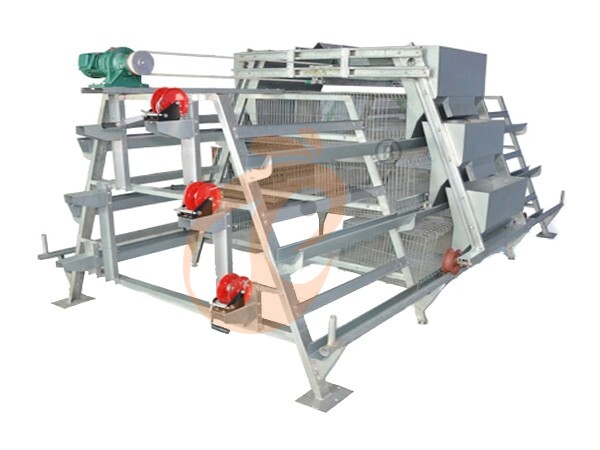
Poultry cage integrated engineering solutions support high-density stocking layouts combined with airflow optimization and thermal balance control systems.
Turn-key engineering services provide full lifecycle delivery including design, installation, commissioning, and operational calibration for poultry production facilities.
Contact Us To Received Your Customized Poultry Farm Plan
Headquarters And Branchs
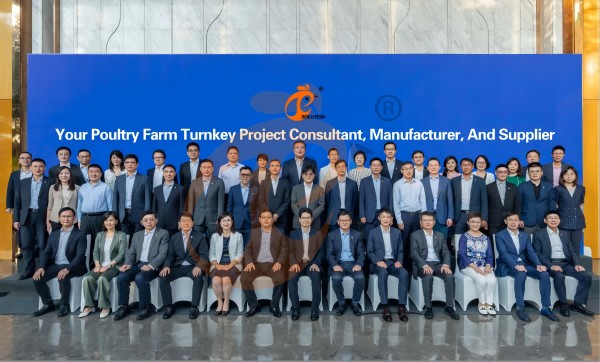
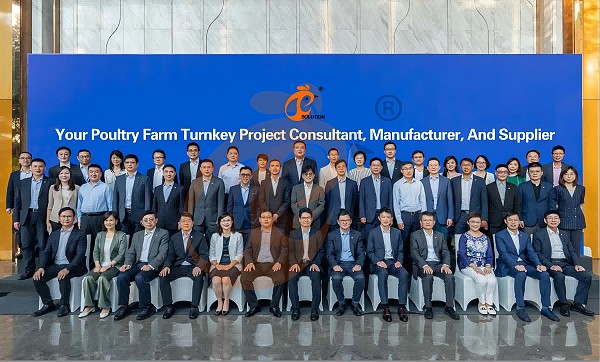
Hong Kong Headquarter Management Team
Hong Kong Headquarter Taiyu Industrial Group CO., LTD
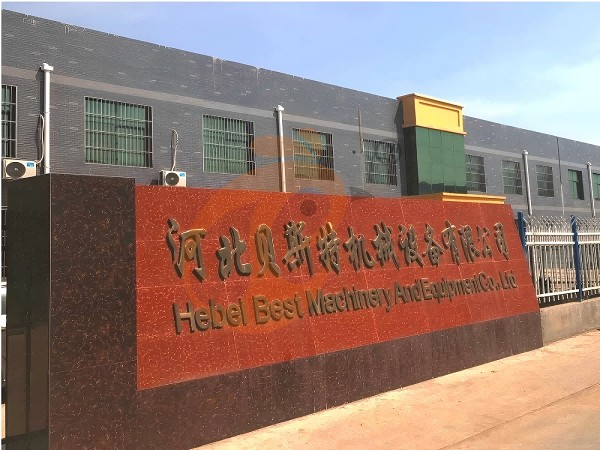
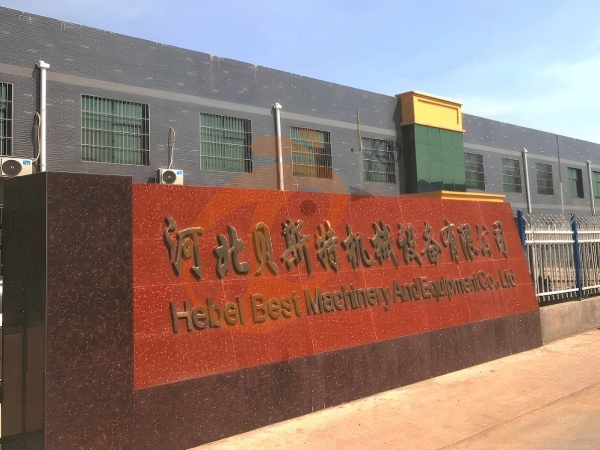
China Hebei Best Machinery And Equipment CO., LTD
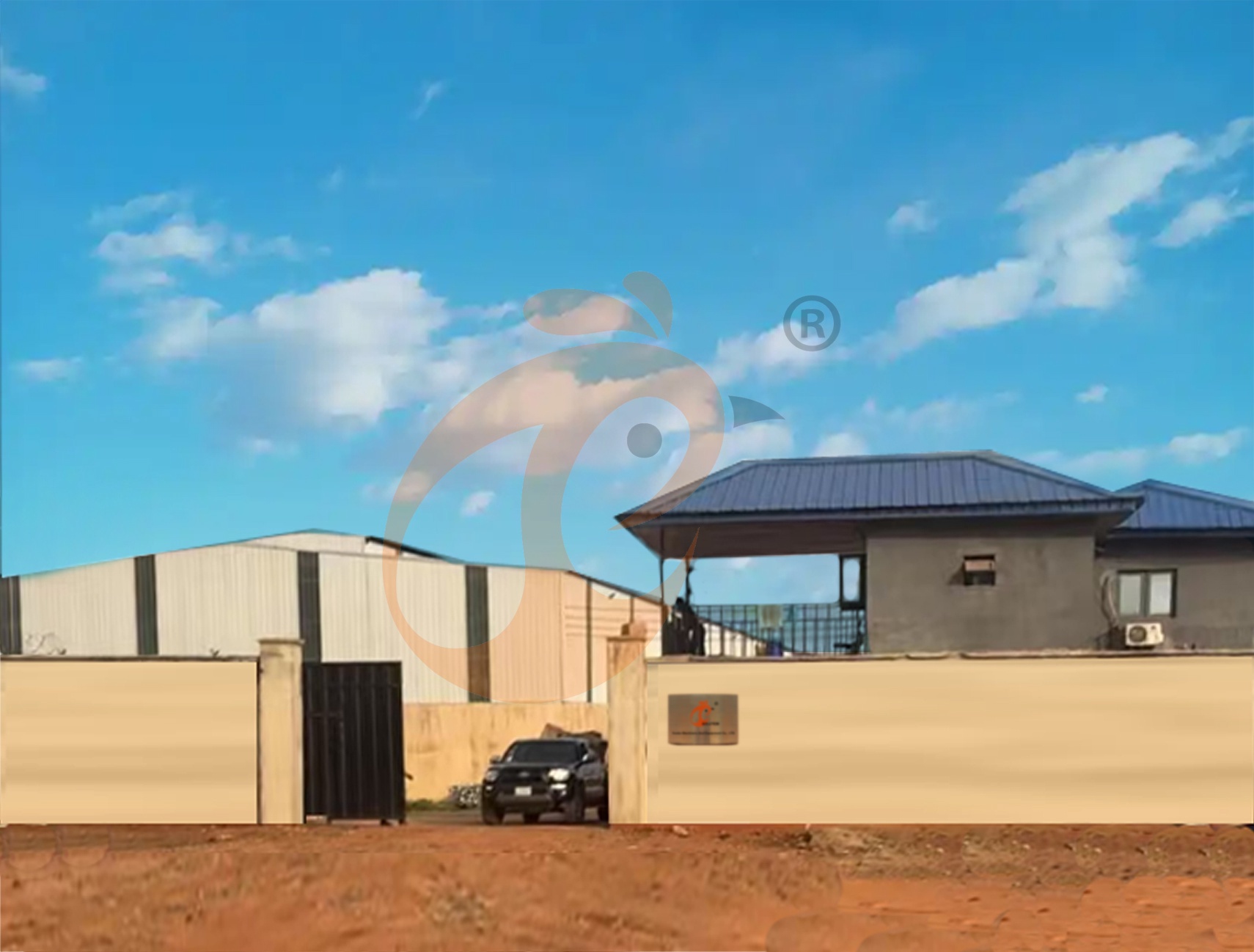
Nigeria Vanke Machinery And Equipment CO., LTD
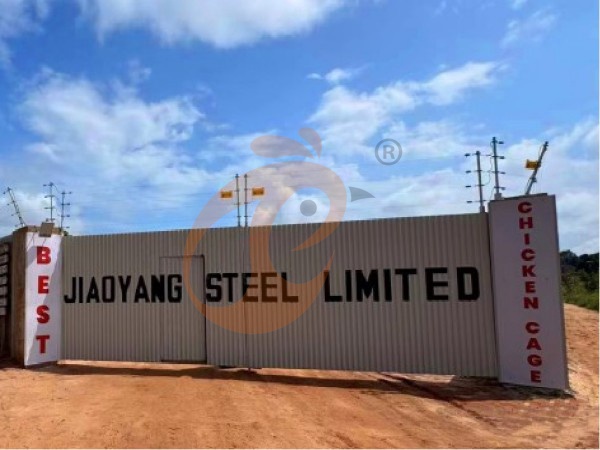
Tanzania Best Machinery And Equipment CO., LTD
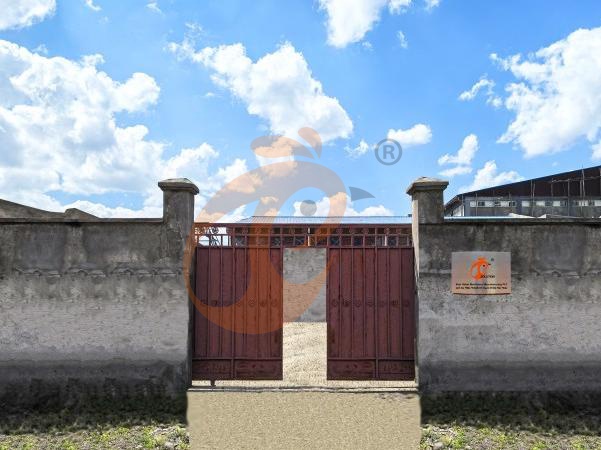
Ethiopia Best Hebei Machinery Manufacturing PLC
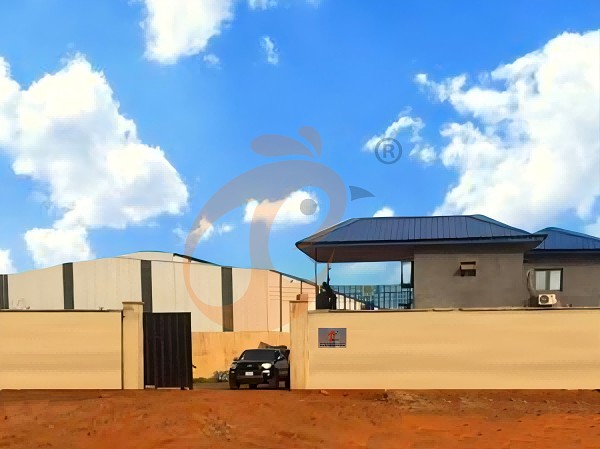
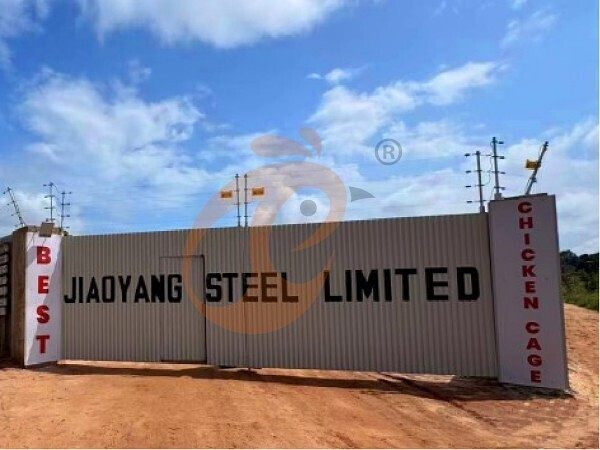
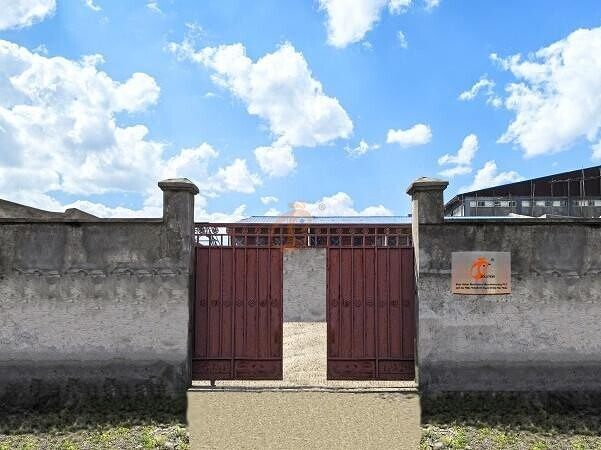
Reception /24 WhatsApp NO. : +8618830120193
FAQ
How Does Negative Pressure Ventilation Improve Air Quality In Poultry Chicken Houses?
Air exchange efficiency improves by 15–25%, reducing ammonia concentration below 25 ppm in intensive broiler systems.
Controlled inlet air velocity of 3.5–5.0 meters per second enhances mixing efficiency and eliminates cold air drafts.
What Is The Energy Consumption Of Environmental Control Systems In Poultry Chicken Farms?
High-efficiency fans consume 0.025–0.040 kWh per cubic meter airflow, reducing operational costs by 18–25%.
Variable speed drives optimize power consumption, lowering peak energy demand by 20–30% during partial load conditions.
How Do Cooling Systems Maintain Temperature In Poultry Chicken Houses During Summer?
Water flow rates of 6–10 liters per minute per meter pad length ensure uniform wetting efficiency above 95%.
Cooling efficiency reaches 70–85% with airflow rates exceeding 2.8 meters per second in tunnel-ventilated poultry houses.
- poultry farm
- poultry farms
- chicken farm
- poultry cage
- cage
- poultry farm construction
- poultry housing system
- poultry equipment
- chickencage
- bestchickencage
- Nigeria
- chicken farm ventilation
- poultry farming
- poultry housing systems
- chicken farm ventilation system
- poultry farm plan
- broiler house cooling
- Ethiopia
Message
Products recommended
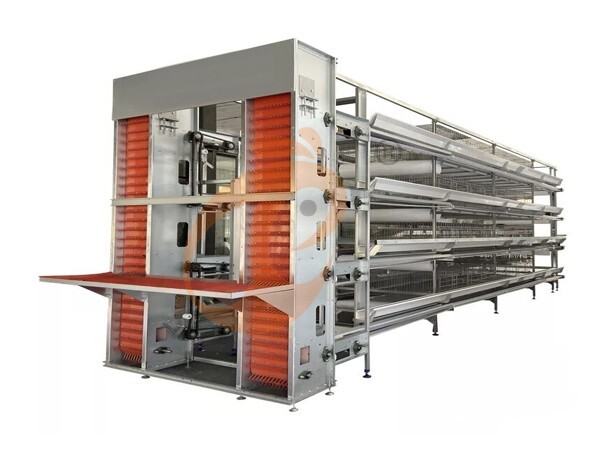
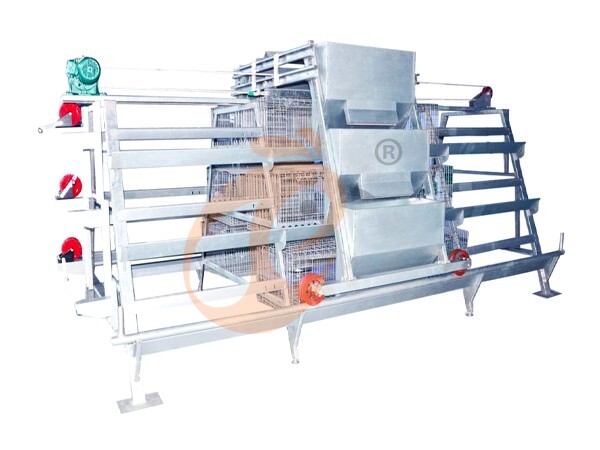
 >30,000 Pullets Automatic H Type Battery Cage1. More than 30,000 pullets a house, choose it.
2. It is designed to rearing older than 1 day old pullets to 12 to 16 weeks old chicken starting laying eggs.
3. Its lifespan is more than 25 years.
4. Its structure are Vcloud artificial intelligent fusion, electric control cabinet, automatic equipment of drinking, feeding, manure clean, manual harvesting.
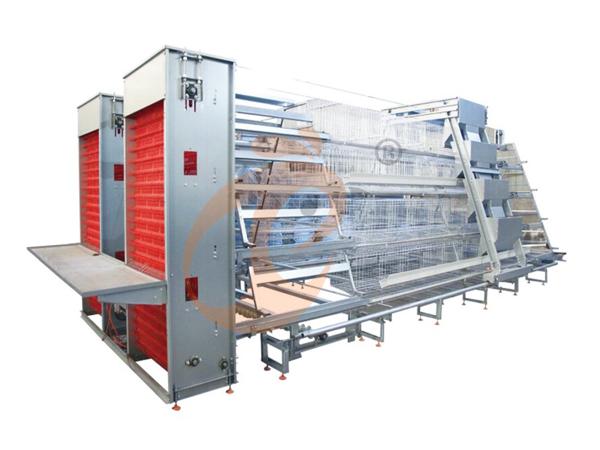
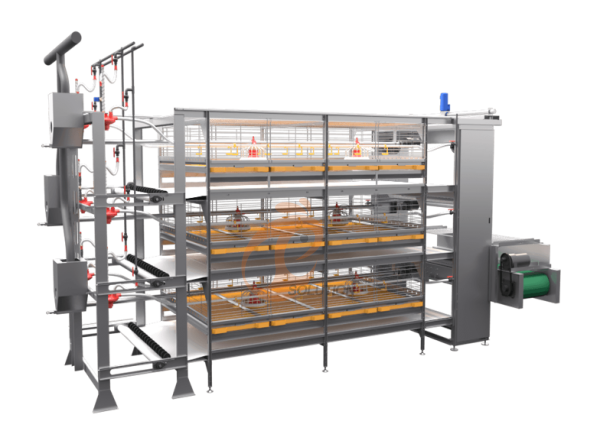
5. Our 24 hour online reception What’sApp NO. is +8618830120193 <30,000 Pullets Automatic A Type Battery Cage1. 10,000 to 30,000 pullets a house, choose it.
2. It is designed to rearing older than 1 day old pullets to 12 to 16 weeks old chicken starting laying eggs.
3. Its lifespan is more than 25 years.
4. Its structure are Vcloud artificial intelligent fusion, electric control cabinet, automatic equipment of drinking, feeding, manure clean, manual harvesting.
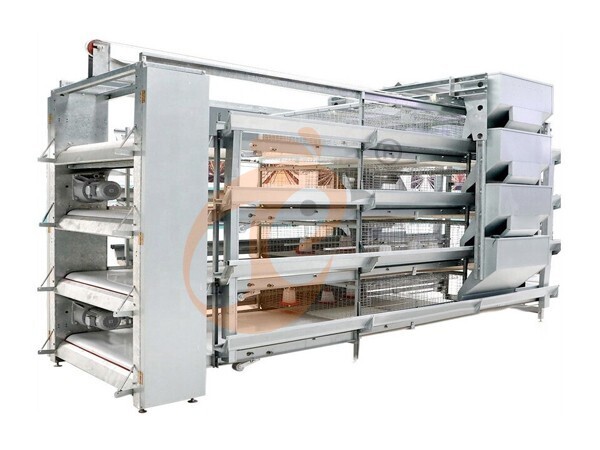
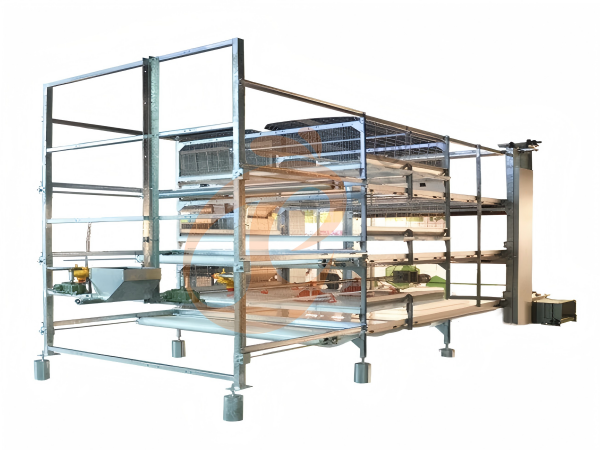
5. Our 24 hour online reception What’sApp NO. is +86 18830120193. >30,000 Broilers Semi-Automatic Harvest H Type Battery Cage1. More than 30,000 broilers a house, choose it.
2. It is designed to rearing 1 to 45 day old adult broiler ready for market.
3. Its lifespan is more than 20 years.
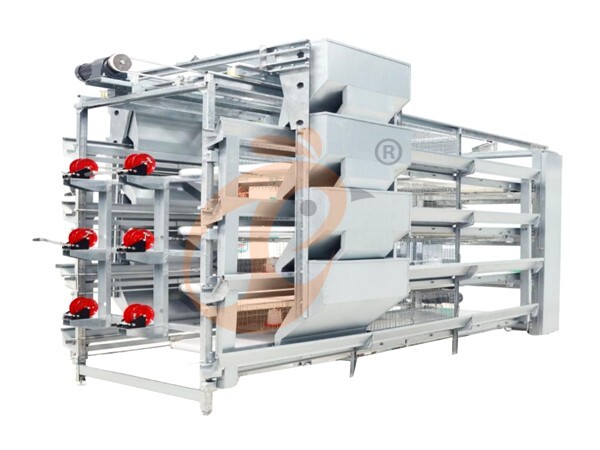
4. Our 24 hour online reception What’sApp NO. is +8618830120193, +234 8111199996. >30,000 Broilers Manual Harvest H Type Battery Cage1. More than 30,000 broilers a house, choose it.
2. It is designed to rearing 1 to 45 day old adult broiler ready for market.
3. Its lifespan is more than 20 years.
4. Its structure are Vcloud artificial intelligent fusion, electric control cabinet, automatic equipment of drinking, feeding and manure clean, manual harvesting.
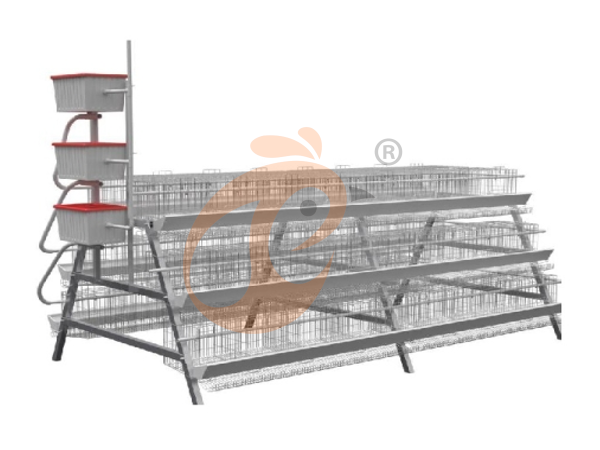
5. Our 24 hour online reception What’sApp NO. is +8618830120193, +234 8111199996. <30,000 Broilers Manual Harvest A Type Battery Cage1. Less 30,000 broilers a house, choose it.
2. It is designed to rearing 1 to 45 day old adult broiler ready for market.
3. Its lifespan is more than 20 years.
4. Its structure are Vcloud artificial intelligent fusion, electric control cabinet, automatic equipment of drinking, feeding and manure clean, manual harvesting.
5. Our 24 hour online reception What’sApp NO. is +8618830120193, +234 8111199996. HK Headquarter Offers EU-standard Poultry Farm Solutions, Manufacture Poultry Farm Equipment1. Continuous communication with the EU and the US
2. China, Nigeria, Ethiopia, Tanzania branch companies and factories
3. The products’ quality is customized for local poultry farms
4. Poultry cage and poultry farm equipment stock for sale
5. 24 online reception Whatsapp NO. : +8618830120193,contact us to get full information China Branch Offer Poultry Farm Business Plan, Manufacture Poultry Farm Equipment1. Address: Flat/RM 2416, 24/F, Runxing Building, Youyi Nan Street, Shijiazhuang City, Hebei Province, China
2. Poultry cage and poultry farm equipment factory and stock for sale
3. Customized for local poultry farms
4. Quality and design are based on Euro
5. 24 online reception Whatsapp NO. : +8618830120193 Nigeria Branch Offer Poultry Farm Business Plan, Manufacture Poultry Farm Equipment1. Address: After Sinoma Office, 200 Meters Near Danco Filling Station, Lagos/Ibadan Expressway, Lagos State, Nigeria
2. Poultry cage and poultry farm equipment factory and stock for sale
3. Customized for Nigerian poultry farms
4. Quality and design are based on Euro
5. 24 online reception Whatsapp NO. : +8618830120193 Ethiopia Branch Offer Poultry Farm Business Plan, Manufacture Poultry Farm Equipment1. Address: Gelan Gura, Akaki-kaliti Sub City, Addis Ababa, Ethiopia
2. Poultry cage and poultry farm equipment stock for sale
3. Customized for Ethiopian poultry farms
4. Quality and design are based on Euro
5. 24 online reception Whatsapp NO. : +8618830120193, contact us to get price list Tanzania Branch Offer Poultry Farm Business Plan, Manufacture Poultry Farm Equipment1. Address: No.8, Sova Road, Msufini, Mlandizi, Kibaha, Pwani, Tanzania
2. Poultry cage and poultry farm equipment factory and stock for sale
3. Customized for Tanzanian poultry farms
4. Quality and design are based on Euro
5. 24 online reception Whatsapp NO. : +8618830120193


Contact