


Blog
Deep litter poultry farming supports commercial broiler and layer production with controlled floor management systems.
Poultry house ventilation design directly influences litter moisture stability and ammonia concentration control.
Automatic poultry feeding equipment improves feed conversion ratio and reduces feed wastage accumulation.
Poultry farm biosecurity management reduces bacterial transmission risks inside intensive poultry housing structures.
Commercial poultry equipment selection affects labor efficiency, flock health performance, and operational profitability.
Get professional poultry farm construction guidance, equipment selection solutions, and the latest price lists, whatsApp to +8618830120193, click to learn more:
Introduction To Deep Litter Poultry System
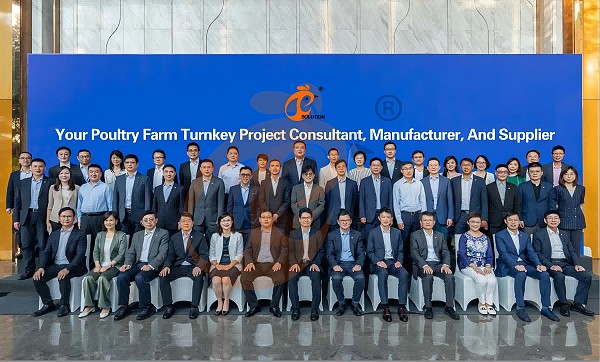
The deep litter poultry system is one of the most practical and economical poultry housing methods used in modern chicken farming.
In this system, broilers or layers are raised directly on a floor covered with bedding materials such as wood shavings, rice husks, chopped straw, sunflower husks, or peanut shells.
The bedding layer absorbs manure moisture, reduces direct contact between birds and waste, and creates a more comfortable environment for movement and feeding.
Compared with cage farming, deep litter poultry farming usually requires lower initial construction investment and provides more flexible house design options.
This system is commonly applied in broiler production farms with capacities ranging from 1,000 to 30,000 birds per house.
Many poultry farmers prefer deep litter housing because poultry ventilation systems and automatic poultry feeding equipment can be integrated easily during future expansion projects.
However, successful management depends on maintaining dry litter, stable ventilation, proper stocking density, and effective disease prevention procedures.
If litter moisture rises excessively, the poultry house may quickly develop ammonia odor, bacterial growth, wet floor disease problems, and poor feed conversion performance.
Understanding The Structure Of A Deep Litter Poultry House
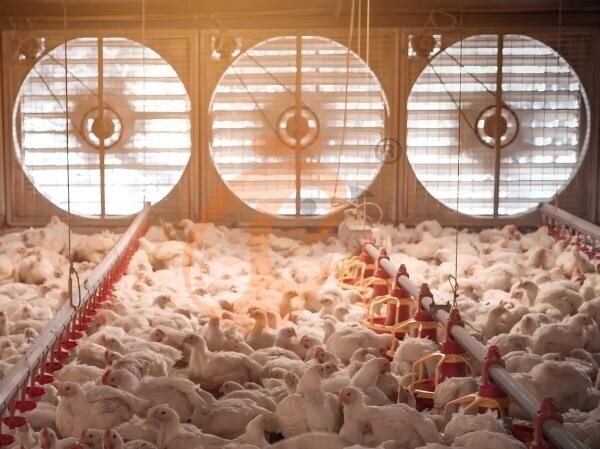
A standard deep litter poultry house combines ventilation systems, feeding systems, watering systems, insulation structures, and litter flooring into one integrated management environment.
The litter itself acts as both bedding material and a biological fermentation layer.
As poultry manure mixes with bedding, microorganisms gradually decompose organic waste and release moderate fermentation heat.
The poultry house floor should remain dry, loose, and evenly distributed.
Compacted litter reduces oxygen circulation and accelerates harmful bacterial growth.
Proper litter depth also improves insulation efficiency during colder seasons.
Data is for reference only.Swipe horizontally to view full table.
A properly designed poultry house allows better airflow distribution and reduces moisture accumulation around feeders and drinkers.
Select Proper Litter Materials
Litter material selection directly affects moisture absorption, ammonia generation, and bird comfort.
Poultry farm management systems should select materials that provide strong absorbency, low moisture retention, and minimal mold contamination.
Wood shavings remain one of the most commonly used materials because wood particles maintain loose texture during longer production cycles.
Rice husks are widely used in tropical countries due to local availability and lower transportation costs.
Sawdust absorbs moisture rapidly but may create excessive airborne dust if particle size becomes excessively fine.
Data is for reference only.Swipe horizontally to view full table.
Wet or moldy bedding materials should never be used because fungal contamination may trigger respiratory disease outbreaks.
The Relationship Between Litter Moisture And Poultry Performance
Moisture management is the core factor in deep litter poultry farming.
Excessive moisture accelerates manure decomposition and increases ammonia release inside the poultry house.
Birds raised on wet litter often develop footpad dermatitis, breast blisters, respiratory irritation, and lower body weight gain.
The ideal litter moisture level generally remains between 20% and 30%.
Below this range, the litter becomes dusty and may irritate the respiratory tract.
Above 35%, the litter starts compacting and loses proper absorption efficiency.
Data is for reference only.Swipe horizontally to view full table.
Routine inspection around nipple drinkers is important because leaking water systems are one of the main causes of wet litter formation.
Control Ventilation Efficiently
Ventilation management regulates humidity, temperature, oxygen concentration, and harmful gas removal.
Even high-quality litter materials cannot remain dry if airflow is insufficient.
Fresh air movement removes water vapor released from poultry respiration and manure fermentation.
In large-scale broiler farms, tunnel ventilation systems are often installed to maintain stable airflow throughout the house.
Commercial poultry equipment suppliers usually recommend staged fan operation according to bird age and stocking density.
Ventilation capacity should increase gradually as birds grow because larger birds produce more heat and moisture.
Data is for reference only.Swipe horizontally to view full table.
Airflow should reach all corners of the poultry house evenly to avoid moisture concentration zones.
Scientific Explanation Of Ammonia Formation In Poultry Litter
Poultry manure contains uric acid which decomposes into ammonia through microbial activity.
When litter temperature and humidity rise simultaneously, ammonia generation increases rapidly.
Ammonia gas irritates the eyes and respiratory tract of chickens.
Long-term exposure reduces feed intake, slows body weight gain, and increases disease sensitivity.
Commercial broiler farms usually aim to keep ammonia concentration below 20 ppm during the entire growth cycle.
Data is for reference only.Swipe horizontally to view full table.
Regular litter turning and proper sidewall ventilation significantly reduce ammonia accumulation.
Maintain Correct Stocking Density
Stocking density directly affects litter quality, air quality, and disease transmission.
Overcrowded poultry houses generate excessive manure moisture that exceeds the absorption capacity of the litter layer.
Lower density usually improves walking space, feeding access, and airflow circulation.
Commercial poultry farms adjust stocking density according to climate conditions, bird weight, and ventilation capacity.
Poultry farm management systems with automatic climate control can support more stable density performance throughout different seasonal conditions.
Data is for reference only.Swipe horizontally to view full table.
Excessively crowded conditions increase water spillage and create larger wet litter areas around feeding and drinking equipment.
Use Suitable Feeding And Drinking Equipment
Feeders and drinkers strongly influence litter condition.
Improper installation height often increases feed waste and water leakage.
Nipple drinker systems are widely preferred in modern broiler farms because nipple structures reduce water contamination and keep the litter drier compared with open trough systems.
Automatic poultry feeding equipment also improves feed distribution efficiency and reduces labor requirements inside intensive poultry farm operations.
Data is for reference only.Swipe horizontally to view full table.
Daily maintenance helps prevent leaking valves and blocked drinker lines.
Stir And Maintain Litter Frequently
Litter turning improves oxygen penetration and prevents surface hardening.
Compacted litter traps moisture and increases bacterial growth underneath the surface layer.
Farm workers should stir litter especially near water lines, cooling pads, sidewalls, and feeder areas.
These sections usually accumulate moisture faster than central floor areas.
Data is for reference only.Swipe horizontally to view full table.
Partial litter replacement is more economical than replacing the entire litter floor during minor wet conditions.
Poultry Diseases Related To Poor Litter Management
Several poultry diseases are closely linked to excessive litter moisture and poor sanitation.
Pathogens multiply rapidly when manure accumulation combines with warm and humid environmental conditions.
Coccidiosis is one of the most common diseases in deep litter systems because parasites reproduce effectively in wet manure.
Footpad dermatitis and breast blisters also become more severe when birds remain on damp flooring for long periods.
Data is for reference only.Swipe horizontally to view full table.
Early intervention reduces both treatment costs and mortality losses.
Strengthen Poultry Farm Biosecurity
Biosecurity management is essential in deep litter poultry farming because birds continuously contact floor surfaces and manure particles.
Farm entrances should include disinfection systems to reduce pathogen introduction.
Workers should wear dedicated farm clothing and disinfect footwear before entering poultry houses.
Dead birds must be removed immediately to prevent bacterial contamination inside the litter layer.
Data is for reference only.Swipe horizontally to view full table.
Strict biosecurity procedures reduce disease transmission risks between production cycles.
Seasonal Management Adjustments For Deep Litter Poultry Farming
Environmental conditions strongly influence litter performance throughout the year.
Rainy seasons usually increase humidity levels inside poultry houses, while cold seasons may reduce ventilation efficiency if houses remain overly sealed.
Poultry ventilation systems should adjust litter depth, ventilation rates, and curtain openings according to seasonal climate changes.
Data is for reference only.Swipe horizontally to view full table.
Flexible management improves bird comfort and stabilizes production performance.
Economic Benefits Of Deep Litter Poultry System
Many poultry farmers select deep litter systems because construction and operational costs remain lower than fully automated cage housing.
The system also allows easier installation of feeding lines, ventilation fans, and cooling equipment.
Deep litter houses can be constructed using locally available steel structures, concrete flooring, and curtain sidewalls.
This flexibility makes the system suitable for both commercial and medium-scale poultry operations.
Deep litter poultry house construction projects generally cost $35-$60 per square meter. EU standard reference only.
Data is for reference only.Swipe horizontally to view full table.
Proper litter management also reduces medicine expenses and improves feed conversion efficiency.
Frequently Asked Questions
Q1: What is the recommended litter depth for broiler farming?
Commercial broiler poultry farms generally maintain initial litter depth between 8 cm and 12 cm.
Final litter depth during late production stages usually reaches 15 cm to 20 cm because manure accumulation increases continuously throughout the growth cycle.
Q2: How frequently should poultry litter be replaced?
Complete litter replacement normally occurs after one full broiler production cycle lasting 35 to 45 days.
Partial wet litter replacement near drinker systems may occur every 7 to 10 days depending on moisture conditions and ventilation efficiency.
Q3: What ammonia concentration is considered safe inside poultry houses?
Commercial poultry production standards usually maintain ammonia concentration below 20 ppm.
Ammonia concentration above 35 ppm may reduce feed intake by 4% to 6% and reduce body weight gain by 3% to 5%.
Taiyu (HK) Group - One Of China Largest Deep Litter Poultry System Supplier
Deep litter poultry system supports efficient broiler and layer poultry farm operations worldwide.
Global factory direct poultry equipment supply supports lower procurement and transportation costs.
Automatic poultry cage and poultry feeding equipment improve intensive farming management efficiency.
Professional poultry ventilation systems support stable litter moisture and ammonia concentration control.
Turn-key poultry farm engineering solutions support commercial poultry production project development.
Contact Us To Received Your Customized Poultry Farm Plan
Headquarters And Branchs
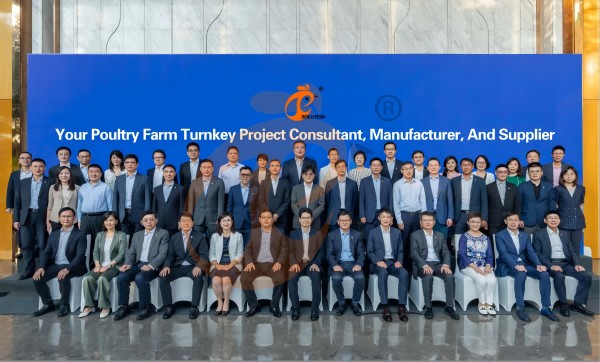
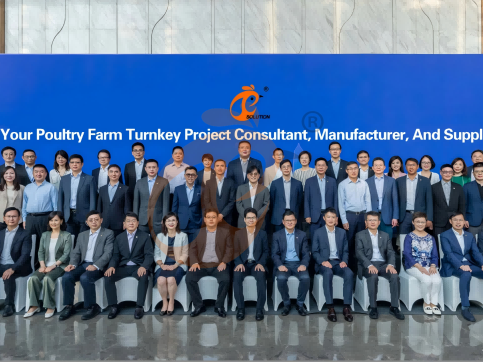
Hong Kong Headquarter Management Team
Hong Kong Headquarter Taiyu Industrial Group CO., LTD
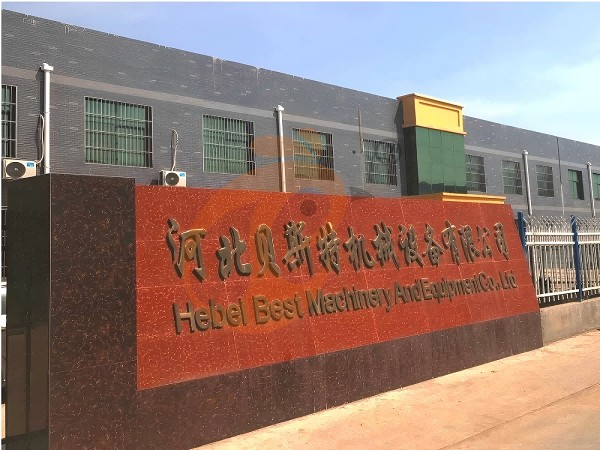
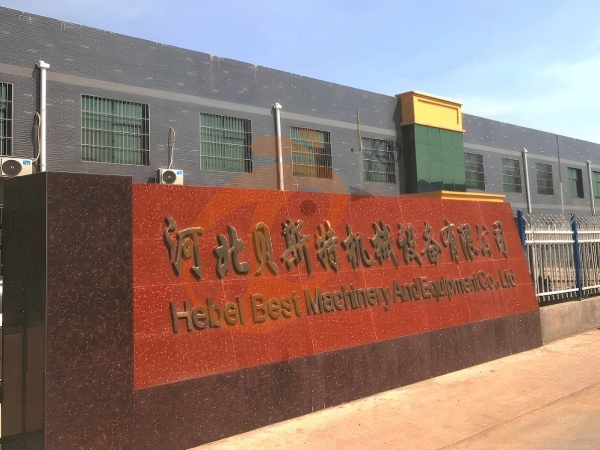
China Hebei Best Machinery And Equipment CO., LTD
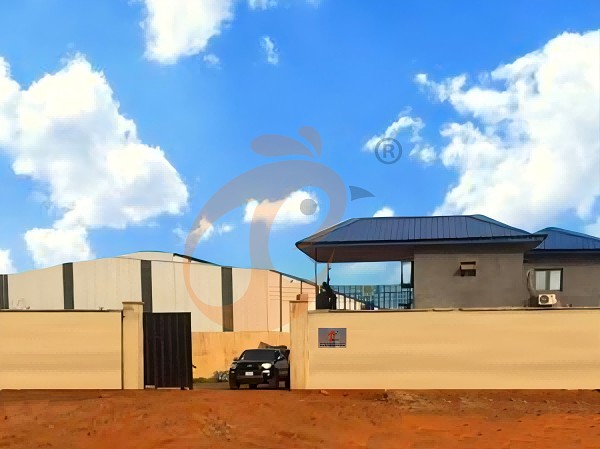
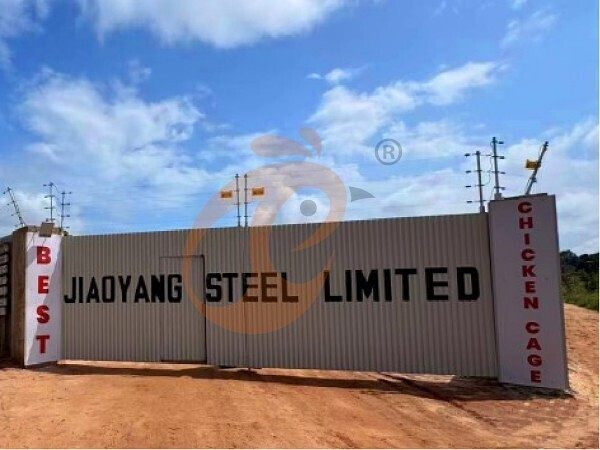
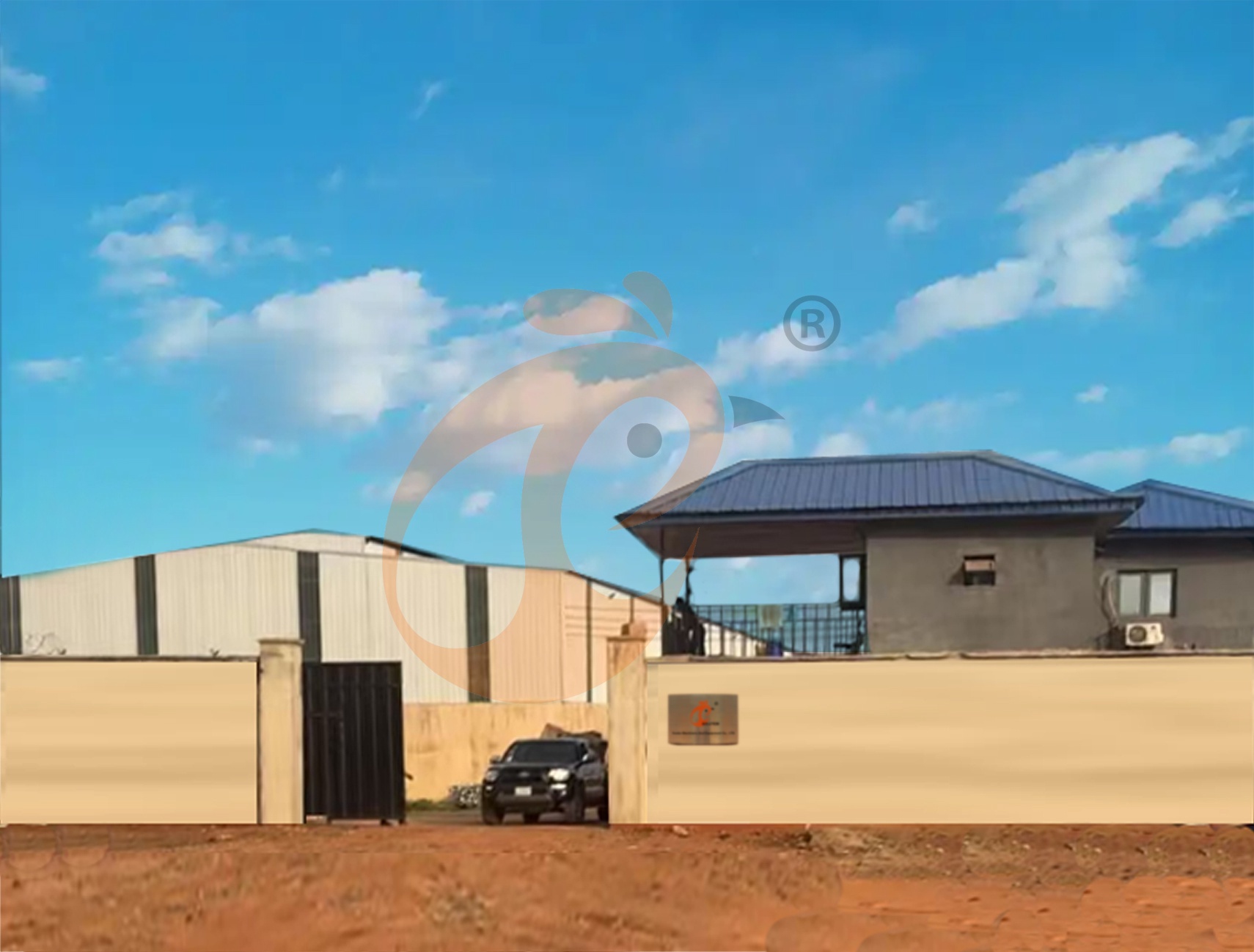
Nigeria Vanke Machinery And Equipment CO., LTD
Tanzania Best Machinery And Equipment CO., LTD
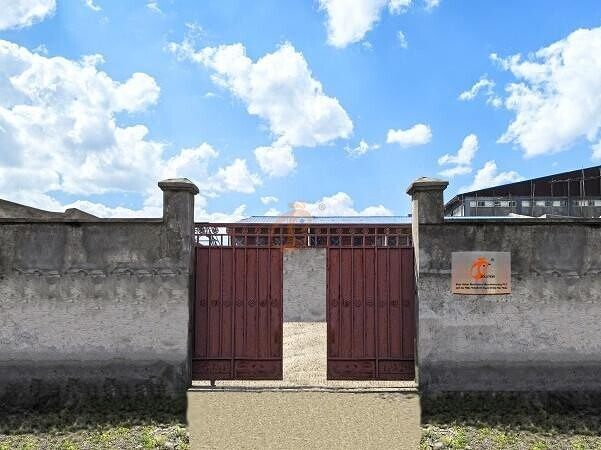
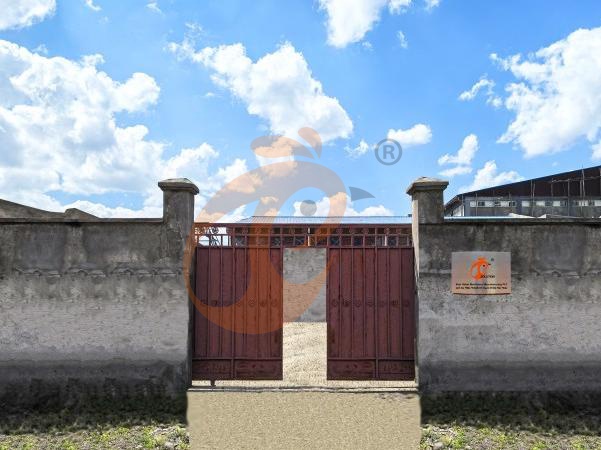
Ethiopia Best Hebei Machinery Manufacturing PLC
Reception /24 WhatsApp NO. : +8618830120193
FAQ
What Are The Litter Material Specifications In Deep Litter Poultry System For Poultry Chicken Production?
Rice husk usage ratio is set at 40%–60% of total bedding material mix.
Moisture absorption capacity reaches 250%–300% of dry litter weight.
What Are The Disease Control Measures In Deep Litter Poultry System For Poultry Chicken Houses?
Pathogen reduction efficiency reaches 70%–85% through fermentation and microbial activity.
Biosecurity entry concentration uses 0.08%–0.12% disinfectant solution for contamination control.
How Does Deep Litter System Affect Growth Efficiency In Poultry Chicken Farming?
Average daily gain increases by 8%–14% compared with bare floor systems.
Stress reduction improves uniformity rate to 86%–93% across production batches.
- battery cage
- battery cage system
- poultry farmers
- poultry farm
- poultry farms
- poultry farmer
- chicken farm
- poultry house
- poultry cage
- cage
- poultry farm construction
- poultry farm management
- poultry farm biosecurity
- poultry farm biosecurity management
- automatic poultry cage
- poultry house construction
- poultry house ventilation
- poultry feeding equipment
- automatic poultry feeding equipment
- deep litter system
- poultry equipment
- chickencage
- bestchickencage
- cage system
- h cage
- Nigeria
- deep litter poultry farming
- poultry farm management system
- broiler farm
- modern chicken farm
- broiler poultry farms
- commercial poultry farms
- poultry farming
- poultry equipment supplier
- poultry ventilation system
- poultry house ventilation design
- broiler poultry farm
- layer poultry farm
- deep litter poultry system
- poultry farm plan
- poultry equipment suppliers
- poultry feed
- Ethiopia
Message
Products recommended
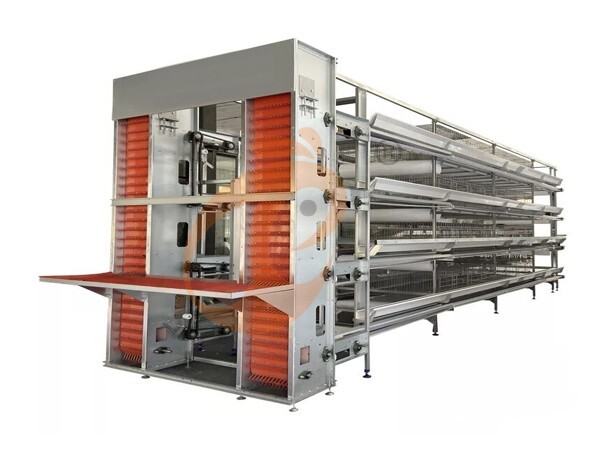
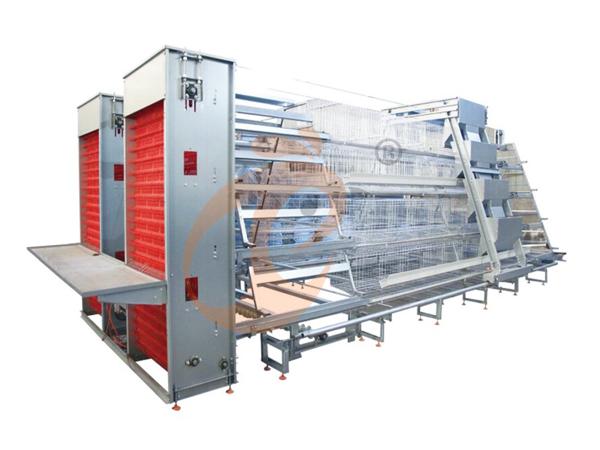
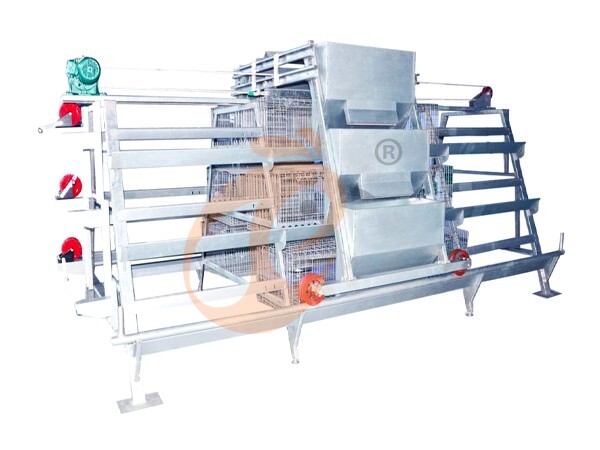
 >30,000 Pullets Automatic H Type Battery Cage1. More than 30,000 pullets a house, choose it.
2. It is designed to rearing older than 1 day old pullets to 12 to 16 weeks old chicken starting laying eggs.
3. Its lifespan is more than 25 years.
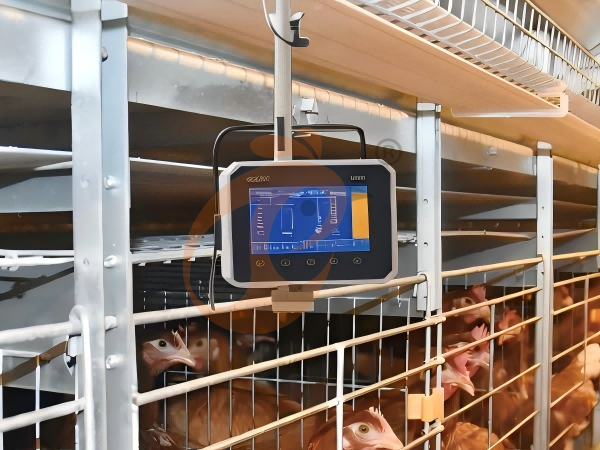
4. Its structure are Vcloud artificial intelligent fusion, electric control cabinet, automatic equipment of drinking, feeding, manure clean, manual harvesting.
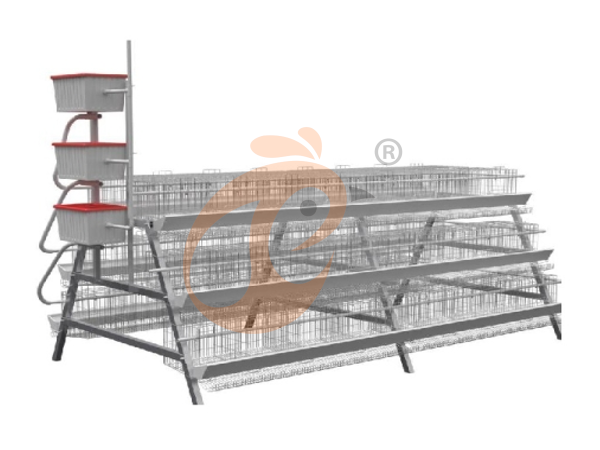
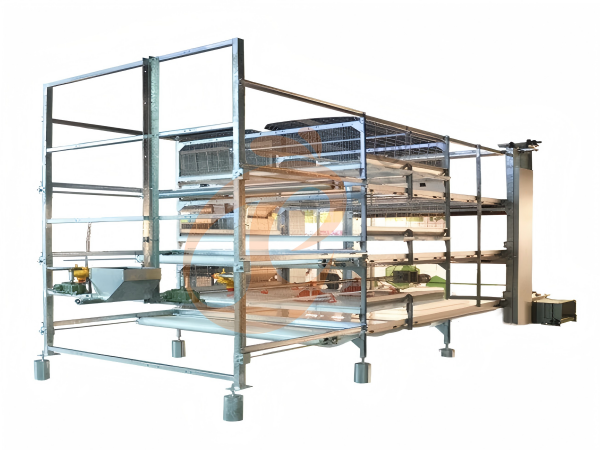
5. Our 24 hour online reception What’sApp NO. is +8618830120193 <30,000 Pullets Automatic A Type Battery Cage1. 10,000 to 30,000 pullets a house, choose it.
2. It is designed to rearing older than 1 day old pullets to 12 to 16 weeks old chicken starting laying eggs.
3. Its lifespan is more than 25 years.
4. Its structure are Vcloud artificial intelligent fusion, electric control cabinet, automatic equipment of drinking, feeding, manure clean, manual harvesting.
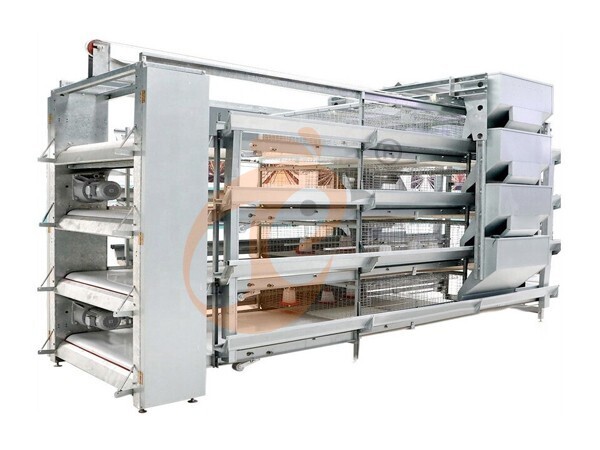
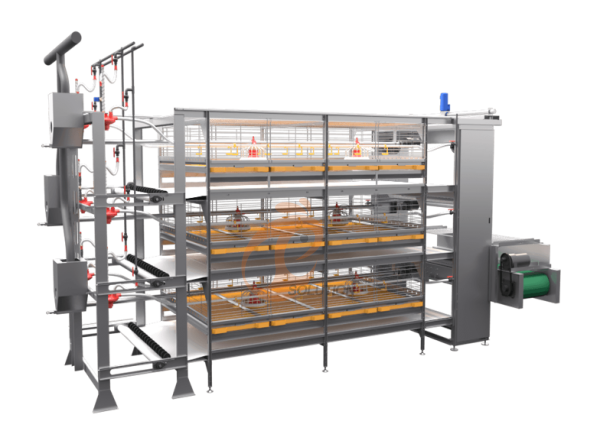
5. Our 24 hour online reception What’sApp NO. is +86 18830120193. >30,000 Broilers Semi-Automatic Harvest H Type Battery Cage1. More than 30,000 broilers a house, choose it.
2. It is designed to rearing 1 to 45 day old adult broiler ready for market.
3. Its lifespan is more than 20 years.
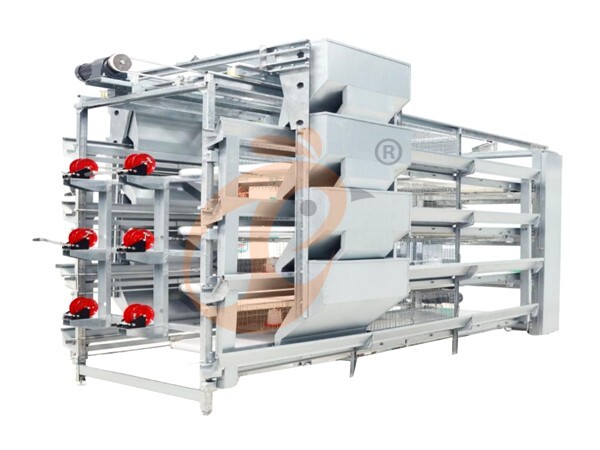
4. Our 24 hour online reception What’sApp NO. is +8618830120193, +234 8111199996. >30,000 Broilers Manual Harvest H Type Battery Cage1. More than 30,000 broilers a house, choose it.
2. It is designed to rearing 1 to 45 day old adult broiler ready for market.
3. Its lifespan is more than 20 years.
4. Its structure are Vcloud artificial intelligent fusion, electric control cabinet, automatic equipment of drinking, feeding and manure clean, manual harvesting.
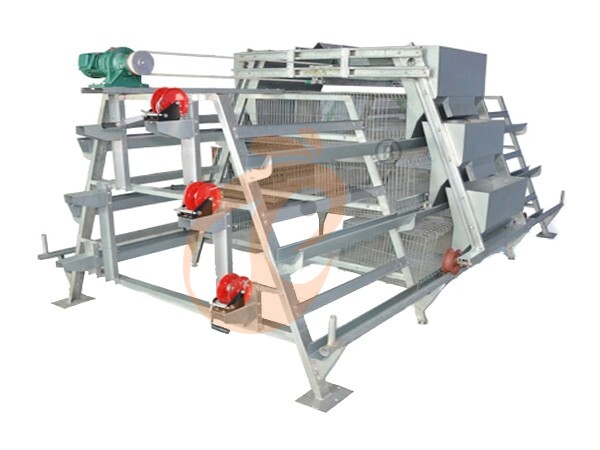
5. Our 24 hour online reception What’sApp NO. is +8618830120193, +234 8111199996. <30,000 Broilers Manual Harvest A Type Battery Cage1. Less 30,000 broilers a house, choose it.
2. It is designed to rearing 1 to 45 day old adult broiler ready for market.
3. Its lifespan is more than 20 years.
4. Its structure are Vcloud artificial intelligent fusion, electric control cabinet, automatic equipment of drinking, feeding and manure clean, manual harvesting.
5. Our 24 hour online reception What’sApp NO. is +8618830120193, +234 8111199996. HK Headquarter Offers EU-standard Poultry Farm Solutions, Manufacture Poultry Farm Equipment1. Continuous communication with the EU and the US
2. China, Nigeria, Ethiopia, Tanzania branch companies and factories
3. The products’ quality is customized for local poultry farms
4. Poultry cage and poultry farm equipment stock for sale
5. 24 online reception Whatsapp NO. : +8618830120193,contact us to get full information China Branch Offer Poultry Farm Business Plan, Manufacture Poultry Farm Equipment1. Address: Flat/RM 2416, 24/F, Runxing Building, Youyi Nan Street, Shijiazhuang City, Hebei Province, China
2. Poultry cage and poultry farm equipment factory and stock for sale
3. Customized for local poultry farms
4. Quality and design are based on Euro
5. 24 online reception Whatsapp NO. : +8618830120193 Nigeria Branch Offer Poultry Farm Business Plan, Manufacture Poultry Farm Equipment1. Address: After Sinoma Office, 200 Meters Near Danco Filling Station, Lagos/Ibadan Expressway, Lagos State, Nigeria
2. Poultry cage and poultry farm equipment factory and stock for sale
3. Customized for Nigerian poultry farms
4. Quality and design are based on Euro
5. 24 online reception Whatsapp NO. : +8618830120193 Ethiopia Branch Offer Poultry Farm Business Plan, Manufacture Poultry Farm Equipment1. Address: Gelan Gura, Akaki-kaliti Sub City, Addis Ababa, Ethiopia
2. Poultry cage and poultry farm equipment stock for sale
3. Customized for Ethiopian poultry farms
4. Quality and design are based on Euro
5. 24 online reception Whatsapp NO. : +8618830120193, contact us to get price list Tanzania Branch Offer Poultry Farm Business Plan, Manufacture Poultry Farm Equipment1. Address: No.8, Sova Road, Msufini, Mlandizi, Kibaha, Pwani, Tanzania
2. Poultry cage and poultry farm equipment factory and stock for sale
3. Customized for Tanzanian poultry farms
4. Quality and design are based on Euro
5. 24 online reception Whatsapp NO. : +8618830120193



Contact