


Blog
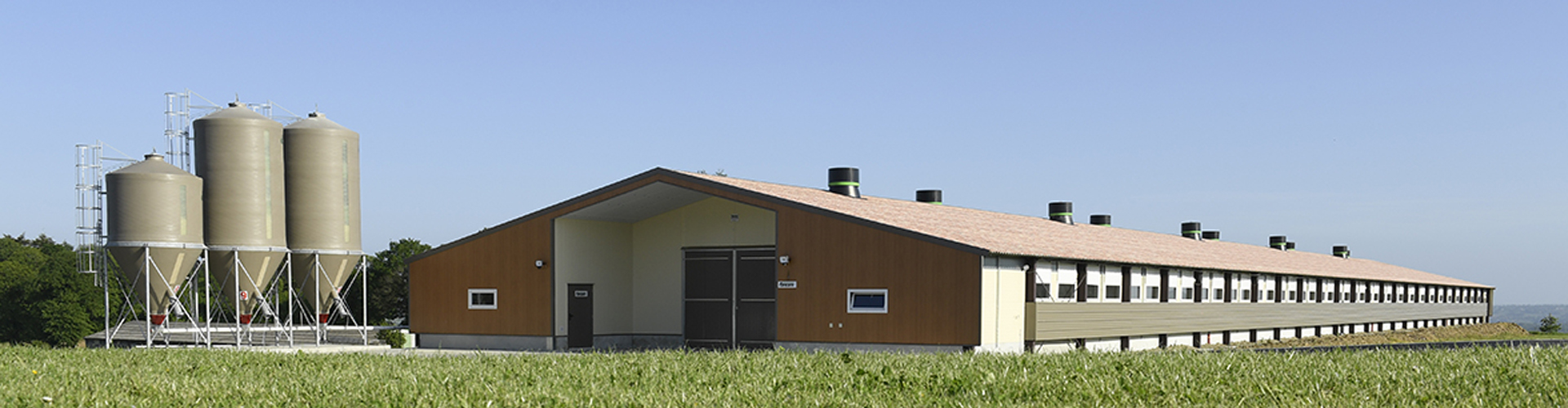
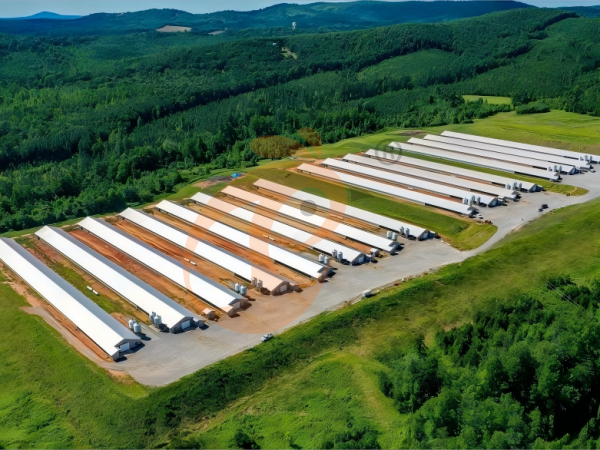
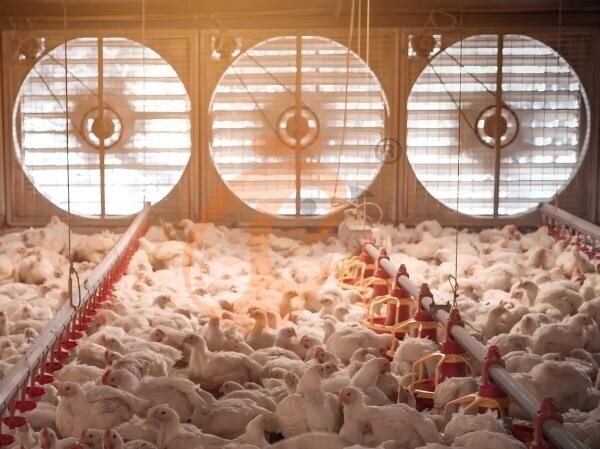
Free range poultry farming integrates controlled outdoor access with engineered housing, feeding automation, and environmental regulation systems.
This article defines operational standards for poultry farming equipment, including feeding lines, drinker systems, ventilation units, and egg collection mechanisms.
Daily management architecture focuses on feed conversion efficiency, biosecurity control, and mortality rate stabilization within commercial production environments.
System design requirements include rotational grazing protocols, structured health monitoring indices, and production data tracking for scalable poultry operations.
Engineering framework emphasizes synchronized workflow scheduling to maintain consistent egg output, environmental stability, and long-term farm productivity performance.
Get professional poultry farm construction guidance, equipment selection solutions, and the latest price lists, whatsApp to +8618830120193, click to learn more:
System Structure Of A Free Range Poultry Farm
A structured poultry farming system depends on stable integration between housing, feed delivery, and environmental control modules.
Without synchronization, production variability increases and flock performance becomes unstable.
System integration accuracy determines whether free range poultry farming achieves predictable commercial output or unstable biological fluctuation.
Scientific Basis Of Free Range Poultry Productivity
Biological efficiency in poultry farming is determined by energy partitioning between maintenance metabolism and productive output functions.
Free range exposure increases energy expenditure, requiring precise nutritional balancing to maintain stable egg production levels.
Feed conversion ratio remains the central engineering metric linking biological input and economic return.
Daily Tip Precision Feeding Management System
Feed delivery architecture must operate as a controlled dosing mechanism to ensure uniform nutrient absorption across the flock.
Feed composition instability directly affects egg size uniformity and shell strength performance.
Feed system calibration ensures consistent nutrient density delivery across production cycles and minimizes waste accumulation below 4 percent per cycle.
Daily Tip Water System Engineering And Consumption Control
Water infrastructure in poultry farming directly influences metabolic stability, digestion efficiency, and heat regulation capacity.
Any interruption in water delivery produces measurable decline in egg production within 24–48 hours.
Stable water engineering design reduces flock stress variability and improves overall production consistency across environmental fluctuations.
Daily Tip Health Surveillance And Mortality Prevention System
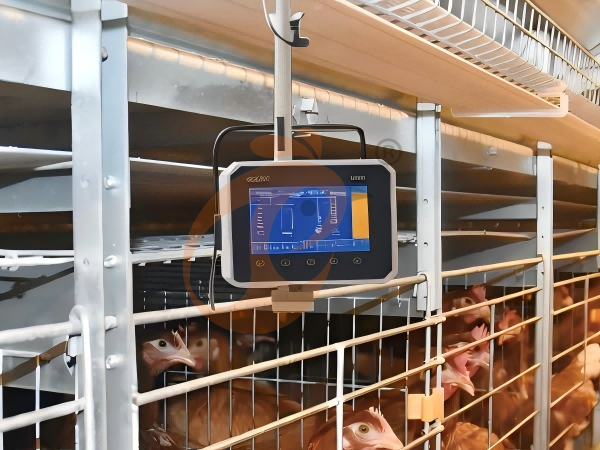
Health monitoring functions as an early detection engineering system designed to prevent systemic flock failure events.
Small deviations in feed intake or movement behavior often indicate early-stage disease progression.
Continuous biosecurity enforcement reduces pathogen transmission velocity and stabilizes flock survival curves.
Daily Tip Predator Control And Environmental Risk Reduction
Structural protection systems must operate as layered defense mechanisms combining physical barriers and deterrent systems.
Open-range environments require constant risk suppression to prevent sudden loss events affecting production output.
Integrated protection design ensures operational continuity and reduces mortality-driven economic loss.
Daily Tip Egg Production Optimization And Data Tracking
Egg production systems must operate under frequent collection cycles to preserve product integrity and reduce loss rate.
Delayed retrieval increases contamination risk and reduces commercial grading value.
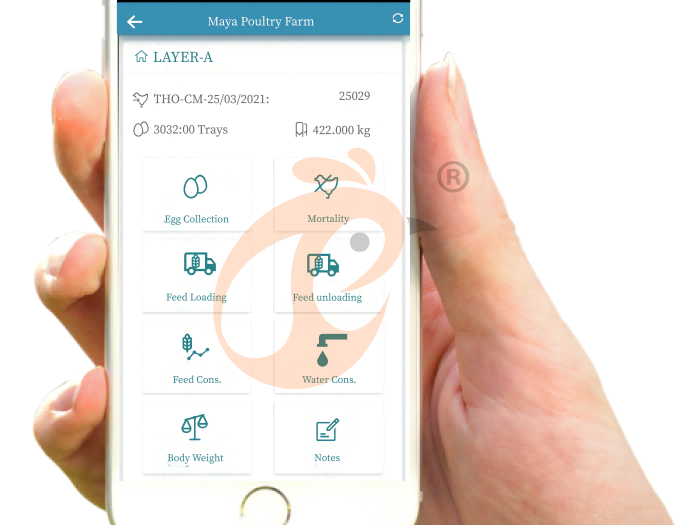
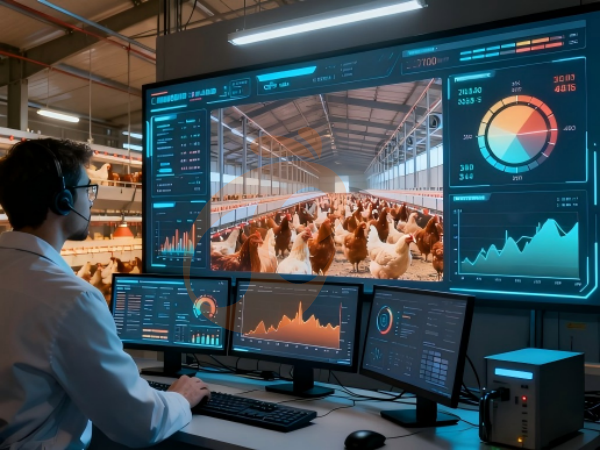
Production tracking systems enable predictive modeling of flock performance decline and recovery patterns.
Environmental Load And Waste Recycling System
Waste stream engineering transforms organic byproducts into agricultural inputs that support secondary production systems.
Improper waste handling increases disease risk and reduces long-term farm sustainability performance.
Closed-loop waste systems improve environmental efficiency index and reduce external input dependency.
Integrated Daily Workflow System
Operational workflow design ensures synchronization between biological activity cycles and mechanical system operations.
Disruption in scheduling leads to feed inefficiency, egg loss, and increased disease susceptibility.
Key Operational Bullet Framework
Maintain feed to egg output ratio tracking daily.
Ensure water system delivers stable intake per bird.
Rotate grazing zones on 21 day recovery cycle.
Execute structured health scoring across flock segments.
Install predator exclusion infrastructure continuously.
Collect eggs at least two cycles per day.
Record production metrics using standardized logs.
Economic Performance Perspective
Free range poultry farming profitability depends on balancing production output stability with input cost control mechanisms.
Poultry farming equipment investment reduces labor dependency and improves scalability of production systems.
Feed cost per bird cycle typically ranges from $0.18 to $0.32.
Egg revenue varies based on grading system and market channel.
European union standard reference only applies to feed safety compliance thresholds.
Frequently Asked Questions
Q1: What is the ideal stocking density in free range poultry farming?
Standard stocking density ranges from 5 to 8 birds per square meter indoors and 0.8 to 1.2 square meters outdoor range per bird.
Higher density increases ammonia concentration above 15 ppm and reduces egg production consistency.
Q2: How often should egg collection be performed in commercial poultry farming systems?
Egg collection should occur 2 to 4 times daily.
Delayed collection beyond 4 hours increases breakage rate from 2 percent to approximately 6 percent under field conditions.
Q3: What is the main cause of mortality in free range poultry systems?
Primary mortality drivers include predator exposure, respiratory infection, and water contamination events.
Controlled poultry farming biosecurity reduces mortality below 3 percent monthly.
Taiyu (HK) Group - One Of China Largest Poultry Equipment Manufacturer
Free range poultry farming system integrated with automated feeding line and climate control poultry housing solution for commercial egg production farms.
Global factory direct supply poultry farming equipment including cages drinker systems feeders ventilation units for large scale poultry projects.
Turn key poultry farm engineering solution covering layout design installation commissioning and after sales technical support for industrial poultry farming systems.
Advanced poultry cage manufacturing for layer broiler breeder systems with corrosion resistant materials and high density production optimization design.
Industrial poultry equipment exporter delivering complete farm automation systems including manure removal egg collection and environmental control integration.
Contact Us To Received Your Customized Poultry Farm Plan
Headquarters And Branchs
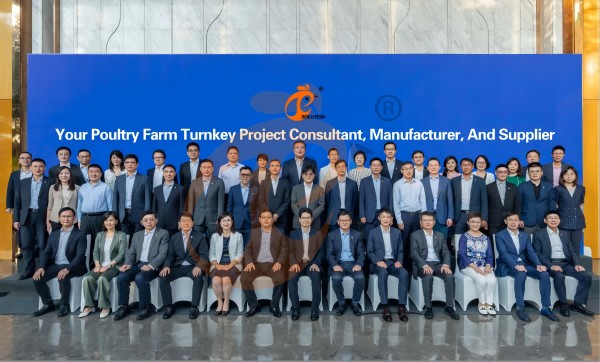
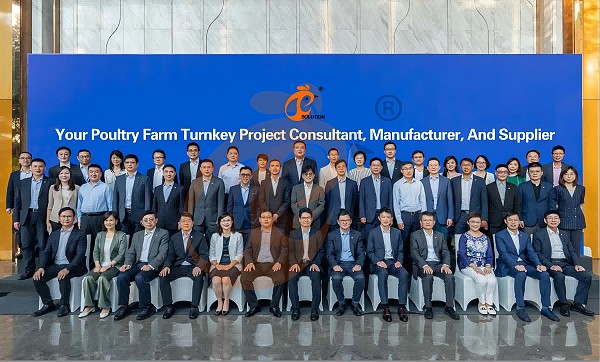
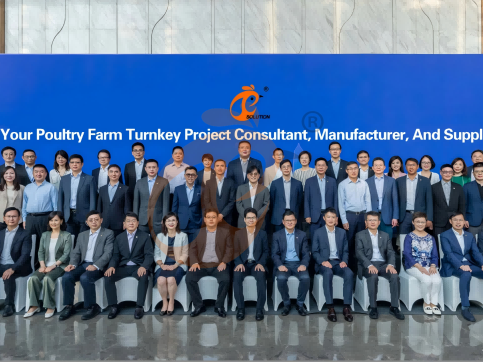
Hong Kong Headquarter Management Team
Hong Kong Headquarter Taiyu Industrial Group CO., LTD
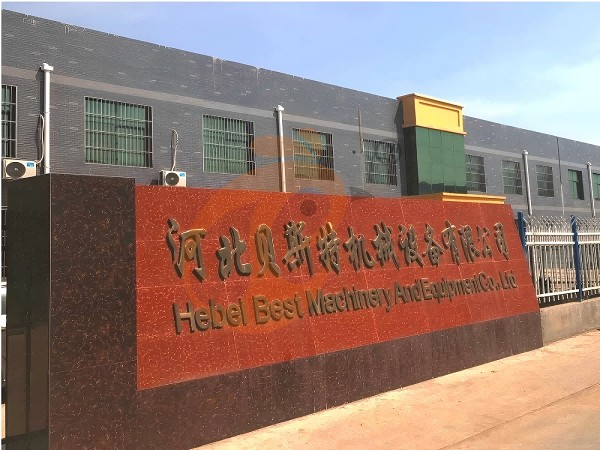
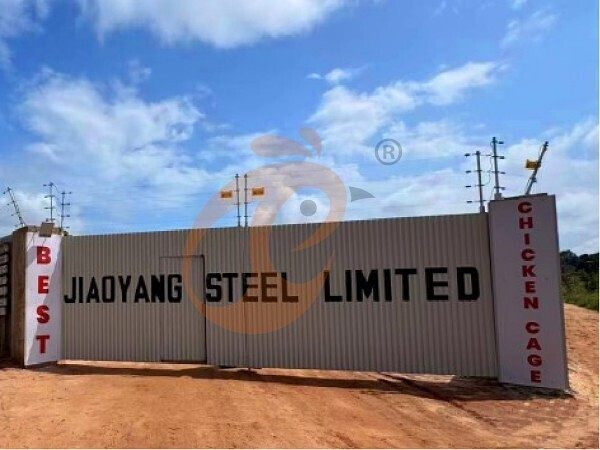
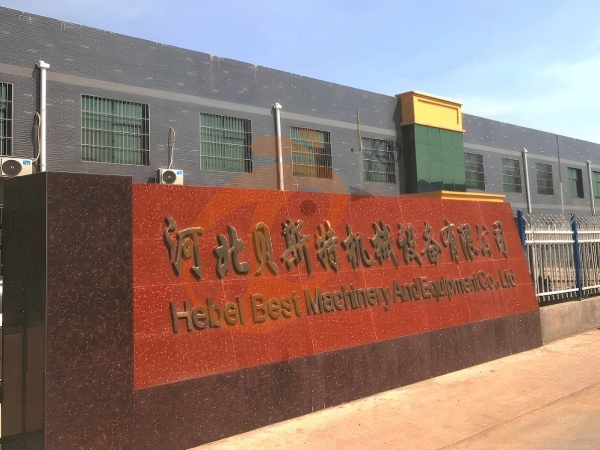
China Hebei Best Machinery And Equipment CO., LTD
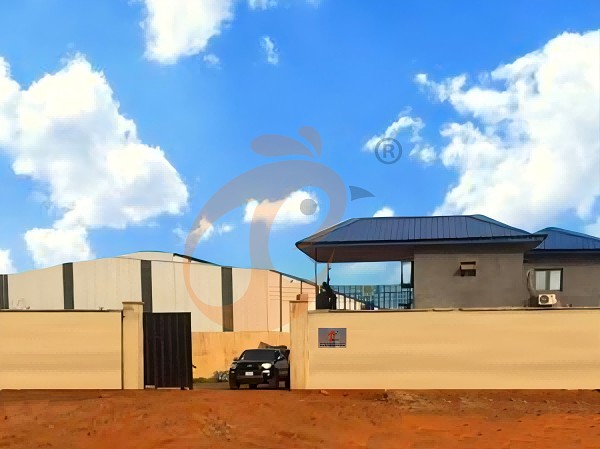
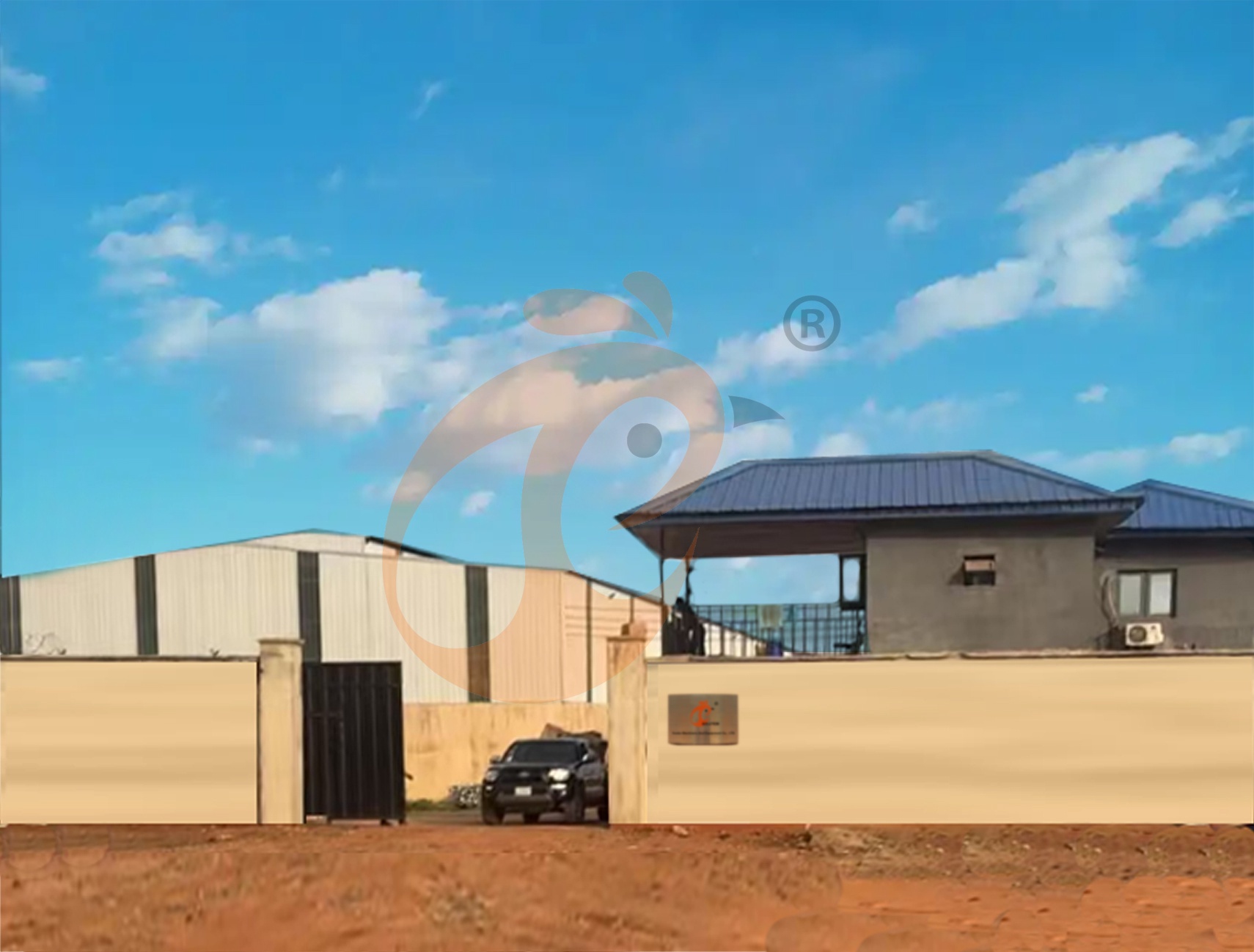
Nigeria Vanke Machinery And Equipment CO., LTD
Tanzania Best Machinery And Equipment CO., LTD
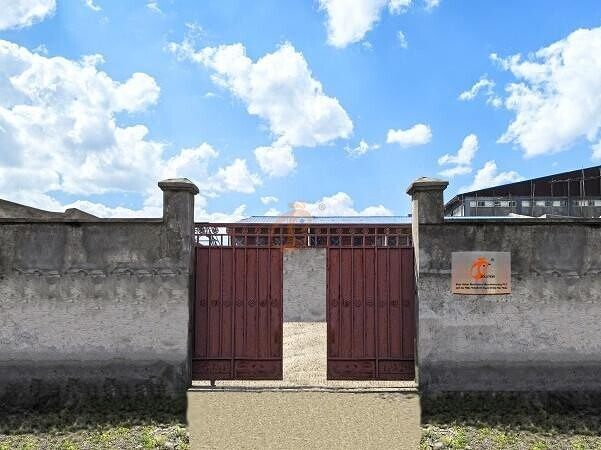
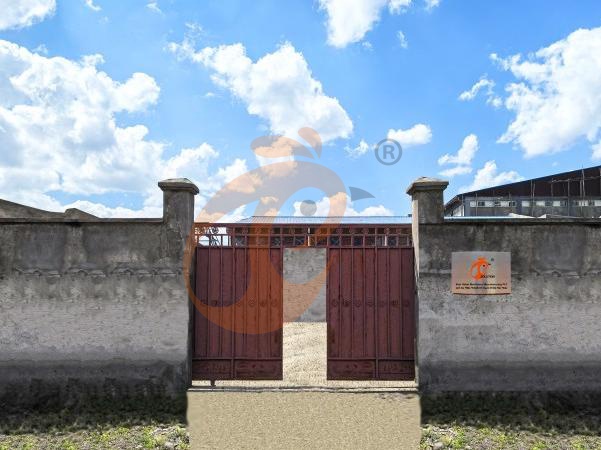
Ethiopia Best Hebei Machinery Manufacturing PLC
Reception /24 WhatsApp NO. : +8618830120193
FAQ
How Does Free Range Poultry System Enhance Natural Behavior In Poultry Chicken Production?
Foraging behavior accounts for 30%–45% of daily time under open grazing conditions.
Social interaction frequency increases by 20%–35% compared with confined systems.
What Are The Movement And Activity Space Standards In Free Range Poultry System For Poultry Chicken Production?
Activity zone radius is maintained at 15–25 meters from shelter to ensure return habit formation.
Daily roaming distance reaches 300–600 meters per bird under open grazing conditions.
What Are The Foraging Nutrition Contribution Levels In Free Range Poultry System For Poultry Chicken Diets?
Green plant consumption accounts for 18%–25% of daily fiber and micronutrients.
Soil mineral ingestion provides 3%–6% of trace element supplementation naturally.
- poultry farm
- poultry cage
- cage
- poultry farm construction
- poultry farming equipment
- poultry equipment
- chickencage
- bestchickencage
- Nigeria
- egg production farm
- egg production system
- poultry farming
- poultry equipment manufacturer
- poultry equipment exporter
- poultry farm plan
- poultry farming system
- Ethiopia
Message
Products recommended
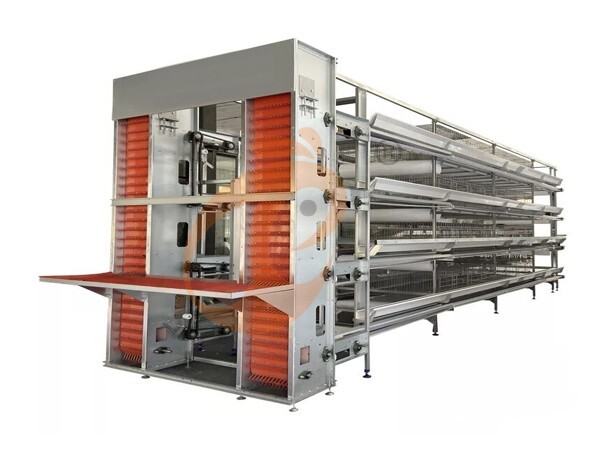
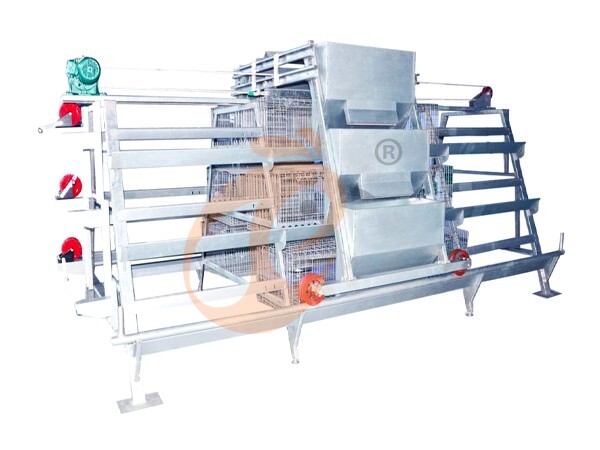
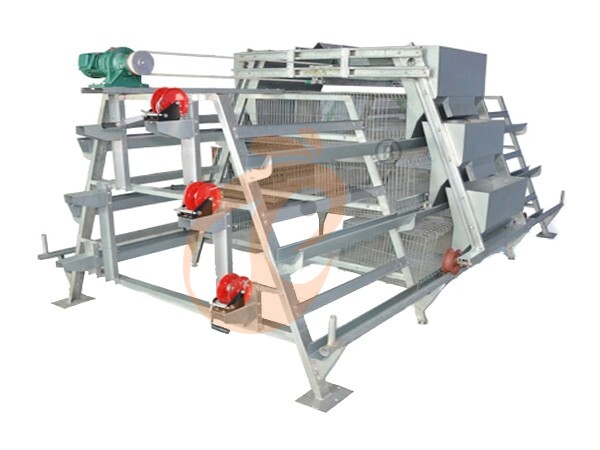
 >30,000 Pullets Automatic H Type Battery Cage1. More than 30,000 pullets a house, choose it.
2. It is designed to rearing older than 1 day old pullets to 12 to 16 weeks old chicken starting laying eggs.
3. Its lifespan is more than 25 years.
4. Its structure are Vcloud artificial intelligent fusion, electric control cabinet, automatic equipment of drinking, feeding, manure clean, manual harvesting.
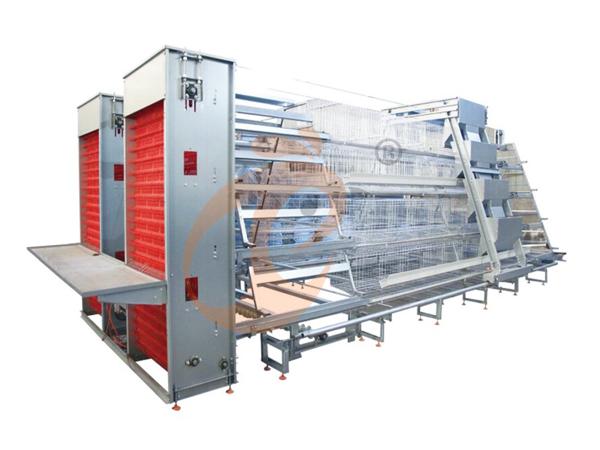
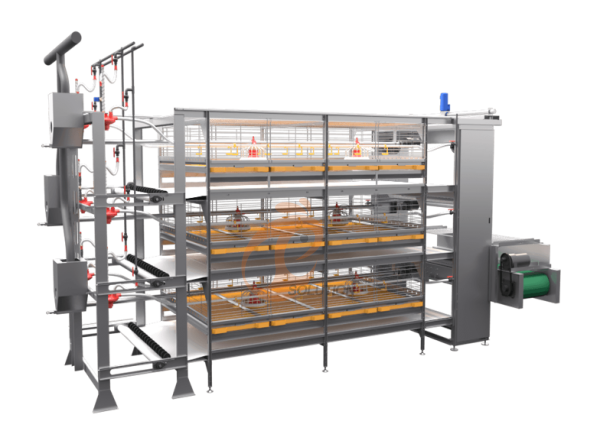
5. Our 24 hour online reception What’sApp NO. is +8618830120193 <30,000 Pullets Automatic A Type Battery Cage1. 10,000 to 30,000 pullets a house, choose it.
2. It is designed to rearing older than 1 day old pullets to 12 to 16 weeks old chicken starting laying eggs.
3. Its lifespan is more than 25 years.
4. Its structure are Vcloud artificial intelligent fusion, electric control cabinet, automatic equipment of drinking, feeding, manure clean, manual harvesting.
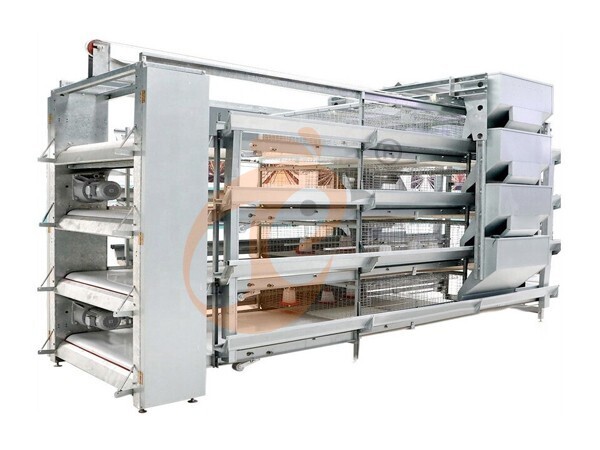
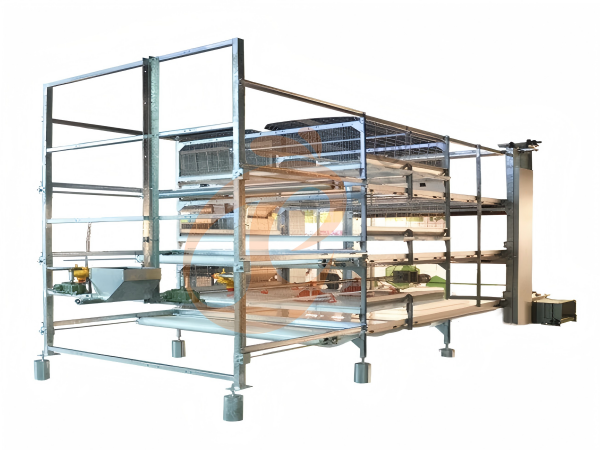
5. Our 24 hour online reception What’sApp NO. is +86 18830120193. >30,000 Broilers Semi-Automatic Harvest H Type Battery Cage1. More than 30,000 broilers a house, choose it.
2. It is designed to rearing 1 to 45 day old adult broiler ready for market.
3. Its lifespan is more than 20 years.
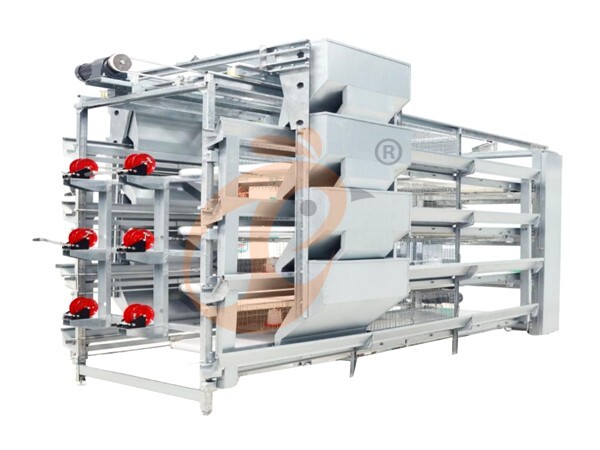
4. Our 24 hour online reception What’sApp NO. is +8618830120193, +234 8111199996. >30,000 Broilers Manual Harvest H Type Battery Cage1. More than 30,000 broilers a house, choose it.
2. It is designed to rearing 1 to 45 day old adult broiler ready for market.
3. Its lifespan is more than 20 years.
4. Its structure are Vcloud artificial intelligent fusion, electric control cabinet, automatic equipment of drinking, feeding and manure clean, manual harvesting.
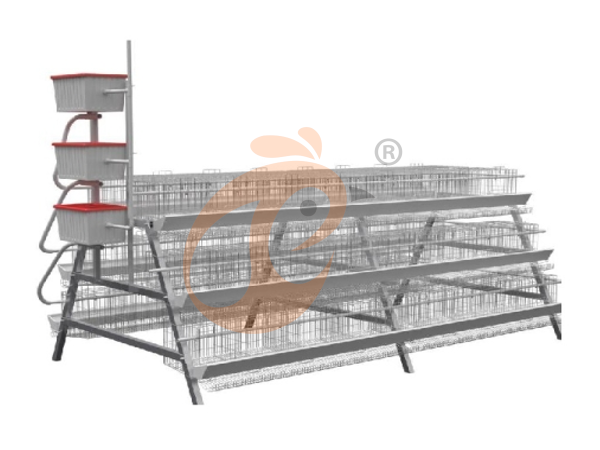
5. Our 24 hour online reception What’sApp NO. is +8618830120193, +234 8111199996. <30,000 Broilers Manual Harvest A Type Battery Cage1. Less 30,000 broilers a house, choose it.
2. It is designed to rearing 1 to 45 day old adult broiler ready for market.
3. Its lifespan is more than 20 years.
4. Its structure are Vcloud artificial intelligent fusion, electric control cabinet, automatic equipment of drinking, feeding and manure clean, manual harvesting.
5. Our 24 hour online reception What’sApp NO. is +8618830120193, +234 8111199996. HK Headquarter Offers EU-standard Poultry Farm Solutions, Manufacture Poultry Farm Equipment1. Continuous communication with the EU and the US
2. China, Nigeria, Ethiopia, Tanzania branch companies and factories
3. The products’ quality is customized for local poultry farms
4. Poultry cage and poultry farm equipment stock for sale
5. 24 online reception Whatsapp NO. : +8618830120193,contact us to get full information China Branch Offer Poultry Farm Business Plan, Manufacture Poultry Farm Equipment1. Address: Flat/RM 2416, 24/F, Runxing Building, Youyi Nan Street, Shijiazhuang City, Hebei Province, China
2. Poultry cage and poultry farm equipment factory and stock for sale
3. Customized for local poultry farms
4. Quality and design are based on Euro
5. 24 online reception Whatsapp NO. : +8618830120193 Nigeria Branch Offer Poultry Farm Business Plan, Manufacture Poultry Farm Equipment1. Address: After Sinoma Office, 200 Meters Near Danco Filling Station, Lagos/Ibadan Expressway, Lagos State, Nigeria
2. Poultry cage and poultry farm equipment factory and stock for sale
3. Customized for Nigerian poultry farms
4. Quality and design are based on Euro
5. 24 online reception Whatsapp NO. : +8618830120193 Ethiopia Branch Offer Poultry Farm Business Plan, Manufacture Poultry Farm Equipment1. Address: Gelan Gura, Akaki-kaliti Sub City, Addis Ababa, Ethiopia
2. Poultry cage and poultry farm equipment stock for sale
3. Customized for Ethiopian poultry farms
4. Quality and design are based on Euro
5. 24 online reception Whatsapp NO. : +8618830120193, contact us to get price list Tanzania Branch Offer Poultry Farm Business Plan, Manufacture Poultry Farm Equipment1. Address: No.8, Sova Road, Msufini, Mlandizi, Kibaha, Pwani, Tanzania
2. Poultry cage and poultry farm equipment factory and stock for sale
3. Customized for Tanzanian poultry farms
4. Quality and design are based on Euro
5. 24 online reception Whatsapp NO. : +8618830120193


Contact