


Blog
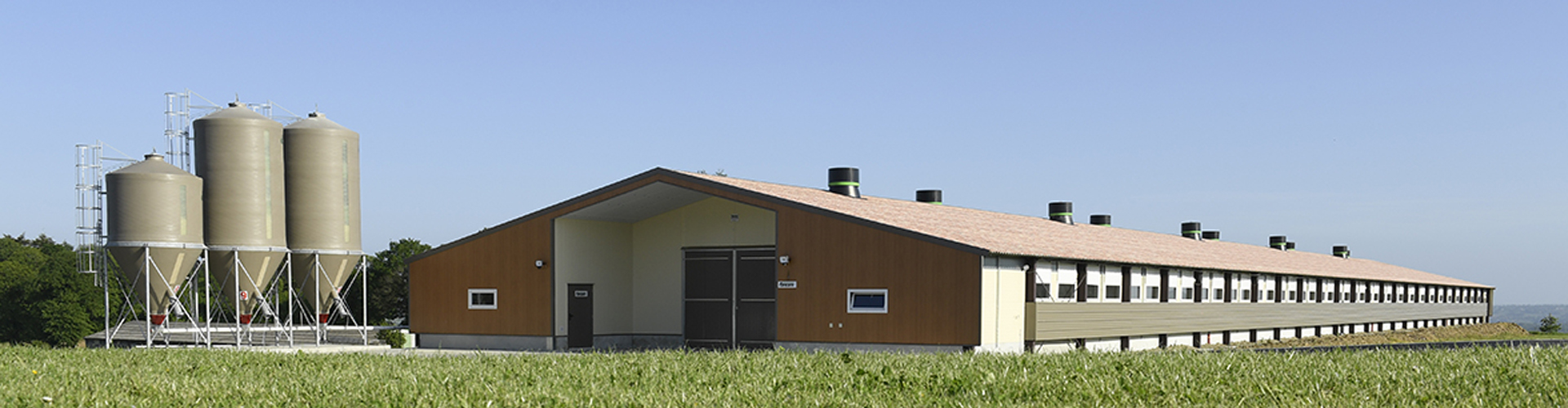
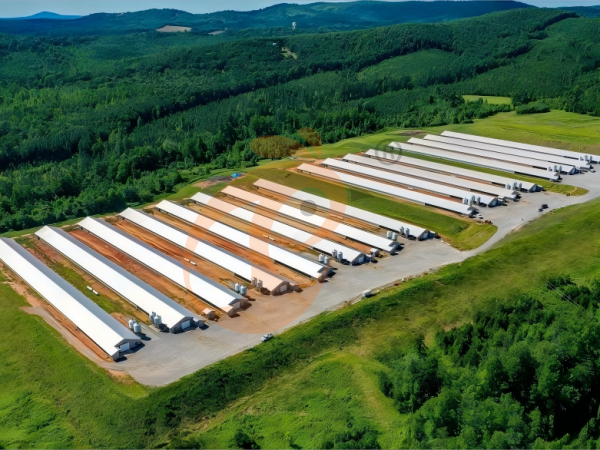
Floor rearing poultry system engineering involves litter management technology, poultry ventilation control, automated feeding distribution, poultry farm biosecurity, and environmental monitoring integration.
Commercial poultry farming facilities require stable airflow velocity, balanced stocking density, controlled ammonia concentration, and calibrated drinking water systems for maintaining productive flock performance.
Deep litter poultry house structures support broiler farming operations, layer poultry production, and poultry equipment installation projects across industrial agricultural sectors.
Poultry farm management engineering also includes lighting calibration, nutrient conversion optimization, disease prevention scheduling, and poultry waste processing technology for sustainable livestock production efficiency under commercial farming conditions.
Get professional poultry farm construction guidance, equipment selection solutions, and the latest price lists, whatsApp to +8618830120193, click to learn more:
Understanding Floor Rearing Poultry System Engineering
Floor rearing poultry system technology operates through controlled environmental poultry housing structures using absorbent bedding materials across poultry production zones.
Commercial broiler farming operations commonly apply rice husks, wood shavings, peanut hulls, and processed sawdust for litter stabilization and moisture absorption performance.
Data is for reference only.Swipe horizontally to view full table.
Engineering-based poultry farm management improves flock uniformity, feed conversion ratio stability, and poultry disease prevention efficiency within commercial chicken farming environments.
Maintain Dry Litter Management Conditions
Dry litter engineering directly influences poultry respiratory health, bacterial growth suppression, and poultry farm hygiene performance.
Wet litter conditions increase microbial fermentation activity and ammonia gas concentration inside poultry house structures.
Data is for reference only.Swipe horizontally to view full table.
Commercial poultry farming engineering requires daily litter turning procedures near poultry drinker systems for moisture balance stabilization.
Poultry ventilation engineering also supports litter drying efficiency through controlled airflow distribution.
Poultry Ammonia Control Science
Chicken manure decomposition generates ammonia gas through uric acid bacterial breakdown mechanisms.
Poultry respiratory tissue damage generally appears above 25 ppm ammonia concentration.
Commercial broiler farming facilities maintaining ammonia below 15 ppm normally achieve lower mortality percentages and improved FCR values.
Improve Poultry Ventilation Engineering
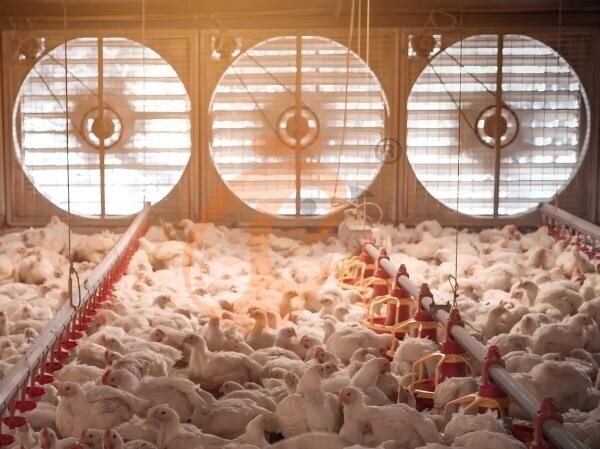
Poultry ventilation system engineering controls carbon dioxide accumulation, humidity percentage, ammonia discharge, and thermal distribution within poultry housing structures.
Commercial poultry equipment installation commonly integrates tunnel ventilation fans and evaporative cooling systems for maintaining environmental stability.
Data is for reference only.Swipe horizontally to view full table.
Engineering-controlled poultry ventilation systems reduce heat stress and improve poultry feed intake stability during commercial broiler farming cycles.
Provide Balanced Poultry Feed Formulation
Commercial poultry feed engineering determines growth performance, meat conversion efficiency, and egg production output.
Poultry feed formulations generally contain soybean meal, corn grain, amino acid supplements, vitamin premixes, and calcium phosphate additives.
Data is for reference only.Swipe horizontally to view full table.
Commercial poultry farming operations achieving FCR values between 1.45 and 1.65 generally maintain balanced nutrient conversion management.
Poultry Feed Storage Engineering
Feed storage engineering requires moisture-proof warehouse systems below 65 percent humidity conditions.
Mold contamination generally reduces poultry liver performance and suppresses immune response efficiency.
Poultry Feeding Management Standards
Maintain feeder filling ratio below 70 %.
Remove contaminated feed during daily inspections.
Balance feeder distribution throughout poultry houses.
Record poultry feed consumption every production cycle.
Prevent abrupt poultry diet formulation changes.
Maintain Poultry Water Sanitation Systems
Poultry drinking water engineering directly influences digestion performance, nutrient transportation, and thermal regulation inside broiler farming systems.
Poultry birds commonly consume 1.8 liters of water for every kilogram of feed intake during commercial production cycles.
Data is for reference only.Swipe horizontally to view full table.
Waterline sanitation engineering reduces bacterial biofilm formation within poultry drinker systems.
Poultry water temperature above 30°C generally reduces drinking activity and feed intake stability.
Poultry Waterline Engineering Procedures
Flush water pipelines every morning
Clean water tanks every seven days
Disinfect nipple drinkers continuously
Maintain water pH between 6.5 and 7.5
Prevent algae formation inside reservoirs
Monitor Poultry Behavior And Health Performance
Poultry flock observation engineering allows rapid identification of disease symptoms, environmental stress, and nutritional imbalance conditions.
Commercial poultry farm management requires continuous bird activity inspection throughout production cycles.
Data is for reference only.Swipe horizontally to view full table.
Commercial poultry farming engineering commonly isolates abnormal birds within 30 minutes after symptom identification for reducing disease transmission risk.
Apply Poultry Biosecurity Engineering
Poultry farm biosecurity engineering prevents viral, bacterial, and fungal contamination from entering poultry production facilities.
Commercial poultry farms generally apply vehicle disinfection systems, visitor restriction protocols, and poultry vaccination scheduling for maintaining flock health stability.
Data is for reference only.Swipe horizontally to view full table.
Poultry disease outbreaks may generate financial losses exceeding $15,000 per 10,000 birds during severe infection conditions.
European union standard reference only.
Poultry Biosecurity Engineering Standards
Install disinfection footbath systems at entrances
Prevent wild bird access into poultry structures
Separate poultry age groups completely
Store poultry feed inside sealed warehouses
Remove dead poultry birds immediately
Control Poultry Lighting Engineering
Poultry lighting engineering regulates feed intake rhythm, hormone secretion, growth metabolism, and egg production output.
Commercial poultry equipment systems increasingly apply LED lighting technology because of stable illumination performance and
reduced electricity consumption.
Data is for reference only.Swipe horizontally to view full table.
Lighting engineering instability may reduce broiler weight gain and decrease laying percentage during poultry production cycles.
Poultry Lighting Engineering Benefits
Improve poultry feeding activity
Increase flock movement stability
Reduce panic flight injuries
Support reproductive hormone activation
Improve egg laying consistency
Manage Poultry Waste Processing Systems
Commercial poultry waste management engineering reduces environmental contamination and improves agricultural recycling efficiency.
Poultry manure processing commonly supports organic fertilizer manufacturing and biogas energy generation systems.
Data is for reference only.Swipe horizontally to view full table.
Commercial poultry manure fertilizer processing systems may generate additional income between $80 and $150 per metric ton.
European union standard reference only.
Poultry Waste Recycling Engineering
Compost poultry manure under controlled fermentation
Convert poultry waste into biogas energy
Process dried manure into organic fertilizer
Store manure under waterproof structures
Apply treated manure for agricultural cultivation
Poultry Welfare And Environmental Engineering
Poultry welfare engineering supports stable movement activity, lower stress hormone concentration, and stronger immune system performance within poultry farming systems.
Floor rearing poultry system structures allow scratching behavior, dust bathing activity, and wing extension movement under commercial production conditions.
Poultry Welfare Engineering Standards
Maintain continuous water accessibility
Control environmental thermal stability
Provide sufficient floor movement area
Reduce mechanical injury risks
Maintain stable air quality performance
Commercial poultry farming companies increasingly integrate welfare engineering certification into export-oriented poultry production systems.
Poultry Farm Economic Performance Analysis
Commercial poultry farming profitability depends on feed efficiency, mortality percentage, utility consumption, and poultry equipment operational stability.
Poultry engineering optimization generally improves economic returns across large-scale broiler farming operations.
Data is for reference only.Swipe horizontally to view full table.
Commercial broiler farming operations commonly achieve net profits between $0.25 and $0.60 per bird depending on feed ingredient costs and market demand.
European union standard reference only.
Frequently Asked Questions
Q1: What is the recommended stocking density for floor rearing poultry system operations?
Commercial broiler farming engineering commonly applies 8–10 birds per square meter under tunnel ventilation poultry house systems.
Layer poultry production generally requires 5–7 birds per square meter for maintaining stable movement activity and egg production efficiency.
Q2: How often should poultry litter be replaced during commercial production cycles?
Poultry litter replacement scheduling depends on moisture percentage and flock density conditions.
Commercial broiler farming facilities generally replace wet litter sections daily and complete litter replacement after each 35–45 day production cycle.
Q3: What ammonia concentration is safe inside poultry houses?
Commercial poultry engineering standards commonly maintain ammonia concentration below 20 ppm.
Poultry respiratory damage and reduced feed intake generally appear above 25 ppm ammonia exposure conditions.
Taiyu (HK) Group - One Of China Largest Floor Rearing Poultry System Manufacturer
Commercial floor rearing poultry system engineering supports broiler and layer farming projects worldwide
Global factory direct poultry farm equipment supply reduces installation and operational investment costs
Automated poultry cage manufacturing supports modern commercial poultry production management requirements
Professional Turn-key poultry farm engineering integrates ventilation, feeding, drinking, and cooling systems
Commercial poultry farming solutions support Africa, Asia, Middle East, and South America markets
Contact Us To Received Your Customized Poultry Farm Plan
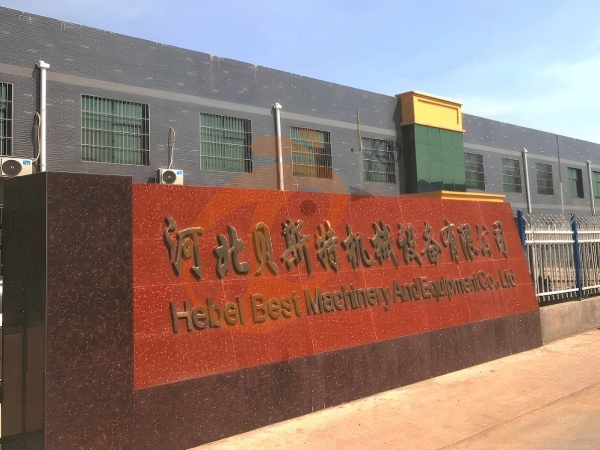
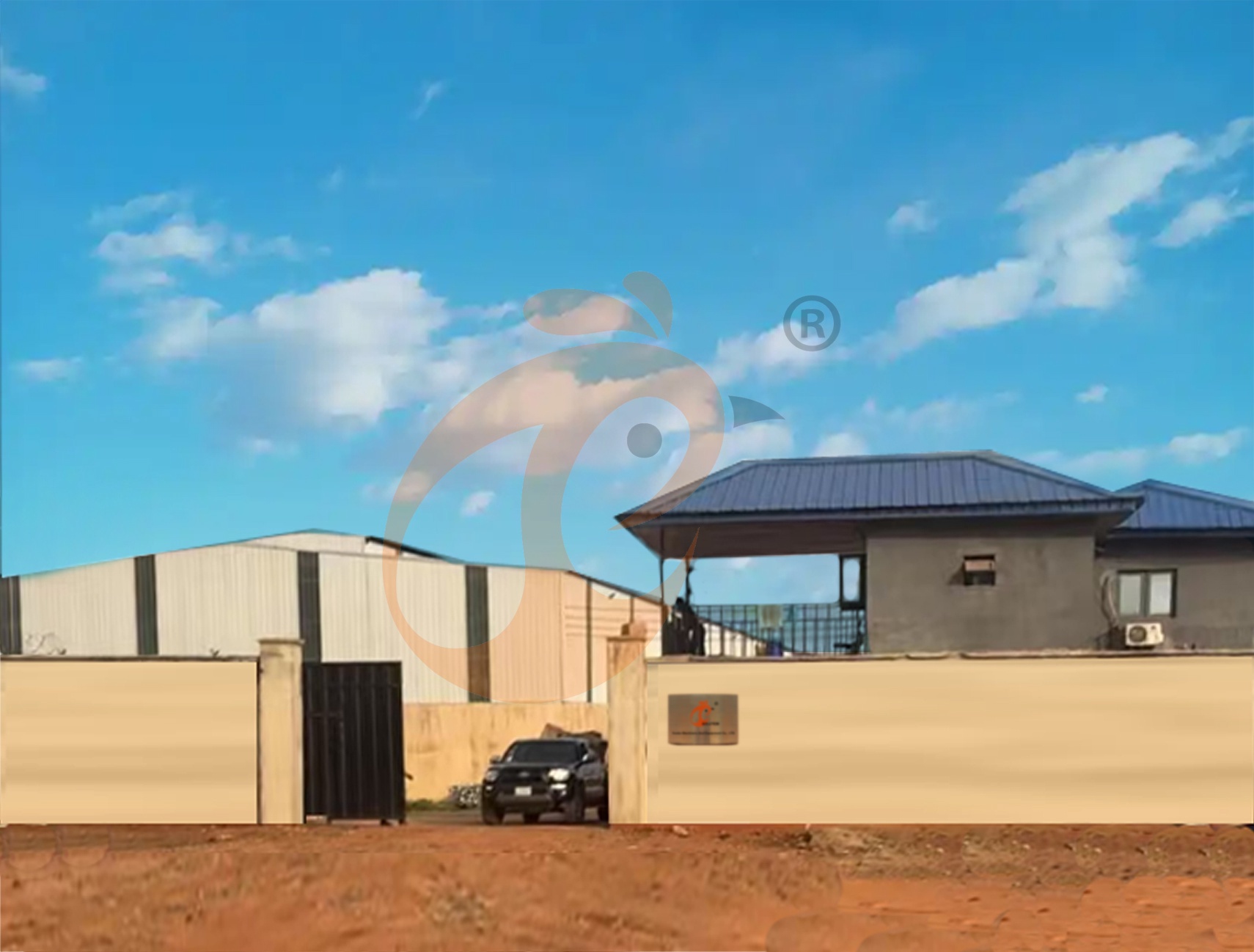
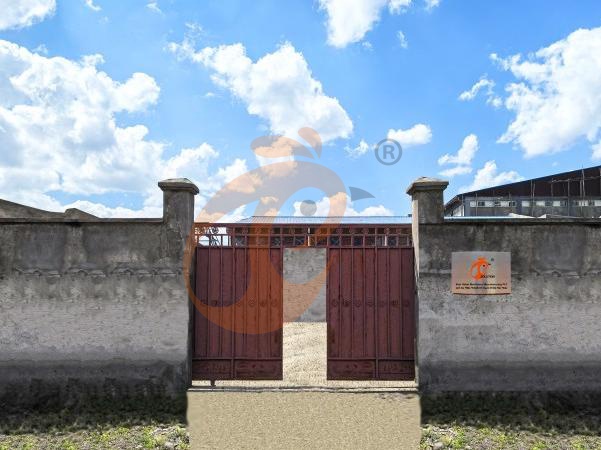
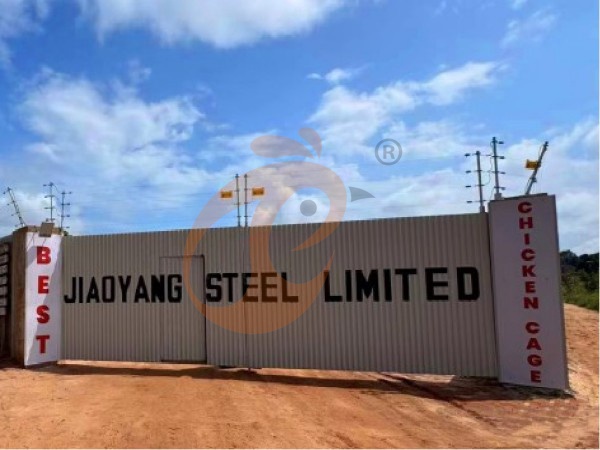
Headquarters And Branchs
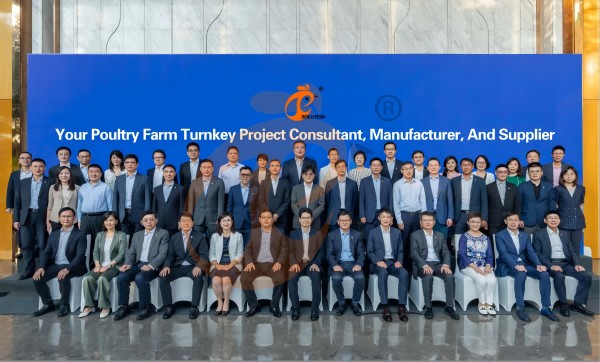
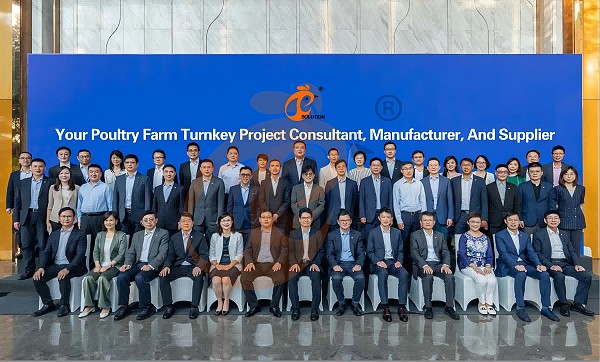
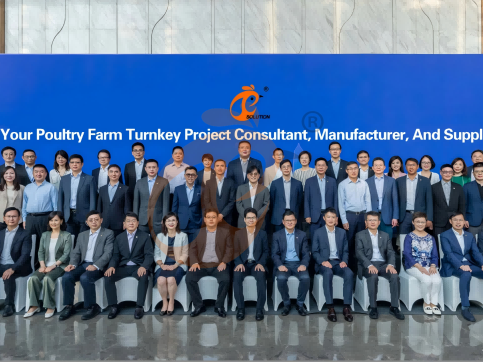
Hong Kong Headquarter Management Team
Hong Kong Headquarter Taiyu Industrial Group CO., LTD
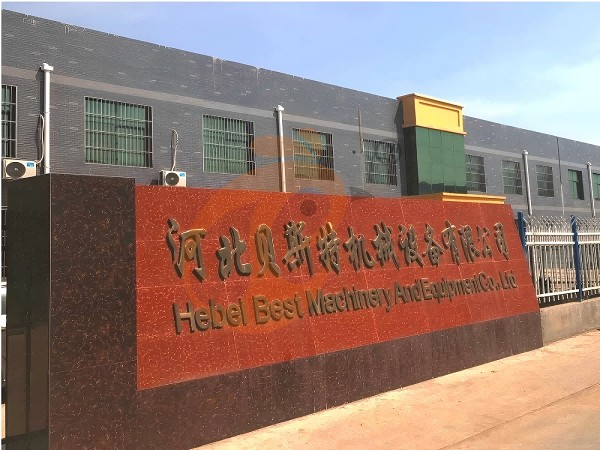
China Hebei Best Machinery And Equipment CO., LTD
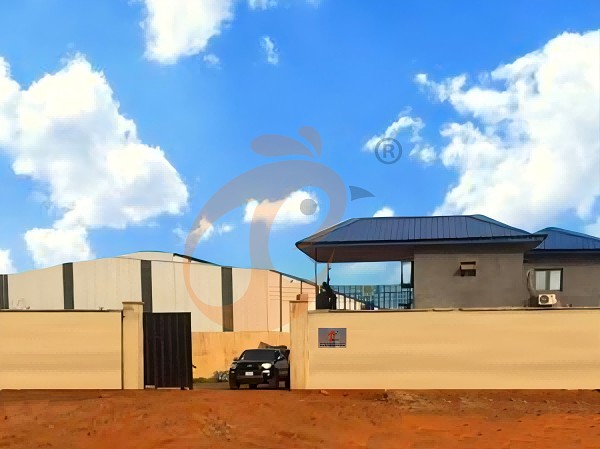
Nigeria Vanke Machinery And Equipment CO., LTD
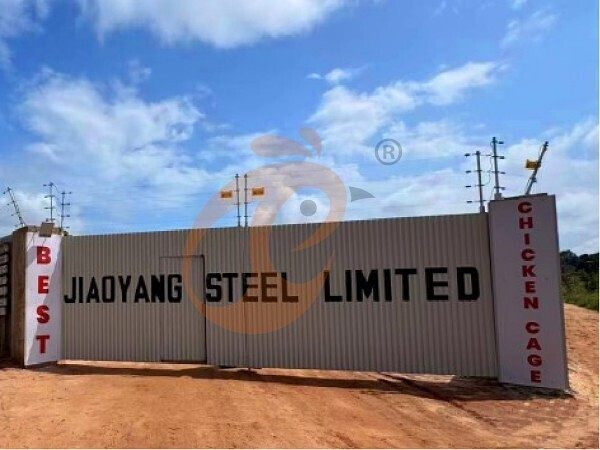
Tanzania Best Machinery And Equipment CO., LTD
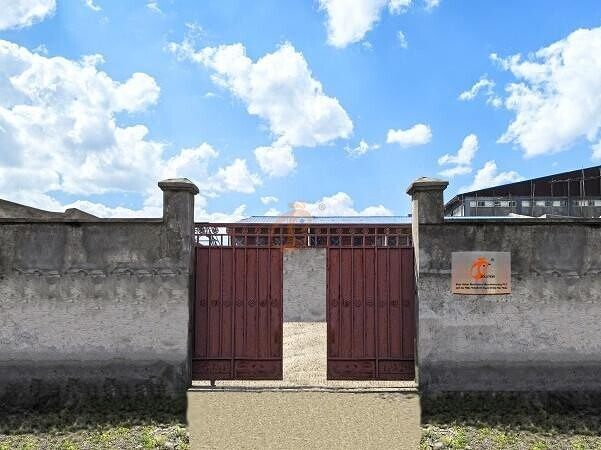
Ethiopia Best Hebei Machinery Manufacturing PLC
Reception /24 WhatsApp NO. : +8618830120193
FAQ
What Are The Flooring Material Specifications In Floor Rearing Poultry System For Poultry Chicken Houses?
Mesh opening size is maintained at 10–15 mm to ensure manure passage efficiency.
Load-bearing capacity reaches 80–120 kg per square meter for flock support stability.
What Ventilation Requirements Are Required In Floor Rearing Poultry System For Poultry Chicken Environments?
Air velocity at bird level is controlled at 0.2–0.4 m/s for thermal comfort.
Static pressure is regulated between 15–25 Pa for balanced airflow distribution.
What Feeding System Design Is Used In Floor Rearing Poultry System For Poultry Chicken Production?
Automatic pan feeders operate with 0.5–1.0 kg feed capacity per feeding point.
Feed distribution cycles are completed within 3–5 minutes per house line.
- poultry farm
- poultry farms
- chicken farm
- poultry house
- poultry cage
- cage
- poultry farm equipment
- poultry farm construction
- poultry farm management
- poultry farm biosecurity
- poultry farm hygiene
- poultry feed storage
- poultry equipment
- chickencage
- bestchickencage
- Nigeria
- layer farm
- broiler farm
- commercial poultry farms
- poultry farming
- poultry house system
- poultry ventilation system
- poultry drinker system
- poultry feed formulation
- poultry feed formula
- poultry farm plan
- broiler farming system
- poultry farming solutions
- poultry farming system
- poultry feed
- balanced poultry feed
- Ethiopia
Message
Products recommended
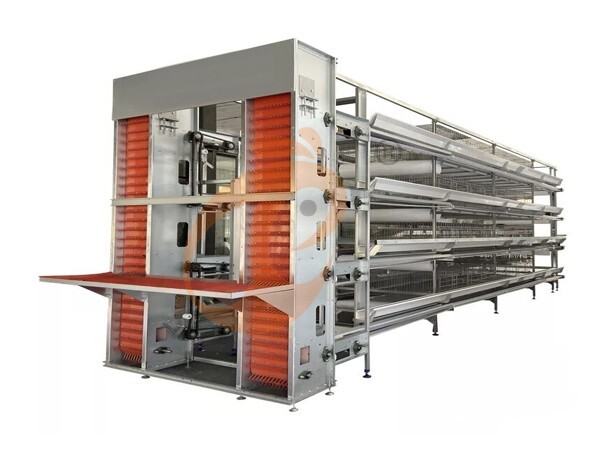
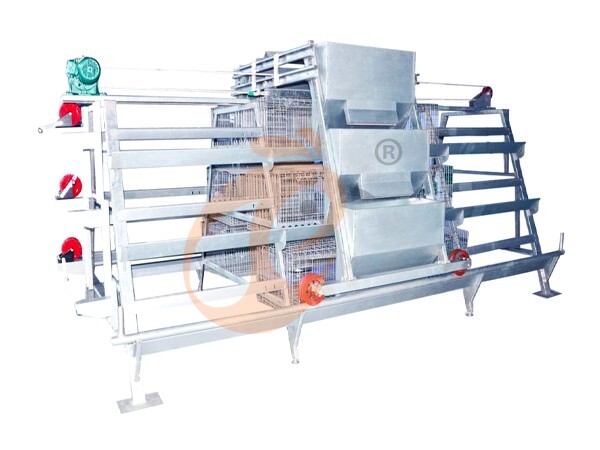
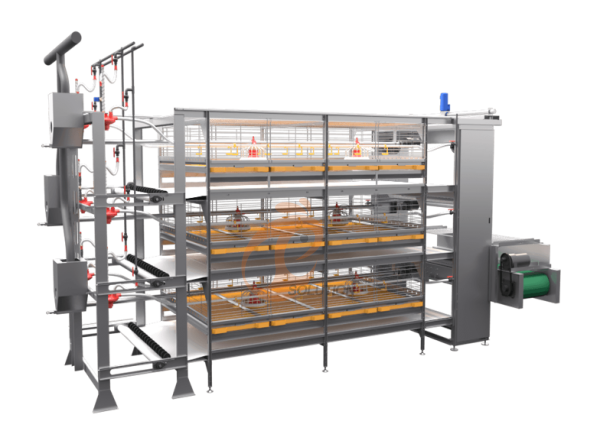
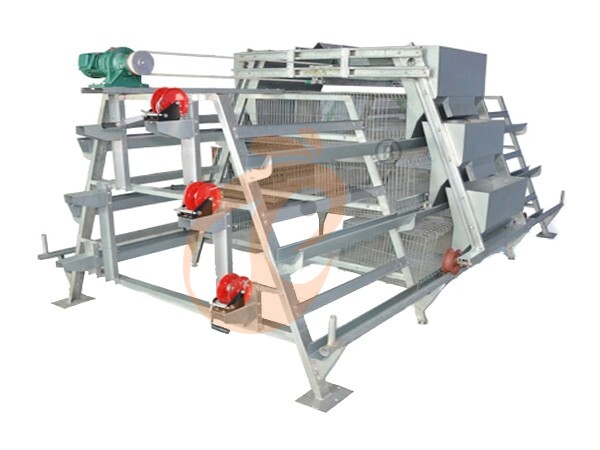
 >30,000 Pullets Automatic H Type Battery Cage1. More than 30,000 pullets a house, choose it.
2. It is designed to rearing older than 1 day old pullets to 12 to 16 weeks old chicken starting laying eggs.
3. Its lifespan is more than 25 years.
4. Its structure are Vcloud artificial intelligent fusion, electric control cabinet, automatic equipment of drinking, feeding, manure clean, manual harvesting.
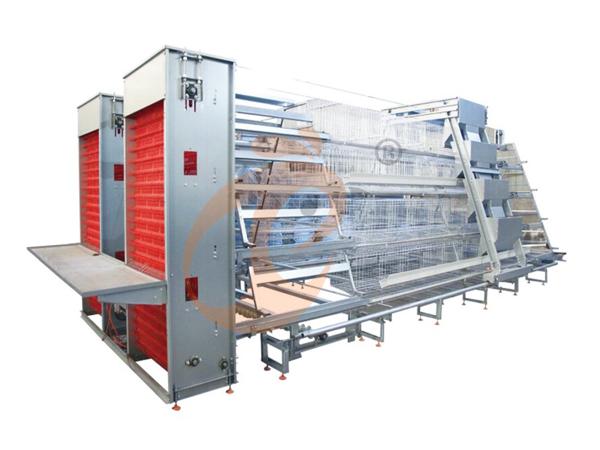
5. Our 24 hour online reception What’sApp NO. is +8618830120193 <30,000 Pullets Automatic A Type Battery Cage1. 10,000 to 30,000 pullets a house, choose it.
2. It is designed to rearing older than 1 day old pullets to 12 to 16 weeks old chicken starting laying eggs.
3. Its lifespan is more than 25 years.
4. Its structure are Vcloud artificial intelligent fusion, electric control cabinet, automatic equipment of drinking, feeding, manure clean, manual harvesting.
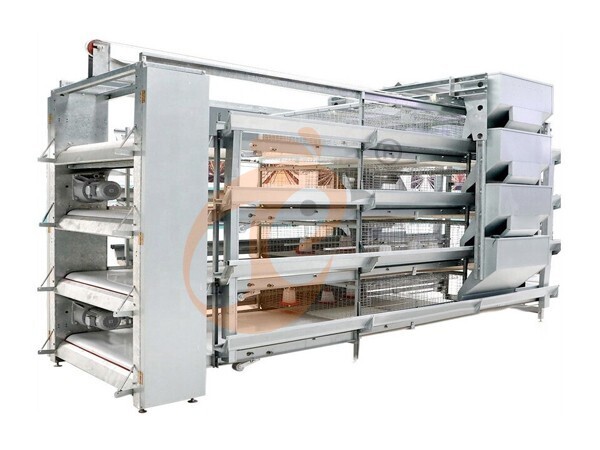
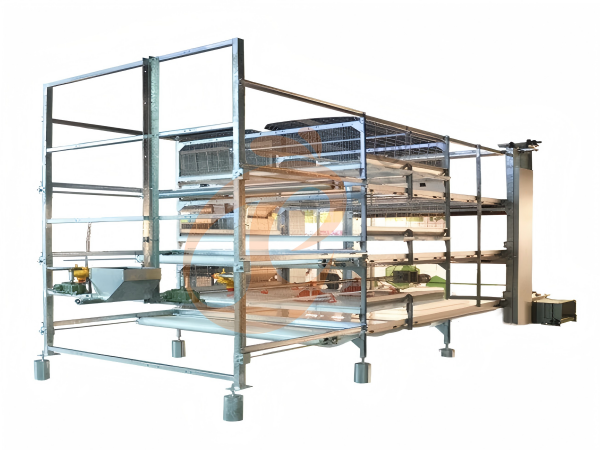
5. Our 24 hour online reception What’sApp NO. is +86 18830120193. >30,000 Broilers Semi-Automatic Harvest H Type Battery Cage1. More than 30,000 broilers a house, choose it.
2. It is designed to rearing 1 to 45 day old adult broiler ready for market.
3. Its lifespan is more than 20 years.
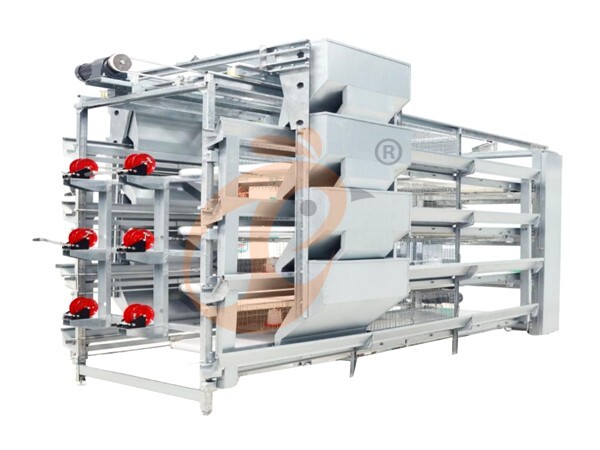
4. Our 24 hour online reception What’sApp NO. is +8618830120193, +234 8111199996. >30,000 Broilers Manual Harvest H Type Battery Cage1. More than 30,000 broilers a house, choose it.
2. It is designed to rearing 1 to 45 day old adult broiler ready for market.
3. Its lifespan is more than 20 years.
4. Its structure are Vcloud artificial intelligent fusion, electric control cabinet, automatic equipment of drinking, feeding and manure clean, manual harvesting.
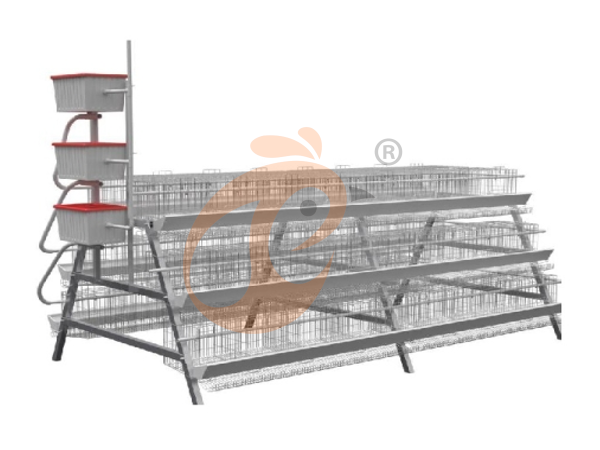
5. Our 24 hour online reception What’sApp NO. is +8618830120193, +234 8111199996. <30,000 Broilers Manual Harvest A Type Battery Cage1. Less 30,000 broilers a house, choose it.
2. It is designed to rearing 1 to 45 day old adult broiler ready for market.
3. Its lifespan is more than 20 years.
4. Its structure are Vcloud artificial intelligent fusion, electric control cabinet, automatic equipment of drinking, feeding and manure clean, manual harvesting.
5. Our 24 hour online reception What’sApp NO. is +8618830120193, +234 8111199996. HK Headquarter Offers EU-standard Poultry Farm Solutions, Manufacture Poultry Farm Equipment1. Continuous communication with the EU and the US
2. China, Nigeria, Ethiopia, Tanzania branch companies and factories
3. The products’ quality is customized for local poultry farms
4. Poultry cage and poultry farm equipment stock for sale
5. 24 online reception Whatsapp NO. : +8618830120193,contact us to get full information China Branch Offer Poultry Farm Business Plan, Manufacture Poultry Farm Equipment1. Address: Flat/RM 2416, 24/F, Runxing Building, Youyi Nan Street, Shijiazhuang City, Hebei Province, China
2. Poultry cage and poultry farm equipment factory and stock for sale
3. Customized for local poultry farms
4. Quality and design are based on Euro
5. 24 online reception Whatsapp NO. : +8618830120193 Nigeria Branch Offer Poultry Farm Business Plan, Manufacture Poultry Farm Equipment1. Address: After Sinoma Office, 200 Meters Near Danco Filling Station, Lagos/Ibadan Expressway, Lagos State, Nigeria
2. Poultry cage and poultry farm equipment factory and stock for sale
3. Customized for Nigerian poultry farms
4. Quality and design are based on Euro
5. 24 online reception Whatsapp NO. : +8618830120193 Ethiopia Branch Offer Poultry Farm Business Plan, Manufacture Poultry Farm Equipment1. Address: Gelan Gura, Akaki-kaliti Sub City, Addis Ababa, Ethiopia
2. Poultry cage and poultry farm equipment stock for sale
3. Customized for Ethiopian poultry farms
4. Quality and design are based on Euro
5. 24 online reception Whatsapp NO. : +8618830120193, contact us to get price list Tanzania Branch Offer Poultry Farm Business Plan, Manufacture Poultry Farm Equipment1. Address: No.8, Sova Road, Msufini, Mlandizi, Kibaha, Pwani, Tanzania
2. Poultry cage and poultry farm equipment factory and stock for sale
3. Customized for Tanzanian poultry farms
4. Quality and design are based on Euro
5. 24 online reception Whatsapp NO. : +8618830120193


Contact