


Blog
Poultry housing thermal regulation systems integrate forced-air circulation, radiant heating, and hot-water conduction technologies to maintain controlled microclimate stability across large-scale production facilities.
Engineering design focuses on heat load calculation, insulation performance metrics, and airflow distribution modeling to ensure uniform temperature gradients within livestock environments.
System architecture incorporates sensor-driven feedback loops, enabling real-time adjustment of thermal output and reducing environmental fluctuation across brooding zones.
Energy transfer efficiency is evaluated through thermodynamic balance between convection, radiation, and conductive heat pathways within enclosed agricultural structures.
Get professional poultry farm construction guidance, equipment selection solutions, and the latest price lists, whatsApp to +8618830120193, click to learn more:
Winter Heating Systems For Poultry Farms
Poultry farms mainly use forced-air heaters, gas brooders, infrared radiant heaters, and hot-water pipe systems.
Each system differs in thermal distribution efficiency and energy consumption per square meter.
Data is for reference only.Swipe horizontally to view full table.
Forced-air systems dominate large-scale poultry farms due to wide coverage and stable airflow regulation in poultry farm heater system deployment scenarios.
Farm Heating Load Calculation
Accurate thermal load calculation determines efficiency of poultry heating system deployment.
Poultry farms calculate heating demand based on bird density, insulation performance, and external ambient temperature gradient.
Data is for reference only.Swipe horizontally to view full table.
Higher stocking density requires increased thermal output for stable chicken coop heater performance during brooding cycles.
Heat Transfer In Poultry Environments
Heat transfer in poultry houses occurs through convection, radiation, and conduction.
Engineering design of poultry farm heater system directly affects thermal uniformity across floor and air layers.
Convection systems dominate forced-air heating distribution.
Infrared systems provide direct radiant energy absorption.
Conductive heating stabilizes ground-level temperature.
This reduces cold stress zones and improves metabolic stability in early-stage poultry growth.
Equipment Installation Workflow
Installation of poultry heating system requires structured mechanical sequencing.
Incorrect installation increases temperature deviation and energy inefficiency across poultry zones.
Data is for reference only.Swipe horizontally to view full table.
Sensor calibration ensures feedback loop stability for chicken coop heater control accuracy.
Temperature Distribution Optimization
Thermal balance in poultry houses depends on airflow symmetry and heater positioning.
Poultry farm heater system configuration must maintain stable gradient distribution.
Data is for reference only.Swipe horizontally to view full table.
Deviation above 2°C requires airflow correction using distributed fan systems.
Energy Consumption Analysis
Energy performance of poultry heating system depends on insulation integrity, heater type, and external climate conditions.
Data is for reference only.Swipe horizontally to view full table.
Hot-water systems show lower carbon output in chicken coop heater engineering models.
Poultry Health And Environmental Control
Heating systems integrate with ventilation engineering to regulate ammonia, carbon dioxide, and humidity.
Poultry farm heater system must maintain stable gas concentration thresholds to avoid respiratory stress.
Data is for reference only.Swipe horizontally to view full table.
Ventilation synergy stabilizes environmental equilibrium in poultry production units.
Troubleshooting Heating System Failures
Operational failures in poultry heating system are mainly linked to sensor drift, airflow blockage, and fuel instability.
Data is for reference only.Swipe horizontally to view full table.
Preventive maintenance stabilizes chicken coop heater operational lifecycle.
Operational Guidelines For Poultry Farmers
Operational control of poultry farm heater system requires gradual temperature adjustment and controlled ventilation scheduling.
Heating ramps must not exceed 1°C per hour to prevent thermal shock in poultry flocks.
Night insulation systems reduce heat loss.
Controlled lighting synchronizes metabolic activity with thermal stability.
This improves feed conversion ratio performance.
System Cost Structure And Investment Planning
Investment structure for poultry heating system depends on scale, automation level, and energy source selection.
Data is for reference only.Swipe horizontally to view full table.
European union standard reference only applies to energy and emission conversion benchmarks.
Frequently Asked Questions
Q1: What is the optimal heating capacity for poultry house sizing?
Heating capacity depends on stocking density and insulation level.
A 1000 m² poultry house typically requires 90–110 kW load capacity to maintain 28–32°C brooding temperature.
Q2: Which poultry heating system is most stable for large farms?
Forced-air systems provide stable airflow distribution across 300–1200 m² zones.
They ensure uniform temperature control and reduced cold stress clustering.
Q3: How often should heating sensors be calibrated?
Sensor calibration should be performed every 30–45 days.
This maintains ±0.5°C accuracy for stable poultry environmental control.
Taiyu (HK) Group - One Of China Largest Poultry Heating System Manufacturer
Poultry farm heater system delivers stable temperature control for large scale poultry houses exceeding 2000 square meters production capacity design.
Factory direct poultry heating system supply ensures cost reduction, stable performance, and long-term industrial farm heating infrastructure integration globally.
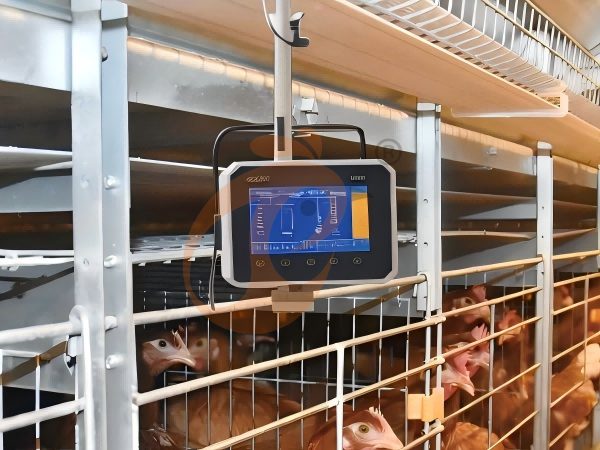
Poultry equipment manufacturing includes automated heater units, ventilation systems, and temperature control modules for modern poultry farm engineering projects.
Poultry cage integrated heating solutions support brooding efficiency improvement, uniform heat distribution, and optimized bird survival rate management systems.
Turn-key engineering poultry farm heating projects include design, installation, commissioning, and long-term maintenance service for global agricultural production systems.
Contact Us To Received Your Customized Poultry Farm Plan
Headquarters And Branchs

Hong Kong Headquarter Management Team
Hong Kong Headquarter Taiyu Industrial Group CO., LTD
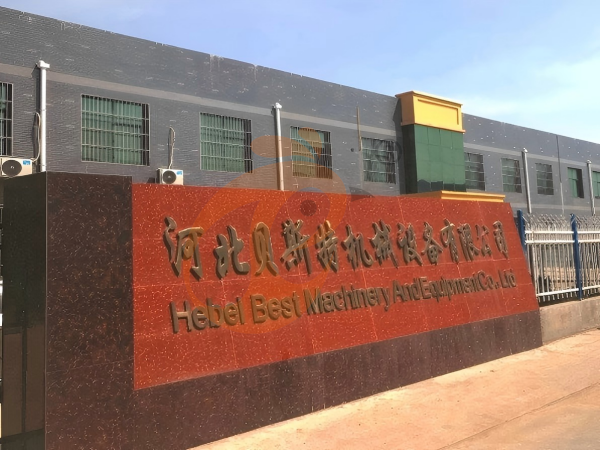
China Hebei Best Machinery And Equipment CO., LTD
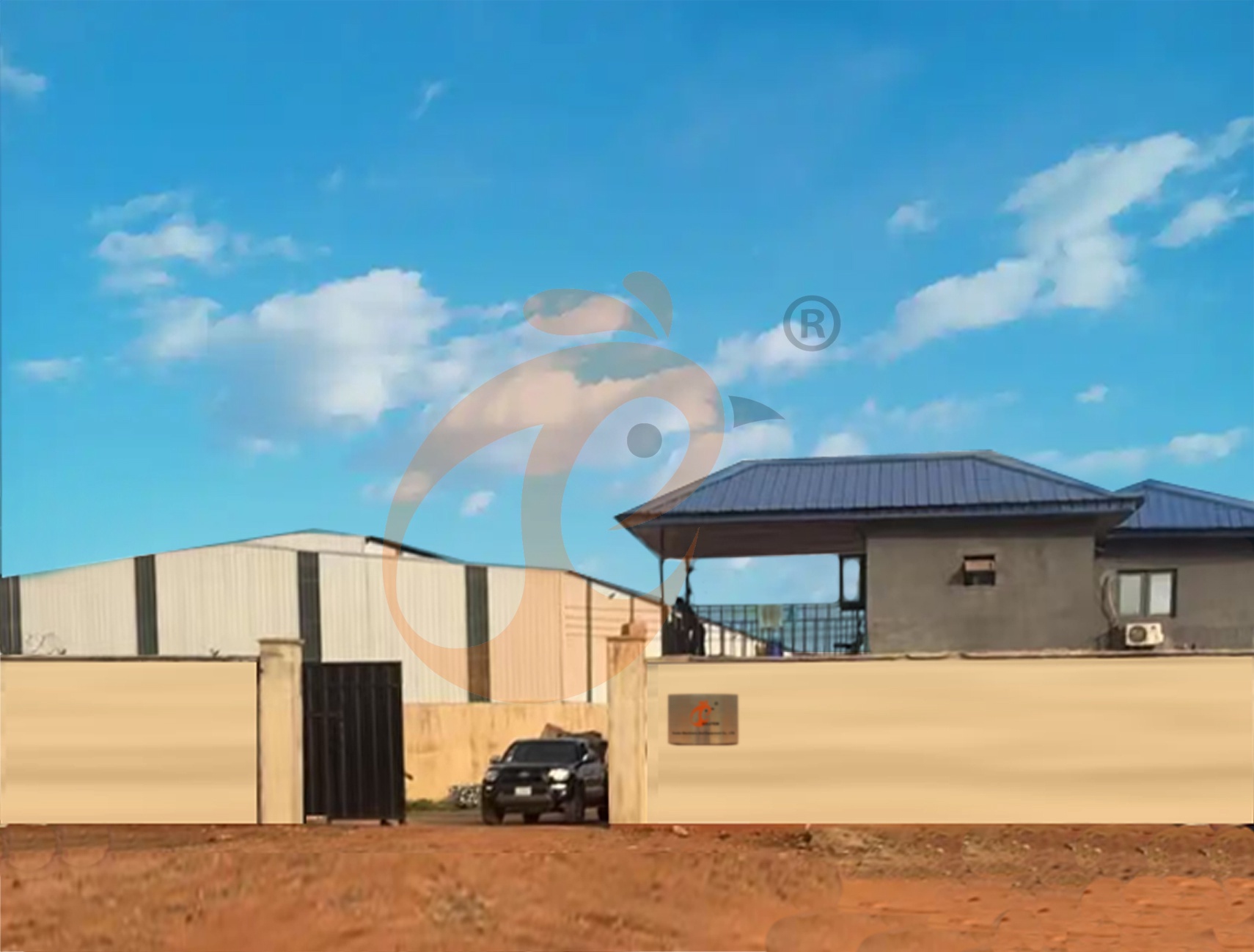
Nigeria Vanke Machinery And Equipment CO., LTD
Tanzania Best Machinery And Equipment CO., LTD
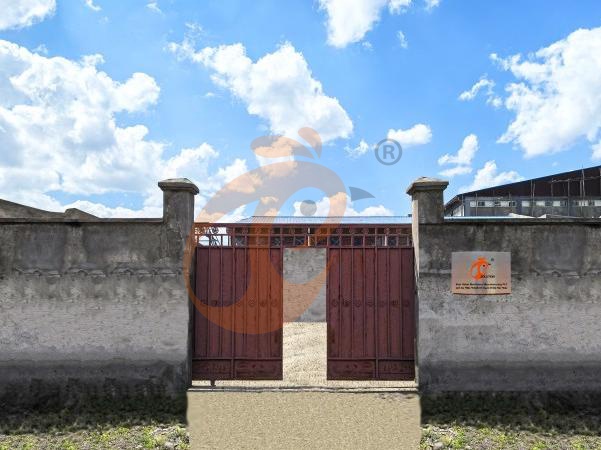
Ethiopia Best Hebei Machinery Manufacturing PLC




Reception /24 WhatsApp NO. : +8618830120193
FAQ
How Does Negative Pressure Ventilation Improve Air Quality In Poultry Chicken Houses?
Air exchange efficiency improves by 15–25%, reducing ammonia concentration below 25 ppm in intensive broiler systems.
Controlled inlet air velocity of 3.5–5.0 meters per second enhances mixing efficiency and eliminates cold air drafts.
What Is The Energy Consumption Of Environmental Control Systems In Poultry Chicken Farms?
High-efficiency fans consume 0.025–0.040 kWh per cubic meter airflow, reducing operational costs by 18–25%.
Variable speed drives optimize power consumption, lowering peak energy demand by 20–30% during partial load conditions.
How Do Cooling Systems Maintain Temperature In Poultry Chicken Houses During Summer?
Water flow rates of 6–10 liters per minute per meter pad length ensure uniform wetting efficiency above 95%.
Cooling efficiency reaches 70–85% with airflow rates exceeding 2.8 meters per second in tunnel-ventilated poultry houses.
Message
Products recommended
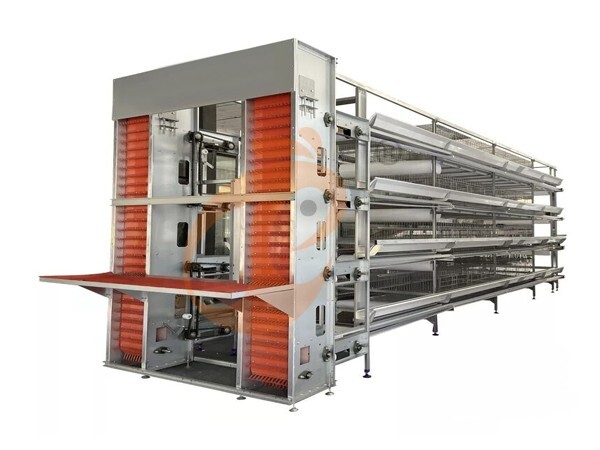
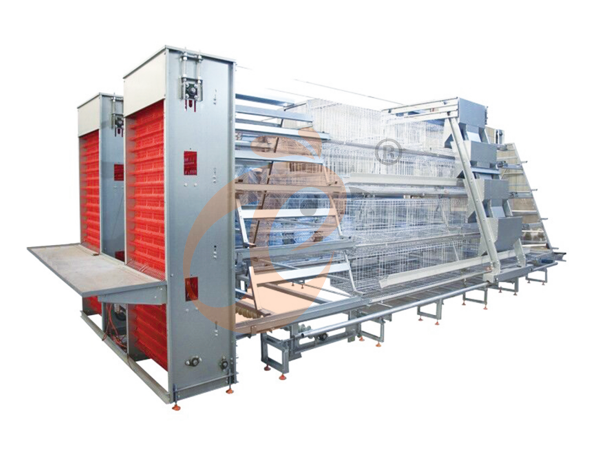
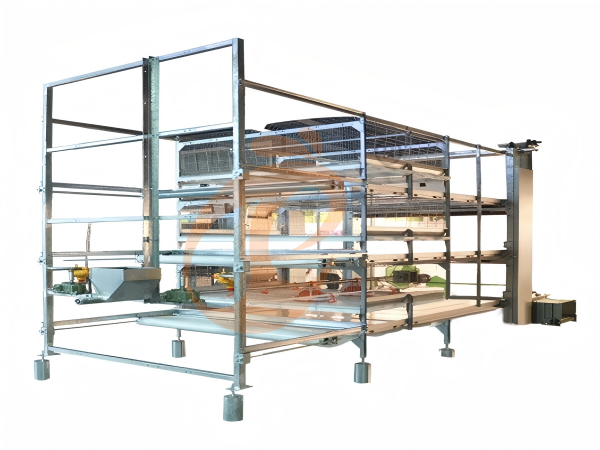
 >30,000 Pullets Automatic H Type Battery Cage1. More than 30,000 pullets a house, choose it.
2. It is designed to rearing older than 1 day old pullets to 12 to 16 weeks old chicken starting laying eggs.
3. Its lifespan is more than 25 years.
4. Its structure are Vcloud artificial intelligent fusion, electric control cabinet, automatic equipment of drinking, feeding, manure clean, manual harvesting.
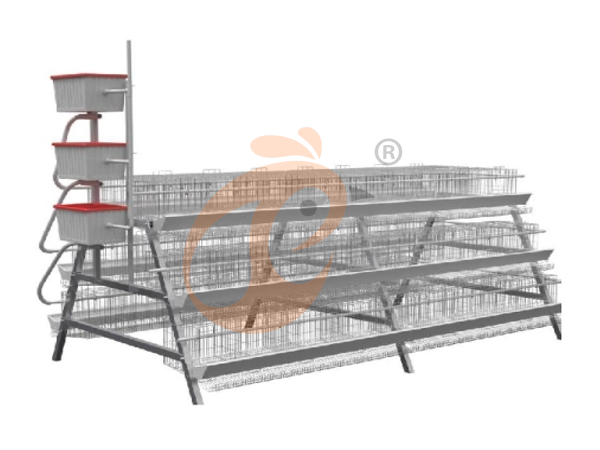
5. Our 24 hour online reception What’sApp NO. is +8618830120193 <30,000 Pullets Automatic A Type Battery Cage1. 10,000 to 30,000 pullets a house, choose it.
2. It is designed to rearing older than 1 day old pullets to 12 to 16 weeks old chicken starting laying eggs.
3. Its lifespan is more than 25 years.
4. Its structure are Vcloud artificial intelligent fusion, electric control cabinet, automatic equipment of drinking, feeding, manure clean, manual harvesting.
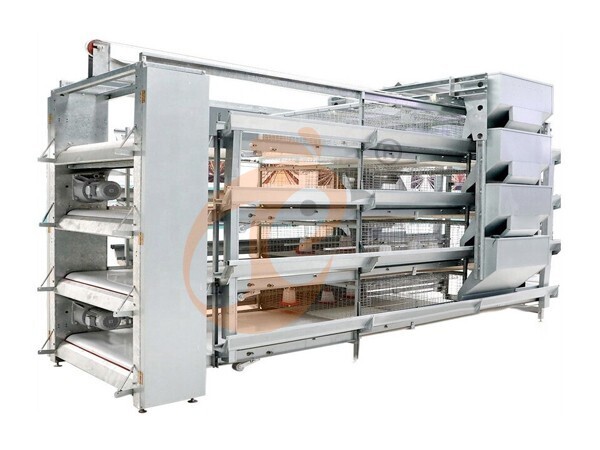
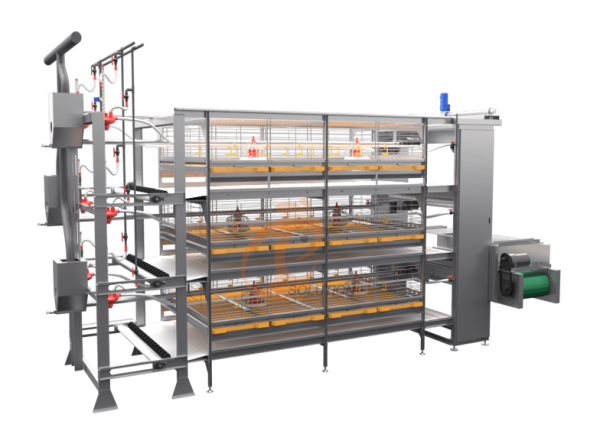
5. Our 24 hour online reception What’sApp NO. is +86 18830120193. >30,000 Broilers Semi-Automatic Harvest H Type Battery Cage1. More than 30,000 broilers a house, choose it.
2. It is designed to rearing 1 to 45 day old adult broiler ready for market.
3. Its lifespan is more than 20 years.
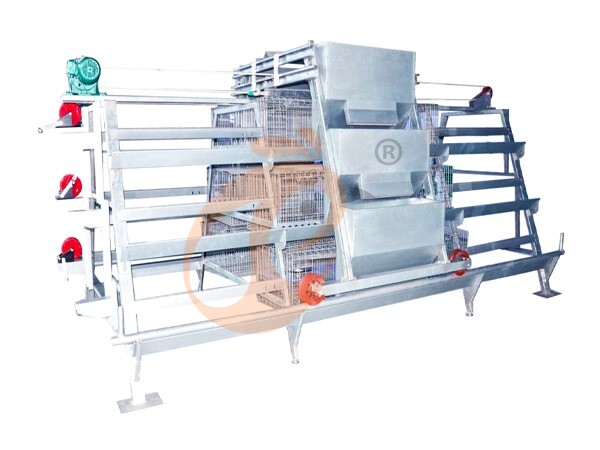
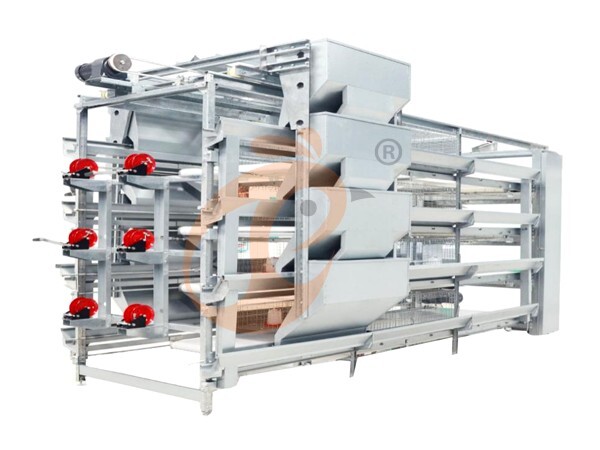
4. Our 24 hour online reception What’sApp NO. is +8618830120193, +234 8111199996. >30,000 Broilers Manual Harvest H Type Battery Cage1. More than 30,000 broilers a house, choose it.
2. It is designed to rearing 1 to 45 day old adult broiler ready for market.
3. Its lifespan is more than 20 years.
4. Its structure are Vcloud artificial intelligent fusion, electric control cabinet, automatic equipment of drinking, feeding and manure clean, manual harvesting.
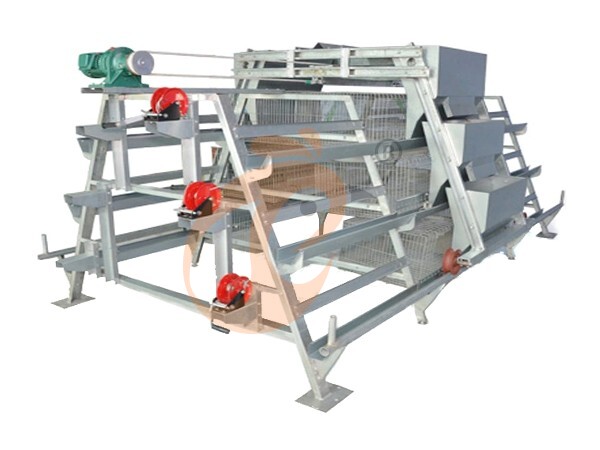
5. Our 24 hour online reception What’sApp NO. is +8618830120193, +234 8111199996. <30,000 Broilers Manual Harvest A Type Battery Cage1. Less 30,000 broilers a house, choose it.
2. It is designed to rearing 1 to 45 day old adult broiler ready for market.
3. Its lifespan is more than 20 years.
4. Its structure are Vcloud artificial intelligent fusion, electric control cabinet, automatic equipment of drinking, feeding and manure clean, manual harvesting.
5. Our 24 hour online reception What’sApp NO. is +8618830120193, +234 8111199996. HK Headquarter Offers EU-standard Poultry Farm Solutions, Manufacture Poultry Farm Equipment1. Continuous communication with the EU and the US
2. China, Nigeria, Ethiopia, Tanzania branch companies and factories
3. The products’ quality is customized for local poultry farms
4. Poultry cage and poultry farm equipment stock for sale
5. 24 online reception Whatsapp NO. : +8618830120193,contact us to get full information China Branch Offer Poultry Farm Business Plan, Manufacture Poultry Farm Equipment1. Address: Flat/RM 2416, 24/F, Runxing Building, Youyi Nan Street, Shijiazhuang City, Hebei Province, China
2. Poultry cage and poultry farm equipment factory and stock for sale
3. Customized for local poultry farms
4. Quality and design are based on Euro
5. 24 online reception Whatsapp NO. : +8618830120193 Nigeria Branch Offer Poultry Farm Business Plan, Manufacture Poultry Farm Equipment1. Address: After Sinoma Office, 200 Meters Near Danco Filling Station, Lagos/Ibadan Expressway, Lagos State, Nigeria
2. Poultry cage and poultry farm equipment factory and stock for sale
3. Customized for Nigerian poultry farms
4. Quality and design are based on Euro
5. 24 online reception Whatsapp NO. : +8618830120193 Ethiopia Branch Offer Poultry Farm Business Plan, Manufacture Poultry Farm Equipment1. Address: Gelan Gura, Akaki-kaliti Sub City, Addis Ababa, Ethiopia
2. Poultry cage and poultry farm equipment stock for sale
3. Customized for Ethiopian poultry farms
4. Quality and design are based on Euro
5. 24 online reception Whatsapp NO. : +8618830120193, contact us to get price list Tanzania Branch Offer Poultry Farm Business Plan, Manufacture Poultry Farm Equipment1. Address: No.8, Sova Road, Msufini, Mlandizi, Kibaha, Pwani, Tanzania
2. Poultry cage and poultry farm equipment factory and stock for sale
3. Customized for Tanzanian poultry farms
4. Quality and design are based on Euro
5. 24 online reception Whatsapp NO. : +8618830120193




Contact