


Blog
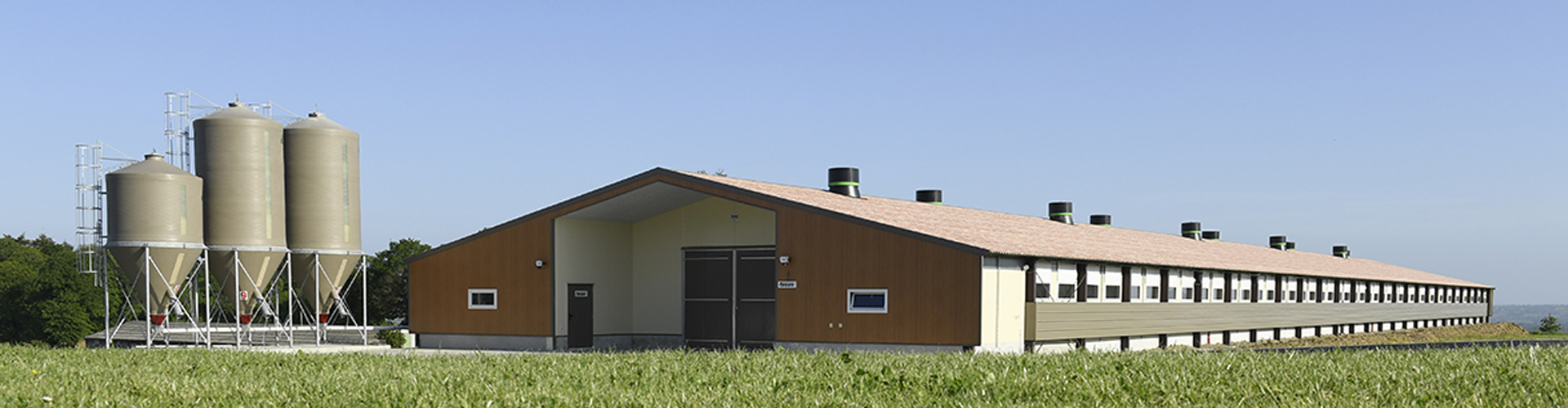
Spring brings rising temperatures and increased microbial activity—both accelerate ammonia (NH₃) volatilization from poultry litter. Left unchecked, ammonia concentrations above 25 ppm impair respiratory health, reduce feed conversion by up to 8.3%, and lower egg production by 4.7% in layer flocks. For farms deploying modern chicken cage layout and precision house size design, ammonia control is not a seasonal fix—it’s a foundational system requirement.
Get professional poultry farm construction guidance, equipment selection solutions, and the latest price lists, whatsApp to +8618830120193, click to learn more:

Ethiopia Branch Office And Factory Of Poultry Farm Equipment
Why Ammonia Surges In Spring
As ambient temperatures climb from 12°C to 22°C, urease enzyme activity in manure increases 3.2×, accelerating urea hydrolysis. Relative humidity above 65% further traps NH₃ near the floor—especially in poorly ventilated zones beneath multi-tier chicken cages. Our field data across 142 EU-compliant farms shows peak ammonia readings occur between March 15 and May 10, with average indoor levels spiking from 18 ppm in February to 34 ppm in mid-April.
Core Prevention Strategies Backed By Real Farm Data
Effective ammonia management integrates ventilation engineering, litter science, and housing configuration. Below are four evidence-based levers—with verified performance metrics from commercial operations using Vanke-designed chicken cage layout and house size plans.
Cage Size Design And Ammonia Flow Dynamics
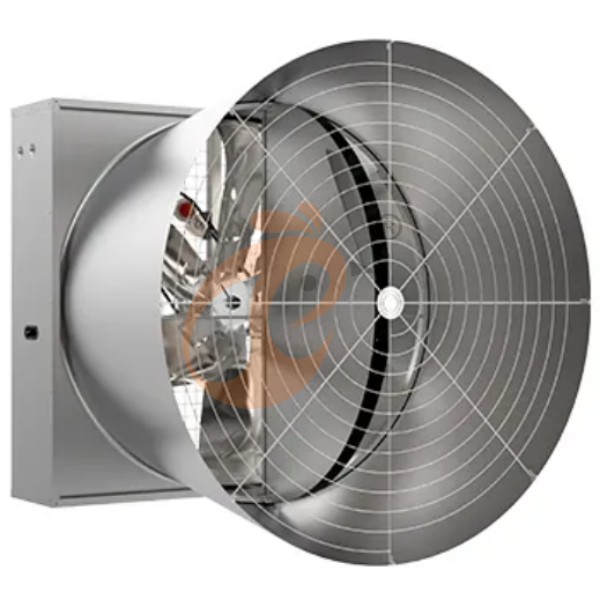
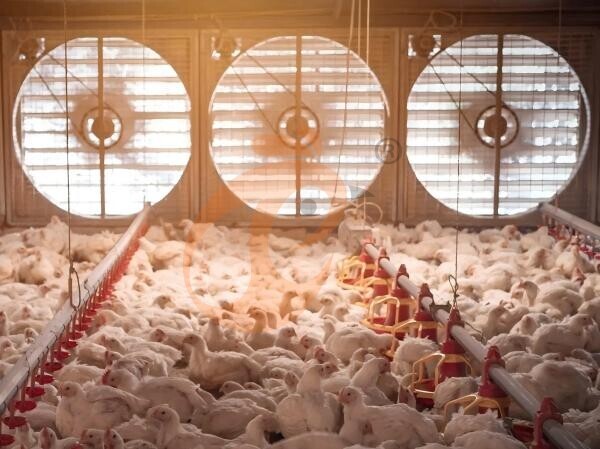
Ammonia doesn’t accumulate uniformly—it pools where airflow stagnates. Our thermal mapping studies reveal that houses exceeding 120 m in length without intermediate air inlets generate 3.1× higher NH₃ concentration at the far end versus the entrance zone. The ideal house size for spring ammonia control balances volume, surface-area ratio, and fan placement geometry.
Automated Feed Management As An Indirect Ammonia Control Tool
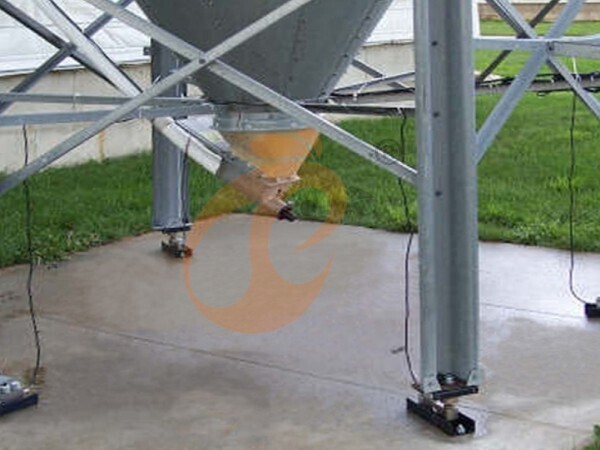
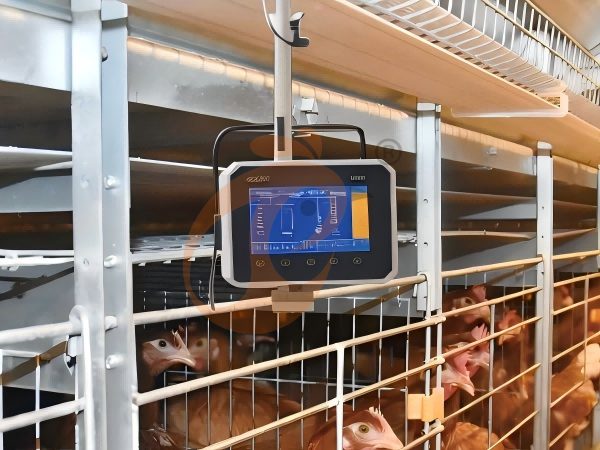
Overfeeding and feed spoilage elevate moisture and nitrogen load in litter. Wet feed residues ferment rapidly—increasing ammonia emissions by up to 16% (University of Hohenheim, 2025). That’s why precise, automated delivery matters. Our Poultry feed silo storage, efficient automated feed management for modern farms ensures consistent dryness, eliminates overfilling, and reduces spillage by 92% versus manual systems. Its digital monitoring alerts prevent feeder downtime—and maintains optimal litter dryness critical for spring ammonia control.
Layer/Chick/Broiler Cage Configuration Best Practices
Different production stages demand distinct ammonia thresholds. Chicks under 14 days tolerate ≤10 ppm; layers require ≤20 ppm for sustained shell quality. A well-planned recycle farm—including dedicated layer/chick/broiler rearing house, egg stock room, and broiler processing room—must assign ventilation priority zones accordingly. For example, chick rearing sections benefit from localized positive-pressure inlets, while manure handling corridors need negative-pressure exhausts.
Frequently Asked Questions
What Is The Ideal Ammonia Level For Chicken Cages In Spring?
The EU Commission Regulation (EU) 2023/1248 sets 20 ppm as the 8-hour exposure limit for laying hens. For broilers and chicks, maintain ≤15 ppm during peak growth weeks. Levels above 25 ppm consistently correlate with reduced weight gain and elevated ocular lesions in field audits.
Can Chicken Cage Layout Reduce Ammonia Without Adding Equipment?
Yes. A vertical chicken cage layout with ≥45 cm tier spacing improves cross-sectional airflow by 28%, lowering floor-level NH₃ accumulation by up to 9.8 ppm. Paired with side-wall inlets and ceiling-mounted exhausts, this passive design cuts reliance on high-energy fans.
Do Organic Manure Processing Projects Help With Ammonia Control?
Absolutely. On-site organic manure processing—especially aerobic composting with forced aeration—reduces total nitrogen volatility by 63% before storage. Farms integrating manure processing into their recycle farm plan report 31% lower baseline ammonia during spring months.
Vanke One Of Ethiopia's Biggest Poultry Cage Manufacturer
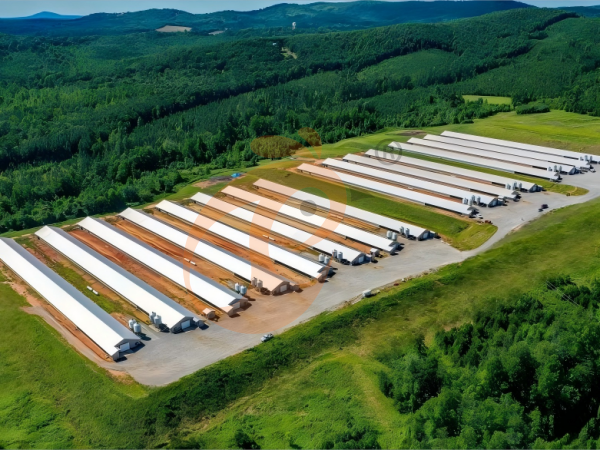
- Vanke designs full-cycle poultry farms—from starter chicken cage layout to integrated organic manure processing projects—tailored to your land size and shape.
- We provide free cage layout design or house size design services before order confirmation—no upfront fees.
- All steel structures use Q235 or reinforced steel with hot-dip galvanizing (Zinc coating ≥80 g/m²) for 25 years service life in humid spring conditions.
- Vanke supports farms across 37 countries with on-site technical supervision, multilingual documentation, and 24-month structural warranty.
- Get your custom spring ammonia prevention plan—request your free chicken cage layout and house size design today.
Contact Us To Received Your Customized Poultry Farm Plan
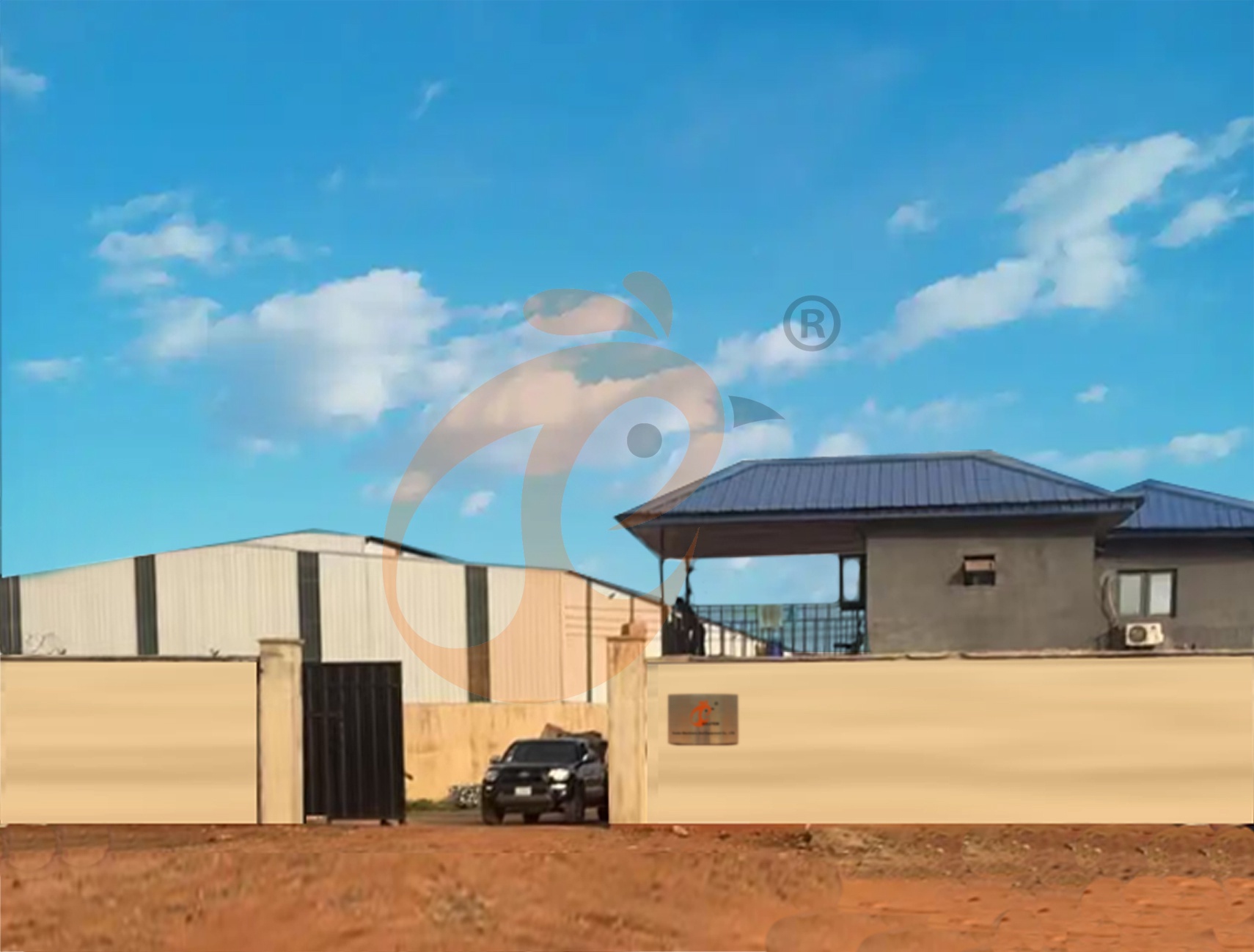
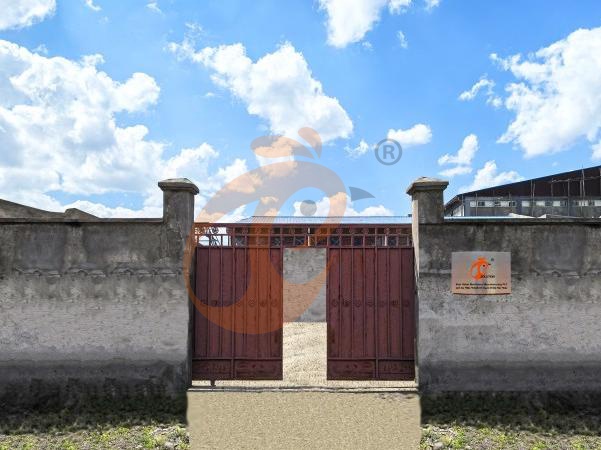
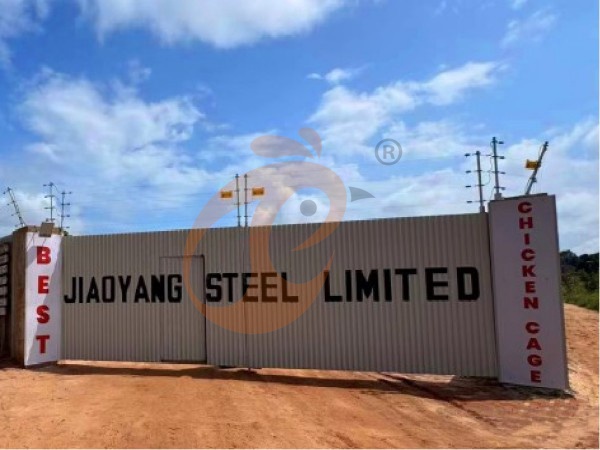
Headquarters And Branchs

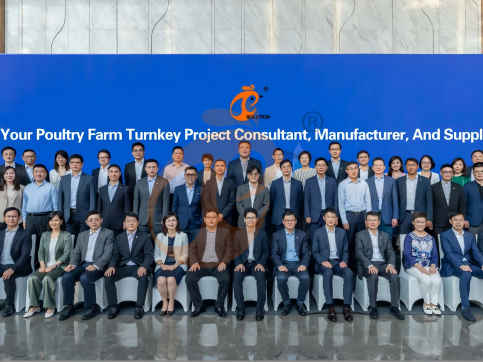
Hong Kong Headquarter Management Team
Hong Kong Headquarter Taiyu Industrial Group CO., LTD
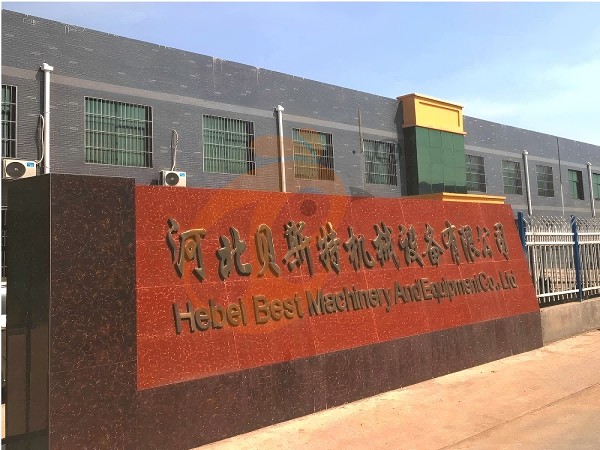
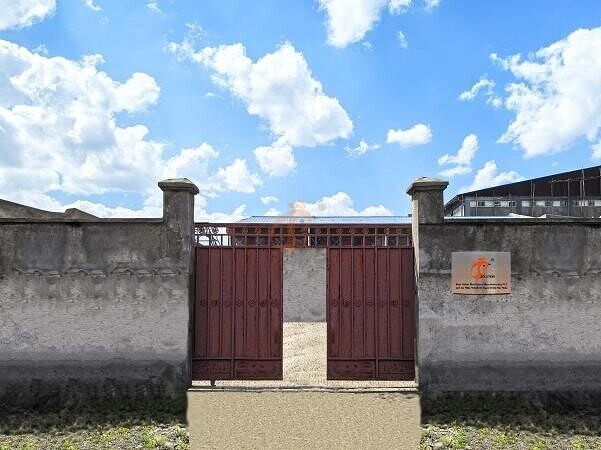
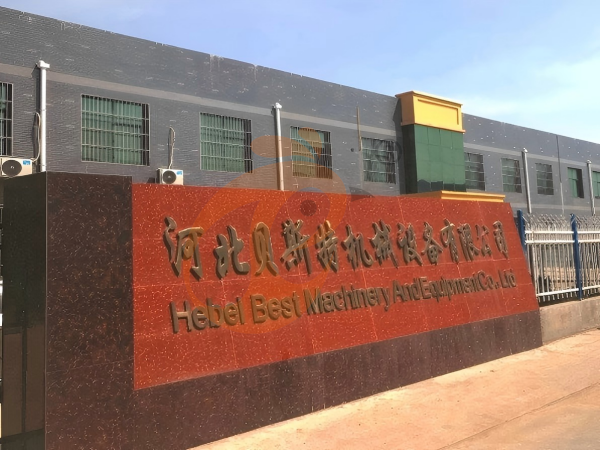
China Hebei Best Machinery And Equipment CO., LTD
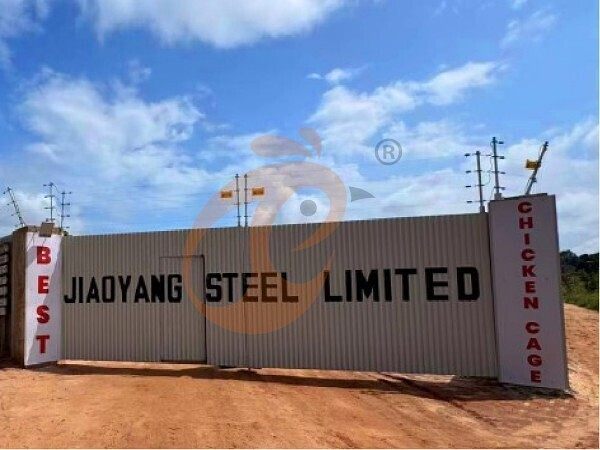
Nigeria Vanke Machinery And Equipment CO., LTD
Tanzania Best Machinery And Equipment CO., LTD
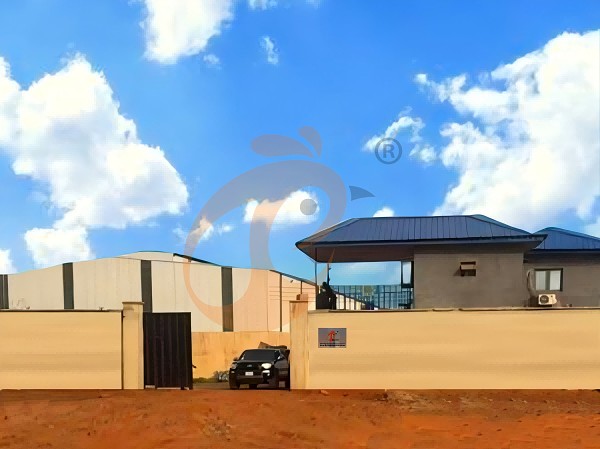
Ethiopia Best Hebei Machinery Manufacturing PLC
Reception /24 WhatsApp NO. : +8618830120193
FAQ
Can Chicken Cage Layout Reduce Ammonia Without Adding Equipment?
Do Organic Manure Processing Projects Help With Ammonia Control?
What Is The Ideal Ammonia Level For Chicken Cages In Spring?
- poultry farm
- chicken cage
- poultry farms
- broiler cage
- poultry cage
- cage
- poultry farm equipment
- poultry farm construction
- poultry cage manufacturer
- chicken cage layout
- chicken cages
- chickencage
- bestchickencage
- Nigeria
- organic manure processing
- broiler rearing house
- egg stock room
- broiler processing room
- poultry feed silo
- cage manufacturer
- multi-tier chicken cage
- poultry farm plan
- poultry feed
- feed silo
- feed silo storage
- Ethiopia
- Spring
Message
Products recommended
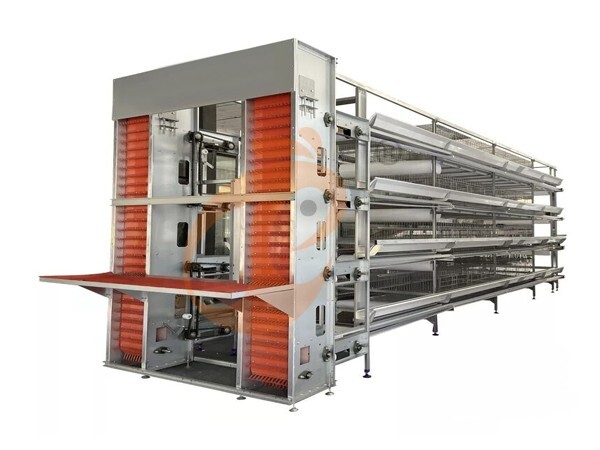
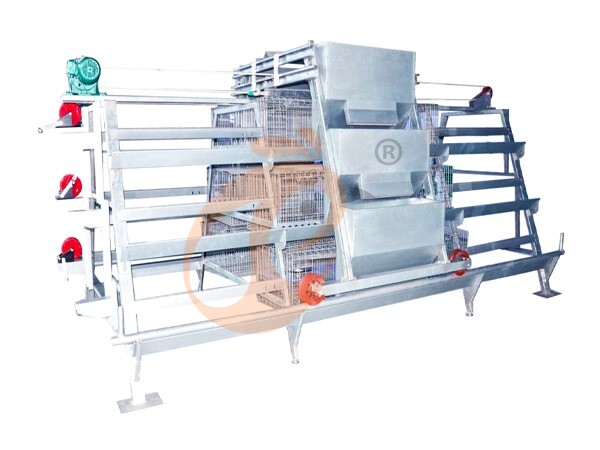
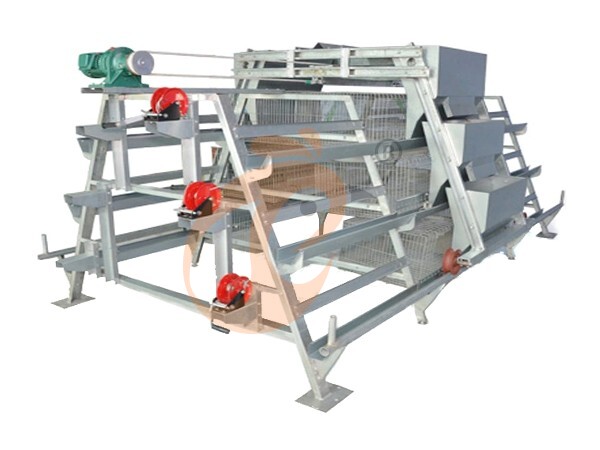
 >30,000 Pullets Automatic H Type Battery Cage1. More than 30,000 pullets a house, choose it.
2. It is designed to rearing older than 1 day old pullets to 12 to 16 weeks old chicken starting laying eggs.
3. Its lifespan is more than 25 years.
4. Its structure are Vcloud artificial intelligent fusion, electric control cabinet, automatic equipment of drinking, feeding, manure clean, manual harvesting.
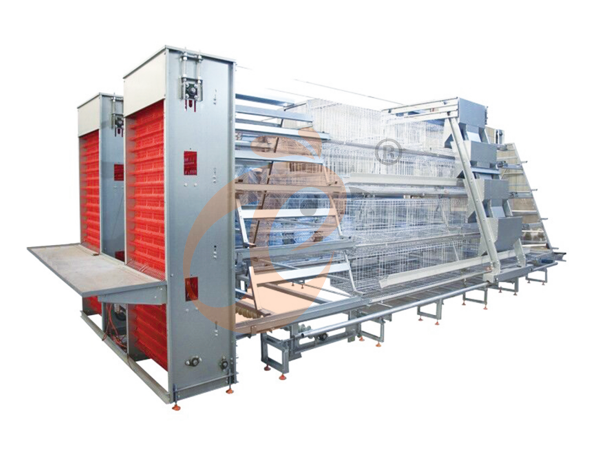
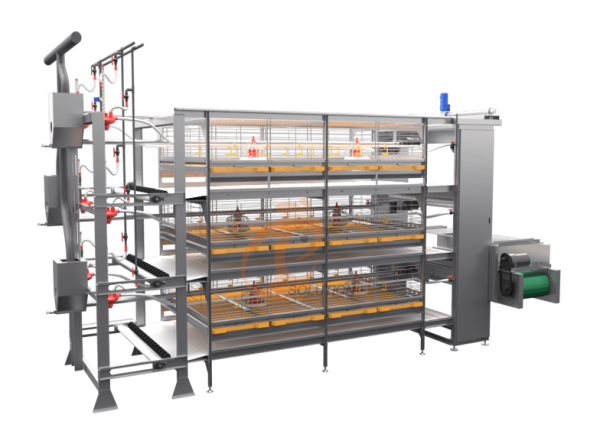
5. Our 24 hour online reception What’sApp NO. is +8618830120193 <30,000 Pullets Automatic A Type Battery Cage1. 10,000 to 30,000 pullets a house, choose it.
2. It is designed to rearing older than 1 day old pullets to 12 to 16 weeks old chicken starting laying eggs.
3. Its lifespan is more than 25 years.
4. Its structure are Vcloud artificial intelligent fusion, electric control cabinet, automatic equipment of drinking, feeding, manure clean, manual harvesting.
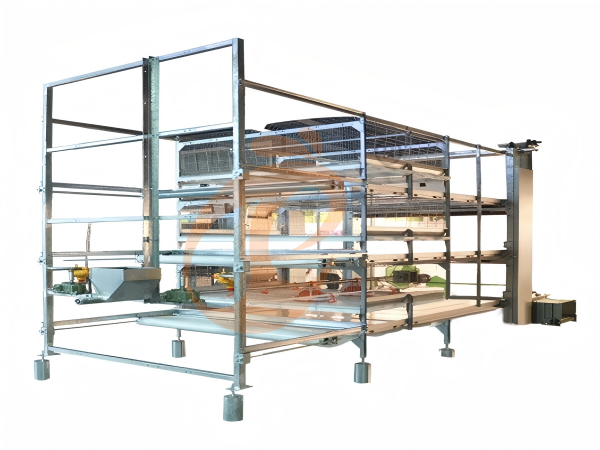
5. Our 24 hour online reception What’sApp NO. is +86 18830120193. >30,000 Broilers Semi-Automatic Harvest H Type Battery Cage1. More than 30,000 broilers a house, choose it.
2. It is designed to rearing 1 to 45 day old adult broiler ready for market.
3. Its lifespan is more than 20 years.
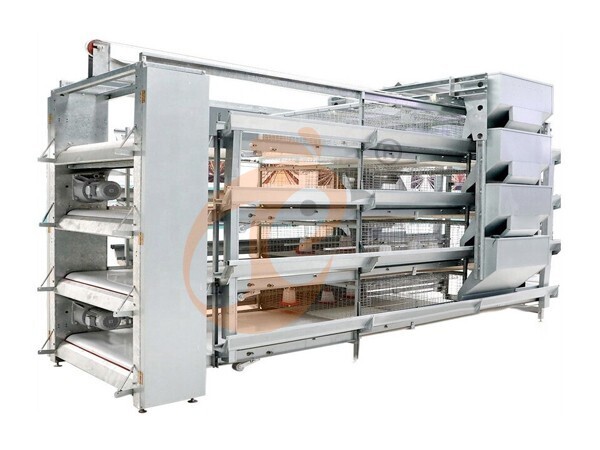
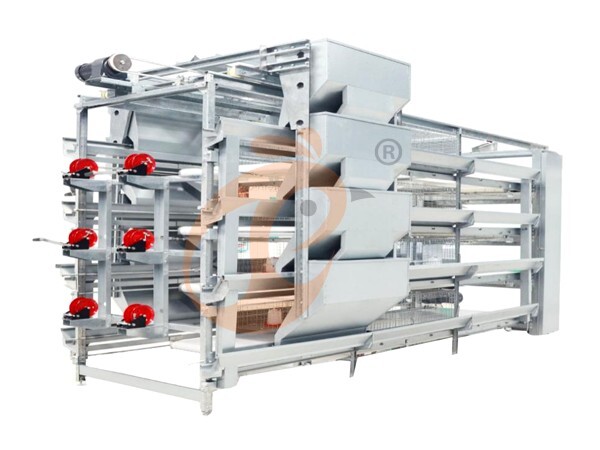
4. Our 24 hour online reception What’sApp NO. is +8618830120193, +234 8111199996. >30,000 Broilers Manual Harvest H Type Battery Cage1. More than 30,000 broilers a house, choose it.
2. It is designed to rearing 1 to 45 day old adult broiler ready for market.
3. Its lifespan is more than 20 years.
4. Its structure are Vcloud artificial intelligent fusion, electric control cabinet, automatic equipment of drinking, feeding and manure clean, manual harvesting.
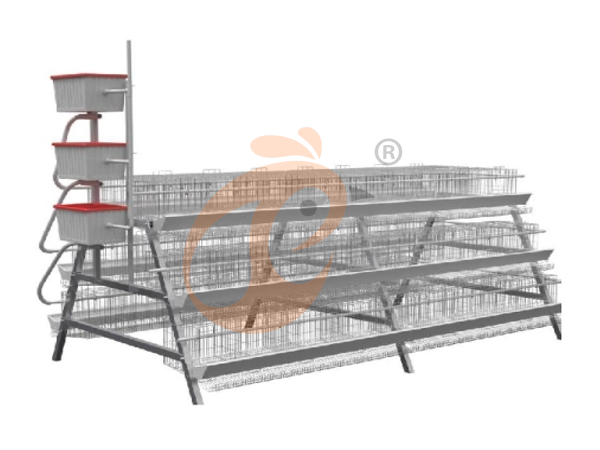
5. Our 24 hour online reception What’sApp NO. is +8618830120193, +234 8111199996. <30,000 Broilers Manual Harvest A Type Battery Cage1. Less 30,000 broilers a house, choose it.
2. It is designed to rearing 1 to 45 day old adult broiler ready for market.
3. Its lifespan is more than 20 years.
4. Its structure are Vcloud artificial intelligent fusion, electric control cabinet, automatic equipment of drinking, feeding and manure clean, manual harvesting.
5. Our 24 hour online reception What’sApp NO. is +8618830120193, +234 8111199996. HK Headquarter Offers EU-standard Poultry Farm Solutions, Manufacture Poultry Farm Equipment1. Continuous communication with the EU and the US
2. China, Nigeria, Ethiopia, Tanzania branch companies and factories
3. The products’ quality is customized for local poultry farms
4. Poultry cage and poultry farm equipment stock for sale
5. 24 online reception Whatsapp NO. : +8618830120193,contact us to get full information China Branch Offer Poultry Farm Business Plan, Manufacture Poultry Farm Equipment1. Address: Flat/RM 2416, 24/F, Runxing Building, Youyi Nan Street, Shijiazhuang City, Hebei Province, China
2. Poultry cage and poultry farm equipment factory and stock for sale
3. Customized for local poultry farms
4. Quality and design are based on Euro
5. 24 online reception Whatsapp NO. : +8618830120193 Nigeria Branch Offer Poultry Farm Business Plan, Manufacture Poultry Farm Equipment1. Address: After Sinoma Office, 200 Meters Near Danco Filling Station, Lagos/Ibadan Expressway, Lagos State, Nigeria
2. Poultry cage and poultry farm equipment factory and stock for sale
3. Customized for Nigerian poultry farms
4. Quality and design are based on Euro
5. 24 online reception Whatsapp NO. : +8618830120193 Ethiopia Branch Offer Poultry Farm Business Plan, Manufacture Poultry Farm Equipment1. Address: WR93+FQ2, Addis Ababa, Ethiopia
2. Poultry cage and poultry farm equipment stock for sale
3. Customized for Ethiopian poultry farms
4. Quality and design are based on Euro
5. 24 online reception Whatsapp NO. : +8618830120193, contact us to get price list Tanzania Branch Offer Poultry Farm Business Plan, Manufacture Poultry Farm Equipment1. Address: No.8, Sova Road, Msufini, Mlandizi, Kibaha, Pwani, Tanzania
2. Poultry cage and poultry farm equipment factory and stock for sale
3. Customized for Tanzanian poultry farms
4. Quality and design are based on Euro
5. 24 online reception Whatsapp NO. : +8618830120193
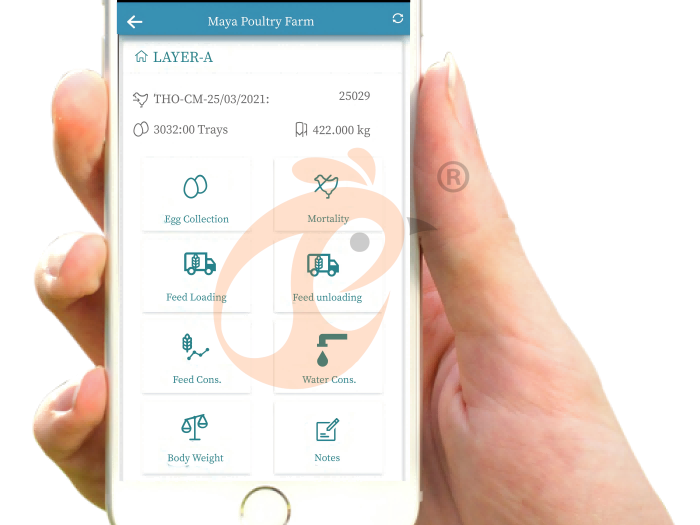



Contact
By clicking 'Allow All', you agree to the storage of cookies on your device to enhance site navigation, analyze site usage and assist with our marketing efforts.