


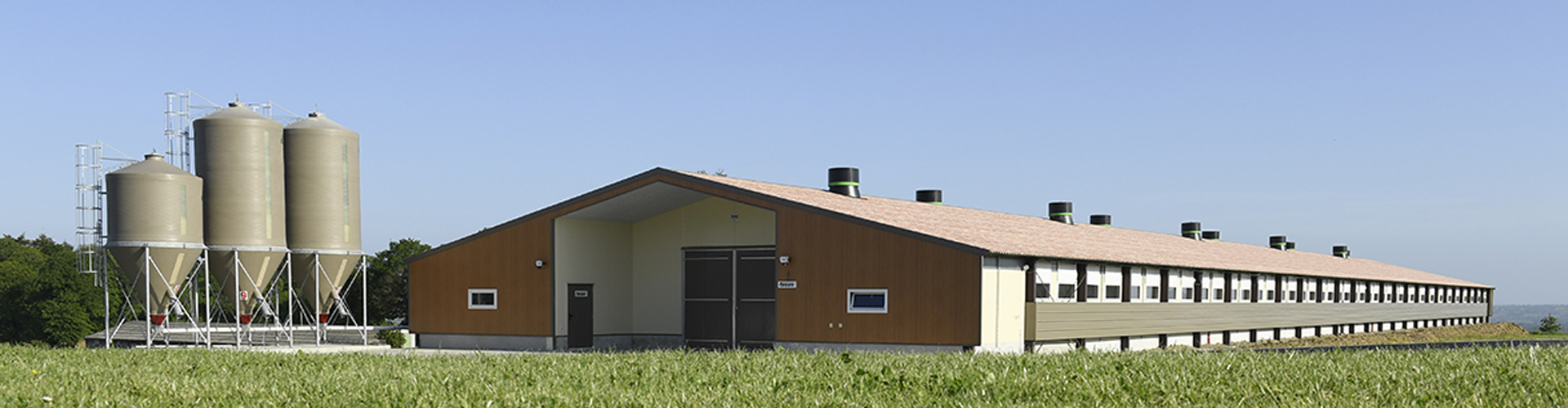
Blog
Ethiopian chicken cage systems are transforming rapidly.
Stress management is crucial for layer productivity and egg quality.
Proper nutrition, water, ventilation, lighting, and biosecurity reduce stress.
High-density H-type chicken cages require precise thermal and micro-climate control.
Local feed additives improve layer health in Ethiopian poultry farms.
Optimal stocking density prevents pecking and feather loss effectively.
Correct photoperiod enhances egg production and bird welfare.
Efficient biosecurity protocols minimize disease risks and financial losses.
Get professional poultry farm construction guidance, equipment selection solutions, and the latest price lists, whatsApp to +8618830120193, click to learn more:

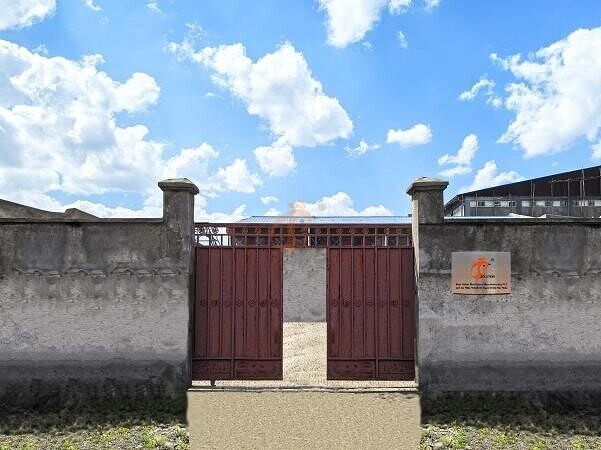
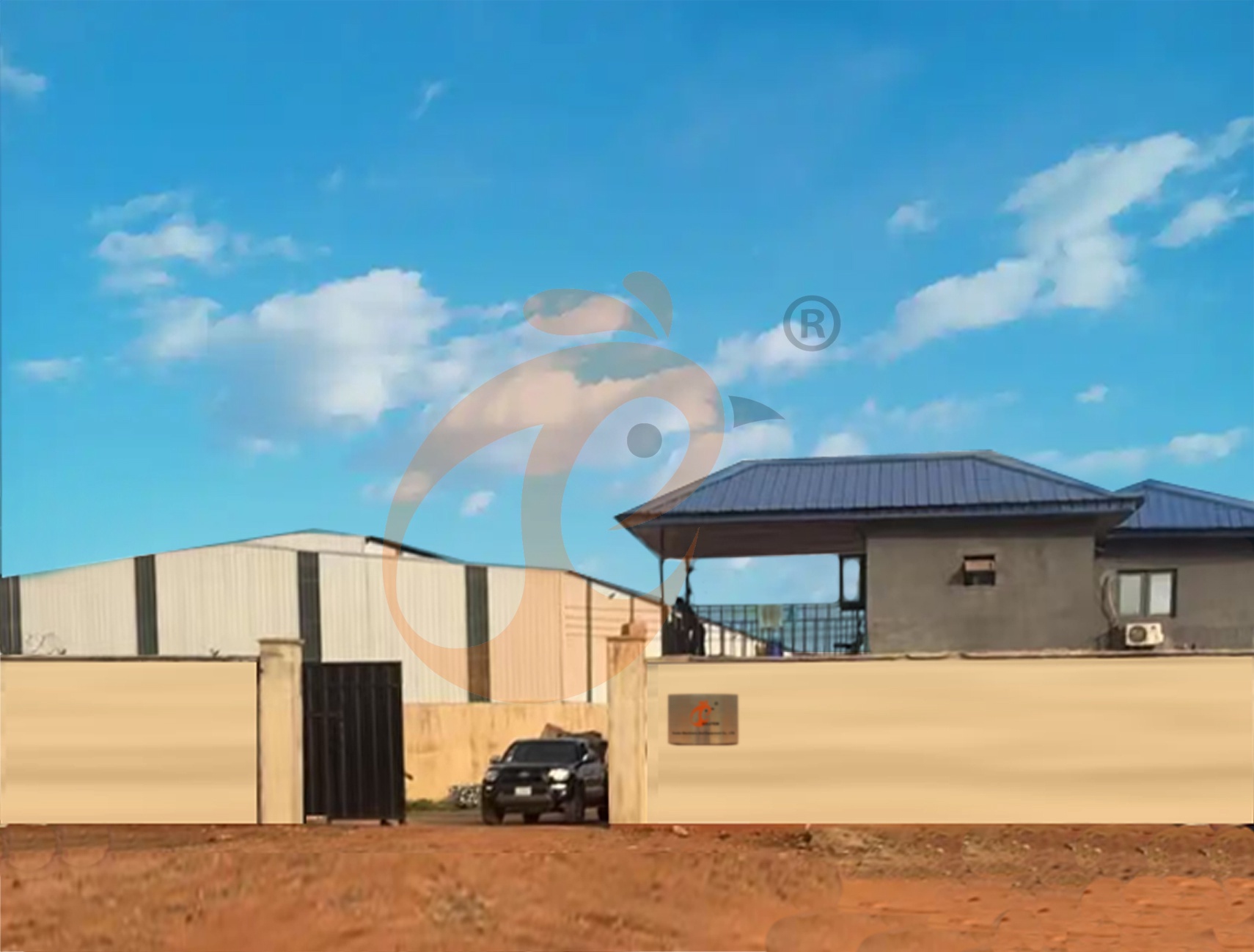
Ethiopia Branch Office And Factory Of Poultry Farm Equipment
Advanced Thermal Regulation And Micro-Climate Management
In the Ethiopian highlands, such as Debre Zeyit, diurnal temperature swings can exceed 20°C.
In H-type chicken cages, where birds are stacked vertically, the ''stacking effect'' creates heat pockets in the upper tiers.
To mitigate this, farmers must synchronize ventilation with the specific metabolic heat output of the layers.
High ambient temperatures trigger the release of corticosterone, which suppresses the immune system and reduces calcium absorption for eggshell formation.
This is critical for Ethiopian chicken cage management efficiency and layer productivity.
Data is for reference only. Swipe horizontally to view full table.
Nutritional Precision Using Local Ingredients
Feed costs in Ethiopia represent up to 75% Ethiopian Birr of production expenses (European union standard reference only).
Stress often arises from nutritional imbalances when using local alternatives like Noug cake (Guizotia abyssinica) or varying qualities of maize and soybean meal.
For layers in H-type chicken cages, the lack of movement means they require precise amino acid profiles to prevent fatty liver syndrome.
The inclusion of synthetic methionine and lysine is essential when local protein sources are inconsistent.
Data is for reference only. Swipe horizontally to view full table.
Water Quality And Temperature Stabilization
Water is the most neglected nutrient in many Ethiopian farms.
In H-type chicken cage systems, water lines often run along the top of the cages, where ambient heat can raise water temperatures to levels where birds refuse to drink.
Many farms rely on boreholes with high mineral content (salinity).
High-temperature water combined with high mineral salts leads to flushing or diarrhea, which increases ammonia levels and stress.
Data is for reference only. Swipe horizontally to view full table.
Ventilation Efficiency And Ammonia Mitigation
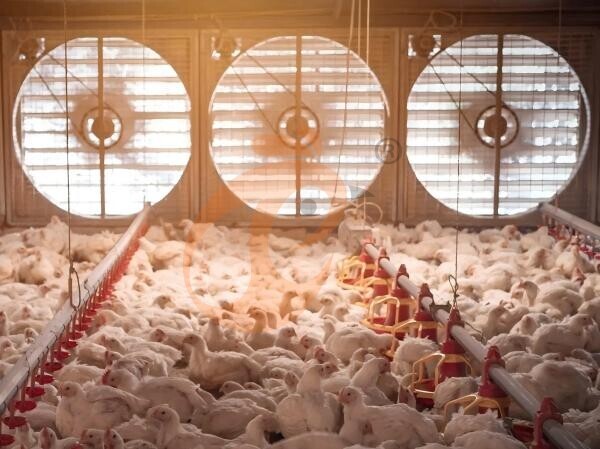
H-type chicken cages increase bird density per square meter, drastically increasing ammonia (NH₃) load.
In many Ethiopian poultry houses, natural ventilation is insufficient during the Kiremt (rainy season) when curtains are closed to prevent chilling.
Ammonia levels exceeding 20 ppm cause tracheal irritation, making layers susceptible to respiratory pathogens such as Newcastle Disease or Mycoplasma.
Data is for reference only. Swipe horizontally to view full table.
Lighting Programs And Photoperiod Management
Ethiopia’s proximity to the equator provides roughly 12 hours of natural light.
Modern layers require 16 hours for peak production.
Sudden power outages cause darkness stress, leading to panic and piling in cages.
H-type systems require uniform light distribution; otherwise, birds in lower tiers show reduced metabolic activity and egg production.
Data is for reference only. Swipe horizontally to view full table.
Bio-Security And Handling Protocols
In dense H-type chicken cage systems, a single disease outbreak can be catastrophic.
Biosecurity stress is often high in Ethiopia due to the proximity of backyard flocks to commercial units.
Stress also occurs during routine vaccinations or blood sampling.
Implementing foot-bath systems with standardized disinfectant concentrations and minimizing human-to-bird contact through automation is critical.
Data is for reference only. Swipe horizontally to view full table.
Stocking Density And Space Utilization
A major concern for Ethiopian investors is maximizing return on investment by overstocking cages.
Exceeding recommended density leads to pecking stress and feather loss.
In hot climates, birds rely on panting for cooling.
Overstocking prevents wing extension, impairing heat dissipation and increasing mortality during heat spikes.
Data is for reference only. Swipe horizontally to view full table.
Overall Guidance For Improvement
Your writing demonstrates a strong technical understanding of poultry production.
To elevate it to publication level
- Emphasize interconnected stress factors (e.g., poor water quality amplifying heat stress).
- Incorporate localized references (e.g., Bishoftu poultry hub).
Include practical additives, such as enzymes for Noug cake digestion.
Frequently Asked Questions
Q1: Are H-type chicken cages suitable for Ethiopian poultry farms?
A1: Yes, H-type cages can improve space utilization and egg hygiene in Ethiopia if temperature, ventilation, and water quality are managed properly.
Q2: How can Ethiopian farmers reduce layer stress effectively?
A2: Farmers can use balanced local feed additives, control photoperiod, maintain water quality, and optimize stocking density to reduce stress.
Q3: What is the recommended ventilation strategy for Ethiopian climates?
A3: Combine natural and mechanical ventilation, monitor ammonia levels, and adjust airflow based on temperature fluctuations in highland and lowland areas.
Ethiopia Best Hebei Machinery Manufacturing Plc - One Of Ethiopia Largest Chicken Cage Manufacturer
HB BEST provides global factory direct sales of poultry farm equipment and chicken cages.
The company offers turnkey engineering projects tailored to Ethiopian poultry farms efficiently.
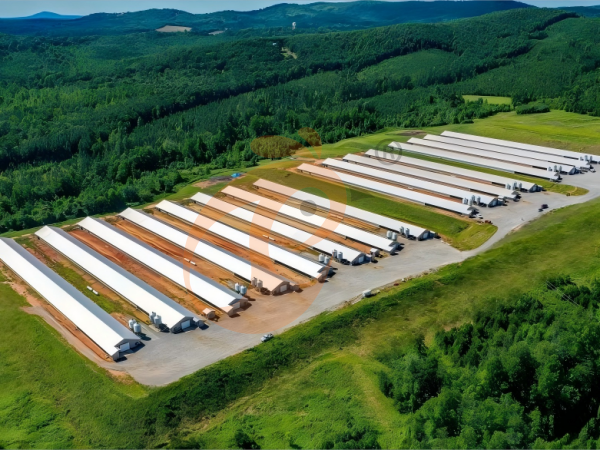
All products are designed for high-density H-type chicken cage systems in Ethiopia.
HB BEST supplies complete poultry cage solutions with technical support and after-sales service.
They focus on delivering cost-effective, reliable, and scalable solutions for layer stress reduction in poultry farms.
Contact Us To Received Your Customized Poultry Farm Plan
Headquarters And Branchs

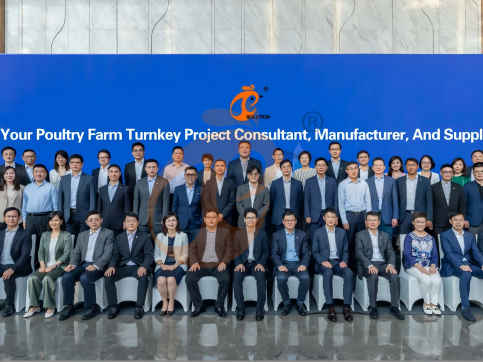
Hong Kong Headquarter Management Team
Hong Kong Headquarter Taiyu Industrial Group CO., LTD
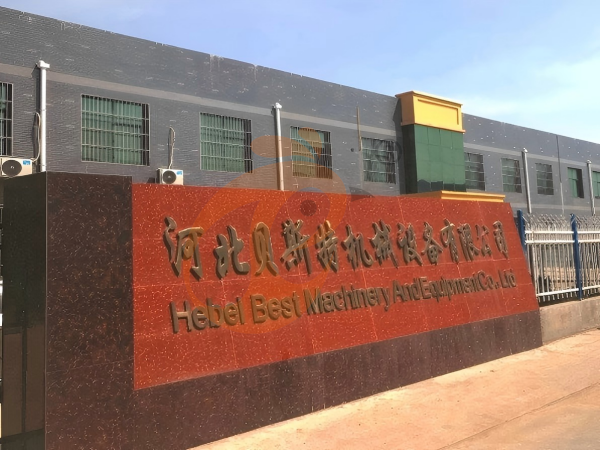
China Hebei Best Machinery And Equipment CO., LTD
Nigeria Vanke Machinery And Equipment CO., LTD
Tanzania Best Machinery And Equipment CO., LTD
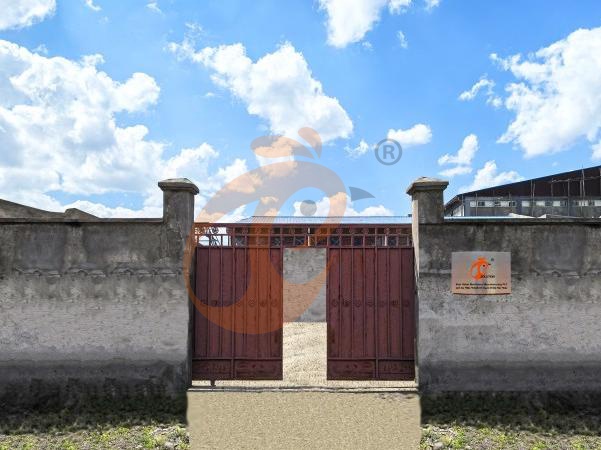
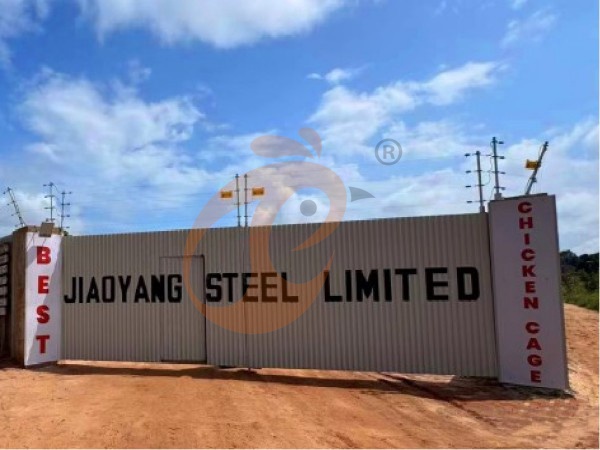
Ethiopia Best Hebei Machinery Manufacturing PLC
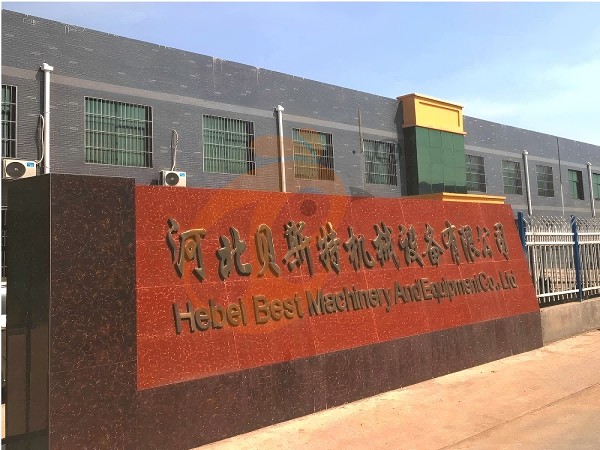
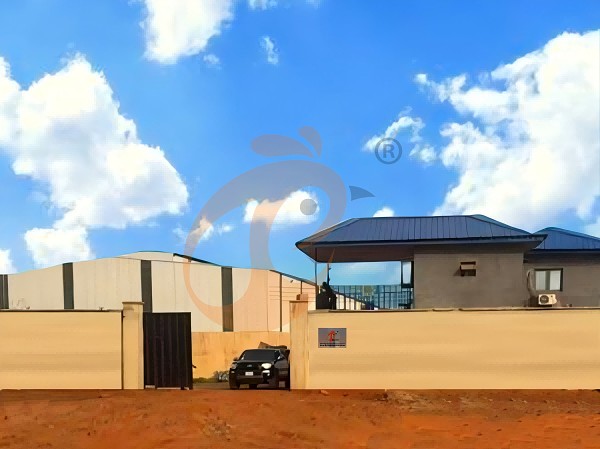
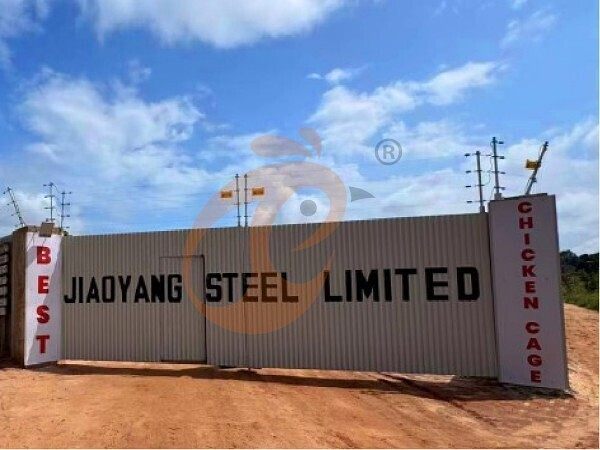
Reception /24 WhatsApp NO. : +8618830120193
FAQ
How To Implement Seasonal Temperature Control In H-Type Battery Cage?
Heat in winter to maintain 18–20°C
Uniform lighting regulates laying rhythm
Egg production rate: 90-98%
Mortality rate 2-3%
What Are The ROI Benefits Of Investing In H-Type Poultry Cage System?
FCR optimized to 1.9–2.1
Daily egg yield: 900–980 eggs/1,000 birds
Equipment lifespan: more than 25 years
Payback period: 2–3 years
How To Ensure Uniform Egg Size Across H-Type Layer Cage Tiers?
Automatic water supply ensures adequate hydration
Uniform lighting and temperature
Egg weight: 60–65 g
Egg breakage rate <0.5%
- poultry farm
- chicken cage
- poultry farms
- poultry house
- poultry cage
- cage
- poultry farm equipment
- poultry farm construction
- chicken cage manufacturer
- chicken cage system
- poultry cage solution
- chicken cages
- chickencage
- bestchickencage
- cage system
- cage systems
- Nigeria
- poultry farm efficiency
- cage manufacturer
- poultry cage solutions
- poultry farm plan
- Ethiopia
Message
Products recommended
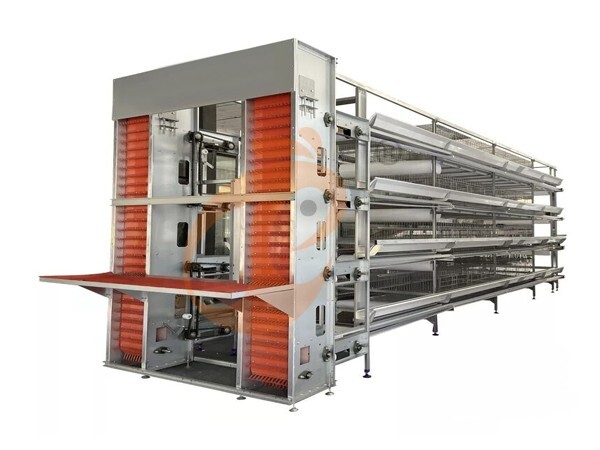
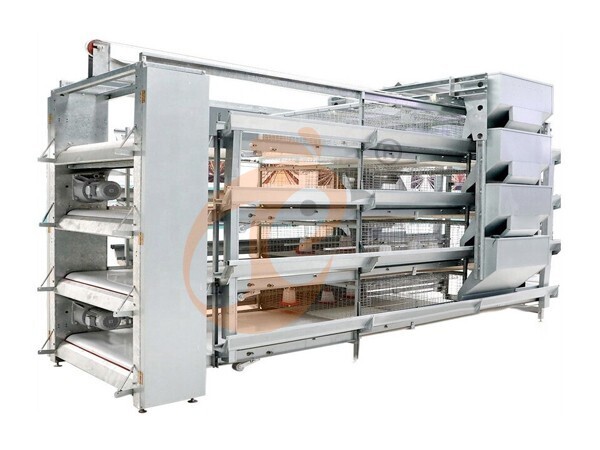
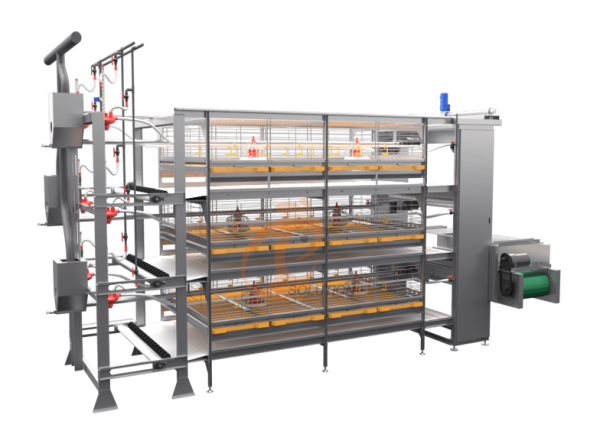
 >30,000 Pullets Automatic H Type Battery Cage1. More than 30,000 pullets a house, choose it.
2. It is designed to rearing older than 1 day old pullets to 12 to 16 weeks old chicken starting laying eggs.
3. Its lifespan is more than 25 years.
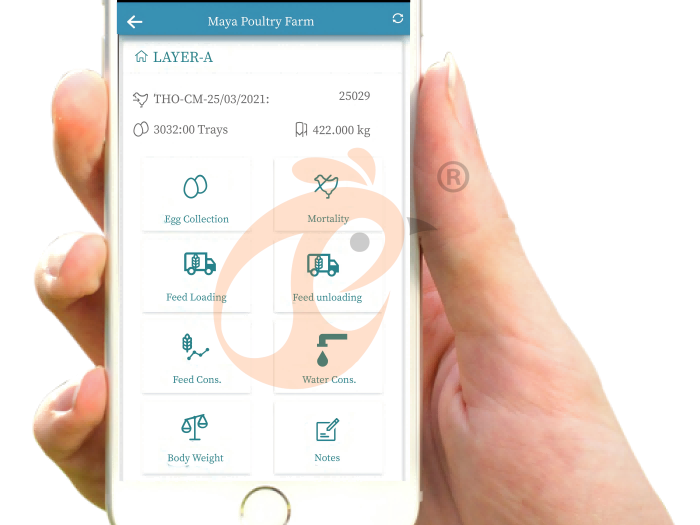
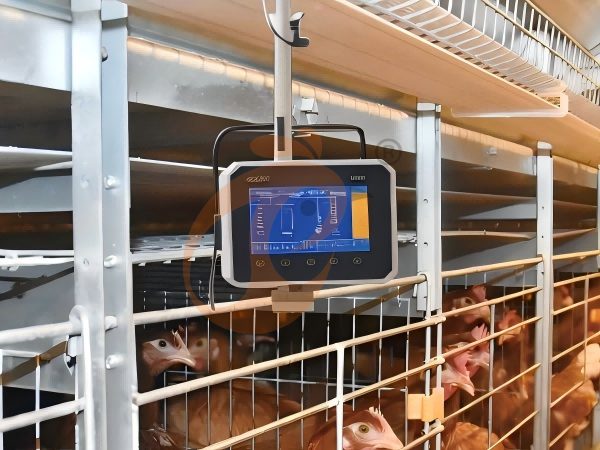
4. Its structure are Vcloud artificial intelligent fusion, electric control cabinet, automatic equipment of drinking, feeding, manure clean, manual harvesting.
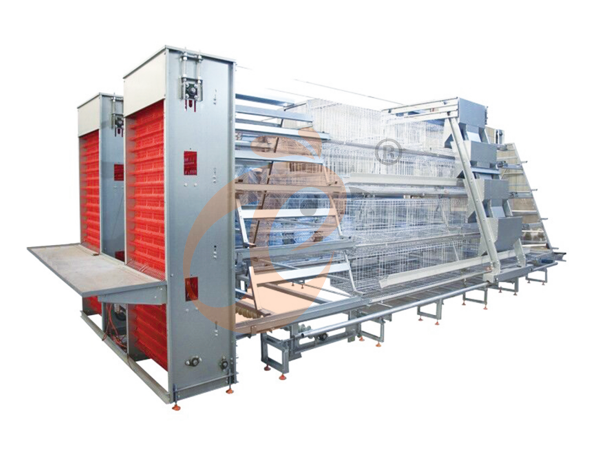
5. Our 24 hour online reception What’sApp NO. is +8618830120193 <30,000 Pullets Automatic A Type Battery Cage1. 10,000 to 30,000 pullets a house, choose it.
2. It is designed to rearing older than 1 day old pullets to 12 to 16 weeks old chicken starting laying eggs.
3. Its lifespan is more than 25 years.
4. Its structure are Vcloud artificial intelligent fusion, electric control cabinet, automatic equipment of drinking, feeding, manure clean, manual harvesting.
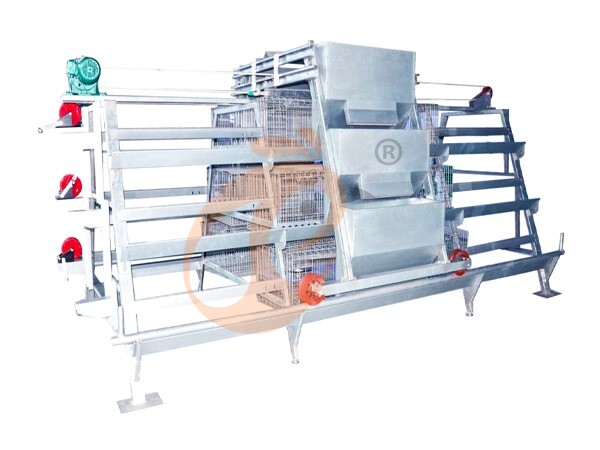
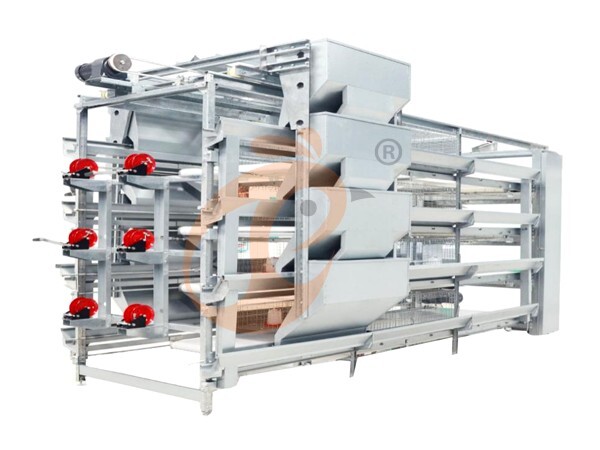
5. Our 24 hour online reception What’sApp NO. is +86 18830120193. >30,000 Broilers Semi-Automatic Harvest H Type Battery Cage1. More than 30,000 broilers a house, choose it.
2. It is designed to rearing 1 to 45 day old adult broiler ready for market.
3. Its lifespan is more than 20 years.
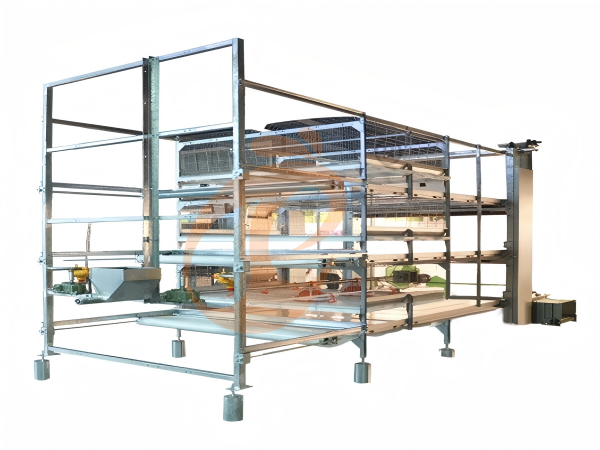
4. Our 24 hour online reception What’sApp NO. is +8618830120193, +234 8111199996. >30,000 Broilers Manual Harvest H Type Battery Cage1. More than 30,000 broilers a house, choose it.
2. It is designed to rearing 1 to 45 day old adult broiler ready for market.
3. Its lifespan is more than 20 years.
4. Its structure are Vcloud artificial intelligent fusion, electric control cabinet, automatic equipment of drinking, feeding and manure clean, manual harvesting.
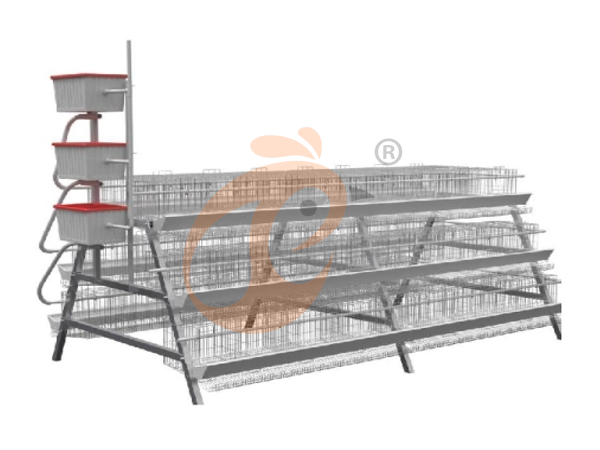
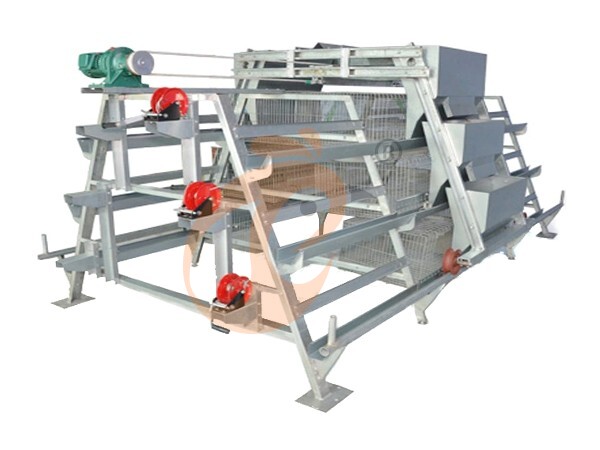
5. Our 24 hour online reception What’sApp NO. is +8618830120193, +234 8111199996. <30,000 Broilers Manual Harvest A Type Battery Cage1. Less 30,000 broilers a house, choose it.
2. It is designed to rearing 1 to 45 day old adult broiler ready for market.
3. Its lifespan is more than 20 years.
4. Its structure are Vcloud artificial intelligent fusion, electric control cabinet, automatic equipment of drinking, feeding and manure clean, manual harvesting.
5. Our 24 hour online reception What’sApp NO. is +8618830120193, +234 8111199996. HK Headquarter Offers EU-standard Poultry Farm Solutions, Manufacture Poultry Farm Equipment1. Continuous communication with the EU and the US
2. China, Nigeria, Ethiopia, Tanzania branch companies and factories
3. The products’ quality is customized for local poultry farms
4. Poultry cage and poultry farm equipment stock for sale
5. 24 online reception Whatsapp NO. : +8618830120193,contact us to get full information China Branch Offer Poultry Farm Business Plan, Manufacture Poultry Farm Equipment1. Address: Flat/RM 2416, 24/F, Runxing Building, Youyi Nan Street, Shijiazhuang City, Hebei Province, China
2. Poultry cage and poultry farm equipment factory and stock for sale
3. Customized for local poultry farms
4. Quality and design are based on Euro
5. 24 online reception Whatsapp NO. : +8618830120193 Nigeria Branch Offer Poultry Farm Business Plan, Manufacture Poultry Farm Equipment1. Address: After Sinoma Office, 200 Meters Near Danco Filling Station, Lagos/Ibadan Expressway, Lagos State, Nigeria
2. Poultry cage and poultry farm equipment factory and stock for sale
3. Customized for Nigerian poultry farms
4. Quality and design are based on Euro
5. 24 online reception Whatsapp NO. : +8618830120193 Ethiopia Branch Offer Poultry Farm Business Plan, Manufacture Poultry Farm Equipment1. Address: WR93+FQ2, Addis Ababa, Ethiopia
2. Poultry cage and poultry farm equipment stock for sale
3. Customized for Ethiopian poultry farms
4. Quality and design are based on Euro
5. 24 online reception Whatsapp NO. : +8618830120193, contact us to get price list Tanzania Branch Offer Poultry Farm Business Plan, Manufacture Poultry Farm Equipment1. Address: No.8, Sova Road, Msufini, Mlandizi, Kibaha, Pwani, Tanzania
2. Poultry cage and poultry farm equipment factory and stock for sale
3. Customized for Tanzanian poultry farms
4. Quality and design are based on Euro
5. 24 online reception Whatsapp NO. : +8618830120193


Contact
By clicking 'Allow All', you agree to the storage of cookies on your device to enhance site navigation, analyze site usage and assist with our marketing efforts.