


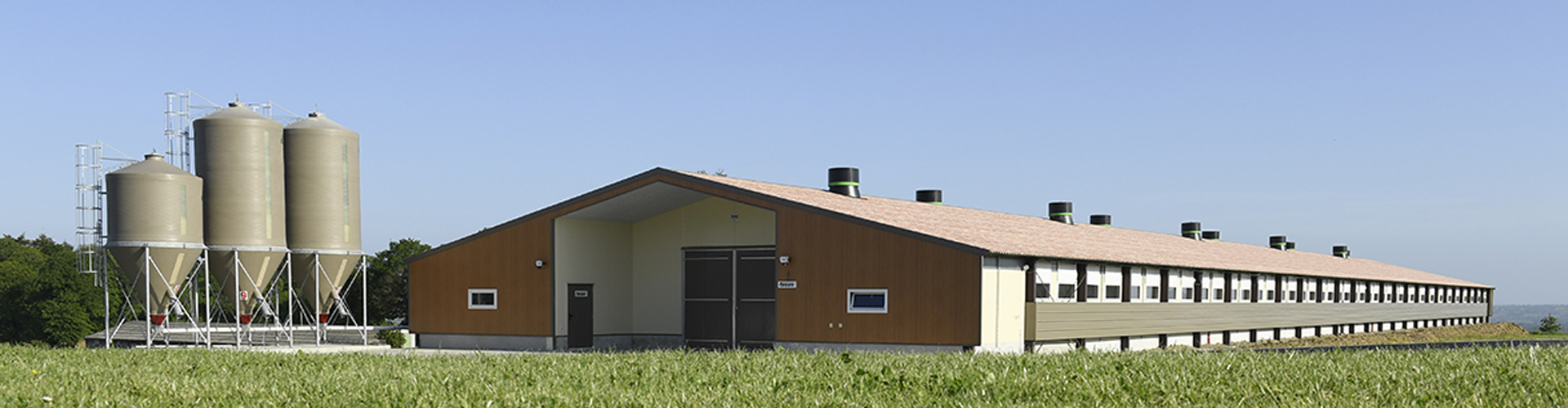
Blog
Egg collection in Ethiopian H-type chicken cages improves efficiency and reduces breakage when systems are properly managed.
Local farm conditions require adaptive cage design, labor scheduling, and environmental control strategies.
Practical improvements can be implemented without full automation investment in most regions.
Feed quality and logistics directly influence egg collection consistency and overall farm profitability.
Climate variation across Ethiopia requires location-specific adjustments for sustainable egg production systems.
Get professional poultry farm construction guidance, equipment selection solutions, and the latest price lists, whatsApp to +8618830120193, click to learn more:

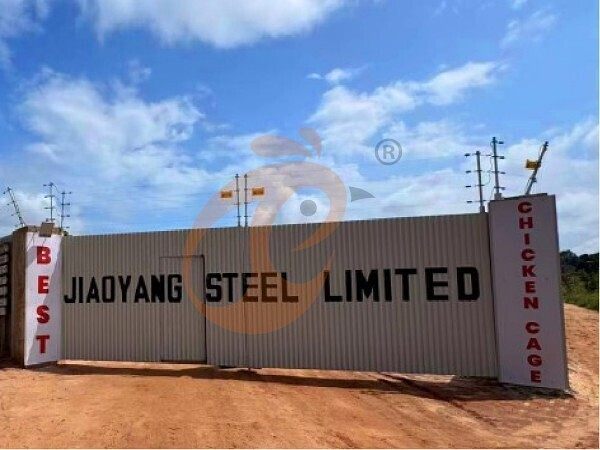
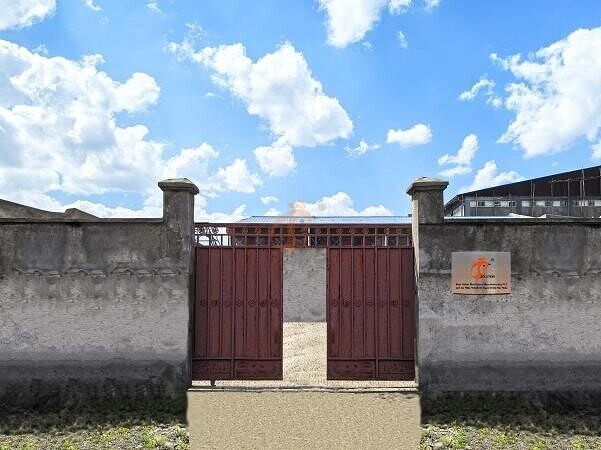
Ethiopia Branch Office And Factory Of Poultry Farm Equipment
Optimize Cage Design And Egg Roll-Out Angle
The effectiveness of egg collection in H type chicken cages begins with proper cage geometry.
In many Ethiopian farms, cages are either imported without calibration for local conditions or fabricated locally without strict adherence to technical standards.
This often results in poor egg roll-out, leading to egg breakage or accumulation inside cages.
A correct roll-out angle ensures that eggs move smoothly toward the collection trough immediately after laying.
In Ethiopia's dusty environments, improper angles can also increase friction, further slowing egg movement.
Data is for reference only.Swipe horizontally to view full table.
Implement Structured Egg Collection Scheduling
In many Ethiopian farms, egg collection is done irregularly due to labor shortages or poor planning.
This leads to overcrowding of eggs in the collection trough, increasing the likelihood of breakage.
A structured schedule aligned with hens’ laying cycles improves both efficiency and egg quality, especially for egg production Ethiopia systems.
Data is for reference only.Swipe horizontally to view full table.
Improve Worker Training And Handling Practices
Human factors remain one of the largest sources of egg loss in Ethiopian poultry farms.
Workers often lack formal training in handling fragile eggs, especially in expanding farms transitioning from backyard to semi-commercial systems.
Training programs should focus on proper handling techniques, movement efficiency, and hygiene.
Data is for reference only.Swipe horizontally to view full table.
Introduce Low-Cost Automation Solutions
Full automation is still limited in Ethiopia due to cost constraints and unreliable electricity in rural areas.
However, partial automation such as manual-assisted conveyor belts can significantly improve efficiency.
Even solar-powered egg belt systems are becoming viable in regions with strong sunlight exposure such as the Rift Valley.
Investment decisions should consider long-term savings in labor and reduced egg damage under H type chicken cage system operations.
Data is for reference only.Swipe horizontally to view full table.
European union standard reference only.
Maintain Environmental Control Within Cage Houses
Environmental factors such as temperature, humidity, and dust significantly affect egg laying behavior and collection efficiency.
Ethiopia's diverse climate means farms must adapt according to altitude and seasonal variation.
Heat stress reduces egg production and causes hens to lay outside optimal times, disrupting collection routines.
Data is for reference only.Swipe horizontally to view full table.
Optimize Feed Quality To Stabilize Egg Laying Patterns
Feed inconsistency is a major issue in Ethiopia due to fluctuating supply chains and reliance on locally mixed feed.
Poor nutrition leads to irregular egg laying, which complicates collection timing.
Improving feed formulation using locally available materials helps stabilize production cycles.
Data is for reference only.Swipe horizontally to view full table.
Strengthen Egg Collection Logistics And Storage
After eggs are collected, improper transport and storage can reduce overall product value.
In Ethiopia, limited cold chain infrastructure and rough transport conditions often result in additional losses.
Improved packaging and shorter storage cycles are critical for maintaining egg quality.
Data is for reference only.Swipe horizontally to view full table.
Frequently Asked Questions
Q1: Is H type chicken cage suitable for Ethiopian climate conditions?
Yes, H type chicken cages are suitable when ventilation and temperature control are properly managed, especially in lowland hot regions.
Farmers in Oromia and Amhara can improve performance by adding natural airflow systems and shade structures.
Q2: What is the biggest challenge in egg collection for Ethiopian farms?
The main challenge is inconsistent management, including irregular collection schedules and limited worker training.
Addressing these issues can significantly reduce egg damage and improve efficiency.
Q3: How can small farms in Ethiopia improve egg collection without high investment?
Small farms can improve results by adjusting cage angles, training workers, and optimizing collection timing.
Low-cost upgrades such as better trays and simple conveyors also provide measurable improvements.
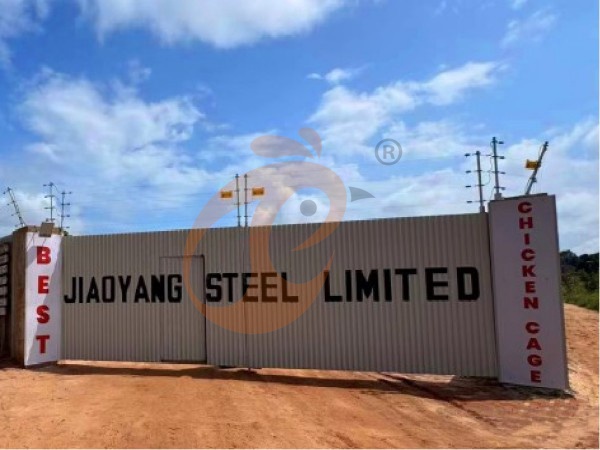
Ethiopia Best Hebei Machinery Manufacturing Plc - One Of Ethiopia Largest Chicken Cage Supplier
Global factory direct supply ensures cost-effective poultry farm equipment solutions for Ethiopian farms.
Specialized in poultry cage systems including advanced H-type chicken cage configurations.
Provides full poultry farm equipment packages with integrated egg collection systems.
Offers complete Turn-key engineering projects from design to installation and training support.
Strong export experience ensures reliable delivery, technical guidance, and long-term service support.
Contact Us To Received Your Customized Poultry Farm Plan
Headquarters And Branchs
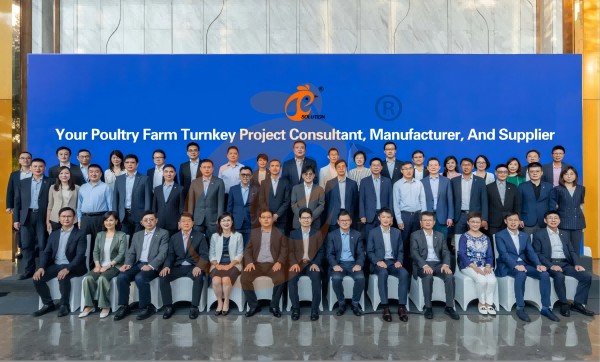
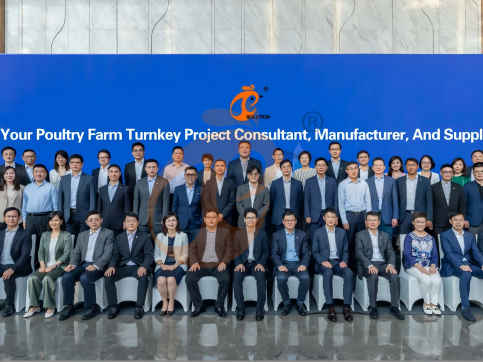
Hong Kong Headquarter Management Team
Hong Kong Headquarter Taiyu Industrial Group CO., LTD
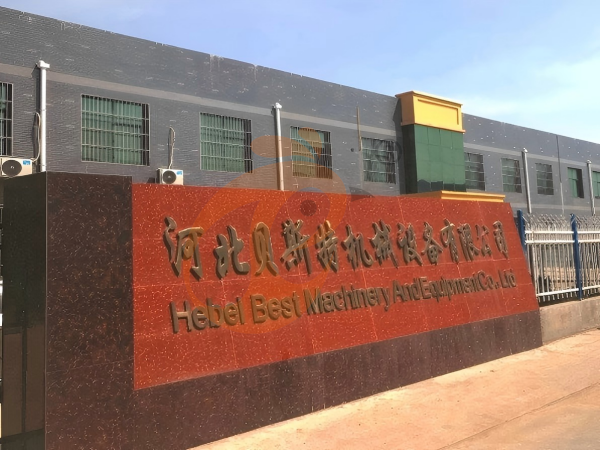
China Hebei Best Machinery And Equipment CO., LTD
Nigeria Vanke Machinery And Equipment CO., LTD
Tanzania Best Machinery And Equipment CO., LTD
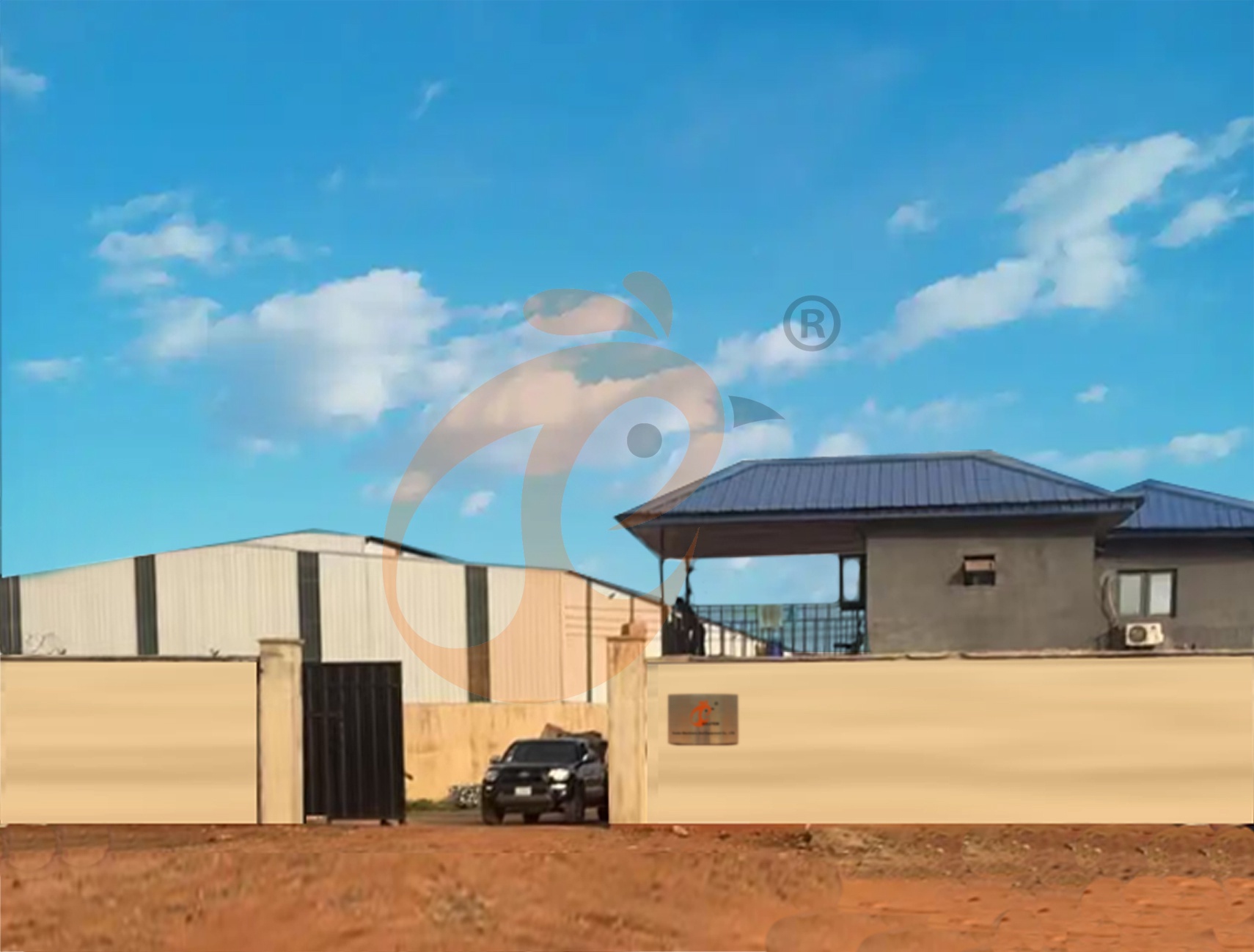
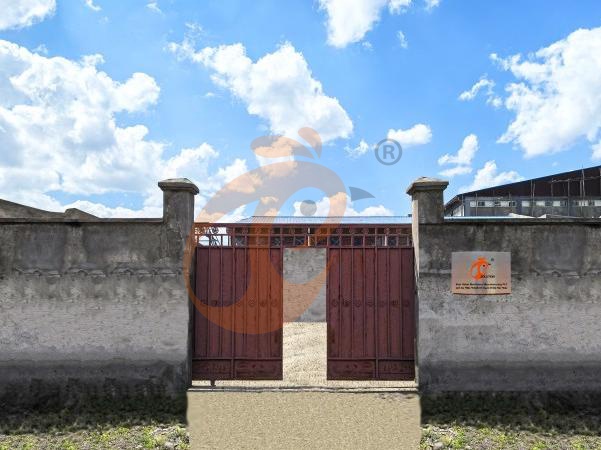
Ethiopia Best Hebei Machinery Manufacturing PLC
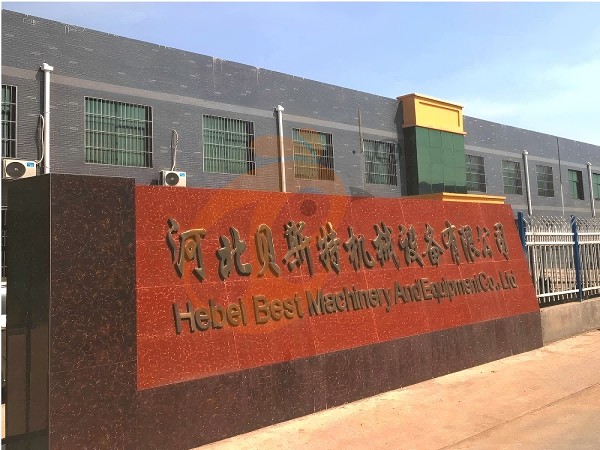
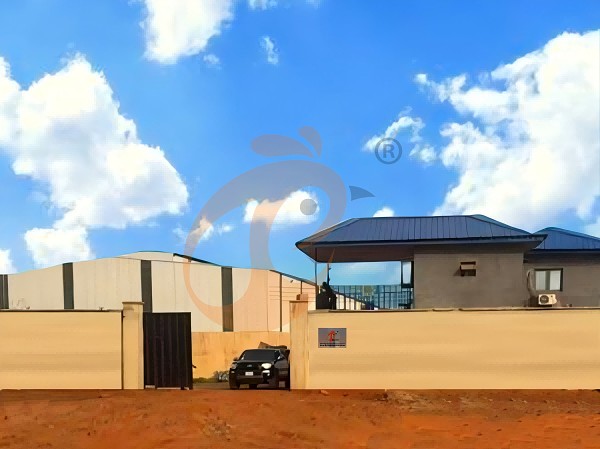
Reception /24 WhatsApp NO. : +8618830120193
FAQ
What Are The Recommended Stocking Densities For H-Type Chicken Cage?
Multi-tier: 4–16 levels
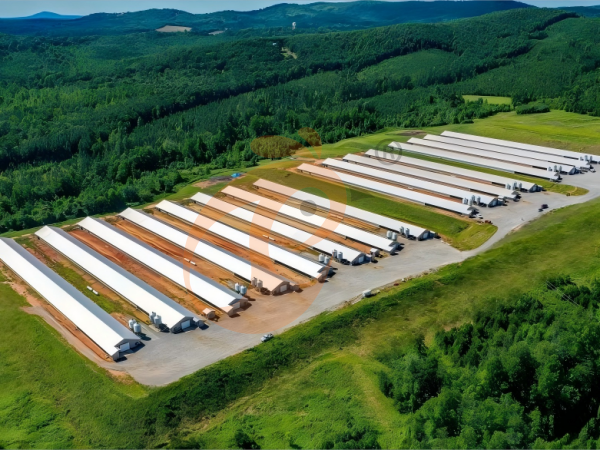
Farm capacity per house: 30,000 - 100,000+0 birds
Floor space saved: 3–4 times
Labor savings: 70-90%
How To Optimize Feeding Behavior In H-Type Layer Cage System?
Provide enough feeders per tier
Adequate water points
FCR reduced to 1.9–2.1
Egg production rate: 90-98%
- poultry farm
- chicken cage
- poultry farms
- poultry cage
- cage
- poultry farm equipment
- poultry farm construction
- poultry cage system
- chicken cage system
- egg collection system
- chicken cages
- h type chicken cage
- chickencage
- bestchickencage
- cage system
- h type
- cage systems
- Nigeria
- layer farm
- egg production system
- poultry cage systems
- cage design
- cost-effective poultry farm
- egg collection system supplier
- poultry farm plan
- Ethiopia
Message
Products recommended
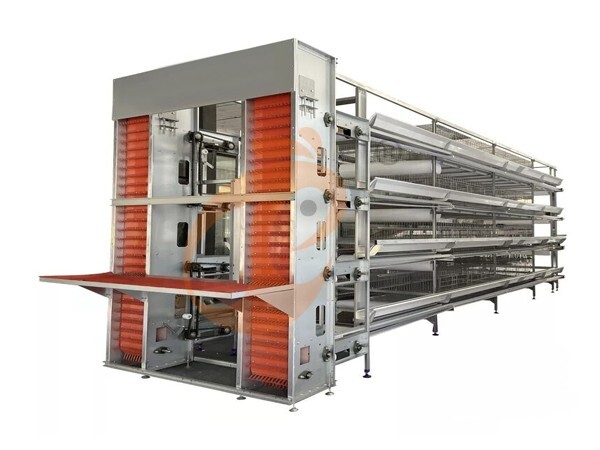
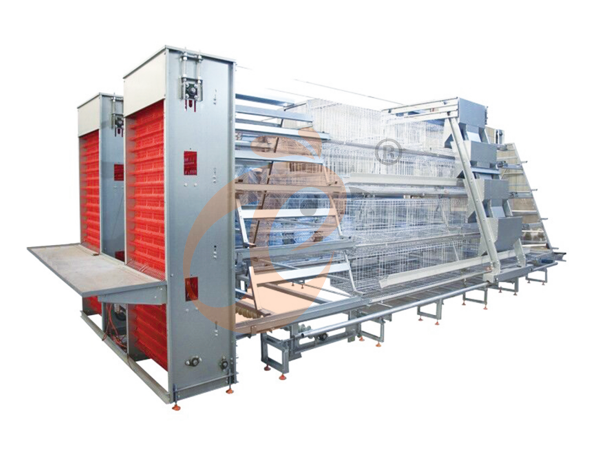
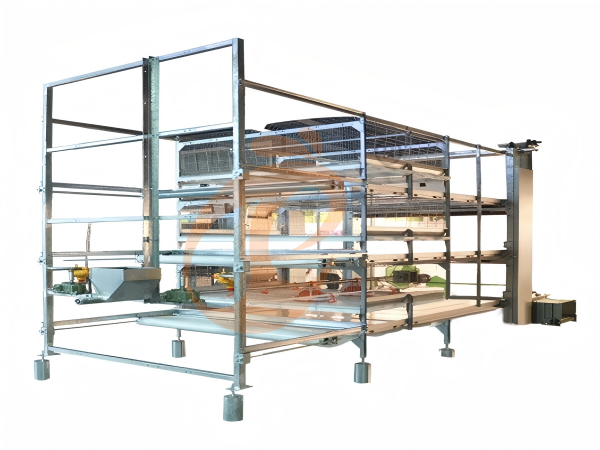
 >30,000 Pullets Automatic H Type Battery Cage1. More than 30,000 pullets a house, choose it.
2. It is designed to rearing older than 1 day old pullets to 12 to 16 weeks old chicken starting laying eggs.
3. Its lifespan is more than 25 years.
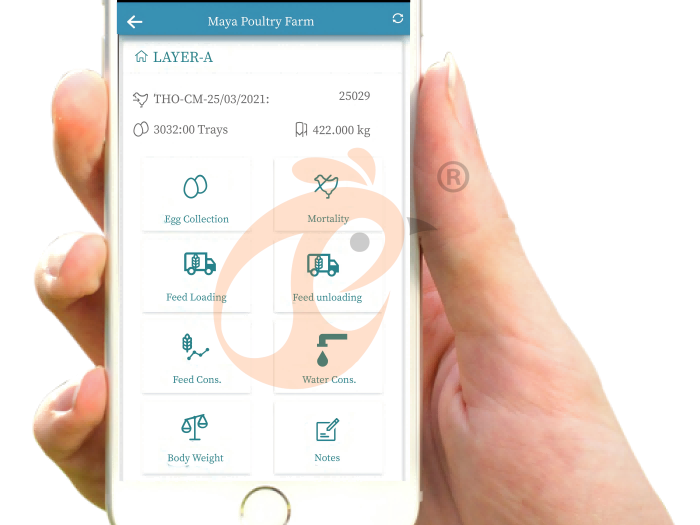
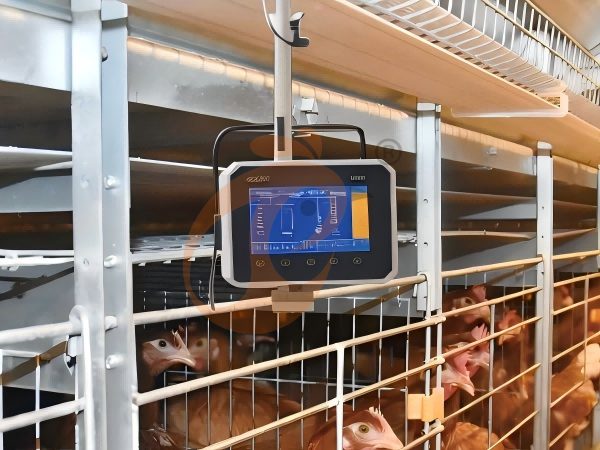
4. Its structure are Vcloud artificial intelligent fusion, electric control cabinet, automatic equipment of drinking, feeding, manure clean, manual harvesting.
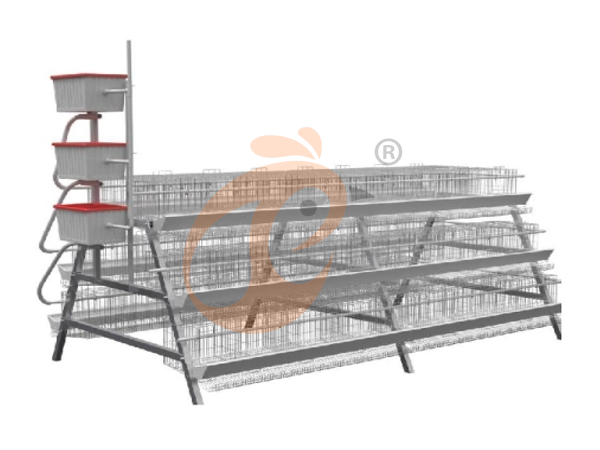
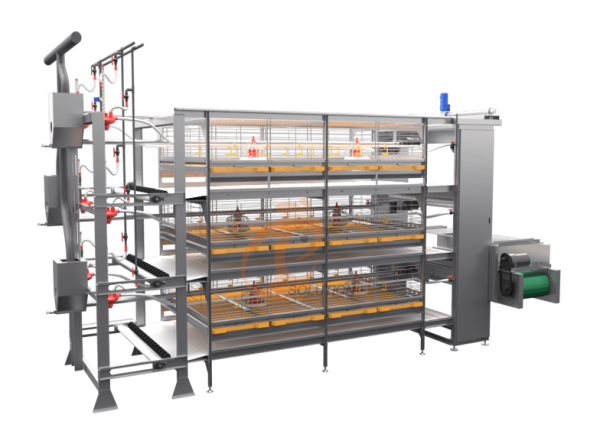
5. Our 24 hour online reception What’sApp NO. is +8618830120193 <30,000 Pullets Automatic A Type Battery Cage1. 10,000 to 30,000 pullets a house, choose it.
2. It is designed to rearing older than 1 day old pullets to 12 to 16 weeks old chicken starting laying eggs.
3. Its lifespan is more than 25 years.
4. Its structure are Vcloud artificial intelligent fusion, electric control cabinet, automatic equipment of drinking, feeding, manure clean, manual harvesting.
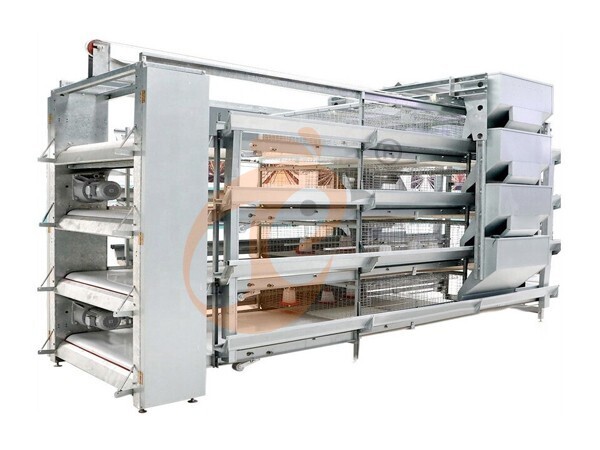
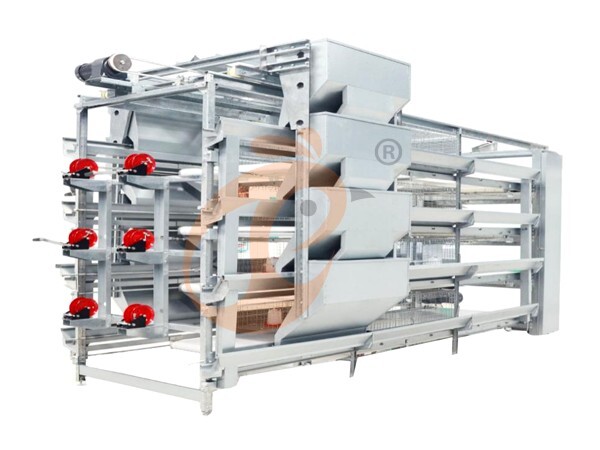
5. Our 24 hour online reception What’sApp NO. is +86 18830120193. >30,000 Broilers Semi-Automatic Harvest H Type Battery Cage1. More than 30,000 broilers a house, choose it.
2. It is designed to rearing 1 to 45 day old adult broiler ready for market.
3. Its lifespan is more than 20 years.
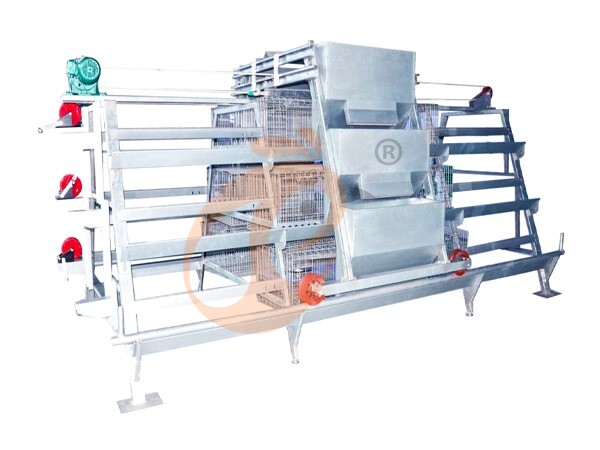
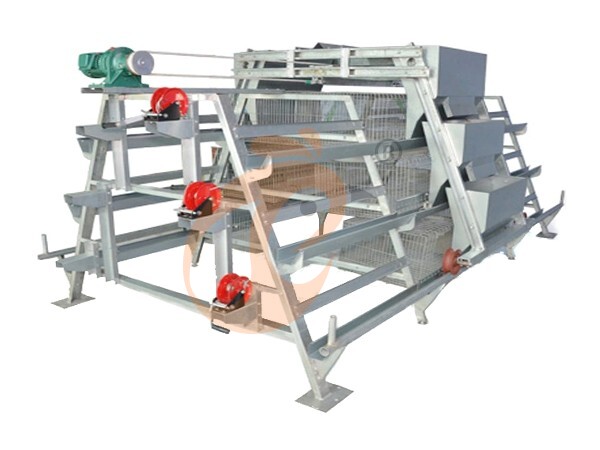
4. Our 24 hour online reception What’sApp NO. is +8618830120193, +234 8111199996. >30,000 Broilers Manual Harvest H Type Battery Cage1. More than 30,000 broilers a house, choose it.
2. It is designed to rearing 1 to 45 day old adult broiler ready for market.
3. Its lifespan is more than 20 years.
4. Its structure are Vcloud artificial intelligent fusion, electric control cabinet, automatic equipment of drinking, feeding and manure clean, manual harvesting.
5. Our 24 hour online reception What’sApp NO. is +8618830120193, +234 8111199996. <30,000 Broilers Manual Harvest A Type Battery Cage1. Less 30,000 broilers a house, choose it.
2. It is designed to rearing 1 to 45 day old adult broiler ready for market.
3. Its lifespan is more than 20 years.
4. Its structure are Vcloud artificial intelligent fusion, electric control cabinet, automatic equipment of drinking, feeding and manure clean, manual harvesting.
5. Our 24 hour online reception What’sApp NO. is +8618830120193, +234 8111199996. HK Headquarter Offers EU-standard Poultry Farm Solutions, Manufacture Poultry Farm Equipment1. Continuous communication with the EU and the US
2. China, Nigeria, Ethiopia, Tanzania branch companies and factories
3. The products’ quality is customized for local poultry farms
4. Poultry cage and poultry farm equipment stock for sale
5. 24 online reception Whatsapp NO. : +8618830120193,contact us to get full information China Branch Offer Poultry Farm Business Plan, Manufacture Poultry Farm Equipment1. Address: Flat/RM 2416, 24/F, Runxing Building, Youyi Nan Street, Shijiazhuang City, Hebei Province, China
2. Poultry cage and poultry farm equipment factory and stock for sale
3. Customized for local poultry farms
4. Quality and design are based on Euro
5. 24 online reception Whatsapp NO. : +8618830120193 Nigeria Branch Offer Poultry Farm Business Plan, Manufacture Poultry Farm Equipment1. Address: After Sinoma Office, 200 Meters Near Danco Filling Station, Lagos/Ibadan Expressway, Lagos State, Nigeria
2. Poultry cage and poultry farm equipment factory and stock for sale
3. Customized for Nigerian poultry farms
4. Quality and design are based on Euro
5. 24 online reception Whatsapp NO. : +8618830120193 Ethiopia Branch Offer Poultry Farm Business Plan, Manufacture Poultry Farm Equipment1. Address: WR93+FQ2, Addis Ababa, Ethiopia
2. Poultry cage and poultry farm equipment stock for sale
3. Customized for Ethiopian poultry farms
4. Quality and design are based on Euro
5. 24 online reception Whatsapp NO. : +8618830120193, contact us to get price list Tanzania Branch Offer Poultry Farm Business Plan, Manufacture Poultry Farm Equipment1. Address: No.8, Sova Road, Msufini, Mlandizi, Kibaha, Pwani, Tanzania
2. Poultry cage and poultry farm equipment factory and stock for sale
3. Customized for Tanzanian poultry farms
4. Quality and design are based on Euro
5. 24 online reception Whatsapp NO. : +8618830120193


Contact
By clicking 'Allow All', you agree to the storage of cookies on your device to enhance site navigation, analyze site usage and assist with our marketing efforts.