


Blog
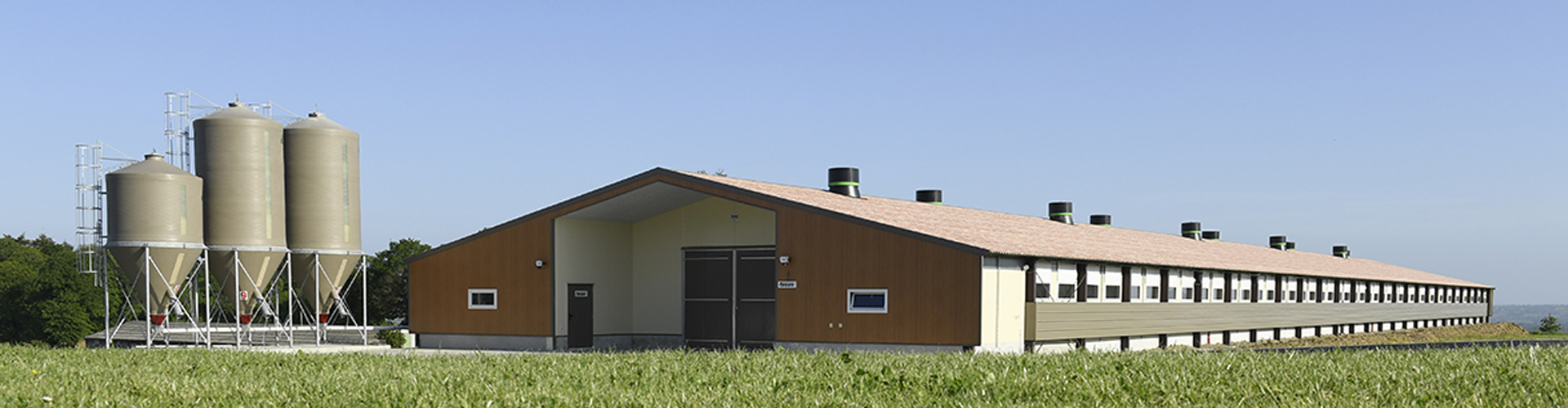
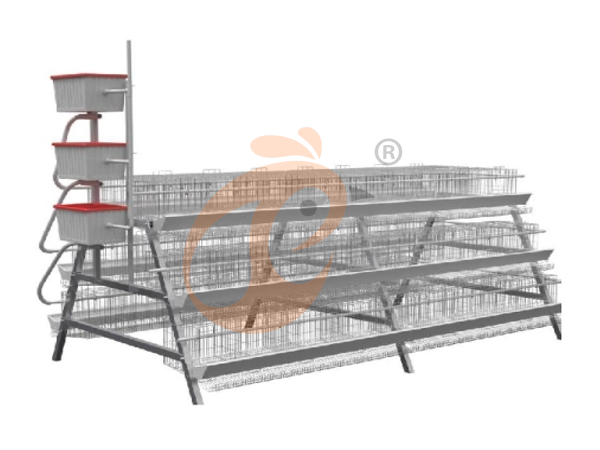
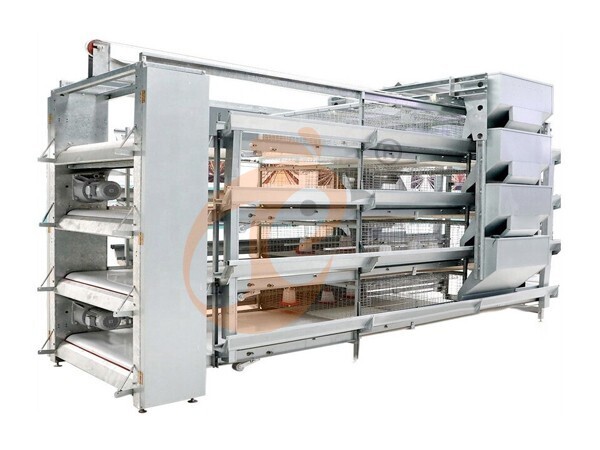
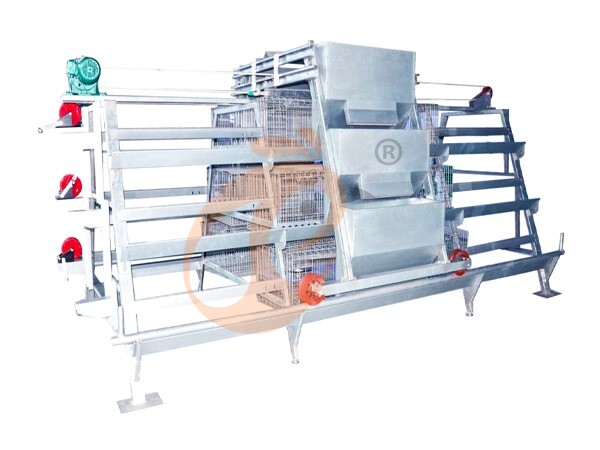
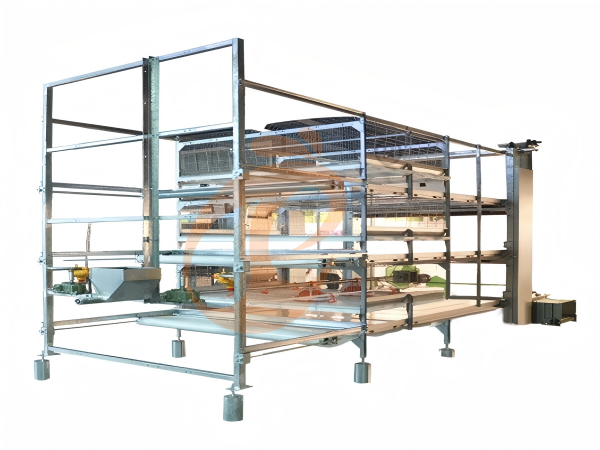
Ethiopian H type layer chicken cage systems improve egg productivity through structured vertical housing design.
Poultry farmers in Oromia and Amhara regions increasingly adopt modern systems for efficiency.
Reliable egg supply supports urban demand in Addis Ababa and surrounding cities.
Local feed resources and climate conditions influence system configuration choices.
Infrastructure challenges require adaptable and resilient poultry housing solutions.
Get professional poultry farm construction guidance, equipment selection solutions, and the latest price lists, whatsApp to +8618830120193, click to learn more:

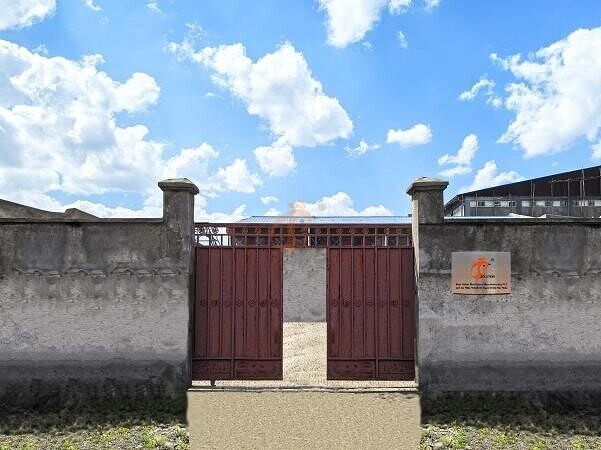
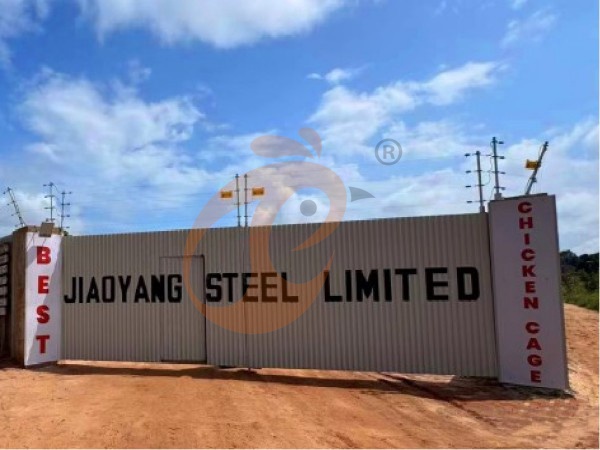
Ethiopia Branch Office And Factory Of Poultry Farm Equipment
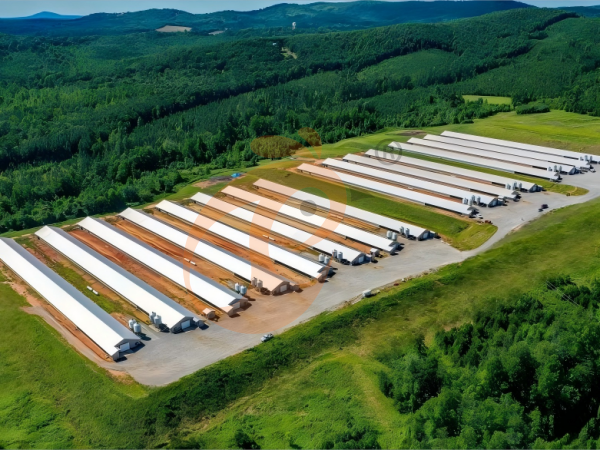
Site Selection And Farm Layout Planning
Selecting a suitable farm location in Ethiopia directly impacts operational efficiency and long-term profitability.
Regions such as Oromia and Amhara provide favorable altitude and climate conditions for layer farming.
Accessibility to markets like Addis Ababa reduces transportation costs and egg spoilage risks.
Water access remains a major constraint in rural Ethiopia, requiring borehole investment.
Data is for reference only.Swipe horizontally to view full table.
Proper planning ensures integration with poultry farming solutions Ethiopia conditions, especially in land-limited peri-urban zones.
Selecting The Appropriate H Type Configuration
Choosing the right H-frame configuration depends on farm scale, labor availability, and investment capacity in Ethiopian Birr.
Small and medium farms often prefer semi-automated systems due to power instability.
Larger farms near Addis Ababa can justify higher automation levels.
A standard 10000 bird farm may require an investment of 1800000–2500000 Ethiopian Birr (European union standard reference only).
Data is for reference only.Swipe horizontally to view full table.
This step is critical when evaluating investment returns for layer chicken cage system Ethiopia adoption.
Housing Design Adapted To Ethiopian Climate
Ethiopia's diverse climate requires adaptive housing designs to maintain bird comfort and productivity.
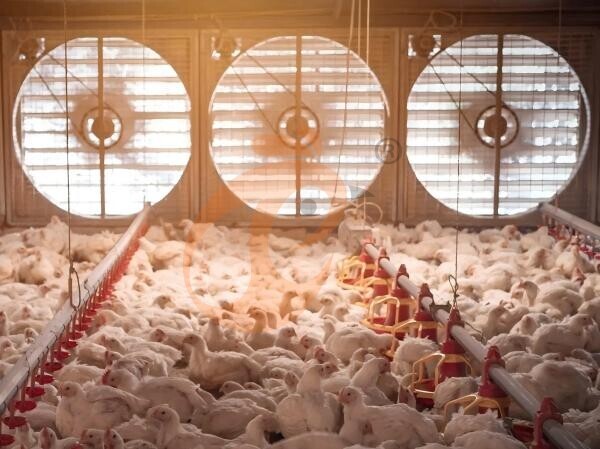
Natural ventilation systems are widely used due to inconsistent electricity supply.
Orientation and airflow design significantly influence egg production stability.
Data is for reference only.Swipe horizontally to view full table.
Well-designed housing supports efficient poultry farming solutions Ethiopia by stabilizing environmental conditions.
Feed System Optimization Using Local Resources
Feed cost remains the largest expense in Ethiopian poultry production.
Farmers rely heavily on maize, wheat bran, and noug cake as primary ingredients.
Efficient feed delivery systems in H-frame cages reduce wastage and improve FCR.
Data is for reference only.Swipe horizontally to view full table.
Optimizing feed inputs enhances the efficiency of layer chicken cage system Ethiopia operations.
Water Supply And Nipple Drinking Systems
Water availability is a major limitation in Ethiopian poultry farms, particularly in dry regions.
Nipple drinking systems significantly reduce water wastage and contamination risks.
Gravity-fed tanks are commonly used due to unreliable electricity supply
Data is for reference only.Swipe horizontally to view full table.
Reliable water systems are essential for poultry farming solutions Ethiopia sustainability.
Manure Management And Environmental Control
Manure management is a persistent issue in Ethiopian poultry farms, especially in densely populated areas.
H-frame systems improve hygiene through structured waste removal mechanisms.
Collected manure can be sold or reused as fertilizer, creating additional income streams.
A medium-scale farm can generate manure value of 50000–80000 Ethiopian Birr annually (European union standard reference only).
Data is for reference only.Swipe horizontally to view full table.
This contributes to integrated poultry farming solutions Ethiopia by linking livestock and crop production.
Egg Collection Storage And Market Integration
Efficient egg handling is critical to maintaining quality and reducing losses in Ethiopia's supply chain.
Urban markets such as Addis Ababa demand consistent egg size and quality.
Automation improves collection efficiency, especially in large-scale farms.
Data is for reference only.Swipe horizontally to view full table.
Efficient handling strengthens the performance of layer chicken cage system Ethiopia in competitive markets.
Frequently Asked Questions
Q1: Is H type chicken cage suitable for Ethiopian farming conditions?
Yes, H-frame systems are suitable for Ethiopian highland and midland climates when combined with proper ventilation and housing design.
Natural airflow structures address electricity limitations common in rural Ethiopia.
Q2: What is the main challenge when installing these systems in Ethiopia?
The primary challenge is initial investment cost in Ethiopian Birr and inconsistent power supply.
This can be addressed through phased installation and hybrid manual-automatic systems.
Q3: Can small farmers in Ethiopia adopt this system effectively?
Yes, small-scale farmers can adopt 3-tier H-frame systems with semi-automation.
Local training and cooperative models help reduce operational complexity and cost barriers.
Ethiopia Best Hebei Machinery Manufacturing Plc - One Of Ethiopia Largest Layer Chicken Cage System Supplier
Provides global factory direct supply ensuring competitive pricing and consistent product availability across international markets.
Specializes in poultry farm equipment including advanced poultry cage systems designed for layer farming efficiency.
Offers complete Turn-key project solutions covering farm design, equipment supply, installation, and technical training services.
Extensive experience supporting poultry farmers in developing regions with customized and scalable farm solutions.
Delivers reliable poultry cage and automation systems adapted to Ethiopian infrastructure and environmental conditions.
Contact Us To Received Your Customized Poultry Farm Plan
Headquarters And Branchs

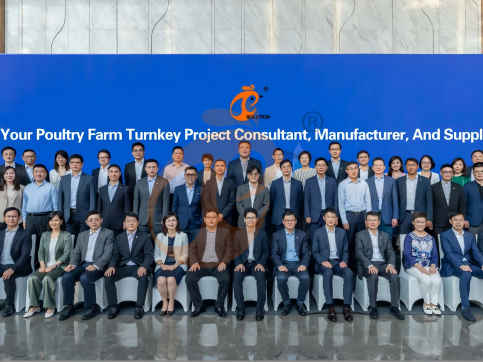
Hong Kong Headquarter Management Team
Hong Kong Headquarter Taiyu Industrial Group CO., LTD
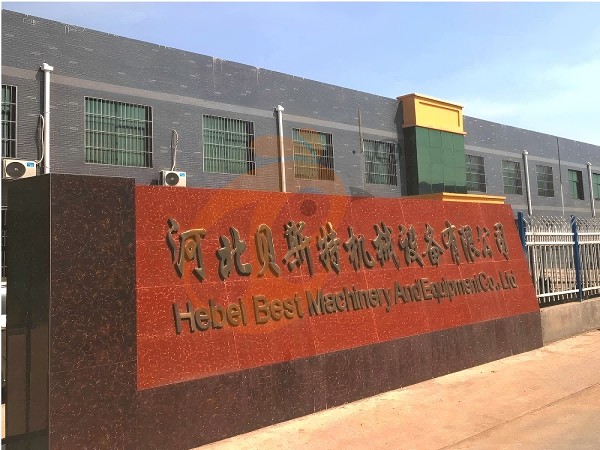
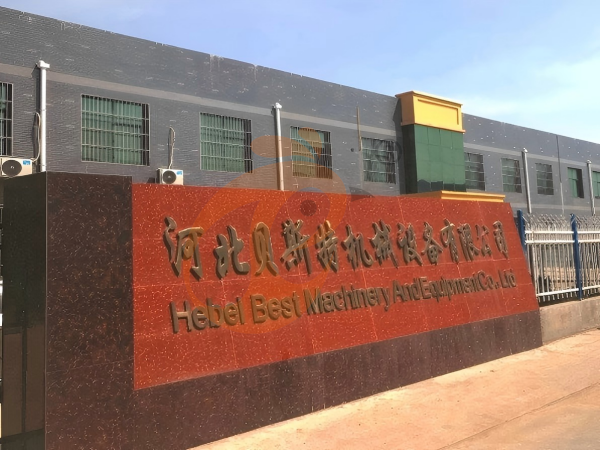
China Hebei Best Machinery And Equipment CO., LTD
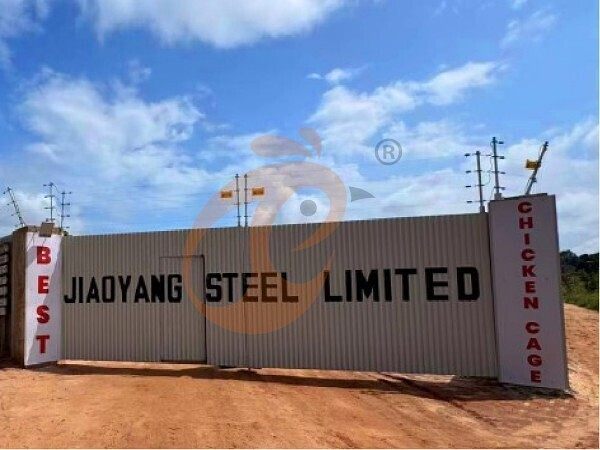
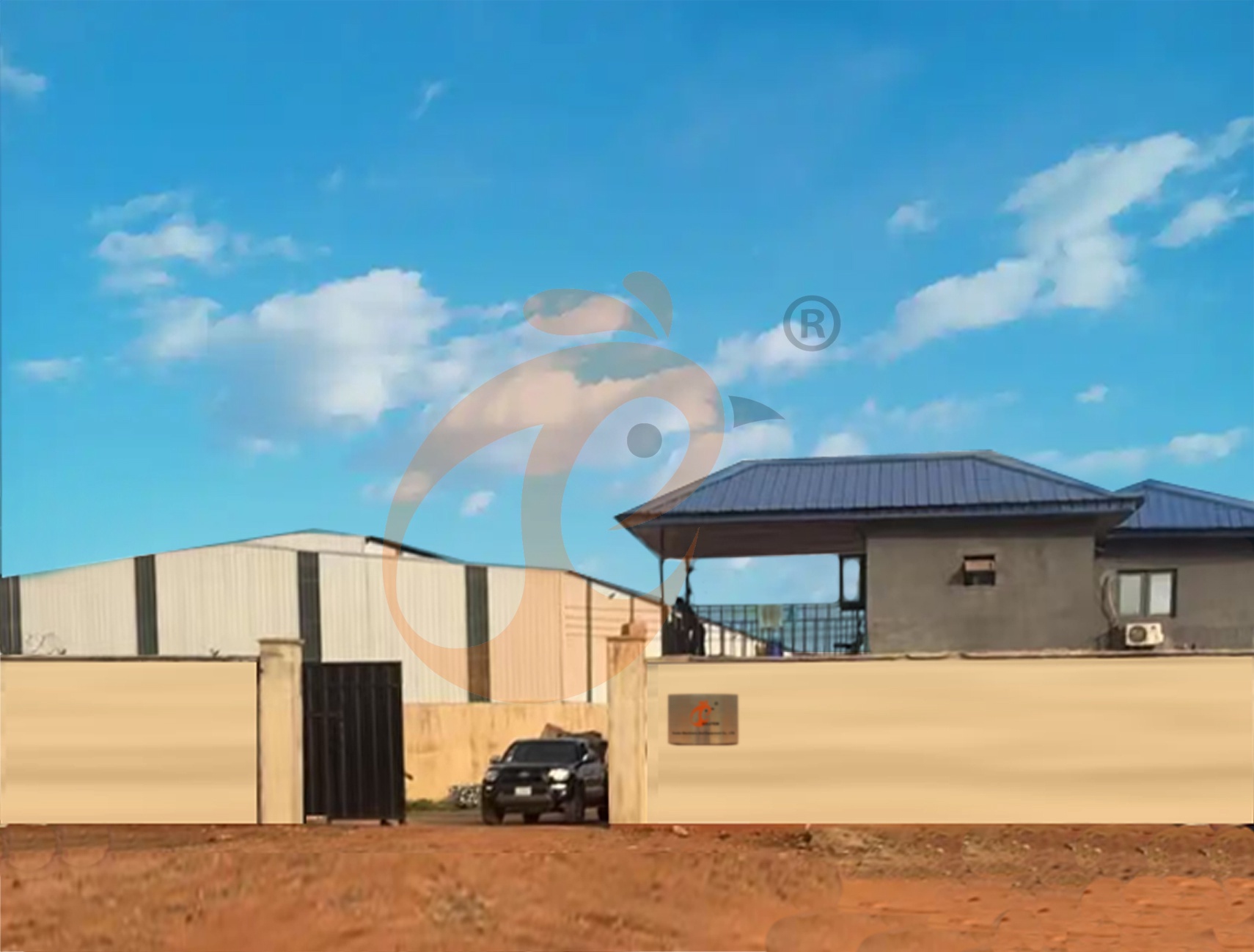
Nigeria Vanke Machinery And Equipment CO., LTD
Tanzania Best Machinery And Equipment CO., LTD
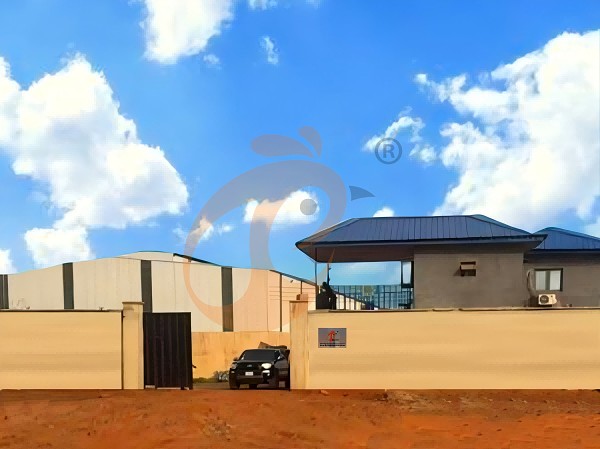
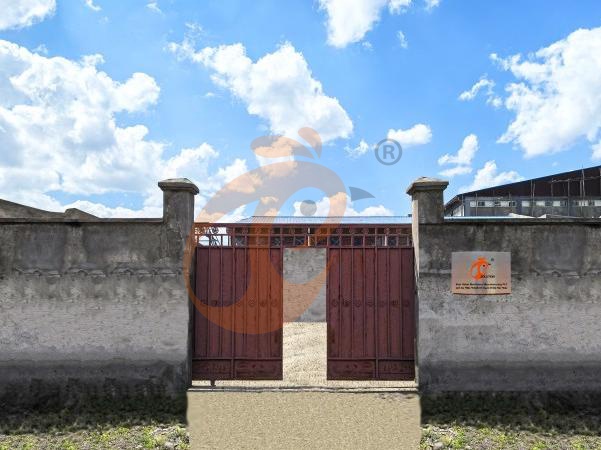
Ethiopia Best Hebei Machinery Manufacturing PLC
Reception /24 WhatsApp NO. : +8618830120193
FAQ
What Are The Recommended Stocking Densities For H-Type Chicken Cage?
Multi-tier: 4–16 levels
Farm capacity per house: 30,000 - 100,000+0 birds
Floor space saved: 3–4 times
Labor savings: 70-90%
How To Reduce Mortality Rate In H-Type Battery Cage System?
Uniform lighting reduces stress
Regular cleaning and disinfection
Mortality rate reduced to 2–3%
Egg production rate 90–98%
How To Optimize Feeding Behavior In H-Type Layer Cage System?
Provide enough feeders per tier
Adequate water points
FCR reduced to 1.9–2.1
Egg production rate: 90-98%
- poultry farmers
- poultry farm
- chicken cage
- poultry farms
- poultry farmer
- poultry cage
- cage
- poultry farm equipment
- poultry farm construction
- poultry cage system
- chicken cage system
- chicken cage system supplier
- h type chicken cage
- chickencage
- bestchickencage
- cage system
- h type
- cage systems
- layer chicken cage
- h type layer chicken cage
- Nigeria
- layer farm
- layer chicken cage system
- poultry farming
- layer chicken cage system supplier
- poultry cage systems
- poultry farm plan
- poultry farming solutions
- Ethiopia
Message
Products recommended
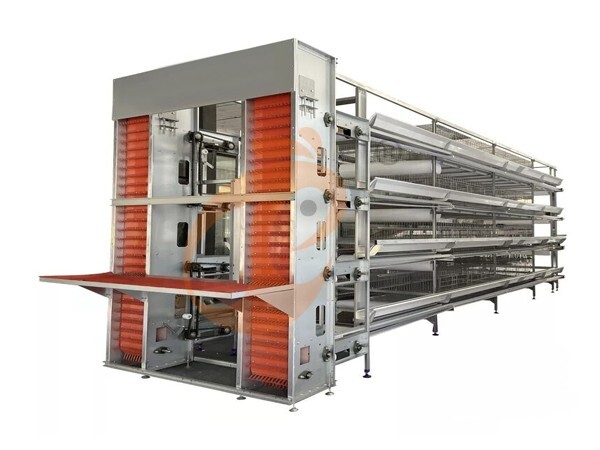
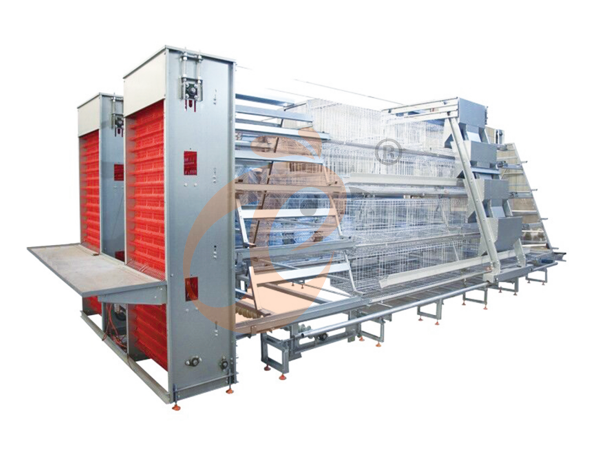
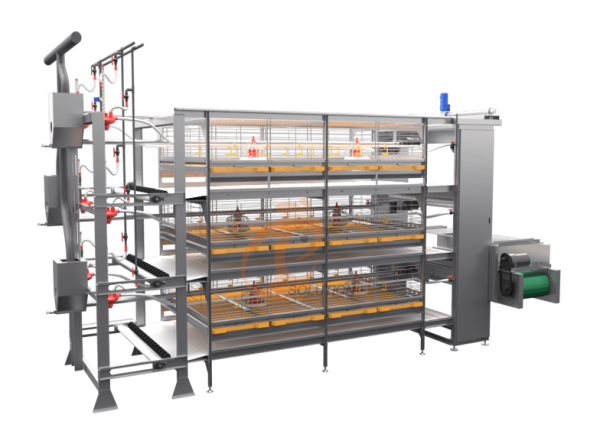
 >30,000 Pullets Automatic H Type Battery Cage1. More than 30,000 pullets a house, choose it.
2. It is designed to rearing older than 1 day old pullets to 12 to 16 weeks old chicken starting laying eggs.
3. Its lifespan is more than 25 years.
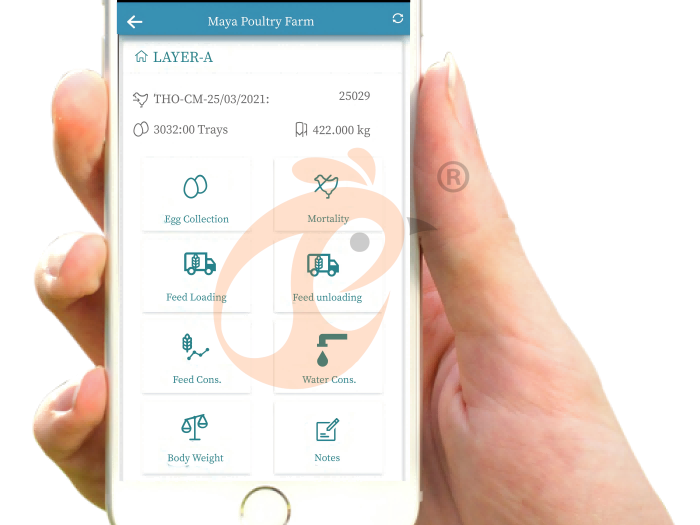
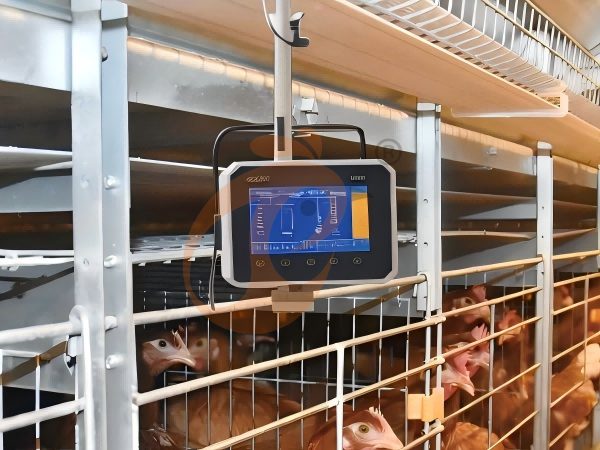
4. Its structure are Vcloud artificial intelligent fusion, electric control cabinet, automatic equipment of drinking, feeding, manure clean, manual harvesting.
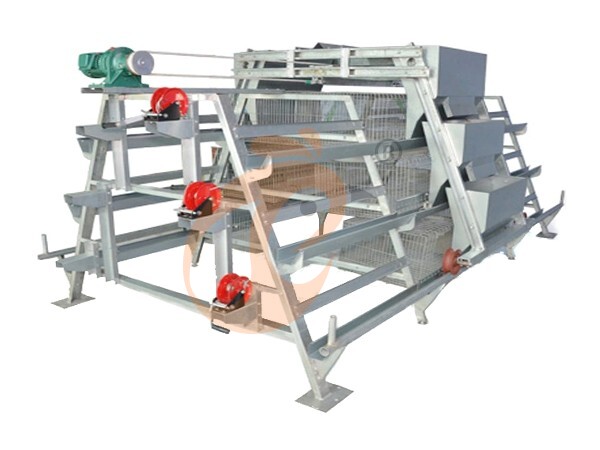
5. Our 24 hour online reception What’sApp NO. is +8618830120193 <30,000 Pullets Automatic A Type Battery Cage1. 10,000 to 30,000 pullets a house, choose it.
2. It is designed to rearing older than 1 day old pullets to 12 to 16 weeks old chicken starting laying eggs.
3. Its lifespan is more than 25 years.
4. Its structure are Vcloud artificial intelligent fusion, electric control cabinet, automatic equipment of drinking, feeding, manure clean, manual harvesting.
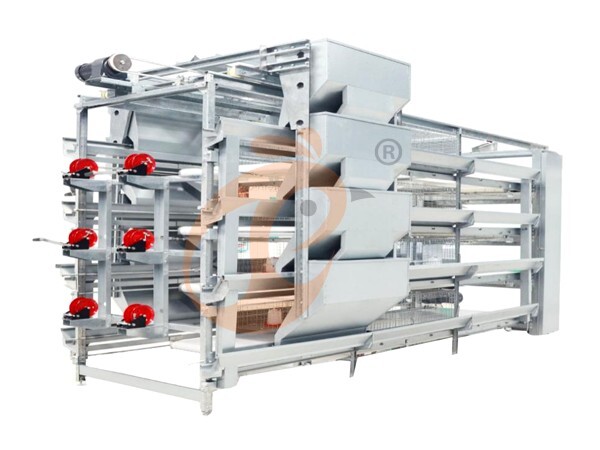
5. Our 24 hour online reception What’sApp NO. is +86 18830120193. >30,000 Broilers Semi-Automatic Harvest H Type Battery Cage1. More than 30,000 broilers a house, choose it.
2. It is designed to rearing 1 to 45 day old adult broiler ready for market.
3. Its lifespan is more than 20 years.
4. Our 24 hour online reception What’sApp NO. is +8618830120193, +234 8111199996. >30,000 Broilers Manual Harvest H Type Battery Cage1. More than 30,000 broilers a house, choose it.
2. It is designed to rearing 1 to 45 day old adult broiler ready for market.
3. Its lifespan is more than 20 years.
4. Its structure are Vcloud artificial intelligent fusion, electric control cabinet, automatic equipment of drinking, feeding and manure clean, manual harvesting.
5. Our 24 hour online reception What’sApp NO. is +8618830120193, +234 8111199996. <30,000 Broilers Manual Harvest A Type Battery Cage1. Less 30,000 broilers a house, choose it.
2. It is designed to rearing 1 to 45 day old adult broiler ready for market.
3. Its lifespan is more than 20 years.
4. Its structure are Vcloud artificial intelligent fusion, electric control cabinet, automatic equipment of drinking, feeding and manure clean, manual harvesting.
5. Our 24 hour online reception What’sApp NO. is +8618830120193, +234 8111199996. HK Headquarter Offers EU-standard Poultry Farm Solutions, Manufacture Poultry Farm Equipment1. Continuous communication with the EU and the US
2. China, Nigeria, Ethiopia, Tanzania branch companies and factories
3. The products’ quality is customized for local poultry farms
4. Poultry cage and poultry farm equipment stock for sale
5. 24 online reception Whatsapp NO. : +8618830120193,contact us to get full information China Branch Offer Poultry Farm Business Plan, Manufacture Poultry Farm Equipment1. Address: Flat/RM 2416, 24/F, Runxing Building, Youyi Nan Street, Shijiazhuang City, Hebei Province, China
2. Poultry cage and poultry farm equipment factory and stock for sale
3. Customized for local poultry farms
4. Quality and design are based on Euro
5. 24 online reception Whatsapp NO. : +8618830120193 Nigeria Branch Offer Poultry Farm Business Plan, Manufacture Poultry Farm Equipment1. Address: After Sinoma Office, 200 Meters Near Danco Filling Station, Lagos/Ibadan Expressway, Lagos State, Nigeria
2. Poultry cage and poultry farm equipment factory and stock for sale
3. Customized for Nigerian poultry farms
4. Quality and design are based on Euro
5. 24 online reception Whatsapp NO. : +8618830120193 Ethiopia Branch Offer Poultry Farm Business Plan, Manufacture Poultry Farm Equipment1. Address: WR93+FQ2, Addis Ababa, Ethiopia
2. Poultry cage and poultry farm equipment stock for sale
3. Customized for Ethiopian poultry farms
4. Quality and design are based on Euro
5. 24 online reception Whatsapp NO. : +8618830120193, contact us to get price list Tanzania Branch Offer Poultry Farm Business Plan, Manufacture Poultry Farm Equipment1. Address: No.8, Sova Road, Msufini, Mlandizi, Kibaha, Pwani, Tanzania
2. Poultry cage and poultry farm equipment factory and stock for sale
3. Customized for Tanzanian poultry farms
4. Quality and design are based on Euro
5. 24 online reception Whatsapp NO. : +8618830120193



Contact
By clicking 'Allow All', you agree to the storage of cookies on your device to enhance site navigation, analyze site usage and assist with our marketing efforts.