


Blog
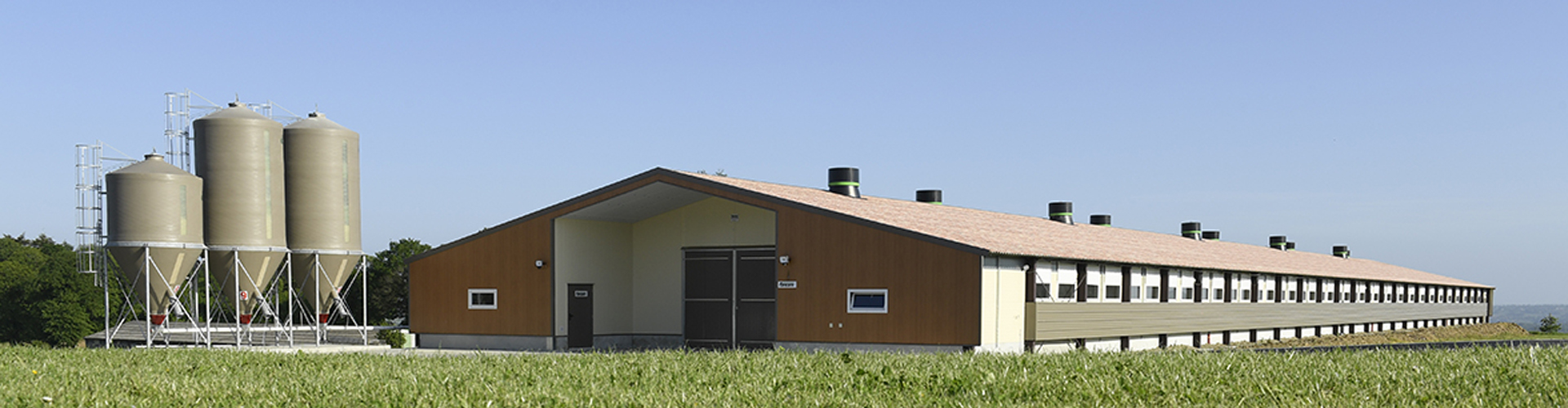
- Poultry cage investment decisions determine production efficiency, equipment lifespan, operating expenses, and future profitability across modern commercial poultry farms while supporting sustainable business expansion through reliable engineering solutions.
Smart purchasing methods reduce unnecessary expenses by comparing structural quality, automation compatibility, corrosion resistance, and maintenance frequency instead of focusing only on initial equipment prices.
Reliable poultry housing equipment, automatic feeding systems, climate control solutions, and manure removal equipment create stable production environments while improving daily management efficiency and bird welfare.
Practical buying guidance combines engineering knowledge, poultry science, and commercial planning, helping investors achieve stronger financial returns with durable equipment designed for continuous production cycles.
- Complete equipment integration, professional factory support, and scalable poultry farm planning provide long-term value for commercial projects ranging from 20,000 to 120,000 laying hens.
Get professional poultry farm construction guidance, equipment selection solutions, and the latest price lists, whatsApp to +8618830120193, click to learn more:
Evaluate Total Ownership Cost
Buying cages only because of a lower quotation often increases maintenance expenses during later production years.
A galvanized cage system designed for 20 years of continuous operation may reduce replacement frequency compared with equipment requiring structural renovation after 9 years.
Investment planning should include spare parts, labor, electricity, and future expansion requirements rather than purchase price alone.
Projects with budgets around USD 45,000–85,000 usually benefit from complete equipment planning instead of separate purchasing.
European union standard reference only.
Data is for reference only.Swipe horizontally to view full table.
Choose Integrated Poultry Equipment
Separate suppliers frequently create installation delays because dimensions and connection standards differ.
Complete poultry equipment packages improve installation accuracy while reducing engineering coordination time.
Modern automatic poultry cage system layouts also simplify electrical routing and future equipment upgrades.
Average installation efficiency can improve when foundation deviation remains within ±5 mm, helping maintain equipment alignment throughout production.
Data is for reference only.Swipe horizontally to view full table.
Integrated engineering also minimizes repeated transportation, warehouse handling, and installation adjustments across different construction stages.
Professional planning allows feeding, ventilation, drinking, and manure removal equipment to operate as one coordinated production system.
Plan Capacity For Future Expansion
Many poultry farms expand within three to five years after reaching stable production.
Purchasing expandable cage modules at the beginning usually avoids dismantling existing equipment later.
A layout reserved with 1.8 m maintenance aisles also improves equipment access during routine inspections.
Data is for reference only.Swipe horizontally to view full table.
Modular engineering shortens future installation periods because additional cage rows connect directly to the original structural framework.
Continuous expansion planning also improves asset utilization throughout multiple production cycles.
Compare Galvanized Steel Quality
Corrosion protection affects equipment durability more than appearance.
Hot-dip galvanizing forms a thicker protective layer against moisture and ammonia, reducing structural deterioration during continuous poultry production.
Many commercial poultry houses maintain indoor ammonia concentrations below 20 ppm, while relative humidity is commonly controlled between 55% and 65% to protect both birds and steel structures.
Data is for reference only.Swipe horizontally to view full table.
Reliable corrosion resistance lowers replacement frequency and helps maintain stable cage dimensions during long-term operation.
Invest In Automation Instead Of Additional Labor
Labor expenses continue increasing in many poultry-producing regions.
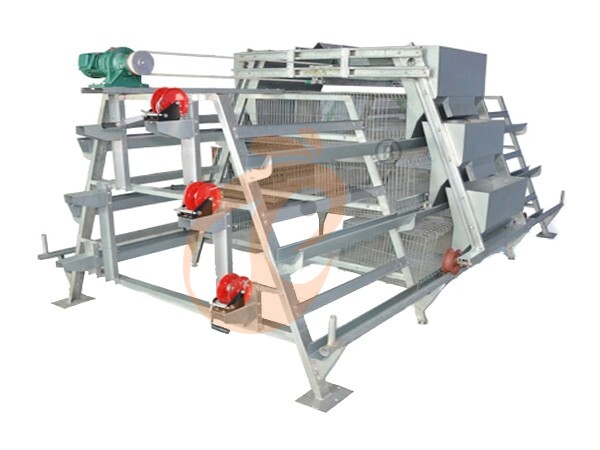
A complete layer cage system equipped with automatic feeding, nipple drinking, manure removal, and egg collection equipment can improve operational consistency while reducing manual intervention.
Daily feed distribution deviation is commonly maintained within ±2%, supporting more uniform flock performance throughout the production cycle.
Data is for reference only.Swipe horizontally to view full table.
Automation also simplifies routine management, allowing farm personnel to focus on bird health, production monitoring, and preventive maintenance rather than repetitive manual work.
Select Manufacturers With Engineering Experience
Equipment quality depends not only on production capability but also on engineering support before and after delivery.
Experienced manufacturers provide layout design, structural calculation, installation guidance, equipment commissioning, and spare parts planning throughout the project lifecycle.
Projects valued between USD 80,000 and USD 300,000 generally achieve smoother implementation when supplied through a single engineering partner.
European union standard reference only.
Data is for reference only.Swipe horizontally to view full table.
Professional engineering support reduces installation errors and improves equipment compatibility across the entire poultry house, creating a more reliable foundation for long-term commercial production.
Understand Poultry Science Before Purchasing Equipment
Equipment selection should follow bird biology rather than only construction budgets.
Adult laying hens generally require 16 hours of daily lighting during peak production, while air velocity around 2.0 m/s helps relieve heat stress during warm seasons.
Stable environmental conditions improve feed utilization, eggshell quality, and flock uniformity throughout multiple production cycles.
Data is for reference only.Swipe horizontally to view full table.
Modern commercial poultry equipment combines cages, feeding systems, ventilation equipment, cooling pads, environmental controllers, and manure conveyors into one coordinated production platform.
Avoid Common Purchasing Mistakes
Many investors compare quotations without checking engineering drawings, material specifications, or equipment compatibility.
Ignoring installation details may increase construction time and reduce production efficiency after commissioning.
Leaving 900 mm inspection passages around major equipment and reserving at least 150 mm for service clearance simplify future maintenance without interrupting production.
Compare Equipment By Lifecycle Value
Investment analysis should include operating efficiency, maintenance intervals, energy consumption, structural durability, and future upgrade flexibility.
Equipment designed for continuous commercial production usually provides stronger long-term financial performance than products selected only because of a lower purchase quotation.
Data is for reference only.Swipe horizontally to view full table.
Frequently Asked Questions
Q1: How long can a galvanized poultry cage system normally operate?
A properly manufactured hot-dip galvanized cage system can achieve a service life of around 18–20 years under appropriate maintenance and environmental management.
Q2: Should new farms purchase equipment separately?
Integrated purchasing is usually more economical because installation compatibility, electrical planning, and future maintenance are coordinated through one engineering solution.
Q3: Which factor creates better investment value than purchase price?
Lifecycle cost is usually more important.
Maintenance frequency, energy consumption, automation efficiency, and structural durability often influence total operating expenses more than the initial equipment price.
Taiyu (HK) Group - One Of China Largest Poultry Cage Manufacturer
Professional poultry cage systems, layer cages, broiler cages, breeder equipment, and complete poultry house engineering solutions for commercial farms.
Global factory direct supply with standardized manufacturing, strict quality inspection, and stable international project delivery.
Complete poultry equipment covering automatic feeding systems, nipple drinking systems, manure removal systems, ventilation equipment, cooling pads, and environmental controllers.
Professional Turn-key engineering projects including farm planning, equipment manufacturing, container loading, installation guidance, commissioning, and operator training.
Technical commercial support with CAD layout design, structural calculation, project management, export documentation, spare parts supply, and long-term after-sales engineering service.
Contact Us To Received Your Customized Poultry Farm Plan
Headquarters And Branchs
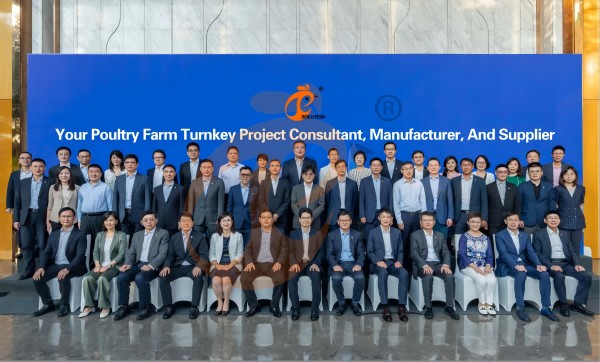
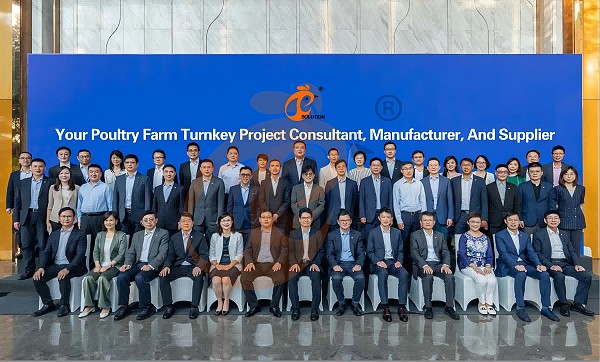
Hong Kong Headquarter Management Team
Hong Kong Headquarter Taiyu Industrial Group CO., LTD
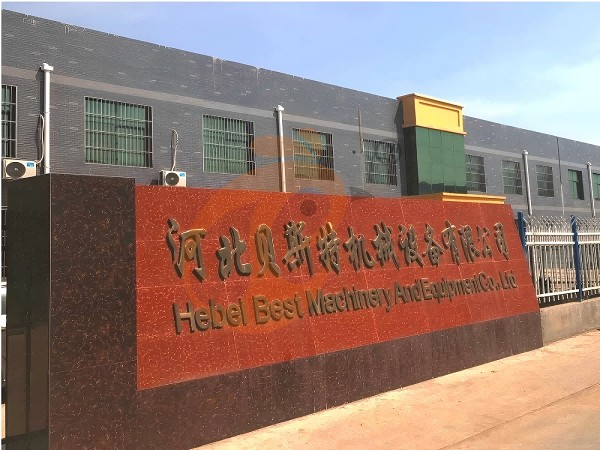
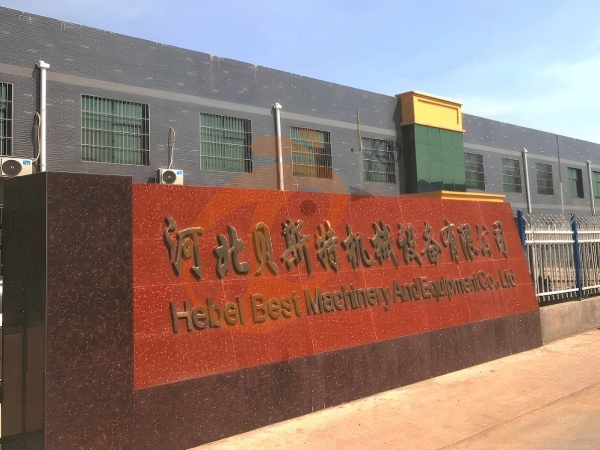
China Hebei Best Machinery And Equipment CO., LTD
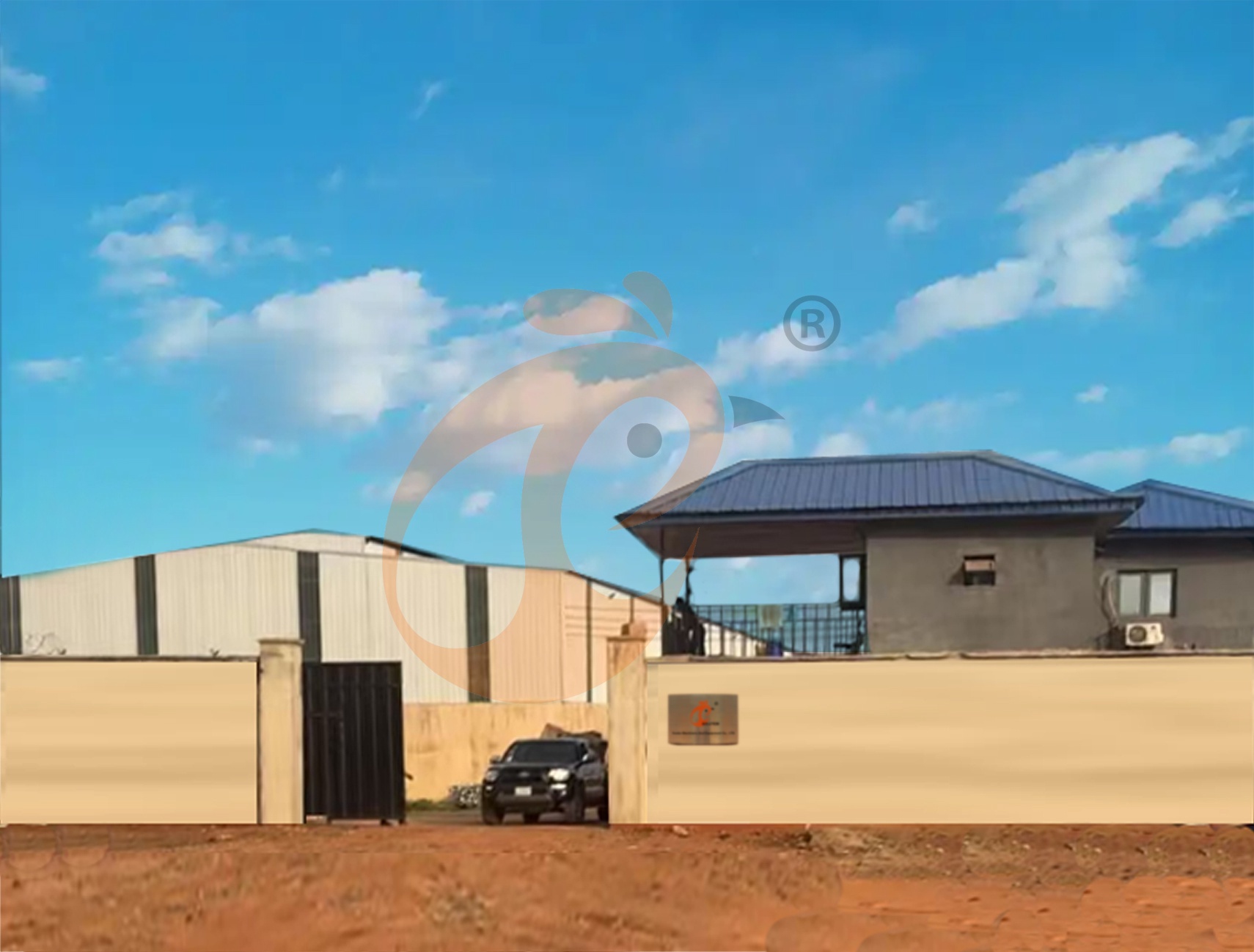
Nigeria Vanke Machinery And Equipment CO., LTD
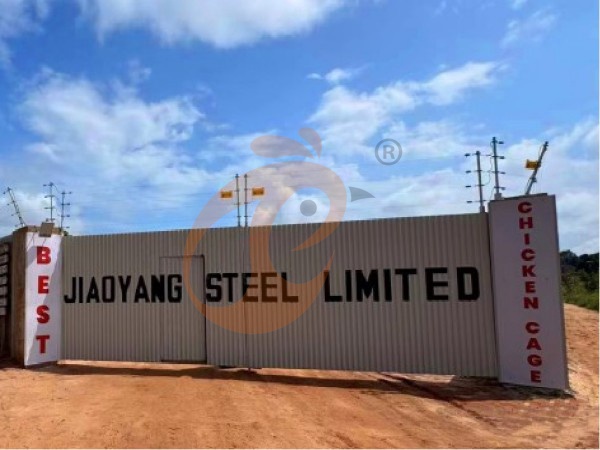
Tanzania Best Machinery And Equipment CO., LTD
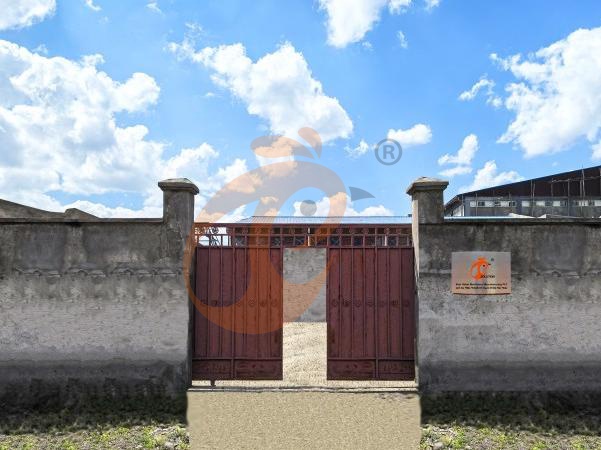
Ethiopia Best Hebei Machinery Manufacturing PLC
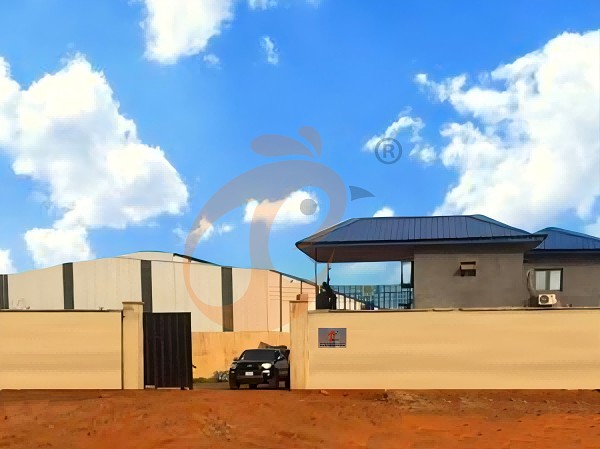
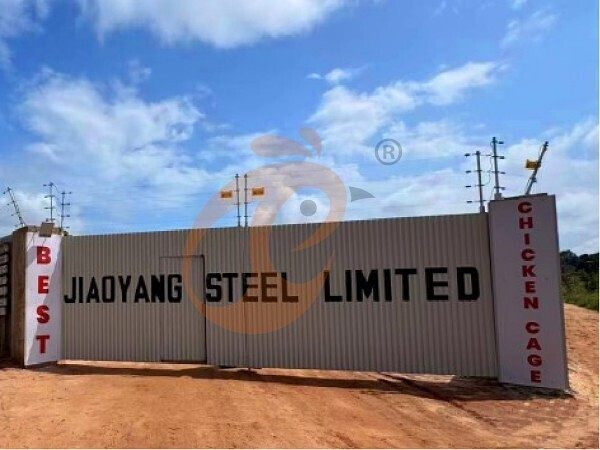
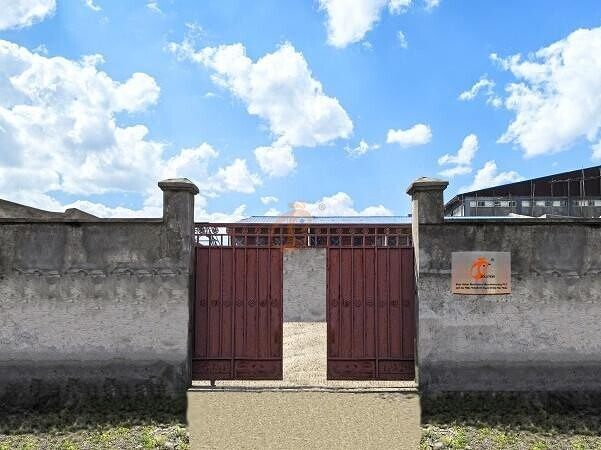
Reception /24 WhatsApp NO. : +8618830120193
FAQ
How To Choose The Ultimate Layer Cage System For Multi-Tier Farms?
Install automatic feeding, drinking, egg collection, and manure cleaning systems to boost egg production to 90–98%.
Optimized ventilation and temperature/humidity control reduce mortality to 2–3%.
What Are The Professional Guidelines For Optimizing Feed Storage And Usage In Chicken Cage Farms?
Use automatic feeders to allocate feed as needed, reducing waste by 5–10%.
Regularly monitor feed consumption per tier; FCR 1.9–2.1, egg production 90–98%.
What Are The Professional Guidelines For Reducing Labor Costs Using Automation In Chicken Cage Farms?
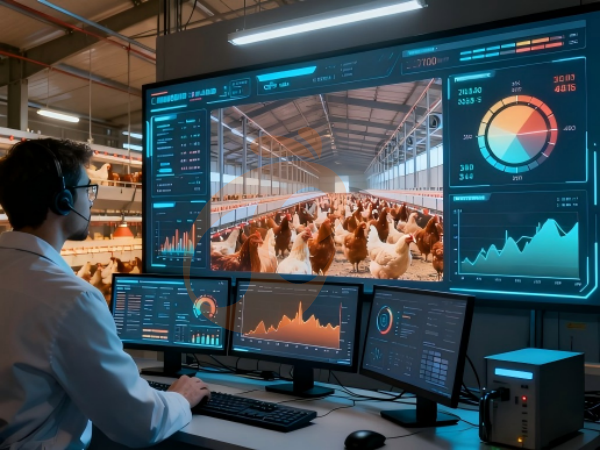
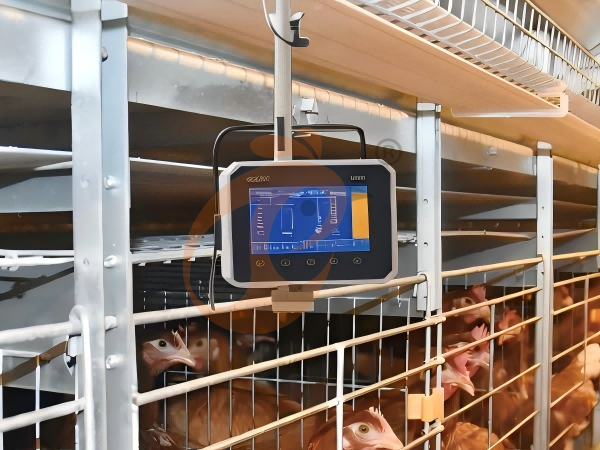
Use real-time monitoring systems to manage flock health and egg production.
ROI can be shortened to 24–36 months, improving overall profitability.
- poultry farm
- layer cages
- poultry farms
- broiler cage
- layer cage
- poultry house
- poultry cage
- cage
- galvanized cage
- poultry farm construction
- layer cage system
- poultry cage system
- automatic poultry cage system
- automatic poultry cage
- poultry farm planning
- automatic feeding system
- poultry equipment
- manure removal system
- manure removal equipment
- egg collection equipment
- poultry cages
- broiler cages
- chickencage
- bestchickencage
- cage system
- cage systems
- Nigeria
- commercial poultry farms
- poultry farming
- poultry cage systems
- poultry housing equipment
- galvanized poultry cage
- poultry house solutions
- galvanized cage system
- poultry farm plan
- feed bin
- Ethiopia
Message
Products recommended
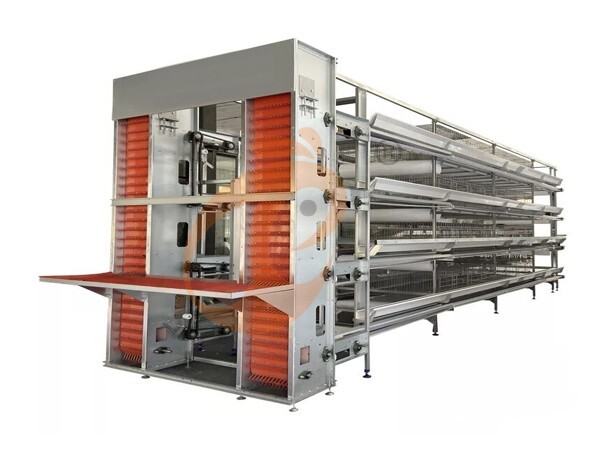
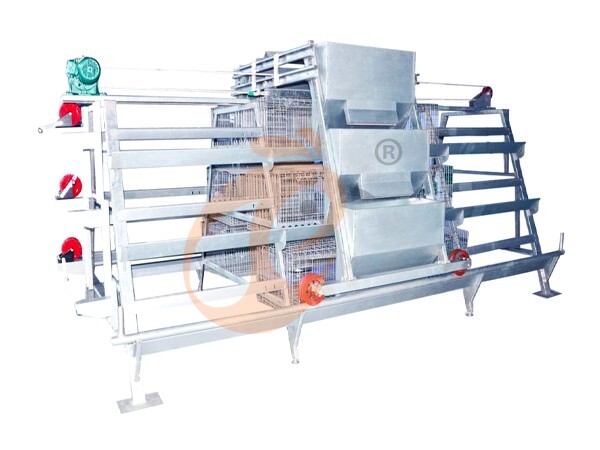
 >30,000 Pullets Automatic H Type Battery Cage1. More than 30,000 pullets a house, choose it.
2. It is designed to rearing older than 1 day old pullets to 12 to 16 weeks old chicken starting laying eggs.
3. Its lifespan is more than 25 years.
4. Its structure are Vcloud artificial intelligent fusion, electric control cabinet, automatic equipment of drinking, feeding, manure clean, manual harvesting.
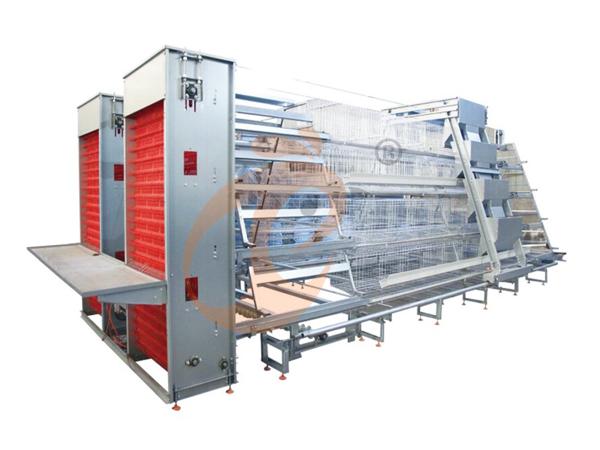
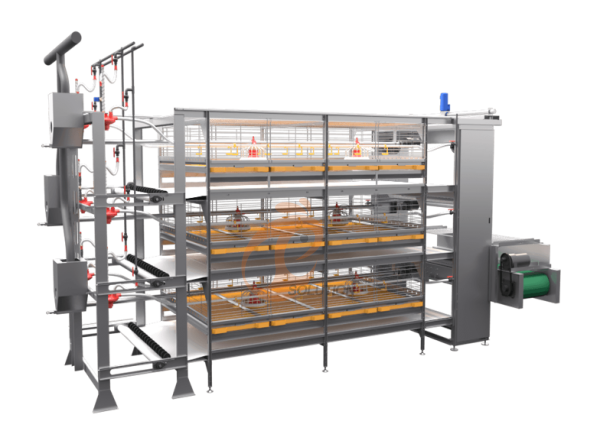
5. Our 24 hour online reception What’sApp NO. is +8618830120193 <30,000 Pullets Automatic A Type Battery Cage1. 10,000 to 30,000 pullets a house, choose it.
2. It is designed to rearing older than 1 day old pullets to 12 to 16 weeks old chicken starting laying eggs.
3. Its lifespan is more than 25 years.
4. Its structure are Vcloud artificial intelligent fusion, electric control cabinet, automatic equipment of drinking, feeding, manure clean, manual harvesting.
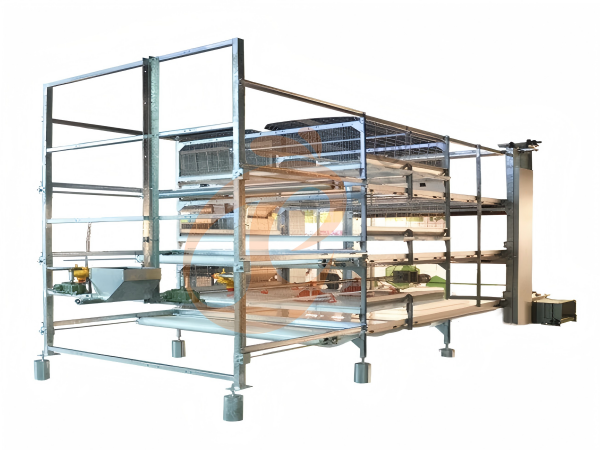
5. Our 24 hour online reception What’sApp NO. is +86 18830120193. >30,000 Broilers Semi-Automatic Harvest H Type Battery Cage1. More than 30,000 broilers a house, choose it.
2. It is designed to rearing 1 to 45 day old adult broiler ready for market.
3. Its lifespan is more than 20 years.
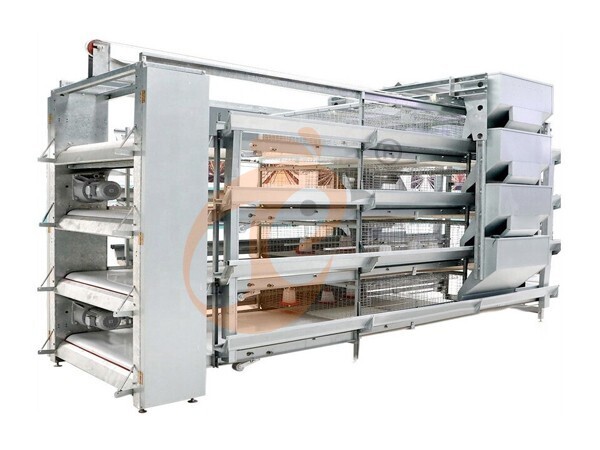
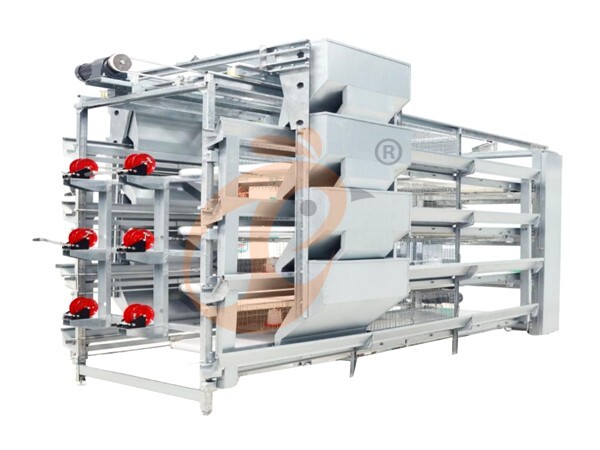
4. Our 24 hour online reception What’sApp NO. is +8618830120193, +234 8111199996. >30,000 Broilers Manual Harvest H Type Battery Cage1. More than 30,000 broilers a house, choose it.
2. It is designed to rearing 1 to 45 day old adult broiler ready for market.
3. Its lifespan is more than 20 years.
4. Its structure are Vcloud artificial intelligent fusion, electric control cabinet, automatic equipment of drinking, feeding and manure clean, manual harvesting.
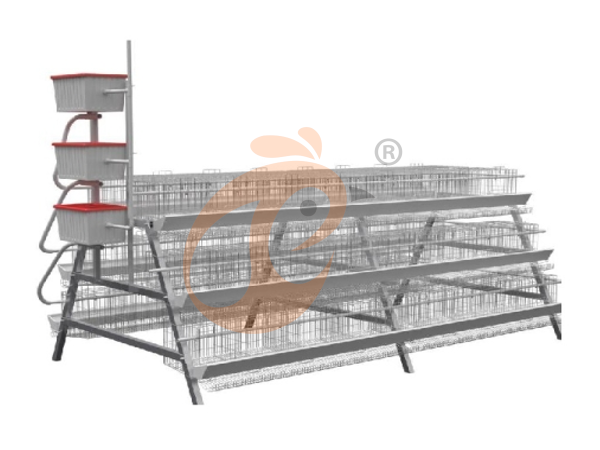
5. Our 24 hour online reception What’sApp NO. is +8618830120193, +234 8111199996. <30,000 Broilers Manual Harvest A Type Battery Cage1. Less 30,000 broilers a house, choose it.
2. It is designed to rearing 1 to 45 day old adult broiler ready for market.
3. Its lifespan is more than 20 years.
4. Its structure are Vcloud artificial intelligent fusion, electric control cabinet, automatic equipment of drinking, feeding and manure clean, manual harvesting.
5. Our 24 hour online reception What’sApp NO. is +8618830120193, +234 8111199996. HK Headquarter Offers EU-standard Poultry Farm Solutions, Manufacture Poultry Farm Equipment1. Continuous communication with the EU and the US
2. China, Nigeria, Ethiopia, Tanzania branch companies and factories
3. The products’ quality is customized for local poultry farms
4. Poultry cage and poultry farm equipment stock for sale
5. 24 online reception Whatsapp NO. : +8618830120193,contact us to get full information China Branch Offer Poultry Farm Business Plan, Manufacture Poultry Farm Equipment1. Address: Flat/RM 2416, 24/F, Runxing Building, Youyi Nan Street, Shijiazhuang City, Hebei Province, China
2. Poultry cage and poultry farm equipment factory and stock for sale
3. Customized for local poultry farms
4. Quality and design are based on Euro
5. 24 online reception Whatsapp NO. : +8618830120193 Nigeria Branch Offer Poultry Farm Business Plan, Manufacture Poultry Farm Equipment1. Address: After Sinoma Office, 200 Meters Near Danco Filling Station, Lagos/Ibadan Expressway, Lagos State, Nigeria
2. Poultry cage and poultry farm equipment factory and stock for sale
3. Customized for Nigerian poultry farms
4. Quality and design are based on Euro
5. 24 online reception Whatsapp NO. : +8618830120193 Ethiopia Branch Offer Poultry Farm Business Plan, Manufacture Poultry Farm Equipment1. Address: Gelan Gura, Akaki-kaliti Sub City, Addis Ababa, Ethiopia
2. Poultry cage and poultry farm equipment stock for sale
3. Customized for Ethiopian poultry farms
4. Quality and design are based on Euro
5. 24 online reception Whatsapp NO. : +8618830120193, contact us to get price list Tanzania Branch Offer Poultry Farm Business Plan, Manufacture Poultry Farm Equipment1. Address: No.8, Sova Road, Msufini, Mlandizi, Kibaha, Pwani, Tanzania
2. Poultry cage and poultry farm equipment factory and stock for sale
3. Customized for Tanzanian poultry farms
4. Quality and design are based on Euro
5. 24 online reception Whatsapp NO. : +8618830120193
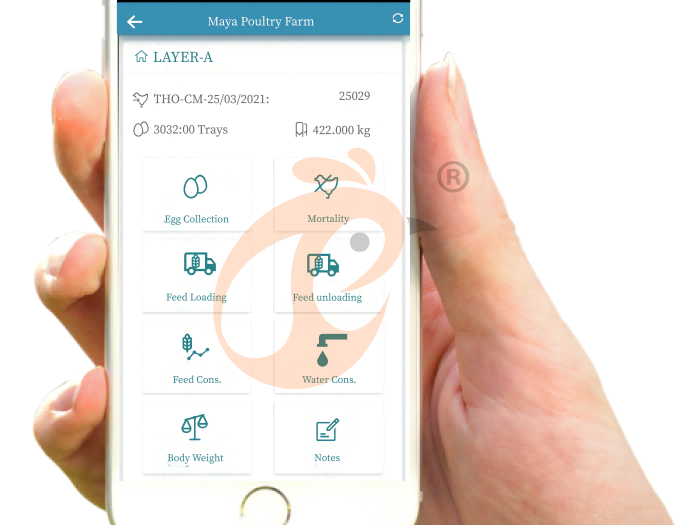


Contact