


Blog
Poultry cage system investment determines commercial egg farm profitability through equipment selection, engineering planning, operating efficiency, and accurate budgeting across every production stage for 10,000 laying hens.
Complete cost analysis explains housing equipment, automatic feeding, ventilation, manure handling, installation expenses, maintenance planning, and practical purchasing decisions using realistic commercial project references.
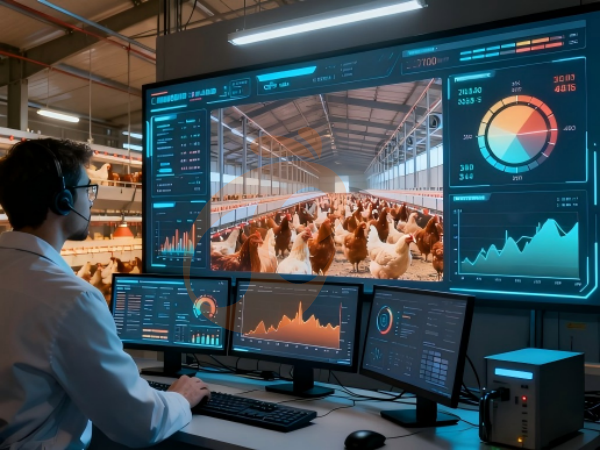
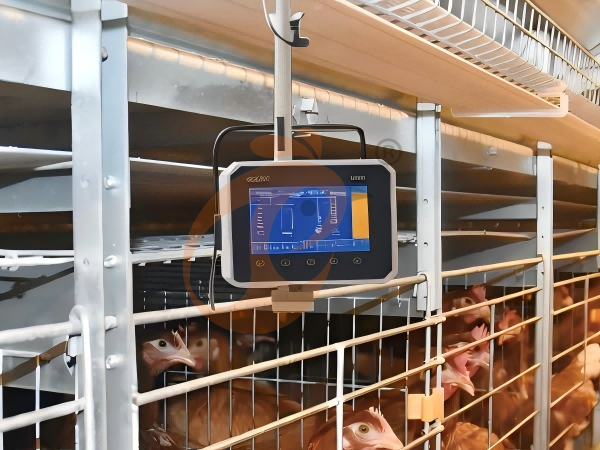
Modern automation reduces labor demand, improves egg cleanliness, supports healthier flocks, maintains stable production, and creates stronger long-term returns for expanding poultry businesses.
Engineering-based equipment selection minimizes unnecessary investment while matching poultry house dimensions, production objectives, local climate, and future capacity expansion requirements.
Professional manufacturing experience, integrated poultry equipment, and complete project support simplify construction schedules while improving operational efficiency throughout commercial layer farming projects.
Get professional poultry farm construction guidance, equipment selection solutions, and the latest price lists, whatsApp to +8618830120193, click to learn more:
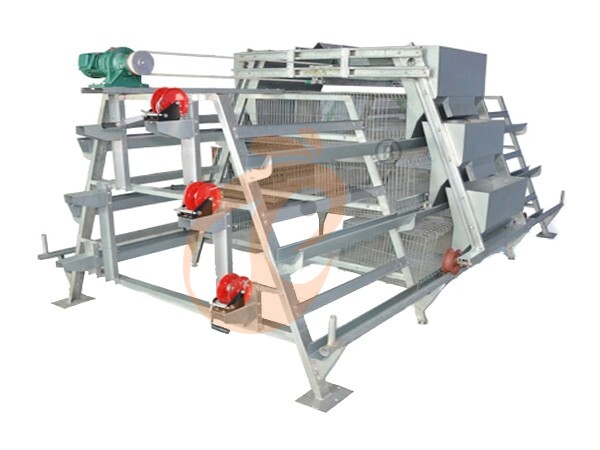
Egg Collection System
Automatic egg collection reduces shell damage while improving packing efficiency.
Commercial conveyor systems normally transport eggs at 4–6 m/min, helping maintain a breakage rate below 0.8% under proper adjustment.
Data is for reference only. Swipe horizontally to view full table.
Automatic collection also shortens handling time before grading and packaging.
Manure Removal Equipment
Removing manure every 24 hours helps maintain cleaner air while reducing fly activity inside the poultry house.
Belt-type manure systems also simplify fertilizer collection for commercial recycling.
Data is for reference only. Swipe horizontally to view full table.
Routine maintenance keeps conveyor belts operating smoothly throughout multiple production cycles.
Scientific Factors Affecting Equipment Investment
Many first-time investors compare only equipment prices, while experienced farms evaluate operating efficiency over 72–80 production weeks.
Proper cage layout, lighting duration, ventilation balance, and automation compatibility determine overall return more than the lowest purchase quotation.
Selecting integrated equipment from one manufacturer also reduces installation errors and future maintenance complexity.
Operating Cost Beyond Equipment
Equipment investment represents only one part of the project.
Electricity, vaccines, feed ingredients, replacement parts, and preventive maintenance gradually become long-term operating expenses.
Data is for reference only. Swipe horizontally to view full table.
Consistent preventive maintenance generally extends equipment service life and minimizes unexpected shutdowns.
Choosing A Professional Poultry Equipment Manufacturer
Purchasing a complete engineering solution is usually more economical than sourcing individual machines from different suppliers.
Integrated planning ensures cage dimensions, ventilation capacity, feeding lines, drinking systems, manure conveyors, and electrical layouts operate together efficiently.
Technical design also leaves sufficient space for future flock expansion without major structural modifications.
Cost Comparison Between Different Automation Levels
Automation level has a direct influence on labor demand, installation complexity, and long-term operating efficiency.
For farms planning continuous production over multiple laying cycles, investing in automation often reduces operating costs while improving management consistency.
Data is for reference only. Swipe horizontally to view full table.
Selecting suitable automation should match production goals, available labor resources, and future expansion plans rather than simply choosing the lowest investment.
Frequently Asked Questions
Q1: How much area is required for 10,000 layers?
A commercial layer house generally requires 900–1,100 m² depending on cage layout, aisle width, equipment configuration, and local building standards.
Proper space planning also improves ventilation performance and maintenance access.
Q2: Which cage material offers longer service life?
Hot-dip galvanized steel is commonly selected because the zinc coating can reach approximately 275 g/m², helping resist corrosion for 20–25 years under normal operating conditions with routine maintenance.
Q3: Is fully automatic equipment worth the investment?
For medium and large commercial farms, automatic feeding, manure removal, and egg collection can reduce daily labor demand from around 8 workers to 2–3 workers, improving production efficiency and management consistency over multiple laying cycles.
Taiyu (HK) Group - One Of China Largest Poultry Cage Manufacturer
Professional manufacturing of layer poultry cage systems, automatic poultry equipment, and complete chicken house equipment for commercial egg farms.
Global factory-direct supply supports customers across Asia, Africa, South America, Europe, and the Middle East with stable production capacity and engineering quality.
Complete Turn-key poultry farm projects include engineering layout, equipment manufacturing, installation guidance, commissioning support, and operator training.
Integrated poultry equipment covers feeding systems, nipple drinking systems, manure removal systems, egg collection systems, ventilation equipment, environmental control, and steel poultry house solutions.
Technical commercial specifications are customized according to flock size, climate conditions, local regulations, and investment objectives, delivering complete engineering solutions from project design to commercial operation.
Contact Us To Received Your Customized Poultry Farm Plan
Headquarters And Branchs
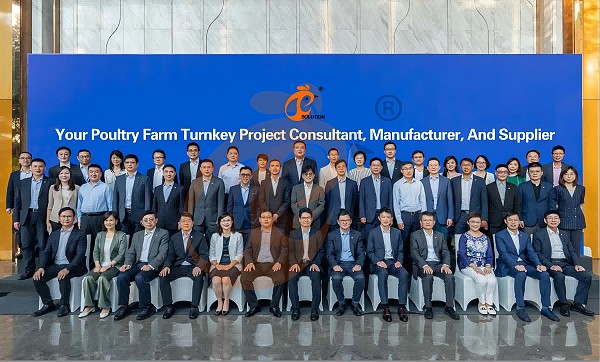
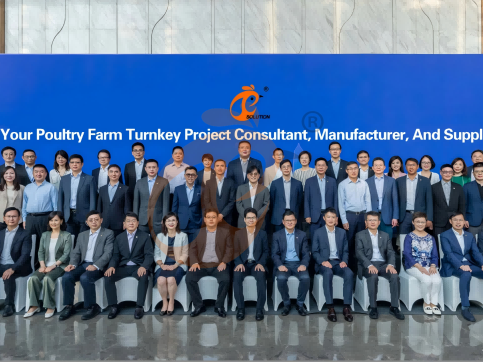
Hong Kong Headquarter Management Team
Hong Kong Headquarter Taiyu Industrial Group CO., LTD
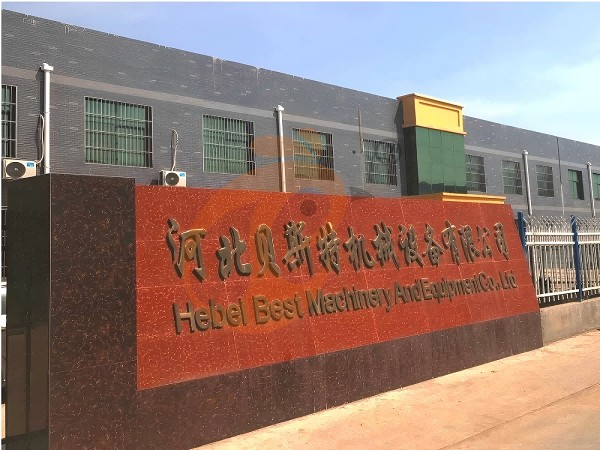
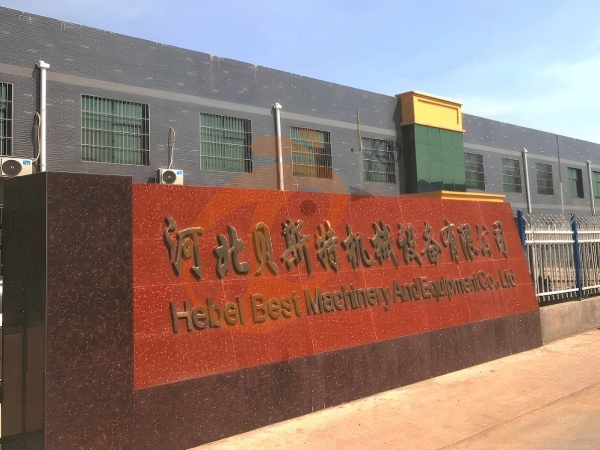
China Hebei Best Machinery And Equipment CO., LTD
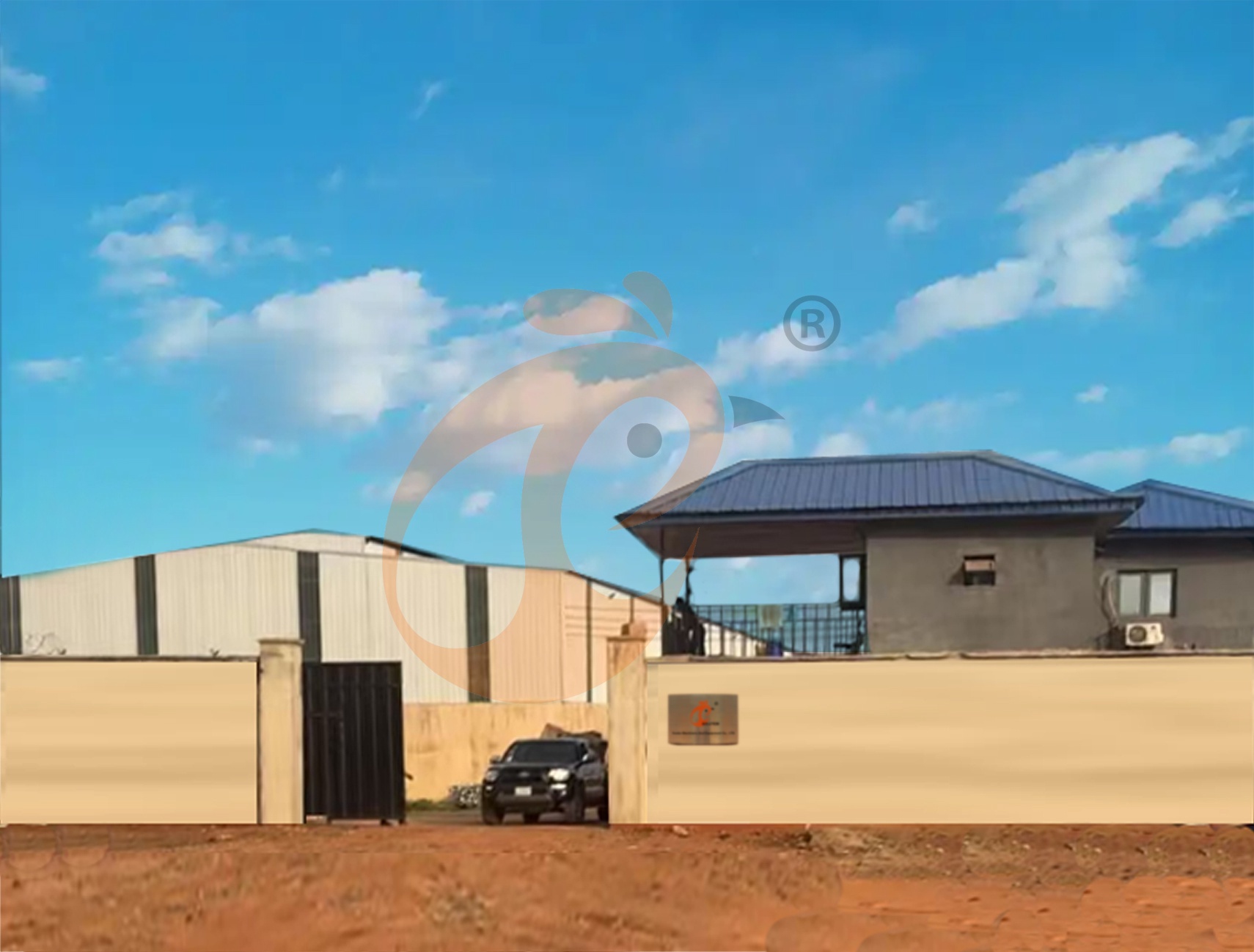
Nigeria Vanke Machinery And Equipment CO., LTD
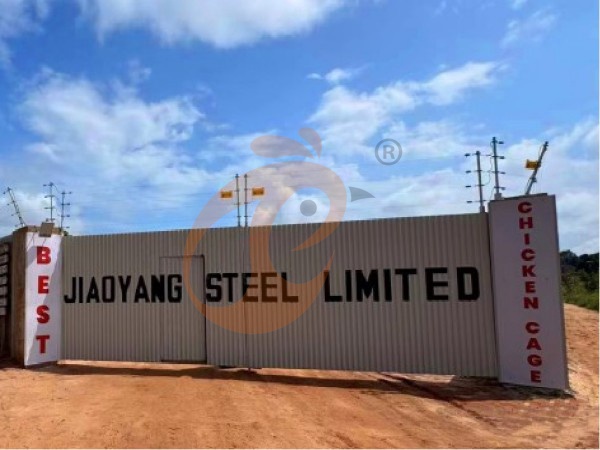
Tanzania Best Machinery And Equipment CO., LTD
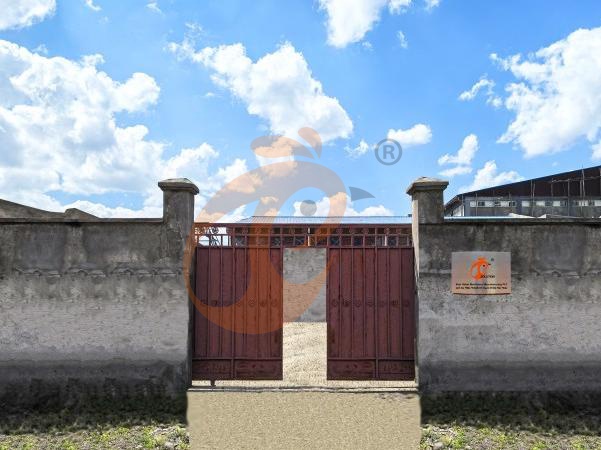
Ethiopia Best Hebei Machinery Manufacturing PLC
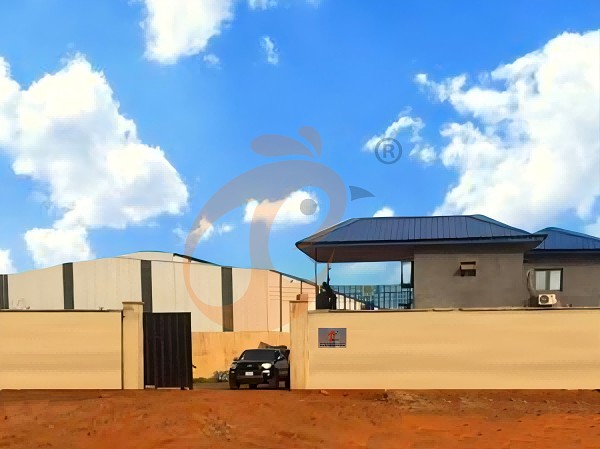
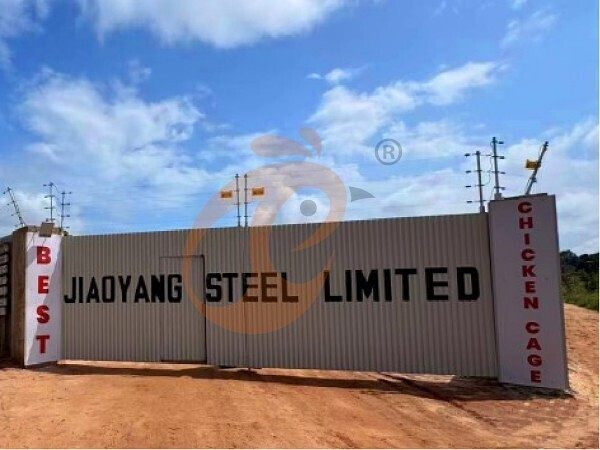
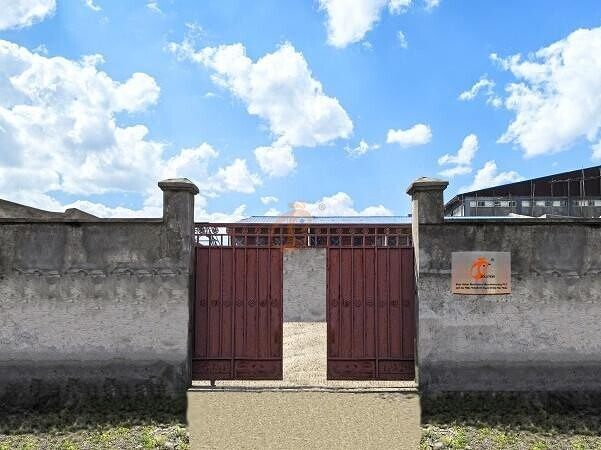
Reception /24 WhatsApp NO. : +8618830120193
FAQ
What Are The Professional Recommendations For Reducing Breakage Rate In Battery Cage Systems?
Regularly clean belts and avoid sharp edges.
Egg production: 90–98%, breakage rate: 2–3%.
How To Implement Automatic Feeding Systems To Maximize FCR Efficiency?
Reducing feed waste by 5–10% keeps FCR at 1.9–2.1.
Combined with lighting management, egg production rate can reach 90–98%.
What Are The Ultimate Tips For Minimizing Mortality In Poultry Cage Farms?
Ensure good ventilation, temperature 18–25℃, humidity 50–70%.
Regular health checks and vaccinations reduce mortality to 2–3%.
- poultry farm
- layer cage
- chicken house
- poultry house
- poultry cage
- cage
- galvanized cage
- poultry farm construction
- layer cage system
- poultry cage system
- poultry cage system cost
- layer poultry cage system
- layer poultry cage
- poultry farm project
- poultry equipment
- manure removal system
- manure removal equipment
- egg collection system
- poultry cages
- chickencage
- bestchickencage
- cage system
- galvanized cages
- cage systems
- h cage
- Nigeria
- layer farm
- commercial egg farm
- poultry equipment manufacturer
- poultry cage systems
- chicken house equipment
- poultry house solutions
- automatic egg collection
- poultry farm plan
- Ethiopia
Message
Products recommended
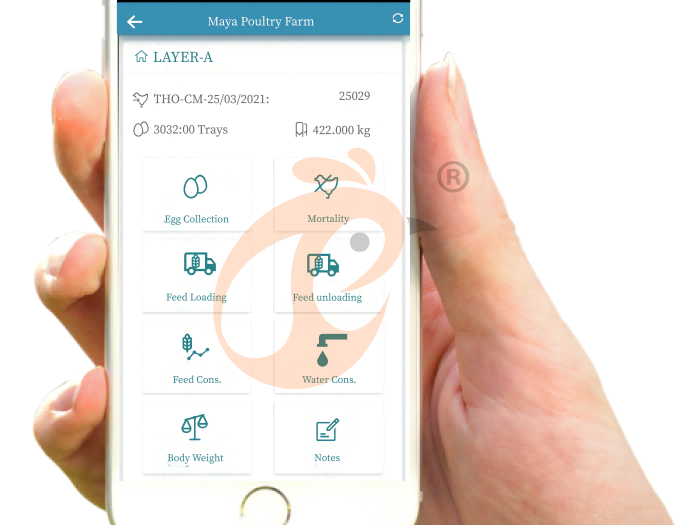
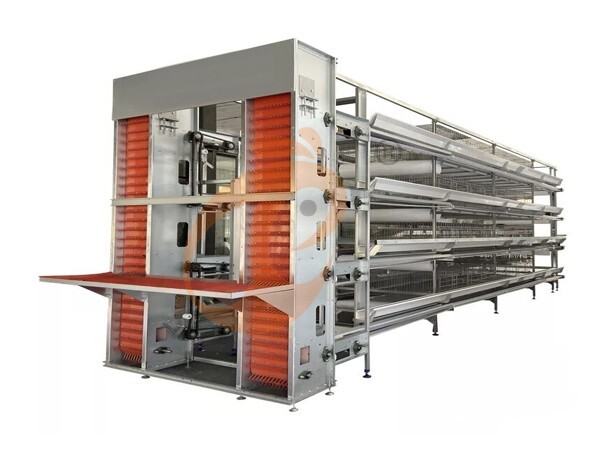
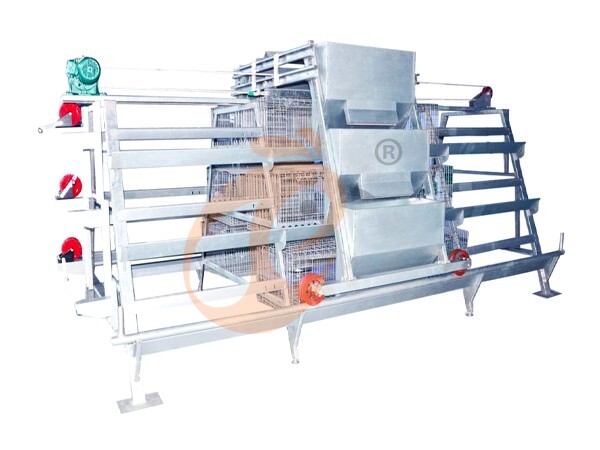
 >30,000 Pullets Automatic H Type Battery Cage1. More than 30,000 pullets a house, choose it.
2. It is designed to rearing older than 1 day old pullets to 12 to 16 weeks old chicken starting laying eggs.
3. Its lifespan is more than 25 years.
4. Its structure are Vcloud artificial intelligent fusion, electric control cabinet, automatic equipment of drinking, feeding, manure clean, manual harvesting.
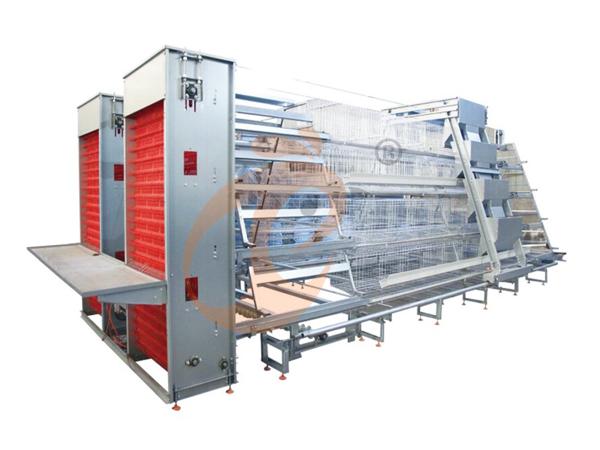
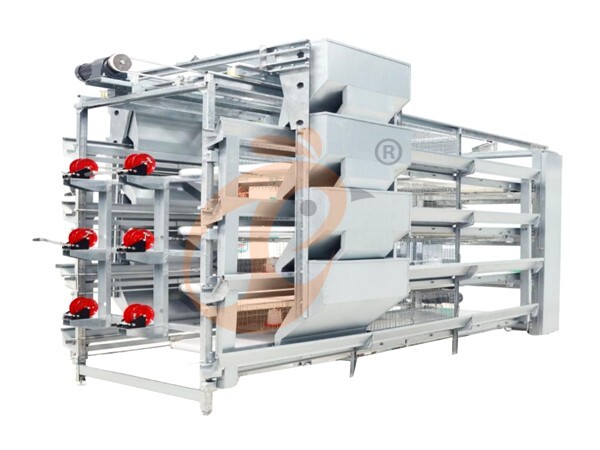
5. Our 24 hour online reception What’sApp NO. is +8618830120193 <30,000 Pullets Automatic A Type Battery Cage1. 10,000 to 30,000 pullets a house, choose it.
2. It is designed to rearing older than 1 day old pullets to 12 to 16 weeks old chicken starting laying eggs.
3. Its lifespan is more than 25 years.
4. Its structure are Vcloud artificial intelligent fusion, electric control cabinet, automatic equipment of drinking, feeding, manure clean, manual harvesting.
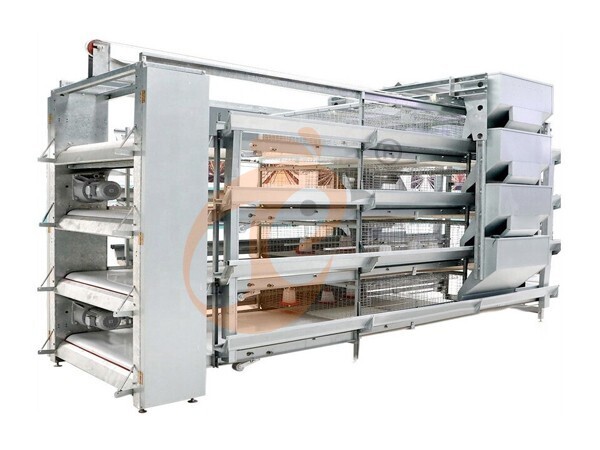
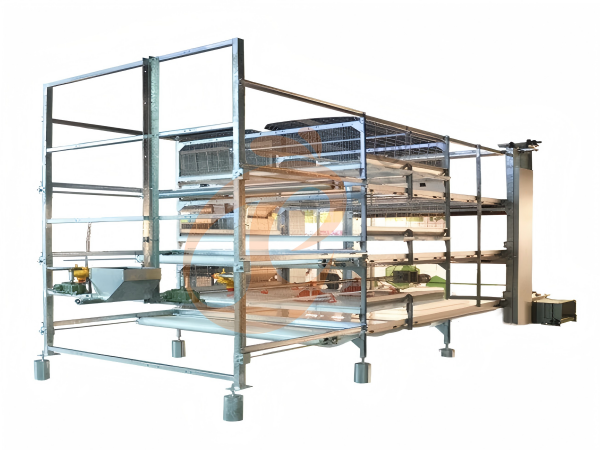
5. Our 24 hour online reception What’sApp NO. is +86 18830120193. >30,000 Broilers Semi-Automatic Harvest H Type Battery Cage1. More than 30,000 broilers a house, choose it.
2. It is designed to rearing 1 to 45 day old adult broiler ready for market.
3. Its lifespan is more than 20 years.
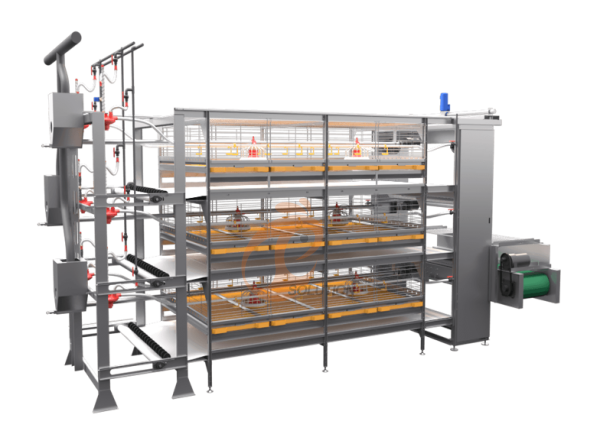
4. Our 24 hour online reception What’sApp NO. is +8618830120193, +234 8111199996. >30,000 Broilers Manual Harvest H Type Battery Cage1. More than 30,000 broilers a house, choose it.
2. It is designed to rearing 1 to 45 day old adult broiler ready for market.
3. Its lifespan is more than 20 years.
4. Its structure are Vcloud artificial intelligent fusion, electric control cabinet, automatic equipment of drinking, feeding and manure clean, manual harvesting.
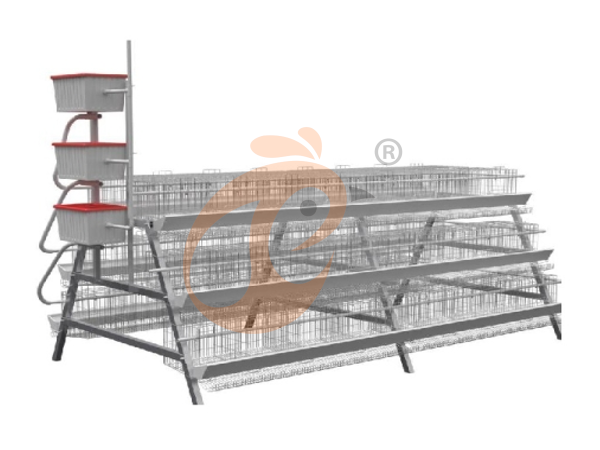
5. Our 24 hour online reception What’sApp NO. is +8618830120193, +234 8111199996. <30,000 Broilers Manual Harvest A Type Battery Cage1. Less 30,000 broilers a house, choose it.
2. It is designed to rearing 1 to 45 day old adult broiler ready for market.
3. Its lifespan is more than 20 years.
4. Its structure are Vcloud artificial intelligent fusion, electric control cabinet, automatic equipment of drinking, feeding and manure clean, manual harvesting.
5. Our 24 hour online reception What’sApp NO. is +8618830120193, +234 8111199996. HK Headquarter Offers EU-standard Poultry Farm Solutions, Manufacture Poultry Farm Equipment1. Continuous communication with the EU and the US
2. China, Nigeria, Ethiopia, Tanzania branch companies and factories
3. The products’ quality is customized for local poultry farms
4. Poultry cage and poultry farm equipment stock for sale
5. 24 online reception Whatsapp NO. : +8618830120193,contact us to get full information China Branch Offer Poultry Farm Business Plan, Manufacture Poultry Farm Equipment1. Address: Flat/RM 2416, 24/F, Runxing Building, Youyi Nan Street, Shijiazhuang City, Hebei Province, China
2. Poultry cage and poultry farm equipment factory and stock for sale
3. Customized for local poultry farms
4. Quality and design are based on Euro
5. 24 online reception Whatsapp NO. : +8618830120193 Nigeria Branch Offer Poultry Farm Business Plan, Manufacture Poultry Farm Equipment1. Address: After Sinoma Office, 200 Meters Near Danco Filling Station, Lagos/Ibadan Expressway, Lagos State, Nigeria
2. Poultry cage and poultry farm equipment factory and stock for sale
3. Customized for Nigerian poultry farms
4. Quality and design are based on Euro
5. 24 online reception Whatsapp NO. : +8618830120193 Ethiopia Branch Offer Poultry Farm Business Plan, Manufacture Poultry Farm Equipment1. Address: Gelan Gura, Akaki-kaliti Sub City, Addis Ababa, Ethiopia
2. Poultry cage and poultry farm equipment stock for sale
3. Customized for Ethiopian poultry farms
4. Quality and design are based on Euro
5. 24 online reception Whatsapp NO. : +8618830120193, contact us to get price list Tanzania Branch Offer Poultry Farm Business Plan, Manufacture Poultry Farm Equipment1. Address: No.8, Sova Road, Msufini, Mlandizi, Kibaha, Pwani, Tanzania
2. Poultry cage and poultry farm equipment factory and stock for sale
3. Customized for Tanzanian poultry farms
4. Quality and design are based on Euro
5. 24 online reception Whatsapp NO. : +8618830120193


Contact