


Blog
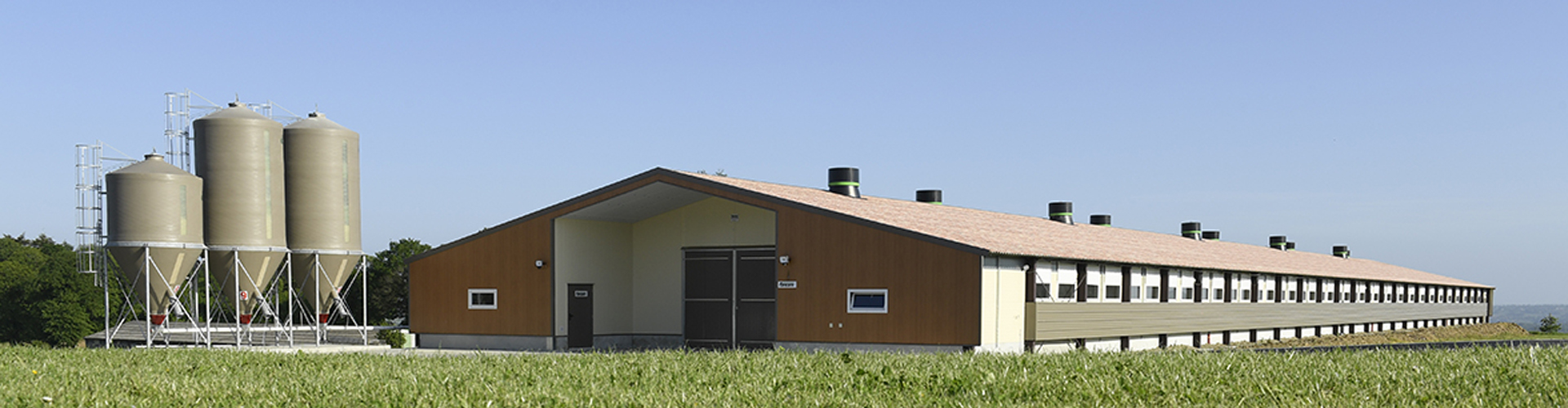
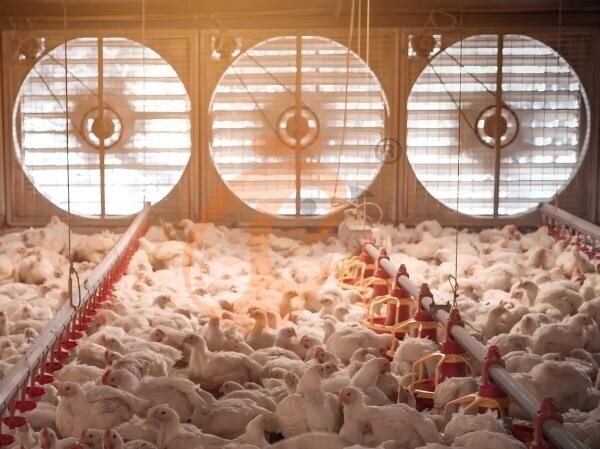
Standard poultry equipment systems combine proven layouts, automated feeding, reliable drinking, ventilation, cooling, and environmental control for efficient commercial production.
Custom poultry equipment systems adapt equipment selection, routing, capacity, and controls to unusual house dimensions, climate conditions, flock density, and expansion requirements.
Cost evaluation should include installation, energy, labor, maintenance, automation, and service, with equipment performance measured through practical engineering parameters rather than purchase price alone.
Hybrid configurations can combine standardized components with project-specific engineering, creating flexible solutions for broiler, layer, pullet, and cage-free production facilities.
Professional poultry equipment integration connects individual machines into one coordinated production system, supporting stable house conditions, efficient management, scalable investment, and dependable long-term operation for modern farms.
Get professional poultry farm construction guidance, equipment selection solutions, and the latest price lists, whatsApp to +8618830120193, click to learn more:
Start With The Farm, Not The Equipment
Standard poultry equipment systems are built around established house configurations, while custom poultry equipment systems are engineered around specific
dimensions, climate conditions, bird capacity, and management objectives.
A properly designed system should coordinate feeding, drinking, ventilation, cooling, heating, lighting, and environmental control.
Commercial broiler houses may operate with 8–12 birds/m², while reinforced concrete floors commonly use a 1–2% drainage slope.
A professional poultry equipment supplier should create a poultry house system that supports consistent operation, reduced manual work, and predictable
production.
Standard Vs. Custom: At A Glance
Data is for reference only.Swipe horizontally to view full table.
These dimensions demonstrate why standard poultry equipment works efficiently for conventional poultry houses.
Custom poultry equipment becomes more valuable when building geometry, electrical infrastructure, or production configuration falls outside established
conditions.
The Economics Behind The Choice
The purchase price should not be evaluated independently from operating performance.
Automatic systems can transfer repetitive tasks from manual labor to controlled mechanical processes, particularly in large poultry houses.
A typical automatic feed line can deliver 30–60 kg/min, while a commercial hopper may hold 600–1,200 kg.
Such capacity allows feed logistics to be designed around scheduled distribution rather than repeated manual filling.
Our poultry equipment systems focus on matching equipment capacity with actual production demand while avoiding unnecessary engineering expenditure.
Investment Logic
Equipment Investment → Installation → Operation → Maintenance → Production Efficiency → Long-Term Return
Compare The Core Equipment Areas
Data is for reference only.Swipe horizontally to view full table.
A complete poultry equipment package should be engineered as an integrated system.
Feed delivery, water distribution, air movement, cooling, and environmental controls must cooperate rather than operate as unrelated components.
Commercial equipment design can also incorporate 0.37–1.5 kW auxiliary drive motors and 2–4 bar water-pressure regulation according to application
requirements.
When Standard Equipment Makes More Sense
Standard equipment is particularly suitable when poultry houses follow conventional dimensions and production targets are clearly defined.
Standard Selection Indicators
Building drawings follow established poultry-house layouts.
- Feed and water lines can follow direct installation routes.
- Ventilation requirements fit available fan configurations.
- Electrical infrastructure matches equipment specifications.
- Replacement components need standardized specifications.
Automatic feeding motors can be selected around 0.75–2.2 kW, while controller cabinets may use IP54 protection for suitable indoor installation conditions.
Our standard poultry equipment packages simplify procurement while maintaining coordinated performance across feeding, drinking, ventilation, and environmental-control equipment.
When Customization Creates More Value
Data is for reference only.Swipe horizontally to view full table.
Customization should be based on measurable engineering requirements.
Tunnel fans can reach approximately 55,000 m³/h at zero static pressure, while operating performance should be evaluated at the project-specific pressure point.
For customized poultry equipment systems, fan quantity, inlet configuration, controller zoning, and cooling capacity can therefore be calculated according to the
actual building rather than selected from a generic package.
Installation And Service Matter
Data is for reference only.Swipe horizontally to view full table.
Installation quality directly affects poultry equipment performance.
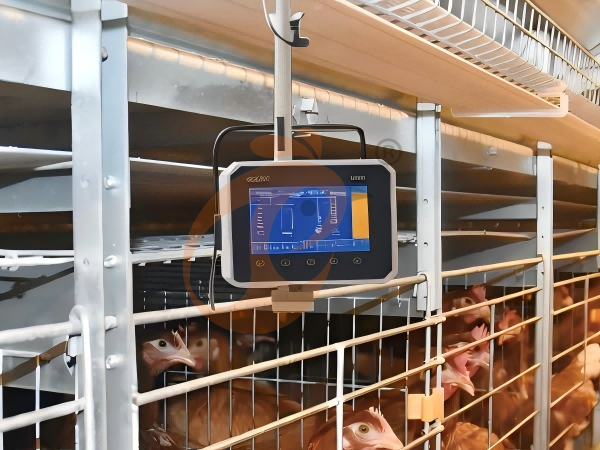
Automatic drinking systems require regular inspection to prevent malfunction, while mechanically ventilated houses should provide emergency power for essential functions.
Water-line commissioning can include 0.2–0.4 mpa pressure checks, while control-panel testing can verify 24 V DC sensor and actuator circuits before operation.
Our service model extends beyond shipment through equipment selection, layout planning, installation guidance, commissioning, operator training, and spare-parts support.
A Better Selection Method
Measure
Record building geometry, infrastructure, bird capacity, climate conditions, water characteristics, and electrical requirements.
Define
Establish production objectives, labor organization, operating schedules, automation requirements, and planned expansion.
Calculate
Determine feed delivery, water demand, airflow, cooling requirements, electrical loading, and control architecture.
Integrate
Connect feeding, drinking, ventilation, cooling, heating, lighting, manure handling, and environmental control into one operating sequence.
Expand
Reserve suitable interfaces for future equipment additions, additional houses, monitoring systems, and capacity upgrades.
Ventilation design can be evaluated through air changes per hour and CFM per bird, rather than selecting fans solely by physical diameter.
Why A Hybrid System Can Be The Smartest Choice
Data is for reference only.Swipe horizontally to view full table.
A hybrid poultry equipment configuration allows farms to retain proven components while customizing selected engineering points.
This approach can be especially effective when feeding and drinking requirements are conventional but ventilation or climate-control requirements depend
strongly on regional weather.
Environmental controllers can provide ±1°C control accuracy, while lighting schedules can be configured around production-stage requirements.
The result is a project that avoids unnecessary customization without sacrificing engineering precision where practical value exists.
Our Equipment, Your Production Strategy
A professional poultry equipment supplier should provide more than individual machines.
Our complete poultry house equipment solutions can cover automatic feeding, nipple drinking, ventilation, cooling, heating, lighting, manure handling, and
environmental control.
Systems can be engineered for broiler, layer, pullet, and cage-free applications.
Equipment selection can also account for farm climate, house structure, water source, electrical supply, production capacity, and automation requirements.
Cage-free projects can incorporate central egg-collection belts, egg elevators, manure belts, environmental sensors, and programmable lighting controls.
For commercial projects involving currencies, European union standard reference only.
The Right System Is The One That Fits The Engineering
Data is for reference only.Swipe horizontally to view full table.
There is no universal equipment configuration for every poultry farm.
The correct choice depends on building geometry, flock size, climate, water quality, electrical infrastructure, labor organization, and future expansion.
For conventional houses, standard poultry equipment can simplify installation and procurement.
For complex projects, custom poultry equipment can provide more precise equipment coordination and operational control.
Our objective is to deliver the configuration that fits the farm rather than simply the configuration that is easiest to sell.
Frequently Asked Questions
Q1: What is the main difference between standard and custom poultry equipment systems?
Standard systems use established equipment layouts and component specifications, while custom systems modify equipment selection and installation according to project conditions.
Custom engineering becomes valuable when house geometry, climate, capacity, or infrastructure requires special calculations.
Q2: Can standard poultry equipment be used for large commercial farms?
Yes.
Large farms can use standardized equipment when building dimensions and production requirements match proven system configurations.
A commercial project may still require multiple ventilation stages, separate water zones, and centralized control architecture.
Taiyu (HK) Group - One Of China Toppest Poultry Equipment Manufacturer
Poultry equipment systems integrate automatic feeding, nipple drinking, ventilation, cooling, heating, lighting, manure handling, and environmental control into coordinated commercial production lines.
Global factory direct sales connect engineering design, equipment manufacturing, quality inspection, packaging, and international project delivery through one controlled supply chain.
Poultry equipment packages support broiler, layer, pullet, and cage-free facilities with component selection based on building drawings, flock capacity, climate, utilities, and production objectives.
Turn-key engineering covers project layout, equipment configuration, installation guidance, commissioning, operator training, spare-parts planning, and technical coordination from initial design through production startup.
International project supply supports complete poultry-house development with standardized manufacturing, customized engineering interfaces, export coordination, and technical documentation for commercial farm construction.
Contact Us To Received Your Customized Poultry Farm Plan
Headquarters And Branchs

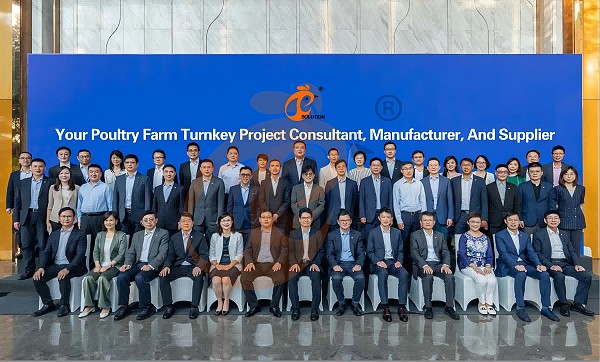
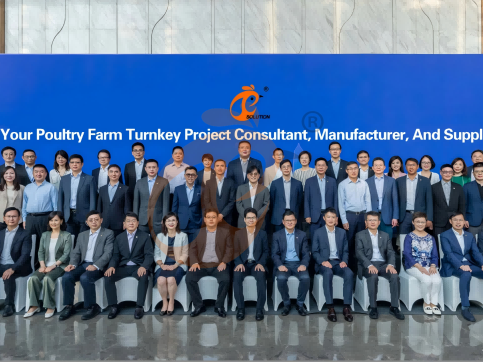
Hong Kong Headquarter Management Team
Hong Kong Headquarter Taiyu Industrial Group CO., LTD
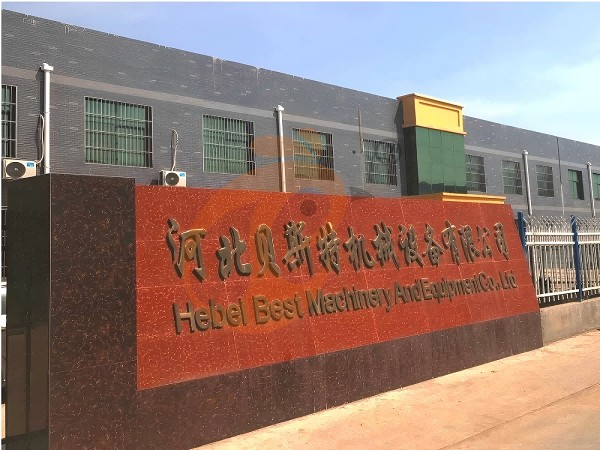
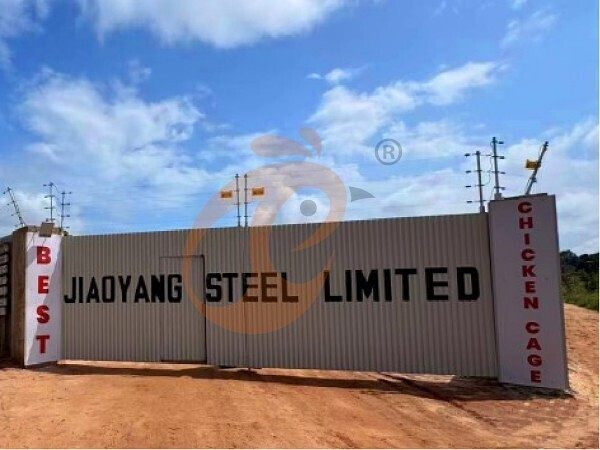
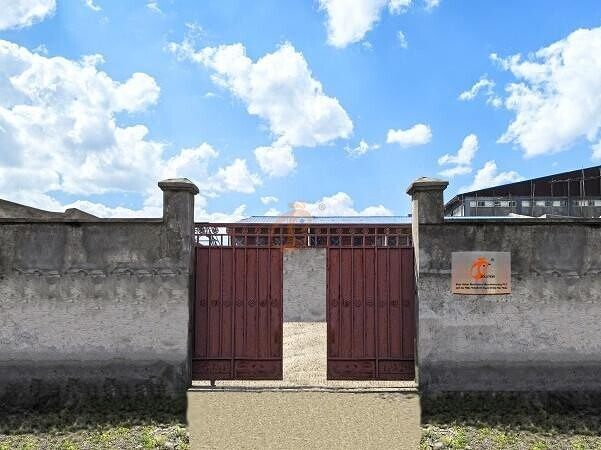
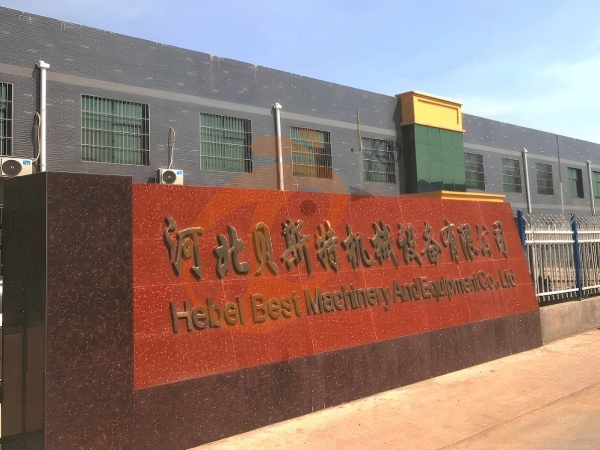
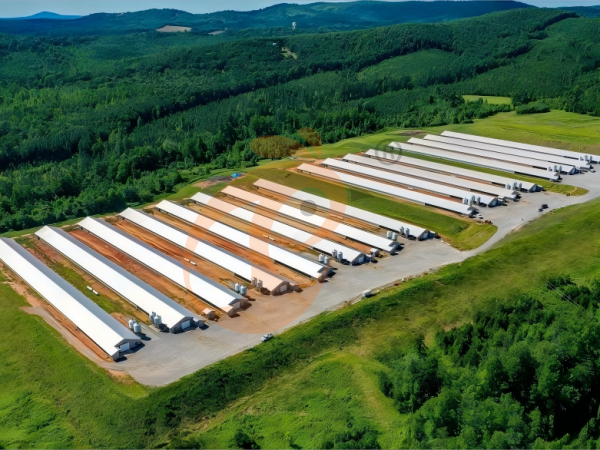
China Hebei Best Machinery And Equipment CO., LTD
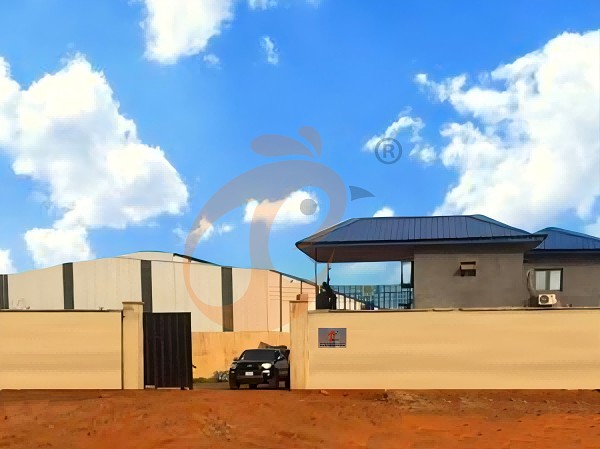
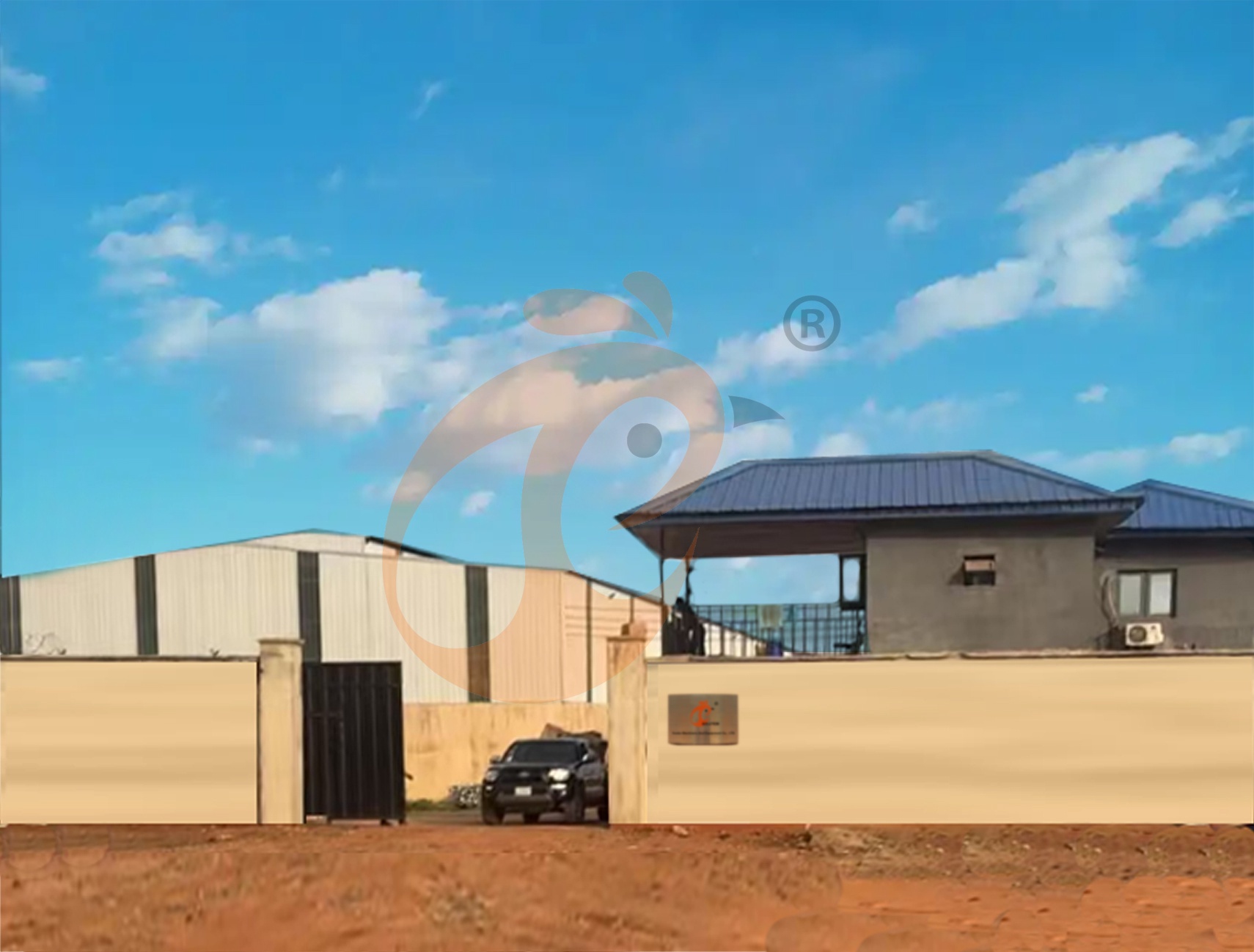
Nigeria Vanke Machinery And Equipment CO., LTD
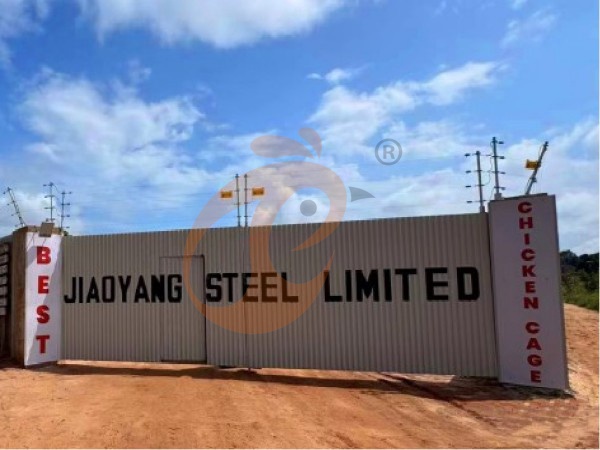
Tanzania Best Machinery And Equipment CO., LTD
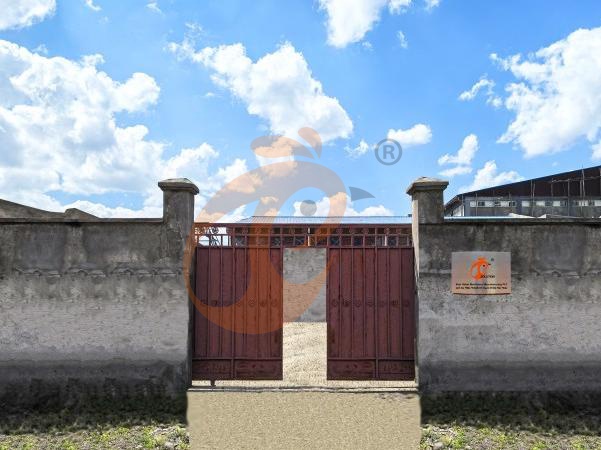
Ethiopia Best Hebei Machinery Manufacturing PLC
Reception /24 WhatsApp NO. : +8618830120193
FAQ
How Is Automation Applied In Complete Poultry Equipment?
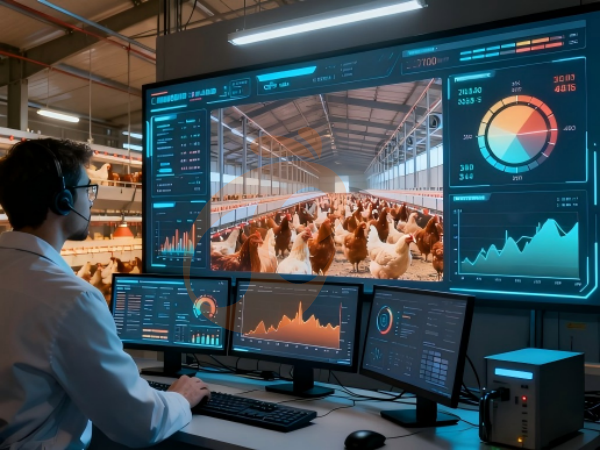
Sensor monitoring networks collect environmental data every 5–20 seconds for continuous management accuracy.
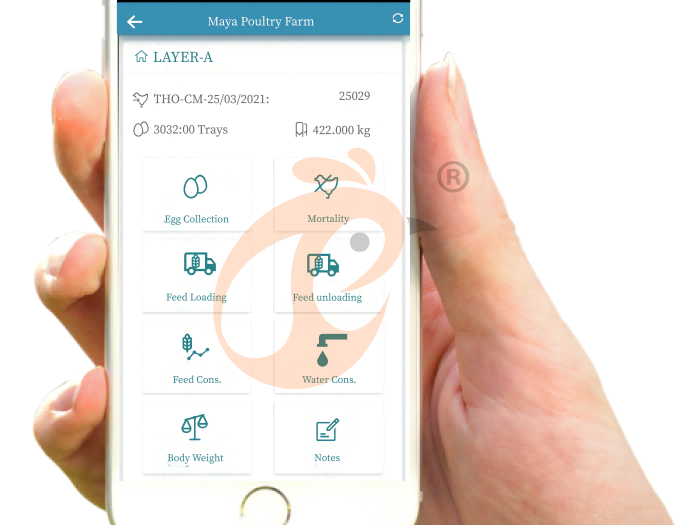
Remote monitoring platforms support 24-hour equipment supervision improving operational reliability and response efficiency.
Which Environmental Control Functions Are Managed By Complete Poultry Equipment?
Temperature regulation equipment controls indoor conditions within 18–30°C for optimized poultry growth.
Humidity management systems stabilize relative humidity between 55%–70% reducing respiratory disease risks.
What Installation And Structural Standards Are Required For Complete Poultry Equipment In Poultry Chicken Farms?
Equipment support structures withstand 500–1200 kg load capacity ensuring long-term operational stability.
System installation precision is controlled within ±10 mm reducing mechanical deviation and operational wear.
Message
Products recommended
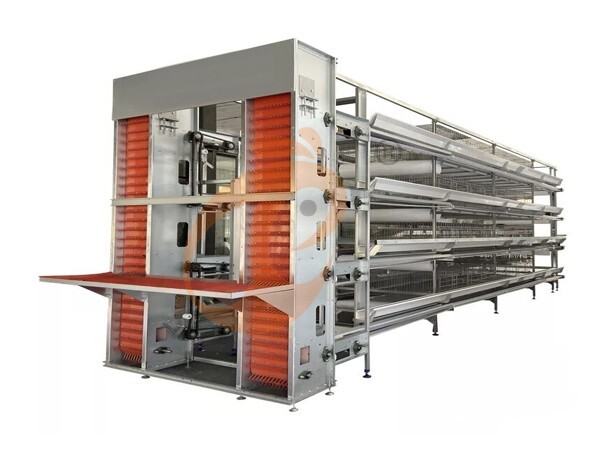
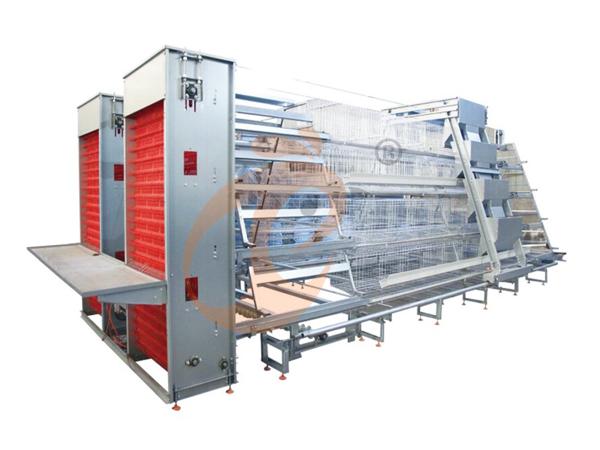
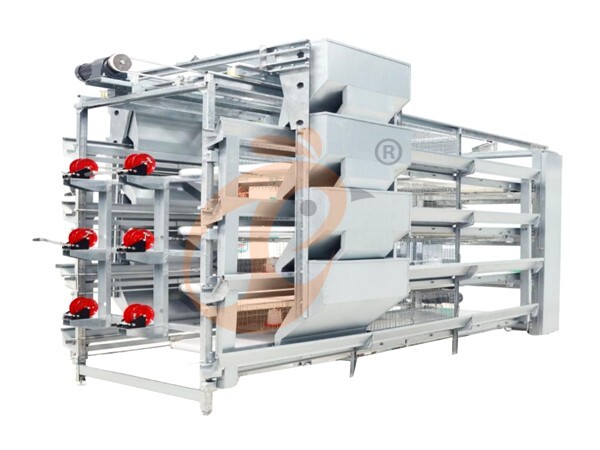
 >30,000 Pullets Automatic H Type Battery Cage1. More than 30,000 pullets a house, choose it.
2. It is designed to rearing older than 1 day old pullets to 12 to 16 weeks old chicken starting laying eggs.
3. Its lifespan is more than 25 years.
4. Its structure are Vcloud artificial intelligent fusion, electric control cabinet, automatic equipment of drinking, feeding, manure clean, manual harvesting.
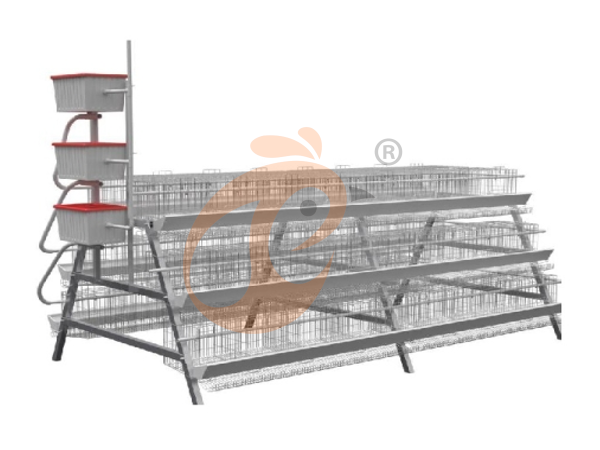
5. Our 24 hour online reception What’sApp NO. is +8618830120193 <30,000 Pullets Automatic A Type Battery Cage1. 10,000 to 30,000 pullets a house, choose it.
2. It is designed to rearing older than 1 day old pullets to 12 to 16 weeks old chicken starting laying eggs.
3. Its lifespan is more than 25 years.
4. Its structure are Vcloud artificial intelligent fusion, electric control cabinet, automatic equipment of drinking, feeding, manure clean, manual harvesting.
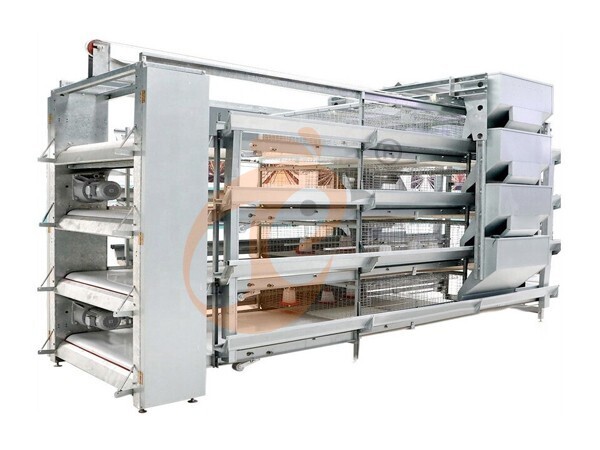
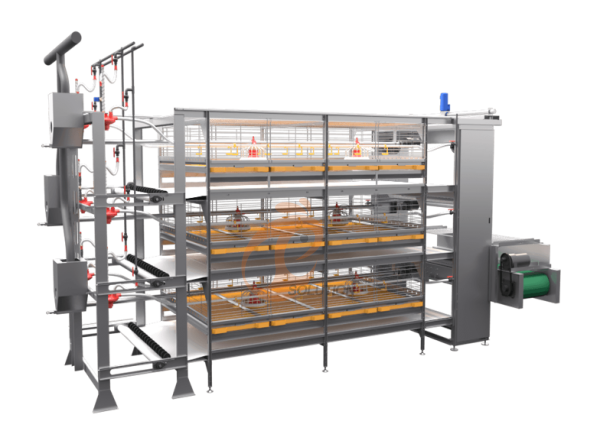
5. Our 24 hour online reception What’sApp NO. is +86 18830120193. >30,000 Broilers Semi-Automatic Harvest H Type Battery Cage1. More than 30,000 broilers a house, choose it.
2. It is designed to rearing 1 to 45 day old adult broiler ready for market.
3. Its lifespan is more than 20 years.
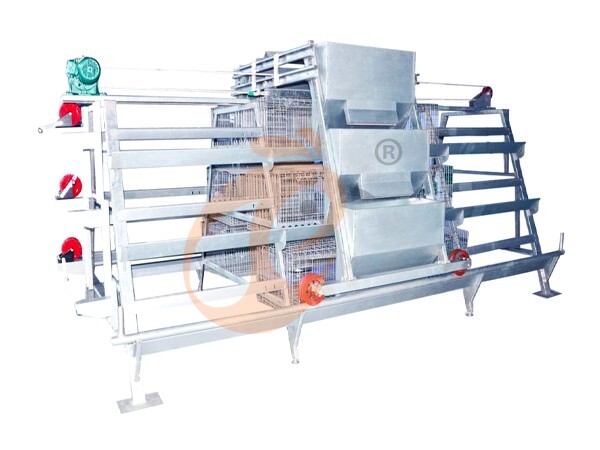
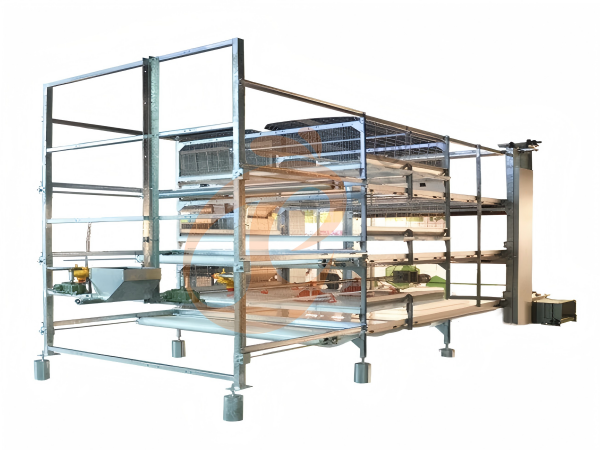
4. Our 24 hour online reception What’sApp NO. is +8618830120193, +234 8111199996. >30,000 Broilers Manual Harvest H Type Battery Cage1. More than 30,000 broilers a house, choose it.
2. It is designed to rearing 1 to 45 day old adult broiler ready for market.
3. Its lifespan is more than 20 years.
4. Its structure are Vcloud artificial intelligent fusion, electric control cabinet, automatic equipment of drinking, feeding and manure clean, manual harvesting.
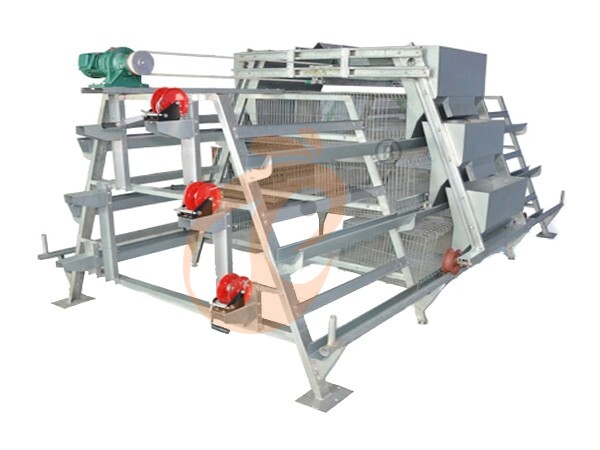
5. Our 24 hour online reception What’sApp NO. is +8618830120193, +234 8111199996. <30,000 Broilers Manual Harvest A Type Battery Cage1. Less 30,000 broilers a house, choose it.
2. It is designed to rearing 1 to 45 day old adult broiler ready for market.
3. Its lifespan is more than 20 years.
4. Its structure are Vcloud artificial intelligent fusion, electric control cabinet, automatic equipment of drinking, feeding and manure clean, manual harvesting.
5. Our 24 hour online reception What’sApp NO. is +8618830120193, +234 8111199996. HK Headquarter Offers EU-standard Poultry Farm Solutions, Manufacture Poultry Farm Equipment1. Continuous communication with the EU and the US
2. China, Nigeria, Ethiopia, Tanzania branch companies and factories
3. The products’ quality is customized for local poultry farms
4. Poultry cage and poultry farm equipment stock for sale
5. 24 online reception Whatsapp NO. : +8618830120193,contact us to get full information China Branch Offer Poultry Farm Business Plan, Manufacture Poultry Farm Equipment1. Address: Flat/RM 2416, 24/F, Runxing Building, Youyi Nan Street, Shijiazhuang City, Hebei Province, China
2. Poultry cage and poultry farm equipment factory and stock for sale
3. Customized for local poultry farms
4. Quality and design are based on Euro
5. 24 online reception Whatsapp NO. : +8618830120193 Nigeria Branch Offer Poultry Farm Business Plan, Manufacture Poultry Farm Equipment1. Address: After Sinoma Office, 200 Meters Near Danco Filling Station, Lagos/Ibadan Expressway, Lagos State, Nigeria
2. Poultry cage and poultry farm equipment factory and stock for sale
3. Customized for Nigerian poultry farms
4. Quality and design are based on Euro
5. 24 online reception Whatsapp NO. : +8618830120193 Ethiopia Branch Offer Poultry Farm Business Plan, Manufacture Poultry Farm Equipment1. Address: Gelan Gura, Akaki-kaliti Sub City, Addis Ababa, Ethiopia
2. Poultry cage and poultry farm equipment stock for sale
3. Customized for Ethiopian poultry farms
4. Quality and design are based on Euro
5. 24 online reception Whatsapp NO. : +8618830120193, contact us to get price list Tanzania Branch Offer Poultry Farm Business Plan, Manufacture Poultry Farm Equipment1. Address: No.8, Sova Road, Msufini, Mlandizi, Kibaha, Pwani, Tanzania
2. Poultry cage and poultry farm equipment factory and stock for sale
3. Customized for Tanzanian poultry farms
4. Quality and design are based on Euro
5. 24 online reception Whatsapp NO. : +8618830120193


Contact