


Blog
Floor rearing system selection combines equipment engineering, farm productivity, bird management, and lifecycle economics into one purchasing decision.
Commercial chicken houses benefit from coordinated feeding, drinking, ventilation, flooring, and environmental-control planning across projects from 5,000 to 100,000 birds.
Professional supplier evaluation covers customization, manufacturing capability, installation support, spare-parts planning, and technical documentation for international poultry farms.
Measurable equipment specifications reveal operational suitability more clearly than catalog claims, especially when house dimensions exceed 100 meters.
A technically capable floor rearing equipment partner can connect project design, poultry equipment manufacturing, commissioning, and future expansion into one reliable supply chain.
Get professional poultry farm construction guidance, equipment selection solutions, and the latest price lists, whatsApp to +8618830120193, click to learn more:
Evaluate The Complete Equipment Package
Modern floor-rearing projects require coordinated feeding equipment rather than isolated components.
A professional floor rearing system supplier should calculate the complete feeding route according to bird population, house geometry, and production schedule.
A 2.4 m service corridor can simplify daily inspection, while a 12-hour operating cycle provides a practical basis for equipment scheduling.
Examine The Drinking System As A Technical System
Water management deserves the same engineering attention as feeding.
A properly designed drinking line can incorporate automatic flushing and consumption monitoring, while a 40 mm elevated line position can simplify maintenance access.
Professional floor rearing equipment should also accommodate farm-specific water quality and pipeline routing.
Choose A Supplier That Thinks In Farm Layouts
Do Not Begin With The Catalog. Begin With The House.
A competent floor rearing system supplier should first review:
- House length and width
- Bird type and target population
- Local climate conditions
- Feeding-line arrangement
- Water-line position
- Airflow direction
- Service access
- Future expansion plans
For example, a supplier experienced in commercial projects can prepare a complete equipment layout before manufacturing.
Some suppliers also customize systems according to house dimensions and planned breeding volume rather than supplying a fixed package.
A 1.8 m equipment access zone can support maintenance movement, while a 3-phase electrical layout can simplify motor grouping during installation.
This engineering-first approach helps prevent mismatched equipment, unnecessary purchases, and difficult installation work.
Compare Ventilation Equipment Through Measurable Data
Ventilation performance should be evaluated from fan curves and static-pressure conditions rather than fan diameter alone.
A professional chicken house equipment supplier should also consider seasonal temperature profiles, house sealing, and inlet positioning.
For a 120 m poultry house, airflow planning should follow the complete building volume rather than a single fan specification.
Properly engineered ventilation can improve climate consistency and support more predictable floor-rearing management.
Use The Supplier's Engineering Process As A Selection Test
Step 1 — Farm Data Collection
Request drawings, dimensions, bird numbers, climate information, and electricity specifications.
A 0.4 m drawing tolerance can create installation conflicts, making dimensional confirmation important before production.
Step 2 — System Calculation
The supplier should determine feeding, drinking, ventilation, environmental-control, and heating requirements.
Step 3 — Layout Proposal
The proposed drawing should identify equipment positions, line routes, access areas, and service points.
Step 4 — Technical Confirmation
Every major component should have a model number and corresponding technical specification.
Step 5 — Manufacturing
Production should follow the confirmed equipment list rather than a general catalog package.
A supplier able to complete the process demonstrates engineering capability instead of simply acting as an equipment reseller.
For international poultry equipment projects, asking for a signed technical drawing before production can also reduce communication errors.
Assess Floor And Manure-Management Specifications
Floor construction influences both bird movement and manure management.
Commercial floor-rearing equipment should coordinate flooring, cleaning routes, and worker access within a single house design.
A 600 mm inspection walkway can improve routine servicing, while modular floor sections can simplify replacement planning.
When marketing a complete chicken-house solution, the supplier should explain how flooring, manure collection, ventilation, and cleaning procedures work together rather than presenting each component separately.
Investigate Manufacturing Capability, Not Just Trading Ability
Factory → Production → Quality Control → Assembly → Testing → Shipment
Look for evidence at every stage.
A manufacturer operating its own production line can normally provide clearer component specifications and production coordination.
A company serving export markets should also be able to prepare technical documents for international installation.
For example, asking whether the factory can complete a 30-house order within one production schedule reveals more about capacity planning than simply asking for a discounted quotation.
A serious supplier should also explain its testing procedure before shipment.
Factory inspection can include motor testing, controller inspection, line-component verification, and packaging checks.
A 72-hour pre-shipment inspection window can provide additional coordination time for international projects.
Review Environmental-Control Specifications
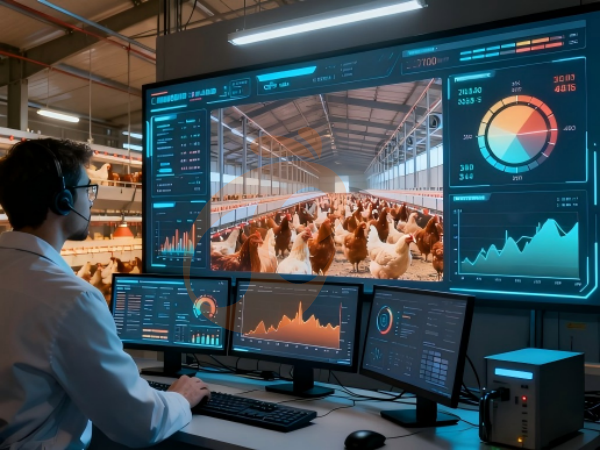
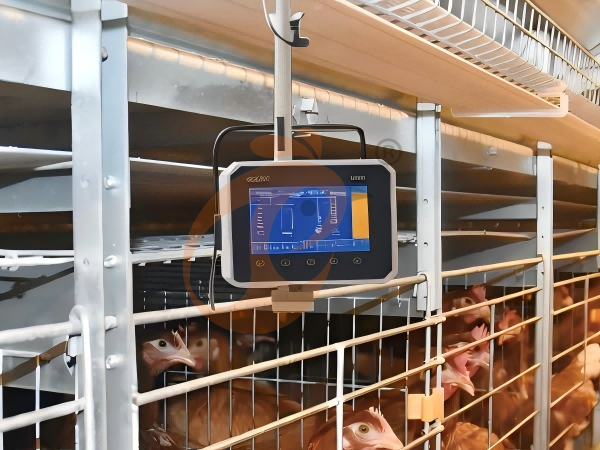
An intelligent environmental controller should convert sensor information into practical equipment actions.
A modern floor rearing system can coordinate multiple operating functions through centralized management rather than independent manual adjustments.
For farms investing in automation, controller placement should allow technicians to reach electrical panels within approximately 1 meter of the main service route.
Integration can make feeding, ventilation, heating, and alarm management easier for farm workers.
Calculate Total Ownership Cost Instead Of Comparing Quotes
Total Ownership Cost = Equipment + Installation + Energy + Maintenance + Spare Parts + Downtime
A supplier offering a lower quotation may become more expensive if replacement parts require long international shipping.
Conversely, a slightly larger initial investment can make sense when equipment integration reduces manual intervention.
Ask suppliers to provide a spare-parts list for the first production cycle.
A 24-month replacement forecast can then be used to estimate maintenance requirements and inventory planning.
For international procurement, pricing should also clarify freight terms, installation scope, warranty coverage, and payment milestones.
Check Electrical And Installation Compatibility
Electrical compatibility should be confirmed before production because voltage, frequency, motor configuration, and controller requirements differ between markets.
A professional poultry equipment manufacturer should provide electrical diagrams and installation requirements before shipment.
For a 380 V commercial farm, cable routing and control-panel positioning should be confirmed before equipment dispatch.
Such preparation reduces the possibility of costly modifications after equipment reaches the farm.
Turn After-Sales Service Into A Contract Requirement
Five Questions
- Who provides installation guidance?
- How are spare parts ordered?
- Who handles equipment faults after commissioning?
- What technical documents accompany the shipment?
- How quickly can remote troubleshooting begin?
Do not accept vague statements such as “full support.”
Ask for defined service procedures.
For overseas poultry projects, remote technical support can be particularly valuable because installation teams may work across different languages and time zones.
A supplier that combines equipment manufacturing with engineering support can provide a more continuous service chain.
For a project with 10,000 birds or more, standardized installation drawings and component labeling can significantly simplify field assembly and future maintenance.
Use A Professional Supplier-Scoring Matrix
The right floor rearing system supplier should be selected through technical evidence, not promotional language.
A complete supplier should be able to connect feeding, drinking, ventilation, flooring, environmental control, and farm engineering into one coordinated chicken-house solution.
For poultry equipment buyers, the strongest commercial advantage comes from a supplier that can design the system, manufacture the equipment, support installation, and provide spare parts after commissioning.
Frequently Asked Questions
Q1: What should a floor rearing system supplier provide?
A suitable supplier should provide integrated feeding, drinking, ventilation, flooring, environmental-control, installation, and after-sales solutions.
Complete technical drawings should normally be confirmed before manufacturing, with equipment models matched to project requirements.
Q2: How can buyers compare different floor rearing equipment suppliers?
Compare measurable specifications, engineering capability, manufacturing capacity, project references, installation support, spare-parts planning, and lifecycle cost.
A supplier scoring model using 100 total points can make purchasing decisions more objective.
Q3: Why is customized chicken house equipment important?
House dimensions, climate, flock size, electrical conditions, and labor arrangements vary between farms.
Customized equipment layouts can coordinate multiple systems while allowing approximately 1.8 m of practical maintenance access around key service areas.
Taiyu (HK) Group - One Of China Largest Floor Rearing System Manufacturer
Floor rearing system solutions integrate feeding, drinking, ventilation, flooring, climate control, and farm engineering into one coordinated equipment package.
Global factory-direct supply connects poultry equipment manufacturing, technical drawings, production inspection, shipment coordination, and installation documentation through one project channel.
Turn-key engineering covers farm assessment, equipment configuration, layout design, manufacturing coordination, commissioning support, and operational documentation for commercial chicken-house projects.
International project execution supports standardized poultry equipment specifications, spare-parts planning, remote technical assistance, and scalable farm expansion requirements.
Factory production enables direct coordination between equipment engineering, component manufacturing, quality inspection, packaging, and overseas project delivery.
Contact Us To Received Your Customized Poultry Farm Plan
Headquarters And Branchs
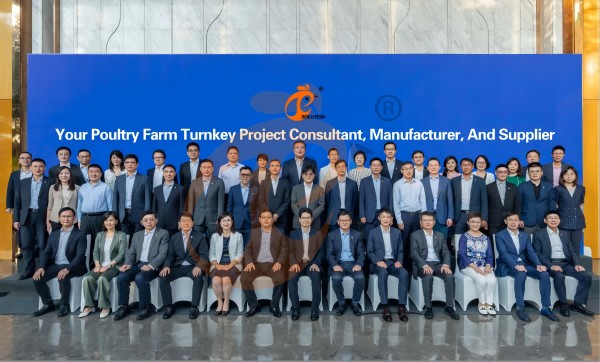
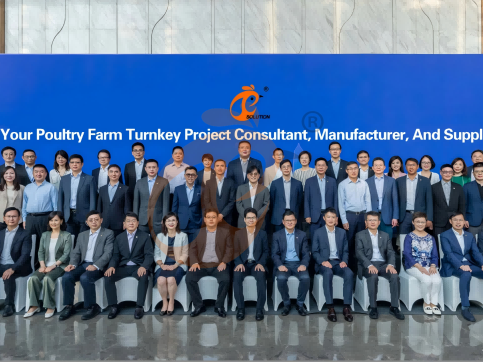
Hong Kong Headquarter Management Team
Hong Kong Headquarter Taiyu Industrial Group CO., LTD
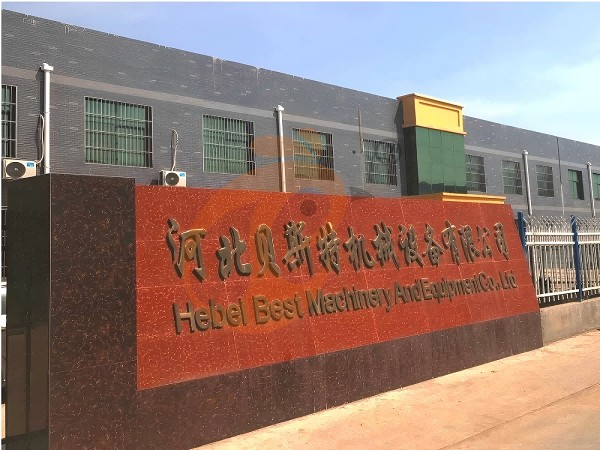
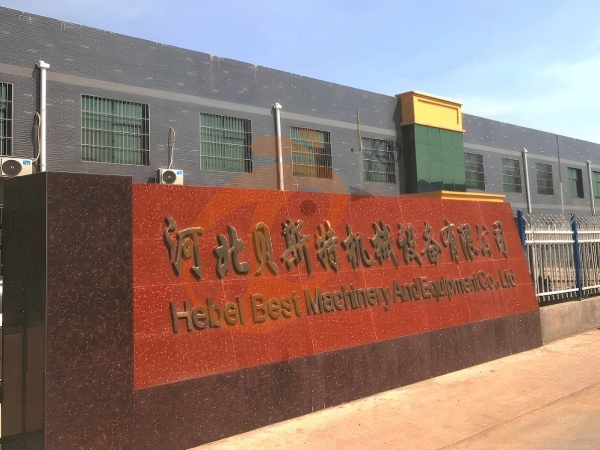
China Hebei Best Machinery And Equipment CO., LTD
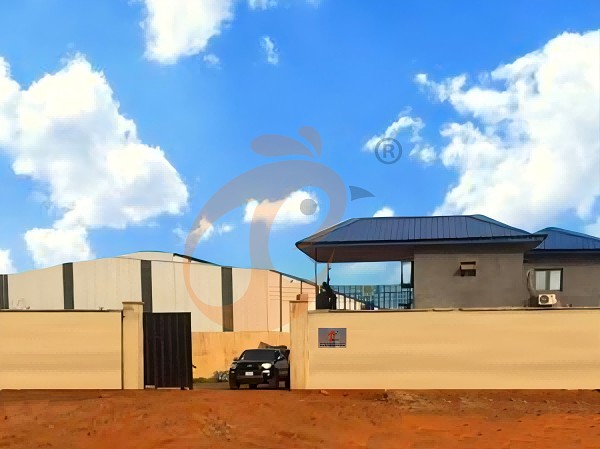
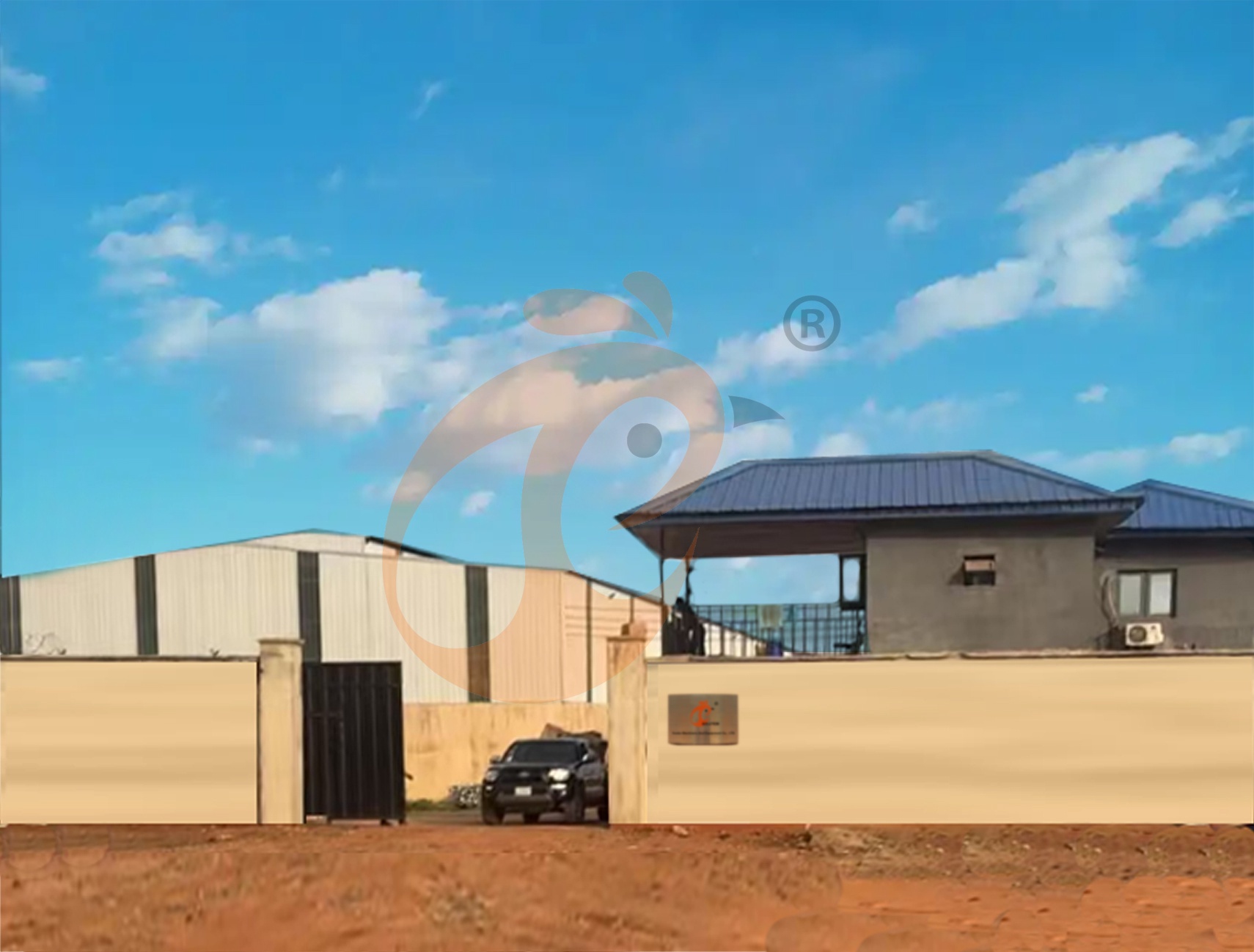
Nigeria Vanke Machinery And Equipment CO., LTD
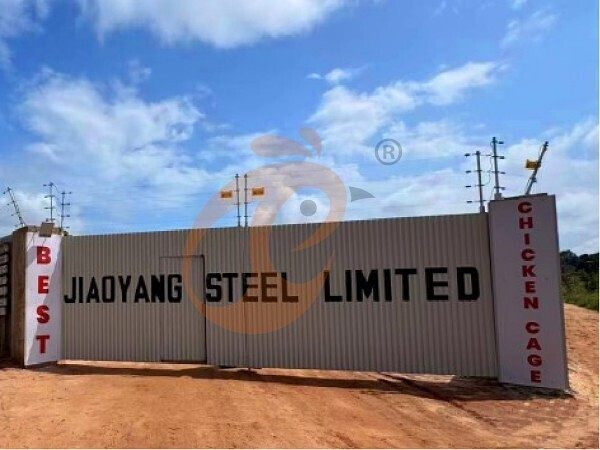
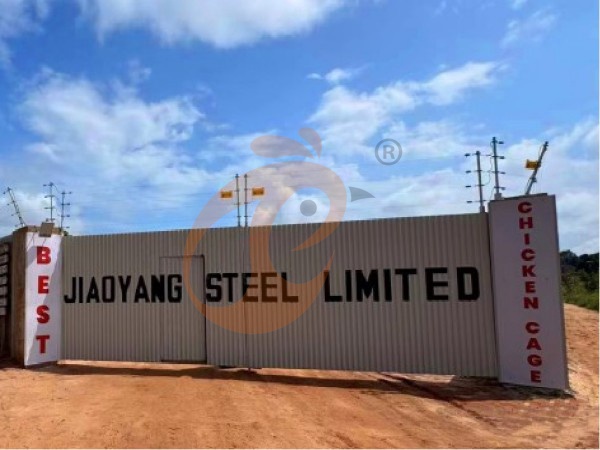
Tanzania Best Machinery And Equipment CO., LTD
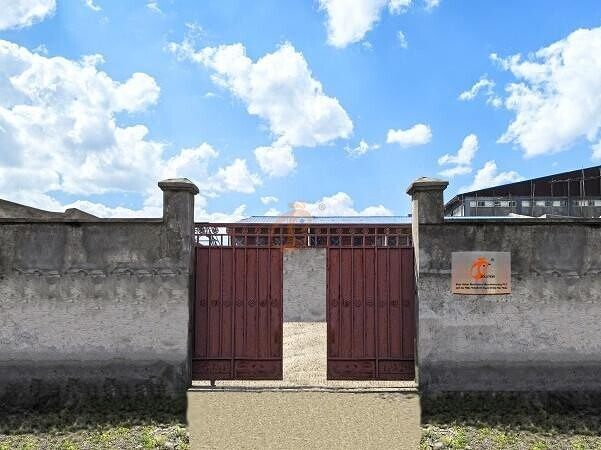
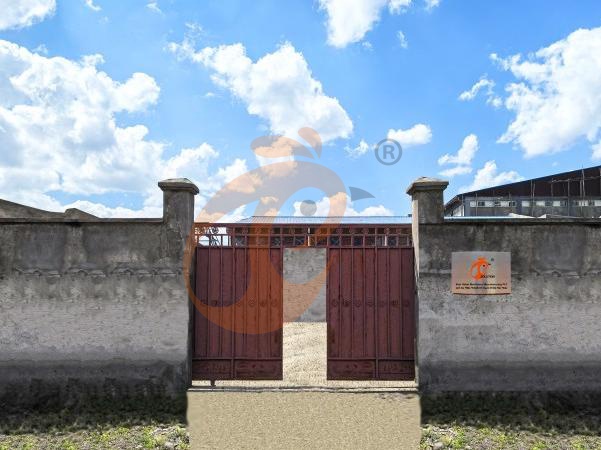
Ethiopia Best Hebei Machinery Manufacturing PLC
Reception /24 WhatsApp NO. : +8618830120193
FAQ
What Growth Performance Indicators Are Expected In Floor Rearing Poultry System?
Feed conversion ratio is maintained at 1.65–1.85 for commercial broilers.
Market slaughter age ranges from 38–45 days depending on breed selection.
What Disease Control Standards Apply In Floor Rearing Poultry System?
Flock vaccination coverage reaches 90%–98% depending on disease prevention program.
Pathogen reduction targets aim for 80%–90% decrease in bacterial load.
What Are The Manure Management Requirements In Floor Rearing Poultry System?
Ammonia emission control targets remain below 15 ppm through regular cleaning cycles.
Dry matter content is maintained above 65% to improve composting efficiency.
Message
Products recommended
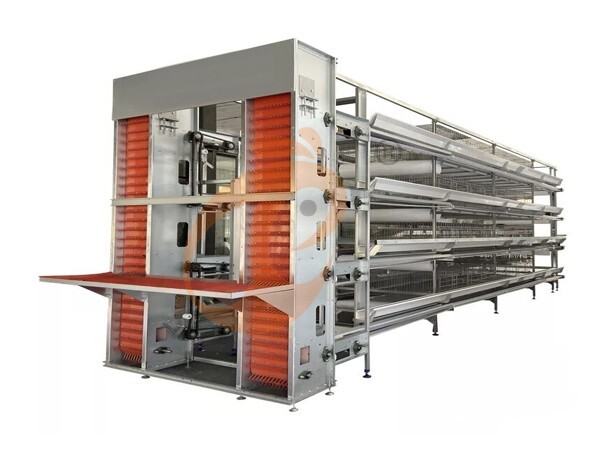
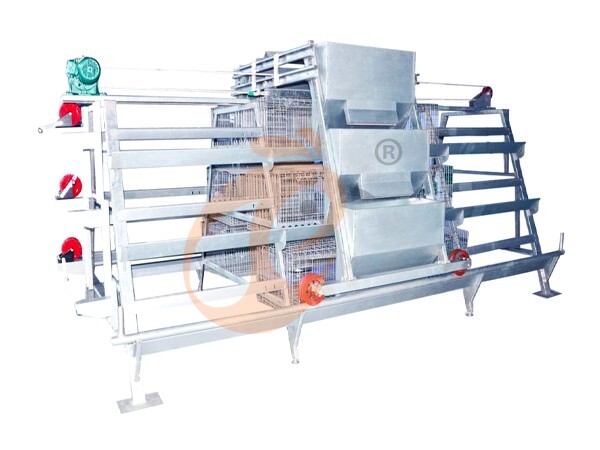
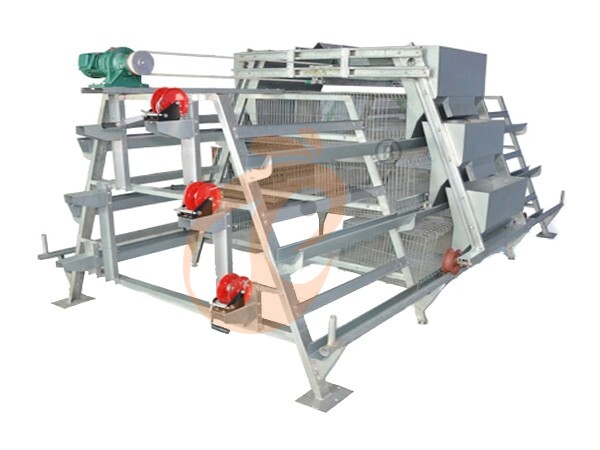
 >30,000 Pullets Automatic H Type Battery Cage1. More than 30,000 pullets a house, choose it.
2. It is designed to rearing older than 1 day old pullets to 12 to 16 weeks old chicken starting laying eggs.
3. Its lifespan is more than 25 years.
4. Its structure are Vcloud artificial intelligent fusion, electric control cabinet, automatic equipment of drinking, feeding, manure clean, manual harvesting.
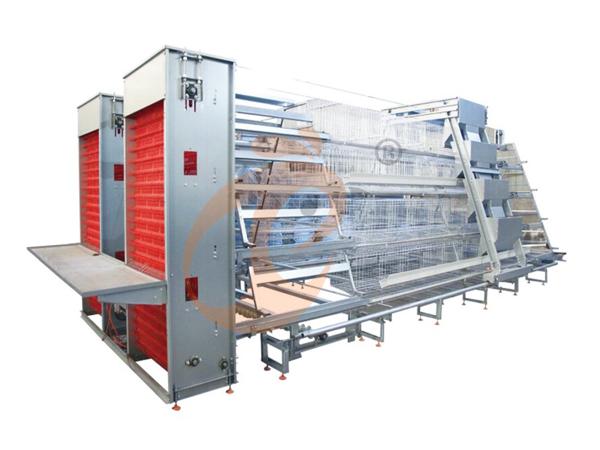
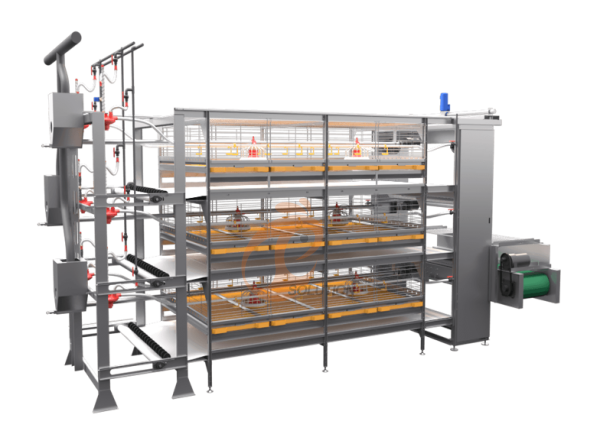
5. Our 24 hour online reception What’sApp NO. is +8618830120193 <30,000 Pullets Automatic A Type Battery Cage1. 10,000 to 30,000 pullets a house, choose it.
2. It is designed to rearing older than 1 day old pullets to 12 to 16 weeks old chicken starting laying eggs.
3. Its lifespan is more than 25 years.
4. Its structure are Vcloud artificial intelligent fusion, electric control cabinet, automatic equipment of drinking, feeding, manure clean, manual harvesting.
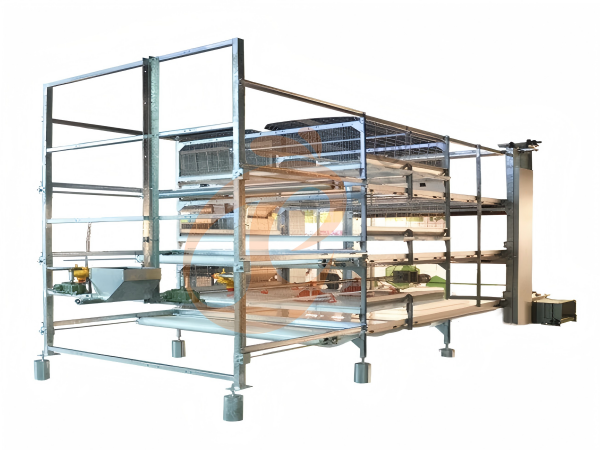
5. Our 24 hour online reception What’sApp NO. is +86 18830120193. >30,000 Broilers Semi-Automatic Harvest H Type Battery Cage1. More than 30,000 broilers a house, choose it.
2. It is designed to rearing 1 to 45 day old adult broiler ready for market.
3. Its lifespan is more than 20 years.
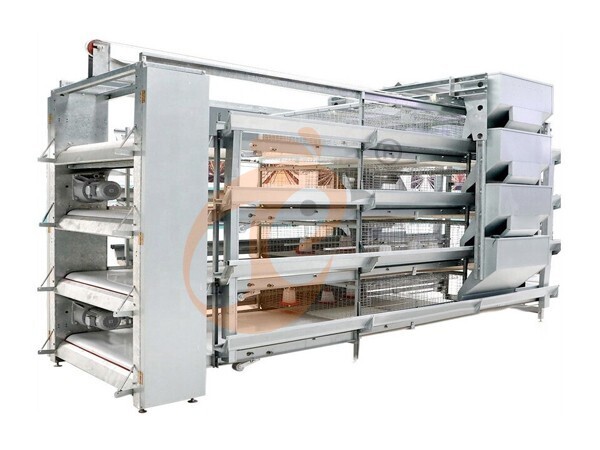
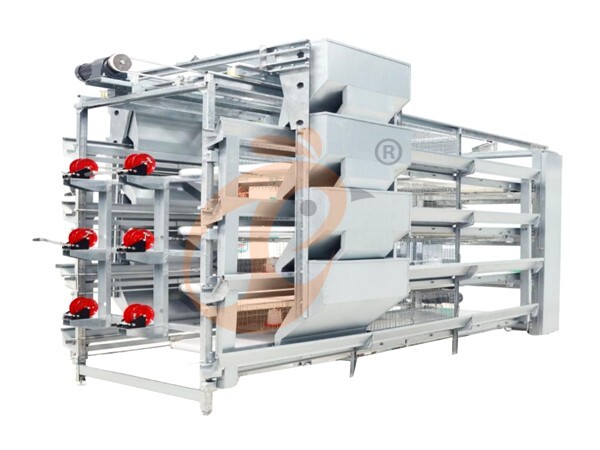
4. Our 24 hour online reception What’sApp NO. is +8618830120193, +234 8111199996. >30,000 Broilers Manual Harvest H Type Battery Cage1. More than 30,000 broilers a house, choose it.
2. It is designed to rearing 1 to 45 day old adult broiler ready for market.
3. Its lifespan is more than 20 years.
4. Its structure are Vcloud artificial intelligent fusion, electric control cabinet, automatic equipment of drinking, feeding and manure clean, manual harvesting.
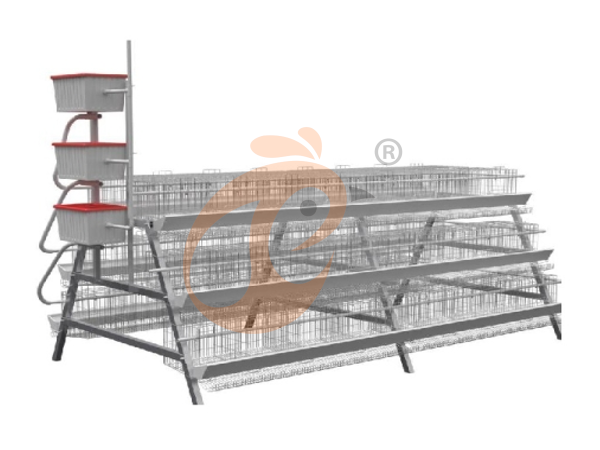
5. Our 24 hour online reception What’sApp NO. is +8618830120193, +234 8111199996. <30,000 Broilers Manual Harvest A Type Battery Cage1. Less 30,000 broilers a house, choose it.
2. It is designed to rearing 1 to 45 day old adult broiler ready for market.
3. Its lifespan is more than 20 years.
4. Its structure are Vcloud artificial intelligent fusion, electric control cabinet, automatic equipment of drinking, feeding and manure clean, manual harvesting.
5. Our 24 hour online reception What’sApp NO. is +8618830120193, +234 8111199996. HK Headquarter Offers EU-standard Poultry Farm Solutions, Manufacture Poultry Farm Equipment1. Continuous communication with the EU and the US
2. China, Nigeria, Ethiopia, Tanzania branch companies and factories
3. The products’ quality is customized for local poultry farms
4. Poultry cage and poultry farm equipment stock for sale
5. 24 online reception Whatsapp NO. : +8618830120193,contact us to get full information China Branch Offer Poultry Farm Business Plan, Manufacture Poultry Farm Equipment1. Address: Flat/RM 2416, 24/F, Runxing Building, Youyi Nan Street, Shijiazhuang City, Hebei Province, China
2. Poultry cage and poultry farm equipment factory and stock for sale
3. Customized for local poultry farms
4. Quality and design are based on Euro
5. 24 online reception Whatsapp NO. : +8618830120193 Nigeria Branch Offer Poultry Farm Business Plan, Manufacture Poultry Farm Equipment1. Address: After Sinoma Office, 200 Meters Near Danco Filling Station, Lagos/Ibadan Expressway, Lagos State, Nigeria
2. Poultry cage and poultry farm equipment factory and stock for sale
3. Customized for Nigerian poultry farms
4. Quality and design are based on Euro
5. 24 online reception Whatsapp NO. : +8618830120193 Ethiopia Branch Offer Poultry Farm Business Plan, Manufacture Poultry Farm Equipment1. Address: Gelan Gura, Akaki-kaliti Sub City, Addis Ababa, Ethiopia
2. Poultry cage and poultry farm equipment stock for sale
3. Customized for Ethiopian poultry farms
4. Quality and design are based on Euro
5. 24 online reception Whatsapp NO. : +8618830120193, contact us to get price list Tanzania Branch Offer Poultry Farm Business Plan, Manufacture Poultry Farm Equipment1. Address: No.8, Sova Road, Msufini, Mlandizi, Kibaha, Pwani, Tanzania
2. Poultry cage and poultry farm equipment factory and stock for sale
3. Customized for Tanzanian poultry farms
4. Quality and design are based on Euro
5. 24 online reception Whatsapp NO. : +8618830120193


Contact