


Blog
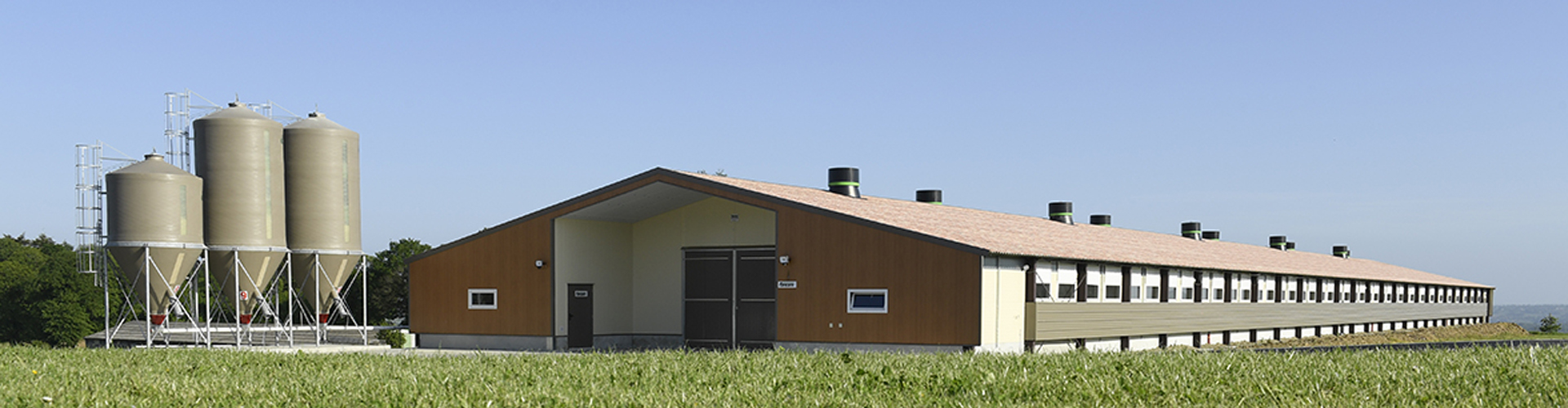
Free range poultry system design combines housing, feeding, drinking, ventilation, nesting, and monitoring into one commercial production framework.
Automatic poultry feeding systems reduce repetitive labor while supporting controlled feed distribution across commercial flock sizes.
Poultry house ventilation systems coordinate airflow, cooling, humidity management, and environmental monitoring for stable indoor conditions.
Modular free range poultry equipment supports phased construction, equipment upgrades, and future production expansion without redesigning the complete farm.
Professional poultry house equipment selection connects technical specifications with operating efficiency, bird comfort, maintenance access, and long-term commercial value.
Get professional poultry farm construction guidance, equipment selection solutions, and the latest price lists, whatsApp to +8618830120193, click to learn more:
Define The Production Goal
Designing a successful free-range poultry system starts with a clear production target.
Before selecting equipment, determine flock size, bird type, production purpose, available land, labor capacity, and expected expansion.
For commercial planning, a layer house can be engineered around a 20-year structural service life, while production equipment should allow inspection access at
intervals of approximately 3–6 months.
A professional equipment supplier can help match the housing layout with the right feeding, drinking, ventilation, and environmental-control systems.
Planning for equipment integration at the beginning is more cost-effective than retrofitting later.
Select The Right Site
A free-range poultry house must connect indoor protection with outdoor access.
Site selection directly affects bird health, equipment performance, drainage, and daily management.
A practical site survey should record the prevailing wind direction and maintain an equipment-service route of at least 4 m around major access points.
Data is for reference only.Swipe horizontally to view full table.
The best design combines natural resources with controlled poultry-house technology.
Even in free-range production, reliable mechanical systems remain essential for maintaining consistent indoor conditions.
Plan The Poultry House Layout
The house should provide enough space for birds while leaving room for equipment, maintenance, and future upgrades.
Efficient layout reduces wasted labor and improves daily flock management.
Service corridors should generally provide at least 1.0 m of clear working width so motors, controllers, and water assemblies can be inspected without interrupting bird movement.
Data is for reference only.Swipe horizontally to view full table.
Equipment placement should create smooth movement for birds, workers, feed, air, and eggs.
A well-designed system is not simply a building filled with machines; it is an integrated production environment.
Design The Feeding System
Feed represents one of the largest operating costs in poultry production, making feeding-system design a major profitability factor.
A commercial layer feeding circuit can be configured with a programmable feeding frequency of 4–8 cycles per day to distribute feed according to flock requirements.
Data is for reference only.Swipe horizontally to view full table.
A modern automatic feeding line can deliver feed more consistently while reducing unnecessary labor and feed spillage.
Adjustable feed levels and durable components also help maintain stable bird access throughout the production cycle.
Build A Reliable Drinking System
Water quality and availability are critical.
Birds should have convenient access to clean water without creating excessive moisture inside the house.
Water lines should also be installed with a measurable slope of approximately 0.5–1.0% where drainage and flushing design requires it.
Data is for reference only.Swipe horizontally to view full table.
Nipple drinking systems are especially valuable because they provide controlled water delivery and can reduce open-water contamination.
A complete supplier should be able to provide filtration, regulators, pipes, nipples, and installation guidance as one coordinated system.
Control Ventilation And Climate
Free-range birds still spend significant time inside the poultry house.
Temperature, humidity, ammonia, and air movement therefore require careful control.
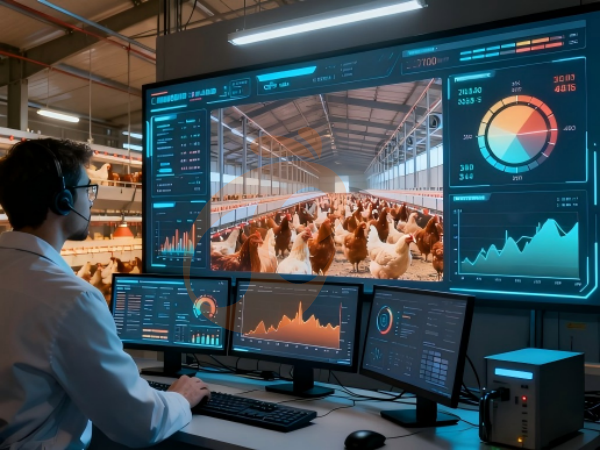
For electronic monitoring, sensors can be distributed at approximately 10–20 m intervals to provide more representative environmental readings across a commercial house.
Data is for reference only.Swipe horizontally to view full table.
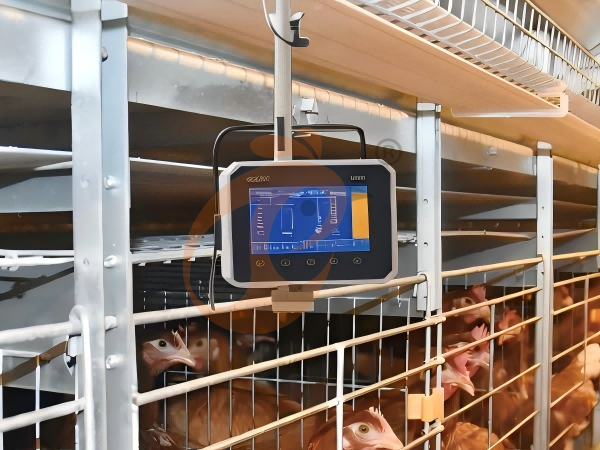
Automatic environmental controllers can connect fans, cooling systems, lighting, and alarms.
Such integration gives farmers a more responsive poultry house ventilation system and reduces dependence on constant manual adjustment.
Add Egg Collection And House Management Equipment
For free-range layers, egg handling should be planned alongside housing.
Efficient equipment protects product quality and saves labor.
Conveyor systems can be designed with a transfer speed of approximately 10–20 m/min, allowing collection capacity to match the nesting arrangement.
Data is for reference only.Swipe horizontally to view full table.
Investing in integrated poultry house equipment can turn a labor-intensive free-range farm into a more manageable commercial operation.
The objective is not maximum automation everywhere, but automation where it creates measurable value.
Calculate Capacity Before Buying
Formula → Layout → Equipment → Expansion
Start with the expected flock size and calculate the usable indoor and outdoor areas according to local regulations and production standards.
Then map bird movement, worker access, feed delivery, water supply, and egg collection.
A preliminary equipment layout should reserve approximately 10–15% of the installation area for future service modifications.
Do not purchase equipment first and design the house around whatever arrives.
Instead, establish the production model and select equipment that fits it.
A professional manufacturer can provide layout drawings, equipment dimensions, and system-matching advice before construction begins.
Think In Systems, Not Individual Machines
A poultry project performs best when its components work together.
Feed → Water → Climate → Lighting → Nesting → Monitoring
For example, an automatic poultry feeding system is more effective when matched with suitable house dimensions and a dependable feed-storage system.
Likewise, poultry house ventilation systems require correctly positioned air inlets and suitable environmental controls.
Electrical control cabinets should also be designed with approximately 15–25% spare circuit capacity for later equipment additions.
This system-based approach helps prevent compatibility problems and makes future maintenance easier.
Choosing one experienced poultry-equipment supplier for multiple systems can also simplify installation, spare-parts management, and technical support.
Design For Daily Farm Operations
Imagine a normal working day from morning to evening.
Observe → Feed → Check Water → Collect Eggs → Inspect Climate → Clean → Record
If workers must repeatedly walk long distances, manually adjust equipment, or carry heavy feed, the layout is probably inefficient.
Equipment should reduce repetitive work while keeping critical operations accessible.
Control panels should preferably be positioned between 1.2 and 1.5 m above finished floor level for routine operator access.
Pay particular attention to service points.
Motors, controllers, water filters, feed lines, and ventilation equipment need convenient inspection and maintenance access.
Good design lowers long-term operating costs, not just construction costs.
Prepare For Growth
A farm may begin with a modest flock but expand as market demand increases.
Therefore, scalability should be part of the original design.
Main electrical distribution can be specified with approximately 20% additional load allowance to accommodate future equipment.
Phase 1: Build the initial house and essential systems.
Phase 2: Add feeding, drinking, or climate-control capacity.
Phase 3: Expand housing and connect additional equipment.
Phase 4: Upgrade monitoring and automation.
Modular poultry house equipment makes expansion easier.
Feed lines, water systems, ventilation equipment, controllers, and egg-handling systems can be selected with future capacity in mind.
This approach avoids replacing an entire system when production grows.
Choose An Equipment Partner
A successful free-range poultry project depends on more than a good house.
The equipment supplier should understand how the complete production system operates.
A qualified project partner should be able to provide equipment drawings with installation tolerances of approximately ±5 mm for critical assemblies.
Data is for reference only.Swipe horizontally to view full table.
Before placing an order
Can the supplier provide a complete house layout?
- Are feeding and drinking systems properly matched to the flock?
- Can ventilation and environmental controls be integrated?
- Are equipment materials durable and easy to clean?
- Are spare parts and technical support available?
- Can the system be expanded later?
- Does the supplier provide installation or commissioning assistance?
The right poultry-house equipment should improve efficiency, bird comfort, product quality, and long-term profitability.
By following these six planning steps—defining production goals, selecting the site, designing the layout, planning feeding and drinking, controlling the environment, and preparing for expansion—farmers can build a free-range system that is both practical and commercially scalable.
Frequently Asked Questions
Q1: What equipment is essential for a free-range poultry house?
A complete setup normally combines feeding, drinking, ventilation, environmental control, nesting, lighting, and manure-management equipment, with electrical distribution designed around the project load.
Q2: Why choose an automatic poultry feeding system for commercial farms?
Automatic feeding provides scheduled distribution and coordinated feed delivery, while programmable operation can support several daily feeding cycles without
continuous manual handling.
Q3: How should poultry house ventilation systems be selected?
Fan quantity should be calculated from house volume, bird population, climate conditions, inlet configuration, and cooling requirements rather than selecting equipment by fan quantity alone.
Taiyu (HK) Group - One Of China Toppest Poultry House Equipment Manufacturer
Poultry house equipment integrates feeding, drinking, ventilation, nesting, lighting, manure handling, and environmental control into coordinated commercial systems.
Global factory-direct supply supports equipment manufacturing, engineering drawings, spare-parts planning, and international project delivery from one technical source.
Complete poultry equipment packages support turn-key engineering, including layout design, equipment production, installation guidance, commissioning, and operator training.
Project configurations cover free-range farms, layer houses, breeder facilities, and commercial poultry production with scalable equipment architectures.
Technical specifications, component selection, and system integration are aligned with project capacity, local climate, operating procedures, and expansion requirements.
Contact Us To Received Your Customized Poultry Farm Plan
Headquarters And Branchs
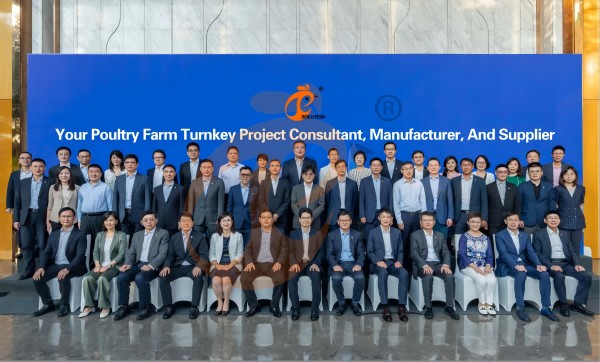
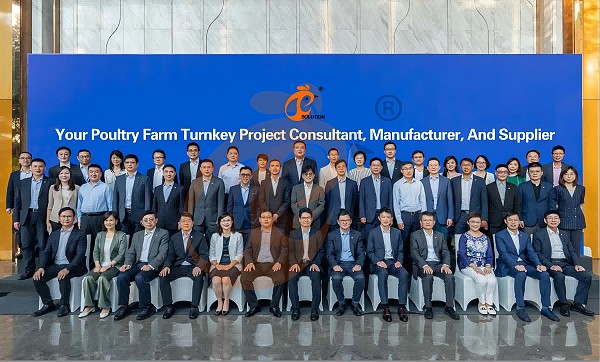
Hong Kong Headquarter Management Team
Hong Kong Headquarter Taiyu Industrial Group CO., LTD
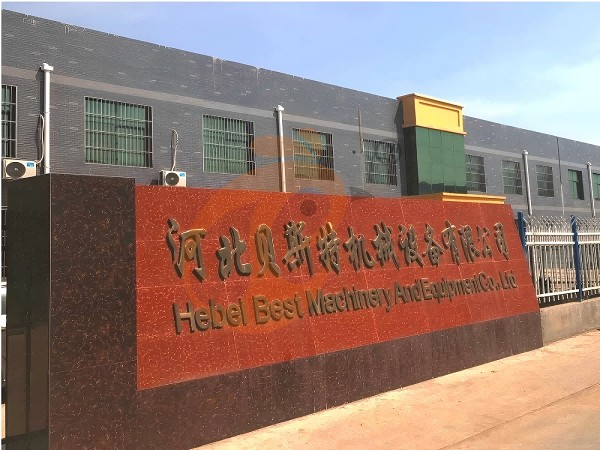
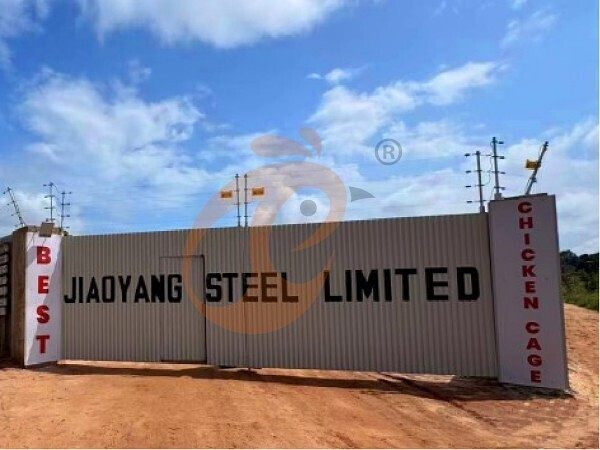
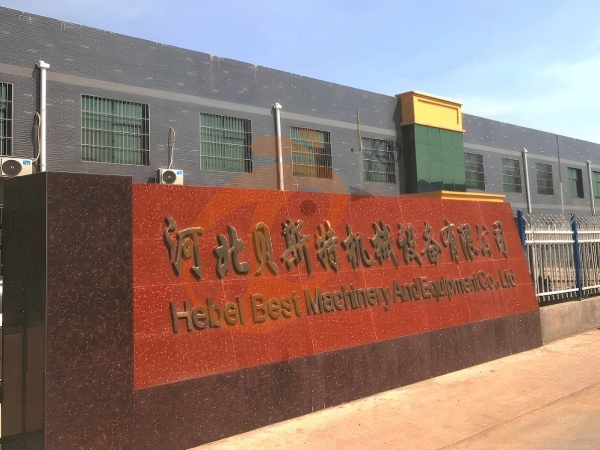
China Hebei Best Machinery And Equipment CO., LTD
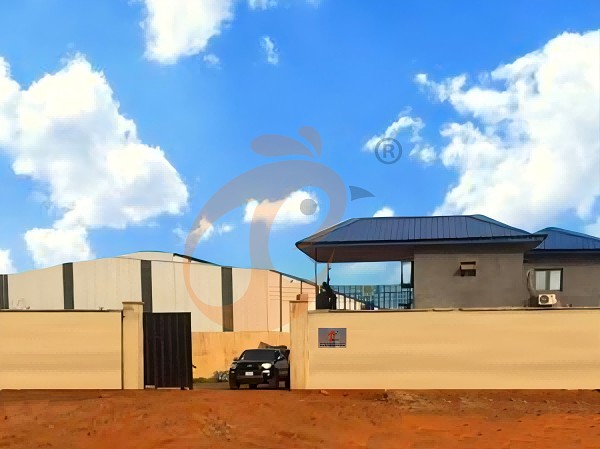
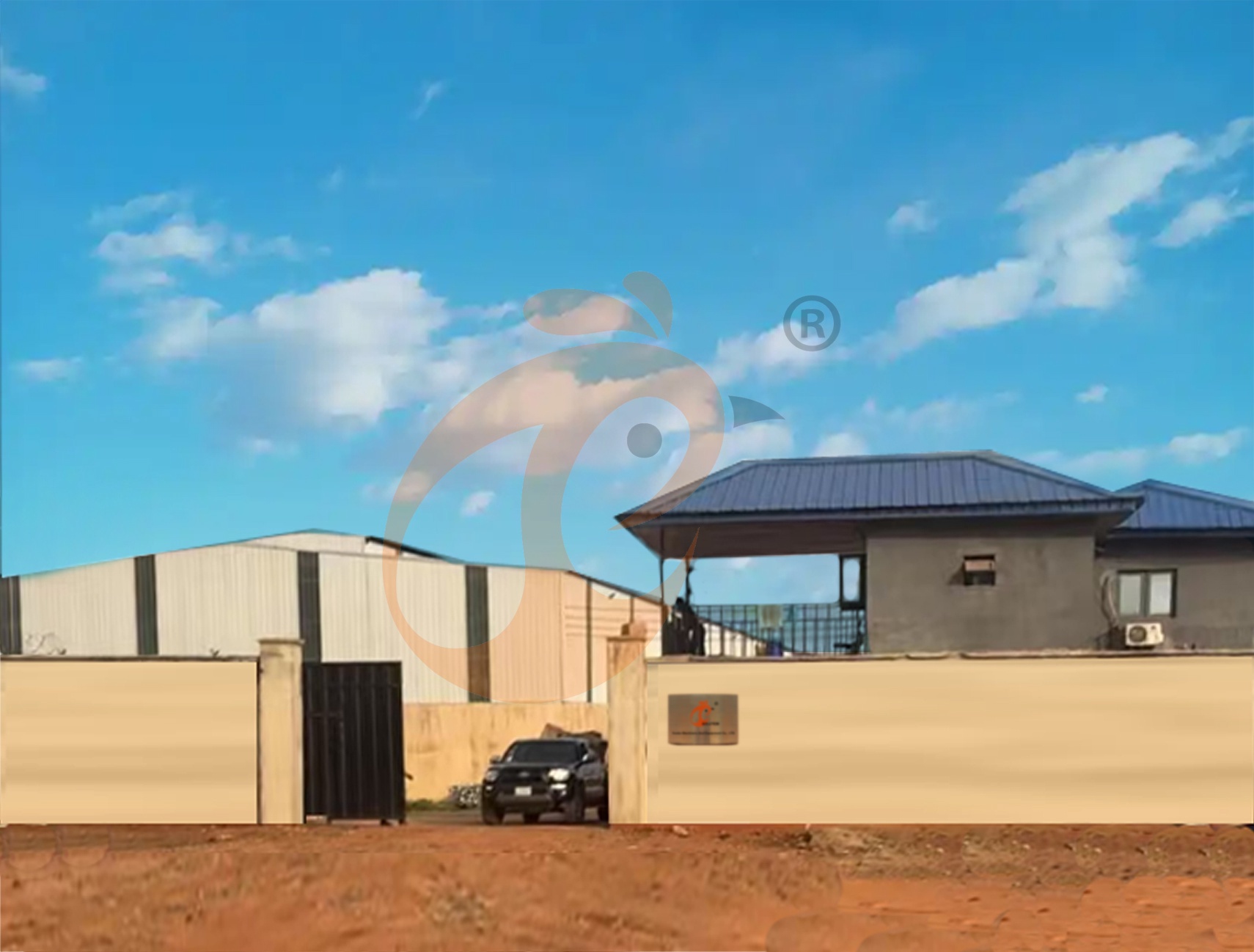
Nigeria Vanke Machinery And Equipment CO., LTD
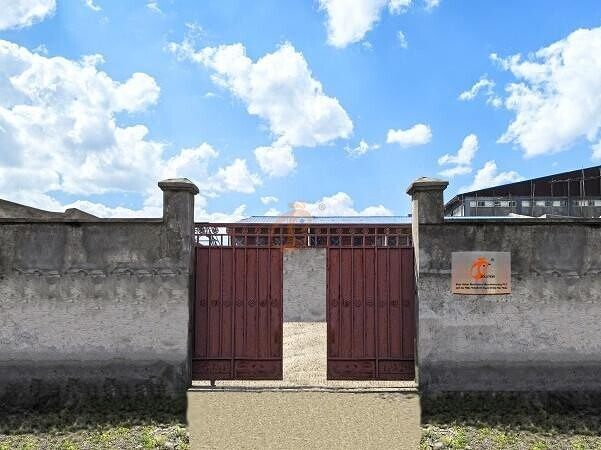
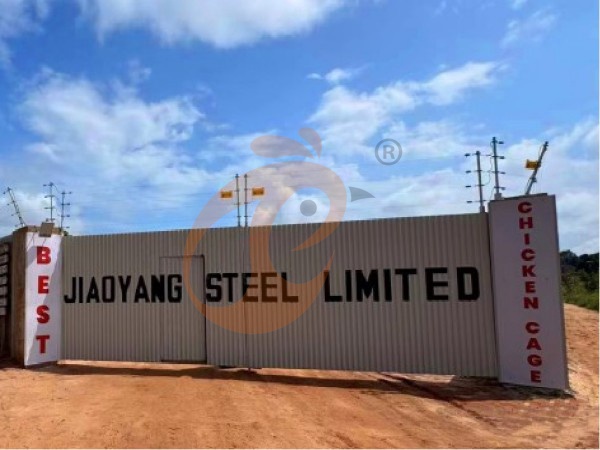
Tanzania Best Machinery And Equipment CO., LTD
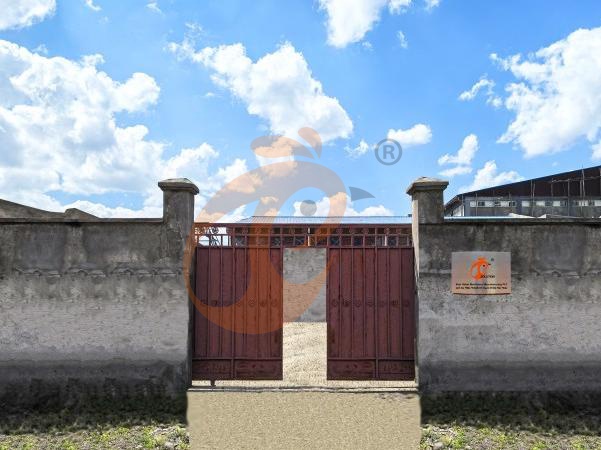
Ethiopia Best Hebei Machinery Manufacturing PLC
Reception /24 WhatsApp NO. : +8618830120193
FAQ
How Does Free Range System Affect Feed Consumption?
Energy expenditure increases daily intake variation by 15%–22% across seasons.
Feed conversion efficiency ranges from 1.9–2.3 depending on grazing intensity.
What Are The Housing Transition Management Standards In Free Range Poultry System?
Indoor-outdoor transition time is controlled within 10–15 minutes per flock movement cycle.
Lighting guidance systems operate at 5–8 lux to direct flock movement behavior.
What Are The Seasonal Adaptation Strategies In Free Range Poultry System?
Summer shade coverage is increased to 60%–80% of grazing area for heat stress reduction.
Rainfall drainage capacity handles 25–40 mm per hour precipitation levels for land usability.
- poultry farm
- poultry house
- cage
- poultry farm construction
- poultry house layout
- poultry house ventilation
- poultry house equipment
- poultry feeding system
- poultry house ventilation system
- automatic poultry feeding system
- poultry equipment
- chickencage
- bestchickencage
- Nigeria
- LED poultry lighting
- poultry feeding system for commercial farm
- poultry farm plan
- poultry feed
- feed silo
- Ethiopia
Message
Products recommended
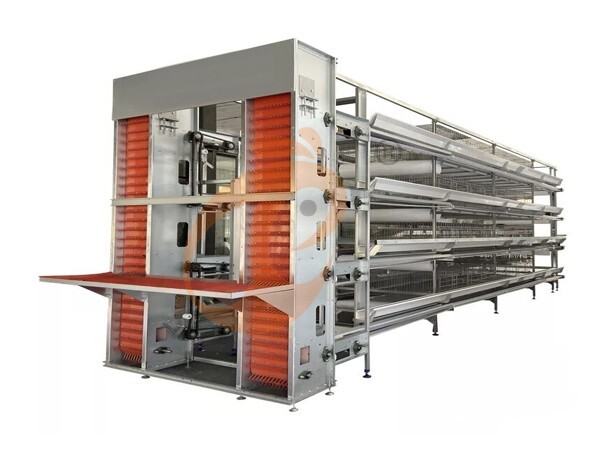
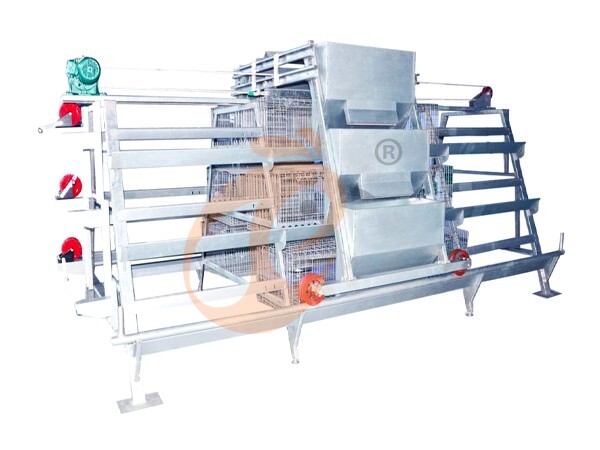
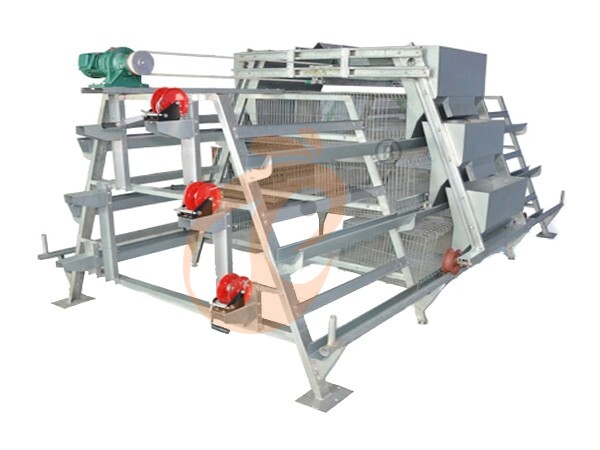
 >30,000 Pullets Automatic H Type Battery Cage1. More than 30,000 pullets a house, choose it.
2. It is designed to rearing older than 1 day old pullets to 12 to 16 weeks old chicken starting laying eggs.
3. Its lifespan is more than 25 years.
4. Its structure are Vcloud artificial intelligent fusion, electric control cabinet, automatic equipment of drinking, feeding, manure clean, manual harvesting.
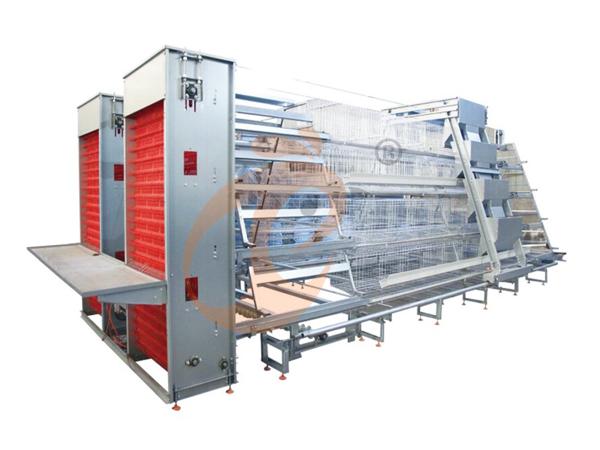
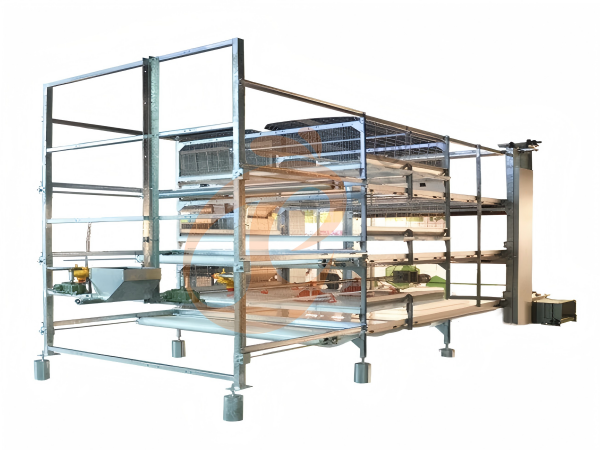
5. Our 24 hour online reception What’sApp NO. is +8618830120193 <30,000 Pullets Automatic A Type Battery Cage1. 10,000 to 30,000 pullets a house, choose it.
2. It is designed to rearing older than 1 day old pullets to 12 to 16 weeks old chicken starting laying eggs.
3. Its lifespan is more than 25 years.
4. Its structure are Vcloud artificial intelligent fusion, electric control cabinet, automatic equipment of drinking, feeding, manure clean, manual harvesting.
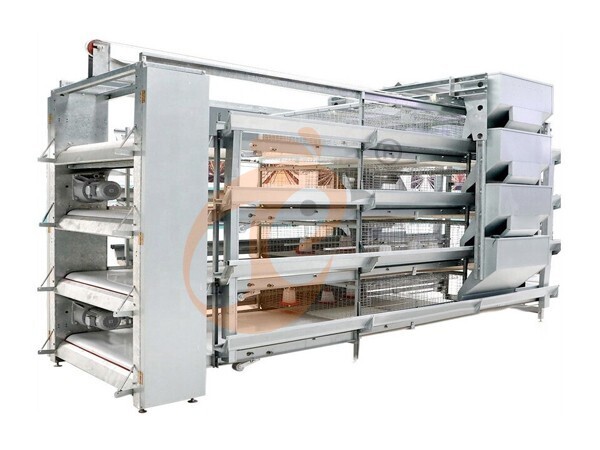
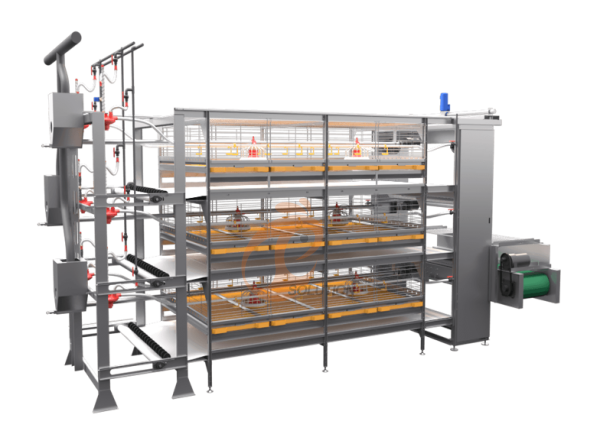
5. Our 24 hour online reception What’sApp NO. is +86 18830120193. >30,000 Broilers Semi-Automatic Harvest H Type Battery Cage1. More than 30,000 broilers a house, choose it.
2. It is designed to rearing 1 to 45 day old adult broiler ready for market.
3. Its lifespan is more than 20 years.
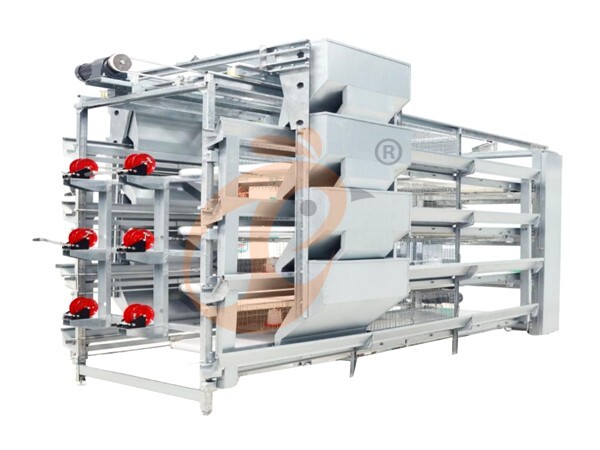
4. Our 24 hour online reception What’sApp NO. is +8618830120193, +234 8111199996. >30,000 Broilers Manual Harvest H Type Battery Cage1. More than 30,000 broilers a house, choose it.
2. It is designed to rearing 1 to 45 day old adult broiler ready for market.
3. Its lifespan is more than 20 years.
4. Its structure are Vcloud artificial intelligent fusion, electric control cabinet, automatic equipment of drinking, feeding and manure clean, manual harvesting.
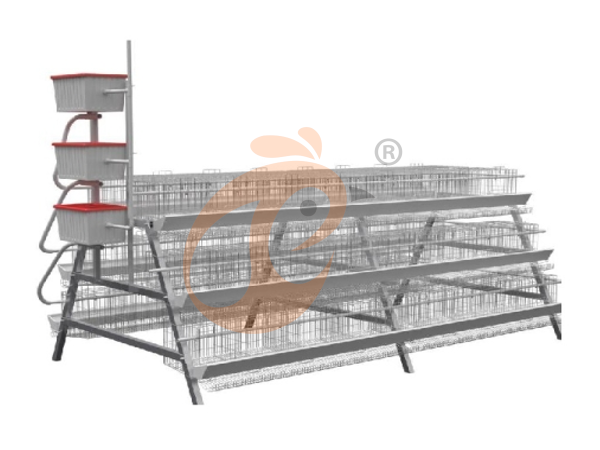
5. Our 24 hour online reception What’sApp NO. is +8618830120193, +234 8111199996. <30,000 Broilers Manual Harvest A Type Battery Cage1. Less 30,000 broilers a house, choose it.
2. It is designed to rearing 1 to 45 day old adult broiler ready for market.
3. Its lifespan is more than 20 years.
4. Its structure are Vcloud artificial intelligent fusion, electric control cabinet, automatic equipment of drinking, feeding and manure clean, manual harvesting.
5. Our 24 hour online reception What’sApp NO. is +8618830120193, +234 8111199996. HK Headquarter Offers EU-standard Poultry Farm Solutions, Manufacture Poultry Farm Equipment1. Continuous communication with the EU and the US
2. China, Nigeria, Ethiopia, Tanzania branch companies and factories
3. The products’ quality is customized for local poultry farms
4. Poultry cage and poultry farm equipment stock for sale
5. 24 online reception Whatsapp NO. : +8618830120193,contact us to get full information China Branch Offer Poultry Farm Business Plan, Manufacture Poultry Farm Equipment1. Address: Flat/RM 2416, 24/F, Runxing Building, Youyi Nan Street, Shijiazhuang City, Hebei Province, China
2. Poultry cage and poultry farm equipment factory and stock for sale
3. Customized for local poultry farms
4. Quality and design are based on Euro
5. 24 online reception Whatsapp NO. : +8618830120193 Nigeria Branch Offer Poultry Farm Business Plan, Manufacture Poultry Farm Equipment1. Address: After Sinoma Office, 200 Meters Near Danco Filling Station, Lagos/Ibadan Expressway, Lagos State, Nigeria
2. Poultry cage and poultry farm equipment factory and stock for sale
3. Customized for Nigerian poultry farms
4. Quality and design are based on Euro
5. 24 online reception Whatsapp NO. : +8618830120193 Ethiopia Branch Offer Poultry Farm Business Plan, Manufacture Poultry Farm Equipment1. Address: Gelan Gura, Akaki-kaliti Sub City, Addis Ababa, Ethiopia
2. Poultry cage and poultry farm equipment stock for sale
3. Customized for Ethiopian poultry farms
4. Quality and design are based on Euro
5. 24 online reception Whatsapp NO. : +8618830120193, contact us to get price list Tanzania Branch Offer Poultry Farm Business Plan, Manufacture Poultry Farm Equipment1. Address: No.8, Sova Road, Msufini, Mlandizi, Kibaha, Pwani, Tanzania
2. Poultry cage and poultry farm equipment factory and stock for sale
3. Customized for Tanzanian poultry farms
4. Quality and design are based on Euro
5. 24 online reception Whatsapp NO. : +8618830120193


Contact