


Blog
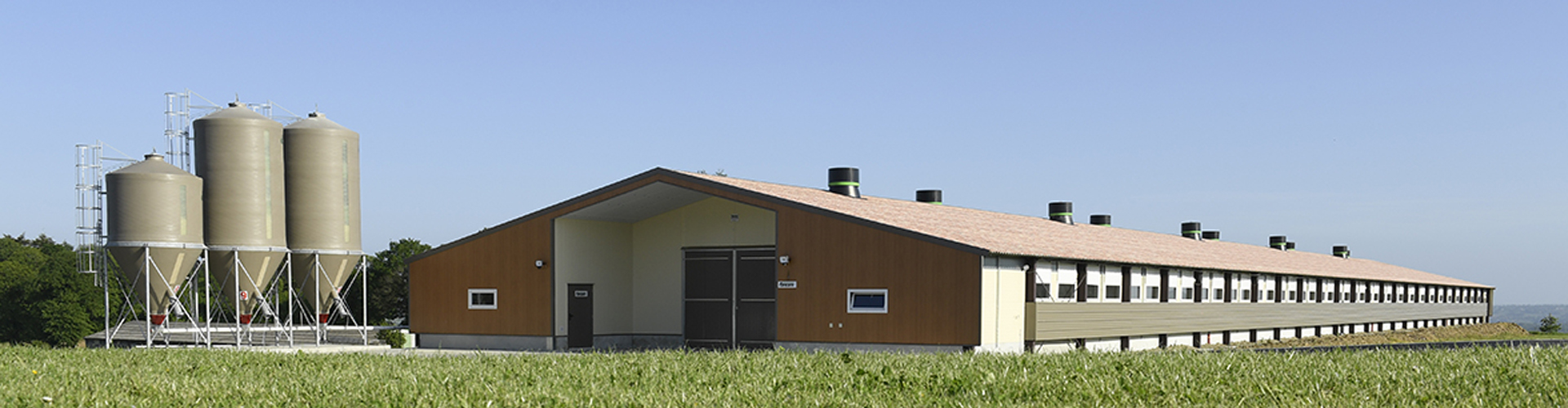
Deep litter system investment combines bedding management, poultry house equipment, ventilation, feeding, drinking, and environmental control into one production strategy.
Commercial farms can evaluate labor demand, flock capacity, climate conditions, equipment durability, and expansion requirements before committing capital.
Professional poultry house equipment can reduce repetitive work while improving operational consistency across feeding, watering, ventilation, cooling, and monitoring.
Integrated planning becomes especially valuable for houses operating multiple production cycles annually, where equipment reliability directly affects management efficiency and maintenance requirements.
A properly configured automatic poultry feeding system can complement deep litter management, creating a scalable chicken-house solution built around measurable engineering requirements and long-term farm productivity.
Get professional poultry farm construction guidance, equipment selection solutions, and the latest price lists, whatsApp to +8618830120193, click to learn more:
The Real Investment Question
A deep litter system is more than a bedding method.
For modern poultry farms, the approach can become part of a complete chicken house management strategy.
A production house of 1,500 m² can accommodate integrated equipment planning from the initial layout stage, while a typical cycle of 35–45 days requires consistent litter management.
By allowing litter to accumulate over a controlled production cycle, farmers can reduce frequent manure removal, improve labor efficiency, and create a more practical working environment.
A properly engineered poultry house equipment package can also coordinate feeding, drinking, ventilation, cooling, lighting, and environmental monitoring.
But is investing in a deep litter system worthwhile?
The answer depends on farm size, ventilation design, equipment configuration, litter management, climate, and production objectives.
For farms planning long-term expansion, evaluating the complete production system is more useful than considering bedding cost alone.
A properly configured automatic poultry feeding system can distribute feed consistently while reducing repetitive manual operations.
Compare The Initial Cost
Data is for reference only.Swipe horizontally to view full table.
The initial investment is often the first concern, but the cheapest setup is not necessarily the most economical.
A low-cost chicken house may require more manual labor, consume more electricity, or create inconsistent environmental conditions.
A professional poultry house equipment configuration should therefore be evaluated through total ownership cost rather than purchase price alone.
If equipment reduces labor and improves flock management over several production cycles, higher initial expenditure may be recovered through operating savings.
For commercial projects, an automatic poultry feeding system can further improve equipment utilization by maintaining scheduled feed delivery without continuous manual intervention.
Why Equipment Changes The Calculation
Think of a deep litter system as one component within a larger production chain:
Housing → Feeding → Drinking → Ventilation → Climate Control → Litter Management → Bird Performance
If one part is poorly designed, the benefits of other components can be limited.
For example, good litter management cannot compensate for inadequate ventilation.
Excess moisture can quickly become a litter-quality problem, increasing cleaning requirements and creating an unfavorable house environment.
Maintaining 0.4–0.8 m/s air velocity across the bird zone can support more uniform house conditions, while a properly positioned drinking line can keep service height within 450–650 mm as birds develop.
Professional poultry house equipment manufacturers therefore recommend designing the house as an integrated system.
Automatic feeders, nipple drinkers, ventilation fans, cooling equipment, controllers, and litter-management solutions should operate as coordinated components rather than isolated machines.
For larger installations, an automatic poultry feeding system can also be matched to house dimensions, flock density, feed storage capacity, and service access.
Deep Litter Vs. Frequent Manure Removal
Data is for reference only.Swipe horizontally to view full table.
Neither method is automatically superior for every farm.
The key issue is operational efficiency.
A deep litter system is particularly attractive when farmers want to reduce repetitive manure-handling work.
However, proper bedding management still requires moisture control, ventilation, stocking management, and routine observation.
For commercial poultry houses, these requirements make equipment selection important.
A reliable poultry house equipment package can support stable airflow, water delivery, feed distribution, and environmental adjustment.
Calculate Labor Savings
Start With The Right Question
Manual poultry-house work can include feeding, watering, litter maintenance, cleaning, and environmental adjustment.
As flock size increases, repetitive tasks become increasingly difficult to manage manually.
An automatic poultry feeding system can distribute feed consistently with less daily labor.
Automatic nipple drinking systems reduce the need for manual watering.
Environmental controllers can coordinate fans, cooling systems, and other equipment according to house conditions.
A feeder motor rated at 0.75–1.1 kW can operate a complete feed line, while an automatic controller can schedule 6–12 daily feeding periods according to the production program.
Combining these systems with a deep litter system can create a more structured workflow for commercial poultry operations.
Equipment That Supports Deep Litter Management
Data is for reference only.Swipe horizontally to view full table.
The most important point is that litter condition is influenced by the entire house environment.
Water leakage, poor air exchange, excessive humidity, and uneven equipment operation can all affect litter quality.
Therefore, investing in quality poultry house equipment can make a deep litter system easier to manage.
For equipment manufacturers, system integration creates additional value because complete solutions can be configured around flock size, building dimensions, climate, and management objectives.
An automatic poultry feeding system can be engineered together with drinking lines and environmental equipment instead of being installed as an independent component.
Check Your Climate
Data is for reference only.Swipe horizontally to view full table.
Climate should be considered before purchasing any deep litter system equipment.
A system designed for a dry climate may not perform the same way in a humid region.
In hot areas, high-capacity fans and cooling systems can become essential.
In colder regions, ventilation must remove moisture without unnecessarily increasing heat loss.
A customized poultry house equipment package can therefore provide better technical alignment than simply purchasing standard machines.
Climate-specific design can also influence controller programming, fan sequencing, cooling operation, and equipment maintenance intervals.
What Makes A System Worth It?
Use this decision chain
If labor is expensive → automation becomes more valuable.
If the flock is large → efficient equipment becomes more important.
If climate conditions are difficult → ventilation and environmental control deserve priority.
If the farm plans to expand → scalable equipment can protect the investment.
If litter management is already labor-intensive → deep litter deserves serious consideration.
The investment becomes particularly attractive when several conditions apply simultaneously.
A professional poultry equipment supplier can calculate equipment capacity, house layout, ventilation requirements, feeding-line length, drinking-line configuration, and controller integration before installation.
For example, a house layout can be engineered around 12–15 m building widths, with equipment positioning calculated from actual flock density and service access requirements.
An automatic poultry feeding system can then be integrated according to building geometry rather than added after construction.
Deep Litter Return On Investment Checklist
Data is for reference only.Swipe horizontally to view full table.
This checklist can quickly reveal whether a deep litter system fits a particular operation.
The final decision should use actual farm numbers, including flock capacity, labor cost, litter price, electricity consumption, equipment investment, production cycles, and expected equipment lifespan.
For projects using integrated poultry house equipment, lifecycle calculations can also include spare parts, preventive maintenance, installation, and commissioning.
Think Beyond The First Year
A poultry house is a long-term production asset.
Equipment should therefore be evaluated according to service life, reliability, maintenance, and expandability rather than purchase price alone.
A cheap fan that requires frequent replacement can become more expensive than a durable, efficient fan.
A poorly designed feeding system can create unnecessary labor every day.
An unreliable controller can affect multiple pieces of equipment at once.
When selecting a poultry equipment supplier, look for
- Complete system design
- Stable equipment quality
- Appropriate capacity calculations
- Spare-parts availability
- Installation support
- Technical assistance
- Flexible solutions for future expansion
The goal is not simply to install equipment.
The goal is to build a chicken house that remains efficient through many production cycles.
A properly specified automatic poultry feeding system can also simplify future expansion because additional feed lines can be incorporated into the original house planning.
A Practical Investment Scorecard
Data is for reference only.Swipe horizontally to view full table.
Score each category according to the farm's actual operating conditions.
If most indicators align with measurable commercial requirements, investing in a properly designed deep litter system and poultry equipment package can make
more sense than relying on increasingly labor-intensive manual management.
The important distinction is that the investment should be system-oriented rather than simply a purchase of individual machines.
For larger farms, integrated poultry house equipment can also simplify commissioning because feeding, drinking, ventilation, cooling, lighting, and control
interfaces can be planned within one engineering layout.
Choose The Right Equipment Partner
The final decision is not just whether to invest.
The more important question is what to invest in and who should design it.
A reliable chicken house equipment manufacturer should be able to move from farm requirements to a practical solution covering house layout, feeding system, drinking system, ventilation, cooling, environmental control, lighting, and related equipment.
A professional deep litter system solution should fit the building structure, flock scale, local climate, and production schedule.
The strongest solution is one where each component supports the others.
A complete poultry house equipment package can connect mechanical equipment with environmental control, while an automatic poultry feeding system can provide a dedicated automation layer for daily feed distribution.
Final Takeaway
Deep litter can be worth investing in when it reduces labor, supports efficient house management, and fits the farm's climate and production scale.
For commercial poultry farms, the biggest opportunity is often the combination of deep litter management with reliable poultry house equipment.
Automatic feeding and drinking systems reduce routine labor.
Ventilation and cooling equipment help maintain the house environment.
Intelligent controllers bring multiple systems together.
In other words, don't evaluate a deep litter system as a standalone expense.
Evaluate the system as part of a complete, scalable chicken house solution.
For farms seeking lower labor dependence, consistent management, and long-term poultry-house efficiency, the right automatic poultry feeding system and environmental equipment configuration can turn traditional litter management into a more productive investment.
Frequently Asked Questions
Q1: Can a deep litter system reduce poultry house labor?
Yes.
A properly engineered deep litter system can reduce repetitive manure-removal work, while automation can reduce manual feeding and watering operations.
Actual labor savings depend on flock size, house layout, management procedures, and equipment integration.
Q2: What poultry equipment should be integrated with deep litter?
Core poultry house equipment normally includes automatic feeding, nipple drinking, ventilation, cooling, lighting, and environmental control.
Water delivery should be carefully managed because excessive leakage can quickly affect litter condition.
Q3: Is an automatic feeding system necessary for commercial farms?
An automatic poultry feeding system is not mandatory for every farm, but commercial operations can benefit from scheduled feed distribution, reduced manual
handling, and more consistent equipment operation.
Motor capacity, line length, pan quantity, and house dimensions should be calculated during project design.
Taiyu (HK) Group - One Of China Toppest Deep Litter System Manufacturer
Deep litter system solutions combine bedding management with engineered ventilation, drinking, feeding, and environmental-control architecture for commercial chicken-house projects.
Global factory-direct supply provides integrated poultry equipment with production, configuration, inspection, and technical coordination handled through one engineering-oriented supply chain.
Poultry equipment packages cover automatic feeding, nipple drinking, ventilation, cooling, lighting, environmental controllers, and supporting house components.
Turn-key engineering supports project planning from house layout and equipment selection through installation guidance, commissioning coordination, and operational configuration.
International project support can adapt equipment specifications to flock capacity, building dimensions, climate conditions, production cycles, and local technical requirements.
Contact Us To Received Your Customized Poultry Farm Plan
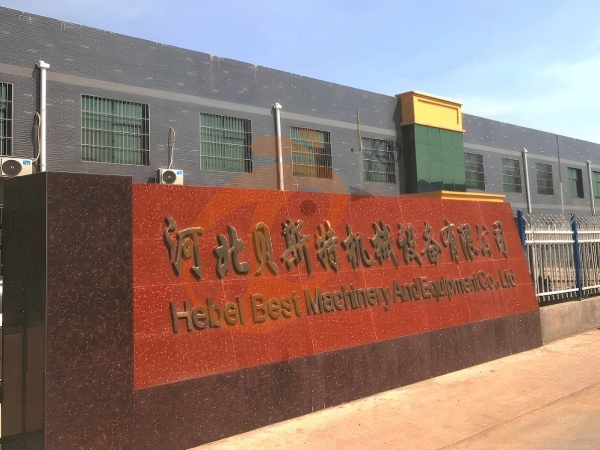
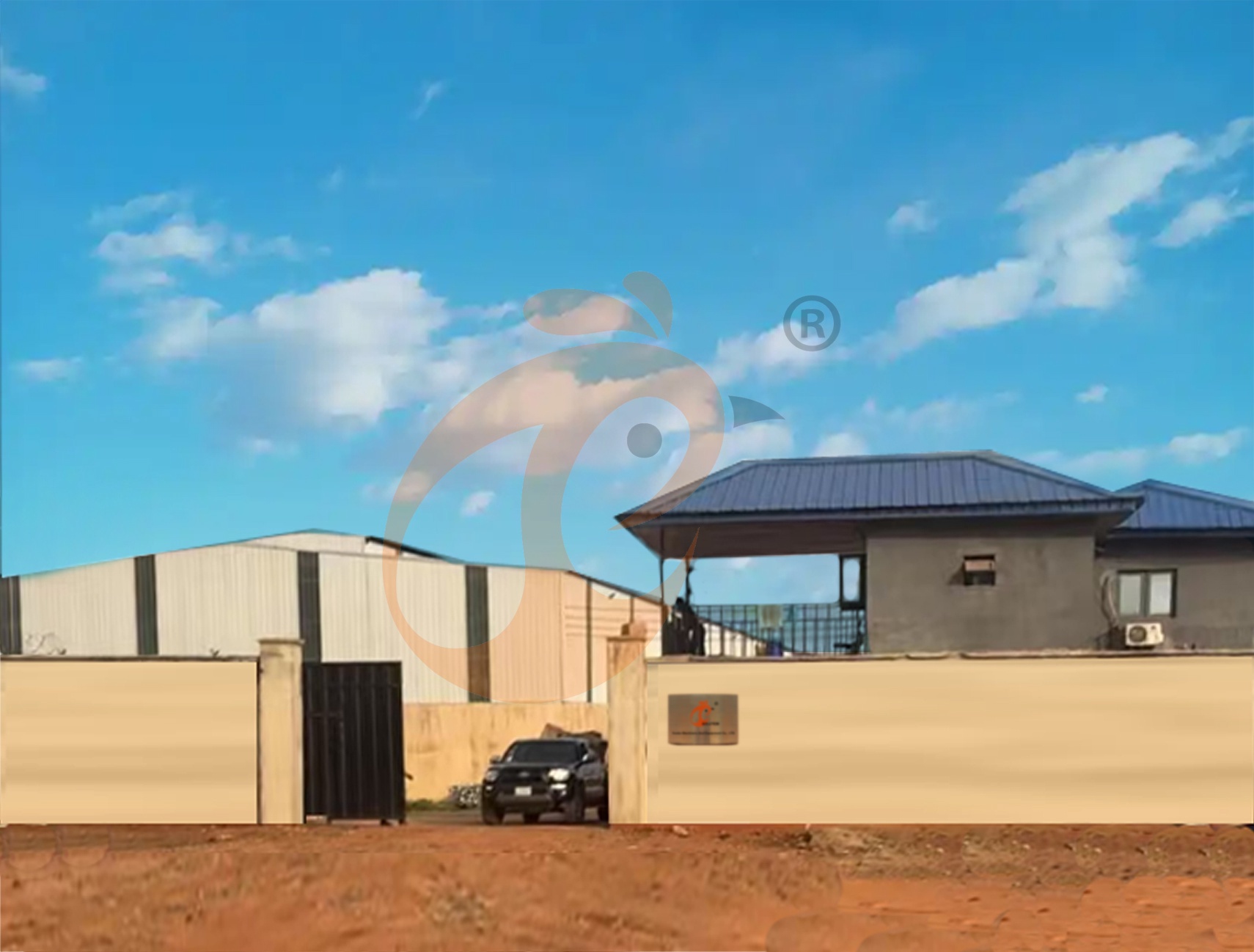
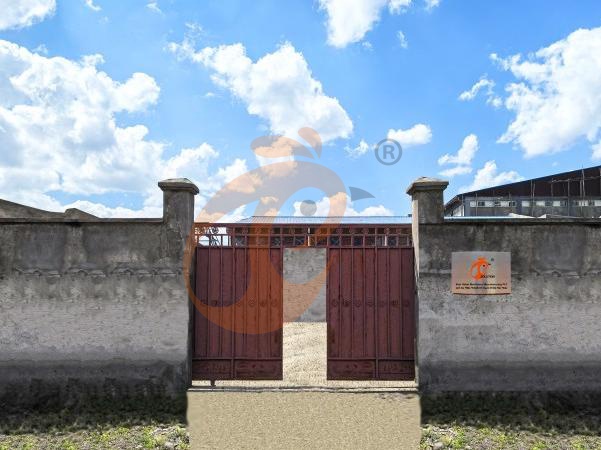
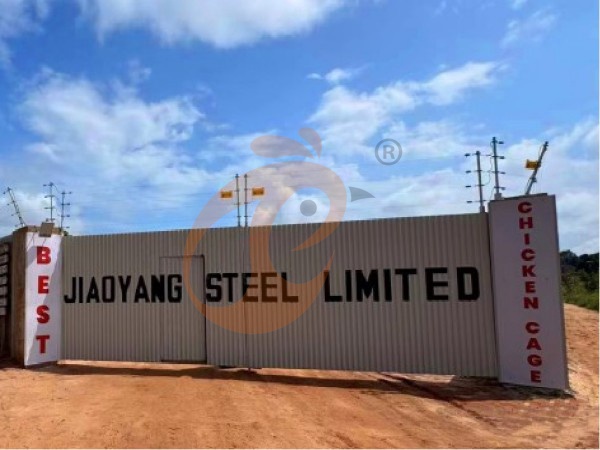
Headquarters And Branchs
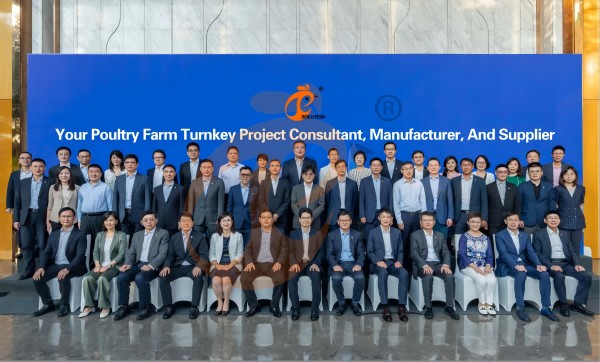
Hong Kong Headquarter Management Team
Hong Kong Headquarter Taiyu Industrial Group CO., LTD
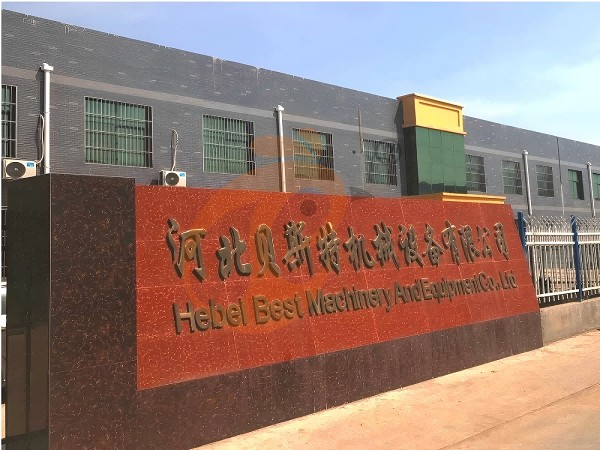
China Hebei Best Machinery And Equipment CO., LTD
Nigeria Vanke Machinery And Equipment CO., LTD
Tanzania Best Machinery And Equipment CO., LTD
Ethiopia Best Hebei Machinery Manufacturing PLC
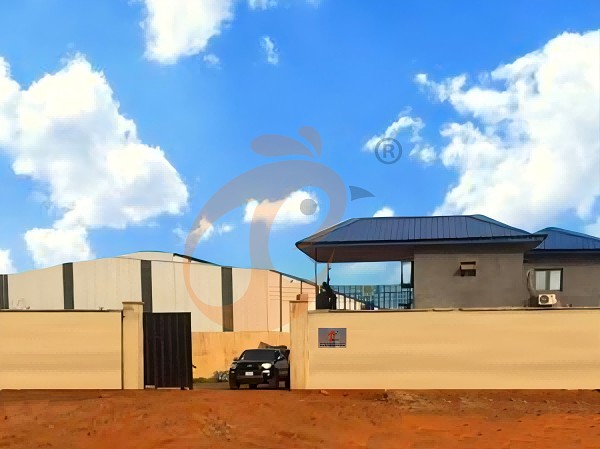
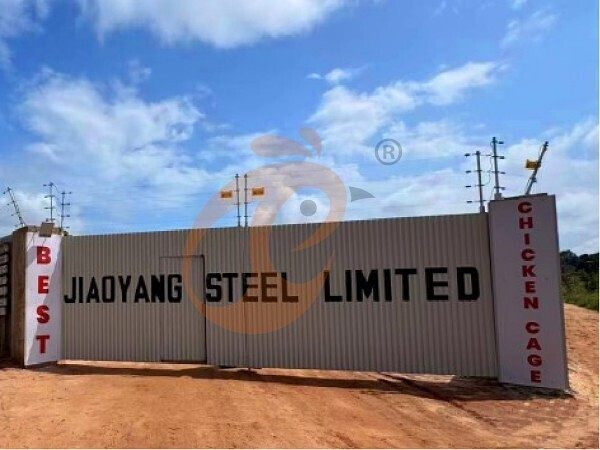
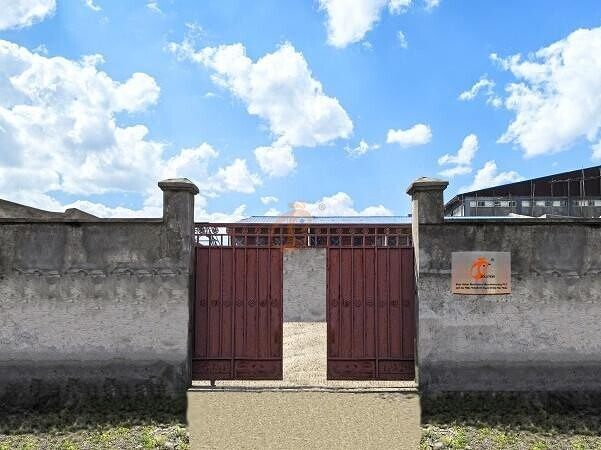
Reception /24 WhatsApp NO. : +8618830120193
FAQ
What Are The Growth Performance Benefits In Deep Litter Poultry System?
Feed conversion ratio improves to 1.55–1.78 due to thermal comfort and reduced stress.
Market uniformity rate exceeds 85%–92% within target slaughter weight range.
What Are The Litter Turning And Management Frequency Standards In Deep Litter Poultry System?
Surface leveling is maintained every 3–5 days to prevent compaction zones.
Full litter replacement cycle occurs every 2–3 production batches depending on load intensity.
What Are The Energy Efficiency And Cost Advantages In Deep Litter Poultry System?
Construction cost savings reach 25%–40% compared with fully caged housing systems.
Operational labor demand decreases by 30%–50% through simplified floor-based management.
- poultry farm
- poultry farms
- chicken house
- poultry house
- cage
- poultry farm construction
- poultry house equipment
- poultry feeding system
- automatic feeding system
- automatic poultry feeding system
- deep litter system
- poultry equipment
- chickencage
- bestchickencage
- Nigeria
- deep litter system manufacturer
- hen farm
- modern poultry farms
- commercial poultry farms
- poultry equipment supplier
- poultry house lighting
- chicken house equipment
- modern poultry farm
- deep litter system equipment
- poultry farm plan
- poultry feed
- Ethiopia
Message
Products recommended
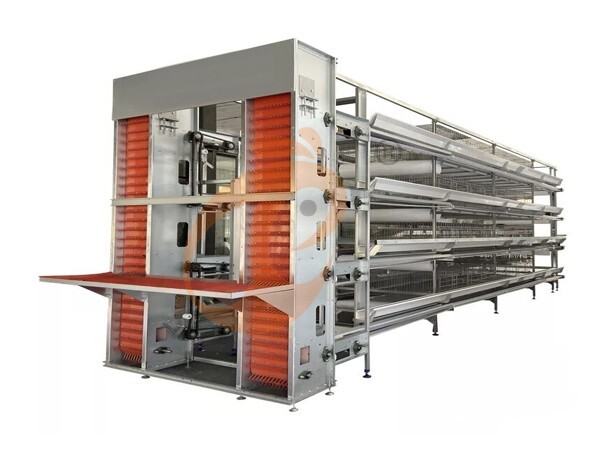
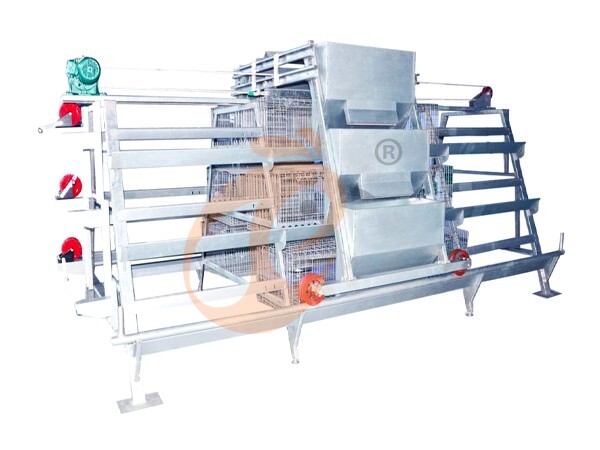
 >30,000 Pullets Automatic H Type Battery Cage1. More than 30,000 pullets a house, choose it.
2. It is designed to rearing older than 1 day old pullets to 12 to 16 weeks old chicken starting laying eggs.
3. Its lifespan is more than 25 years.
4. Its structure are Vcloud artificial intelligent fusion, electric control cabinet, automatic equipment of drinking, feeding, manure clean, manual harvesting.
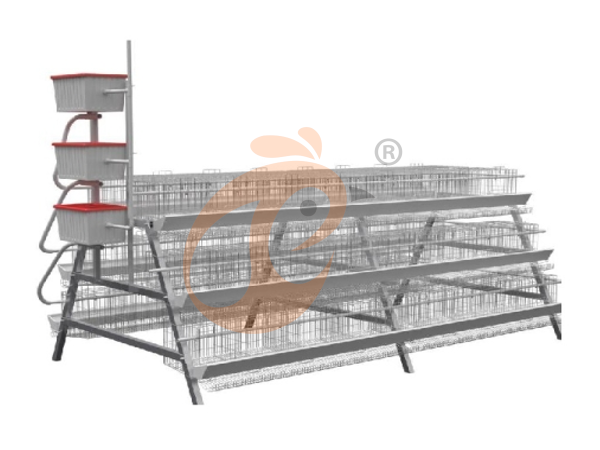
5. Our 24 hour online reception What’sApp NO. is +8618830120193 <30,000 Pullets Automatic A Type Battery Cage1. 10,000 to 30,000 pullets a house, choose it.
2. It is designed to rearing older than 1 day old pullets to 12 to 16 weeks old chicken starting laying eggs.
3. Its lifespan is more than 25 years.
4. Its structure are Vcloud artificial intelligent fusion, electric control cabinet, automatic equipment of drinking, feeding, manure clean, manual harvesting.
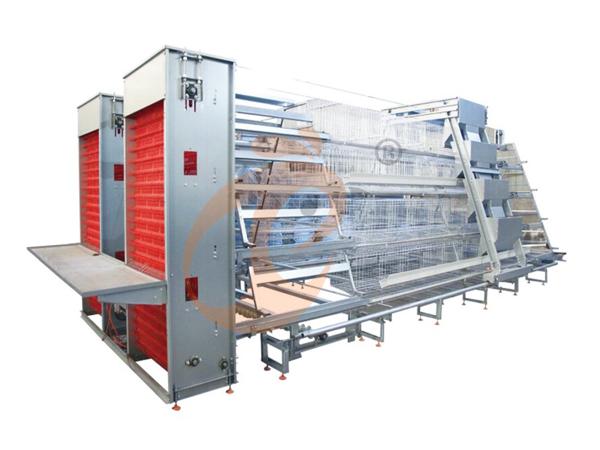
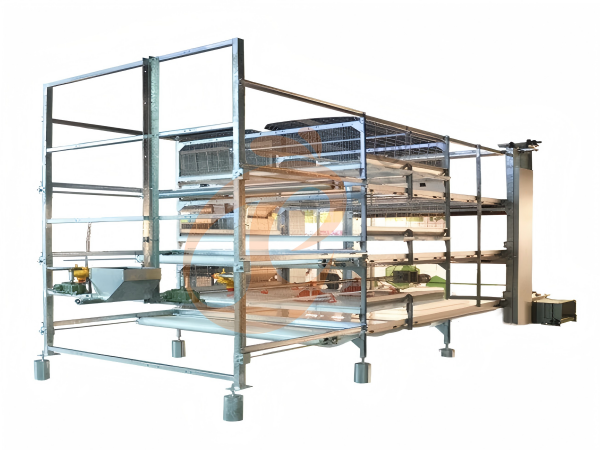
5. Our 24 hour online reception What’sApp NO. is +86 18830120193. >30,000 Broilers Semi-Automatic Harvest H Type Battery Cage1. More than 30,000 broilers a house, choose it.
2. It is designed to rearing 1 to 45 day old adult broiler ready for market.
3. Its lifespan is more than 20 years.
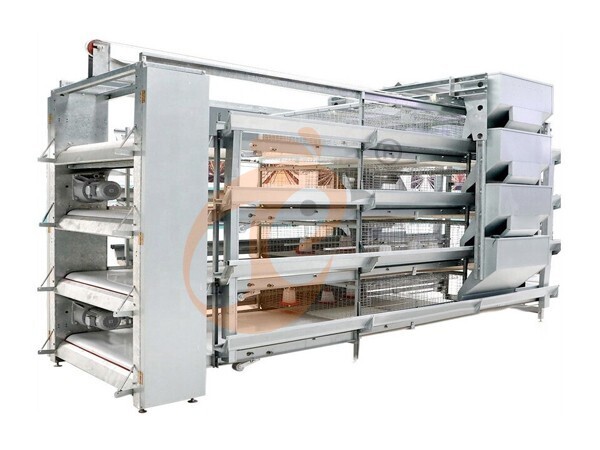
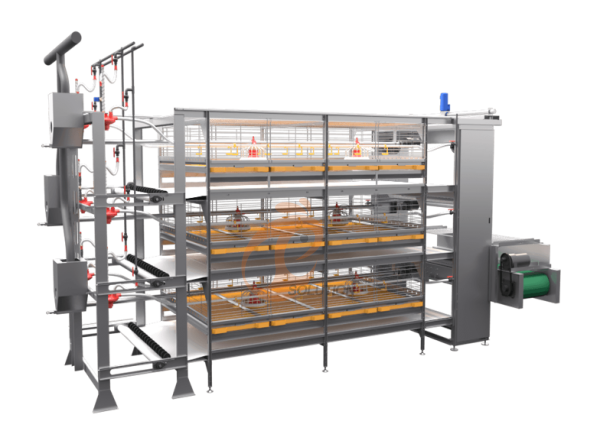
4. Our 24 hour online reception What’sApp NO. is +8618830120193, +234 8111199996. >30,000 Broilers Manual Harvest H Type Battery Cage1. More than 30,000 broilers a house, choose it.
2. It is designed to rearing 1 to 45 day old adult broiler ready for market.
3. Its lifespan is more than 20 years.
4. Its structure are Vcloud artificial intelligent fusion, electric control cabinet, automatic equipment of drinking, feeding and manure clean, manual harvesting.
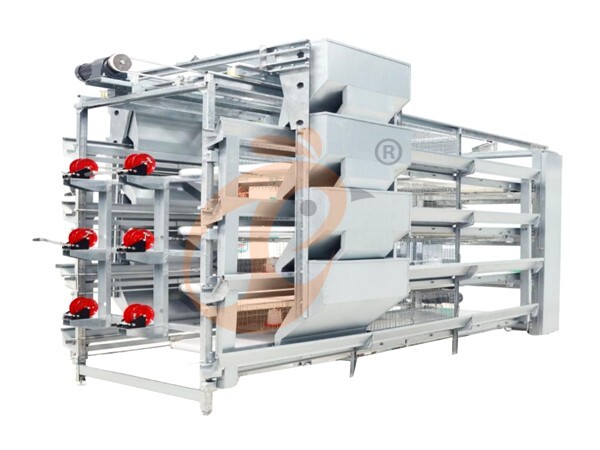
5. Our 24 hour online reception What’sApp NO. is +8618830120193, +234 8111199996. <30,000 Broilers Manual Harvest A Type Battery Cage1. Less 30,000 broilers a house, choose it.
2. It is designed to rearing 1 to 45 day old adult broiler ready for market.
3. Its lifespan is more than 20 years.
4. Its structure are Vcloud artificial intelligent fusion, electric control cabinet, automatic equipment of drinking, feeding and manure clean, manual harvesting.
5. Our 24 hour online reception What’sApp NO. is +8618830120193, +234 8111199996. HK Headquarter Offers EU-standard Poultry Farm Solutions, Manufacture Poultry Farm Equipment1. Continuous communication with the EU and the US
2. China, Nigeria, Ethiopia, Tanzania branch companies and factories
3. The products’ quality is customized for local poultry farms
4. Poultry cage and poultry farm equipment stock for sale
5. 24 online reception Whatsapp NO. : +8618830120193,contact us to get full information China Branch Offer Poultry Farm Business Plan, Manufacture Poultry Farm Equipment1. Address: Flat/RM 2416, 24/F, Runxing Building, Youyi Nan Street, Shijiazhuang City, Hebei Province, China
2. Poultry cage and poultry farm equipment factory and stock for sale
3. Customized for local poultry farms
4. Quality and design are based on Euro
5. 24 online reception Whatsapp NO. : +8618830120193 Nigeria Branch Offer Poultry Farm Business Plan, Manufacture Poultry Farm Equipment1. Address: After Sinoma Office, 200 Meters Near Danco Filling Station, Lagos/Ibadan Expressway, Lagos State, Nigeria
2. Poultry cage and poultry farm equipment factory and stock for sale
3. Customized for Nigerian poultry farms
4. Quality and design are based on Euro
5. 24 online reception Whatsapp NO. : +8618830120193 Ethiopia Branch Offer Poultry Farm Business Plan, Manufacture Poultry Farm Equipment1. Address: Gelan Gura, Akaki-kaliti Sub City, Addis Ababa, Ethiopia
2. Poultry cage and poultry farm equipment stock for sale
3. Customized for Ethiopian poultry farms
4. Quality and design are based on Euro
5. 24 online reception Whatsapp NO. : +8618830120193, contact us to get price list Tanzania Branch Offer Poultry Farm Business Plan, Manufacture Poultry Farm Equipment1. Address: No.8, Sova Road, Msufini, Mlandizi, Kibaha, Pwani, Tanzania
2. Poultry cage and poultry farm equipment factory and stock for sale
3. Customized for Tanzanian poultry farms
4. Quality and design are based on Euro
5. 24 online reception Whatsapp NO. : +8618830120193
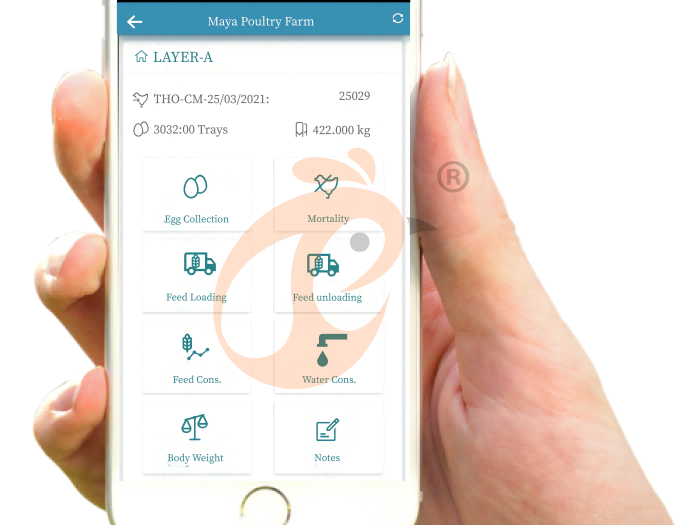


Contact