


Blog
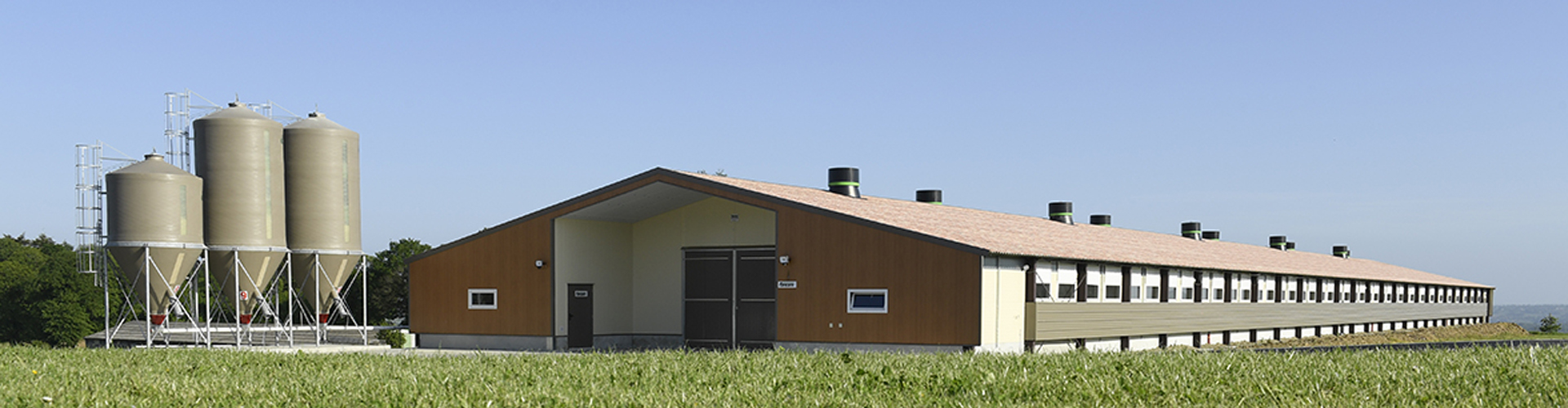
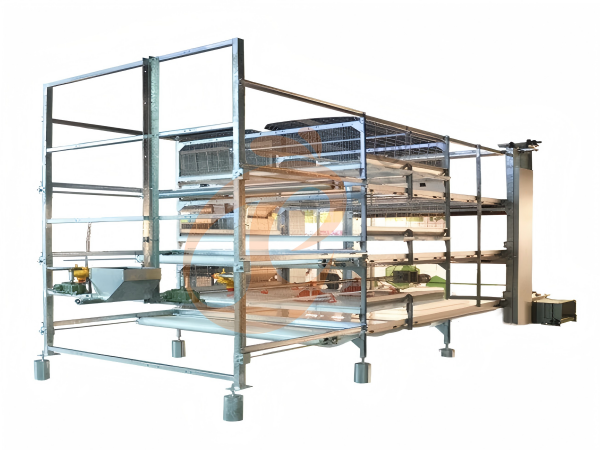
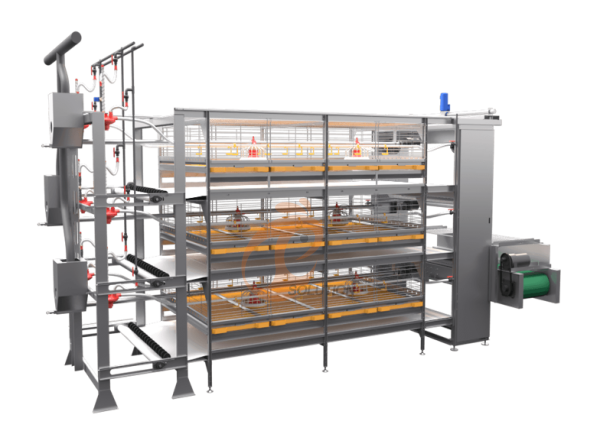
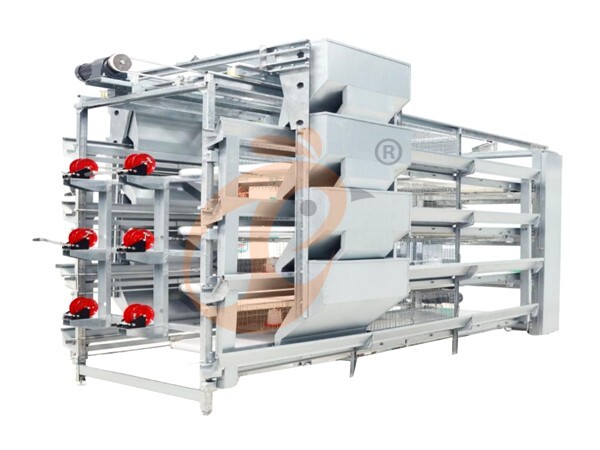
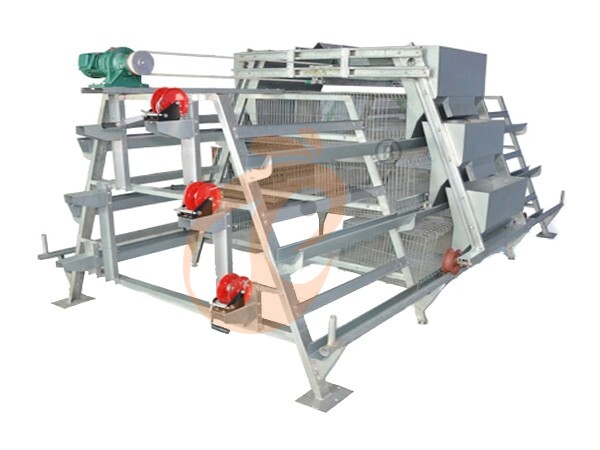
A type poultry battery cage systems perform best when climate control, cage layout, and automation are engineered as one commercial package for scalable farm planning and climate-adapted commercial production.
Regional temperature patterns influence ventilation capacity, cooling selection, insulation strategy, and controller settings throughout annual production cycles.
Humidity management depends on airflow, manure handling, drinking equipment, and building design rather than cage structure alone.
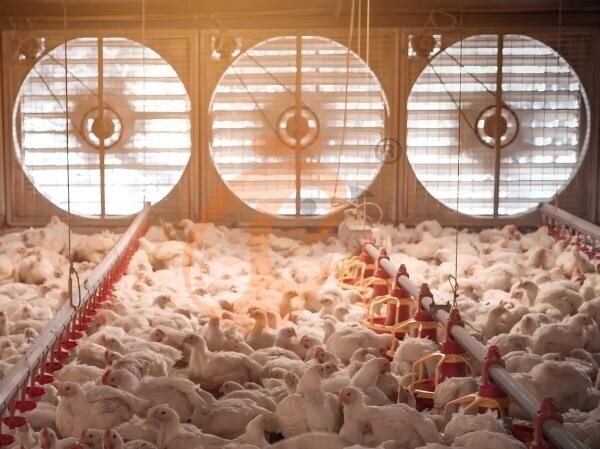
Professional poultry house equipment integrates feeding, drinking, ventilation, cooling, heating, manure removal, egg collection, and environmental control.
- Five practical tips connect engineering parameters with equipment selection, helping commercial layer projects improve operational consistency and investment value.
Get professional poultry farm construction guidance, equipment selection solutions, and the latest price lists, whatsApp to +8618830120193, click to learn more:
Climate Parameters For Engineering Reference
Data is for reference only.Swipe horizontally to view full table.
Tip 1: Match Cage Design To Regional Weather
Hot region → tunnel ventilation → cooling pads → automated control.
Cold region → insulation → controlled air inlets → heating equipment.
Humid region → moisture extraction → manure removal → ammonia monitoring.
An A type poultry battery cage system should therefore be selected together with an automatic layer cage system configuration suited to regional building conditions.
A commercial poultry house equipment package should also consider roof insulation thickness of approximately 50–100 mm where seasonal heat transfer requires additional protection.
Temperature And Equipment Configuration
Data is for reference only.Swipe horizontally to view full table.
An A type poultry battery cage system performs more consistently when cage-row spacing allows maintenance access of approximately 600–900 mm.
An automatic layer cage system can further coordinate seasonal ventilation stages, while integrated poultry house equipment simplifies project commissioning.
Ventilation Should Follow Cage Architecture
Design sequence
House volume → Bird population → Heat load → Fan capacity → Inlet arrangement → Cage-tier airflow → Controller settings
Vertical cage levels require balanced airflow because different tiers can experience different temperature and humidity conditions.
For an A type poultry battery cage system, practical engineering should maintain unobstructed service passages and accessible inspection zones.
An automatic layer cage system benefits from sensor-controlled fan staging, while poultry house equipment should be specified according to building
dimensions rather than equipment quantity alone.
Ventilation Equipment Parameters
Data is for reference only.Swipe horizontally to view full table.
A professional A type poultry battery cage system should leave sufficient service clearance around drive components for inspection.
An automatic layer cage system paired with correctly sized poultry house equipment can reduce adjustment errors during seasonal commissioning.
Tip 2: Control Humidity Through Manure Management
Manure accumulation → moisture retention → microbial decomposition → ammonia generation → ventilation demand
An A type poultry battery cage system with mechanical manure removal shortens manure residence time beneath cage levels.
For an automatic layer cage system, manure belts can be integrated with scheduled collection cycles.
Efficient poultry house equipment therefore supports both labor reduction and environmental management.
Manure System Technical Comparison
Data is for reference only.Swipe horizontally to view full table.
An A type poultry battery cage system can benefit from belt access points positioned approximately 1.0–1.2 m apart for maintenance operations.
An automatic layer cage system with centralized poultry house equipment allows manure handling to become part of planned daily production management.
Tip 3: Design Specifically For Summer Heat
Summer control priorities
- Increase exhaust capacity.
- Activate evaporative cooling.
- Protect continuous water delivery.
- Coordinate fan stages automatically.
- Inspect sensors before peak temperatures.
An A type poultry battery cage system should maintain reliable access to drinking equipment during periods of elevated water demand.
An automatic layer cage system can coordinate climate functions through a centralized controller, while poultry house equipment should include independent
emergency inspection procedures.
Summer Equipment Inspection Data
Data is for reference only.Swipe horizontally to view full table.
An A type poultry battery cage system can use galvanized structural components with corrosion protection suitable for routine washing environments.
An automatic layer cage system becomes commercially stronger when poultry house equipment covers feeding, drinking, egg handling, and climate control
within one specification.
Tip 4 And Tip 5: Automate Seasonal Control
Tip 4 — Sensor logic
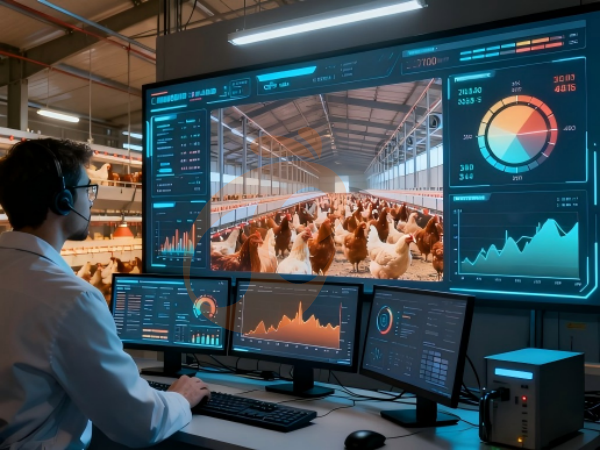
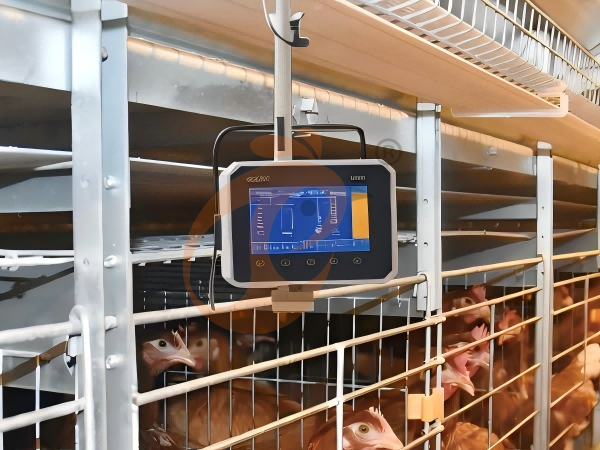
Temperature sensor → controller → fan stage → cooling/heating response.
Tip 5 — Turn equipment into a system
Cage + feeding + drinking + ventilation + cooling + heating + manure removal + egg collection + control.
An A type poultry battery cage system can therefore become part of a complete commercial production platform.
An automatic layer cage system supported by integrated poultry house equipment gives suppliers a clearer engineering basis for project quotation and
installation.
Climate-To-Equipment Selection Matrix
Data is for reference only.Swipe horizontally to view full table.
An A type poultry battery cage system is most effective when equipment selection follows calculated climate loads instead of fixed product combinations.
An automatic layer cage system and integrated poultry house equipment can then be configured around project capacity, building dimensions, and operating
targets.
Frequently Asked Questions
Q1: What climate is suitable for an A type poultry battery cage system?
Temperate, hot, humid, and cold regions can use an A type poultry battery cage system when ventilation, insulation, cooling, heating, and manure management are correctly engineered.
Q2: How should ventilation be selected for an automatic layer cage system?
Fan capacity should be calculated from building volume, bird population, seasonal heat load, and inlet arrangement rather than using a fixed fan quantity.
Q3: Can poultry house equipment reduce climate-management labor?
Yes, integrated controllers, automatic feeding, drinking, ventilation, and manure systems can reduce repetitive manual adjustment and provide more consistent operating control.
Taiyu (HK) Group - One Of China Largest A Type Poultry Battery Cage System Manufacturer
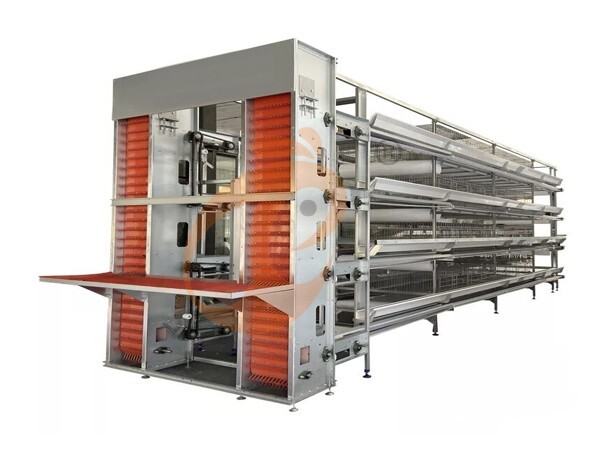
A type poultry battery cage system integrates tiered housing, feeding, drinking, egg collection, and manure handling into one engineered layer-production structure.
Global factory-direct supply provides cage manufacturing, ventilation systems, feeding lines, cooling equipment, and complete poultry equipment specifications.
Turn-key engineering covers layout planning, equipment matching, installation guidance, commissioning, and project-based technical support.
Commercial poultry projects receive coordinated solutions for tropical, humid, temperate, and cold-climate operating requirements.
Export-oriented production supports international farm projects with standardized components, engineering documentation, and scalable equipment configurations.
Contact Us To Received Your Customized Poultry Farm Plan
Headquarters And Branchs

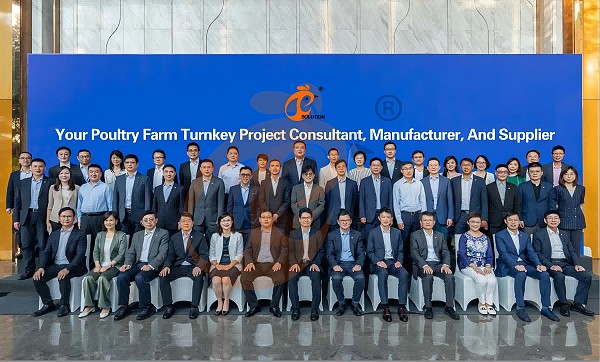
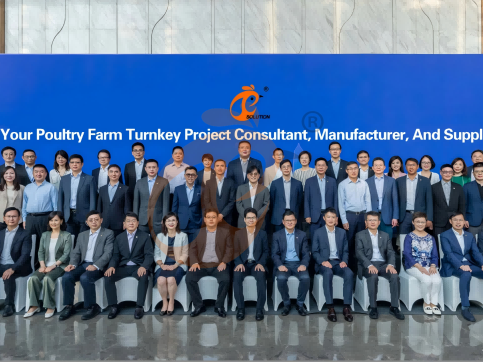
Hong Kong Headquarter Management Team
Hong Kong Headquarter Taiyu Industrial Group CO., LTD
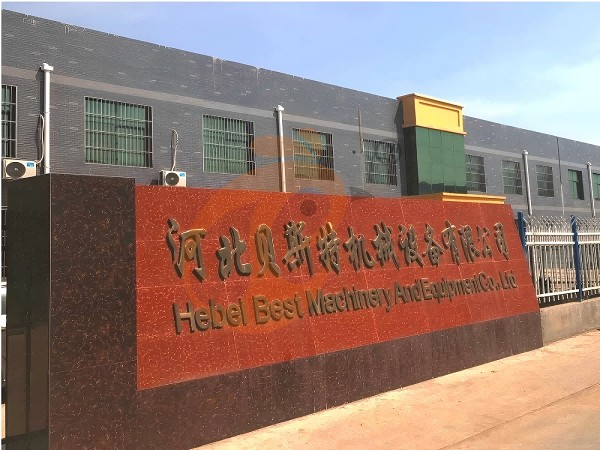
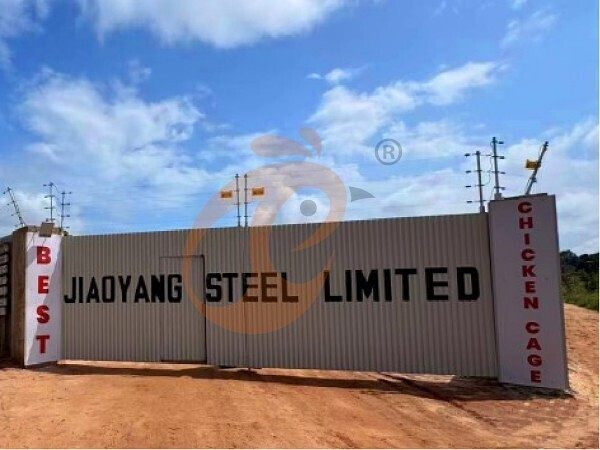
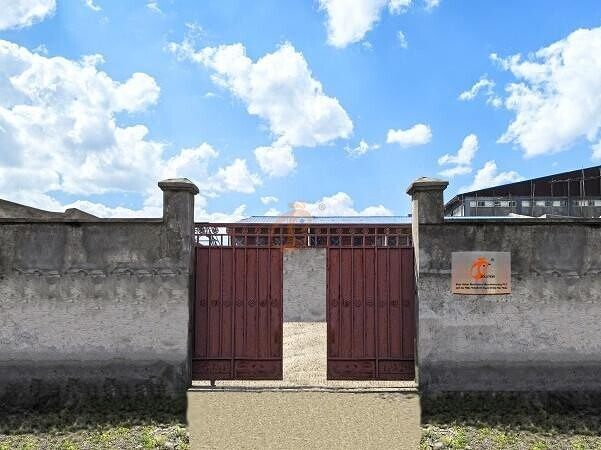
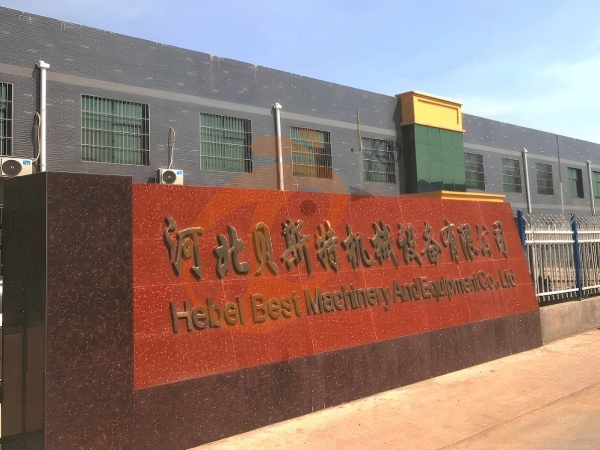
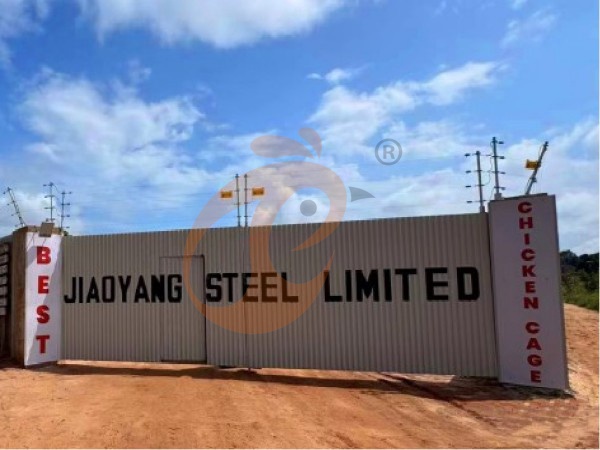
China Hebei Best Machinery And Equipment CO., LTD
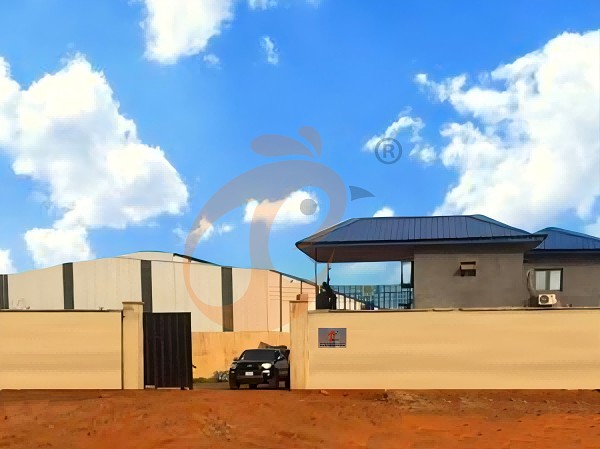
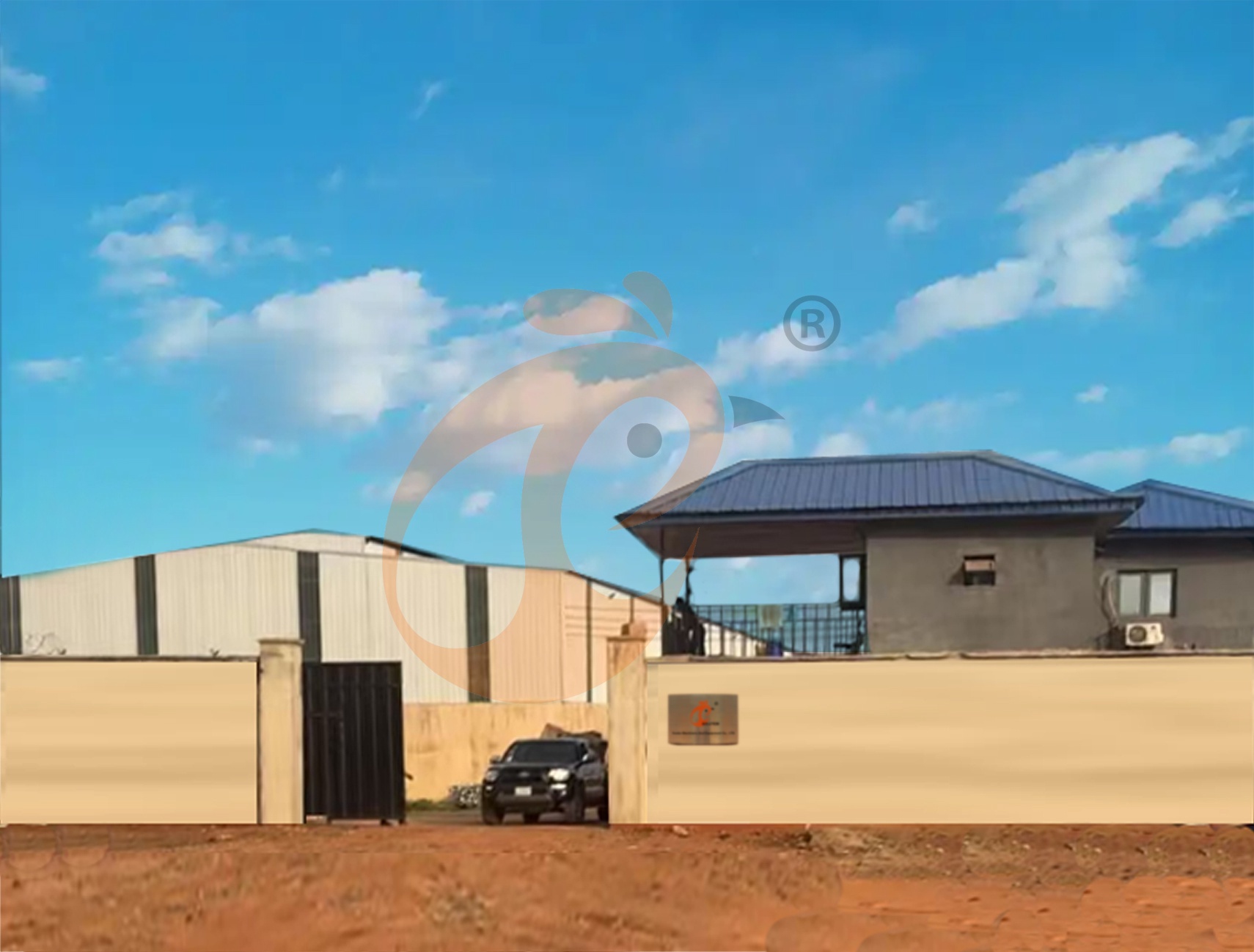
Nigeria Vanke Machinery And Equipment CO., LTD
Tanzania Best Machinery And Equipment CO., LTD
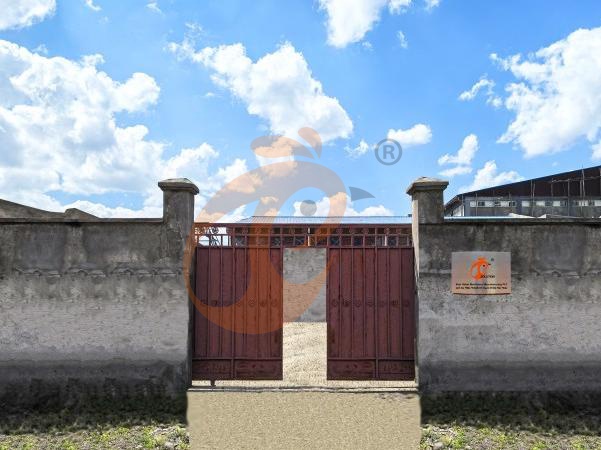
Ethiopia Best Hebei Machinery Manufacturing PLC
Reception /24 WhatsApp NO. : +8618830120193
FAQ
How To Increase Stocking Density Without Reducing Egg Production In A-Type Layer Cage?
Provide 418-500 cm² per bird
Ensure good ventilation
Egg production rate: 90–96%
What Are The Recommended Egg Conveyor Speeds For A-Type Layer Cage Farms?
Reduces egg collision and breakage
Egg breakage rate <1%
Daily egg yield: 900–960 eggs/1,000 birds
Egg production rate: 90–96%
How To Implement Lighting Control In A-Type Poultry Cage Farms?
Even illumination reduces stress
Egg production rate: 90–96%
FCR: 1.9–2.2
Egg breakage rate <1%
- battery cage
- battery cage system
- poultry battery cage
- poultry farm
- layer cage
- automatic layer cage
- poultry house
- cage
- poultry farm construction
- layer cage system
- poultry battery cage system
- battery cage system manufacturer
- poultry house equipment
- poultry equipment
- hen cage
- automatic layer cage system
- chickencage
- bestchickencage
- cage system
- poultry battery
- cage systems
- h cage
- Nigeria
- cage design
- poultry farm plan
- Ethiopia
Message
Products recommended
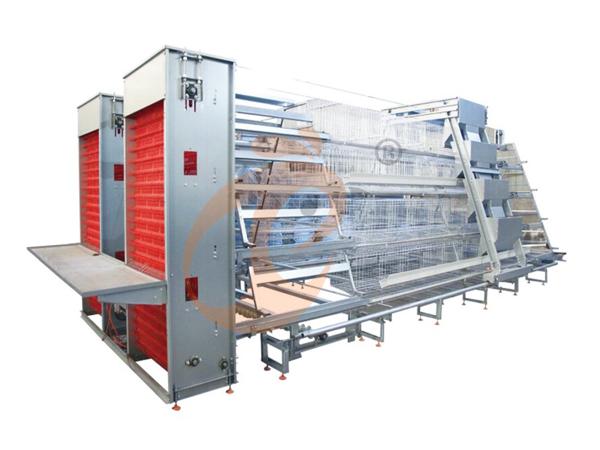
 >30,000 Pullets Automatic H Type Battery Cage1. More than 30,000 pullets a house, choose it.
2. It is designed to rearing older than 1 day old pullets to 12 to 16 weeks old chicken starting laying eggs.
3. Its lifespan is more than 25 years.
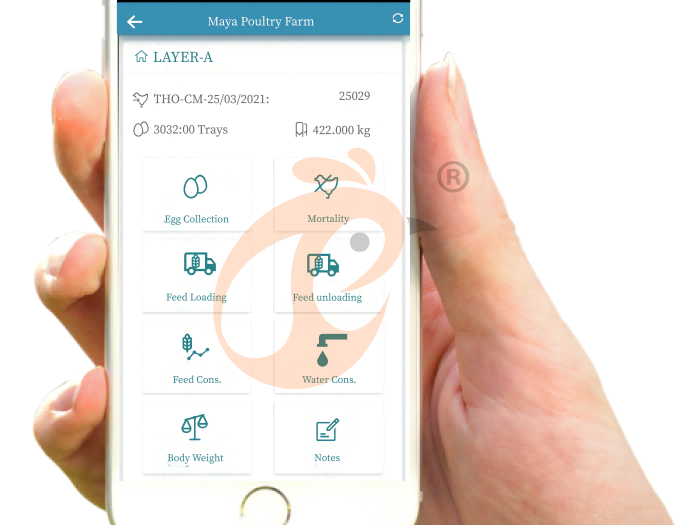
4. Its structure are Vcloud artificial intelligent fusion, electric control cabinet, automatic equipment of drinking, feeding, manure clean, manual harvesting.
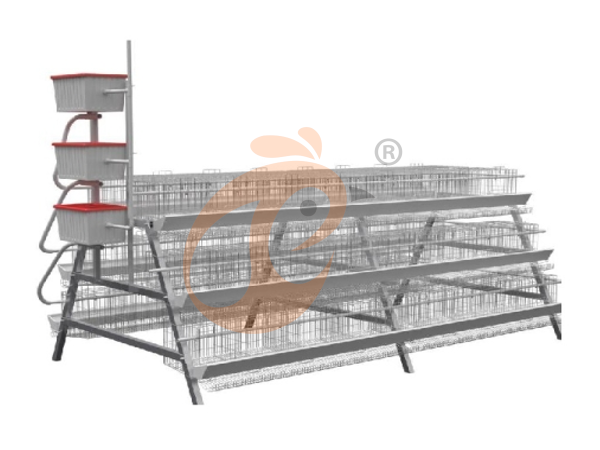
5. Our 24 hour online reception What’sApp NO. is +8618830120193 <30,000 Pullets Automatic A Type Battery Cage1. 10,000 to 30,000 pullets a house, choose it.
2. It is designed to rearing older than 1 day old pullets to 12 to 16 weeks old chicken starting laying eggs.
3. Its lifespan is more than 25 years.
4. Its structure are Vcloud artificial intelligent fusion, electric control cabinet, automatic equipment of drinking, feeding, manure clean, manual harvesting.
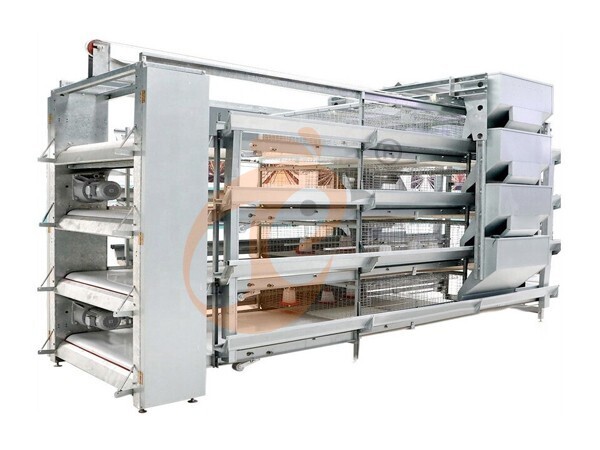
5. Our 24 hour online reception What’sApp NO. is +86 18830120193. >30,000 Broilers Semi-Automatic Harvest H Type Battery Cage1. More than 30,000 broilers a house, choose it.
2. It is designed to rearing 1 to 45 day old adult broiler ready for market.
3. Its lifespan is more than 20 years.
4. Our 24 hour online reception What’sApp NO. is +8618830120193, +234 8111199996. >30,000 Broilers Manual Harvest H Type Battery Cage1. More than 30,000 broilers a house, choose it.
2. It is designed to rearing 1 to 45 day old adult broiler ready for market.
3. Its lifespan is more than 20 years.
4. Its structure are Vcloud artificial intelligent fusion, electric control cabinet, automatic equipment of drinking, feeding and manure clean, manual harvesting.
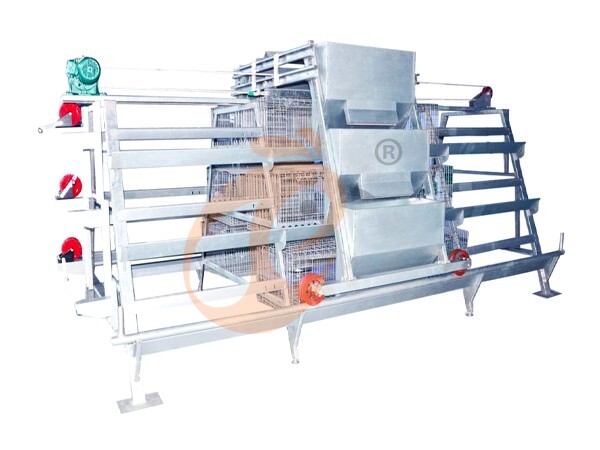
5. Our 24 hour online reception What’sApp NO. is +8618830120193, +234 8111199996. <30,000 Broilers Manual Harvest A Type Battery Cage1. Less 30,000 broilers a house, choose it.
2. It is designed to rearing 1 to 45 day old adult broiler ready for market.
3. Its lifespan is more than 20 years.
4. Its structure are Vcloud artificial intelligent fusion, electric control cabinet, automatic equipment of drinking, feeding and manure clean, manual harvesting.
5. Our 24 hour online reception What’sApp NO. is +8618830120193, +234 8111199996. HK Headquarter Offers EU-standard Poultry Farm Solutions, Manufacture Poultry Farm Equipment1. Continuous communication with the EU and the US
2. China, Nigeria, Ethiopia, Tanzania branch companies and factories
3. The products’ quality is customized for local poultry farms
4. Poultry cage and poultry farm equipment stock for sale
5. 24 online reception Whatsapp NO. : +8618830120193,contact us to get full information China Branch Offer Poultry Farm Business Plan, Manufacture Poultry Farm Equipment1. Address: Flat/RM 2416, 24/F, Runxing Building, Youyi Nan Street, Shijiazhuang City, Hebei Province, China
2. Poultry cage and poultry farm equipment factory and stock for sale
3. Customized for local poultry farms
4. Quality and design are based on Euro
5. 24 online reception Whatsapp NO. : +8618830120193 Nigeria Branch Offer Poultry Farm Business Plan, Manufacture Poultry Farm Equipment1. Address: After Sinoma Office, 200 Meters Near Danco Filling Station, Lagos/Ibadan Expressway, Lagos State, Nigeria
2. Poultry cage and poultry farm equipment factory and stock for sale
3. Customized for Nigerian poultry farms
4. Quality and design are based on Euro
5. 24 online reception Whatsapp NO. : +8618830120193 Ethiopia Branch Offer Poultry Farm Business Plan, Manufacture Poultry Farm Equipment1. Address: Gelan Gura, Akaki-kaliti Sub City, Addis Ababa, Ethiopia
2. Poultry cage and poultry farm equipment stock for sale
3. Customized for Ethiopian poultry farms
4. Quality and design are based on Euro
5. 24 online reception Whatsapp NO. : +8618830120193, contact us to get price list Tanzania Branch Offer Poultry Farm Business Plan, Manufacture Poultry Farm Equipment1. Address: No.8, Sova Road, Msufini, Mlandizi, Kibaha, Pwani, Tanzania
2. Poultry cage and poultry farm equipment factory and stock for sale
3. Customized for Tanzanian poultry farms
4. Quality and design are based on Euro
5. 24 online reception Whatsapp NO. : +8618830120193


Contact