


Blog
What Are The Different Types Of Poultry Farms? Layers, Broilers, Breeders And Pullets
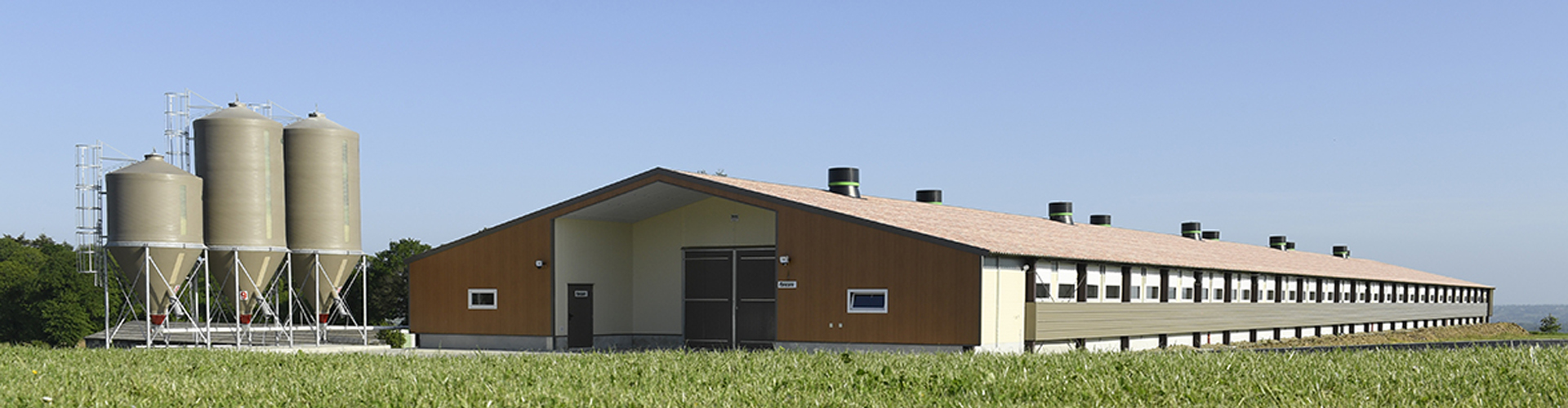
Commercial poultry farms raising 1,000 to 100,000 birds should match layer, broiler, breeder, or pullet systems with production goals, housing capacity, and investment plans.
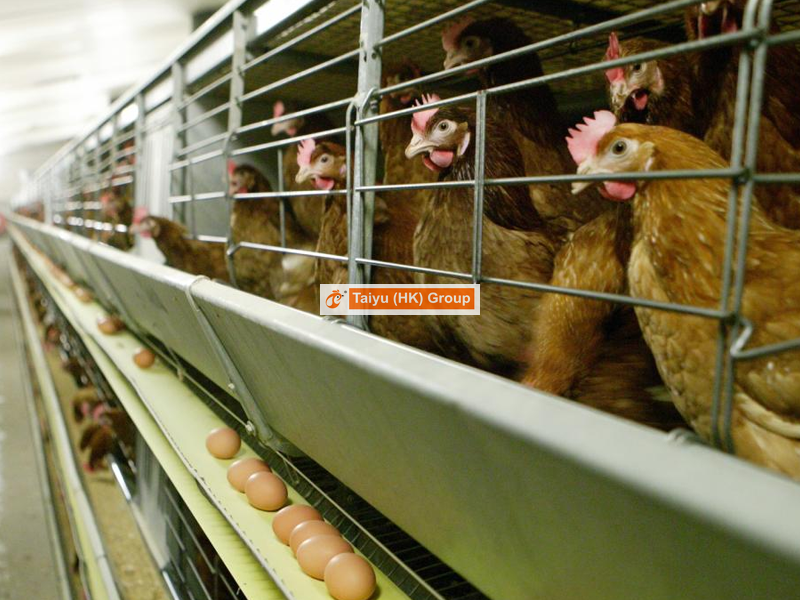
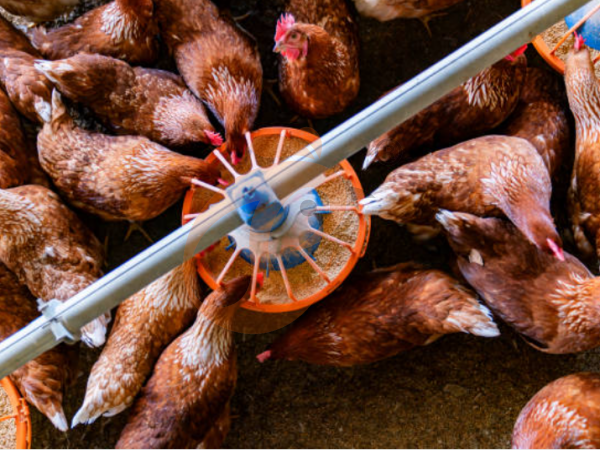
Layer farms use A-type or H-type cages, feeding lines, egg collection, and manure removal for egg production.
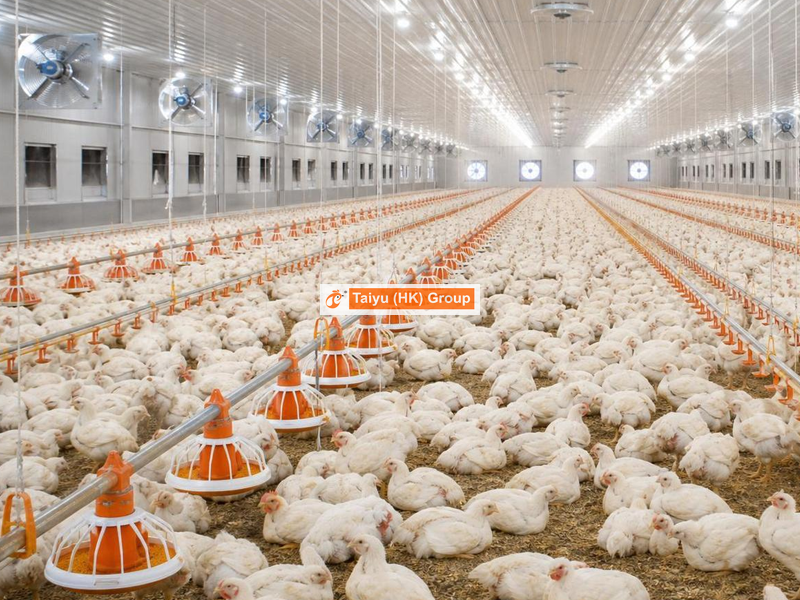
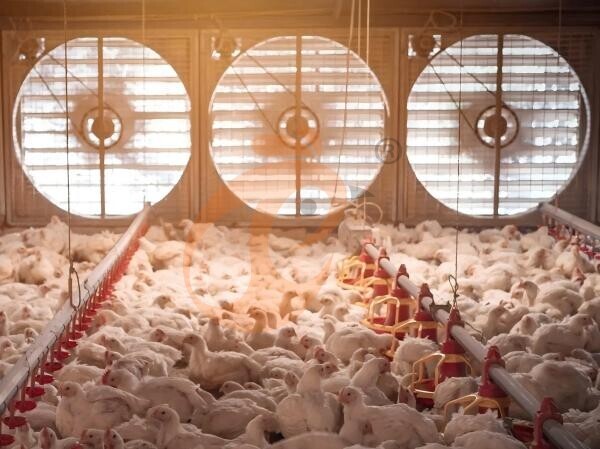
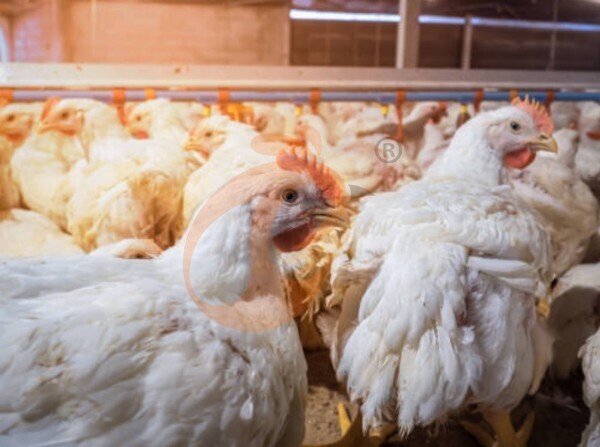
Broiler farms need cooling, feeders, and fast air exchange during 35- to 42-day production cycles.
Breeder and pullet farms require separate feeding zones, controlled lighting, and biosecurity routes for flock health and uniform growth.
In a 20,000-layer house, 380 V three-phase power supports equipment motors, while 25 mm water lines distribute water through nipple systems.
1. Layer Farms For Egg Production
1.1 Production Workflow And Egg Collection
Layer farms produce commercial eggs through balanced nutrition, controlled lighting, and automated collection.
Hens generally enter production around 18 weeks, requiring reliable equipment and suitable housing throughout the laying cycle.
Data is for reference only. Swipe horizontally to view full table.
Data is based on more than 20 years of after-sales follow-up records collected by Taiyu Group (HK).
1.2 Essential Equipment And Housing Solutions
Layer equipment includes feeding lines, nipple drinkers, egg conveyors, manure belts, and environmental controllers.
Small farms can use semi-automatic systems, while larger operations benefit from automatic cage systems and centralized egg collection.
A-Frame Cages: Suitable for 1,000 to 10,000 layers.
Enriched Colony Cages: Designed for larger flocks requiring additional facilities.
Multi-Tier Manure Belt Systems: Support automated manure removal in commercial houses.
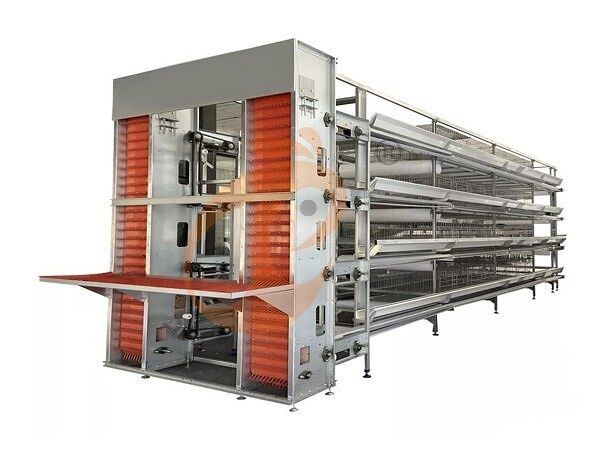
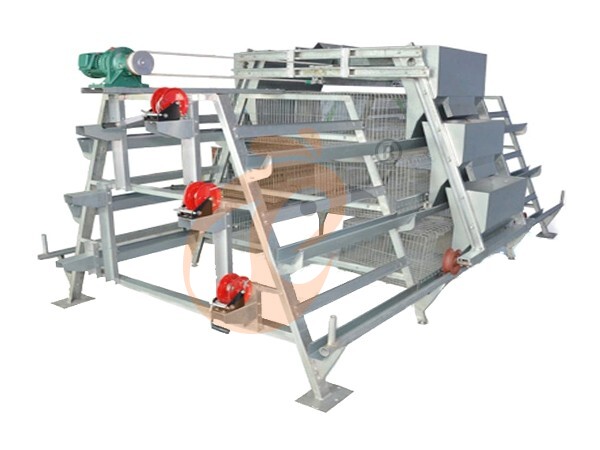
For commercial egg production, Taiyu Group (HK) A-Type Layer Chicken Cages offer practical housing configurations for different flock sizes.
Contact Taiyu Group (HK) for layer cage solutions and equipment quotations. WhatsApp to +8618830120193.
2. Broiler Farms For Meat Production
2.1 Growth Targets And Climate Management
Broiler farms prioritize rapid growth, feed conversion, and temperature control.
Typical production cycles last 35 to 42 days.
Ventilation, cooling, and reliable power supplies help maintain suitable indoor conditions.
Data is for reference only. Swipe horizontally to view full table.
Findings reflect long-term customer feedback and service performance assessments documented by Taiyu Group (HK).
2.2 Catching And Turnout Workflow
Feed withdrawal generally starts 8 to 10 hours before catching.
Birds are transported in ventilated crates, followed by house cleaning, disinfection, and 10 to 14 days of downtime.
Pan Feeding Lines: Supply feed to commercial broiler houses.
Evaporative Cooling Pads: Reduce incoming air temperatures by 5 to 8 Celsius.
Automated Catching Harvesters: Reduce manual labor on large farms.
3. Breeder Farms For Hatching Egg Production
3.1 Male-To-Female Ratios And Fertility
Breeder farms produce fertilized eggs for hatcheries.
Balanced mating ratios, separate feeding arrangements, and clean nesting facilities support fertility and hatchability.
Data is for reference only. Swipe horizontally to view full table.
Technical assessments draw upon product testing results, engineering research, and performance evaluations conducted by Taiyu Group (HK).
3.2 Hatching Egg Handling And Biosecurity
Collect fertile eggs three to four times daily and maintain storage conditions near 17 Celsius and 75 percent relative humidity.
Vehicle disinfection, isolated housing, and controlled access reduce disease risks.
Slatted Floor And Litter Houses: Provide separate mating and scratching areas.
Separate Male Feed Lines: Control male feeding and body weight.
Egg Room Climate Units: Maintain stable hatching egg storage conditions.
4. Pullet Farms For Raising Young Chickens
4.1 Brooding, Feeding, And Watering
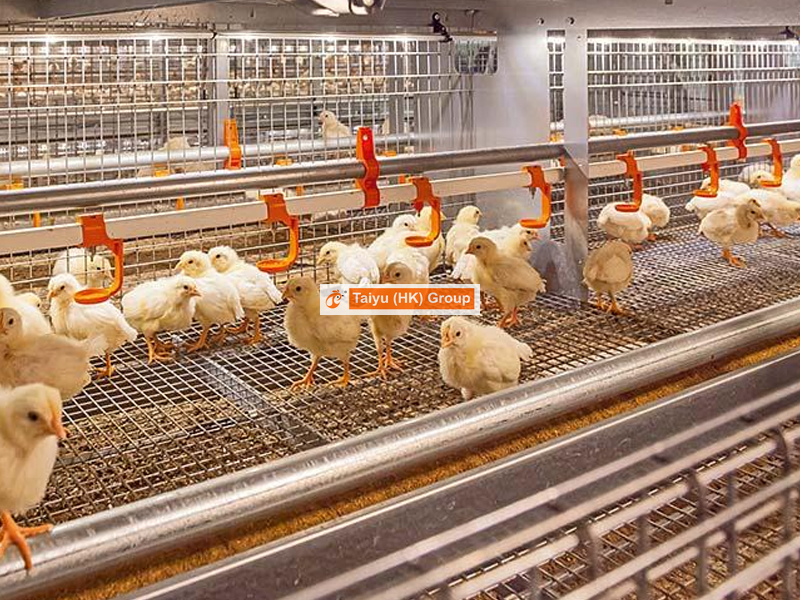
Pullet farms raise day-old chicks into point-of-lay birds over approximately 16 to 18 weeks.
Balanced starter diets, clean drinking water, and suitable brooding temperatures support uniform development.
Data is for reference only. Swipe horizontally to view full table.
4.2 Temperature And Transfer Management
Brooding temperatures start around 33 to 34 Celsius and gradually decrease as chicks grow.
At 16 to 18 weeks, pullets transfer to laying houses with completed vaccination records.
Radiant Brooders: Provide localized warmth for young chicks.
Pullet Cage Or Aviary Tiers: Support growing flocks.
Medicator And Line Flush Kits: Maintain clean drinking systems.
5. Cage-Based, Floor-Raised, And Free-Range Systems
5.1 Facility Needs And Management Traits
Cage systems simplify feeding, egg collection, and manure removal.
Floor-raised systems require litter management and suitable ventilation.
Free-range farms additionally need outdoor access, fencing, and pasture rotation.
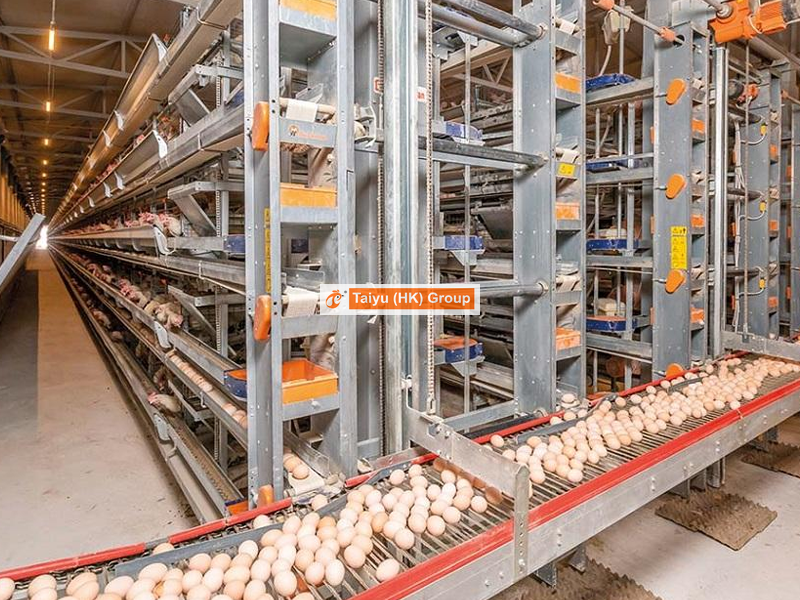
Market insights are derived from regional research, industry assessments, and market trend analysis conducted by Taiyu Group (HK).
5.2 Matching Solutions To Flock Scale
Farm selection depends on investment, available land, market demand, and labor costs.
1,000 To 10,000 Birds Solution: Use floor litter or free-range systems with modular feeders and drinkers.
10,001 To 40,000 Birds Solution: Install semi-automated cages or climate-controlled floor houses.
40,001 To 100,000+ Birds Solution: Consider automatic cages, centralized feeding, and tunnel ventilation.
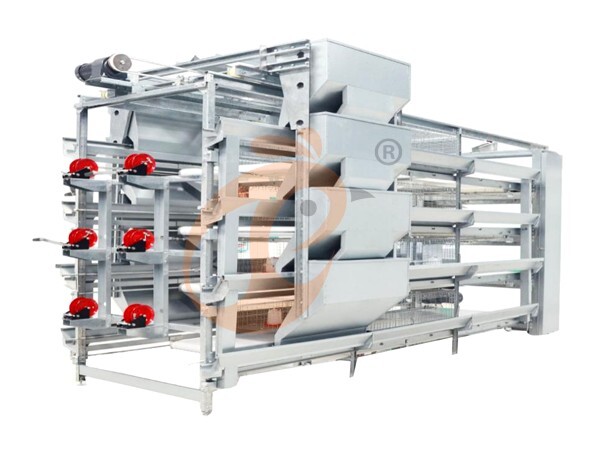
For high-capacity layer operations, Taiyu Group (HK) H-Type Layer Chicken Cages provide multi-tier configurations for large-scale poultry housing.
Explore automated layer cage systems and turnkey poultry farm solutions. WhatsApp to +8618830120193.
6. Contact Us To Received Your Customized Poultry Farm Plan
1. Global Service Network
Headquartered in Hong Kong, with branches and factories in China, Vietnam, Thailand, Nigeria, Kenya, Ethiopia, and Tanzania, providing more localized project and after-sales support.
2. International Quality Standards
Strict quality control and double inspections.
Certifications and export documents include CE, SGS, ISO 9001, CCVO, PVOC, SONCAP, COC, ECTN, FORM A/F/M, and more.
3. One-to-One VIP Service
Dedicated account managers provide customized farm designs, equipment configurations, and quotations for projects ranging from 500 to 100,000+ birds per house.
4. Lifetime After-Sales Service
Installation guidance, equipment commissioning, operator training, remote technical support, spare parts supply, and ongoing maintenance.
Headquarters And Branchs
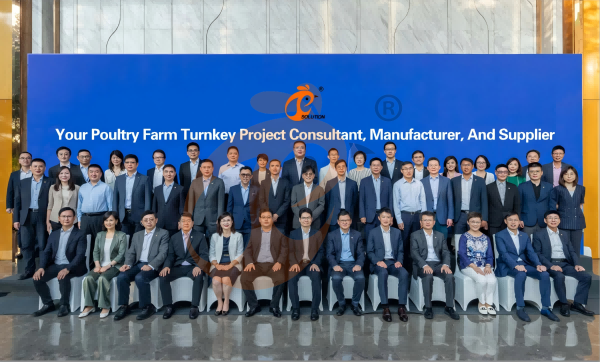
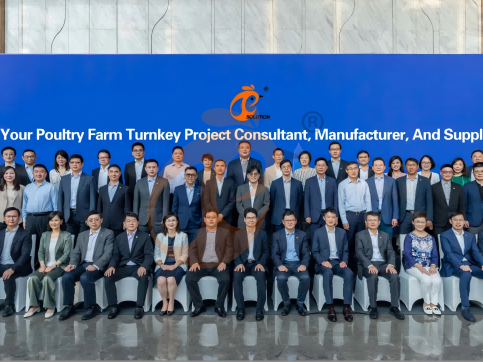
Hong Kong Headquarter Management Team
Hong Kong Headquarter Taiyu Industrial Group CO., LTD
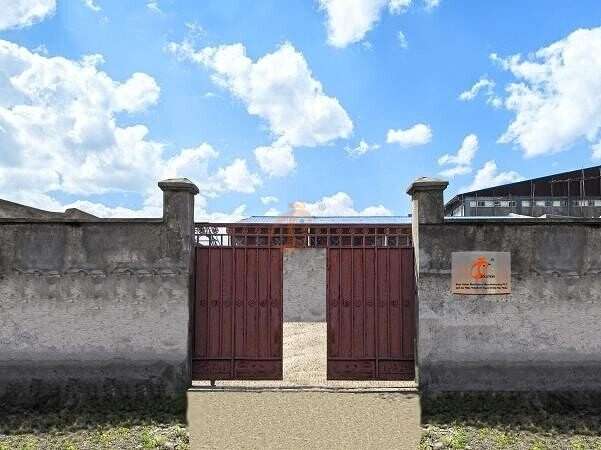
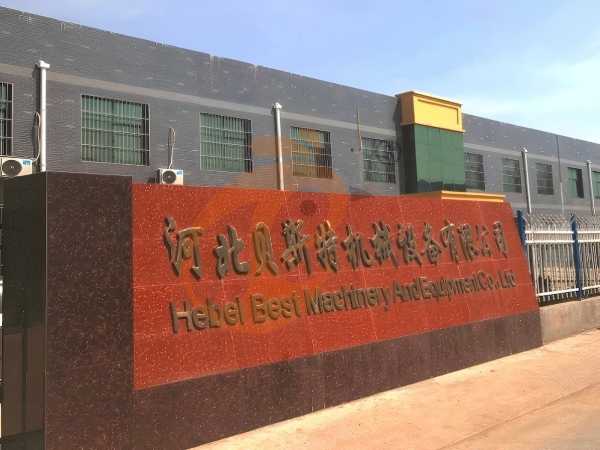
China Hebei Best Machinery And Equipment CO., LTD
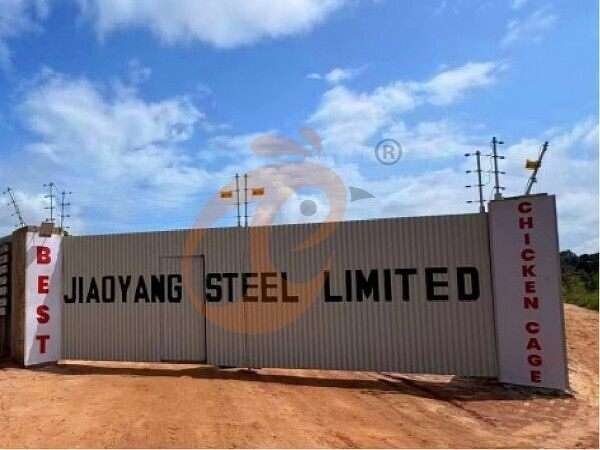
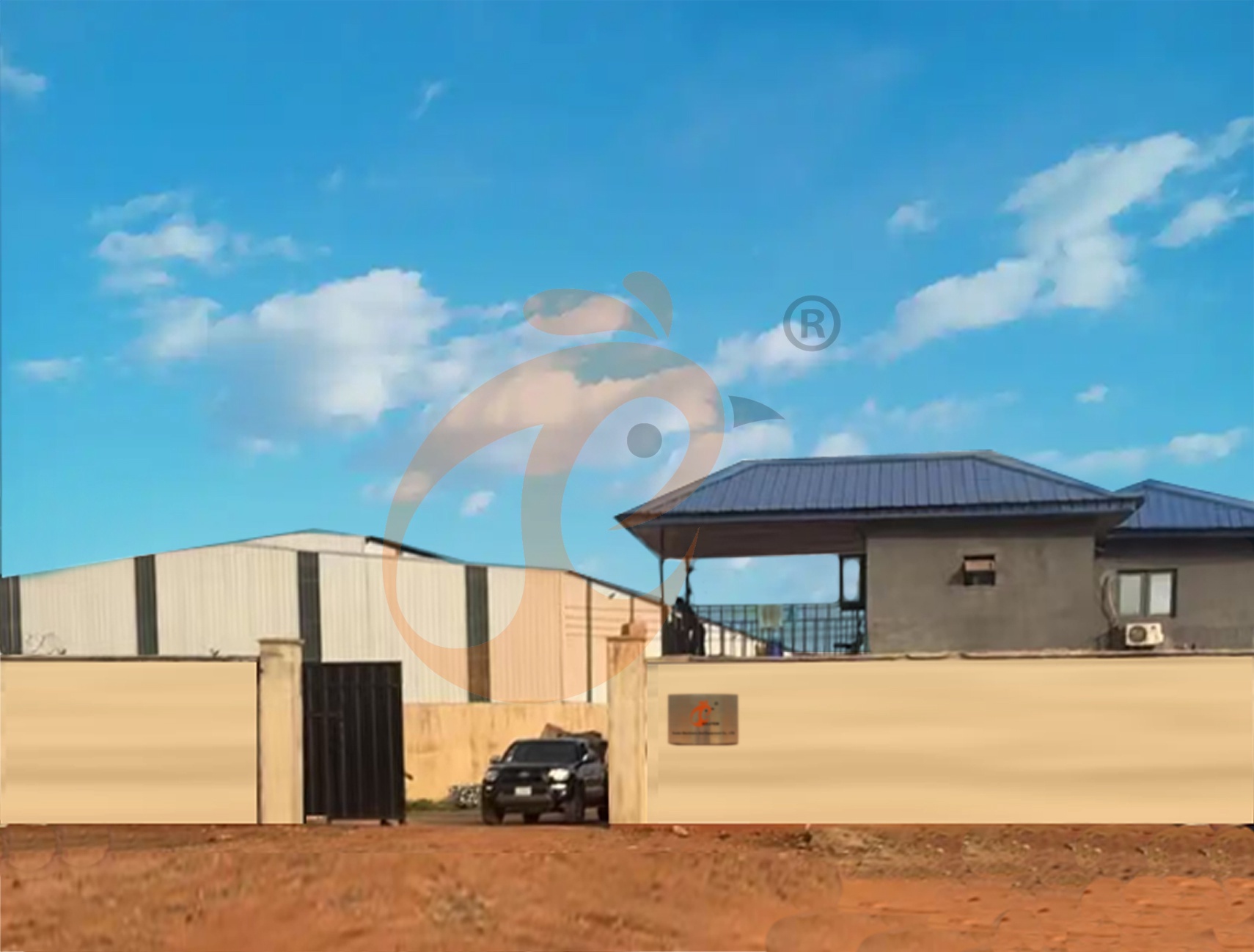
Nigeria Vanke Machinery And Equipment CO., LTD
Tanzania Best Machinery And Equipment CO., LTD
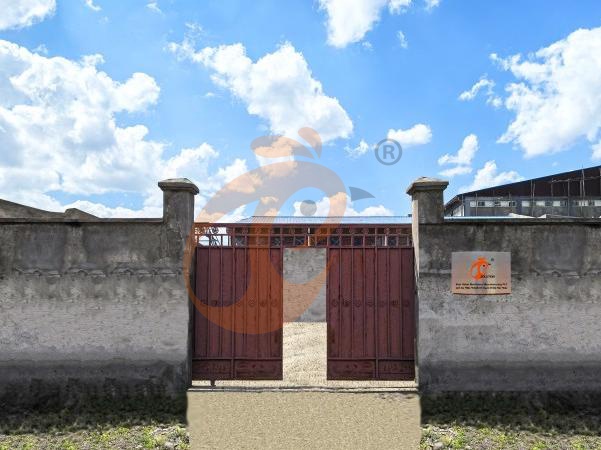
Ethiopia Best Hebei Machinery Manufacturing PLC
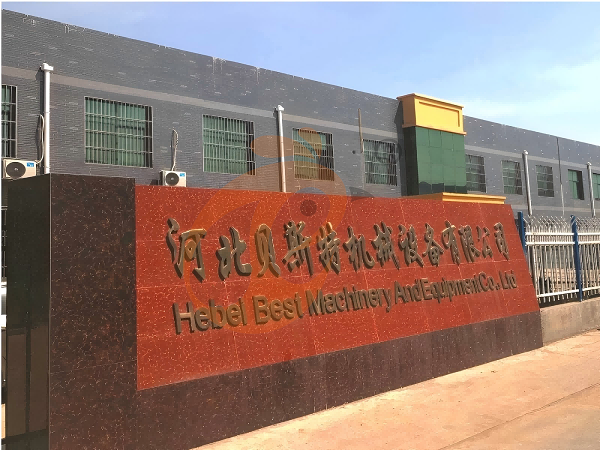
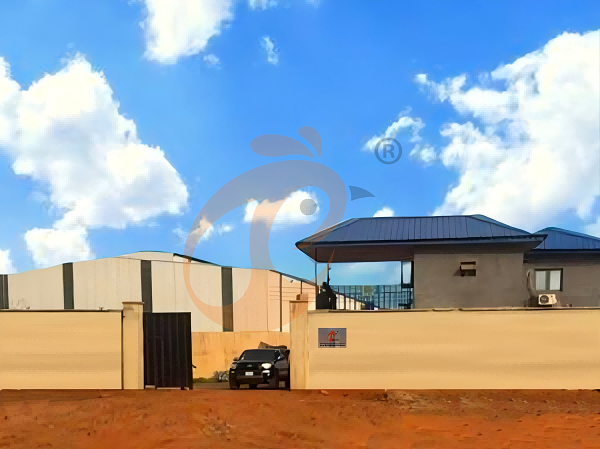
Reception /24 WhatsApp NO. : +8618830120193
FAQ
Message
Products recommended
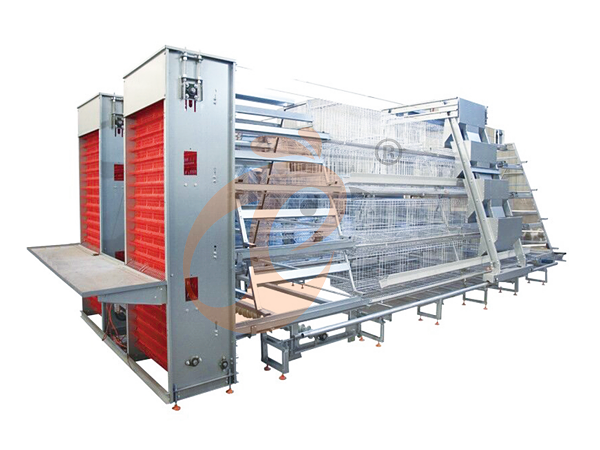
 Automatic H Type Battery Cage System1. For 30,000–1,000,000+ layer farmers.
2. Contains 30,000-100,000 chickens a house.
3. Makes feed utilization >98%, egg production rate 96%-99%, egg broken rate<0.3%.
4. Certificate: CE, SGS, PC, ISO 9001, SONCAP, PVOC,COC, OC, FORM M/A/F, CO and so on .
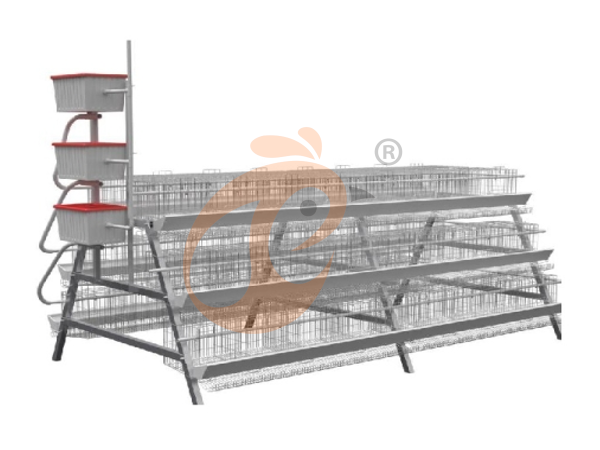
5. 24-hour online support: What'sApp +8618830120193. Automatic A Type Battery Cage For Layers1. For 5,000–30,000+ layer farmers.
2. Contains 30,000-100,000 chickens a house.
3. European standard automatic A type battery cage for layers.
4. Certificate: CE, SGS, PC, ISO 9001, SONCAP, PVOC,COC, OC, FORM M/A/F, CO and so on .
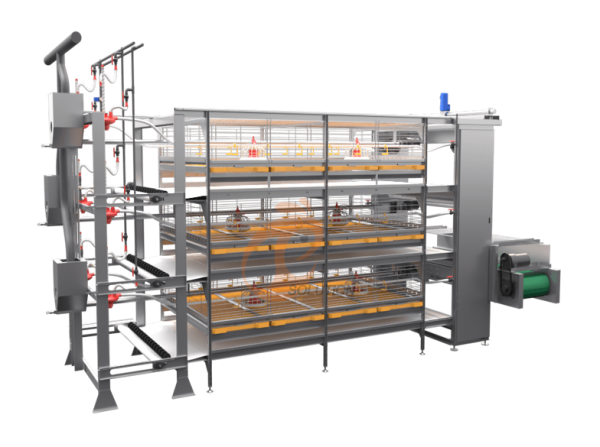
5. 24-hour online support: What'sApp +8618830120193. >30,000 Broilers Semi-Automatic Harvest H Type Battery Cage1. More than 30,000 broilers a house, choose it.
2. It is designed to rearing 1 to 45 day old adult broiler ready for market.
3. Its lifespan is more than 20 years.
4. Our 24 hour online reception What’sApp NO. is +8618830120193, +234 8111199996. >30,000 Broilers Manual Harvest H Type Battery Cage1. More than 30,000 broilers a house, choose it.
2. It is designed to rearing 1 to 45 day old adult broiler ready for market.
3. Its lifespan is more than 20 years.
4. Its structure are Vcloud artificial intelligent fusion, electric control cabinet, automatic equipment of drinking, feeding and manure clean, manual harvesting.
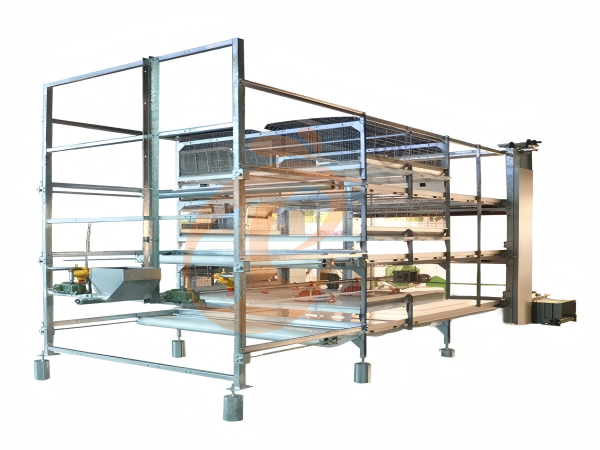
5. Our 24 hour online reception What’sApp NO. is +8618830120193, +234 8111199996. <30,000 Broilers Manual Harvest A Type Battery Cage1. Less 30,000 broilers a house, choose it.
2. It is designed to rearing 1 to 45 day old adult broiler ready for market.
3. Its lifespan is more than 20 years.
4. Its structure are Vcloud artificial intelligent fusion, electric control cabinet, automatic equipment of drinking, feeding and manure clean, manual harvesting.
5. Our 24 hour online reception What’sApp NO. is +8618830120193, +234 8111199996. HK Headquarter Offers EU-standard Poultry Farm Solutions, Manufacture Poultry Farm Equipment1. Continuous communication with the EU and the US
2. China, Nigeria, Ethiopia, Tanzania branch companies and factories
3. The products’ quality is customized for local poultry farms
4. Poultry cage and poultry farm equipment stock for sale
5. 24 online reception Whatsapp NO. : +8618830120193,contact us to get full information China Branch Offer Poultry Farm Business Plan, Manufacture Poultry Farm Equipment1. Address: Flat/RM 2416, 24/F, Runxing Building, Youyi Nan Street, Shijiazhuang City, Hebei Province, China
2. Poultry cage and poultry farm equipment factory and stock for sale
3. Customized for local poultry farms
4. Quality and design are based on Euro
5. 24 online reception Whatsapp NO. : +8618830120193 Nigeria Branch Offer Poultry Farm Business Plan, Manufacture Poultry Farm Equipment1. Address: After Sinoma Office, 200 Meters Near Danco Filling Station, Lagos/Ibadan Expressway, Lagos State, Nigeria
2. Poultry cage and poultry farm equipment factory and stock for sale
3. Customized for Nigerian poultry farms
4. Quality and design are based on Euro
5. 24 online reception Whatsapp NO. : +8618830120193 Ethiopia Branch Offer Poultry Farm Business Plan, Manufacture Poultry Farm Equipment1. Address: Gelan Gura, Akaki-kaliti Sub City, Addis Ababa, Ethiopia
2. Poultry cage and poultry farm equipment stock for sale
3. Customized for Ethiopian poultry farms
4. Quality and design are based on Euro
5. 24 online reception Whatsapp NO. : +8618830120193, contact us to get price list Tanzania Branch Offer Poultry Farm Business Plan, Manufacture Poultry Farm Equipment1. Address: No.8, Sova Road, Msufini, Mlandizi, Kibaha, Pwani, Tanzania
2. Poultry cage and poultry farm equipment factory and stock for sale
3. Customized for Tanzanian poultry farms
4. Quality and design are based on Euro
5. 24 online reception Whatsapp NO. : +8618830120193


Contact