


Blog
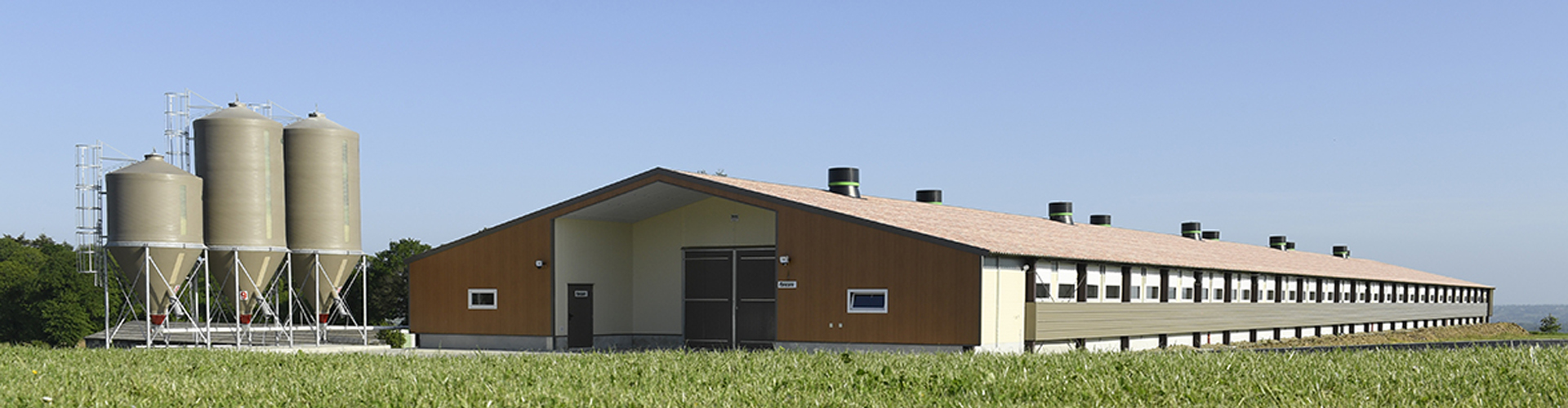
Commercial avian production relies on structured housing, climate control, and automated workflows to raise birds efficiently across scales from 1,000 to 100,000+ birds.
Choosing a fully automated poultry farm equipment line enables steady output, lower labor intensity, and tighter environmental consistency.
Air exchange reaches 0.25 CFM per kilogram of live bird weight during winter brooding, keeping ammonia below 15 ppm inside a 25,000-bird barn.
Water line pressure holds steady at 1.4 bar across 180-meter drinker runs, supplying 40,000 layers without flow starvation.
Feed auger delivery cycles every 45 minutes, distributing 3.2 metric tons daily for 80,000 birds at a 1.62 feed conversion ratio.
1. Poultry Farm Meaning And Definition
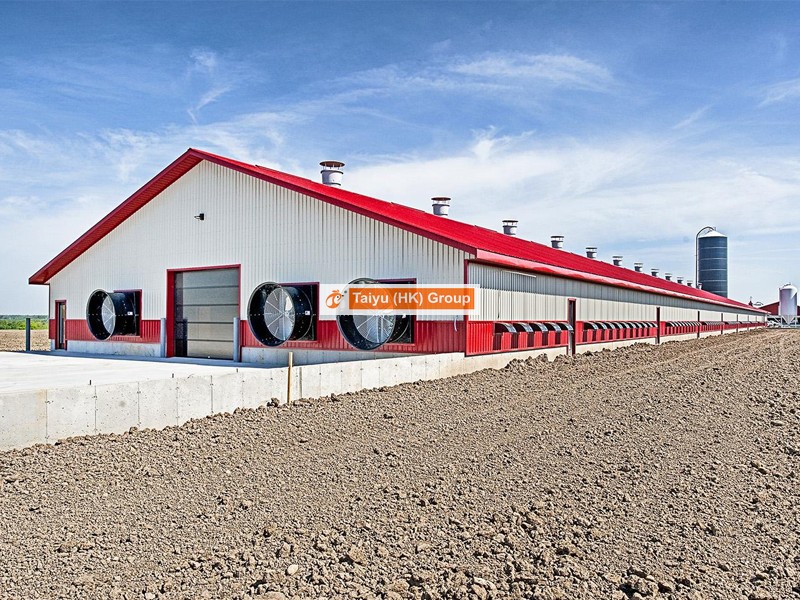
A poultry farm is an agricultural operation dedicated to raising domesticated avian species—such as chickens, turkeys, ducks, and geese—for eggs, meat, breeding stock, or live replacement birds.
Cooperative extension programs and agricultural agencies classify operations by production purpose, housing system, and scale, ranging from small flocks to commercial enterprises exceeding 100,000 birds.
1.1 Core Operational Scope
Daily management centers on housing preparation, balanced nutrition, clean water supply, ventilation, biosecurity, and product collection.
Housing preparation sets target room temperature at 32°C to 34°C before day-old chick placement.
Climate sensors track relative humidity between 50% and 65% to protect respiratory health.
Biosecurity protocols enforce footbaths, vehicle sanitation, and downtime intervals between flocks.
Data is for reference only. Swipe horizontally to view full table.
Data is based on more than 20 years of after-sales follow-up records collected by Taiyu Group (HK).
1.2 Housing Systems And Solutions
Caged systems maximize vertical density and clean egg collection, while floor and free-range systems prioritize litter behavior or pasture access.
Integrating fully automated poultry farm equipment across these layouts helps operators match bird welfare targets with labor budgets.
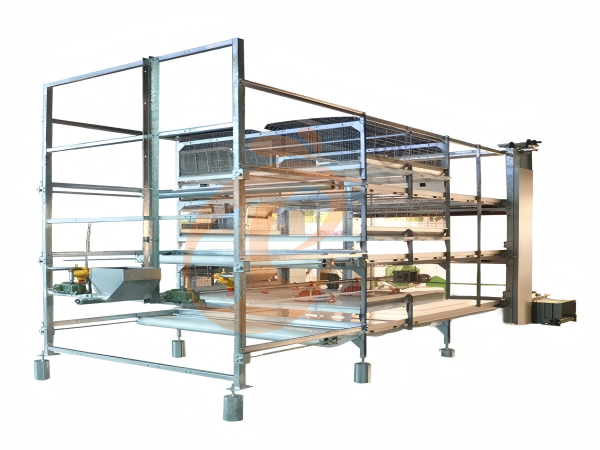
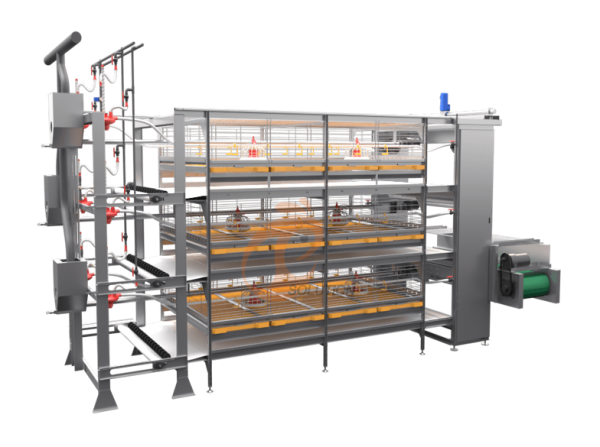
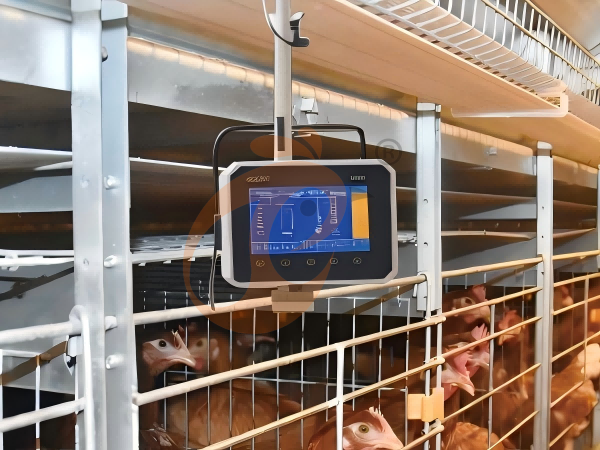
Caged systems (5,000 to 100,000+ birds): Stack three to sixteen tiers with manure belts, chain feeders, nipple drinkers, and egg belts to keep birds off droppings.
Floor systems (1,000 to 60,000 birds): Use deep wood shavings or rice hulls with pan feeders, nipple lines, and tunnel fans for meat birds or breeder flocks.
Free-range and pasture systems (1,000 to 15,000 birds): Combine insulated shelters or movable coops with fenced outdoor runs for foraging and natural light exposure.
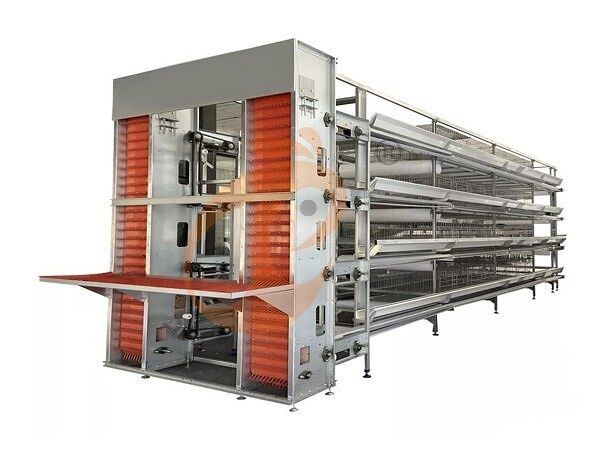
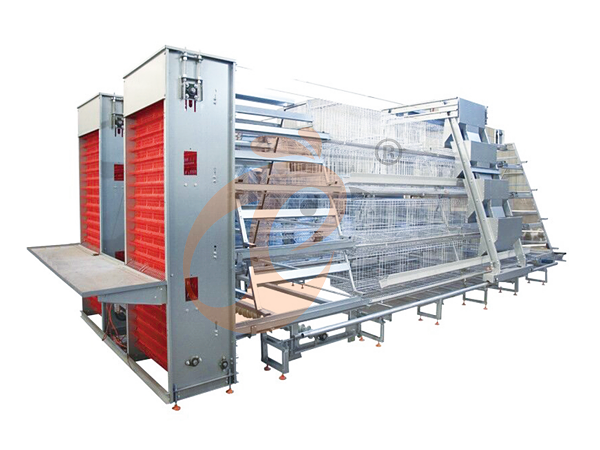
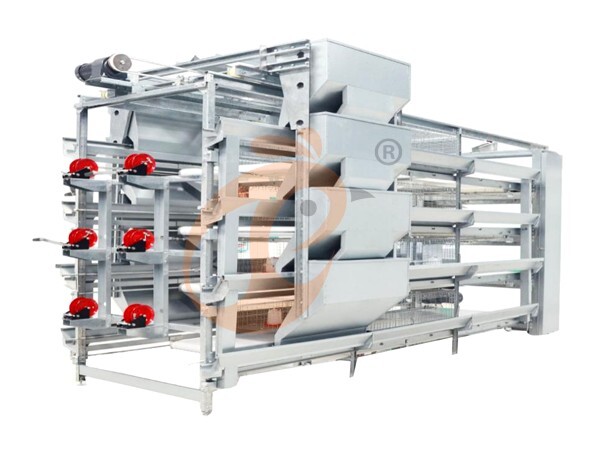
For commercial layer operations, Taiyu Group (HK) H-Type Layer Chicken Cages provide multi-tier housing configurations with integrated manure removal and egg collection options.
Explore H-type layer cage solutions for your poultry project. WhatsApp to +8618830120193.
Data is for reference only. Swipe horizontally to view full table.
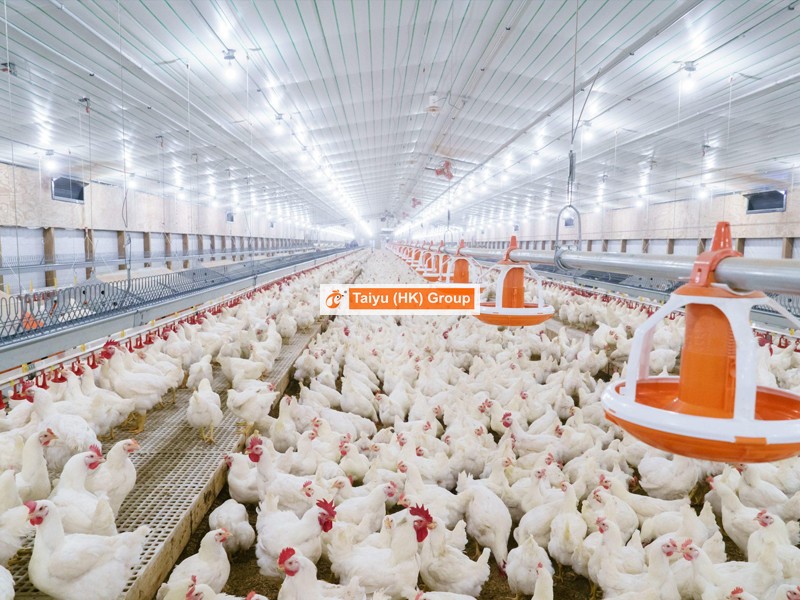
Installation assessments are informed by on-site technical reports and service records documented by Taiyu Group (HK).
2. What Animals Are Raised On A Poultry Farm?
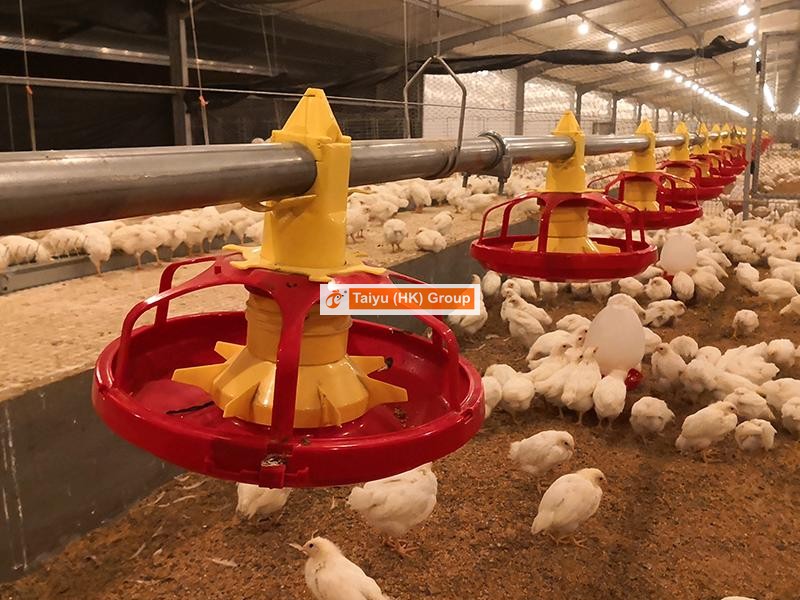
Chickens dominate commercial production globally, followed by turkeys, ducks, and geese selected for meat yield, egg mass, or dual-purpose traits.
Each species requires distinct feeder height, drinker flow rate, and floor space allowances.
2.1 Chickens And Turkeys
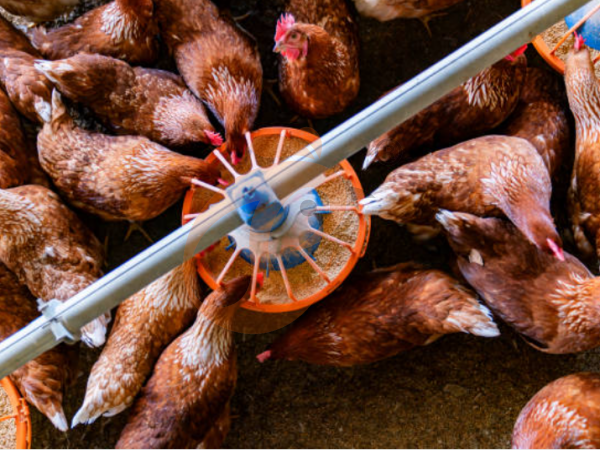
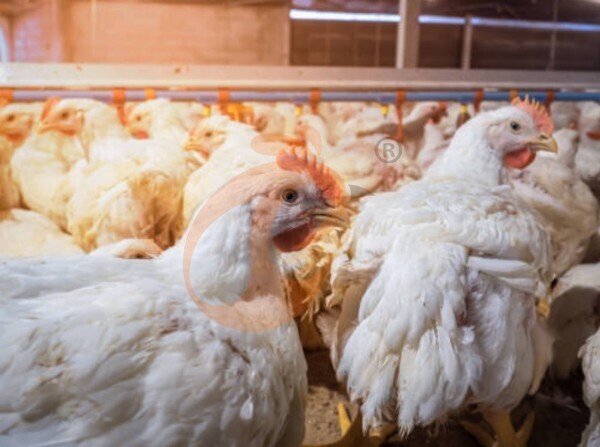
Broiler chickens grow rapidly for meat processing, laying hens produce table eggs, and turkeys are raised for heavy meat yield.
Broiler chickens reach market weight in 35 to 49 days and require low-profile pan feeders and high-capacity ventilation.
Laying hens enter peak lay around 20 to 24 weeks and rely on fully automated poultry farm equipment for consistent lighting and egg collection.
Turkeys need wider floor clearance, sturdy roosting or litter management, and higher protein starter rations.
Data is for reference only. Swipe horizontally to view full table.
2.2 Ducks And Geese
Waterfowl thrive on wet-resistant housing, deep drinkers or trough waterers, and grazing or floor spaces suited to their feathering and foraging habits.
Meat ducks grow quickly on floor or slatted platforms and require deep water cups to clean nostrils and eyes.
Egg-type ducks and geese adapt well to semi-intensive or free-range yards where forage supplements commercial feed.
Geese graze fibrous grasses effectively, reducing supplemental feed needs on pasture-based farms of 1,000 to 8,000 birds.
Data is for reference only. Swipe horizontally to view full table.
Market insights are derived from regional research, industry assessments, and market trend analysis conducted by Taiyu Group (HK).
3. What Products Does A Poultry Farm Produce?
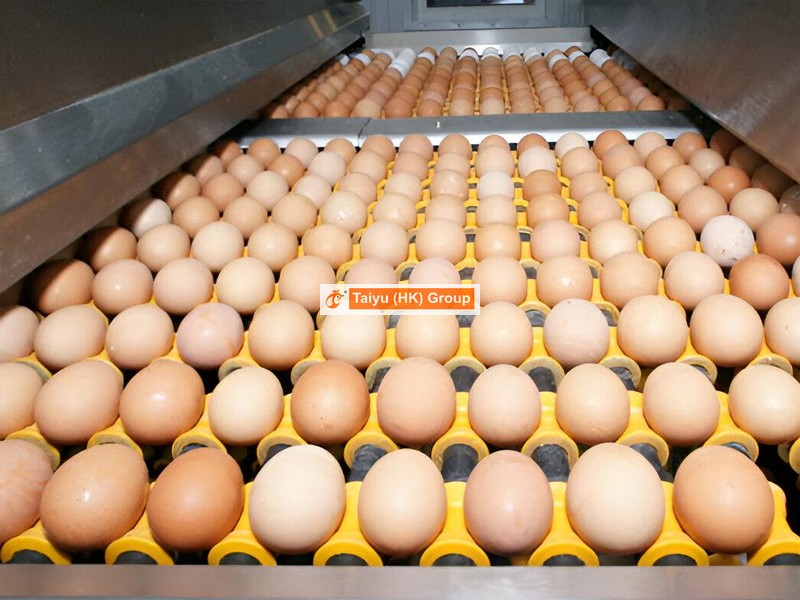
Poultry farms supply primary food commodities and biological inputs to retail markets, food processors, and hatcheries.
Deploying fully automated poultry farm equipment reduces egg breakage, preserves carcass quality, and streamlines daily dispatch.
3.1 Table Eggs And Poultry Meat
Consumer demand centers on shell eggs for direct retail or liquid egg processing, alongside whole birds and cut-up meat parts.
Table eggs move along gentle belt conveyors to grading and packing rooms, keeping shell cracks below 1.5%.
Broiler, turkey, and duck meat flocks are weighed and scheduled for processing plants based on target carcass weights.
Manure collected from belts or litter houses is composted or dried into organic fertilizer for crop production.
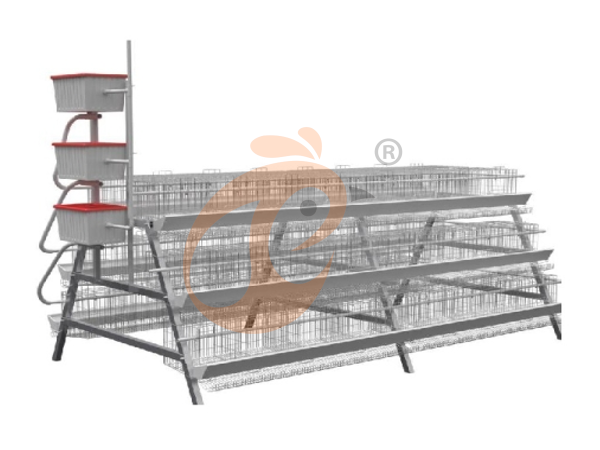
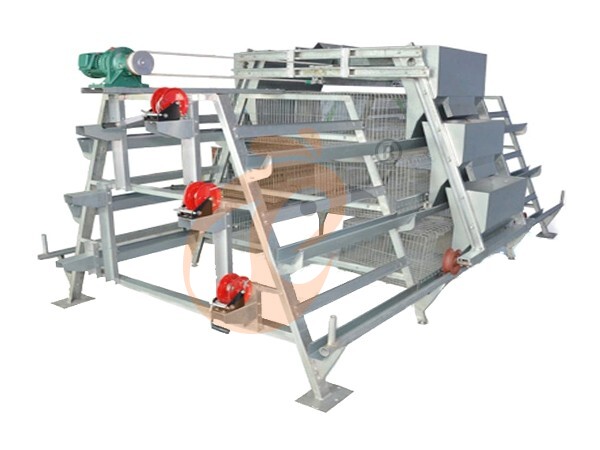
For farms focusing on automated egg production, Taiyu Group (HK) A-Type Layer Chicken Cages offer practical multi-tier configurations for different flock capacities and poultry house layouts.
Contact our team for A-type layer cage specifications and farm layout recommendations. WhatsApp to +8618830120193.
3.2 Hatching Eggs And Day-Old Chicks
Breeder farms and hatcheries supply fertilized hatching eggs and healthy day-old chicks, ducklings, or poults to commercial growers.
Parent stock flocks pair males and females at controlled ratios to maximize fertility and hatchability.
Hatching eggs are sanitized, stored at 16°C to 18°C, and incubated at 37.5°C to 37.8°C.
Day-old chicks are graded, vaccinated as needed, and transported in climate-controlled vans to production houses.
European union standard reference only: Enriched cage and barn equipment benchmarks often reflect European Union housing dimensions and welfare space rules, converted here to US dollars at 1 EUR = 1.08 USD.
Data is for reference only. Swipe horizontally to view full table.
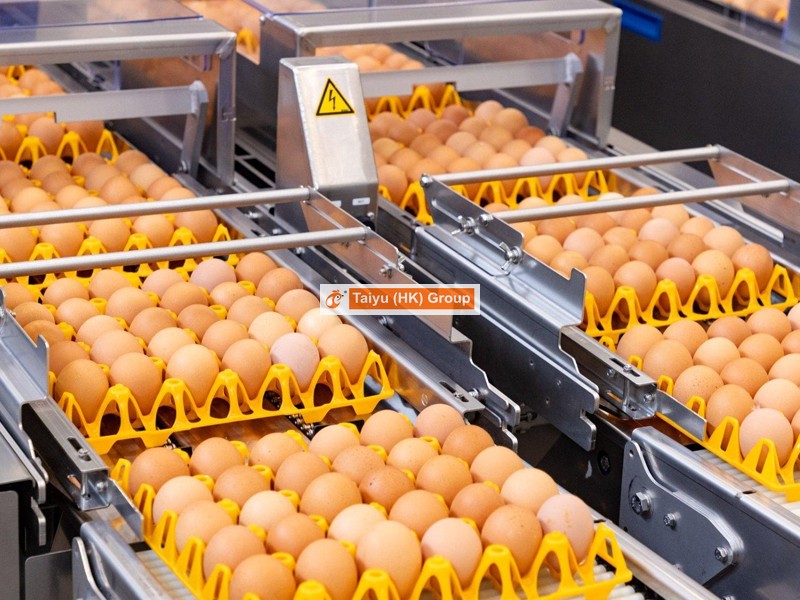
Technical assessments draw upon product testing results, engineering research, and performance evaluations conducted by Taiyu Group (HK).
Using fully automated Taiyu Group (HK) Poultry Farm Equipment across cage, floor, or hybrid operations scales cleanly from 1,000-bird starter houses to
100,000+-bird commercial complexes.
Plan your poultry farm equipment project with professional configuration support. WhatsApp to +8618830120193.
4. Contact Us To Received Your Customized Poultry Farm Plan
1. Global Service Network
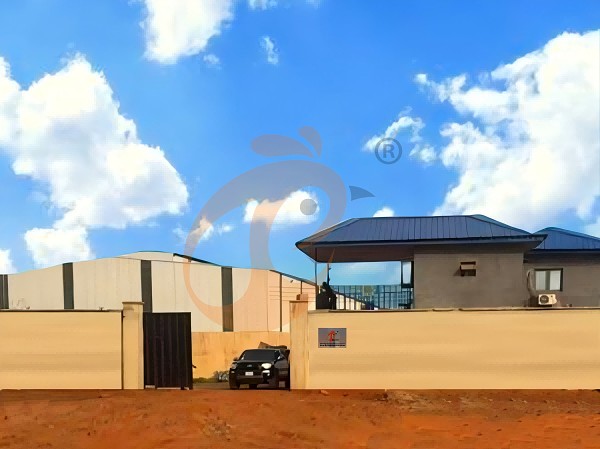
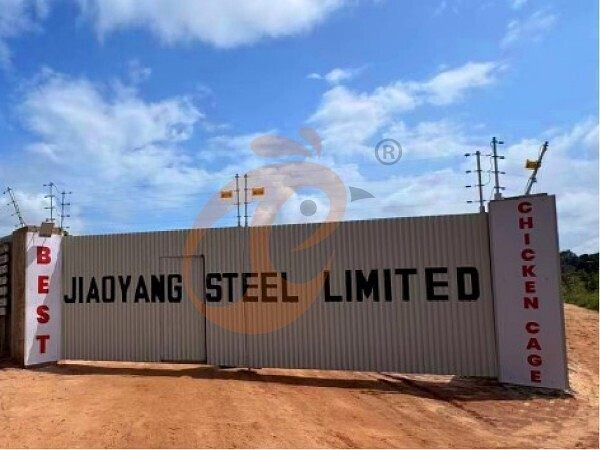
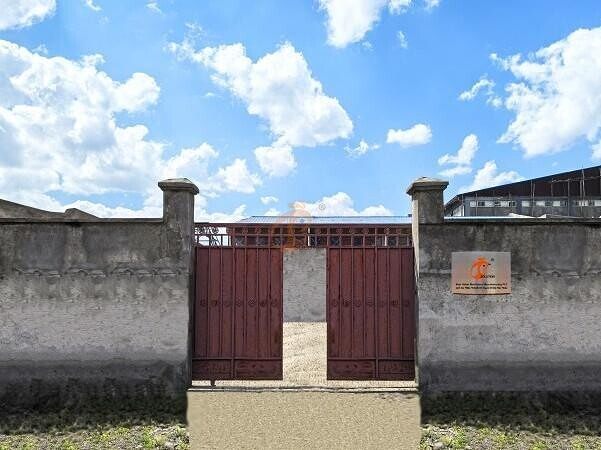
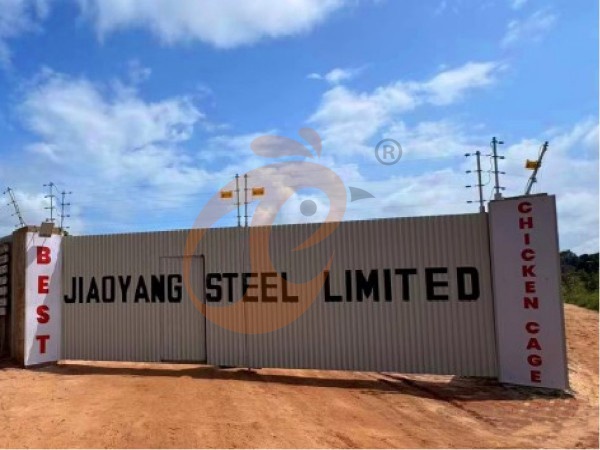
Headquartered in Hong Kong, with branches and factories in China, Vietnam, Thailand, Nigeria, Kenya, Ethiopia, and Tanzania, providing more localized project and after-sales support.
2. International Quality Standards
Strict quality control and double inspections.
Certifications and export documents include CE, SGS, ISO 9001, CCVO, PVOC, SONCAP, COC, ECTN, FORM A/F/M, and more.
3. One-to-One VIP Service
Dedicated account managers provide customized farm designs, equipment configurations, and quotations for projects ranging from 500 to 100,000+ birds per house.
4. Lifetime After-Sales Service
Installation guidance, equipment commissioning, operator training, remote technical support, spare parts supply, and ongoing maintenance.
Headquarters And Branchs
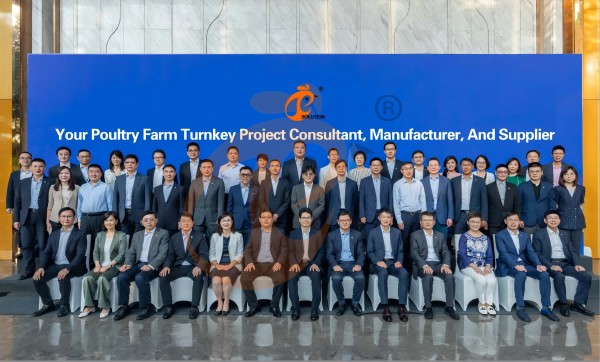
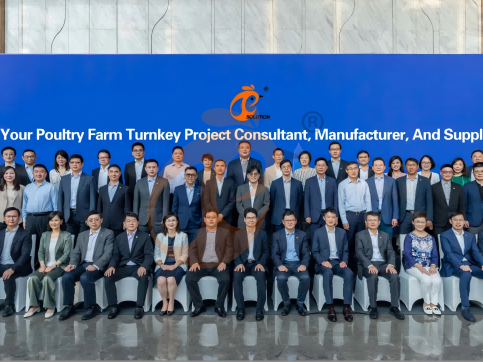
Hong Kong Headquarter Management Team
Hong Kong Headquarter Taiyu Industrial Group CO., LTD
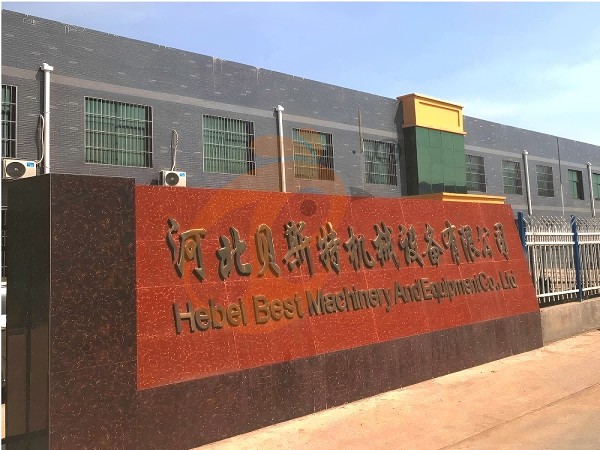
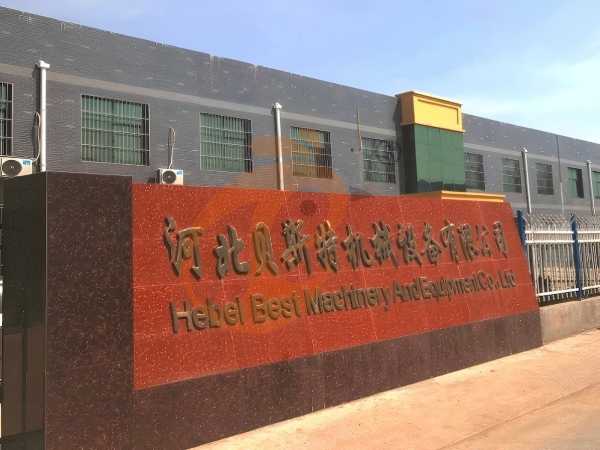
China Hebei Best Machinery And Equipment CO., LTD
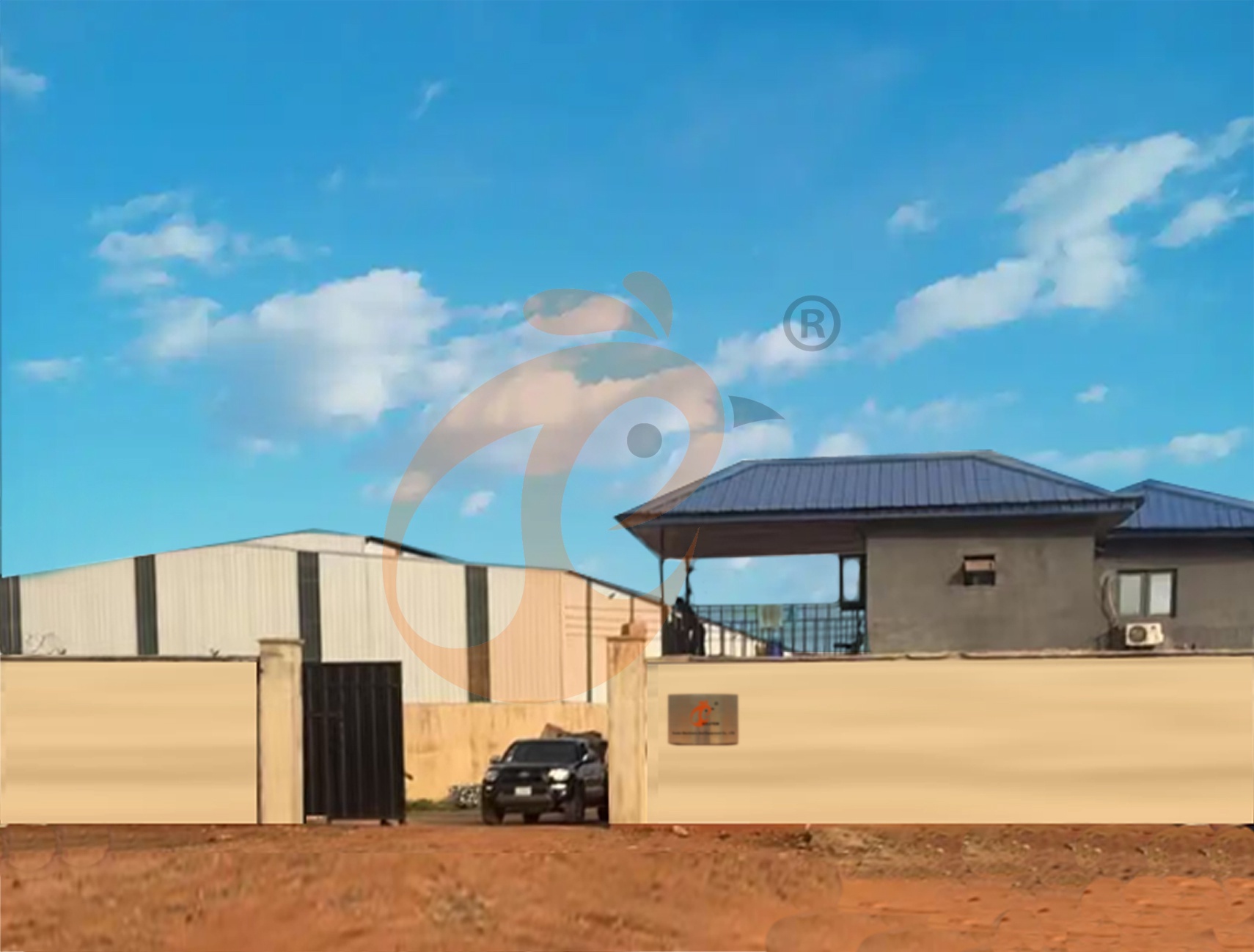
Nigeria Vanke Machinery And Equipment CO., LTD
Tanzania Best Machinery And Equipment CO., LTD
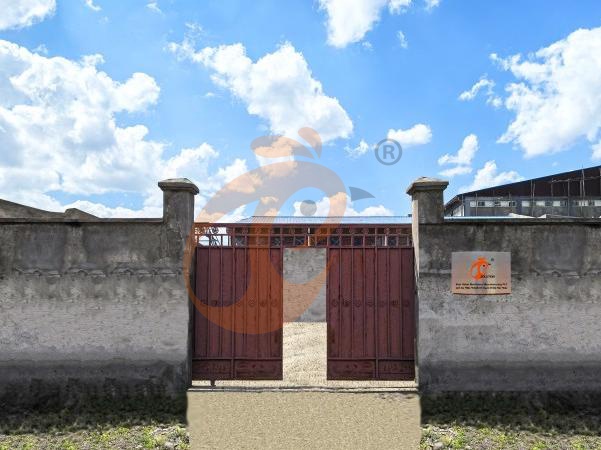
Ethiopia Best Hebei Machinery Manufacturing PLC
Reception /24 WhatsApp NO. : +8618830120193
FAQ
Message
Products recommended
 Automatic H Type Battery Cage System1. For 30,000–1,000,000+ layer farmers.
2. Contains 30,000-100,000 chickens a house.
3. Makes feed utilization >98%, egg production rate 96%-99%, egg broken rate<0.3%.
4. Certificate: CE, SGS, PC, ISO 9001, SONCAP, PVOC,COC, OC, FORM M/A/F, CO and so on .
5. 24-hour online support: What'sApp +8618830120193. Automatic A Type Battery Cage For Layers1. For 5,000–30,000+ layer farmers.
2. Contains 30,000-100,000 chickens a house.
3. European standard automatic A type battery cage for layers.
4. Certificate: CE, SGS, PC, ISO 9001, SONCAP, PVOC,COC, OC, FORM M/A/F, CO and so on .
5. 24-hour online support: What'sApp +8618830120193. >30,000 Broilers Semi-Automatic Harvest H Type Battery Cage1. More than 30,000 broilers a house, choose it.
2. It is designed to rearing 1 to 45 day old adult broiler ready for market.
3. Its lifespan is more than 20 years.
4. Our 24 hour online reception What’sApp NO. is +8618830120193, +234 8111199996. >30,000 Broilers Manual Harvest H Type Battery Cage1. More than 30,000 broilers a house, choose it.
2. It is designed to rearing 1 to 45 day old adult broiler ready for market.
3. Its lifespan is more than 20 years.
4. Its structure are Vcloud artificial intelligent fusion, electric control cabinet, automatic equipment of drinking, feeding and manure clean, manual harvesting.
5. Our 24 hour online reception What’sApp NO. is +8618830120193, +234 8111199996. <30,000 Broilers Manual Harvest A Type Battery Cage1. Less 30,000 broilers a house, choose it.
2. It is designed to rearing 1 to 45 day old adult broiler ready for market.
3. Its lifespan is more than 20 years.
4. Its structure are Vcloud artificial intelligent fusion, electric control cabinet, automatic equipment of drinking, feeding and manure clean, manual harvesting.
5. Our 24 hour online reception What’sApp NO. is +8618830120193, +234 8111199996. HK Headquarter Offers EU-standard Poultry Farm Solutions, Manufacture Poultry Farm Equipment1. Continuous communication with the EU and the US
2. China, Nigeria, Ethiopia, Tanzania branch companies and factories
3. The products’ quality is customized for local poultry farms
4. Poultry cage and poultry farm equipment stock for sale
5. 24 online reception Whatsapp NO. : +8618830120193,contact us to get full information China Branch Offer Poultry Farm Business Plan, Manufacture Poultry Farm Equipment1. Address: Flat/RM 2416, 24/F, Runxing Building, Youyi Nan Street, Shijiazhuang City, Hebei Province, China
2. Poultry cage and poultry farm equipment factory and stock for sale
3. Customized for local poultry farms
4. Quality and design are based on Euro
5. 24 online reception Whatsapp NO. : +8618830120193 Nigeria Branch Offer Poultry Farm Business Plan, Manufacture Poultry Farm Equipment1. Address: After Sinoma Office, 200 Meters Near Danco Filling Station, Lagos/Ibadan Expressway, Lagos State, Nigeria
2. Poultry cage and poultry farm equipment factory and stock for sale
3. Customized for Nigerian poultry farms
4. Quality and design are based on Euro
5. 24 online reception Whatsapp NO. : +8618830120193 Ethiopia Branch Offer Poultry Farm Business Plan, Manufacture Poultry Farm Equipment1. Address: Gelan Gura, Akaki-kaliti Sub City, Addis Ababa, Ethiopia
2. Poultry cage and poultry farm equipment stock for sale
3. Customized for Ethiopian poultry farms
4. Quality and design are based on Euro
5. 24 online reception Whatsapp NO. : +8618830120193, contact us to get price list Tanzania Branch Offer Poultry Farm Business Plan, Manufacture Poultry Farm Equipment1. Address: No.8, Sova Road, Msufini, Mlandizi, Kibaha, Pwani, Tanzania
2. Poultry cage and poultry farm equipment factory and stock for sale
3. Customized for Tanzanian poultry farms
4. Quality and design are based on Euro
5. 24 online reception Whatsapp NO. : +8618830120193


Contact