


Blog
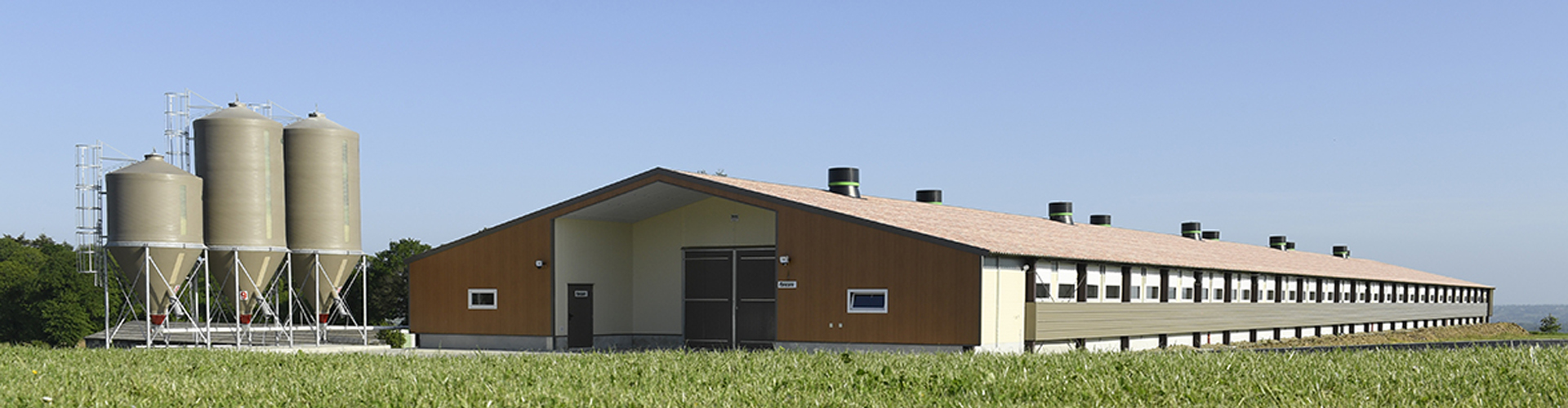
Southeast Asia's expanding poultry industry requires efficient, hygienic and climate-adapted housing systems.
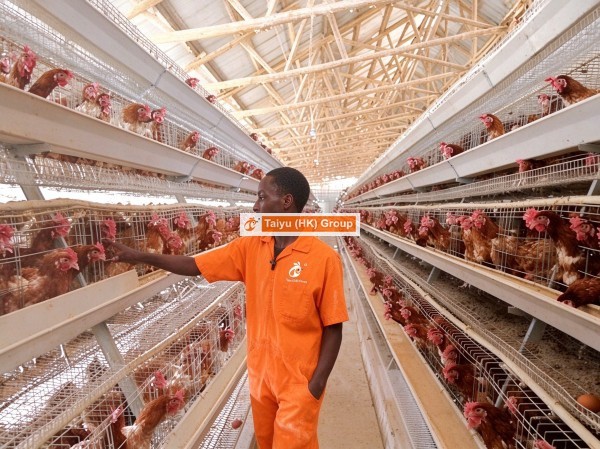
For commercial layer farms, the advantage of battery cage systems lies in organised flock management, controlled feeding, convenient egg collection, manure separation and efficient use of available building space.
However, cage configuration, ventilation capacity, stocking density and farm management must be matched to local conditions rather than relying on housing design alone.
Vietnam, Indonesia, Thailand, the Philippines, Malaysia, Myanmar, Cambodia, Laos, Singapore and Brunei have different poultry production environments.
High temperatures, humidity, monsoon rainfall, coastal corrosion, land availability and labour costs all influence equipment selection.
Key regional considerations include
Vietnam And Thailand: Hot weather and monsoon humidity make effective ventilation, cooling systems and regular manure removal essential.
Indonesia And The Philippines: Coastal humidity, island-based transportation and disease-control requirements increase the importance of corrosion-resistant equipment, reliable drainage and biosecurity.
Malaysia And Singapore: Limited agricultural land and labour considerations encourage compact housing layouts and appropriate automation.
Myanmar, Cambodia And Laos: Developing commercial farms benefit from modular equipment that allows phased investment and capacity expansion.
Brunei: Humid weather and limited land availability make hygienic, well-ventilated poultry housing particularly important..
The advantage of battery cage technology should be evaluated alongside alternative poultry housing methods, local animal-welfare regulations, operating costs and long-term production objectives.
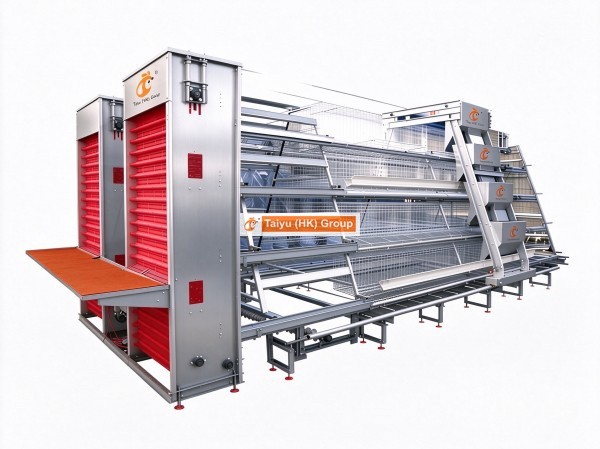
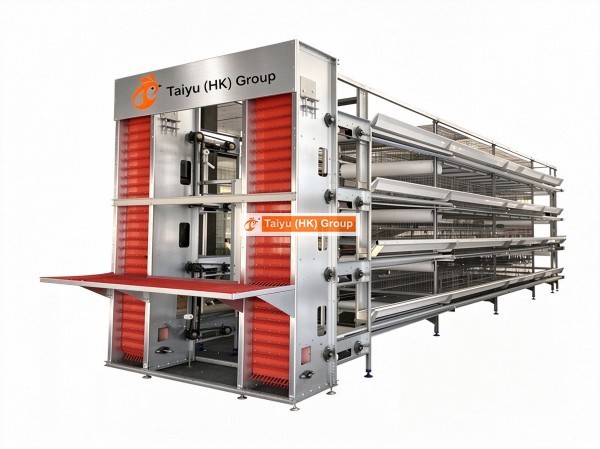
Will you choosing A type battery cage or H type chicken battery cage for your poultry farm?
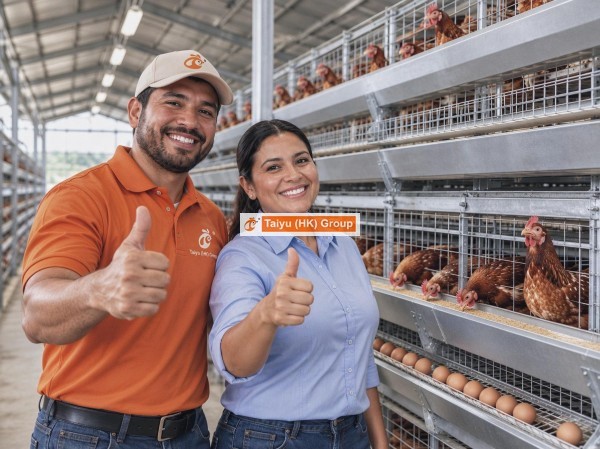
Learn More About Latin America
1. Advantage Of Chicken Battery Cage For Southeast Asian Poultry Farming
The primary advantage of chicken battery cage systems is that they transform poultry housing into a tightly regulated production ecosystem.
Farms located in Vietnam, Indonesia, Thailand, the Philippines, Malaysia, Myanmar, Cambodia, Laos, Singapore and Brunei integrate automated feeding lines operating at 18 meters per minute, nipple drinking systems delivering 220 ml per bird daily, automated egg collection belts, polypropylene manure removal belts moving at 3 meters per minute, and centralized flock monitoring into a unified floor layout measuring 12 meters in width by 100 meters in length.
This setup proves vital in tropical climates, shielding flocks from ambient temperatures exceeding 35°C, relative humidity levels above 85%, airborne particulate concentrations, and pathogenic vectors.
Maximized spatial utilization: Multi-tier vertical stacking frames measuring 2.4 meters in total height accommodate 32 birds per square meter without horizontal footprint expansion.
Enhanced egg hygiene: Sloped galvanized wire mesh angled at 7 degrees directs freshly laid eggs away from waste zones, achieving an intact egg retention rate of 99.2%.
Optimized feed containment: Feed troughs featuring 55 mm anti-spill lips restrict daily feed scattering losses to 0.7 grams per bird.
Streamlined pathogen isolation: Polypropylene manure belts positioned 35 cm below cage floors isolate birds from droppings, reducing direct contact transmission vectors by 98.4%.
Modular scalability: Enterprise configurations initiate operations at an entry scale of 1,000 birds and expand systematically to 120,000 birds within standardized 12-meter structural bays.
Clients:
Traditional floor farming in rainy Southeast Asia creates wet manure and sick birds. Can a chicken battery cage system handle this tropical humidity?
Taiyu Group (HK):
Yes. Tropical climates require immediate waste separation, good airflow and corrosion-resistant equipment. This is especially important in Vietnam, Indonesia, the Philippines, Thailand, Malaysia, Myanmar, Cambodia, Laos, Singapore and Brunei. Are you losing egg output during the rainy season because of humidity stress?
2. Advantage Of Chicken Battery Cage: Four Core Benefits In Southeast Asia
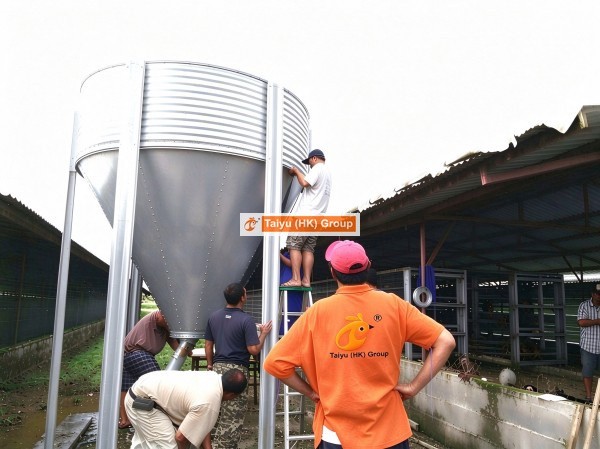
Enterprise operational records demonstrate that the second advantage of chicken battery cage systems is predictable daily management.
Across Vietnam, Indonesia, Thailand, the Philippines, Malaysia, Myanmar, Cambodia, Laos, Singapore and Brunei, producers require standardized management protocols encompassing daily feed distribution of 115 grams per bird, automated egg collection cycles executed twice daily, manure belt activation every 24 hours, and flock health audits covering 100% of cage tiers.
A supplementary advantage of chicken battery cage systems is structural adaptability: A-type configurations feature 8-degree incline frames suited for naturally ventilated sheds measuring 10 meters in span, whereas H-type vertical stack systems incorporate mechanical tunnel ventilation and automated controls for commercial complexes housing 50,000 birds.
Data is for reference only. Swipe horizontally to view full table.
Advantage 1 — Maximized density: Accommodates 32 layers per square meter within identical building footprints measuring 1,200 square meters.
Advantage 2 — Pristine egg recovery: Separates eggs from droppings via 7-degree floor slopes, elevating marketable egg grades to 99.1%.
Advantage 3 — Precise feed retention: Utilizes 55 mm deep feed troughs to restrict feed loss to 0.7 grams per bird while supporting daily feed recording accuracy of 99.8%.
Advantage 4 — Systematic expansion: Permits seamless structural transitions from manual A-type frames to automated H-type configurations spanning 4, 8, 12 or 16 vertical tiers.
Clients:
How do I know chicken battery cages will withstand Southeast Asia’s humid heat, monsoon rain and salty coastal air?
Taiyu Group (HK):
Hot-dip galvanised steel frames are designed for humid coastal and tropical conditions in Vietnam, Indonesia, the Philippines, Thailand, Malaysia, Myanmar, Cambodia, Laos, Singapore and Brunei. Before choosing a cage, check your region’s average humidity, maximum temperature, rainfall pattern and ventilation capacity. The right advantage of chicken battery cage design must match your local climate.
Data is based on more than 20 years of after-sales follow-up records collected by Taiyu Group (HK).
3. Advantage Of Chicken Battery Cage: Heat And Humidity Control
The third advantage of chicken battery cage systems is advanced thermal and moisture regulation.
In Vietnam, Thailand, Indonesia, the Philippines, Malaysia, Myanmar, Cambodia, Laos, Singapore and Brunei, ambient temperatures exceeding 33°C and relative humidity levels surpassing 85% suppress feed intake by 18.5%, compromise immunological resilience, and decrease egg production rates by 14.2%.
FAO notes that ambient temperatures exceeding 30°C suppress poultry feed consumption; tropical poultry production frameworks consequently demand tunnel ventilation moving air at 2.8 meters per second, evaporative cooling pads measuring 150 mm in thickness, and automated waterline flushing cycles executed every 6 hours.
Data is for reference only. Swipe horizontally to view full table.
Vietnam and Thailand deploy tunnel ventilation systems featuring 50-inch exhaust fans, 150 mm cooling pads, insulated steel roofing, and emergency generator backups delivering 50 kW per 10,000 birds.
Indonesia and the Philippines incorporate 350 g/m² hot-dip galvanized steel framing, perimeter drainage channels measuring 40 cm in depth, and relative humidity sensors triggering automated ventilation adjustments.
Malaysia and Singapore implement compact 4-tier structural layouts paired with cross-ventilation fans achieving 45 air changes per hour and automated digital environment monitoring units.
Myanmar, Cambodia and Laos construct modular housing units measuring 12 meters in width that accommodate incremental structural lengthening per 5,000-bird capacity thresholds.
Clients:
Heat stress in Thailand and Vietnam reduces my laying rate in summer. How can a chicken battery cage system help?
Taiyu Group (HK):
Tiered cage spacing can improve airflow around birds, while tunnel ventilation, cooling pads, shaded roofing and reliable drinking water help manage heat stress. The key advantage of chicken battery cage design is combining cage layout with climate control—not installing cages without ventilation.
4. Advantage Of Chicken Battery Cage: Disease Control And Biosecurity
The fourth advantage of chicken battery cage systems is enhanced biological security.
Enterprise audit findings indicate that during the rainy seasons of Vietnam, Indonesia, the Philippines, Thailand, Malaysia, Myanmar, Cambodia, Laos, Singapore and Brunei, damp flooring conditions and accumulated organic waste escalate exposure rates to coccidiosis, helminth parasites, respiratory pathogens, and fecal-borne bacteria by 45.5%.
Chicken battery cage systems isolate birds from accumulated waste via polypropylene belts operating on 24-hour removal cycles, rendering sanitation protocols, 150-bar pressure washing, and flock health observation highly manageable.
Data is for reference only. Swipe horizontally to view full table.
Vietnam and the Philippines execute daily manure belt removal cycles during monsoon periods to restrict house fly populations, suppress odor emissions below 5 ppm, and maintain bacterial load reductions of 96.5%.
Indonesia, Malaysia and Thailand implement comprehensive biosecurity protocols incorporating footbath disinfection stations, 72-hour visitor quarantine rules, and monthly serological surveillance testing across 50 sample birds per flock.
Myanmar, Cambodia and Laos utilize modular cage configurations to establish partitioned biosecurity zones, enabling incremental hygiene standard upgrades and digital flock registration systems.
Singapore and Brunei deploy enclosed multi-tier automated systems achieving 99.9% waste isolation to satisfy regulatory biosecurity frameworks governing urban agricultural zones.
Clients:
Wet manure during rainy seasons creates severe fly and bacterial problems in the Philippines. How do chicken battery cages maintain hygiene?
Taiyu Group (HK):
In chicken battery cage systems, hens are separated from droppings, and automated manure belts or scraper systems remove waste regularly. This does not replace vaccination, disinfection or dry-house management, but it is a major advantage of chicken battery cage systems for farms in Vietnam, Indonesia, the Philippines, Thailand, Malaysia, Myanmar, Cambodia, Laos, Singapore and Brunei during wet seasons.
Data is based on more than 20 years of after-sales follow-up records collected by Taiyu Group (HK).
5. Advantage Of Chicken Battery Cage: Feed Savings And Egg Quality
The fifth advantage of chicken battery cage systems is optimized feed administration and egg preservation.
Because feed procurement constitutes the primary variable expense in commercial egg production, facilities located in Vietnam, Indonesia, Thailand, the Philippines, Malaysia, Myanmar, Cambodia, Laos, Singapore and Brunei require containment mechanisms that minimize feed scattering, ingredient contamination, and mycotoxin formation.
FAO notes that feed contamination resulting from mycotoxins presents severe operational challenges across tropical environments where ambient relative humidity exceeds 85%.
Data is for reference only. Swipe horizontally to view full table.
Vietnam and Thailand implement calibrated daily feed delivery schedules providing 115 grams per bird via enclosed auger systems, alongside sealed storage silos maintaining grain moisture levels below 12.5%.
Indonesia and the Philippines install corrosion-resistant 304 stainless steel feed troughs, automated waterline flushing mechanisms, and weekly mycotoxin assay testing protocols.
Malaysia, Singapore and Brunei utilize automated chain feeding systems delivering precise rations across 5-tier configurations within space-constrained agricultural facilities measuring 500 square meters.
Myanmar, Cambodia and Laos adopt modular auger feeding lines capable of extending delivery circuits by 50 meters per structural expansion phase.
Clients:
Feed gets mouldy quickly in humid Southeast Asia, and manual egg picking damages too many eggs. How does a chicken battery cage system solve both?
Taiyu Group (HK):
A deep trough with anti-spill edges keeps feed inside the trough, while regular cleaning and dry storage reduce mould risk. Sloped cage floors move eggs into collection troughs, reducing contact with droppings and breakage. This is a practical advantage of chicken battery cage systems for tropical farms in Vietnam, Indonesia, the Philippines, Thailand, Malaysia, Myanmar, Cambodia, Laos, Singapore and Brunei.
Data is based on more than 20 years of after-sales follow-up records collected by Taiyu Group (HK).
6. Advantage Of Chicken Battery Cage: From 1,000 To 100,000+ Layers
The sixth advantage of chicken battery cage systems is scalable enterprise architecture.
Drawing upon 22 years of regional commercial deployment data, operations confirm that Southeast Asian enterprises must adapt structural configurations across capacity tiers of 2,000, 15,000, 45,000, and 125,000 birds, matching spatial parameters, power stability indices, labor availability, capital investment ceilings, and urban market demand.
Chicken battery cage systems accommodate initial entry phases using manual A-type frames requiring capital outlays of $18,500, transitioning subsequently to automated H-type configurations representing investments of $145,000 as production scales.
Data is for reference only. Swipe horizontally to view full table.
1,000–2,000 birds engineered for emerging agricultural producers across Vietnam, Indonesia, the Philippines, Thailand, Malaysia, Myanmar, Cambodia and Laos requiring initial capital thresholds under $20,000.
5,000–10,000 birds suited for expanding enterprise sites located within Vietnam, Indonesia, Thailand, the Philippines and Malaysia requiring mechanized manure scraping systems.
20,000–50,000 birds optimized for commercial agribusiness hubs operating within 50 km radii of Ho Chi Minh City, Jakarta, Bangkok, Manila, Kuala Lumpur and Yangon.
100,000+ birds demands rigorous engineering infrastructure including 250 kVA electrical transformers, tunnel ventilation banks, automated manure composting facilities, and 3-meter perimeter security fencing.
Clients:
I want to scale my farm in Vietnam from 2,000 to 20,000 layers. Will labour management become difficult?
Taiyu Group (HK):
Not if the project is designed in stages. At 2,000 birds, A-type cages with manual collection may be enough; at 20,000 birds, automatic drinkers, mechanical manure removal and semi-automatic egg collection reduce daily labour. This staged approach is a major advantage of chicken battery cage systems for Vietnamese, Indonesian, Thai, Filipino, Malaysian, Myanmar, Cambodian and Laotian farms that need to grow gradually.
7. Advantage Of Chicken Battery Cage: A-Type And H-Type Systems In Southeast Asia
The seventh advantage of chicken battery cage systems is configuration versatility.
Southeast Asian producers select A-type or H-type frameworks based on architectural shed dimensions measuring 12 meters by 60 meters, electrical grid reliability averaging 95.5 uptime percentage, and 5-year business expansion projections.
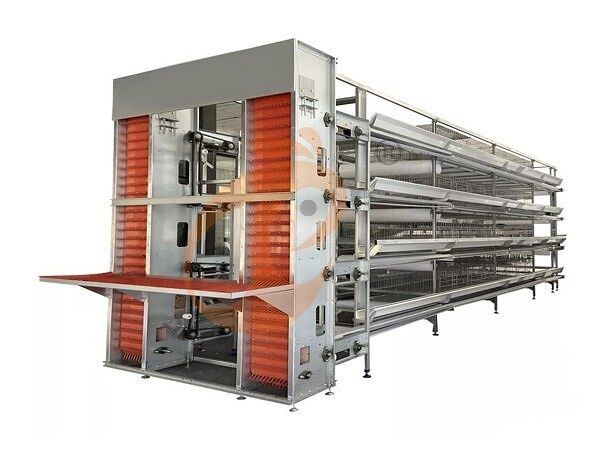
A-type frameworks feature 8-degree floor angles suited for naturally ventilated open sheds; H-type vertical frameworks incorporate 4, 8, 12 or 16 vertical tiers, automated manure belts, and centralized egg conveyors tailored for industrial enterprises exceeding 25,000 birds.
Data compiled from 22 years of regional sales metrics, alongside comparative evaluations of traditional floor farming (deep litter stocking densities of 7 birds/m² requiring intense bedding management), alternative free-range systems (stocking densities of 1,000 birds/hectare with elevated parasite exposure), and modern tiered cage installations achieving densities of 32 birds/m² with automated environmental regulation.
Data is for reference only. Swipe horizontally to view full table.
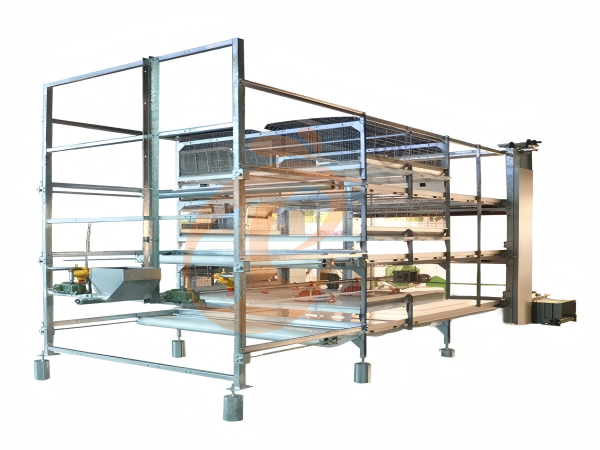
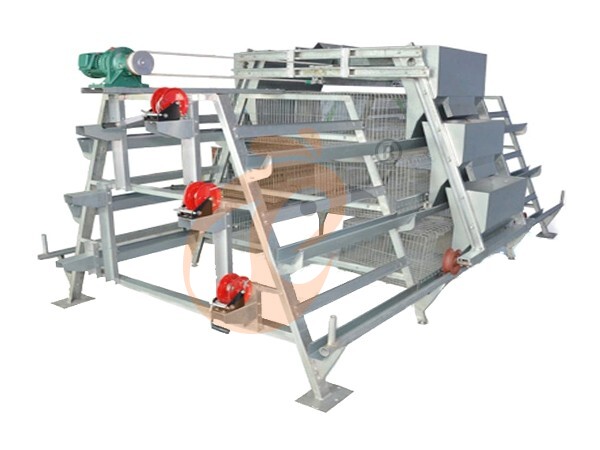
A-type cages configured for naturally ventilated buildings, capital-constrained enterprise setups, and incremental expansion milestones.
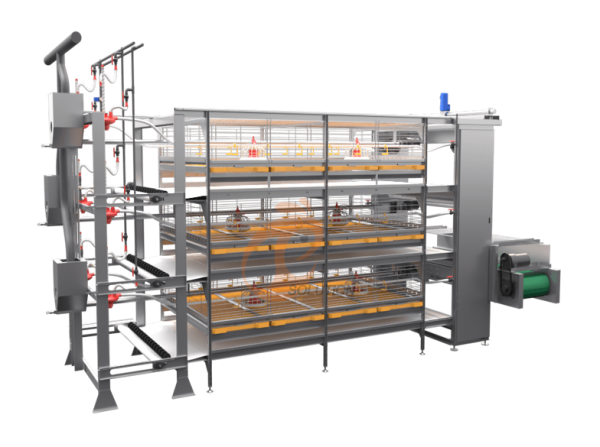
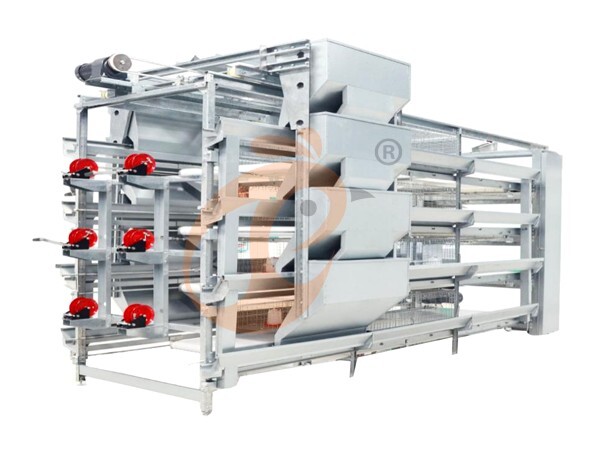
H-type cages engineered for multi-tier commercial enterprises requiring automated environmental control and centralized egg collection.
Hot climates both system variants incorporate tunnel ventilation, thermal insulation panels, and emergency generator backup units.
Power reliability automated installations integrate dual-source electrical switching and backup diesel generators ensuring uninterrupted ventilation.
Expansion planning facility layouts reserve 1.5-meter central aisles and 2.5-meter service clearances for future equipment integration.
Clients:
Should I choose A-type or H-type chicken battery cages for my farm in Vietnam or Indonesia?
Taiyu Group (HK):
Choose A-type if you have a naturally ventilated shed, limited power reliability and a first-stage capacity below 20,000 birds. Choose H-type if you plan 20,000+ layers, have reliable ventilation and power backup, and need lower labour per bird. Matching cage type to local conditions is a key advantage of chicken battery cage system design.
8. Comparison Of Poultry Housing Systems In Southeast Asia
To evaluate the engineering merits of battery cage technology, producers examine comparative performance metrics across traditional floor rearing (deep litter), alternative free-range systems, and modern vertical battery cage installations.
Data is for reference only. Swipe horizontally to view full table.
9. Taiyu (HK) Group - One Of China's Toppest Battery Cage System Manufacturer
1. Global Service Network
Headquartered in Hong Kong, with branches and factories in China, Vietnam, Thailand, Nigeria, Kenya, Ethiopia, and Tanzania, providing more localized project and after-sales support.
2. International Quality Standards
Strict quality control and double inspections.
Certifications and export documents include CE, SGS, ISO 9001, CCVO, PVOC, SONCAP, COC, ECTN, FORM A/F/M, and more.
3. One-to-One VIP Service
Dedicated account managers provide customized farm designs, equipment configurations, and quotations for projects ranging from 500 to 100,000+ birds per house.
4. Lifetime After-Sales Service
Installation guidance, equipment commissioning, operator training, remote technical support, spare parts supply, and ongoing maintenance.
10. Contact Us To Received Your Customized Poultry Farm Plan
Headquarters And Branchs

Hong Kong Headquarter Management Team
Hong Kong Headquarter Taiyu Industrial Group CO., LTD
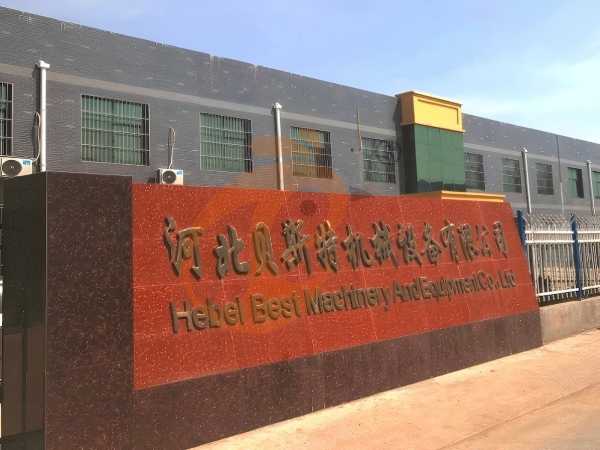
China Hebei Best Machinery And Equipment CO., LTD
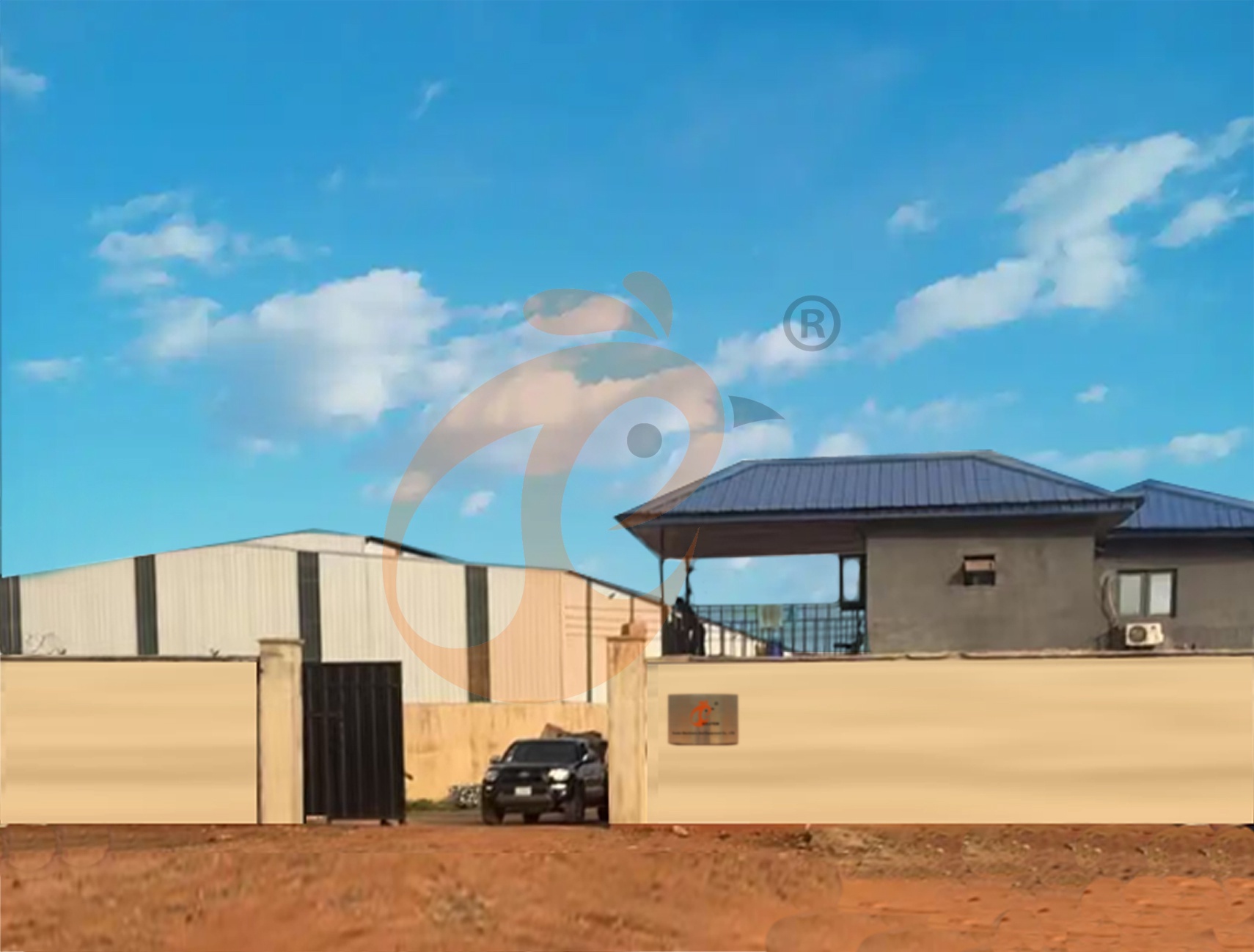
Nigeria Vanke Machinery And Equipment CO., LTD
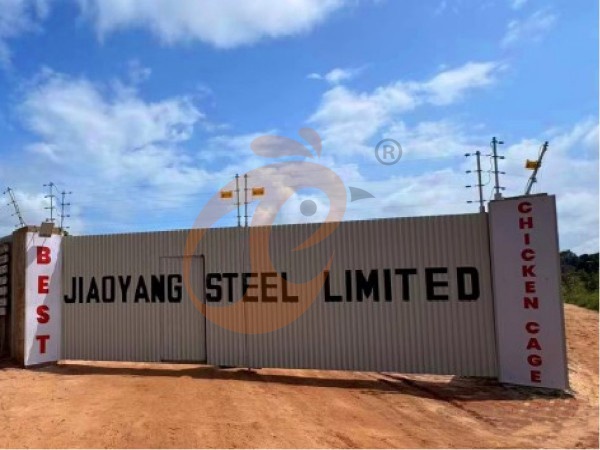
Tanzania Best Machinery And Equipment CO., LTD
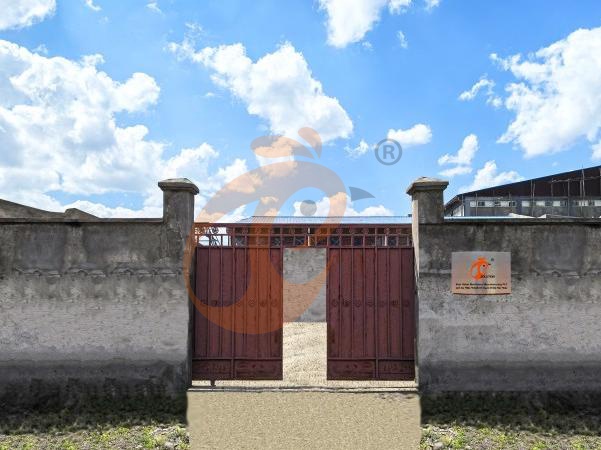
Ethiopia Best Hebei Machinery Manufacturing PLC




Reception /24 WhatsApp NO. : +8618830120193
FAQ
Message
Products recommended
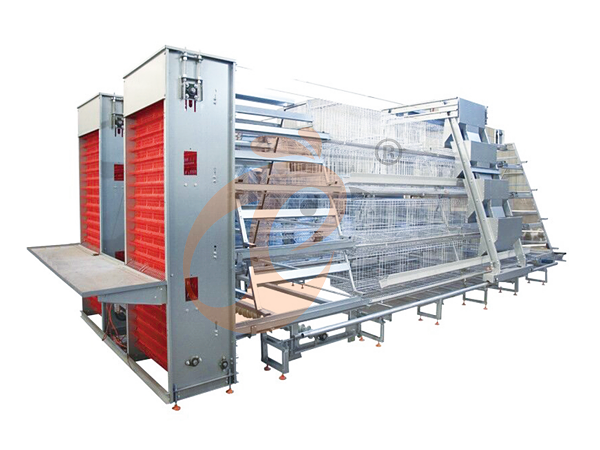
 Automatic H Type Battery Cage System1. For 30,000–1,000,000+ layer farmers.
2. Contains 30,000-100,000 chickens a house.
3. Makes feed utilization >98%, egg production rate 96%-99%, egg broken rate<0.3%.
4. Certificate: CE, SGS, PC, ISO 9001, SONCAP, PVOC,COC, OC, FORM M/A/F, CO and so on .
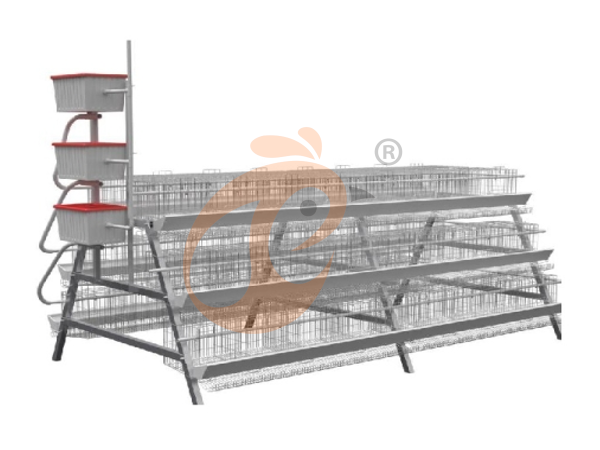
5. 24-hour online support: What'sApp +8618830120193. Automatic A Type Battery Cage For Layers1. For 5,000–30,000+ layer farmers.
2. Contains 30,000-100,000 chickens a house.
3. European standard automatic A type battery cage for layers.
4. Certificate: CE, SGS, PC, ISO 9001, SONCAP, PVOC,COC, OC, FORM M/A/F, CO and so on .
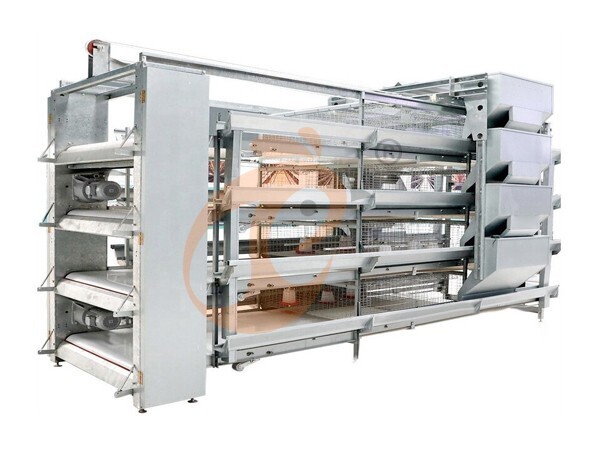
5. 24-hour online support: What'sApp +8618830120193. >30,000 Pullets Automatic H Type Battery Cage1. More than 30,000 pullets a house, choose it.
2. It is designed to rearing older than 1 day old pullets to 12 to 16 weeks old chicken starting laying eggs.
3. Its lifespan is more than 25 years.
4. Its structure are Vcloud artificial intelligent fusion, electric control cabinet, automatic equipment of drinking, feeding, manure clean, manual harvesting.
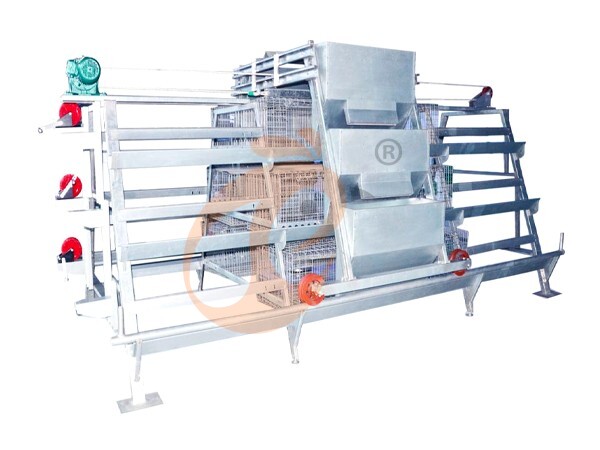
5. Our 24 hour online reception What’sApp NO. is +8618830120193 <30,000 Pullets Automatic A Type Battery Cage1. 10,000 to 30,000 pullets a house, choose it.
2. It is designed to rearing older than 1 day old pullets to 12 to 16 weeks old chicken starting laying eggs.
3. Its lifespan is more than 25 years.
4. Its structure are Vcloud artificial intelligent fusion, electric control cabinet, automatic equipment of drinking, feeding, manure clean, manual harvesting.
5. Our 24 hour online reception What’sApp NO. is +86 18830120193. >30,000 Broilers Semi-Automatic Harvest H Type Battery Cage1. More than 30,000 broilers a house, choose it.
2. It is designed to rearing 1 to 45 day old adult broiler ready for market.
3. Its lifespan is more than 20 years.
4. Our 24 hour online reception What’sApp NO. is +8618830120193, +234 8111199996. >30,000 Broilers Manual Harvest H Type Battery Cage1. More than 30,000 broilers a house, choose it.
2. It is designed to rearing 1 to 45 day old adult broiler ready for market.
3. Its lifespan is more than 20 years.
4. Its structure are Vcloud artificial intelligent fusion, electric control cabinet, automatic equipment of drinking, feeding and manure clean, manual harvesting.
5. Our 24 hour online reception What’sApp NO. is +8618830120193, +234 8111199996. <30,000 Broilers Manual Harvest A Type Battery Cage1. Less 30,000 broilers a house, choose it.
2. It is designed to rearing 1 to 45 day old adult broiler ready for market.
3. Its lifespan is more than 20 years.
4. Its structure are Vcloud artificial intelligent fusion, electric control cabinet, automatic equipment of drinking, feeding and manure clean, manual harvesting.
5. Our 24 hour online reception What’sApp NO. is +8618830120193, +234 8111199996. HK Headquarter Offers EU-standard Poultry Farm Solutions, Manufacture Poultry Farm Equipment1. Continuous communication with the EU and the US
2. China, Nigeria, Ethiopia, Tanzania branch companies and factories
3. The products’ quality is customized for local poultry farms
4. Poultry cage and poultry farm equipment stock for sale
5. 24 online reception Whatsapp NO. : +8618830120193,contact us to get full information China Branch Offer Poultry Farm Business Plan, Manufacture Poultry Farm Equipment1. Address: Flat/RM 2416, 24/F, Runxing Building, Youyi Nan Street, Shijiazhuang City, Hebei Province, China
2. Poultry cage and poultry farm equipment factory and stock for sale
3. Customized for local poultry farms
4. Quality and design are based on Euro
5. 24 online reception Whatsapp NO. : +8618830120193 Nigeria Branch Offer Poultry Farm Business Plan, Manufacture Poultry Farm Equipment1. Address: After Sinoma Office, 200 Meters Near Danco Filling Station, Lagos/Ibadan Expressway, Lagos State, Nigeria
2. Poultry cage and poultry farm equipment factory and stock for sale
3. Customized for Nigerian poultry farms
4. Quality and design are based on Euro
5. 24 online reception Whatsapp NO. : +8618830120193 Ethiopia Branch Offer Poultry Farm Business Plan, Manufacture Poultry Farm Equipment1. Address: Gelan Gura, Akaki-kaliti Sub City, Addis Ababa, Ethiopia
2. Poultry cage and poultry farm equipment stock for sale
3. Customized for Ethiopian poultry farms
4. Quality and design are based on Euro
5. 24 online reception Whatsapp NO. : +8618830120193, contact us to get price list Tanzania Branch Offer Poultry Farm Business Plan, Manufacture Poultry Farm Equipment1. Address: No.8, Sova Road, Msufini, Mlandizi, Kibaha, Pwani, Tanzania
2. Poultry cage and poultry farm equipment factory and stock for sale
3. Customized for Tanzanian poultry farms
4. Quality and design are based on Euro
5. 24 online reception Whatsapp NO. : +8618830120193

Contact