


Blog
Key Advantage Of Battery Cage Systems For Industrializing Latin American Layer Farms
Commercial egg production across Latin America is rapidly shifting away from manual floor operations toward fully automated multi-tier housing architectures.
Over the past decade, poultry operations across Brazil, Mexico, Colombia, Peru, Argentina, Chile, Ecuador, and Guatemala have faced escalating labor wages, rising urban land costs, and strict export biosecurity mandates.
Global poultry production standards highlight the primary advantage of battery cage adoption: engineered housing systems provide commercial producers with a practical way to increase production capacity, optimize Feed Conversion Ratios (FCR), and improve egg hygiene.
High-Tensile Steel Wire Specifications: Commercial cage mesh utilizes Q235 carbon steel wire with diameters of 2.3 mm to 3.2 mm and hot-dip zinc coating weights exceeding 275 g/m², supporting structural stability in humid coastal zones near Guayaquil, Ecuador.
Precision Nipple Drinking Flow Rates: Automated stainless-steel 360-degree nipple drinkers deliver 60 ml to 80 ml per minute at an operating pressure of 15 cm to 20 cm water column, helping prevent wet manure accumulation near Guadalajara, Mexico.
Automated Manure Belt Traction Capacity: Heavy-duty 1.2 mm virgin polypropylene (PP) manure belts driven by 1.5 kW helical gear motors clear waste across 100-meter shed lengths within 12 minutes per cycle, supporting cleaner indoor conditions near Santa Cruz, Bolivia.
Data is for reference only. Swipe horizontally to view full table.
Clients:
Rising labor wages in Latin America, especially in Brazil, Mexico, and Chile, are shrinking my farm profit margins. What is the real advantage of battery cage automation over manual labor?
Taiyu Group (HK):
The main advantage of battery cage systems is operational predictability and reduced manual work. Are you tired of high labor overheads, broken eggs, and slow manual collection speeds on your farm?
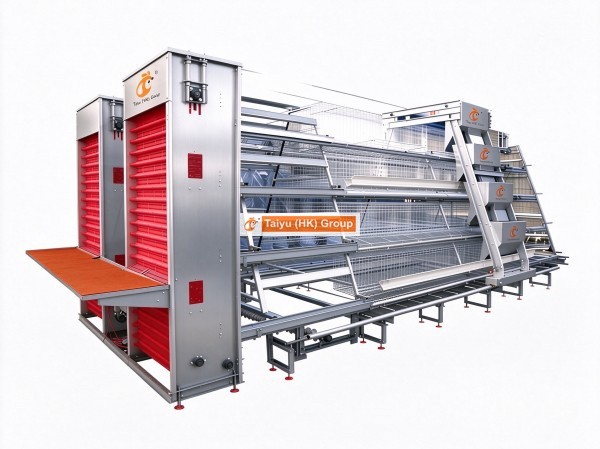
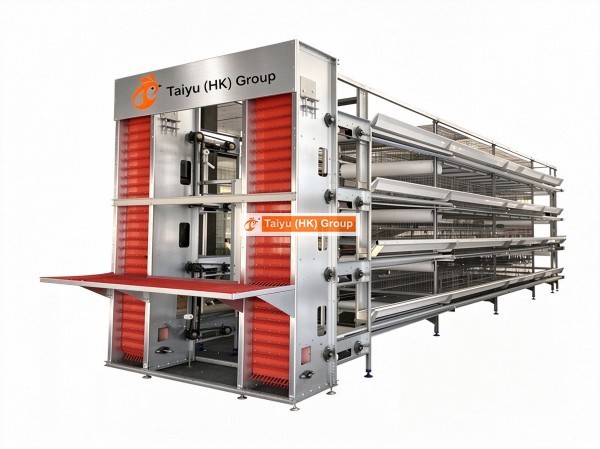
Will you choosing A type battery cage or H type chicken battery cage for your poultry farm?
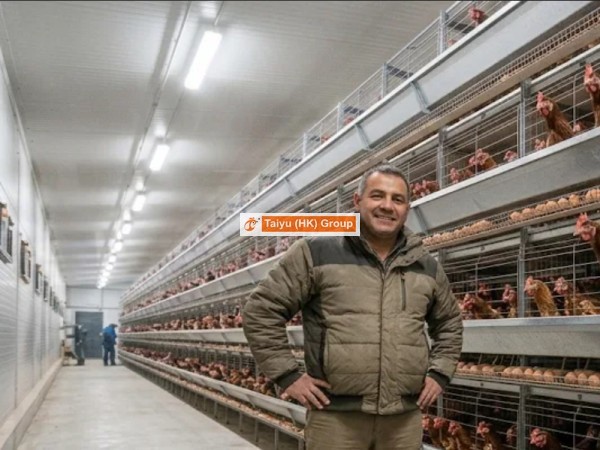
Learn More About Southeast Asia
1. Section 1 Overview: 4 Core Advantages Of Battery Cage Systems For Latin American Producers
Commercial poultry producers who understand the advantage of battery cage technology can secure four foundational operational benefits for their layer farms across Brazil, Mexico, Colombia, Peru, Argentina, Chile, Guatemala, and Ecuador:
Consistently High Yield: Maintaining egg production rates between 95% and 98%.
Drastic Loss Reduction: Keeping egg breakage and manure contamination-related losses around 1.2%–1.5%, compared with 5%–8% in floor systems.
Maximized Land Efficiency: Increasing stocking density through vertical tier layouts.
Labor Optimization: Reducing daily workforce requirements through integrated automation.
Heavy-duty hot-dip galvanized steel frames also protect equipment against coastal humidity in countries like Ecuador, Colombia, and Brazil, as well as seismic activity along the Andean ridge in Chile, Peru, and Bolivia.
To select the optimal housing architecture, Latin American farm operators must evaluate how automated battery cages compare against traditional floor rearing and free-range systems in terms of shed construction, equipment integration, and daily management protocols:
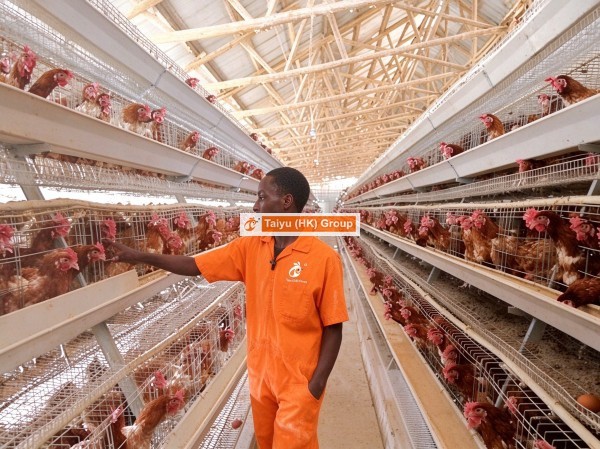
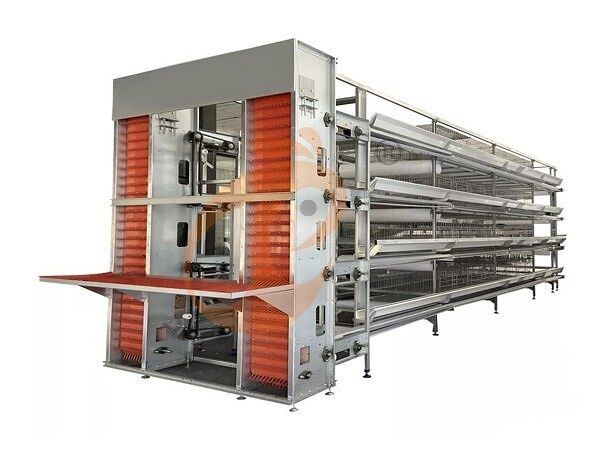
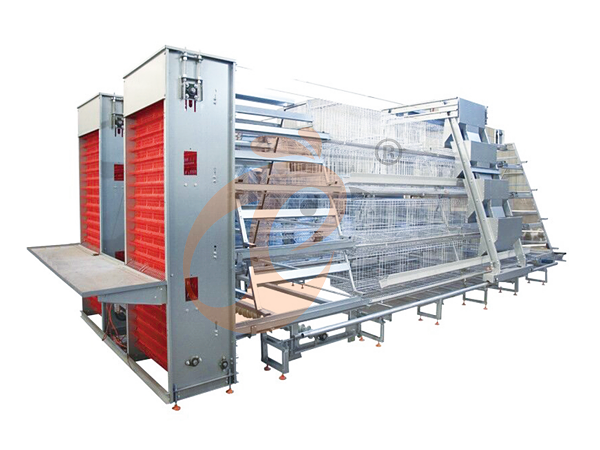
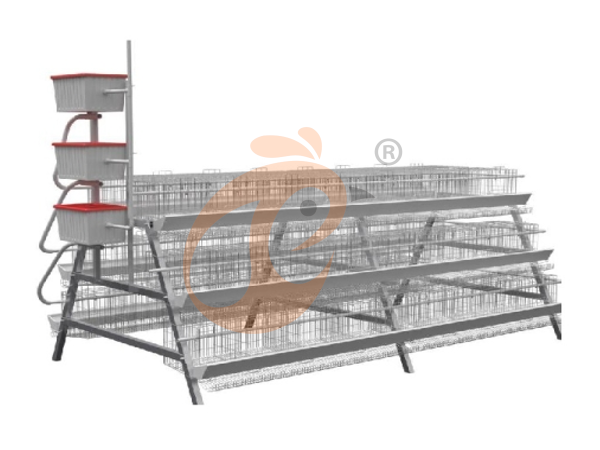
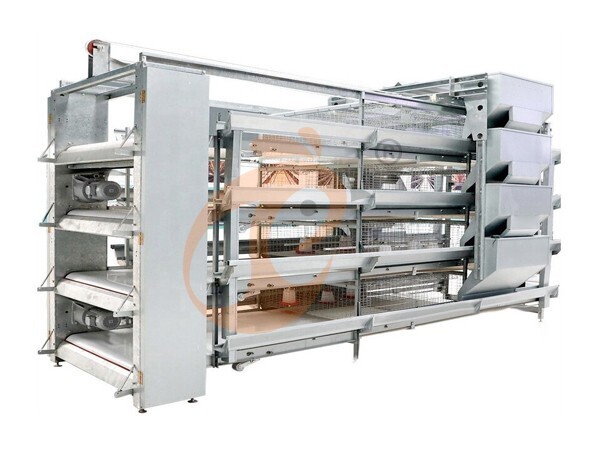
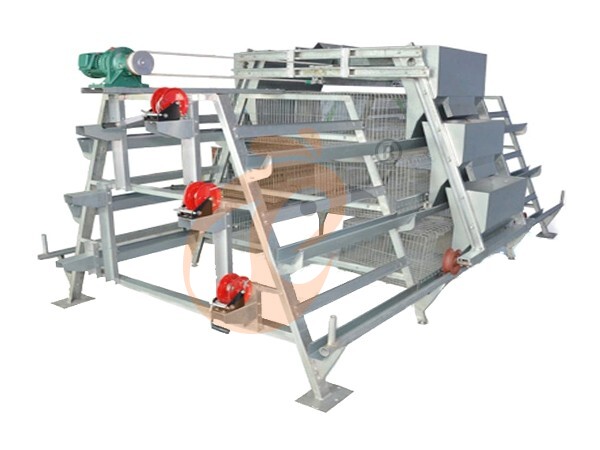
Battery Cage Housing (Multi-Tier Intensive Mode): Requires enclosed or semi-open insulated steel-frame sheds with reinforced concrete floors, typically 15 cm thick and C25 grade, designed to support vertical point loads of 450 kg/m² to 600 kg/m². Equipment integrates vertical H-type or stepped A-type cages, automated traveling feed hoppers, central egg collection belts, and tunnel ventilation fans maintaining air speeds of 1.8 m/s to 2.5 m/s. Management relies on centralized PLC environmental monitoring, automated manure evacuation, and uniform lighting schedules of 16 hours at 10–15 lux.
Floor Farming Housing (Deep Litter / Slat Mode): Utilizes wide-span open-sided or curtain-walled barns covered with 8 cm to 12 cm of wood shavings or rice hulls, paired with elevated plastic slats over a manure pit covering 30% to 40% of the floor area. Equipment includes suspended pan feeders, bell or nipple drinker lines, and manual or semi-automatic roll-away nest boxes. Management demands frequent litter turning to prevent caking, intensive coccidiosis vaccination programs, and higher labor ratios for floor-egg gathering.
Free-Range Housing (Pasture Access Mode): Combines indoor roosting shelters with fenced outdoor paddocks providing at least 4 m² of pasture per hen. Sheds require predator-proof perimeter fencing, wide pop-holes measuring at least 40 cm high by 50 cm wide per 500 birds, and mobile shade structures. Management involves rotational paddock grazing to prevent soil parasite buildup, higher feed intake due to thermoregulation and physical activity, and strict biosecurity netting against wild migratory birds.
Data is for reference only. Swipe horizontally to view full table.
Clients:
How does the advantage of battery cage design help my farm pass strict government bio-inspections in markets like Mexico City, Bogota, or Sao Paulo?
Taiyu Group (HK):
By reducing bird-to-manure contact and delivering eggs directly through automated conveyor belts. Have you checked how much premium clean eggs fetch in your local Latin American supermarkets?
Data is based on more than 20 years of after-sales follow-up records collected by Taiyu Group (HK).
2. High-Density & Land CAPEX Efficiency: 300%+ Higher Spatial Density
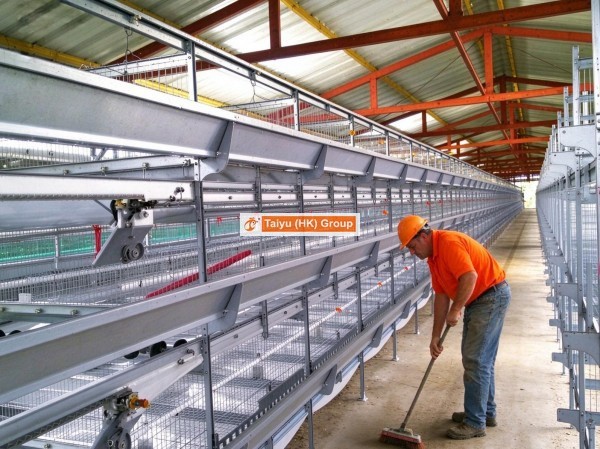
A major spatial advantage of battery cage systems is land optimization.
Land acquisition near logistics hubs and major urban markets—such as Sao Paulo, Mexico City, Bogota, or Lima—is expensive, often ranging from $45 to $120 per square meter for agricultural-industrial zoned plots (European union standard reference only).
Conventional floor farming accommodates only 5 to 6 birds per square meter.
In contrast, multi-tier H-type battery cage systems increase stocking density to 20 to 25 birds per square meter.
A standard 1,000 m² poultry shed that houses only 5,000 floor layers can accommodate approximately 20,000 to 25,000 layers using a 4-tier or 5-tier vertical layout, expanding farm capacity without additional property acquisition.
Data is for reference only. Swipe horizontally to view full table.
Clients:
Land acquisition near major cities in Mexico, Colombia, and Argentina is extremely costly. Can you explain how the spatial advantage of battery cage units saves my expansion budget?
Taiyu Group (HK):
Build upwards! A 4-tier or 5-tier H-type structure can accommodate up to 25,000 birds in a 1,000 m² shed compared with approximately 5,000 on the floor. Isn't expanding capacity without acquiring additional land a smart investment for your Latin American farm?
Data is based on more than 20 years of after-sales follow-up records collected by Taiyu Group (HK).
3. Biosecurity & Seismic Durability: Dropping Mortality Below 2%
Another decisive advantage of battery cage setups is biosecurity control.
Humid tropical regions, such as coastal Ecuador, Honduras, and Guatemala, and intensive farming belts in Brazil and Argentina frequently face disease risks when birds contact manure-laden litter.
Physical separation of birds from their waste helps interrupt pathogen transmission.
Automated polypropylene (PP) manure belts remove waste regularly, reducing contact with accumulated manure and supporting flock mortality targets below 2%.
Additionally, reinforced steel cross-beam engineering improves structural stability in seismic regions such as Chile, Peru, and Bolivia while helping resist coastal corrosion.
Data is for reference only. Swipe horizontally to view full table.
Clients:
Farms in Chile, Peru, and Bolivia face seismic risks, while coastal regions in Colombia and Ecuador have high humidity. Is structural stability another proven advantage of battery cage engineering?
Taiyu Group (HK):
Absolutely. Our cages feature heavy-duty hot-dip galvanized steel with reinforced cross-beam frames designed to improve structural stability and resist coastal corrosion. Wouldn't a durable cage structure give your investors in Latin America greater peace of mind?
4. FCR Optimization & Egg Quality: Lower Breakage Below 1.5%
Feed represents more than 70% of operational expenses for layer farms in Brazil, Mexico, Chile, and Peru.
The financial advantage of battery cage feeding systems lies in reducing feed waste.
Specialized deep feed troughs with inward anti-flick rims prevent feed spillage, saving up to 2.5 metric tons of feed per 1,000 layers annually.
At regional layer mash prices of $380 to $460 USD per metric ton (European union standard reference only), this represents approximately $950 to $1,150 USD in annual feed savings per 1,000 birds.
Additionally, engineered bottom mesh slopes of 7° to 8° paired with central conveyor belts allow freshly laid eggs to roll smoothly, helping keep contamination and shell breakage around 1.2%–1.5%, compared with more than 6% in floor systems.
Clients:
Feed makes up over 70% of my operational costs in Latin America. How much money can this design save on feed for a farm in Argentina or Mexico?
Taiyu Group (HK):
Our trough design prevents feed spillage and bird competition, saving up to 2.5 tons of feed per 1,000 layers per year. Wouldn't reducing feed waste significantly improve your farm's operating margin?
5. Scalability: 1K → 2K → 5K → 10K → 20K → 50K → 100K+ Labor Optimization in Latin America
The ultimate commercial advantage of battery cage modularity is seamless scalability for Latin American producers, from smallholders in Guatemala or Honduras to industrial operations in Brazil, Mexico, and Colombia.
Data is for reference only. Swipe horizontally to view full table.
1,000 → 2,000 Birds (Startup Stage): A-type 3-tier cages allow one part-time worker to handle daily management.
5,000 → 10,000 Birds (Standard Commercial Farm): Semi-automated feeding trolleys and automatic drinking systems typically require 1 to 2 workers.
20,000 → 50,000 Birds (Industrial Farm): Vertical H-type systems with automated manure belts and egg collection belts can reduce labor expenses by approximately 70%.
100,000+ Birds (Mega Poultry Complex): Fully automated environmental control and central egg packing systems allow a lean team of 4 to 5 operators to manage a large-scale complex.
Clients:
I want to experience the full operational advantage of battery cage systems on my farm in Brazil, Mexico, or Colombia by expanding from 10,000 to 100,000+ birds. How many staff will I actually need?
Taiyu Group (HK):
With our fully automated H-type systems, just 4 to 5 operators can manage a 100,000-bird complex. Wouldn't keeping your labor force lean make managing a mega-farm simpler and more profitable anywhere in Latin America? Contact Taiyu (HK) Group today to get a customized cage layout and ROI quotation for your farm!
Data is based on more than 20 years of after-sales follow-up records collected by Taiyu Group (HK).
6. Taiyu (HK) Group - One Of China Largest Battery Cage System Manufacturer
1. Global Service Network
Headquartered in Hong Kong, with branches and factories in China, Vietnam, Thailand, Nigeria, Kenya, Ethiopia, and Tanzania, providing more localized project and after-sales support.
2. International Quality Standards
Strict quality control and double inspections. Certifications and export documents include CE, SGS, ISO 9001, CCVO, PVOC, SONCAP, COC, ECTN, FORM A/F/M, and more.
3. One-to-One VIP Service
Dedicated account managers provide customized farm designs, equipment configurations, and quotations for projects ranging from 500 to 100,000+ birds per house.
4. Lifetime After-Sales Service
Installation guidance, equipment commissioning, operator training, remote technical support, spare parts supply, and ongoing maintenance.
7. Contact Us To Received Your Customized Poultry Farm Plan
Headquarters And Branchs
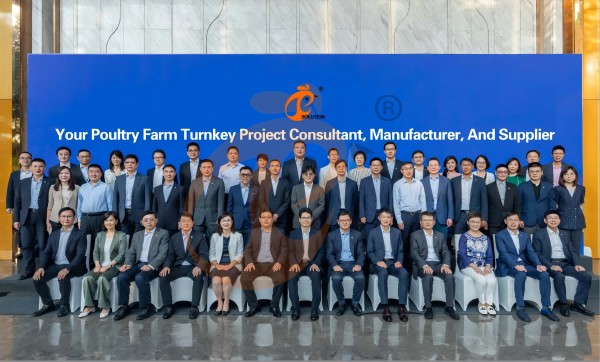
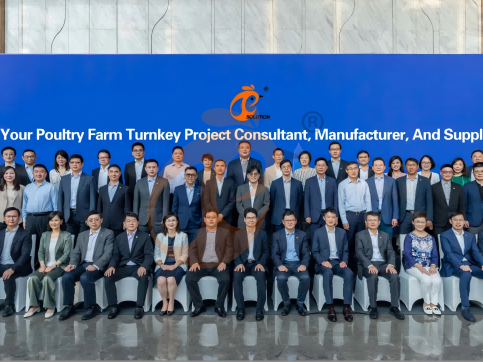
Hong Kong Headquarter Management Team
Hong Kong Headquarter Taiyu Industrial Group CO., LTD
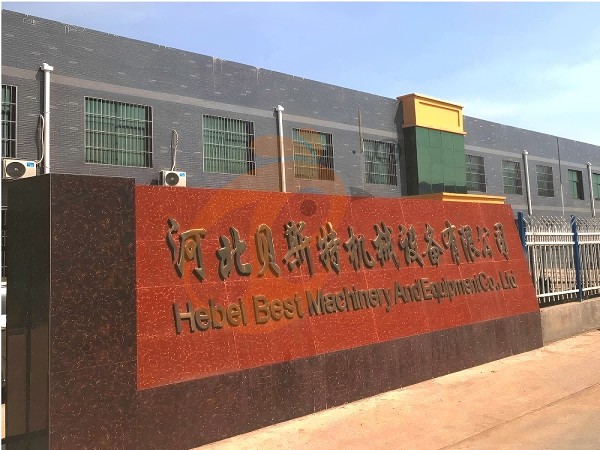
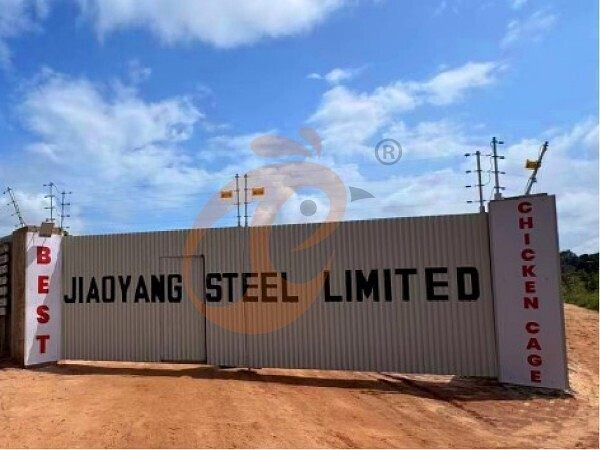
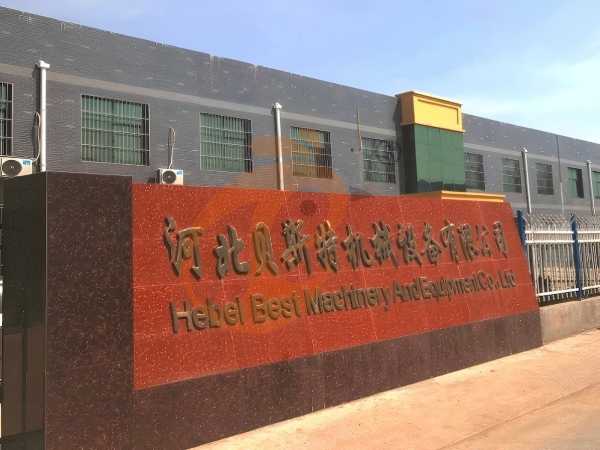
China Hebei Best Machinery And Equipment CO., LTD
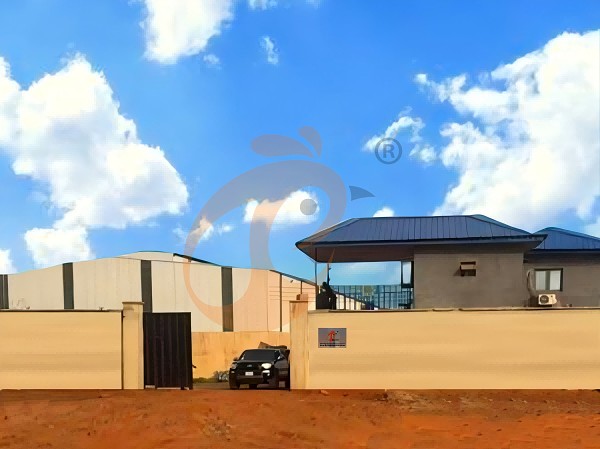
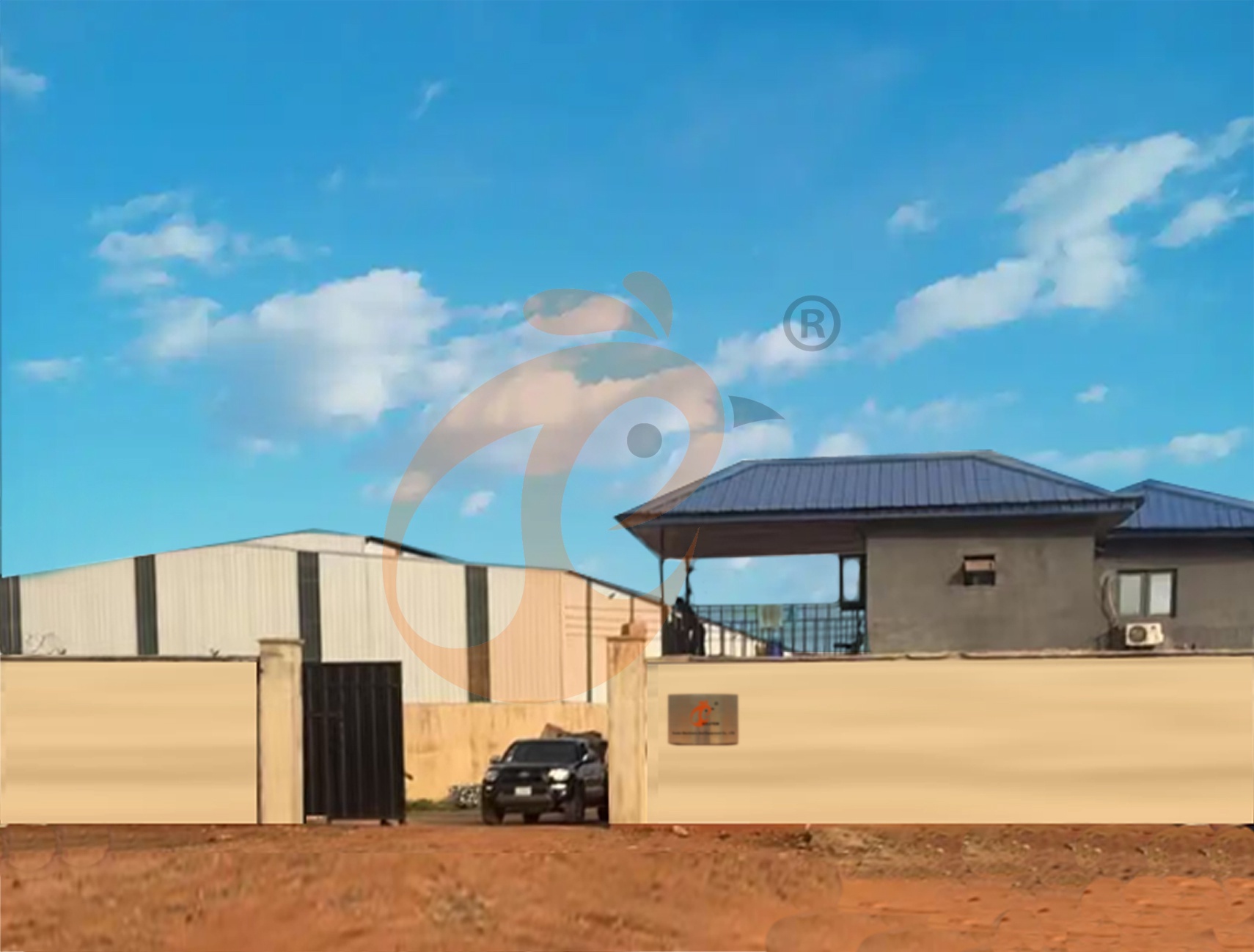
Nigeria Vanke Machinery And Equipment CO., LTD
Tanzania Best Machinery And Equipment CO., LTD
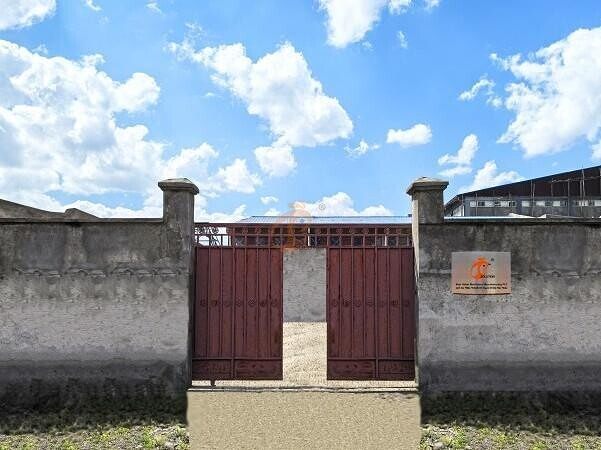
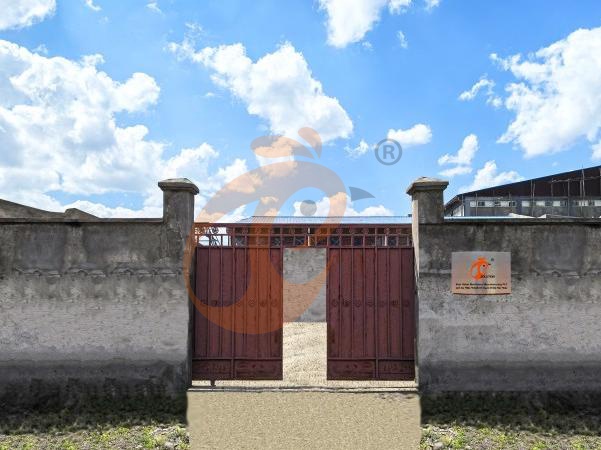
Ethiopia Best Hebei Machinery Manufacturing PLC
Reception /24 WhatsApp NO. : +8618830120193
FAQ
Message
Products recommended
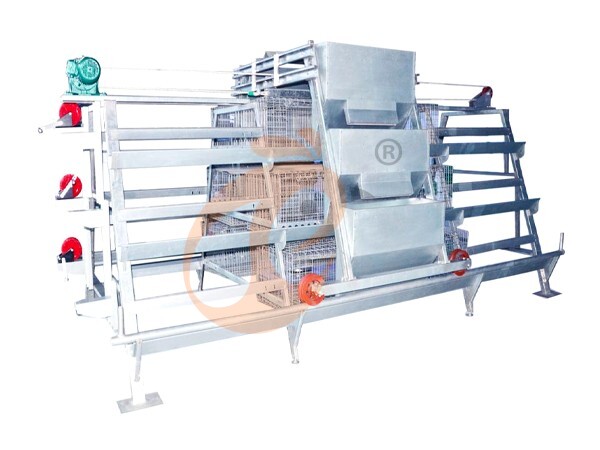
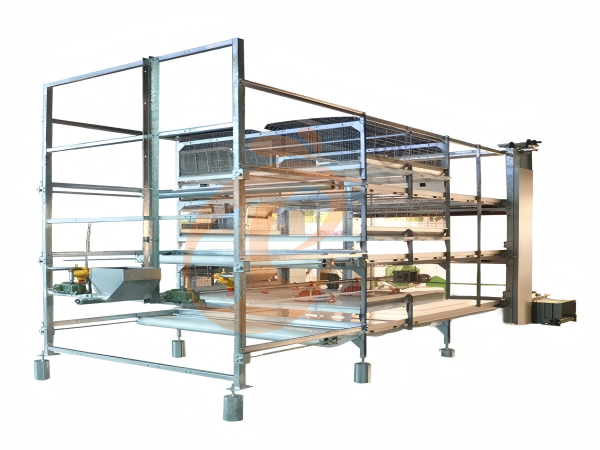
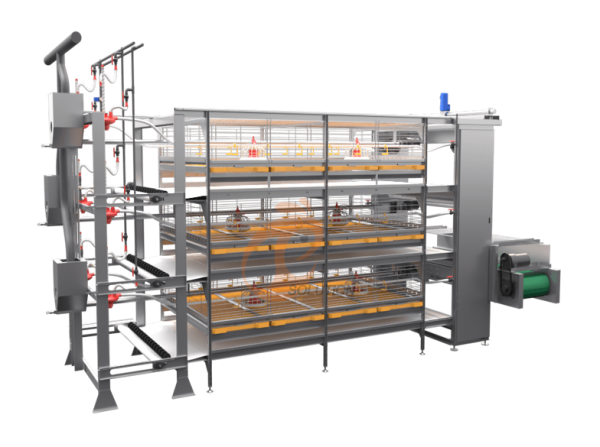
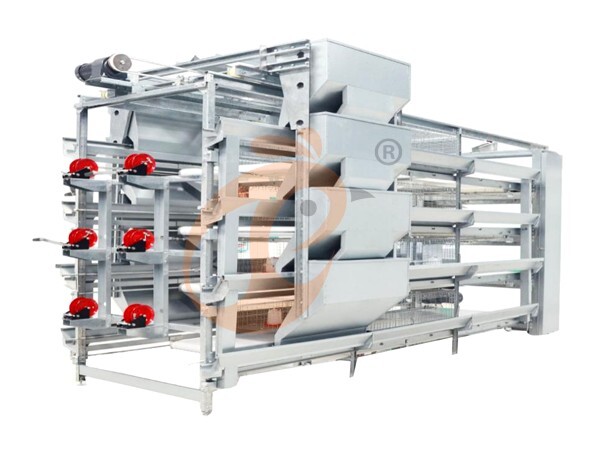
 Automatic H Type Battery Cage System1. For 30,000–1,000,000+ layer farmers.
2. Contains 30,000-100,000 chickens a house.
3. Makes feed utilization >98%, egg production rate 96%-99%, egg broken rate<0.3%.
4. Certificate: CE, SGS, PC, ISO 9001, SONCAP, PVOC,COC, OC, FORM M/A/F, CO and so on .
5. 24-hour online support: What'sApp +8618830120193. Automatic A Type Battery Cage For Layers1. For 5,000–30,000+ layer farmers.
2. Contains 30,000-100,000 chickens a house.
3. European standard automatic A type battery cage for layers.
4. Certificate: CE, SGS, PC, ISO 9001, SONCAP, PVOC,COC, OC, FORM M/A/F, CO and so on .
5. 24-hour online support: What'sApp +8618830120193. >30,000 Pullets Automatic H Type Battery Cage1. More than 30,000 pullets a house, choose it.
2. It is designed to rearing older than 1 day old pullets to 12 to 16 weeks old chicken starting laying eggs.
3. Its lifespan is more than 25 years.
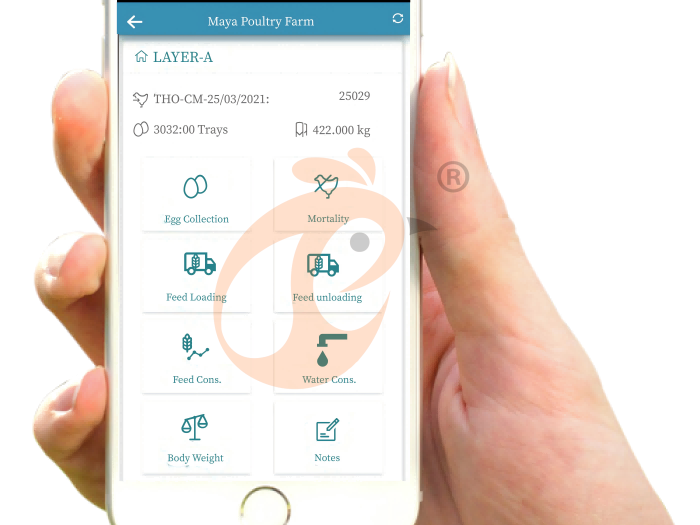
4. Its structure are Vcloud artificial intelligent fusion, electric control cabinet, automatic equipment of drinking, feeding, manure clean, manual harvesting.
5. Our 24 hour online reception What’sApp NO. is +8618830120193 <30,000 Pullets Automatic A Type Battery Cage1. 10,000 to 30,000 pullets a house, choose it.
2. It is designed to rearing older than 1 day old pullets to 12 to 16 weeks old chicken starting laying eggs.
3. Its lifespan is more than 25 years.
4. Its structure are Vcloud artificial intelligent fusion, electric control cabinet, automatic equipment of drinking, feeding, manure clean, manual harvesting.
5. Our 24 hour online reception What’sApp NO. is +86 18830120193. >30,000 Broilers Semi-Automatic Harvest H Type Battery Cage1. More than 30,000 broilers a house, choose it.
2. It is designed to rearing 1 to 45 day old adult broiler ready for market.
3. Its lifespan is more than 20 years.
4. Our 24 hour online reception What’sApp NO. is +8618830120193, +234 8111199996. >30,000 Broilers Manual Harvest H Type Battery Cage1. More than 30,000 broilers a house, choose it.
2. It is designed to rearing 1 to 45 day old adult broiler ready for market.
3. Its lifespan is more than 20 years.
4. Its structure are Vcloud artificial intelligent fusion, electric control cabinet, automatic equipment of drinking, feeding and manure clean, manual harvesting.
5. Our 24 hour online reception What’sApp NO. is +8618830120193, +234 8111199996. <30,000 Broilers Manual Harvest A Type Battery Cage1. Less 30,000 broilers a house, choose it.
2. It is designed to rearing 1 to 45 day old adult broiler ready for market.
3. Its lifespan is more than 20 years.
4. Its structure are Vcloud artificial intelligent fusion, electric control cabinet, automatic equipment of drinking, feeding and manure clean, manual harvesting.
5. Our 24 hour online reception What’sApp NO. is +8618830120193, +234 8111199996. HK Headquarter Offers EU-standard Poultry Farm Solutions, Manufacture Poultry Farm Equipment1. Continuous communication with the EU and the US
2. China, Nigeria, Ethiopia, Tanzania branch companies and factories
3. The products’ quality is customized for local poultry farms
4. Poultry cage and poultry farm equipment stock for sale
5. 24 online reception Whatsapp NO. : +8618830120193,contact us to get full information China Branch Offer Poultry Farm Business Plan, Manufacture Poultry Farm Equipment1. Address: Flat/RM 2416, 24/F, Runxing Building, Youyi Nan Street, Shijiazhuang City, Hebei Province, China
2. Poultry cage and poultry farm equipment factory and stock for sale
3. Customized for local poultry farms
4. Quality and design are based on Euro
5. 24 online reception Whatsapp NO. : +8618830120193 Nigeria Branch Offer Poultry Farm Business Plan, Manufacture Poultry Farm Equipment1. Address: After Sinoma Office, 200 Meters Near Danco Filling Station, Lagos/Ibadan Expressway, Lagos State, Nigeria
2. Poultry cage and poultry farm equipment factory and stock for sale
3. Customized for Nigerian poultry farms
4. Quality and design are based on Euro
5. 24 online reception Whatsapp NO. : +8618830120193 Ethiopia Branch Offer Poultry Farm Business Plan, Manufacture Poultry Farm Equipment1. Address: Gelan Gura, Akaki-kaliti Sub City, Addis Ababa, Ethiopia
2. Poultry cage and poultry farm equipment stock for sale
3. Customized for Ethiopian poultry farms
4. Quality and design are based on Euro
5. 24 online reception Whatsapp NO. : +8618830120193, contact us to get price list Tanzania Branch Offer Poultry Farm Business Plan, Manufacture Poultry Farm Equipment1. Address: No.8, Sova Road, Msufini, Mlandizi, Kibaha, Pwani, Tanzania
2. Poultry cage and poultry farm equipment factory and stock for sale
3. Customized for Tanzanian poultry farms
4. Quality and design are based on Euro
5. 24 online reception Whatsapp NO. : +8618830120193

Contact