


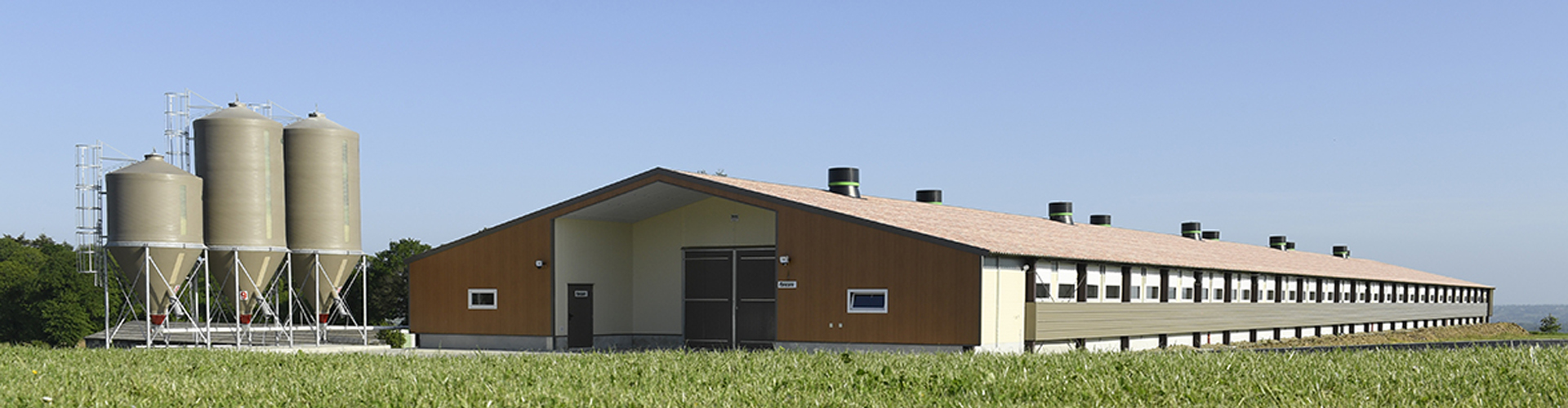
Blog
Data from the United Nations Food and Agriculture Organization (FAO) and field-level layer operations support the core value of the advantage of battery cage systems: they provide a standardized technical route for commercial farmers to pursue high output, improved feed conversion ratio (FCR), and internationally recognized food-safety management.
Modern 3–16 tier vertical cage systems raise stocking density by 2–3 times through vertical space development.
Peak laying rates can be stabilized at 90%–95% when lighting, water, nutrition, ventilation, and flock health are properly managed.
Equipment investment is commonly recovered within 12–18 months, depending on local egg prices, feed costs, flock size, and management standards.
Customized to regional agricultural landscapes, the system provides specialized engineering solutions tailored to the diverse environmental and infrastructural needs of African, Southeast Asian, and Latin American farms.
Which type of battery cages are you interested in?
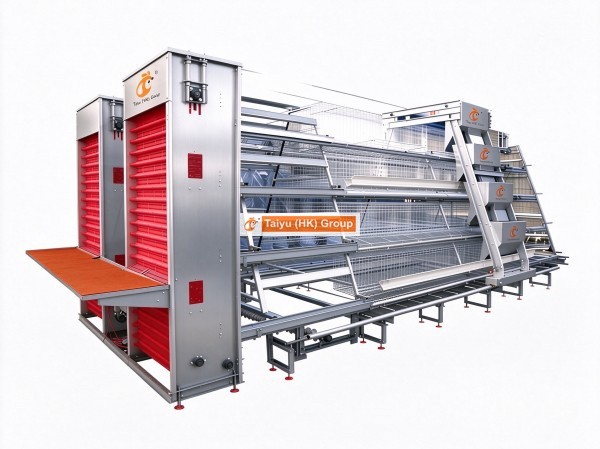
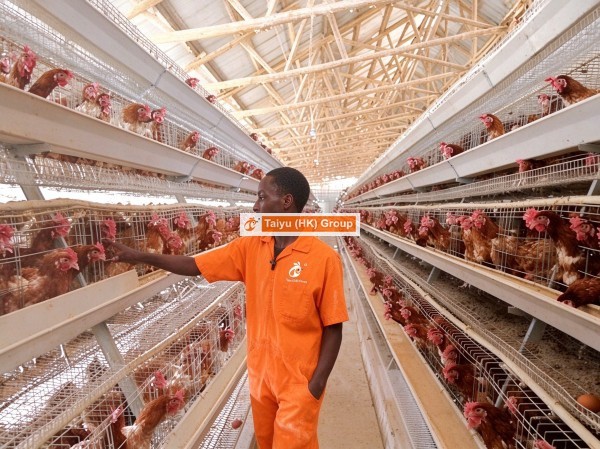
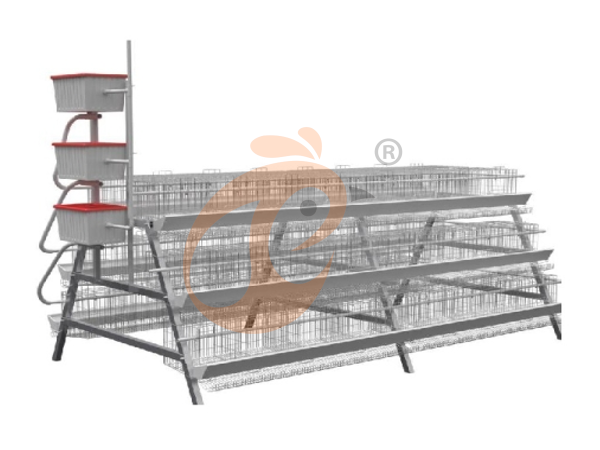
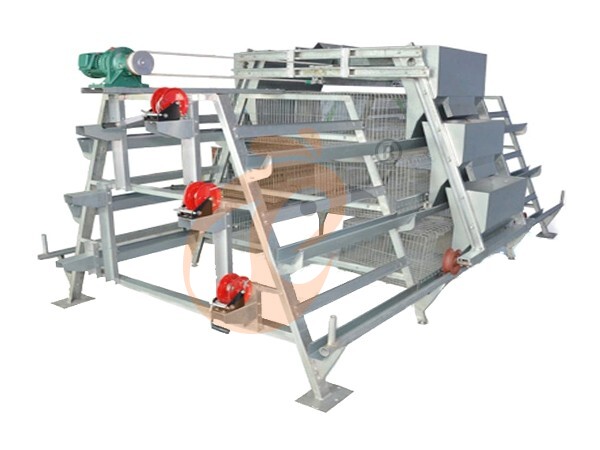
Africa market core advantage: For high temperatures, frequent power interruptions, and feed costs exceeding 70% of operating expenses, open-sided houses combined with A-type hot-dip galvanized cages achieve natural ventilation without full-time dependence on powered climate control. Raised anti-spillage feed troughs save 5–10 g of feed per bird daily, while ammonia-resistant galvanized structures can serve for 15–20 years.
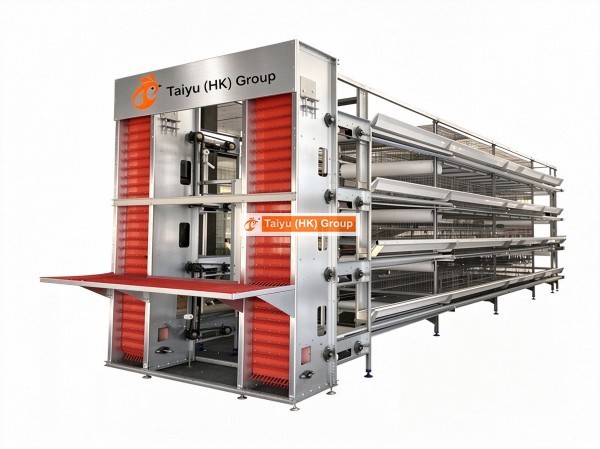
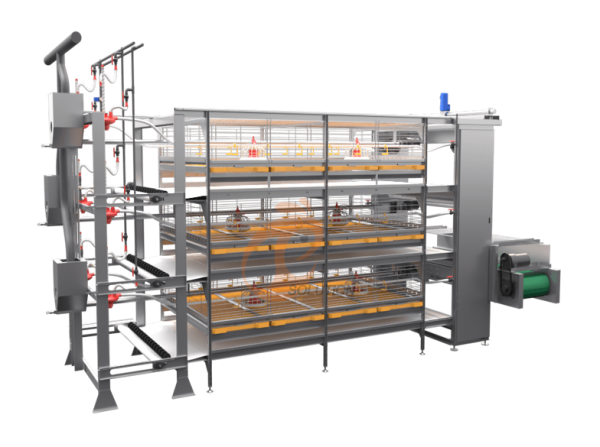
Southeast Asia market core advantage: For limited land, high humidity, frequent rainfall, and elevated tropical disease pressure, fully automated multi-tier cage housing separates birds from wet floor manure. This reduces coccidiosis and parasite exposure by 30%–40% while addressing labor shortages through automated feeding, drinking, manure removal, and egg collection.
Latin America market core advantage: For large commercialized export-oriented farms requiring clean, uniform eggs, a scientifically designed 7–8 degree bottom-mesh slope allows eggs to roll automatically into collection channels. Broken-egg rates can be reduced below 1%, reducing washing losses and improving commercial grading efficiency.
Client:
We are raising layers on deep litter right now, and rising feed prices plus high mortality are eating all our profits. Is a battery cage system really worth the upfront cost in our climate?
Taiyu Group (HK)
Absolutely. Across our 600+ farm projects in Africa, Southeast Asia, and Latin America, clients cut feed waste by up to 15% from day one and recover their full equipment cost within 12 to 18 months. Tell us your country and current flock size—we will show you the exact regional setup!
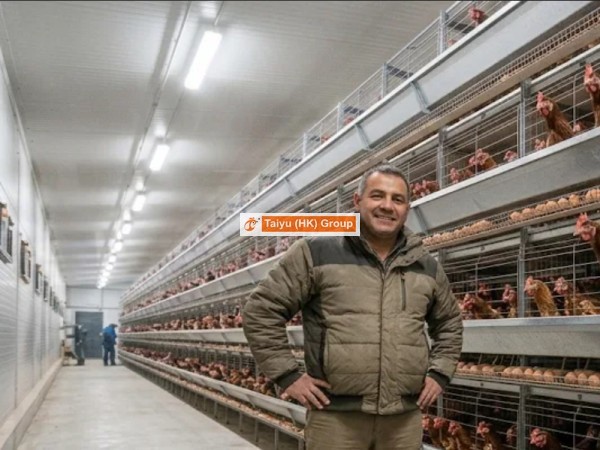
Learn More About Southeast Asia
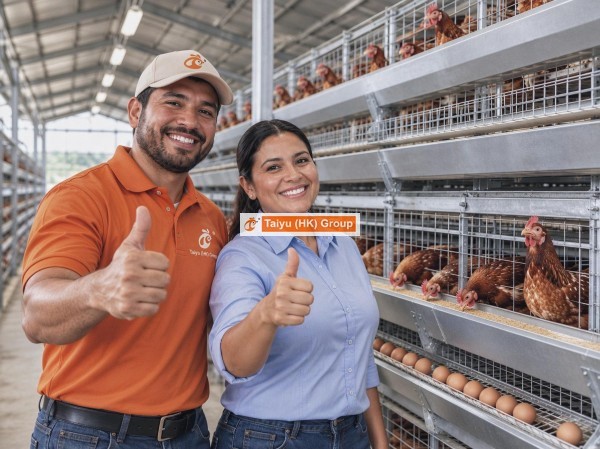
Learn More About Latin America
1. How Much Land Can You Save? 2X–3X Higher Stocking Density
The advantage of battery cage layouts is most visible in land efficiency.
Traditional floor housing normally accommodates 6–8 layers per square meter, while multi-tier cage systems reduce individual cage area to 418–488 cm² per bird and raise capacity by 2–3 times on the same building footprint.
A 500 m² house can move from roughly 3,000–4,000 floor-raised layers to 9,000–12,000 caged layers with a properly engineered 4-tier layout.
Higher density can reduce land lease and civil-construction costs by more than 60% per unit of egg output.
A practical structural parameter is 418–488 cm² per hen, with cage-row spacing of 1.2–1.7 m and walkway width of 1.2–1.7 m for inspection and equipment access.
In a 60 m × 12 m house, a 4-tier system can be arranged to accommodate approximately 10,000–12,000 layers while retaining service aisles and ventilation clearance.
The advantage of battery cage planning is therefore not only bird capacity, but also predictable traffic flow, manure routing, egg collection, and future expansion.
Client:
My land area is fixed at 500 square meters, and I want to double my egg output without buying new land. Can this system fit?
Taiyu Group (HK)
Yes! By switching from floor housing to a 4-tier battery cage layout, your 500㎡house can easily triple its capacity. Send us your house length and width, and our engineers will draw a free 2D floor plan for you.
2. Tired Of Wasted Feed? Save 5–10g Per Bird Daily With Scientific Troughs
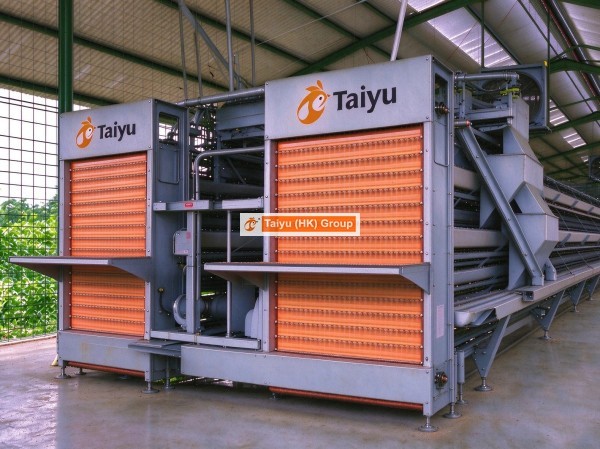
Another advantage of battery cage systems is precise feed control.
Inside cages, hens expend less energy on unnecessary movement, while raised rolled-edge troughs reduce feed scratching, spillage, and contamination.
Each layer can save 5–10 g of feed daily through reduced spillage and more controlled feeding.
For a 10,000-bird flock, a 7 g daily saving equals approximately 25.5 metric tons of feed saved each year.
A well-managed cage system can target a feed conversion ratio (FCR) of 1.85–2.0, although actual results depend on breed, feed formulation, egg size, climate, and flock health.
FAO reports that confined hens fed a balanced diet convert approximately 2.8 kg of feed into 1 kg of egg weight, illustrating why feed management remains central to layer profitability.
Recommended trough depth is 80–110 mm, with a feed level controlled at approximately one-third of trough capacity to limit waste.
Client:
Feed accounts for 75% of my farm expenses, and birds throw feed everywhere on the floor. How much money does the cage trough actually save?
Taiyu Group (HK)
For a 10,000-bird farm, saving just 7 grams per bird daily equals 25.5 tons of feed saved every year—that alone pays for a huge part of the cages! Want us to calculate your annual feed savings based on your local feed price?
Planning a poultry farm expansion? Get professional guidance to support your next stage of business growth. WhatsApp to +8618830120193.
3. Why Do Caged Hens Have Lower Mortality? Total Manure Separation & Disease Control
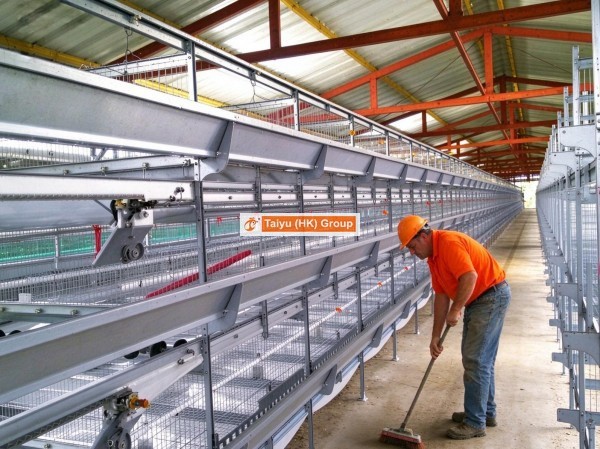
A further advantage of battery cage production is the separation of birds from accumulated droppings.
Manure passes through the cage floor into collection belts or scraper channels, reducing direct contact between hens and feces and supporting a stronger biosecurity program.
Cage systems can reduce mortality associated with coccidiosis, colibacillosis, and parasitic pressure from 8%–12% in floor systems to 2%–4% when cleaning, ventilation, vaccination, and water hygiene are properly managed.
Continuous manure removal limits ammonia accumulation, fly breeding, and reinfection cycles.
A practical ventilation parameter is 0.8–1.2 m/s air velocity during tunnel ventilation, with ammonia maintained below 15–20 ppm at bird level.
Manure belts should be operated at scheduled intervals, commonly every 24–72 hours depending on bird density, humidity, and manure moisture.
WOAH guidance emphasizes effective cleaning, disinfection, pest control, controlled entry, and safe manure removal as core poultry biosecurity measures.
The advantage of battery cage manure separation is strongest when combined with dry litter-free aisles, sealed feed storage, footbaths, and controlled visitor access.
Client:
Coccidiosis wipes out hundreds of my birds every rainy season, and medicine costs are skyrocketing. How fast does manure separation solve this?
Taiyu Group (HK):
Immediately upon housing. Because birds never touch their droppings, parasitic outbreaks drop by over 35%, keeping your flock healthy without heavy medication. Let us know if you prefer belt manure removal or scraper systems.
4. Want 95% Peak Laying Rate & Clean Eggs? Automated Egg Collection & Gentle Slope Design
The advantage of battery cage designs also appears in egg quality and collection efficiency.
Balanced lighting, clean water, accurate feeding, and stable environmental conditions support peak laying rates of 90%–95%, while sloped flexible mesh floors move eggs away from hens immediately after laying.
Bottom mesh made from elastic hot-dip galvanized steel wire cushions eggs and reduces impact damage.
A 7–8 degree slope allows eggs to roll gently into external collection troughs or conveyor lines.
Broken-egg rates can be kept below 1%, compared with higher losses commonly seen in manual floor collection.
Clean eggs reduce the need for secondary washing, preserving shell quality and reducing water and labor consumption.
A practical lighting parameter is 16 hours of light per day during peak production, with 20–25 lux measured at feeder level.
In a 20,000-bird flock producing 18,000 eggs daily, reducing breakage from 8% to below 1% protects approximately 1,260–1,400 eggs per day from downgrade or loss.
The advantage of battery cage egg handling becomes especially valuable for farms supplying supermarkets, grading stations, bakeries, and export-oriented packing lines.
Client:
My workers break or crack nearly 8% of eggs during manual collection, and dirty eggs sell for a lower price. Will wire cages crack the eggs?
Taiyu Group (HK):
Not at all! Our flexible hot-dip galvanized bottom mesh cushions the egg and rolls it gently to the front tray, keeping breakage under 1% and shells spotless. Ask us for a close-up video of our egg-rolling test!
5. Struggling With High Labor Costs & Farm Theft? Automated Systems & Grid Inventory Control
The advantage of battery cage automation is operational control.
Automatic feeding trolleys, nipple drinking lines, manure belts, and egg-collection systems allow one worker to manage 20,000–50,000 layers with less physical labor and more consistent daily routines.
Automation can reduce labor requirements by 60%–70% compared with manually managed floor systems.
Fixed cage groups of 3–4 birds make daily egg counting, weak-bird identification, treatment records, and theft prevention easier.
A 40,000-bird farm can be divided into clearly numbered rows, tiers, and cage sections for rapid production tracking.
A practical automation parameter is a feeding-trolley travel speed of 4–8 m/min, delivering feed uniformly along each cage row.
Nipple drinker spacing of 20–25 cm per bird position supports adequate water access without excessive spillage.
The advantage of battery cage grid management is particularly useful for farms facing unreliable labor availability, high turnover, or complex multi-house production.
Client:
Reliable farm workers are hard to find, and counting 10,000 birds on the floor is impossible. How easy is daily management with cages?
Taiyu Group (HK):
Every cage holds an exact number of birds, so checking flock health, egg output, and inventory takes minutes instead of hours. Would you like to compare manual vs. semi-automatic labor requirements?
Make your poultry investment smarter with professional planning, efficient management, and long-term development strategies. WhatsApp to +8618830120193.
6. Battery Cage Vs. Deep Litter Vs. Free-Range: Complete Performance Comparison
The advantage of battery cage systems becomes clearer when compared with deep litter and free-range production.
Cage systems generally deliver higher density, cleaner eggs, lower feed waste, and easier flock monitoring, while free-range systems require more land and expose birds to greater weather, predator, and disease-management variables.
Data is for reference only. Swipe horizontally to view full table.
Client:
The numbers look great, but how do I know these figures apply to my specific farm budget and local egg prices?
Taiyu Group (HK):
These averages come from real client production logs across 40+ countries. Share your local egg tray price and feed cost per ton—we will run a custom ROI spreadsheet for your farm!
Data is based on more than 20 years of after-sales follow-up records collected by Taiyu Group (HK).
7. Scalable Equipment Solutions: From 1,000 To 100,000+ Birds (A-Type & H-Type Configurations)
The advantage of battery cage equipment is scalability.
A farm can begin with a compact A-type configuration and expand into fully automated H-type multi-tier systems without abandoning the basic production logic of standardized cages, controlled feeding, and separated manure handling.
1,000–2,000 birds (Family start-up type): 3–4 tier A-type step cages, automatic nipple drinking, and manual feeding provide a low-entry route to early cash flow.
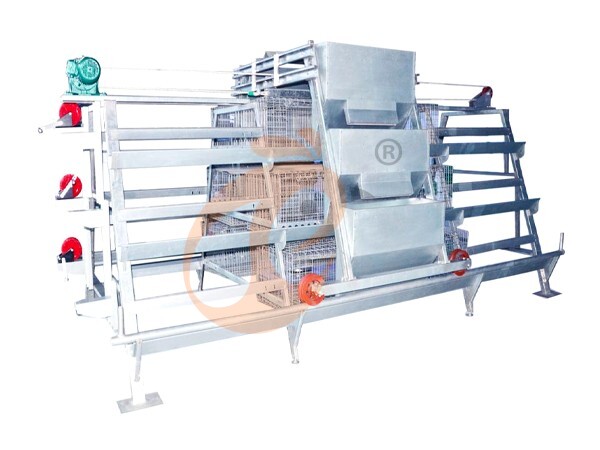
5,000–10,000 birds (Commercial growth type): 4-tier A-type cages, trolley feeding, and scraper manure removal form a cost-efficient standard configuration for a 10,000-bird installation.
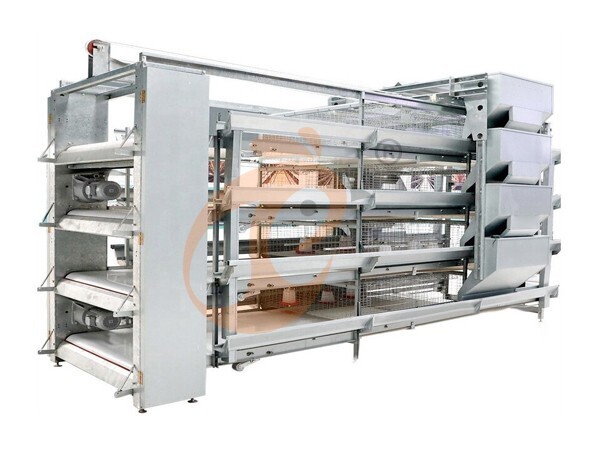
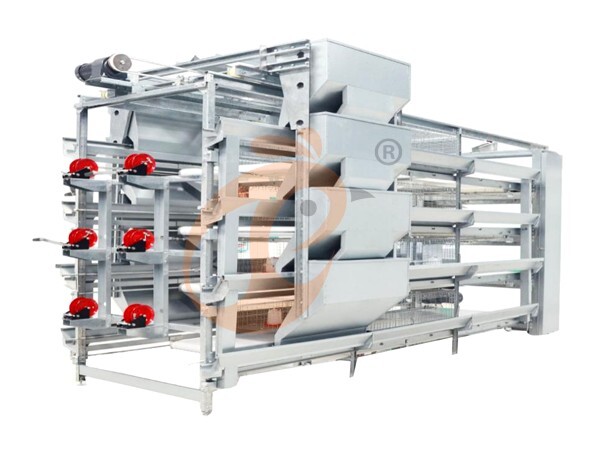
20,000–50,000 birds (Medium-scale automation): 4–5 tier H-type stacked cages, belt manure removal, automatic egg collection, and evaporative cooling create a balanced mid-size commercial system.
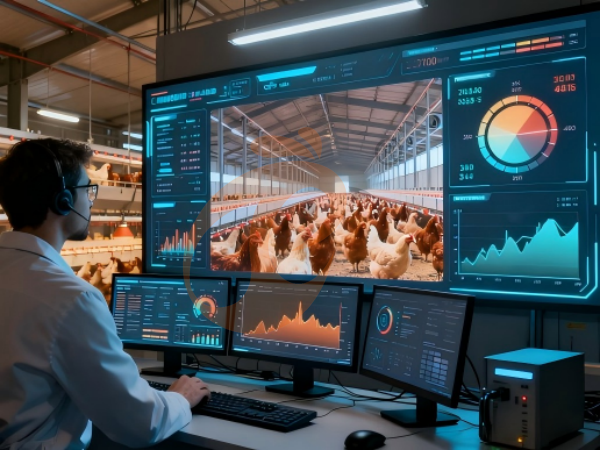
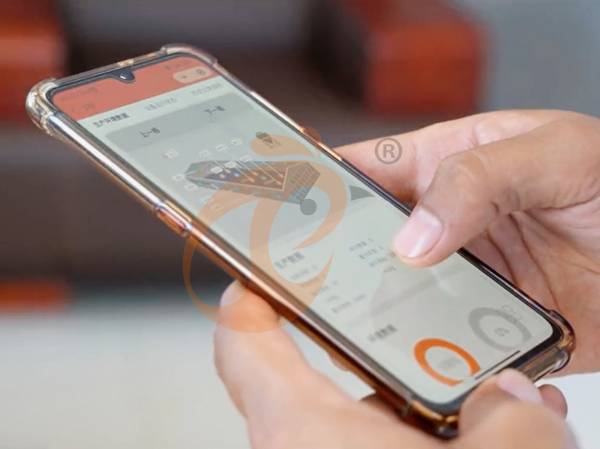
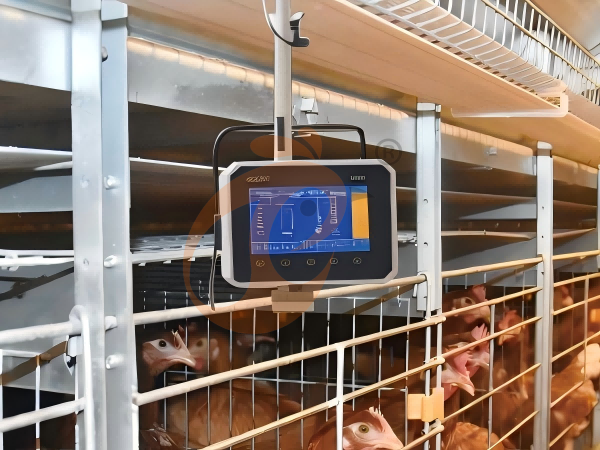
100,000+ birds (Large industrial turnkey project): 6–16+ tier fully automatic H-type cage groups, central egg-conveying lines connected to grading and packing equipment, IoT environmental control, and organic fertilizer fermentation lines support industrial-scale operations.
A practical expansion parameter is reserving 15%–20% spare electrical capacity, 10%–15% spare water capacity, and 1.5–2.0 m service aisles for future automation upgrades.
In a 100,000-bird project, central egg collection can reduce daily manual egg handling from several hours to less than one hour per production shift.
Client:
I plan to start with 5,000 birds this year and expand to 20,000 birds within two years. Should I buy A-type or H-type cages now?
Taiyu Group (HK):
Start with our modular 4-tier A-type system for 5,000 birds—you can add automatic feeding trolleys later or replicate identical rows for 20,000 birds without changing your building structure. Tell us your target bird count to get the matching equipment quote!
8. Taiyu (HK) Group - One Of China Largest Battery Cage System Manufacturer
1. Global Service Network
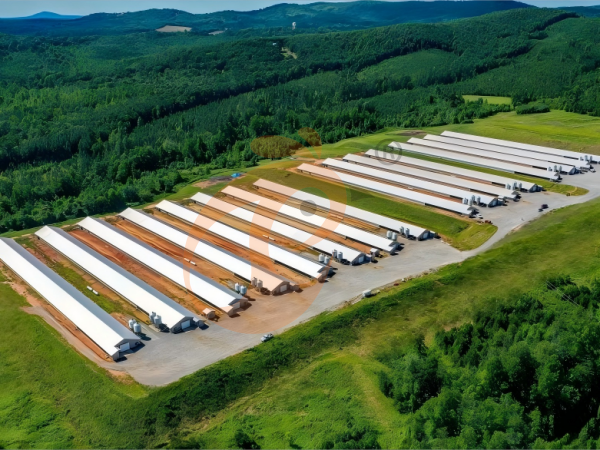
Headquartered in Hong Kong, with branches and factories in China, Vietnam, Thailand, Nigeria, Kenya, Ethiopia, and Tanzania, providing more localized project and after-sales support.
2. International Quality Standards
Strict quality control and double inspections. Certifications and export documents include CE, SGS, ISO 9001, CCVO, PVOC, SONCAP, COC, ECTN, FORM A/F/M, and more.
3. One-to-One VIP Service
Dedicated account managers provide customized farm designs, equipment configurations, and quotations for projects ranging from 500 to 100,000+ birds per house.
4. Lifetime After-Sales Service
Installation guidance, equipment commissioning, operator training, remote technical support, spare parts supply, and ongoing maintenance.
9. Contact Us To Received Your Customized Poultry Farm Plan
Headquarters And Branchs
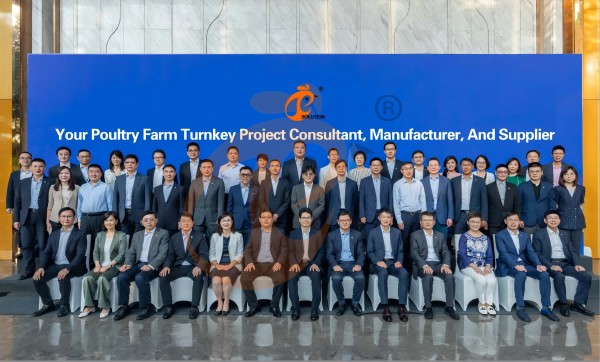
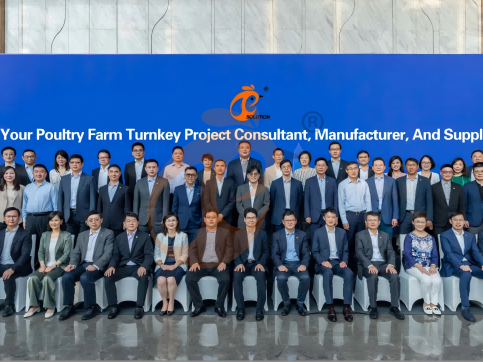
Hong Kong Headquarter Management Team
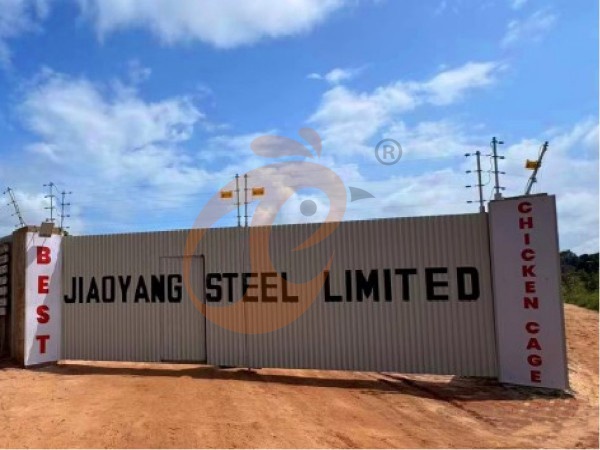
Hong Kong Headquarter Taiyu Industrial Group CO., LTD
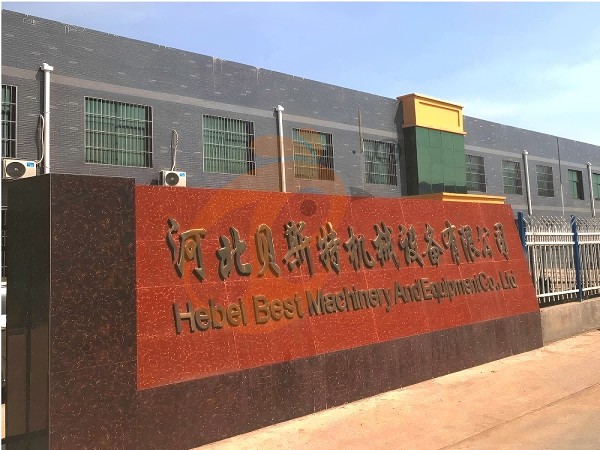
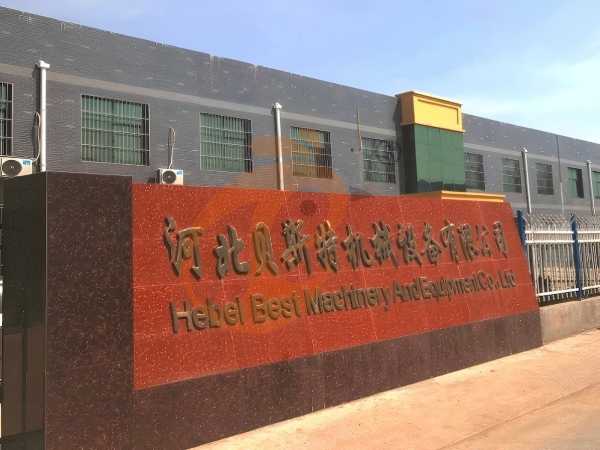
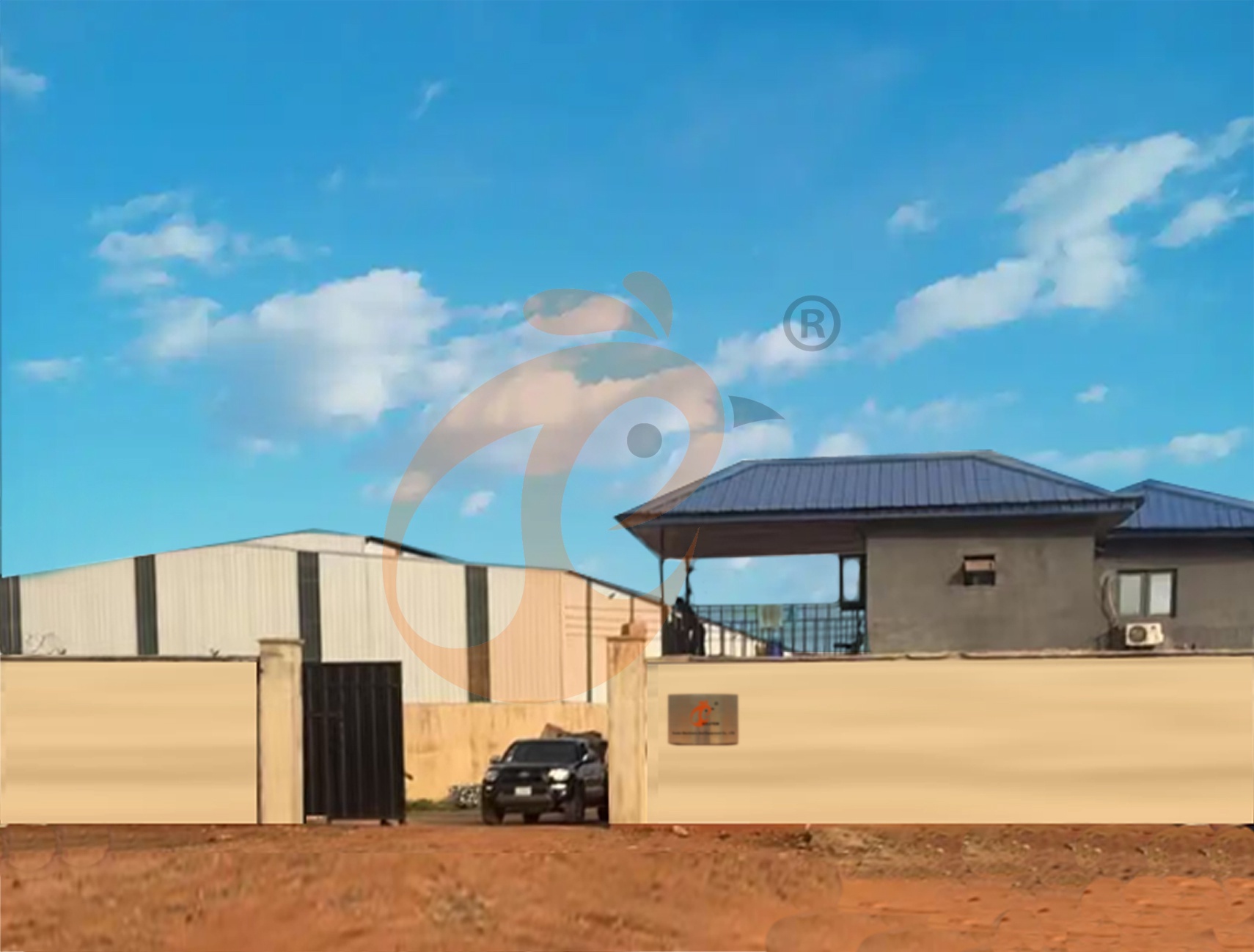
China Hebei Best Machinery And Equipment CO., LTD
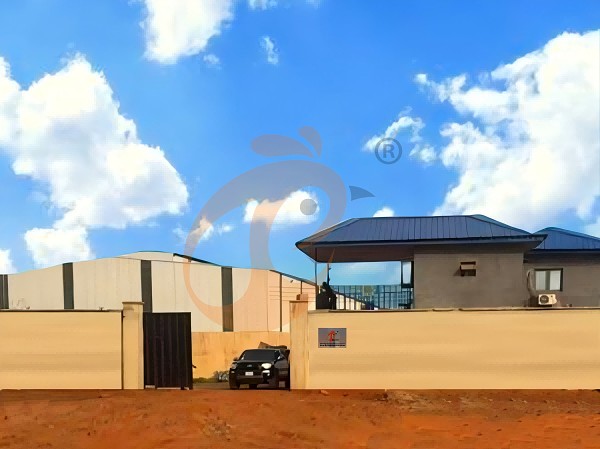
Nigeria Vanke Machinery And Equipment CO., LTD
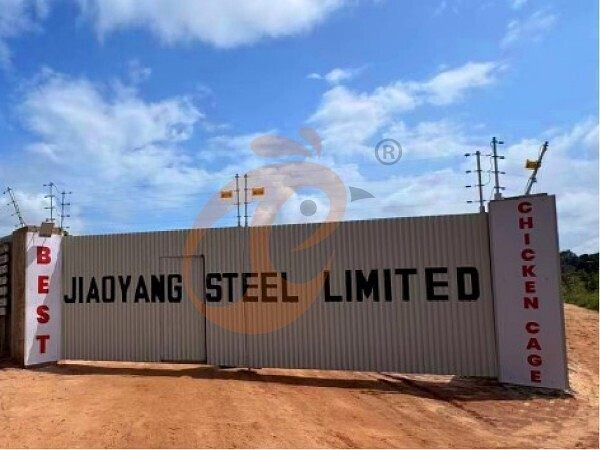
Tanzania Best Machinery And Equipment CO., LTD
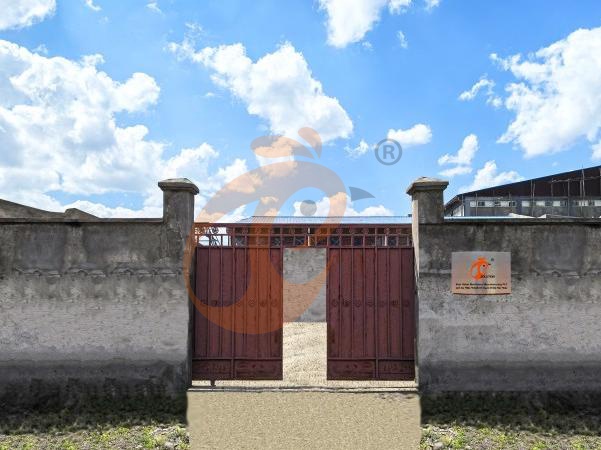
Ethiopia Best Hebei Machinery Manufacturing PLC
Reception /24 WhatsApp NO. : +8618830120193
FAQ
Message
Products recommended
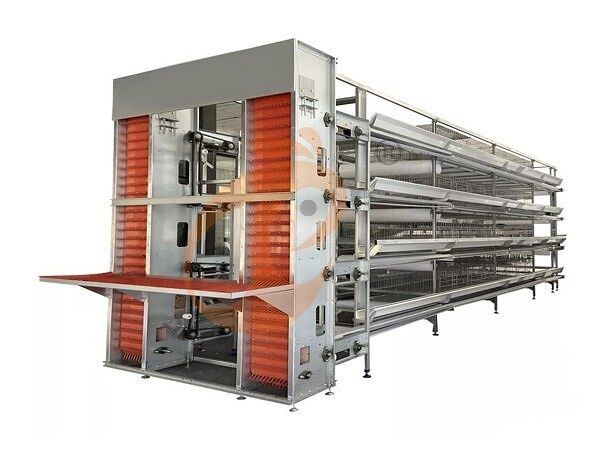
 Automatic H Type Battery Cage System1. For 30,000–1,000,000+ layer farmers.
2. Contains 30,000-100,000 chickens a house.
3. Makes feed utilization >98%, egg production rate 96%-99%, egg broken rate<0.3%.
4. Certificate: CE, SGS, PC, ISO 9001, SONCAP, PVOC,COC, OC, FORM M/A/F, CO and so on .
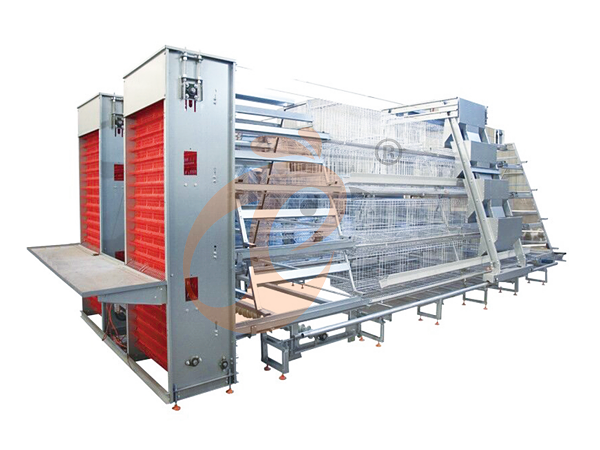
5. 24-hour online support: What'sApp +8618830120193. Automatic A Type Battery Cage For Layers1. For 5,000–30,000+ layer farmers.
2. Contains 30,000-100,000 chickens a house.
3. European standard automatic A type battery cage for layers.
4. Certificate: CE, SGS, PC, ISO 9001, SONCAP, PVOC,COC, OC, FORM M/A/F, CO and so on .
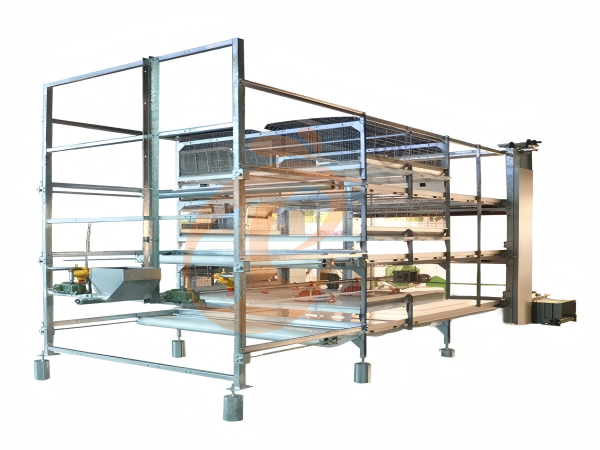
5. 24-hour online support: What'sApp +8618830120193. >30,000 Pullets Automatic H Type Battery Cage1. More than 30,000 pullets a house, choose it.
2. It is designed to rearing older than 1 day old pullets to 12 to 16 weeks old chicken starting laying eggs.
3. Its lifespan is more than 25 years.
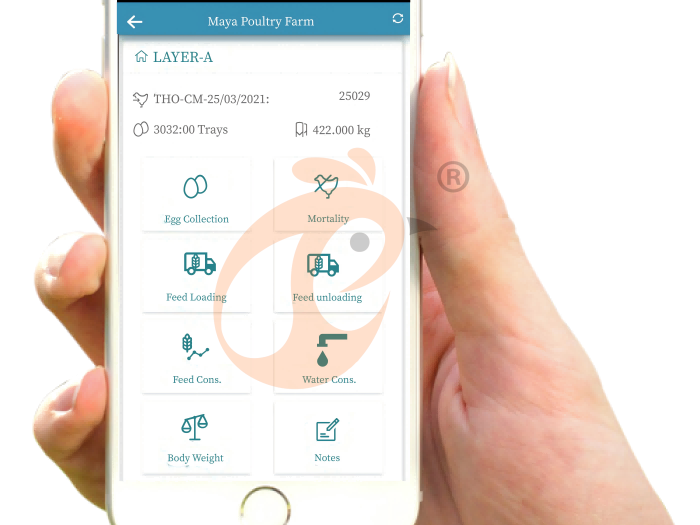
4. Its structure are Vcloud artificial intelligent fusion, electric control cabinet, automatic equipment of drinking, feeding, manure clean, manual harvesting.
5. Our 24 hour online reception What’sApp NO. is +8618830120193 <30,000 Pullets Automatic A Type Battery Cage1. 10,000 to 30,000 pullets a house, choose it.
2. It is designed to rearing older than 1 day old pullets to 12 to 16 weeks old chicken starting laying eggs.
3. Its lifespan is more than 25 years.
4. Its structure are Vcloud artificial intelligent fusion, electric control cabinet, automatic equipment of drinking, feeding, manure clean, manual harvesting.
5. Our 24 hour online reception What’sApp NO. is +86 18830120193. >30,000 Broilers Semi-Automatic Harvest H Type Battery Cage1. More than 30,000 broilers a house, choose it.
2. It is designed to rearing 1 to 45 day old adult broiler ready for market.
3. Its lifespan is more than 20 years.
4. Our 24 hour online reception What’sApp NO. is +8618830120193, +234 8111199996. >30,000 Broilers Manual Harvest H Type Battery Cage1. More than 30,000 broilers a house, choose it.
2. It is designed to rearing 1 to 45 day old adult broiler ready for market.
3. Its lifespan is more than 20 years.
4. Its structure are Vcloud artificial intelligent fusion, electric control cabinet, automatic equipment of drinking, feeding and manure clean, manual harvesting.
5. Our 24 hour online reception What’sApp NO. is +8618830120193, +234 8111199996. <30,000 Broilers Manual Harvest A Type Battery Cage1. Less 30,000 broilers a house, choose it.
2. It is designed to rearing 1 to 45 day old adult broiler ready for market.
3. Its lifespan is more than 20 years.
4. Its structure are Vcloud artificial intelligent fusion, electric control cabinet, automatic equipment of drinking, feeding and manure clean, manual harvesting.
5. Our 24 hour online reception What’sApp NO. is +8618830120193, +234 8111199996. HK Headquarter Offers EU-standard Poultry Farm Solutions, Manufacture Poultry Farm Equipment1. Continuous communication with the EU and the US
2. China, Nigeria, Ethiopia, Tanzania branch companies and factories
3. The products’ quality is customized for local poultry farms
4. Poultry cage and poultry farm equipment stock for sale
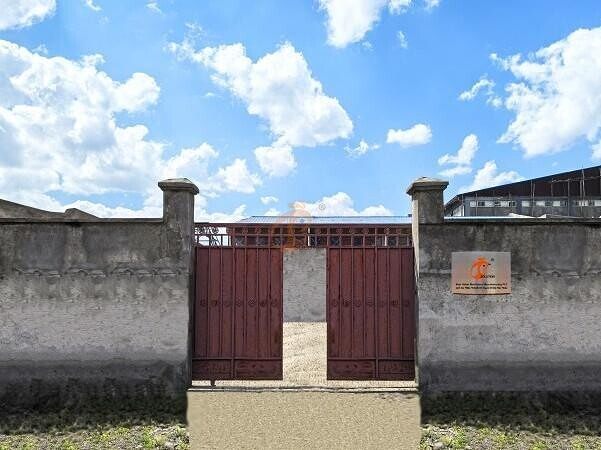
5. 24 online reception Whatsapp NO. : +8618830120193,contact us to get full information China Branch Offer Poultry Farm Business Plan, Manufacture Poultry Farm Equipment1. Address: Flat/RM 2416, 24/F, Runxing Building, Youyi Nan Street, Shijiazhuang City, Hebei Province, China
2. Poultry cage and poultry farm equipment factory and stock for sale
3. Customized for local poultry farms
4. Quality and design are based on Euro
5. 24 online reception Whatsapp NO. : +8618830120193 Nigeria Branch Offer Poultry Farm Business Plan, Manufacture Poultry Farm Equipment1. Address: After Sinoma Office, 200 Meters Near Danco Filling Station, Lagos/Ibadan Expressway, Lagos State, Nigeria
2. Poultry cage and poultry farm equipment factory and stock for sale
3. Customized for Nigerian poultry farms
4. Quality and design are based on Euro
5. 24 online reception Whatsapp NO. : +8618830120193 Ethiopia Branch Offer Poultry Farm Business Plan, Manufacture Poultry Farm Equipment1. Address: Gelan Gura, Akaki-kaliti Sub City, Addis Ababa, Ethiopia
2. Poultry cage and poultry farm equipment stock for sale
3. Customized for Ethiopian poultry farms
4. Quality and design are based on Euro
5. 24 online reception Whatsapp NO. : +8618830120193, contact us to get price list Tanzania Branch Offer Poultry Farm Business Plan, Manufacture Poultry Farm Equipment1. Address: No.8, Sova Road, Msufini, Mlandizi, Kibaha, Pwani, Tanzania
2. Poultry cage and poultry farm equipment factory and stock for sale
3. Customized for Tanzanian poultry farms
4. Quality and design are based on Euro
5. 24 online reception Whatsapp NO. : +8618830120193

Contact