


Blog
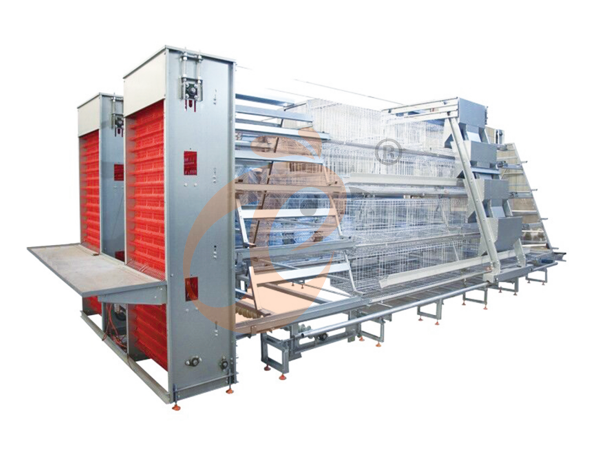
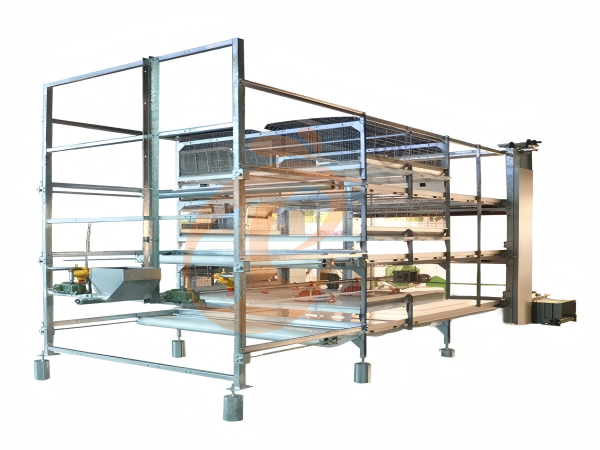
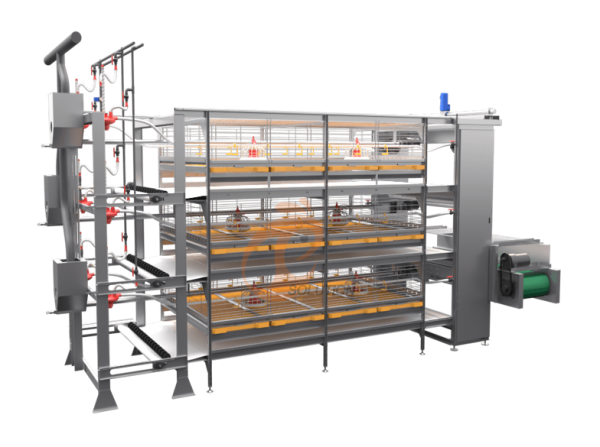
- A type chicken cage system combines practical housing, feeding, drinking, egg handling, and manure management for modern layer farms.
Automatic poultry feeding systems help organize feed delivery while reducing repetitive handling across expanding poultry houses.
Automatic egg collection systems connect cage rows with centralized collection points for more structured daily workflows.
Automatic manure removal systems support scheduled waste handling and cleaner equipment management across different production scales.
- From small farms to commercial projects, A type chicken cage system can be configured around flock targets, building dimensions, automation requirements, and expansion plans.
Get professional poultry farm construction guidance, equipment selection solutions, and the latest price lists, whatsApp to +8618830120193, click to learn more:
Why A Type Chicken Cage System Fits Different Farm Plans
Choosing an A type chicken cage system should start with the farm's production plan rather than simply the purchase price.
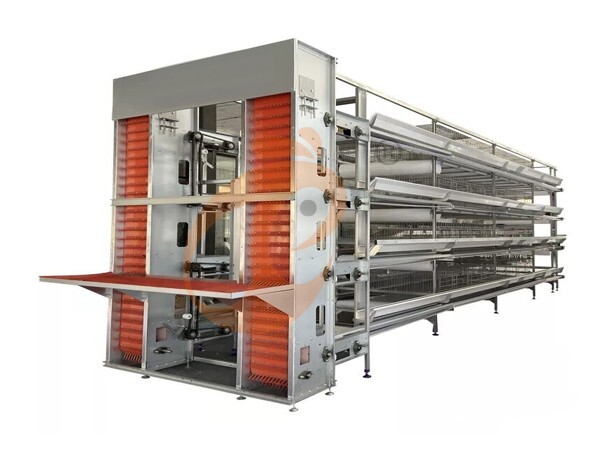
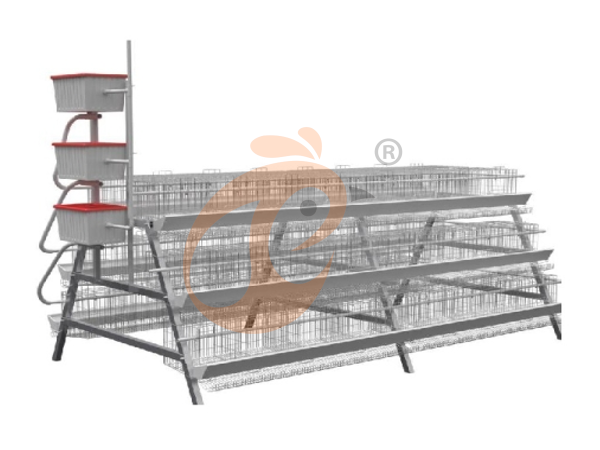
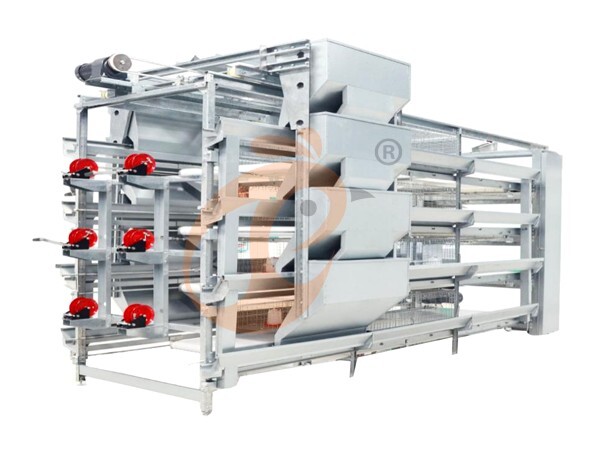
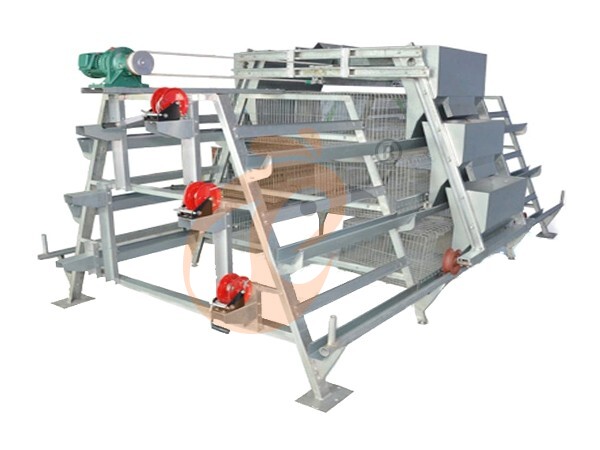
An A type chicken cage system uses an inclined, ladder-style frame to arrange cages on multiple levels, making an A type layer cage suitable for projects where house space needs to be organized efficiently.
Typical A type configurations use 3–4 tiers, while complete systems can combine feeding, drinking, manure removal, egg collection, and environmental control.
For a new poultry project, the equipment supplier should calculate the cage layout together with the building dimensions.
A commercial house may be designed around a 4.0 m internal clear height, allowing equipment installation, ventilation, inspection, and future maintenance to be considered before construction starts.
Select Cage Capacity From The Bird Population
Data is for reference only.Swipe horizontally to view full table.
The first smart choice is to match A type chicken cage system configuration with the target flock size.
Published A type specifications commonly cover approximately 90–160 birds per set, giving farm owners several configurations for different house plans.
Instead of purchasing equipment only for today's flock, an A type layer cage project can calculate required cage quantities from the planned production target and house layout.
A project designed for 10,000 laying hens can be divided into standardized cage rows to simplify installation, feeding, egg collection, and manure removal.
Choose The Right Cell Configuration
Data is for reference only.Swipe horizontally to view full table.
Cell configuration affects how birds are distributed within every A type chicken cage system section.
Available A type designs use different cell dimensions and bird quantities, allowing A type layer cages to match different laying-hen management plans.
For example, a cage with a 430 mm cell length provides a different internal arrangement from a 370 mm configuration.
When customers provide breed information, target bird weight, and feeding requirements, equipment selection can be matched with the project instead of applying one standard model to every farm.
Build The Feeding System Around Daily Consumption
Feed distribution becomes increasingly important as flock size increases.
A complete A type chicken cage system can use feed troughs, feed hoppers, drive motors, transmission components, and an automatic poultry feeding system to move feed through the house.
Some commercial configurations also specify the installed feeding-machine width during layout design.
For a farm consuming several tonnes of feed each week, manual carrying creates repeated transportation work.
The equipment solution can be configured around a 2.2 kW drive motor, with the feeding line layout calculated according to house length, hopper position, and cage-row quantity.
Combine Egg Collection With The Cage Layout
Data is for reference only.Swipe horizontally to view full table.
Egg collection should be planned at the same time as A type chicken cage system installation.
An automatic egg collection system can reduce repeated manual handling between cage rows and the collection area, particularly when the house contains multiple production lines.
For a project with an egg-transfer distance of approximately 18 m, the conveyor route can be designed before installation so cage rows, transfer points, collection tables, and worker access remain aligned.
Manure Removal: Design The Waste Route Before Installation
Data is for reference only.Swipe horizontally to view full table.
Manure removal is not an accessory that should be considered after the A type chicken cage system is installed.
An automatic manure removal system determines equipment positioning, house exits, transfer points, and cleaning workflow.
For example, a farm with a 60 m poultry house should have the longitudinal manure route planned before cage rows are fixed.
This allows the manure belt, drive unit, cross conveyor, and external collection point to work as one system.
Drinking System: Match Water Delivery To Cage Design
Data is for reference only.Swipe horizontally to view full table.
A stable drinking system is essential because feed, water, and A type chicken cage system management operate as one production chain.
A properly designed system places nipple drinkers along cage rows while allowing pressure regulation and filtration before water reaches the birds.
For a house divided into four water zones, independent pressure regulation can make troubleshooting easier and allow technicians to isolate a section without shutting down the entire drinking network.
Cage Material And Surface Treatment
Data is for reference only.Swipe horizontally to view full table.
Material selection directly affects the usable period of an A type chicken cage system.
Published specifications identify Q195/Q235 steel as common materials for A type cages, while hot-dip galvanizing can use zinc coating levels around 275 g/m².
For farms operating in humid or coastal environments, surface treatment deserves particular attention.
A properly selected galvanized structure can reduce replacement frequency and help protect the investment throughout a planned 10-year production cycle.
Installation Planning: Calculate The Whole House
Data is for reference only.Swipe horizontally to view full table.
An A type chicken cage system quotation without a building layout can lead to incorrect equipment quantities.
Engineering service can convert the customer's house drawing into a cage arrangement, equipment list, and installation plan.
For example, a 60 × 12 m poultry house can be evaluated for row spacing, service passages, feeding equipment, ventilation openings, and manure-transfer routes before manufacturing begins.
This project-based approach is more reliable than selecting cage quantities from bird numbers alone.
What A Complete A Type Chicken Cage Project Can Include
Data is for reference only.Swipe horizontally to view full table.
The value of an A type chicken cage system supplier is not limited to manufacturing cage wire and frames.
A complete project can connect several subsystems into one production workflow, from feed delivery to manure removal.
For a fully integrated farm, the electrical cabinet can be designed with 380 V three-phase power and separated motor circuits, giving each equipment group an identifiable control and maintenance point.
Small Farm Or Large Farm? Use A Different Equipment Strategy
Data is for reference only.Swipe horizontally to view full table.
Approximate cage-set quantity varies according to the selected capacity per set and final layout.
Farm size should determine the level of system integration.
A small A type chicken cage system project may prioritize a straightforward cage installation, while a commercial project may require synchronized feeding, egg collection, manure handling, and environmental control.
For a 20,000-bird project, the equipment design should consider multiple production zones rather than treating the building as one continuous operating area.
This makes commissioning, maintenance, and future expansion easier to organize.
Four Smart Choices For Your A Type Cage Investment
Data is for reference only.Swipe horizontally to view full table.
The right A type chicken cage system is determined by the actual poultry project.
Cage quantity, building dimensions, equipment routes, and automation should be calculated together rather than purchased separately.
Our team can work from your CAD farm drawing, flock target, house dimensions, and automation requirements to prepare a complete equipment proposal.
The quotation can include cage systems, feeding lines, nipple drinking systems, egg collection, manure removal, environmental control, and installation guidance.
Whether your project starts with a small flock or is planned for commercial-scale egg production, equipment should be prepared for the next stage of development.
Send us your farm house dimensions and target number of laying hens, and we can provide an A type chicken cage system configuration, equipment list, and project layout for your farm.
Frequently Asked Questions
Q1: What farm size is suitable for an A type chicken cage system?
An A type chicken cage system can be configured for small projects and commercial farms, with practical layouts beginning around 1,000 laying hens.
Q2: Can an A type chicken cage system include automatic equipment?
Yes.
An A type chicken cage system can integrate automatic poultry feeding, automatic egg collection, manure removal, drinking lines, and environmental controls according to the project configuration.
Q3: How should buyers choose between different A type cage models?
Selection should consider flock size, house dimensions, bird specifications, automation requirements, and expansion plans rather than cage capacity alone.
For example, a project using four cage tiers requires the building height and service layout to be checked before equipment production.
Taiyu (HK) Group - One Of China Toppest A Type Chicken Cage System Manufacturer
A type chicken cage system uses modular multi-tier cage structures and can be engineered with integrated feeding, drinking, egg collection, and manure management for commercial layer projects.
Global factory-direct supply covers complete poultry equipment packages, with component matching, production inspection, export packing, and technical documentation organized under one project workflow.
Turn-key engineering integrates cage layout, feeding lines, drinking systems, egg conveyors, manure equipment, ventilation, electrical control, installation guidance, and commissioning coordination.
Project engineering can be developed from poultry-house drawings, flock capacity, equipment specifications, utility conditions, and regional installation requirements for overseas farm construction.
Factory production supports standardized components, project-based equipment configuration, export logistics, and technical cooperation for distributors, contractors, and poultry-farm investors worldwide.
Contact Us To Received Your Customized Poultry Farm Plan
Headquarters And Branchs

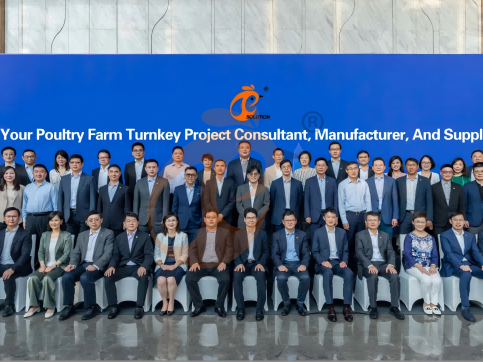
Hong Kong Headquarter Management Team
Hong Kong Headquarter Taiyu Industrial Group CO., LTD
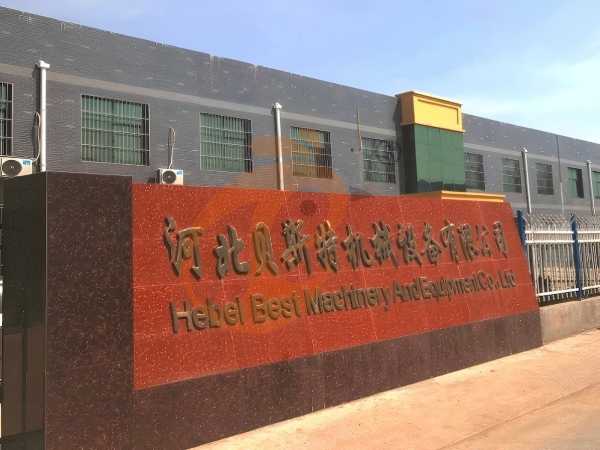
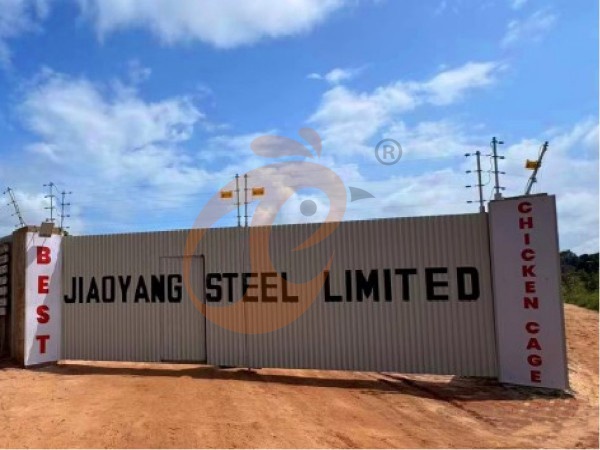
China Hebei Best Machinery And Equipment CO., LTD
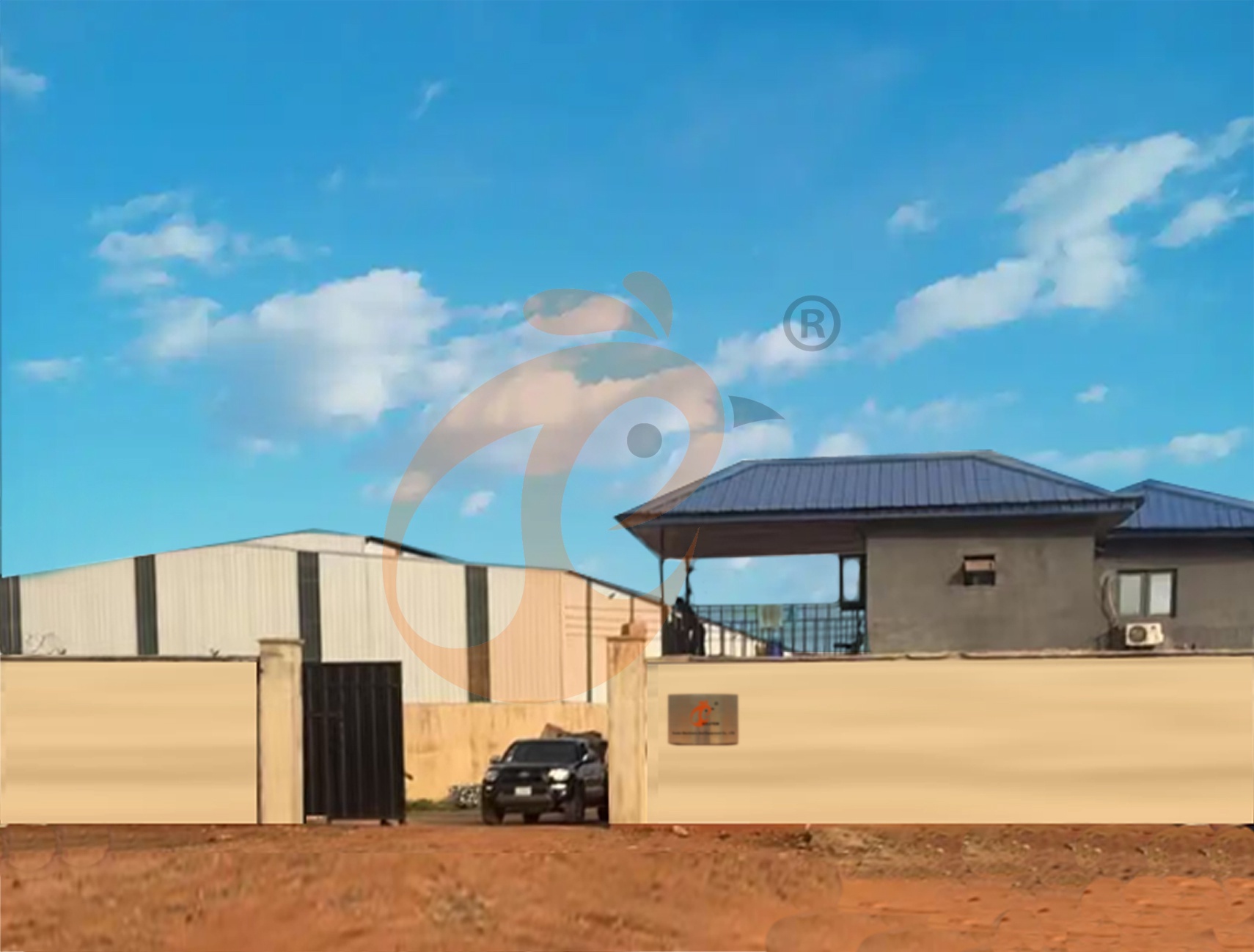
Nigeria Vanke Machinery And Equipment CO., LTD
Tanzania Best Machinery And Equipment CO., LTD
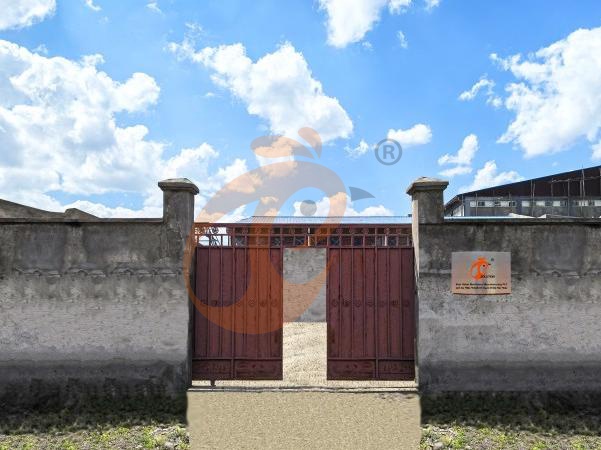
Ethiopia Best Hebei Machinery Manufacturing PLC




Reception /24 WhatsApp NO. : +8618830120193
FAQ
What Are The Recommended Cage Width And Height For A-Type Layer Cage?
Cage width: 2200–2400 mm
Cage depth: 400 mm
Birds per set: 120-200
Egg production rate: 90–96%
How To Improve Feed Efficiency In A-Type Poultry Cage System?
Reduce feed waste
FCR reduced to 1.9–2.2
Egg production rate: 90–96%
Feed waste reduced by 5–10%
How To Implement Egg Collection Automation In A-Type Layer Cage Farm?
Egg breakage rate <1%
Daily egg yield: 900–960 eggs/1,000 birds
Labor savings: 50–70%
Egg production rate: 90–96%
- poultry farm
- layer cages
- chicken cage
- layer cage
- poultry house
- cage
- poultry farm construction
- chicken cage system
- chicken cage system supplier
- chicken cage system manufacturer
- poultry feeding system
- automatic poultry feeding system
- poultry equipment
- manure removal system
- automatic manure removal system
- egg collection system
- automatic egg collection system
- a type layer cage
- chickencage
- bestchickencage
- cage system
- a type chicken cage
- cage systems
- Nigeria
- layer farm
- cage design
- automatic egg collection
- poultry farm plan
- modern layer farm
- poultry feed
- Ethiopia
Message
Products recommended
 >30,000 Pullets Automatic H Type Battery Cage1. More than 30,000 pullets a house, choose it.
2. It is designed to rearing older than 1 day old pullets to 12 to 16 weeks old chicken starting laying eggs.
3. Its lifespan is more than 25 years.
4. Its structure are Vcloud artificial intelligent fusion, electric control cabinet, automatic equipment of drinking, feeding, manure clean, manual harvesting.
5. Our 24 hour online reception What’sApp NO. is +8618830120193 <30,000 Pullets Automatic A Type Battery Cage1. 10,000 to 30,000 pullets a house, choose it.
2. It is designed to rearing older than 1 day old pullets to 12 to 16 weeks old chicken starting laying eggs.
3. Its lifespan is more than 25 years.
4. Its structure are Vcloud artificial intelligent fusion, electric control cabinet, automatic equipment of drinking, feeding, manure clean, manual harvesting.
5. Our 24 hour online reception What’sApp NO. is +86 18830120193. >30,000 Broilers Semi-Automatic Harvest H Type Battery Cage1. More than 30,000 broilers a house, choose it.
2. It is designed to rearing 1 to 45 day old adult broiler ready for market.
3. Its lifespan is more than 20 years.
4. Our 24 hour online reception What’sApp NO. is +8618830120193, +234 8111199996. >30,000 Broilers Manual Harvest H Type Battery Cage1. More than 30,000 broilers a house, choose it.
2. It is designed to rearing 1 to 45 day old adult broiler ready for market.
3. Its lifespan is more than 20 years.
4. Its structure are Vcloud artificial intelligent fusion, electric control cabinet, automatic equipment of drinking, feeding and manure clean, manual harvesting.
5. Our 24 hour online reception What’sApp NO. is +8618830120193, +234 8111199996. <30,000 Broilers Manual Harvest A Type Battery Cage1. Less 30,000 broilers a house, choose it.
2. It is designed to rearing 1 to 45 day old adult broiler ready for market.
3. Its lifespan is more than 20 years.
4. Its structure are Vcloud artificial intelligent fusion, electric control cabinet, automatic equipment of drinking, feeding and manure clean, manual harvesting.
5. Our 24 hour online reception What’sApp NO. is +8618830120193, +234 8111199996. HK Headquarter Offers EU-standard Poultry Farm Solutions, Manufacture Poultry Farm Equipment1. Continuous communication with the EU and the US
2. China, Nigeria, Ethiopia, Tanzania branch companies and factories
3. The products’ quality is customized for local poultry farms
4. Poultry cage and poultry farm equipment stock for sale
5. 24 online reception Whatsapp NO. : +8618830120193,contact us to get full information China Branch Offer Poultry Farm Business Plan, Manufacture Poultry Farm Equipment1. Address: Flat/RM 2416, 24/F, Runxing Building, Youyi Nan Street, Shijiazhuang City, Hebei Province, China
2. Poultry cage and poultry farm equipment factory and stock for sale
3. Customized for local poultry farms
4. Quality and design are based on Euro
5. 24 online reception Whatsapp NO. : +8618830120193 Nigeria Branch Offer Poultry Farm Business Plan, Manufacture Poultry Farm Equipment1. Address: After Sinoma Office, 200 Meters Near Danco Filling Station, Lagos/Ibadan Expressway, Lagos State, Nigeria
2. Poultry cage and poultry farm equipment factory and stock for sale
3. Customized for Nigerian poultry farms
4. Quality and design are based on Euro
5. 24 online reception Whatsapp NO. : +8618830120193 Ethiopia Branch Offer Poultry Farm Business Plan, Manufacture Poultry Farm Equipment1. Address: Gelan Gura, Akaki-kaliti Sub City, Addis Ababa, Ethiopia
2. Poultry cage and poultry farm equipment stock for sale
3. Customized for Ethiopian poultry farms
4. Quality and design are based on Euro
5. 24 online reception Whatsapp NO. : +8618830120193, contact us to get price list Tanzania Branch Offer Poultry Farm Business Plan, Manufacture Poultry Farm Equipment1. Address: No.8, Sova Road, Msufini, Mlandizi, Kibaha, Pwani, Tanzania
2. Poultry cage and poultry farm equipment factory and stock for sale
3. Customized for Tanzanian poultry farms
4. Quality and design are based on Euro
5. 24 online reception Whatsapp NO. : +8618830120193


Contact