


Blog
Pellet machine optimization combines feed preparation, conditioning, compression, and equipment matching for measurable production gains in poultry operations.
Proper particle preparation supports smoother feed pellet machine operation, while controlled process conditions help maintain consistent throughput and pellet quality.
Correct die selection, roller adjustment, and preventive maintenance strengthen poultry feed pellet machine performance while reducing avoidable production interruptions.
Coordinating grinding, mixing, cooling, screening, and packing around chicken feed pellet machine capacity prevents downstream bottlenecks from limiting overall plant output.
- Integrated equipment engineering turns pellet machine capacity into practical production efficiency, supporting scalable poultry feed projects from individual farms to commercial plants.
Get professional poultry farm construction guidance, equipment selection solutions, and the latest price lists, whatsApp to +8618830120193, click to learn more:
Start With The Production System, Not Just The Pellet Mill
Increasing pellet machine output starts with identifying where production capacity is being lost.
A pellet mill may be designed for a specific throughput, but actual results depend on grinding, mixing, conditioning, feeding, pelleting, cooling, screening, and packing.
For poultry feed production, particle preparation is particularly important.
A hammer mill used with a feed pellet machine can produce a mean particle size of approximately 550–1,200 μm, giving the pellet mill a more uniform material stream.
The practical objective is not simply to increase the motor load.
The objective is to maintain continuous material flow so the poultry feed pellet machine can operate without repeated interruptions.
Method 1: Match The Pellet Mill To The Required Capacity
Data is for reference only.Swipe horizontally to view full table.
The first output-improvement decision is equipment sizing.
Published pellet machine specifications show substantial capacity differences between models, so selecting equipment according to the required production target prevents the pellet mill from becoming the bottleneck.
For example, a commercial poultry feed project targeting 15 t/h needs a different equipment configuration from a farm producing 3 t/h.
A properly matched feed pellet machine also makes it easier to coordinate upstream grinding and downstream cooling equipment.
Method 2: Improve Conditioning Before Increasing Feed Rate
The optimization sequence should be
Grinding → Mixing → Steam Conditioning → Pelleting → Cooling → Screening
Conditioning deserves special attention because conditioning changes the physical characteristics of mash before compression.
Steam addition can improve starch gelatinization and pellet formation when temperature, residence time, and moisture are properly controlled.
A commercial feed mill example specifies approximately 45 seconds of conditioner retention time and a discharge temperature of 180°F.
Such conditions demonstrate why conditioning should be engineered as a measurable process rather than treated as simple steam injection for a poultry feed pellet machine.
When upgrading a production line, a chicken feed pellet machine can be configured with multi-stage conditioners and controlled steam injection so material receives more consistent treatment before entering the pellet chamber.
Conditioner Configuration: Where Process Control Creates Capacity
Data is for reference only.Swipe horizontally to view full table.
The conditioner should be selected together with the feed formulation and pellet machine.
Multiple conditioning stages provide additional control when a production line processes different poultry feed formulas.
For example, a 3-stage configuration provides more conditioning space than a single chamber, while multiple steam entry points distribute steam along the material path.
Equipment suppliers commonly offer single-, double-, and triple-layer conditioner configurations for poultry feed applications involving a feed pellet machine.
Method 3: Optimize Die And Roller Configuration
Optimization sequence
Die inspection → Roller inspection → Clearance adjustment → Trial run → Output verification
The die and rollers form the actual compression zone.
If configuration does not match the feed formula, increasing feeder speed can simply increase mechanical resistance instead of producing useful output from the pellet machine.
A useful commissioning approach is to inspect die condition, roller contact, compression behavior, and pellet formation together.
The objective is to create a stable material layer across the die surface rather than forcing material through an unsuitable compression channel.
For poultry feed, different production programs may require different pellet dimensions.
Commercial poultry feed pellet machine equipment can be configured for pellet diameters from 1–12 mm, allowing one machine platform to serve multiple poultry feed applications.
Die And Roller Engineering Parameters
Data is for reference only.Swipe horizontally to view full table.
Die geometry directly influences the available compression area.
Published equipment specifications show effective die widths from 120 mm to 210 mm, while roller diameters vary with machine size.
For customers producing multiple chicken feed formulas, a feed pellet machine can be configured with interchangeable dies and corresponding roller assemblies.
Such configuration allows the same production line to support different pellet specifications without replacing the complete pellet machine.
Method 4: Reduce Mechanical Downtime
Output = Production Time × Actual Throughput
The relationship explains why maintenance can increase annual production without changing the main motor.
A pellet machine loses productive capacity whenever worn rollers, blocked die holes, bearing problems, or feeder interruptions stop operation.
A preventive maintenance program should therefore be connected directly to production planning.
For continuous poultry feed operations, equipment inspection can be scheduled around 10-hour production shifts, with critical transmission and lubrication points checked during planned stops.
Proper maintenance also protects the die, rollers, gearbox, and drive system from premature wear in a chicken feed pellet machine.
Maintenance Parameters For Continuous Operation
Data is for reference only.Swipe horizontally to view full table.
Maintenance specifications should always follow the final equipment design and component manufacturer requirements.
The values above are engineering planning examples and should be confirmed against the selected pellet machine configuration.
A professional poultry feed equipment supplier should provide maintenance guidance together with the feed pellet machine rather than treating after-sales service as a separate issue.
Method 5: Remove Bottlenecks Across The Complete Feed Line
Production flow
Raw Material → Hammer Mill → Mixer → Conditioner → Pellet Machine → Cooler → Screener → Packing Machine
A pellet machine cannot produce more finished feed than surrounding equipment can supply and process.
Consider the production chain as a sequence.
If the hammer mill processes only 4 t/h while the pellet machine is configured for substantially greater production, grinding becomes the production constraint.
The same principle applies to cooling, screening, and packing.
This is why our poultry equipment solutions focus on capacity matching across the complete line instead of selling an oversized poultry feed pellet machine as an isolated product.
Complete Feed Line Equipment Matching
Data is for reference only.Swipe horizontally to view full table.
Capacity matching should be completed during the engineering stage.
A production line is only as effective as its most restrictive processing section.
For a new poultry feed plant, our engineers can calculate equipment configuration according to raw material characteristics, feed formula, production schedule, required automation level, and expansion plans for the pellet machine.
Choose The Pellet Machine Around Your Growth Plan
Data is for reference only.Swipe horizontally to view full table.
Before And After Optimization Checklist
Data is for reference only.Swipe horizontally to view full table.
The key is to measure the production process rather than relying on operator experience alone.
Data from the grinder, conditioner, pellet machine, cooler, and packing system can reveal exactly where throughput is being lost.
A properly integrated control system can display operating conditions through a centralized PLC interface, making it easier for operators to identify changes before they become production interruptions.
Frequently Asked Questions
Q1: What is the fastest way to increase pellet machine output?
Start by locating the actual bottleneck instead of immediately increasing feed rate.
For a pellet machine, checking material preparation, conditioning, die condition, and feeder stability can identify capacity losses before mechanical upgrades are considered.
Q2: Does a larger motor automatically increase pellet machine capacity?
No.
A larger motor does not guarantee higher usable output when grinding, conditioning, cooling, or screening cannot supply and process material at the required rate.
A balanced feed pellet machine system must be engineered around the complete production flow.
Q3: How should a pellet machine be selected for poultry feed?
Selection should consider feed formula, raw material characteristics, target production volume, pellet specification, automation requirements, and factory layout.
For a poultry feed pellet machine, these engineering inputs determine the appropriate machine configuration and supporting equipment.
Taiyu (HK) Group - One Of China Toppest Pellet Machine Manufacturer
Pellet Machine: Ring-die pellet machine configurations cover poultry feed applications with 22–315 kW main-drive options and engineered capacity matching across complete production lines
Global Factory Direct Sales: Taiyu (HK) Group supplies poultry equipment directly from China, integrating grinding, mixing, conditioning, pelleting, cooling, screening, and packing systems for international projects
Poultry Equipment Engineering: Project engineering coordinates poultry equipment specifications, factory layouts, process flow, electrical control, installation interfaces, and commissioning requirements
Turn-key Engineering: Turn-key projects integrate pellet machine selection with complete feed-processing systems, supporting farm expansion, commercial feed plants, and industrial poultry production facilities
Technical Commercial Support: Equipment proposals combine production targets, material characteristics, automation requirements, component specifications, and after-sales technical coordination for international customers
Contact Us To Received Your Customized Poultry Farm Plan
Headquarters And Branchs

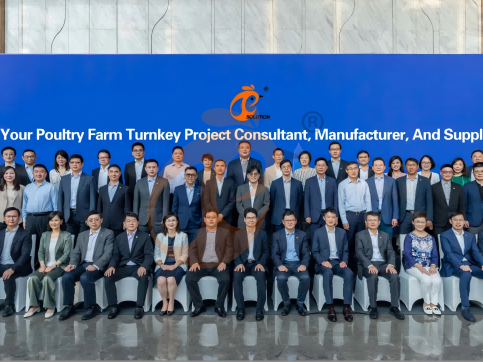
Hong Kong Headquarter Management Team
Hong Kong Headquarter Taiyu Industrial Group CO., LTD
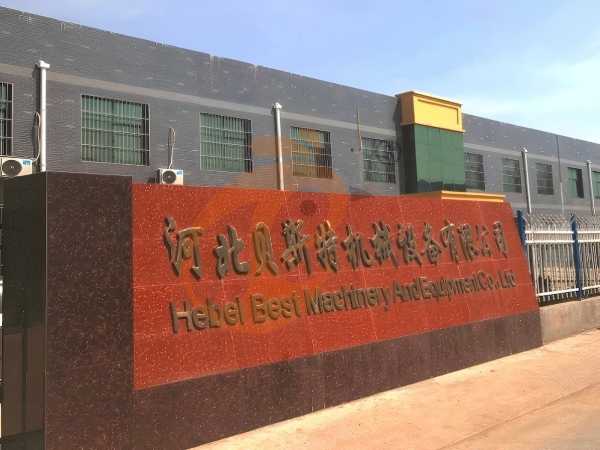
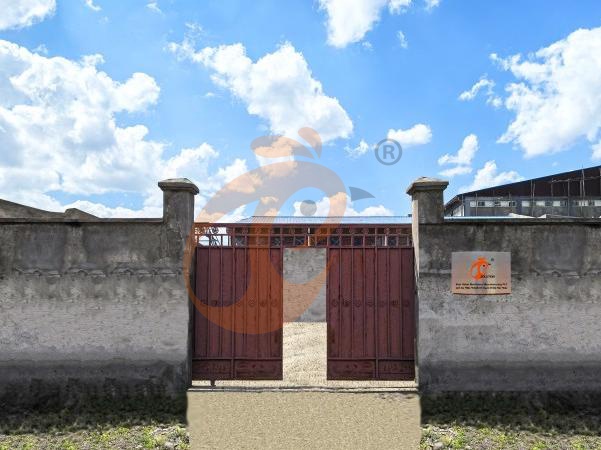
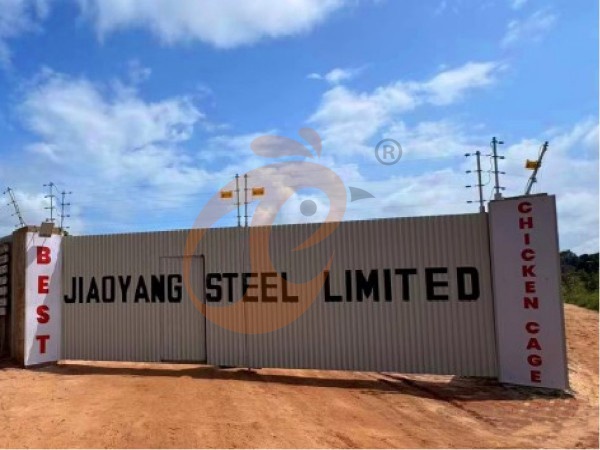
China Hebei Best Machinery And Equipment CO., LTD
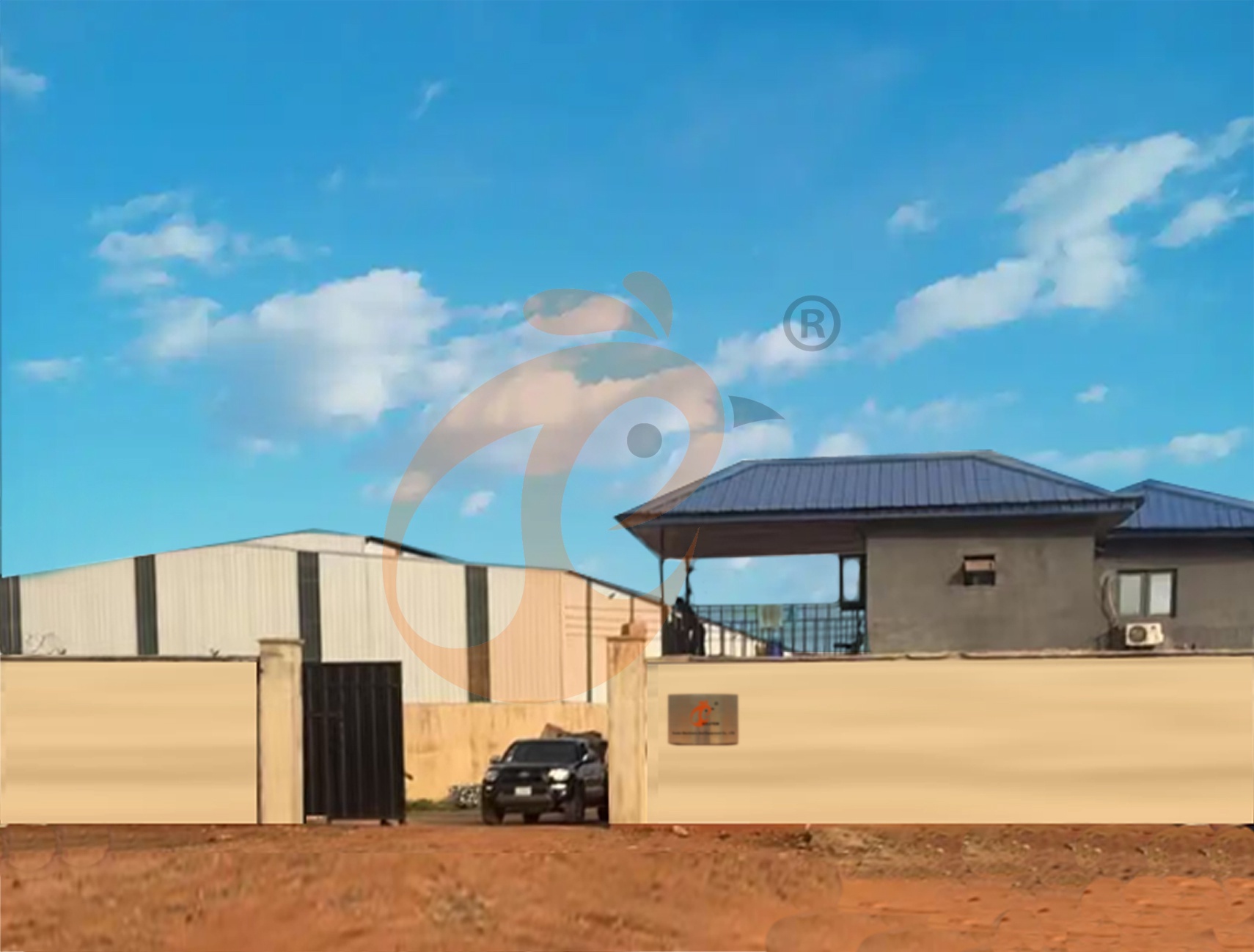
Nigeria Vanke Machinery And Equipment CO., LTD
Tanzania Best Machinery And Equipment CO., LTD
Ethiopia Best Hebei Machinery Manufacturing PLC




Reception /24 WhatsApp NO. : +8618830120193
FAQ
What Feeding System Standards Are Required For Pellet Machine In Poultry Chicken Feed Production Lines?
Feeder capacity is designed at 1.2–2.5 tons per hour depending on raw material density.
Flow consistency deviation is maintained within ±2% for uniform pellet quality output.
What Maintenance And Wear Part Replacement Standards Apply To Pellet Machine?
Bearing replacement intervals typically occur every 12–18 months under continuous operation.
Gearbox oil change frequency is maintained at 1000–1500 operating hours for system reliability.
What Safety Protection Systems Are Integrated In Pellet Machine For Poultry Chicken Feed Production?
Emergency stop response time is maintained within 0.5–1.0 seconds for operational safety.
Vibration monitoring limits are set at 4.5–6.0 mm/s to prevent mechanical failure.
- poultry farm
- pellet machine
- cage
- poultry farm construction
- poultry equipment
- chickencage
- bestchickencage
- Nigeria
- poultry feed equipment
- chicken feed pellet machine
- pellet machine manufacturer
- chicken feed formula
- poultry feed formula
- poultry farm plan
- poultry feed
- chicken feed
- poultry feed production
- poultry feed application
- Ethiopia
Message
Products recommended
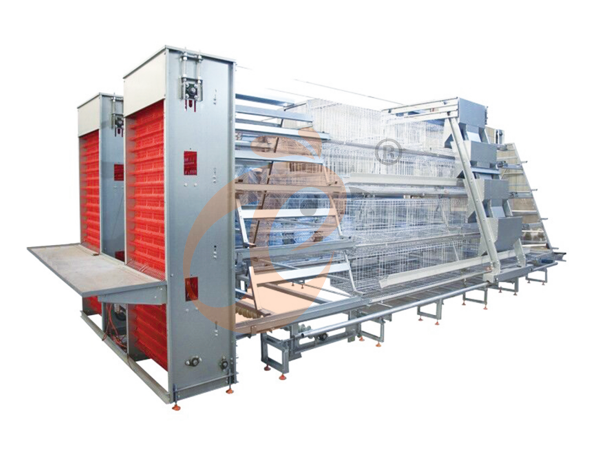
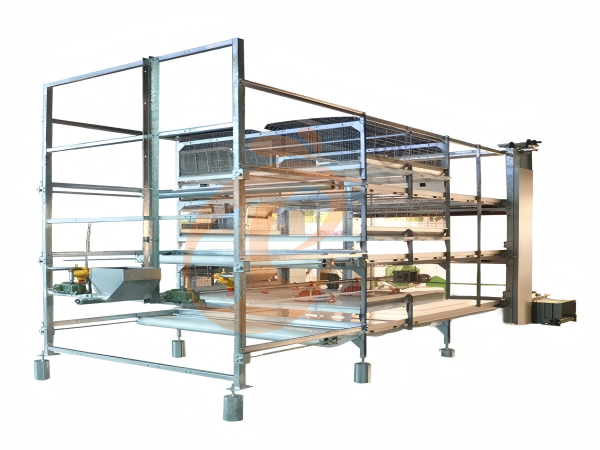
 >30,000 Pullets Automatic H Type Battery Cage1. More than 30,000 pullets a house, choose it.
2. It is designed to rearing older than 1 day old pullets to 12 to 16 weeks old chicken starting laying eggs.
3. Its lifespan is more than 25 years.
4. Its structure are Vcloud artificial intelligent fusion, electric control cabinet, automatic equipment of drinking, feeding, manure clean, manual harvesting.
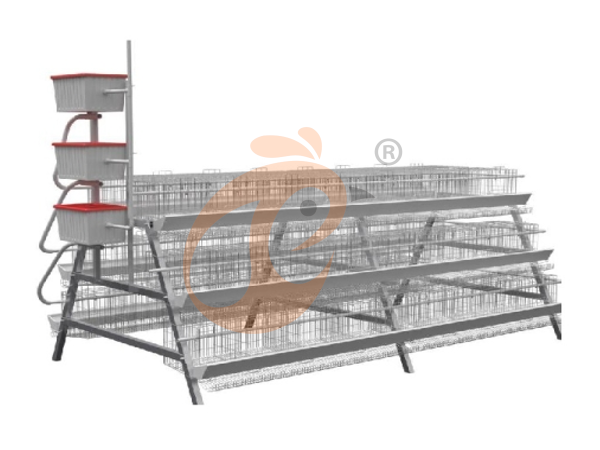
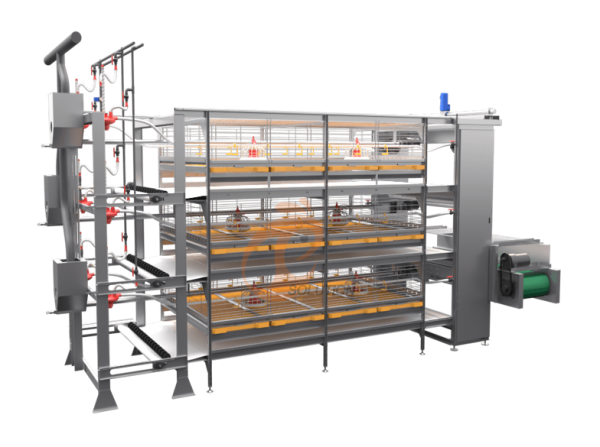
5. Our 24 hour online reception What’sApp NO. is +8618830120193 <30,000 Pullets Automatic A Type Battery Cage1. 10,000 to 30,000 pullets a house, choose it.
2. It is designed to rearing older than 1 day old pullets to 12 to 16 weeks old chicken starting laying eggs.
3. Its lifespan is more than 25 years.
4. Its structure are Vcloud artificial intelligent fusion, electric control cabinet, automatic equipment of drinking, feeding, manure clean, manual harvesting.
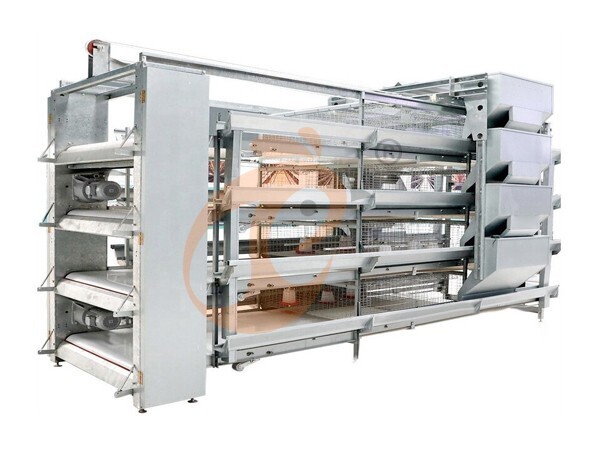
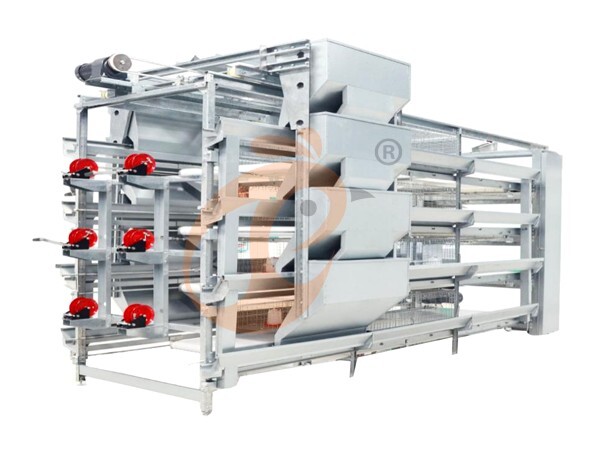
5. Our 24 hour online reception What’sApp NO. is +86 18830120193. >30,000 Broilers Semi-Automatic Harvest H Type Battery Cage1. More than 30,000 broilers a house, choose it.
2. It is designed to rearing 1 to 45 day old adult broiler ready for market.
3. Its lifespan is more than 20 years.
4. Our 24 hour online reception What’sApp NO. is +8618830120193, +234 8111199996. >30,000 Broilers Manual Harvest H Type Battery Cage1. More than 30,000 broilers a house, choose it.
2. It is designed to rearing 1 to 45 day old adult broiler ready for market.
3. Its lifespan is more than 20 years.
4. Its structure are Vcloud artificial intelligent fusion, electric control cabinet, automatic equipment of drinking, feeding and manure clean, manual harvesting.
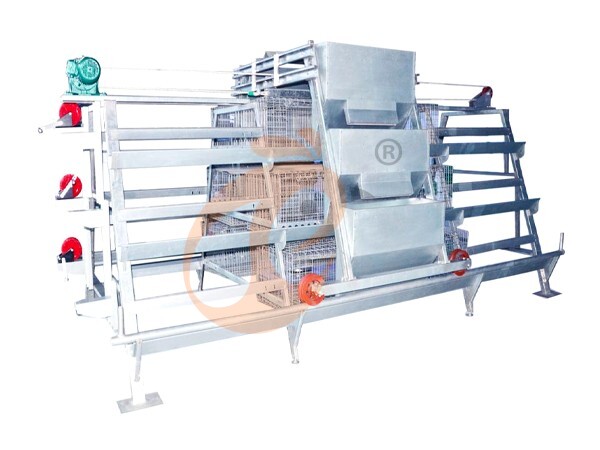
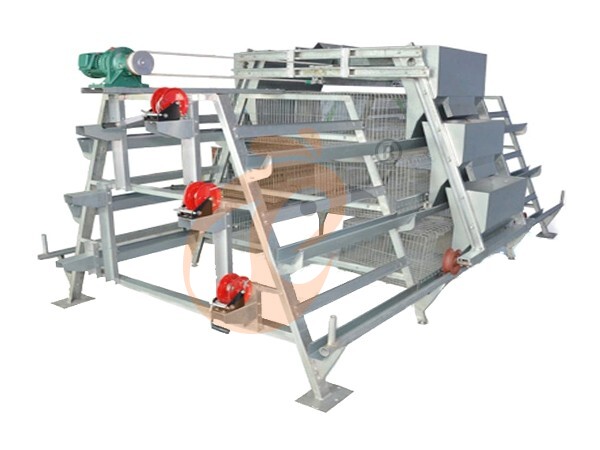
5. Our 24 hour online reception What’sApp NO. is +8618830120193, +234 8111199996. <30,000 Broilers Manual Harvest A Type Battery Cage1. Less 30,000 broilers a house, choose it.
2. It is designed to rearing 1 to 45 day old adult broiler ready for market.
3. Its lifespan is more than 20 years.
4. Its structure are Vcloud artificial intelligent fusion, electric control cabinet, automatic equipment of drinking, feeding and manure clean, manual harvesting.
5. Our 24 hour online reception What’sApp NO. is +8618830120193, +234 8111199996. HK Headquarter Offers EU-standard Poultry Farm Solutions, Manufacture Poultry Farm Equipment1. Continuous communication with the EU and the US
2. China, Nigeria, Ethiopia, Tanzania branch companies and factories
3. The products’ quality is customized for local poultry farms
4. Poultry cage and poultry farm equipment stock for sale
5. 24 online reception Whatsapp NO. : +8618830120193,contact us to get full information China Branch Offer Poultry Farm Business Plan, Manufacture Poultry Farm Equipment1. Address: Flat/RM 2416, 24/F, Runxing Building, Youyi Nan Street, Shijiazhuang City, Hebei Province, China
2. Poultry cage and poultry farm equipment factory and stock for sale
3. Customized for local poultry farms
4. Quality and design are based on Euro
5. 24 online reception Whatsapp NO. : +8618830120193 Nigeria Branch Offer Poultry Farm Business Plan, Manufacture Poultry Farm Equipment1. Address: After Sinoma Office, 200 Meters Near Danco Filling Station, Lagos/Ibadan Expressway, Lagos State, Nigeria
2. Poultry cage and poultry farm equipment factory and stock for sale
3. Customized for Nigerian poultry farms
4. Quality and design are based on Euro
5. 24 online reception Whatsapp NO. : +8618830120193 Ethiopia Branch Offer Poultry Farm Business Plan, Manufacture Poultry Farm Equipment1. Address: Gelan Gura, Akaki-kaliti Sub City, Addis Ababa, Ethiopia
2. Poultry cage and poultry farm equipment stock for sale
3. Customized for Ethiopian poultry farms
4. Quality and design are based on Euro
5. 24 online reception Whatsapp NO. : +8618830120193, contact us to get price list Tanzania Branch Offer Poultry Farm Business Plan, Manufacture Poultry Farm Equipment1. Address: No.8, Sova Road, Msufini, Mlandizi, Kibaha, Pwani, Tanzania
2. Poultry cage and poultry farm equipment factory and stock for sale
3. Customized for Tanzanian poultry farms
4. Quality and design are based on Euro
5. 24 online reception Whatsapp NO. : +8618830120193



Contact