


Blog
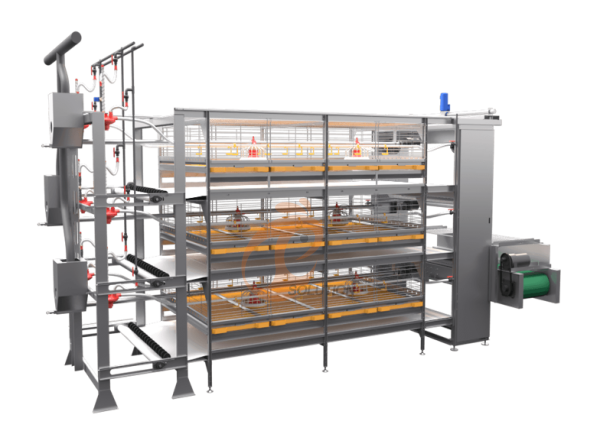
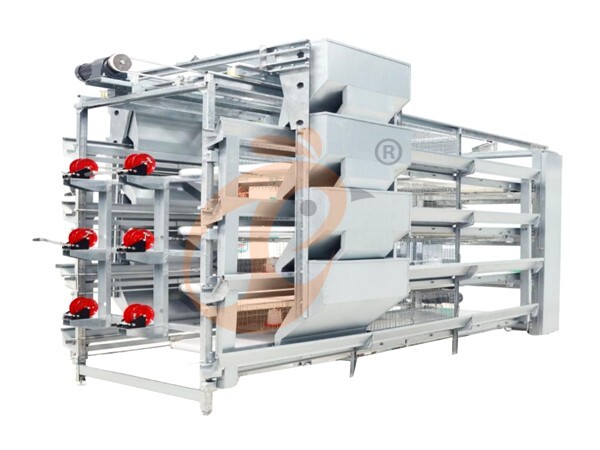
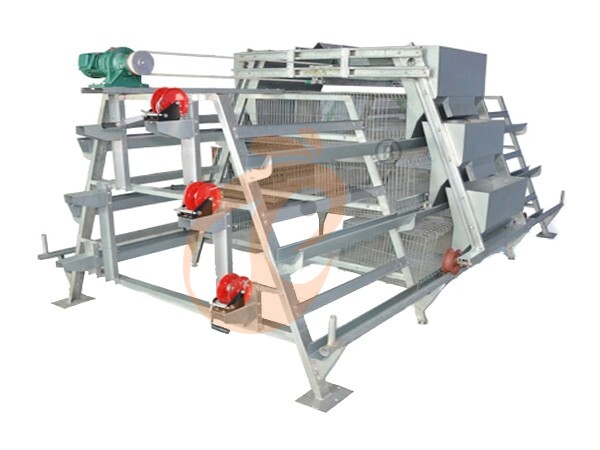
- A practical Battery Cage System Buying Checklist For 2026 helps match cage layout, house size design, automation level, and future expansion plans.
- A well-selected battery cage system in poultry can reduce feed waste by 3%–8%, improve egg collection efficiency by 20%–35%, and lower daily labor demand.
- For new and expanding farms, the right solution should combine cage quality, ventilation planning, manure handling, drinking lines, and service support into one workable project.
As a manufacturer, we focus on land-based poultry house planning, chicken cage layout, and modern recycle farm design to help buyers build efficient projects from day one.
Get professional poultry farm construction guidance, equipment selection solutions, and the latest price lists, whatsApp to +8618830120193, click to learn more:
Battery Cage System In Poultry: Why A 2026 Buying Checklist Matters
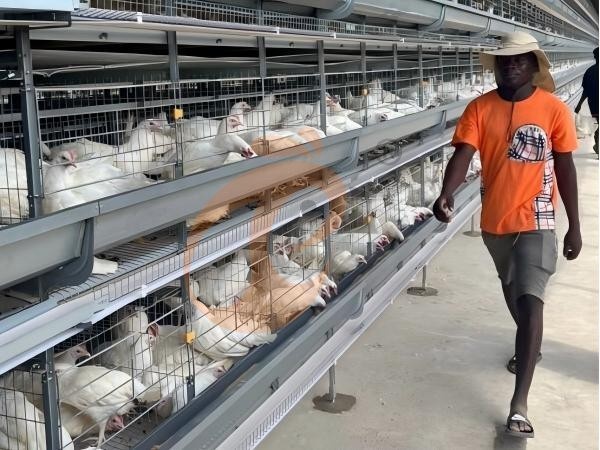
In 2026, buyers are under more pressure to balance production targets, biosecurity standards, labor costs, and project budgets. A battery cage system in poultry is no longer just a set of cages. It is part of a complete farm operating structure that includes house size design, feeding workflow, water supply, manure removal, egg collection, and expansion planning.
Core 2026 Buying Priorities For Battery Cage System In Poultry
The most successful poultry investors are choosing systems based on performance indicators, not only quotations. The checklist below highlights the priorities most buyers should verify before placing an order.
How To Evaluate Battery Cage System In Poultry By Farm Type
For smaller investors, the first goal is often to maximize usable house space while keeping management simple. In these cases, a practical chicken cage layout and a correctly sized house design can reduce capital waste. For medium to large projects, the target shifts toward automation, traffic flow, manure logistics, and future expansion blocks.
When planning a recycle farm, cage procurement should connect with other farm functions. These may include a working area, security room, egg stock room, broiler processing room, chicken food processing room, organic manure processing section, and even plant land if the project is fully circular.
Farm Size Matching Guide For 2026
Battery Cage System In Poultry: Key Technical Specifications To Check
In real procurement, technical details are what separate a profitable project from a maintenance-heavy project. Buyers in 2026 should confirm galvanizing process, wire diameter, cage door design, feeding trough strength, nipple drinker quality, manure belt efficiency, and installation precision.
Technical Comparison Checklist
Smart Water And Feeding Control In Modern Poultry Projects
In water management, recommended pressure ranges include 5–10 kPa for chicks, 10–20 kPa for growers, and 20–30 kPa for layers. Water quality monitoring references such as pH 6.0–7.5 and temperature 15–25°C help maintain stable drinking conditions. Medication dosing accuracy at ±2% also supports more controlled flock management.
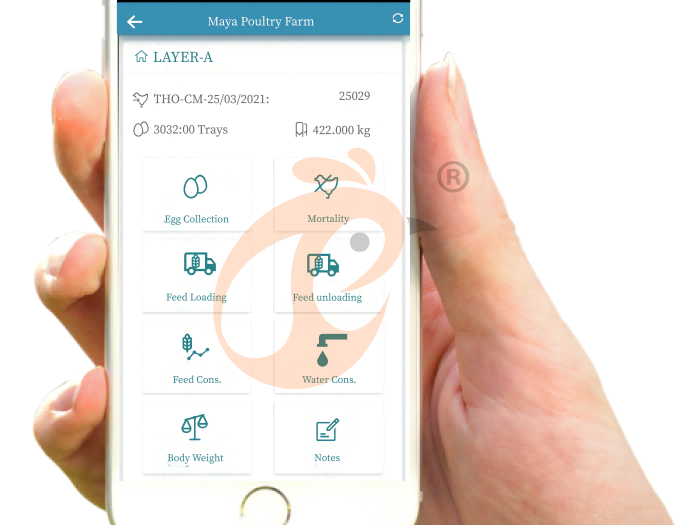
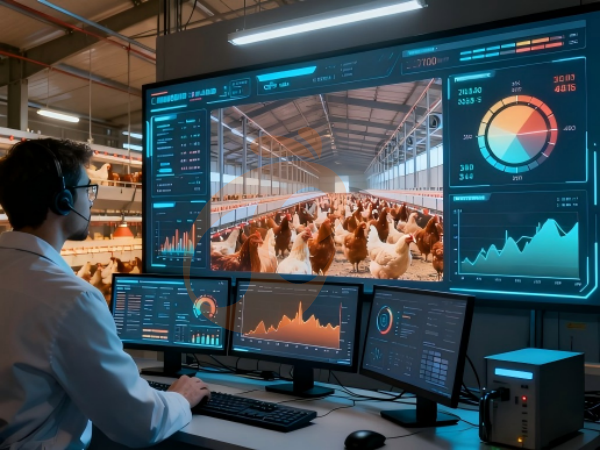
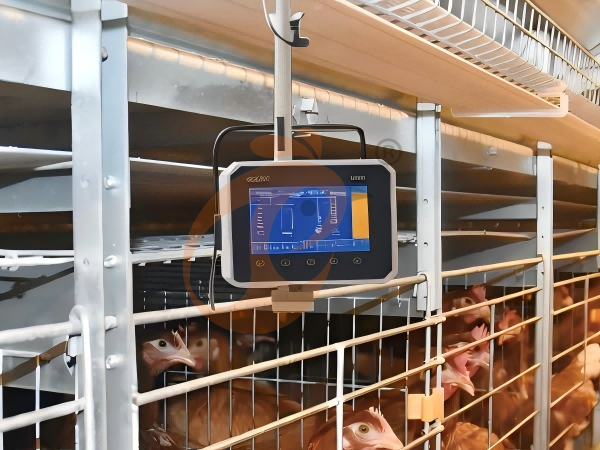
For layer farms, water consumption often falls around 0.20–0.35 L per bird per day, which means even small errors can create significant management differences across a flock of 20,000 or 50,000 birds. This is why advanced projects increasingly add Poultry Feeding And Drinking Smart IoT Equipment System into the total battery cage system in poultry plan.
Cost Planning For Battery Cage System In Poultry In 2026
Price evaluation should always include equipment scope, installation complexity, transport, automation level, and expected service life. A cheap quote without layout support or technical drawings may increase site errors and extra modification costs later. As a manufacturer, we recommend calculating total project value instead of unit price only.
For reference, a medium poultry cage investment can vary significantly depending on automation and capacity. Budget discussions should include cage body, feed line, drinking system, manure removal, egg collection, frame support, and house matching. All amounts below are in USD, EU standard for reference only.
2026 Budget Reference Table
House Design And Layout Checklist
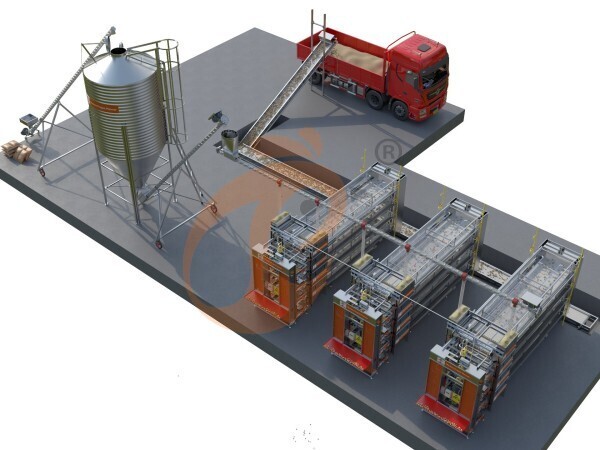
A battery cage system in poultry performs best when the house is designed around actual equipment dimensions and operational flow. Cage rows, aisle width, ventilation direction, manure discharge path, and loading access all need to work together. This is where many farms gain or lose efficiency before birds even enter the house.
We regularly support customers with free cage layout design or house design based on their land. This helps determine whether the house should prioritize maximum capacity, easier management, or expansion flexibility. For irregular plots, proper planning can recover usable space that would otherwise be wasted.
House Planning Decision Table
FAQ
How Many Birds Can A Battery Cage System In Poultry Hold?
Capacity depends on bird type, cage tier, house dimensions, and management target. A small project may hold 3,000–10,000 birds, while a well-designed modern farm can scale to 50,000 birds or more in multiple houses. The right answer comes from matching your land and building plan, not using a fixed number.
Is A Fully Automatic Battery Cage System In Poultry Worth The Cost?
For many medium and large farms, yes. Automatic feeding, drinking, manure removal, and egg collection can reduce labor demand, improve daily consistency, and lower losses from feed waste or management errors. The return is especially clear when labor costs are rising or the farm plans to expand after the first stage.
What Should I Prepare Before Buying A Battery Cage System In Poultry?
Prepare your land dimensions, target bird capacity, local climate details, house type preference, power condition, water source information, and expected automation level. With these details, a manufacturer can provide a more accurate layout, budget range, and project recommendation for 2026.
Why More Buyers Choose Vanke For 2026 Poultry Projects
- Vanke is a direct manufacturer with practical experience in chicken cage layout, house size design, and complete poultry farm planning.
- We provide free starter layout design based on your land, helping reduce early-stage investment mistakes and improve usable space.
- For modern recycle farms, we support integrated planning for poultry houses, egg storage, feed processing, manure treatment, and related work areas.
- We focus on durable equipment, efficient battery cage system in poultry solutions, and responsive technical service before and after delivery.
- Send us your land size, bird target, and farm idea now, and let us help you build a more profitable 2026 poultry project with a clear customized plan.
Contact Us To Received Your Customized Poultry Farm Plan
Headquarters And Branchs
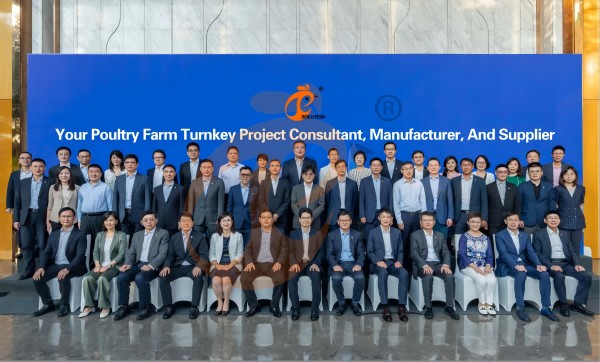
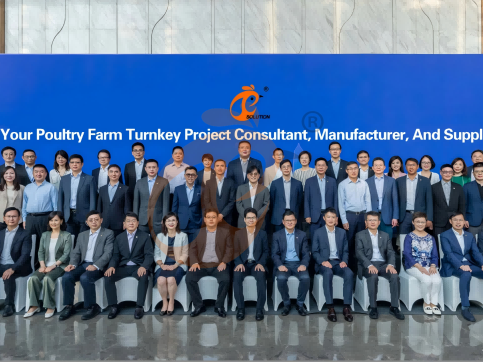
Hong Kong Headquarter Management Team
Hong Kong Headquarter Taiyu Industrial Group CO., LTD
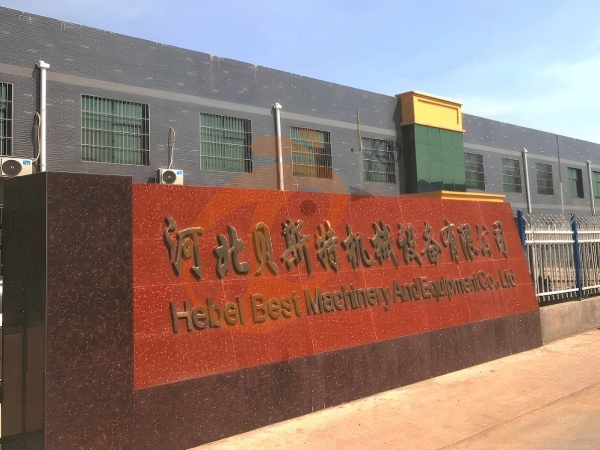
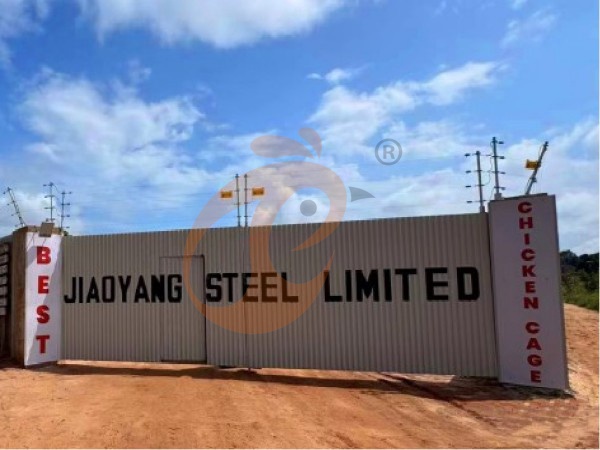
China Hebei Best Machinery And Equipment CO., LTD
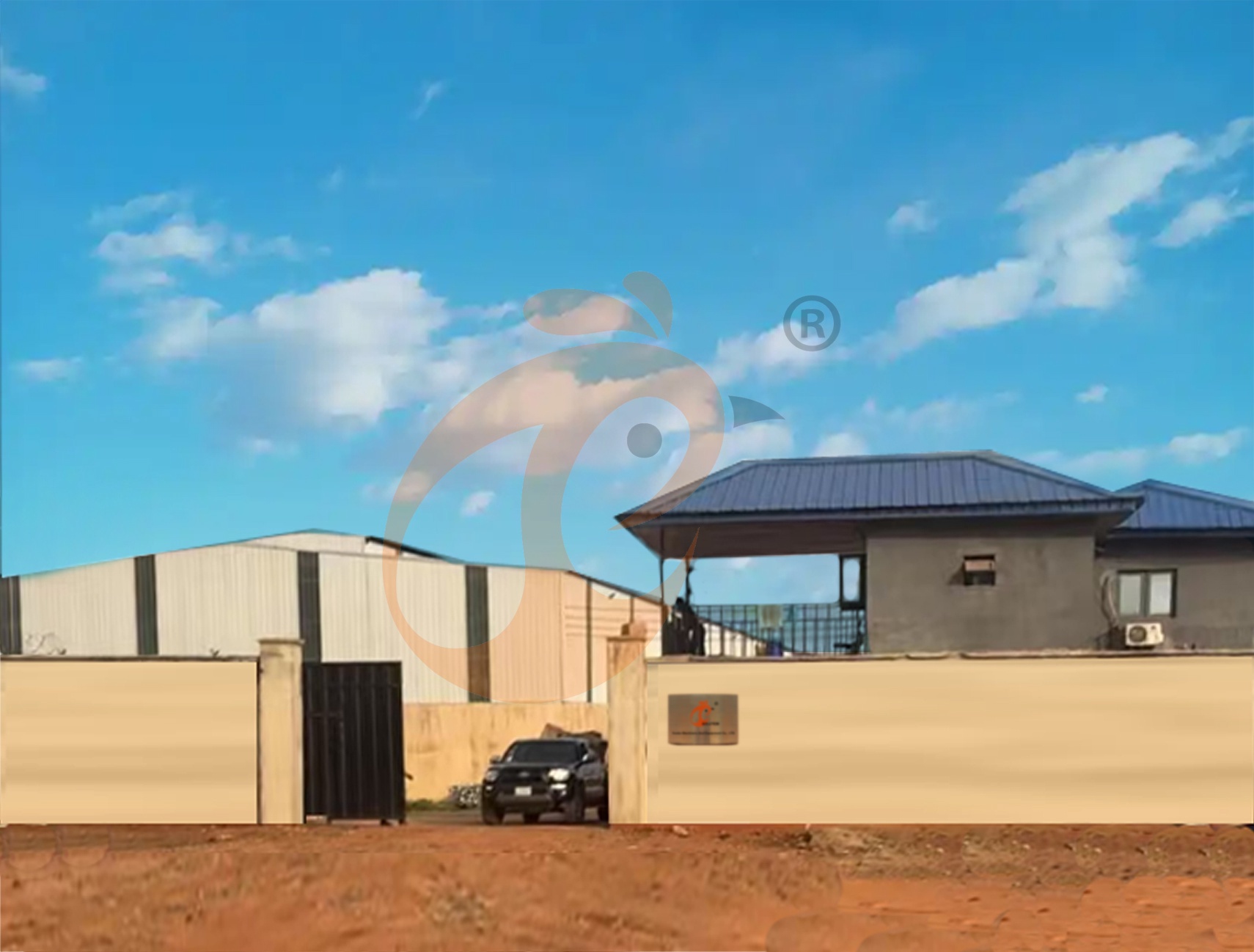
Nigeria Vanke Machinery And Equipment CO., LTD
Tanzania Best Machinery And Equipment CO., LTD
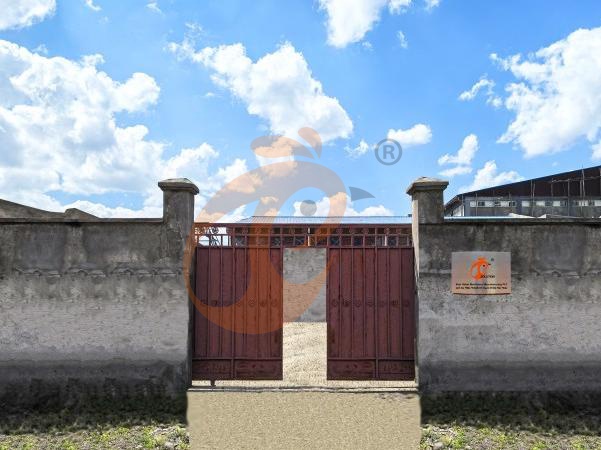
Ethiopia Best Hebei Machinery Manufacturing PLC
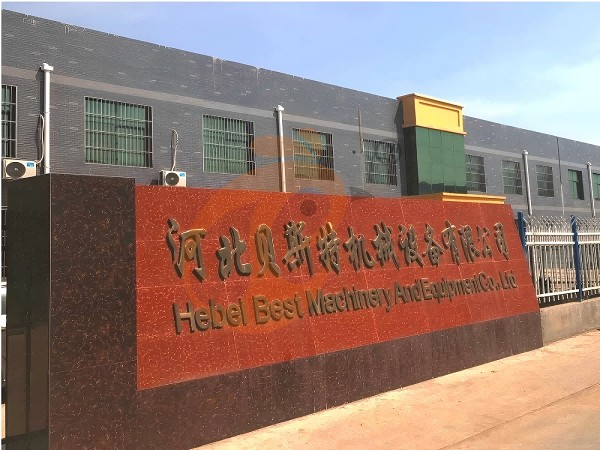
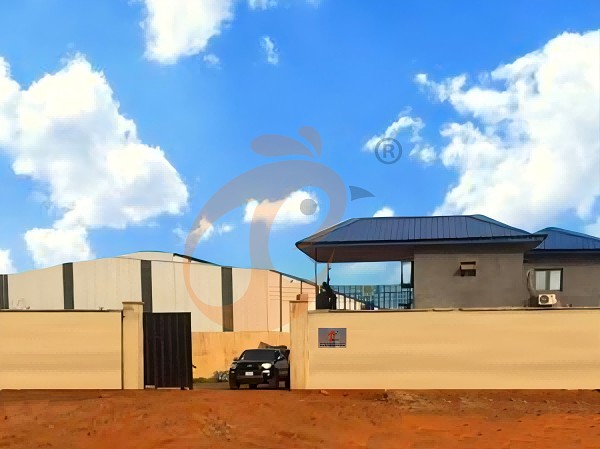
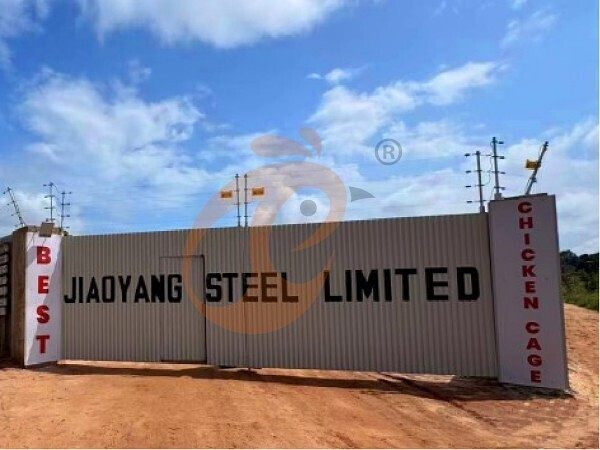
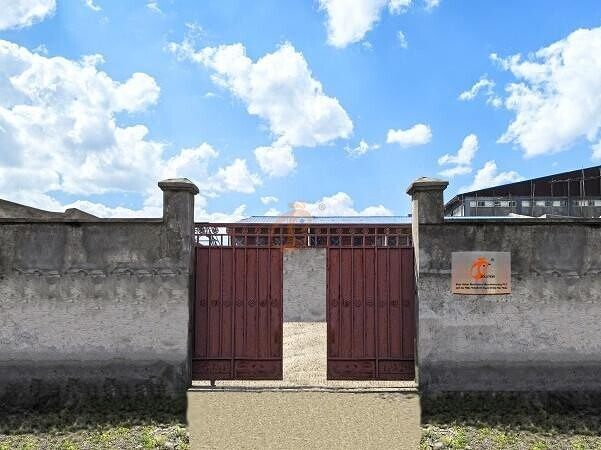
Reception /24 WhatsApp NO. : +8618830120193
FAQ
What Types Of Poultry Farm Equipment Are Essential In Poultry Chicken Production Systems?
Drinking systems provide 200–300 ml water per bird per day maintaining hydration balance, stabilizing metabolism, and improving nutrient absorption efficiency in controlled poultry farming conditions.
Ventilation equipment supports airflow rates of 5–7 m³ per kg live weight per hour ensuring heat removal, gas exchange stability, and maintaining optimal air quality for high-density poultry production systems.
How Does Poultry Farm Equipment Improve Production Efficiency In Poultry Chicken Farming?
Environmental control systems improve feed conversion ratio by 3%–6% through stable temperature and humidity management, supporting consistent broiler growth performance across full production cycles.
Integrated equipment reduces mortality rate by 2%–4% by maintaining controlled living conditions, improving disease prevention, and ensuring stable physiological performance in commercial poultry operations.
What Capacity Standards Are Required For Poultry Farm Equipment In Poultry Chicken Houses?
Water supply systems maintain flow rates of 1.0–1.5 liters per minute per line section ensuring stable pressure and continuous hydration for dense poultry populations.
Ventilation fans provide 25000–40000 m³ per hour airflow per unit ensuring effective heat dissipation and maintaining uniform environmental conditions throughout the poultry house.
- battery cage
- battery cage system
- battery cage system in poultry
- poultry farm
- chicken cage
- poultry house
- poultry cage
- cage
- poultry farm construction
- automatic battery cage
- chicken cage layout
- automatic battery cage system
- poultry farm planning
- cage system in poultry
- chickencage
- bestchickencage
- cage system
- h cage
- Nigeria
- layer farm
- chicken food processing room
- organic manure processing
- egg stock room
- broiler processing room
- modern recycle farm
- chicken food processing
- poultry farm plan
- recycle farm design
- poultry house planning
- poultry feed
- Ethiopia
Message
Products recommended
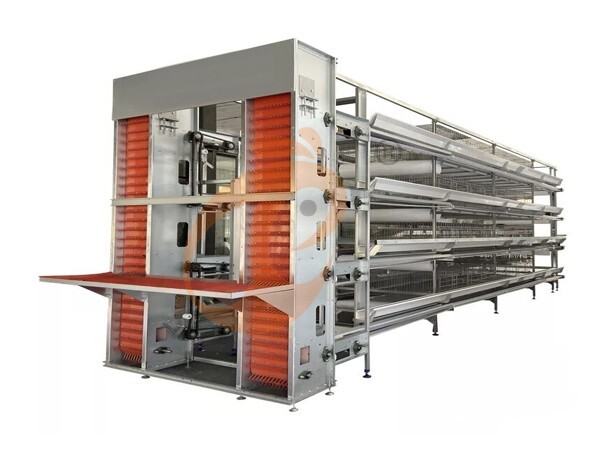
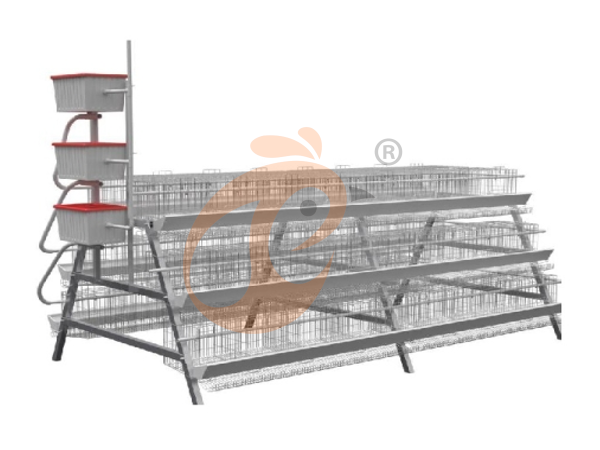
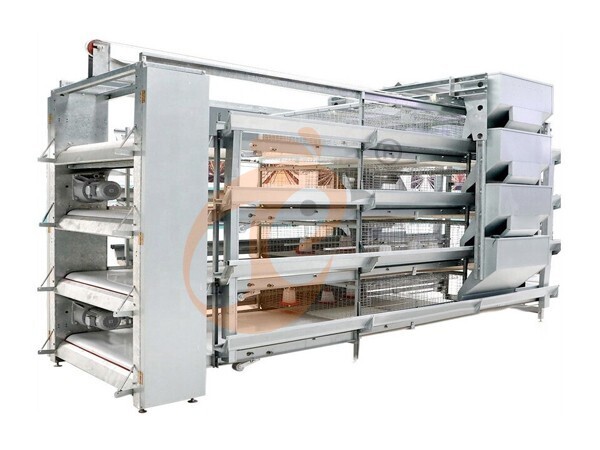
 >30,000 Pullets Automatic H Type Battery Cage1. More than 30,000 pullets a house, choose it.
2. It is designed to rearing older than 1 day old pullets to 12 to 16 weeks old chicken starting laying eggs.
3. Its lifespan is more than 25 years.
4. Its structure are Vcloud artificial intelligent fusion, electric control cabinet, automatic equipment of drinking, feeding, manure clean, manual harvesting.
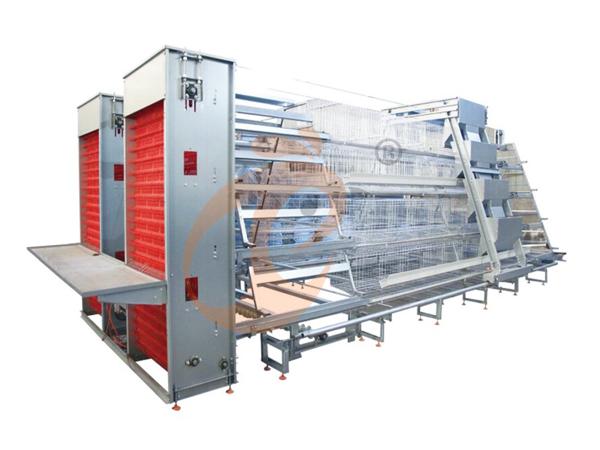
5. Our 24 hour online reception What’sApp NO. is +8618830120193 <30,000 Pullets Automatic A Type Battery Cage1. 10,000 to 30,000 pullets a house, choose it.
2. It is designed to rearing older than 1 day old pullets to 12 to 16 weeks old chicken starting laying eggs.
3. Its lifespan is more than 25 years.
4. Its structure are Vcloud artificial intelligent fusion, electric control cabinet, automatic equipment of drinking, feeding, manure clean, manual harvesting.
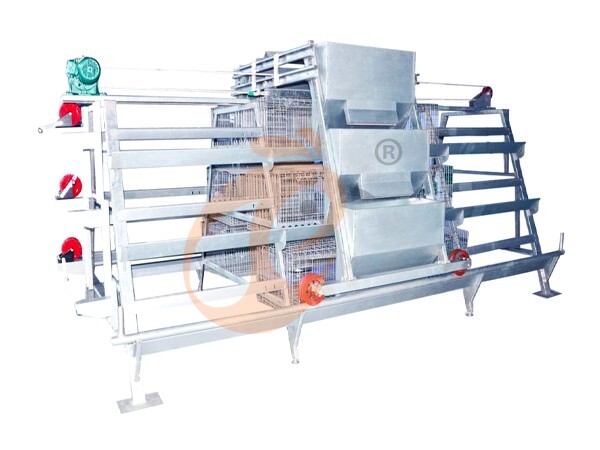
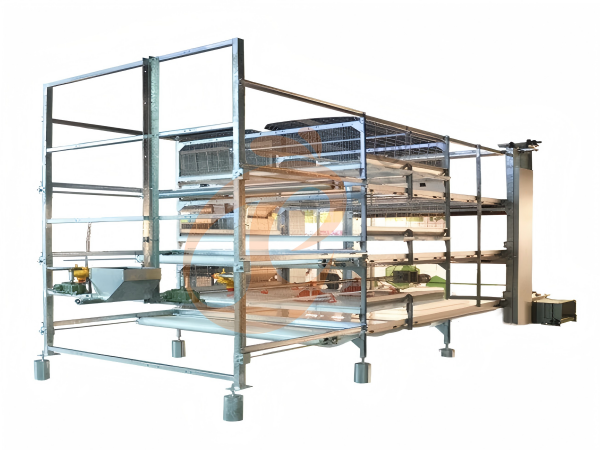
5. Our 24 hour online reception What’sApp NO. is +86 18830120193. >30,000 Broilers Semi-Automatic Harvest H Type Battery Cage1. More than 30,000 broilers a house, choose it.
2. It is designed to rearing 1 to 45 day old adult broiler ready for market.
3. Its lifespan is more than 20 years.
4. Our 24 hour online reception What’sApp NO. is +8618830120193, +234 8111199996. >30,000 Broilers Manual Harvest H Type Battery Cage1. More than 30,000 broilers a house, choose it.
2. It is designed to rearing 1 to 45 day old adult broiler ready for market.
3. Its lifespan is more than 20 years.
4. Its structure are Vcloud artificial intelligent fusion, electric control cabinet, automatic equipment of drinking, feeding and manure clean, manual harvesting.
5. Our 24 hour online reception What’sApp NO. is +8618830120193, +234 8111199996. <30,000 Broilers Manual Harvest A Type Battery Cage1. Less 30,000 broilers a house, choose it.
2. It is designed to rearing 1 to 45 day old adult broiler ready for market.
3. Its lifespan is more than 20 years.
4. Its structure are Vcloud artificial intelligent fusion, electric control cabinet, automatic equipment of drinking, feeding and manure clean, manual harvesting.
5. Our 24 hour online reception What’sApp NO. is +8618830120193, +234 8111199996. HK Headquarter Offers EU-standard Poultry Farm Solutions, Manufacture Poultry Farm Equipment1. Continuous communication with the EU and the US
2. China, Nigeria, Ethiopia, Tanzania branch companies and factories
3. The products’ quality is customized for local poultry farms
4. Poultry cage and poultry farm equipment stock for sale
5. 24 online reception Whatsapp NO. : +8618830120193,contact us to get full information China Branch Offer Poultry Farm Business Plan, Manufacture Poultry Farm Equipment1. Address: Flat/RM 2416, 24/F, Runxing Building, Youyi Nan Street, Shijiazhuang City, Hebei Province, China
2. Poultry cage and poultry farm equipment factory and stock for sale
3. Customized for local poultry farms
4. Quality and design are based on Euro
5. 24 online reception Whatsapp NO. : +8618830120193 Nigeria Branch Offer Poultry Farm Business Plan, Manufacture Poultry Farm Equipment1. Address: After Sinoma Office, 200 Meters Near Danco Filling Station, Lagos/Ibadan Expressway, Lagos State, Nigeria
2. Poultry cage and poultry farm equipment factory and stock for sale
3. Customized for Nigerian poultry farms
4. Quality and design are based on Euro
5. 24 online reception Whatsapp NO. : +8618830120193 Ethiopia Branch Offer Poultry Farm Business Plan, Manufacture Poultry Farm Equipment1. Address: Gelan Gura, Akaki-kaliti Sub City, Addis Ababa, Ethiopia
2. Poultry cage and poultry farm equipment stock for sale
3. Customized for Ethiopian poultry farms
4. Quality and design are based on Euro
5. 24 online reception Whatsapp NO. : +8618830120193, contact us to get price list Tanzania Branch Offer Poultry Farm Business Plan, Manufacture Poultry Farm Equipment1. Address: No.8, Sova Road, Msufini, Mlandizi, Kibaha, Pwani, Tanzania
2. Poultry cage and poultry farm equipment factory and stock for sale
3. Customized for Tanzanian poultry farms
4. Quality and design are based on Euro
5. 24 online reception Whatsapp NO. : +8618830120193


Contact