


Blog
H type chicken cage cleaning methods improve egg production efficiency in Ethiopian poultry farms.
This article explains practical cleaning steps adapted to Ethiopian climate and resource limitations.
It highlights water-saving cleaning strategies suitable for regions with limited infrastructure.
It introduces disinfection solutions using locally available materials such as lime and chlorine.
It provides maintenance routines to extend cage lifespan and improve laying hen welfare.
Get professional poultry farm construction guidance, equipment selection solutions, and the latest price lists, whatsApp to +8618830120193, click to learn more:
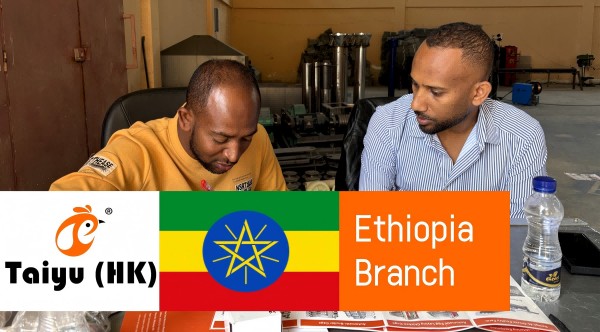
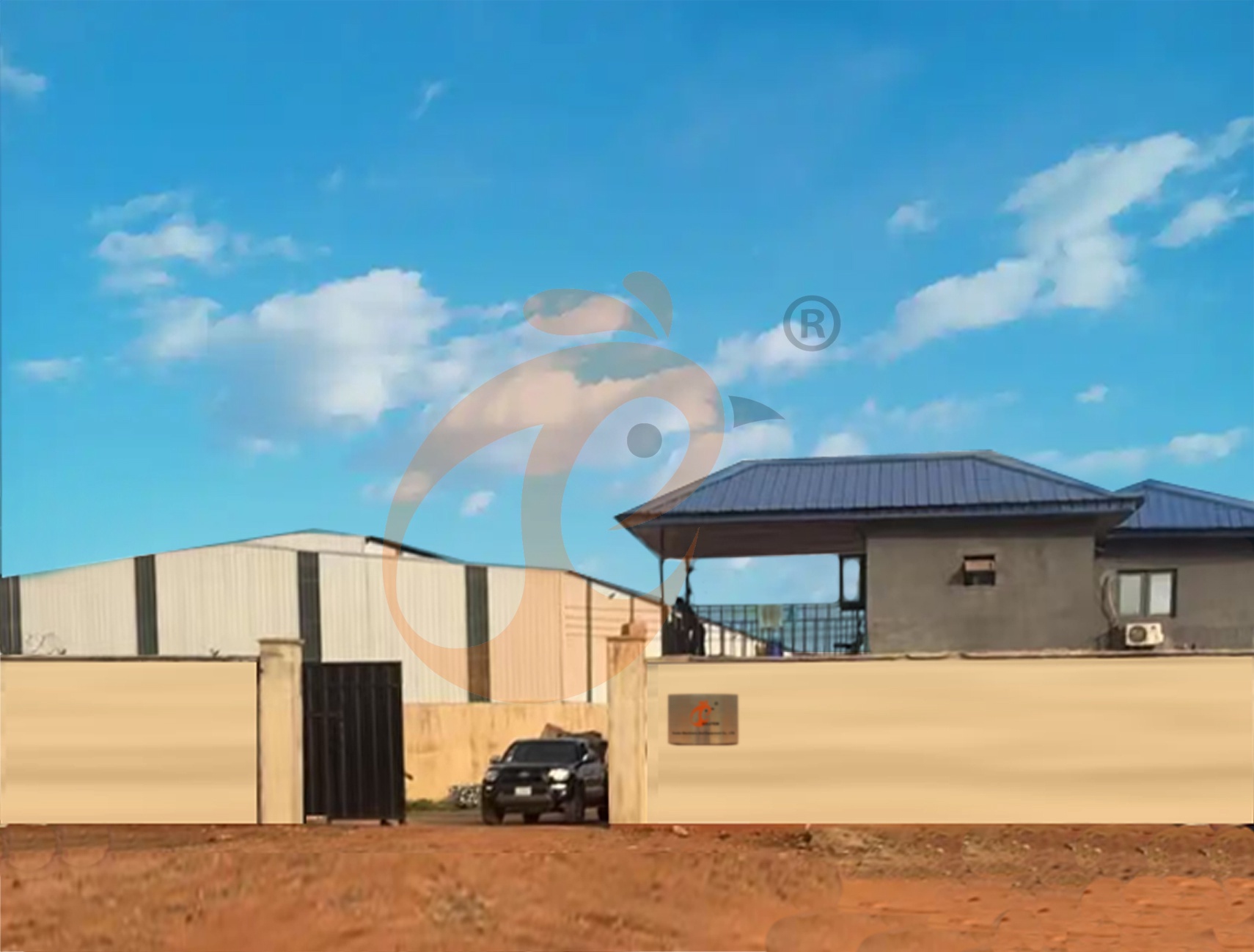
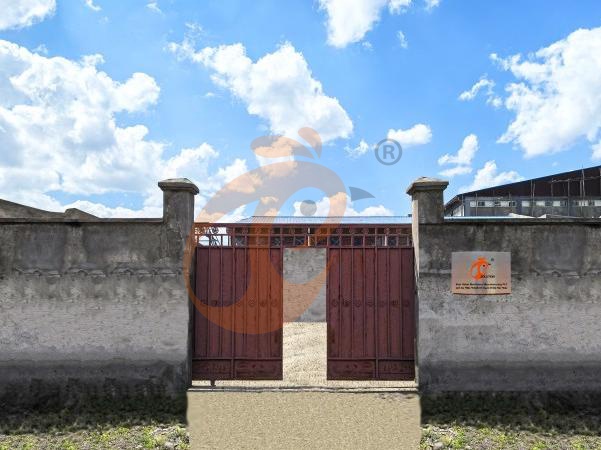
Ethiopia Branch Office And Factory Of Poultry Farm Equipment
Dry Cleaning To Remove Organic Debris
Dry cleaning remains the first operational step in maintaining H-type chicken cages for laying hens in Ethiopia.
Dust, manure, and feed residues accumulate quickly in areas such as Oromia and Amhara, especially during dry seasons.
If not removed regularly, these materials increase ammonia concentration and negatively affect egg production performance.
Farmers can rely on simple tools such as scrapers and brushes, which are widely available in local markets.
Data is for reference only.Swipe horizontally to view full table.
Consistent dry cleaning reduces disease pressure and supports stable egg yield across different Ethiopian regions.
Controlled Wet Cleaning With Limited Water Use
Water management is a critical concern in Ethiopian poultry production systems.
Many farms rely on boreholes or seasonal water supply, which requires efficient usage during cage cleaning operations.
H-frame chicken cage systems benefit from controlled wet cleaning that minimizes water while maintaining hygiene standards.
Data is for reference only.Swipe horizontally to view full table.
Using moderate water with manual scrubbing helps balance sanitation and resource conservation.
This approach aligns well with egg farming cage maintenance Ethiopia practices where water scarcity is a recurring issue.
Disinfection Using Locally Available Materials
After cleaning, disinfection ensures the removal of harmful microorganisms affecting laying hens.
Ethiopian farmers often face limited access to imported disinfectants, making local alternatives essential.
Lime and chlorine solutions are widely used due to availability and cost-effectiveness.
Data is for reference only.Swipe horizontally to view full table.
Proper disinfection supports disease control and improves overall egg quality for local markets.
Routine Maintenance And Structural Inspection
Routine inspection ensures long-term functionality of H-type chicken cages under Ethiopian environmental conditions.
Seasonal rainfall and temperature fluctuations can accelerate corrosion and structural wear.
Regular maintenance reduces unexpected costs and protects laying hens from injury.
Data is for reference only.Swipe horizontally to view full table.
Maintenance plays a key role in maximizing the lifespan of poultry cage systems Ethiopia farmers invest in.
Environmental Impact On Cage Cleaning Frequency
Ethiopia's diverse climate significantly affects cleaning schedules and cage maintenance requirements.
Different altitude zones require tailored approaches to hygiene management.
Data is for reference only.Swipe horizontally to view full table.
Farmers in warmer regions must increase cleaning cycles to maintain air quality inside cages.
Feed Management And Cage Hygiene Interaction
Feed composition directly influences cage cleanliness in Ethiopian poultry farms.
Locally sourced feed materials such as maize and wheat bran generate varying levels of dust and residue.
Data is for reference only.Swipe horizontally to view full table.
Reducing feed spillage improves hygiene and lowers maintenance workload.
Labor Efficiency In Ethiopian Poultry Farms
Labor availability and productivity influence cage cleaning schedules across Ethiopia.
Small-scale farms rely heavily on family labor, while larger farms employ trained workers.
Data is for reference only.Swipe horizontally to view full table.
Efficient workflow planning improves overall productivity and reduces operational stress.
Economic Benefits Of Proper Cage Maintenance
Maintaining H-type chicken cages directly impacts farm profitability in Ethiopia.
Poor hygiene leads to reduced egg production and higher mortality rates.
Data is for reference only.Swipe horizontally to view full table.
European union standard reference only.
Investing in proper cleaning and maintenance generates higher long-term economic returns.
Biosecurity Integration With Cleaning Practices
Cleaning alone is not sufficient without proper biosecurity measures.
Many Ethiopian farms face challenges such as uncontrolled access and mixed farming systems.
Data is for reference only.Swipe horizontally to view full table.
Integrating cleaning with biosecurity enhances disease prevention.
Common Challenges And Practical Solutions
Ethiopian poultry farmers encounter recurring operational constraints that affect cage maintenance.
Addressing these challenges improves overall system efficiency.
Data is for reference only.Swipe horizontally to view full table.
These solutions align with local conditions and resource availability.
Frequently Asked Questions
Q1: Is H-type chicken cage suitable for Ethiopian climate conditions?
A1: Yes, H-type systems are suitable across Ethiopian regions when ventilation and cleaning frequency are properly managed.
Q2: How can farmers clean cages with limited water in rural Ethiopia?
A2: Farmers can adopt dry cleaning combined with controlled wet cleaning using minimal water and manual tools.
Q3: What is the most practical disinfectant available in Ethiopia?
A3: Lime and chlorine solutions are widely accessible and effective for maintaining cage hygiene in local conditions.
Ethiopia Best Hebei Machinery Manufacturing Plc - One Of Ethiopia Largest Chicken Cage Supplier
Provides global factory direct sales ensuring cost-effective poultry farm equipment supply.
Specializes in poultry cage systems designed for long-term durability and efficiency.
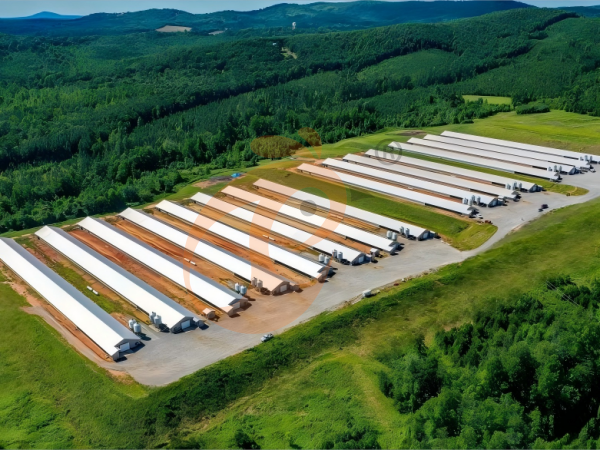
Offers complete Turn-key poultry farm projects adapted to Ethiopian farming conditions.
Delivers reliable technical support and installation services for poultry cage systems.
Focuses on improving egg production efficiency through advanced equipment solutions.
Contact Us To Received Your Customized Poultry Farm Plan
Headquarters And Branchs

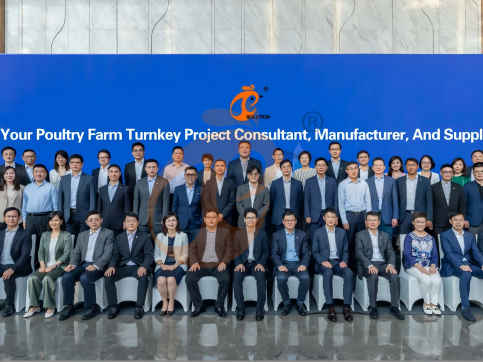
Hong Kong Headquarter Management Team
Hong Kong Headquarter Taiyu Industrial Group CO., LTD
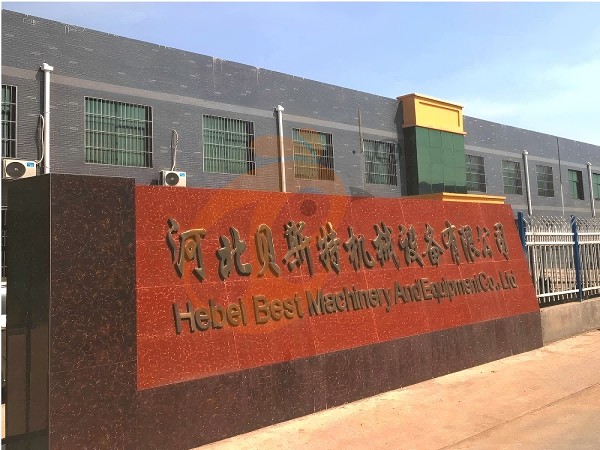
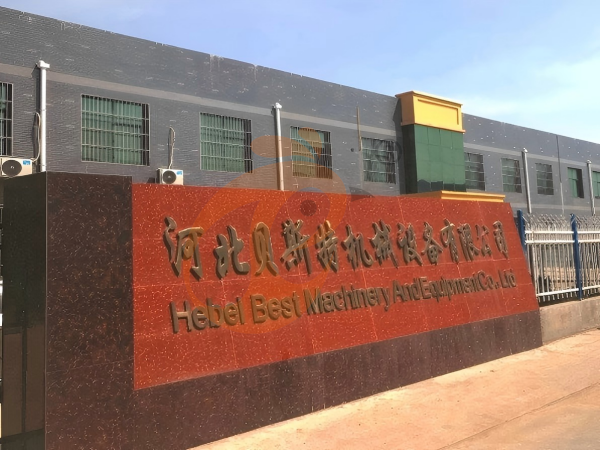
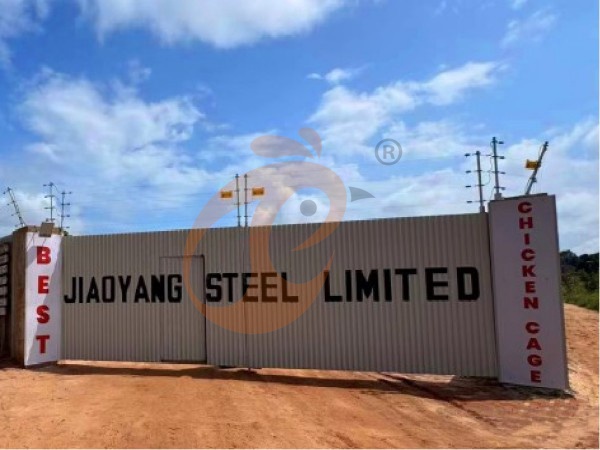
China Hebei Best Machinery And Equipment CO., LTD
Nigeria Vanke Machinery And Equipment CO., LTD
Tanzania Best Machinery And Equipment CO., LTD
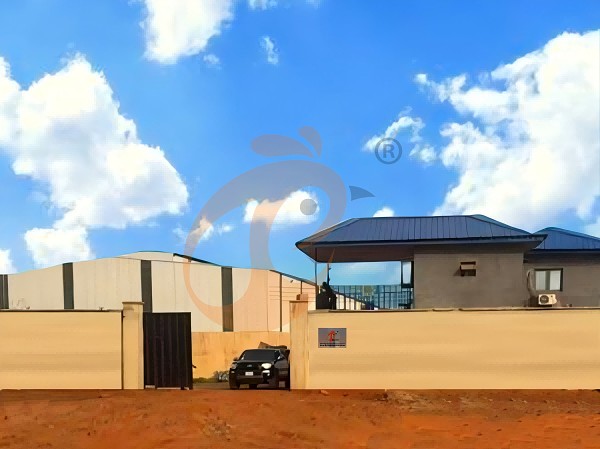
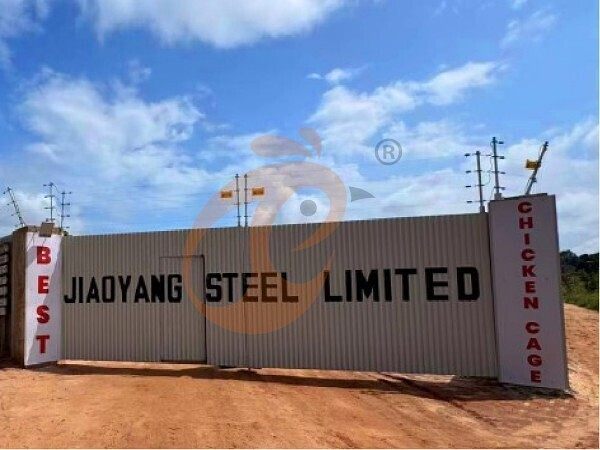
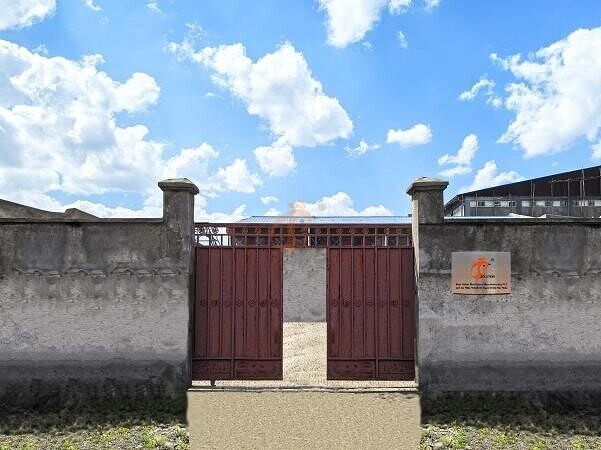
Ethiopia Best Hebei Machinery Manufacturing PLC
Reception /24 WhatsApp NO. : +8618830120193
FAQ
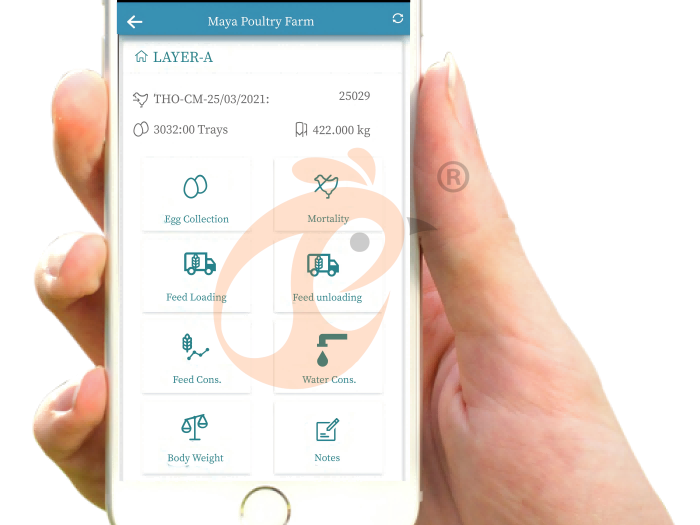
How To Implement Automated Feeding In H-Type Layer Cage System?
Even feed distribution per tier
Reduces feed waste by 10–15%
FCR optimized to 1.9–2.1
Labor savings: 70-90%
How To Optimize H-Type Chicken Cage Design For Disease Prevention?
Easy-to-clean design reduces bacterial buildup
Automatic manure removal reduces infection sources
Mortality rate: 2–3%
Egg production rate: 90-98%
What Is The Cost Of H-Type Battery Cage For 50,000 Layers?
Total cost for 50,000 birds: $500,000–$900,000
Equipment lifespan: more than 25 years
ROI: ~2–3 years
Labor savings: 70-90%
- poultry farmers
- poultry farm
- chicken cage
- poultry farms
- poultry farmer
- poultry cage
- cage
- poultry farm equipment
- poultry farm construction
- poultry cage system
- chicken cage system
- chicken cage supplier
- poultry farm project
- chicken cages
- h type chicken cage
- chickencage
- bestchickencage
- cage system
- h type
- cage systems
- Nigeria
- poultry cage systems
- cage supplier
- cost-effective poultry farm
- poultry farm plan
- chicken cage cleaning
- Ethiopia
Message
Products recommended
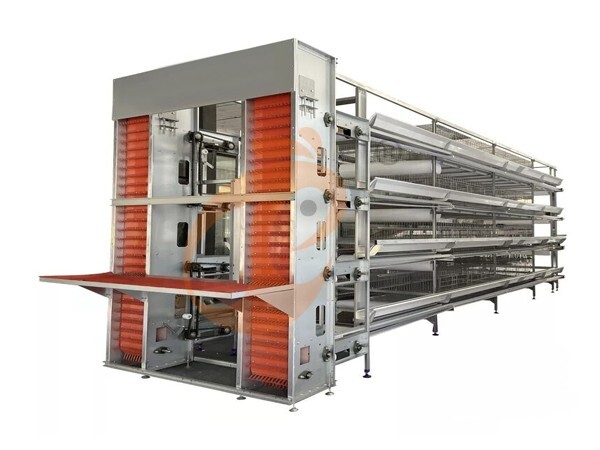
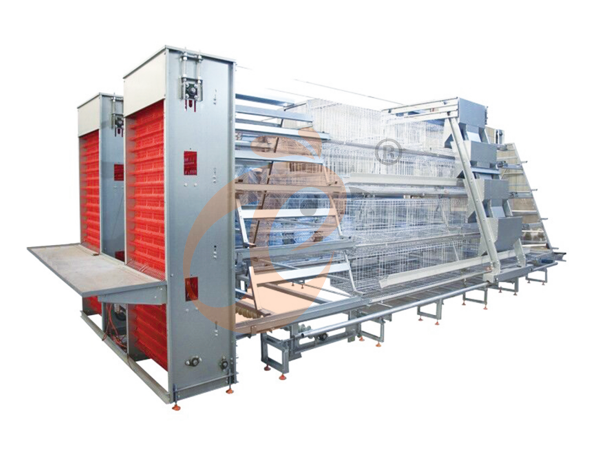
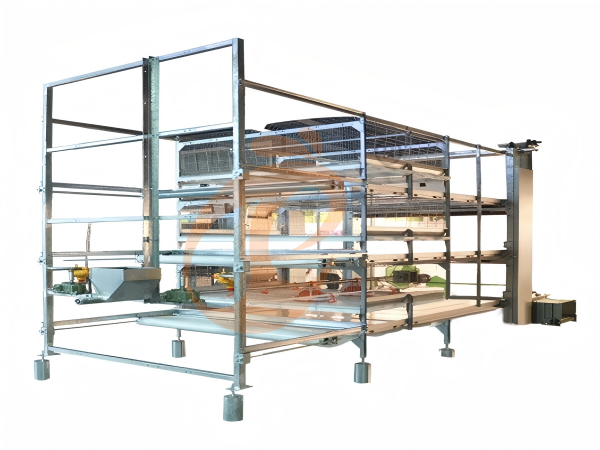
 >30,000 Pullets Automatic H Type Battery Cage1. More than 30,000 pullets a house, choose it.
2. It is designed to rearing older than 1 day old pullets to 12 to 16 weeks old chicken starting laying eggs.
3. Its lifespan is more than 25 years.
4. Its structure are Vcloud artificial intelligent fusion, electric control cabinet, automatic equipment of drinking, feeding, manure clean, manual harvesting.
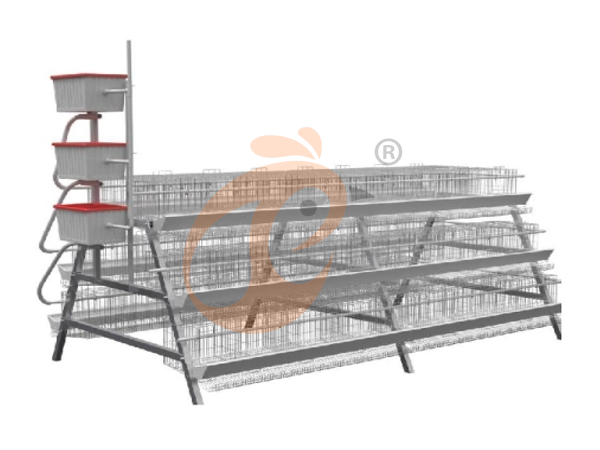
5. Our 24 hour online reception What’sApp NO. is +8618830120193 <30,000 Pullets Automatic A Type Battery Cage1. 10,000 to 30,000 pullets a house, choose it.
2. It is designed to rearing older than 1 day old pullets to 12 to 16 weeks old chicken starting laying eggs.
3. Its lifespan is more than 25 years.
4. Its structure are Vcloud artificial intelligent fusion, electric control cabinet, automatic equipment of drinking, feeding, manure clean, manual harvesting.
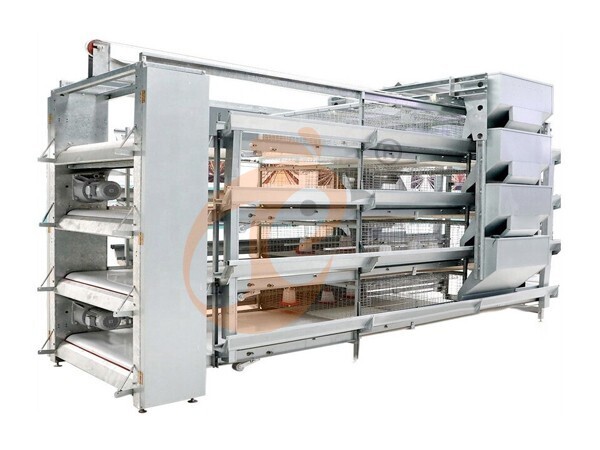
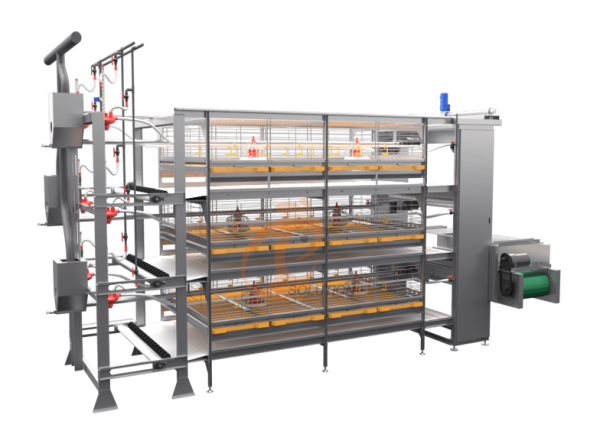
5. Our 24 hour online reception What’sApp NO. is +86 18830120193. >30,000 Broilers Semi-Automatic Harvest H Type Battery Cage1. More than 30,000 broilers a house, choose it.
2. It is designed to rearing 1 to 45 day old adult broiler ready for market.
3. Its lifespan is more than 20 years.
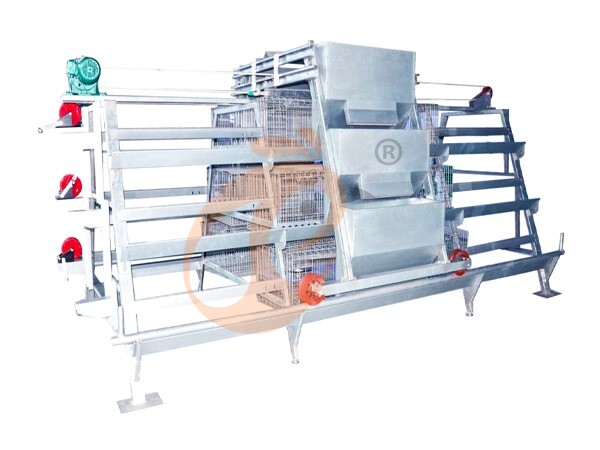
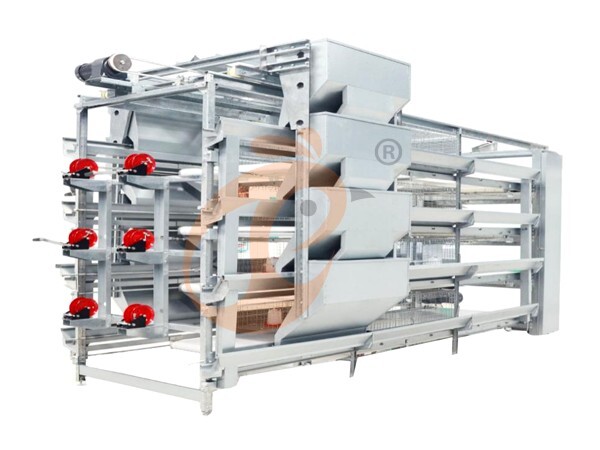
4. Our 24 hour online reception What’sApp NO. is +8618830120193, +234 8111199996. >30,000 Broilers Manual Harvest H Type Battery Cage1. More than 30,000 broilers a house, choose it.
2. It is designed to rearing 1 to 45 day old adult broiler ready for market.
3. Its lifespan is more than 20 years.
4. Its structure are Vcloud artificial intelligent fusion, electric control cabinet, automatic equipment of drinking, feeding and manure clean, manual harvesting.
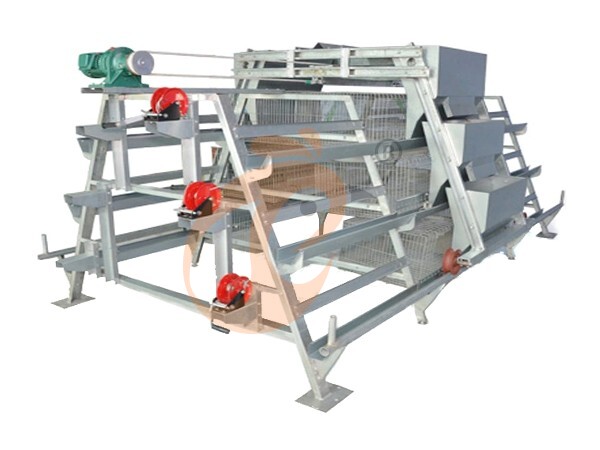
5. Our 24 hour online reception What’sApp NO. is +8618830120193, +234 8111199996. <30,000 Broilers Manual Harvest A Type Battery Cage1. Less 30,000 broilers a house, choose it.
2. It is designed to rearing 1 to 45 day old adult broiler ready for market.
3. Its lifespan is more than 20 years.
4. Its structure are Vcloud artificial intelligent fusion, electric control cabinet, automatic equipment of drinking, feeding and manure clean, manual harvesting.
5. Our 24 hour online reception What’sApp NO. is +8618830120193, +234 8111199996. HK Headquarter Offers EU-standard Poultry Farm Solutions, Manufacture Poultry Farm Equipment1. Continuous communication with the EU and the US
2. China, Nigeria, Ethiopia, Tanzania branch companies and factories
3. The products’ quality is customized for local poultry farms
4. Poultry cage and poultry farm equipment stock for sale
5. 24 online reception Whatsapp NO. : +8618830120193,contact us to get full information China Branch Offer Poultry Farm Business Plan, Manufacture Poultry Farm Equipment1. Address: Flat/RM 2416, 24/F, Runxing Building, Youyi Nan Street, Shijiazhuang City, Hebei Province, China
2. Poultry cage and poultry farm equipment factory and stock for sale
3. Customized for local poultry farms
4. Quality and design are based on Euro
5. 24 online reception Whatsapp NO. : +8618830120193 Nigeria Branch Offer Poultry Farm Business Plan, Manufacture Poultry Farm Equipment1. Address: After Sinoma Office, 200 Meters Near Danco Filling Station, Lagos/Ibadan Expressway, Lagos State, Nigeria
2. Poultry cage and poultry farm equipment factory and stock for sale
3. Customized for Nigerian poultry farms
4. Quality and design are based on Euro
5. 24 online reception Whatsapp NO. : +8618830120193 Ethiopia Branch Offer Poultry Farm Business Plan, Manufacture Poultry Farm Equipment1. Address: WR93+FQ2, Addis Ababa, Ethiopia
2. Poultry cage and poultry farm equipment stock for sale
3. Customized for Ethiopian poultry farms
4. Quality and design are based on Euro
5. 24 online reception Whatsapp NO. : +8618830120193, contact us to get price list Tanzania Branch Offer Poultry Farm Business Plan, Manufacture Poultry Farm Equipment1. Address: No.8, Sova Road, Msufini, Mlandizi, Kibaha, Pwani, Tanzania
2. Poultry cage and poultry farm equipment factory and stock for sale
3. Customized for Tanzanian poultry farms
4. Quality and design are based on Euro
5. 24 online reception Whatsapp NO. : +8618830120193


Contact
By clicking 'Allow All', you agree to the storage of cookies on your device to enhance site navigation, analyze site usage and assist with our marketing efforts.