


Blog
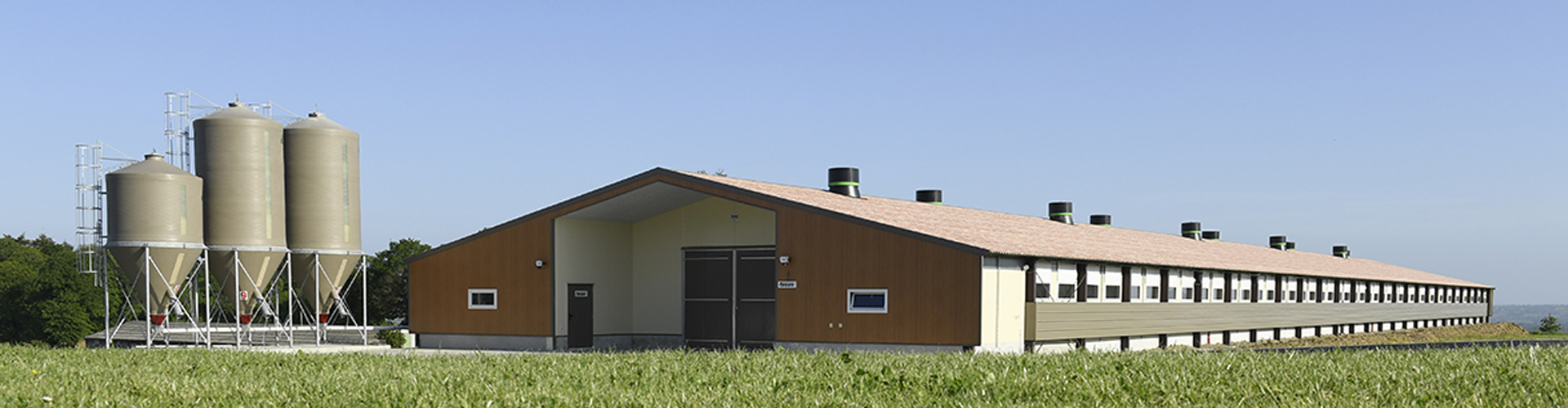
Daily feed consumption in A-type chicken cage system Ethiopia is critical for cost control and productivity improvement.
Ethiopian poultry farms increasingly shift from traditional systems to structured cage-based layer management.
Feed cost accounts for the largest share of operational expenses in urban and peri-urban farms.
Climate variation, altitude, and ingredient inconsistency directly affect feed intake and efficiency.
Accurate feed estimation helps farmers reduce waste and stabilize egg production output.
Get professional poultry farm construction guidance, equipment selection solutions, and the latest price lists, whatsApp to +8618830120193, click to learn more:

Ethiopia Branch Office And Factory Of Poultry Farm Equipment
Ethiopian Layer Production Context
Ethiopia's poultry sector is transitioning from traditional scavenging systems toward semi-intensive and intensive systems such as A-type chicken cage systems.
Despite a national flock exceeding 50 million birds, productivity remains constrained by feed inefficiency, inconsistent ration quality, and limited technical adoption.
Feed constitutes a dominant share of total production expenses in cities like Addis Ababa and Mekelle, often exceeding two-thirds of operational budgets and reaching approximately 18–22 Ethiopian Birr per kilogram in many markets (European union standard reference only).
In A-type chicken cage systems specifically designed for laying hens, feed intake becomes more consistent and measurable compared to backyard systems.
However, Ethiopian-specific variables such as altitude differences, inconsistent raw material quality like maize and noug cake, and seasonal supply disruptions strongly influence real feeding patterns.
Baseline Feed Intake For Layer Hens
Under controlled commercial conditions, laying hens typically maintain a stable daily intake pattern aligned with their production cycle
In Ethiopia, this consistency is often disrupted due to formulation variability, environmental stress, and differences in farm management practices.
Data is for reference only.Swipe horizontally to view full table.
This reference range provides a technical benchmark, but actual intake in Ethiopia may fluctuate outside these values depending on farm conditions.
Ethiopian Feeding Realities In Cage Systems
In contrast to traditional systems with minimal supplementation, A-type chicken cage systems rely entirely on formulated diets to sustain egg production.
Farmers in regions such as Oromia and Tigray commonly use a mix of purchased feed and on-farm blending strategies.
Data is for reference only.Swipe horizontally to view full table.
Differences in ingredient freshness, storage conditions, and processing quality frequently lead to uneven nutrient availability, which indirectly alters feeding behavior.
Estimate 1: Optimal Commercial Cage System Intake
In well-managed farms using professionally formulated feed, hens maintain steady consumption aligned with production requirements.
These systems are typically found in peri-urban commercial operations with reliable supply chains and trained personnel.
Data is for reference only.Swipe horizontally to view full table.
Under such conditions, birds exhibit consistent laying cycles, minimal stress indicators, and efficient nutrient utilization without excessive feed loss.
Estimate 2: Semi-Optimized Local Feed Formulation
When farmers depend on self-mixed rations, nutrient balance becomes less precise due to variation in ingredient composition and measurement accuracy.
This situation is widely observed across regional farms and reflects common Ethiopia Layer Feed Consumption Estimates.
Data is for reference only.Swipe horizontally to view full table.
Birds in these systems often increase their intake behavior slightly to compensate for nutrient dilution, but production performance does not fully match optimized systems.
Estimate 3: Feed Scarcity Conditions
During periods of limited feed availability, farmers are forced to reduce ration size or switch to lower-quality alternatives.
This scenario is common during rainy seasons or supply chain disruptions in rural Ethiopia.
Data is for reference only.Swipe horizontally to view full table.
In such cases, hens prioritize maintenance over production, leading to visible declines in egg output and physical condition.
Estimate 4: High Altitude And Climate Stress
Highland areas in Ethiopia present unique challenges due to lower temperatures and increased energy requirements for body maintenance.
Birds raised in colder environments tend to consume more feed to sustain metabolic heat production.
Data is for reference only.Swipe horizontally to view full table.
Although intake increases, productivity gains are not proportional due to environmental stress factors affecting physiological efficiency.
Estimate 5: Poor Management And Feed Wastage
Inadequate feeder design, improper adjustment, and lack of technical supervision result in inefficient feed utilization.
This issue is frequently observed in small and medium-scale farms with limited training resources.
Data is for reference only.Swipe horizontally to view full table.
A significant portion of feed may be lost through spillage or contamination, reducing overall farm profitability without improving production output.
Comparative Analysis Of The Five Estimates
The comparison below illustrates how environmental and management variables influence feeding outcomes across different scenarios.
Data is for reference only.Swipe horizontally to view full table.
It is evident that intake levels alone do not determine productivity, as nutrient density, environmental adaptation, and operational efficiency play equally critical roles.
Key Challenges In Ethiopia
Multiple structural issues continue to affect feeding efficiency in Ethiopian poultry systems.
Feed quality inconsistency remains a major limitation due to uneven production standards and lack of strict quality monitoring.
Feed prices are highly volatile and often rise beyond 18–25 Ethiopian Birr per kilogram depending on region and season (European union standard reference only).
Limited farmer training reduces the ability to implement optimized feeding strategies effectively.
Infrastructure constraints and seasonal variability further complicate feed supply stability.
These combined factors make layer feed intake Ethiopia cage system outcomes less predictable across different production zones.
Practical Solutions For Ethiopian Farmers
Addressing feeding inefficiencies requires both technical upgrades and management improvements.
Data is for reference only.Swipe horizontally to view full table.
Implementing structured feeding programs, improving storage practices, and strengthening extension services can significantly enhance farm performance.
Frequently Asked Questions
Q1: Is A-type chicken cage system suitable for Ethiopian conditions?
Yes, it performs effectively in both urban and peri-urban areas when proper ventilation and feed supply systems are in place.
Adaptation to local climate and altitude conditions is necessary to ensure stable productivity.
Q2: What is the average feed consumption for layers in Ethiopia?
Under practical farm conditions, intake generally stabilizes around a moderate range depending on feed quality and environmental factors.
Variations occur due to management practices, ingredient availability, and seasonal changes.
Q3: How can Ethiopian farmers reduce feed costs in cage systems?
Farmers can improve efficiency by minimizing feed loss, optimizing ration formulation, and using locally available ingredients effectively.
Training and better equipment design also contribute to reducing unnecessary expenses.
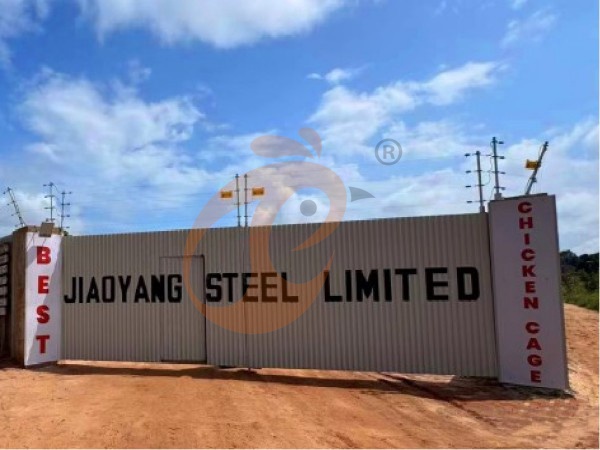
Ethiopia Best Hebei Machinery Manufacturing Plc - One Of Ethiopia Largest Chicken Cage System Supplier
Global factory direct supply ensures competitive pricing and stable equipment availability for poultry farms.
Comprehensive poultry farm equipment solutions including poultry cage systems designed for long-term durability.
Professional engineering team provides Turn-key project services from design to installation and operation.
Extensive experience in exporting systems suitable for African climate and farming conditions.
Strong after-sales support ensures continuous farm productivity and operational stability.
Contact Us To Received Your Customized Poultry Farm Plan
Headquarters And Branchs

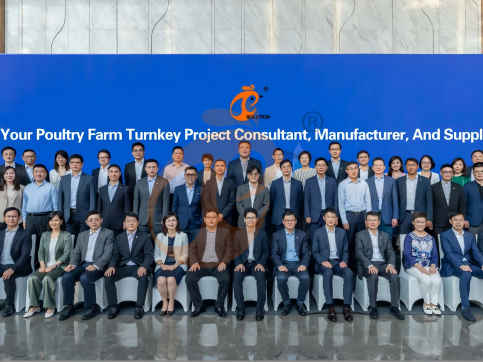
Hong Kong Headquarter Management Team
Hong Kong Headquarter Taiyu Industrial Group CO., LTD
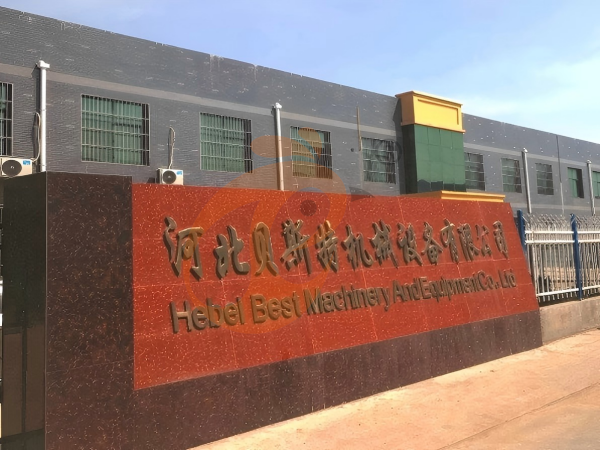
China Hebei Best Machinery And Equipment CO., LTD
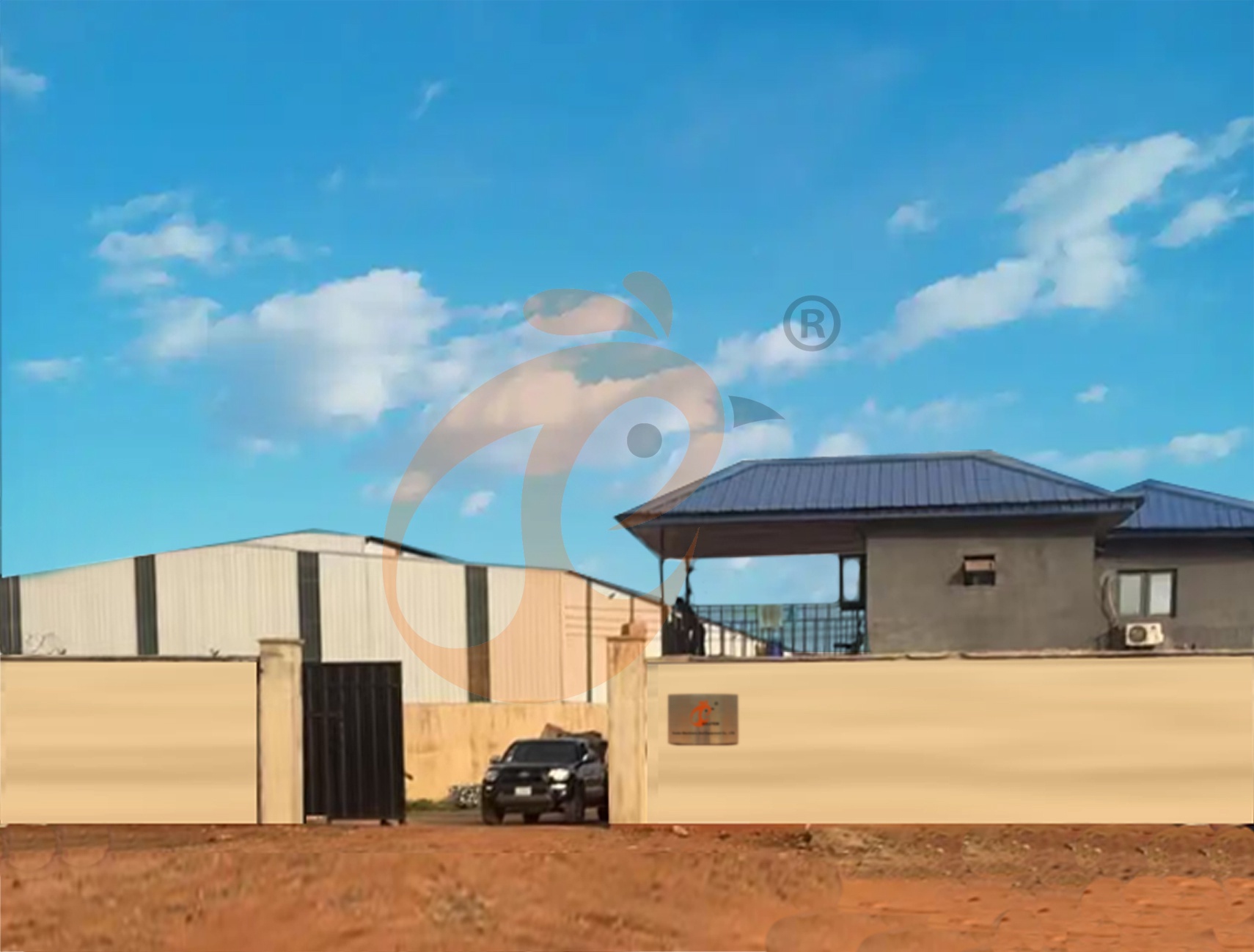
Nigeria Vanke Machinery And Equipment CO., LTD
Tanzania Best Machinery And Equipment CO., LTD
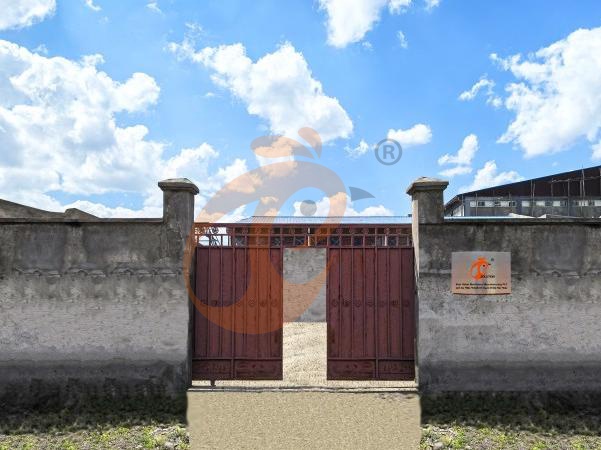
Ethiopia Best Hebei Machinery Manufacturing PLC




Reception /24 WhatsApp NO. : +8618830120193
FAQ
How To Implement Semi-Automatic Feeding In A-Type Chicken Cage Farm?
Scheduled feeding ensures even intake
Egg production rate: 90–96%
FCR: 1.9–2.2
Labor savings: 50–70%
How To Ensure Egg Uniformity In A-Type Layer Cage System?
Adequate nutrition and water
Egg weight: 60–65 g
Egg breakage rate <1%
Egg production rate: 90–96%
How To Reduce Mortality In A-Type Chicken Cage Layers?
Even ventilation
Regular manure removal
Mortality rate: 2–3%
Egg production rate: 90–96%
Message
Products recommended
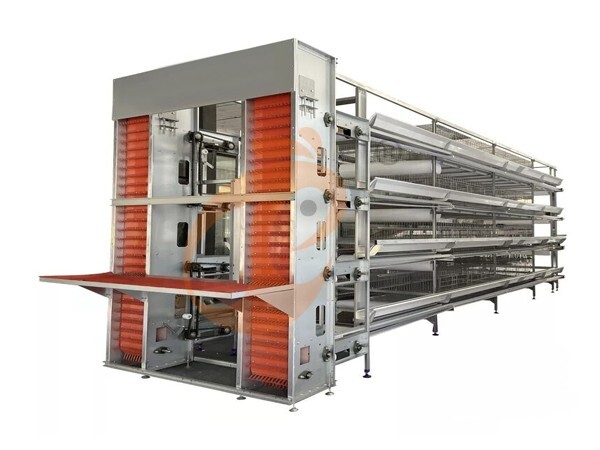
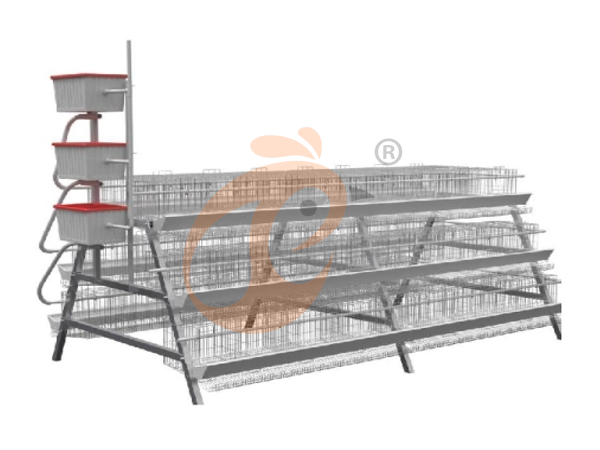
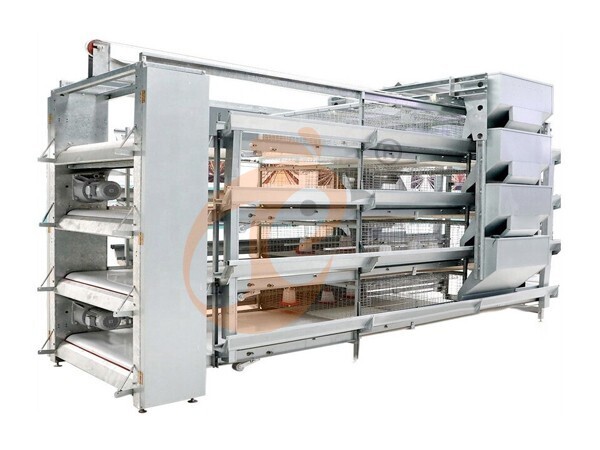
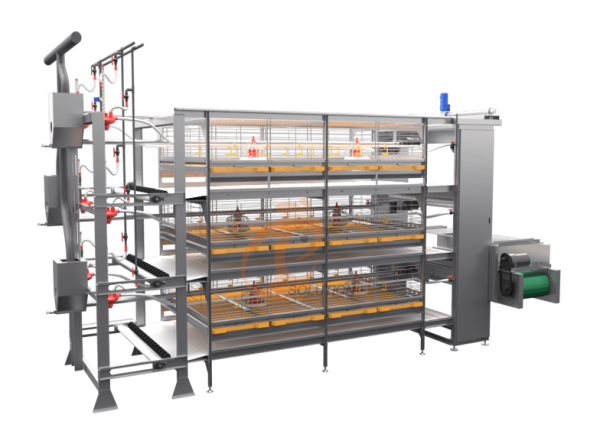
 >30,000 Pullets Automatic H Type Battery Cage1. More than 30,000 pullets a house, choose it.
2. It is designed to rearing older than 1 day old pullets to 12 to 16 weeks old chicken starting laying eggs.
3. Its lifespan is more than 25 years.
4. Its structure are Vcloud artificial intelligent fusion, electric control cabinet, automatic equipment of drinking, feeding, manure clean, manual harvesting.
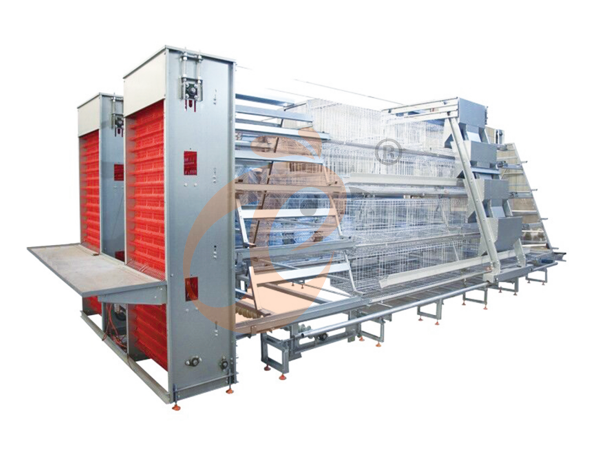
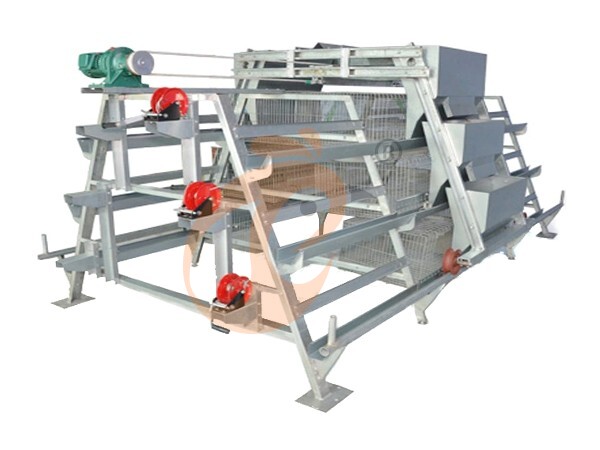
5. Our 24 hour online reception What’sApp NO. is +8618830120193 <30,000 Pullets Automatic A Type Battery Cage1. 10,000 to 30,000 pullets a house, choose it.
2. It is designed to rearing older than 1 day old pullets to 12 to 16 weeks old chicken starting laying eggs.
3. Its lifespan is more than 25 years.
4. Its structure are Vcloud artificial intelligent fusion, electric control cabinet, automatic equipment of drinking, feeding, manure clean, manual harvesting.
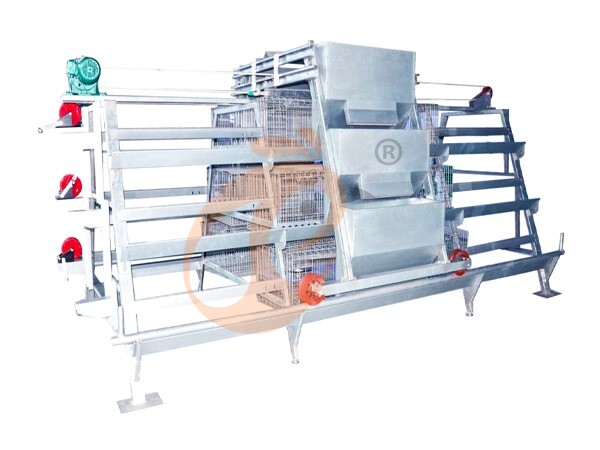
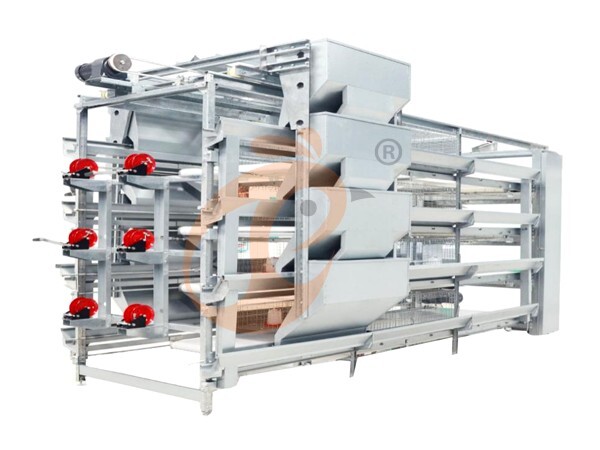
5. Our 24 hour online reception What’sApp NO. is +86 18830120193. >30,000 Broilers Semi-Automatic Harvest H Type Battery Cage1. More than 30,000 broilers a house, choose it.
2. It is designed to rearing 1 to 45 day old adult broiler ready for market.
3. Its lifespan is more than 20 years.
4. Our 24 hour online reception What’sApp NO. is +8618830120193, +234 8111199996. >30,000 Broilers Manual Harvest H Type Battery Cage1. More than 30,000 broilers a house, choose it.
2. It is designed to rearing 1 to 45 day old adult broiler ready for market.
3. Its lifespan is more than 20 years.
4. Its structure are Vcloud artificial intelligent fusion, electric control cabinet, automatic equipment of drinking, feeding and manure clean, manual harvesting.
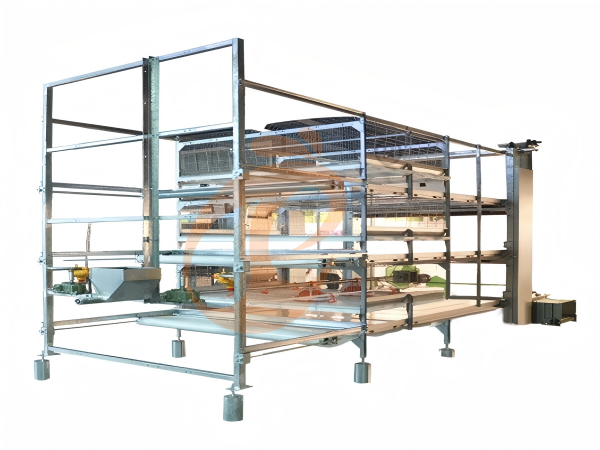
5. Our 24 hour online reception What’sApp NO. is +8618830120193, +234 8111199996. <30,000 Broilers Manual Harvest A Type Battery Cage1. Less 30,000 broilers a house, choose it.
2. It is designed to rearing 1 to 45 day old adult broiler ready for market.
3. Its lifespan is more than 20 years.
4. Its structure are Vcloud artificial intelligent fusion, electric control cabinet, automatic equipment of drinking, feeding and manure clean, manual harvesting.
5. Our 24 hour online reception What’sApp NO. is +8618830120193, +234 8111199996. HK Headquarter Offers EU-standard Poultry Farm Solutions, Manufacture Poultry Farm Equipment1. Continuous communication with the EU and the US
2. China, Nigeria, Ethiopia, Tanzania branch companies and factories
3. The products’ quality is customized for local poultry farms
4. Poultry cage and poultry farm equipment stock for sale
5. 24 online reception Whatsapp NO. : +8618830120193,contact us to get full information China Branch Offer Poultry Farm Business Plan, Manufacture Poultry Farm Equipment1. Address: Flat/RM 2416, 24/F, Runxing Building, Youyi Nan Street, Shijiazhuang City, Hebei Province, China
2. Poultry cage and poultry farm equipment factory and stock for sale
3. Customized for local poultry farms
4. Quality and design are based on Euro
5. 24 online reception Whatsapp NO. : +8618830120193 Nigeria Branch Offer Poultry Farm Business Plan, Manufacture Poultry Farm Equipment1. Address: After Sinoma Office, 200 Meters Near Danco Filling Station, Lagos/Ibadan Expressway, Lagos State, Nigeria
2. Poultry cage and poultry farm equipment factory and stock for sale
3. Customized for Nigerian poultry farms
4. Quality and design are based on Euro
5. 24 online reception Whatsapp NO. : +8618830120193 Ethiopia Branch Offer Poultry Farm Business Plan, Manufacture Poultry Farm Equipment1. Address: WR93+FQ2, Addis Ababa, Ethiopia
2. Poultry cage and poultry farm equipment stock for sale
3. Customized for Ethiopian poultry farms
4. Quality and design are based on Euro
5. 24 online reception Whatsapp NO. : +8618830120193, contact us to get price list Tanzania Branch Offer Poultry Farm Business Plan, Manufacture Poultry Farm Equipment1. Address: No.8, Sova Road, Msufini, Mlandizi, Kibaha, Pwani, Tanzania
2. Poultry cage and poultry farm equipment factory and stock for sale
3. Customized for Tanzanian poultry farms
4. Quality and design are based on Euro
5. 24 online reception Whatsapp NO. : +8618830120193



Contact
By clicking 'Allow All', you agree to the storage of cookies on your device to enhance site navigation, analyze site usage and assist with our marketing efforts.