


Blog
A type automatic poultry cage system reduces labor dependency in Ethiopian egg farms.
Rapid urban egg demand growth increases pressure on farm efficiency and cost control.
Manual operations remain dominant in many regions, limiting productivity improvements.
Automation improves feed distribution, water hygiene, and egg handling consistency.
Ethiopian farmers seek scalable solutions adapted to local infrastructure constraints.
Get professional poultry farm construction guidance, equipment selection solutions, and the latest price lists, whatsApp to +8618830120193, click to learn more:

Ethiopia Branch Office And Factory Of Poultry Farm Equipment
The Labor Cost Challenge In Ethiopian Egg Farming
Ethiopia's poultry sector has experienced rapid expansion due to rising urban demand for affordable protein sources such as eggs.
In cities like Addis Ababa, Adama, and Bahir Dar, egg consumption continues to increase alongside population growth and changing dietary habits.
However, despite this growth, layer farmers face a structural challenge: labor inefficiency.
Traditional egg farms in Ethiopia rely heavily on manual operations including feeding, watering, egg collection, and manure removal, all of which require a large workforce.
This cost pressure is especially critical in regions like Oromia and Amhara, where labor availability fluctuates due to seasonal agricultural work.
Therefore, reducing labor dependency is essential for long-term profitability.
Data is for reference only.Swipe horizontally to view full table.
Why A-Type Automatic Poultry Cage Systems Matter In Ethiopia
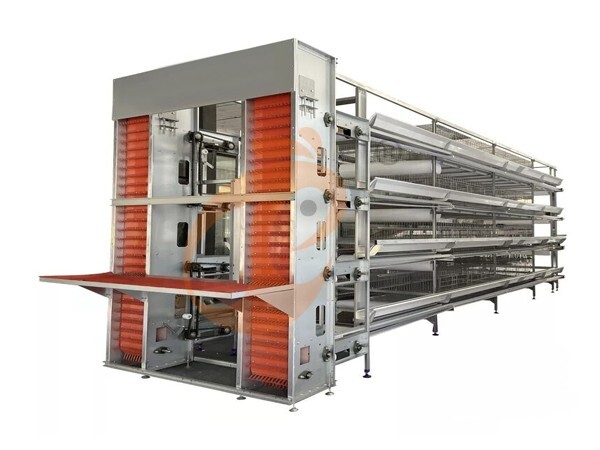
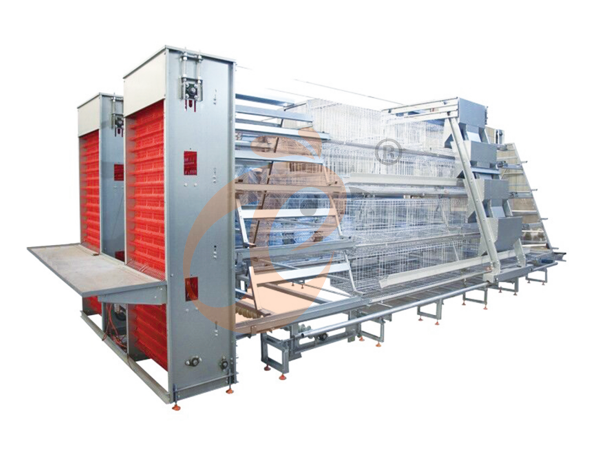
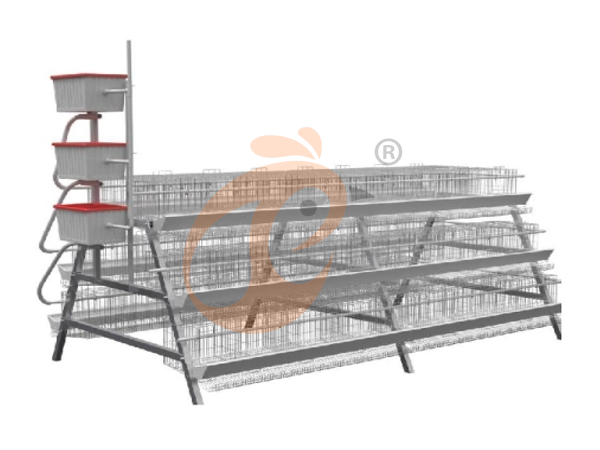
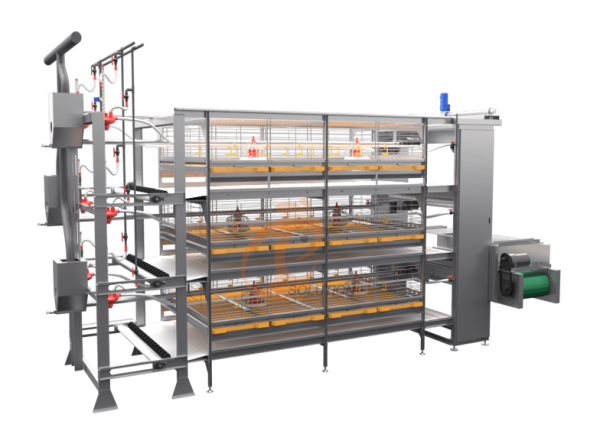
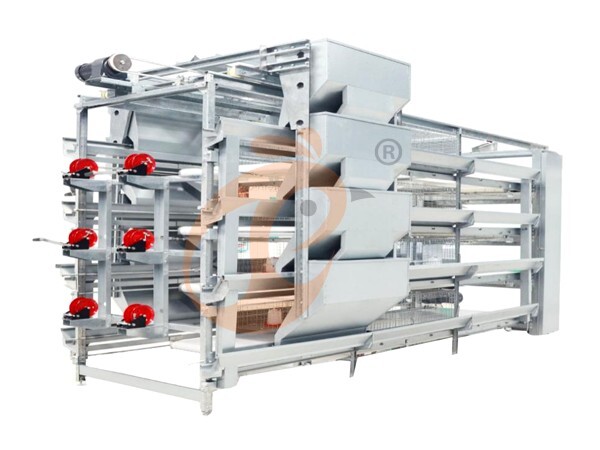
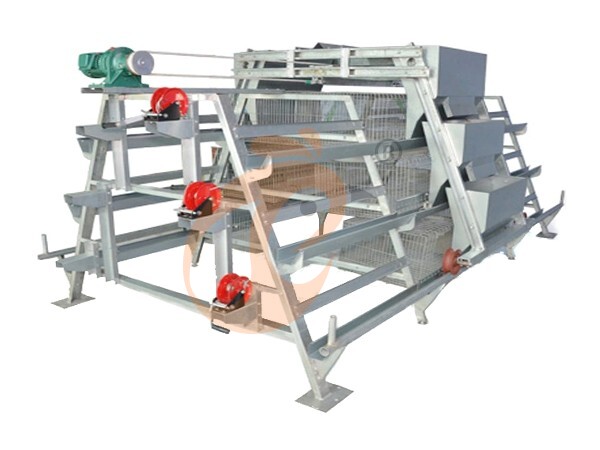
An A-type automatic poultry cage system is specifically designed for layer production, integrating feeding, drinking, egg collection, and waste removal into a structured system.
In Ethiopia, these systems are particularly suitable because land costs near urban markets are increasing while labor productivity remains constrained.
Additionally, biosecurity challenges persist in traditional systems, and egg breakage rates are higher during manual collection processes.
The A-type poultry cage system improves space utilization and operational consistency.
Data is for reference only.Swipe horizontally to view full table.
Smart Way: Automating Feeding Systems To Reduce Manual Labor
Feeding is the most labor-intensive daily activity in Ethiopian layer farms.
In traditional setups, workers manually distribute feed multiple times per day, leading to inefficiencies and feed wastage.
Automatic feeding systems integrated into A-type poultry cage systems eliminate repetitive labor and improve uniformity.
This is particularly relevant in Bishoftu and surrounding commercial farming zones where scale expansion is ongoing.
Data is for reference only.Swipe horizontally to view full table.
Feed savings can reach 8–15%, directly improving profitability under Ethiopian feed price volatility.
Smart Way: Implementing Nipple Drinking Systems
Water management in Ethiopia is often inconsistent due to infrastructure limitations in rural and peri-urban areas.
Manual watering increases labor demand and raises contamination risks.
Automatic nipple drinking systems provide continuous clean water access and stabilize production performance.
This solution is especially important in regions like Afar and Tigray where water efficiency is critical.
Data is for reference only.Swipe horizontally to view full table.
Smart Way: Automated Egg Collection To Minimize Workforce
Egg collection is another labor-intensive operation in Ethiopian farms.
Manual collection requires multiple workers and increases the risk of egg damage during handling.
Automatic egg collection systems transport eggs efficiently to centralized points, reducing handling time and physical labor.
This also improves egg quality consistency for urban markets.
Data is for reference only.Swipe horizontally to view full table.
Smart Way: Manure Belt Systems For Labor And Hygiene Control
Manure handling represents a continuous operational burden in traditional Ethiopian poultry farms.
Manual removal exposes workers to health risks and increases ammonia levels inside poultry houses.
Manure belt systems automate waste removal and improve environmental conditions.
This contributes to better bird health and stable egg production.
Data is for reference only.Swipe horizontally to view full table.
Economic Impact: Labor Cost Savings In Ethiopia
The integration of A-type poultry cage systems significantly reduces labor costs across different farm scales.
Automation enables farms to operate with fewer workers while improving operational efficiency.
Labor savings translate directly into improved margins under Ethiopian market conditions.
Data is for reference only.Swipe horizontally to view full table.
Automation can reduce labor costs by 40–75% depending on farm scale (European union standard reference only).
Local Ethiopian Constraints And Practical Adaptation
Despite clear benefits, Ethiopian farmers face structural barriers when adopting automation technologies.
These include financing limitations, equipment import costs, unstable electricity supply, and technical skill gaps.
Localized adaptation strategies are necessary to ensure successful implementation.
Data is for reference only.Swipe horizontally to view full table.
Case Example: Oromia Region Layer Farm Transformation
A medium-scale farm in Oromia transitioning from manual systems to A-type poultry cage systems achieved measurable improvements.
Labor demand decreased significantly while production stability increased.
Mortality rates declined due to improved hygiene and management conditions.
Data is for reference only.Swipe horizontally to view full table.
Long-Term Return On Investment For Ethiopian Egg Producers
Although initial investment in A-type poultry cage systems may range from 30,000 to 100,000 Ethiopian Birr per set (European union standard reference only), the return on investment remains attractive.
Labor savings, reduced egg losses, and improved feed efficiency contribute to faster cost recovery.
Data is for reference only.Swipe horizontally to view full table.
Frequently Asked Questions
Q1: Is A-type poultry cage system suitable for Ethiopia climate conditions?
Yes, it is suitable when combined with proper ventilation and housing design adapted to regions such as Oromia and Amhara, where temperature variation and airflow must be controlled for stable egg production.
Q2: Can Ethiopian farmers afford A-type poultry cage system investment?
Although the upfront cost is noticeable, long-term labor savings, reduced egg loss, and improved productivity allow most farms in Ethiopia to recover investment within 1–2 years through structured planning.
Q3: How to manage power shortages affecting automatic systems in Ethiopia?
Farmers can integrate solar energy systems or backup generators, which are increasingly used in rural Ethiopia to ensure stable operation of feeding, egg collection, and manure systems.
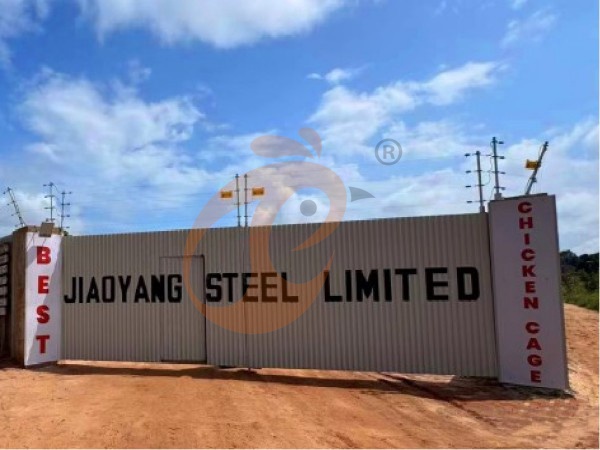
Ethiopia Best Hebei Machinery Manufacturing Plc - One Of Ethiopia Largest Poultry Cage Supplier
Global factory direct supply ensures stable pricing and reliable delivery for poultry farm equipment projects across different farm scales.
Professional manufacturing of poultry cage systems including A-type poultry cage solutions designed specifically for layer farming operations.
Provides complete Turn-key engineering services covering farm planning, equipment installation, and technical training support.
Strong export experience supports Ethiopia market requirements with durable poultry farm equipment and efficient logistics solutions.
Focus on long-term cooperation with farmers by delivering customized poultry cage systems adapted to local conditions and production goals.
Contact Us To Received Your Customized Poultry Farm Plan
Headquarters And Branchs

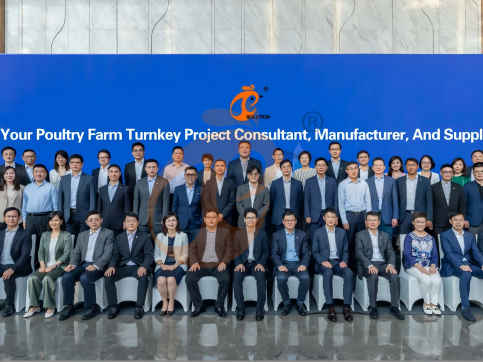
Hong Kong Headquarter Management Team
Hong Kong Headquarter Taiyu Industrial Group CO., LTD
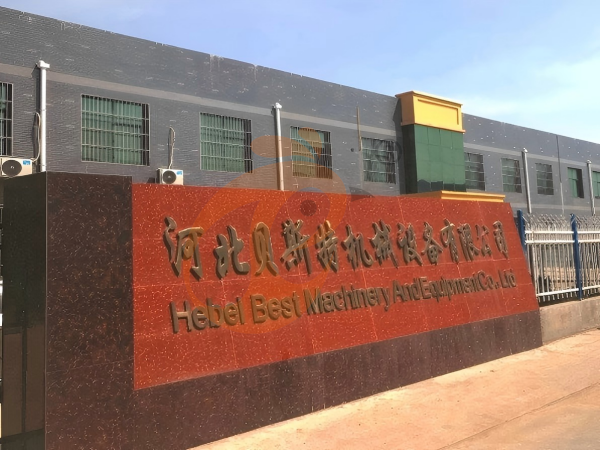
China Hebei Best Machinery And Equipment CO., LTD
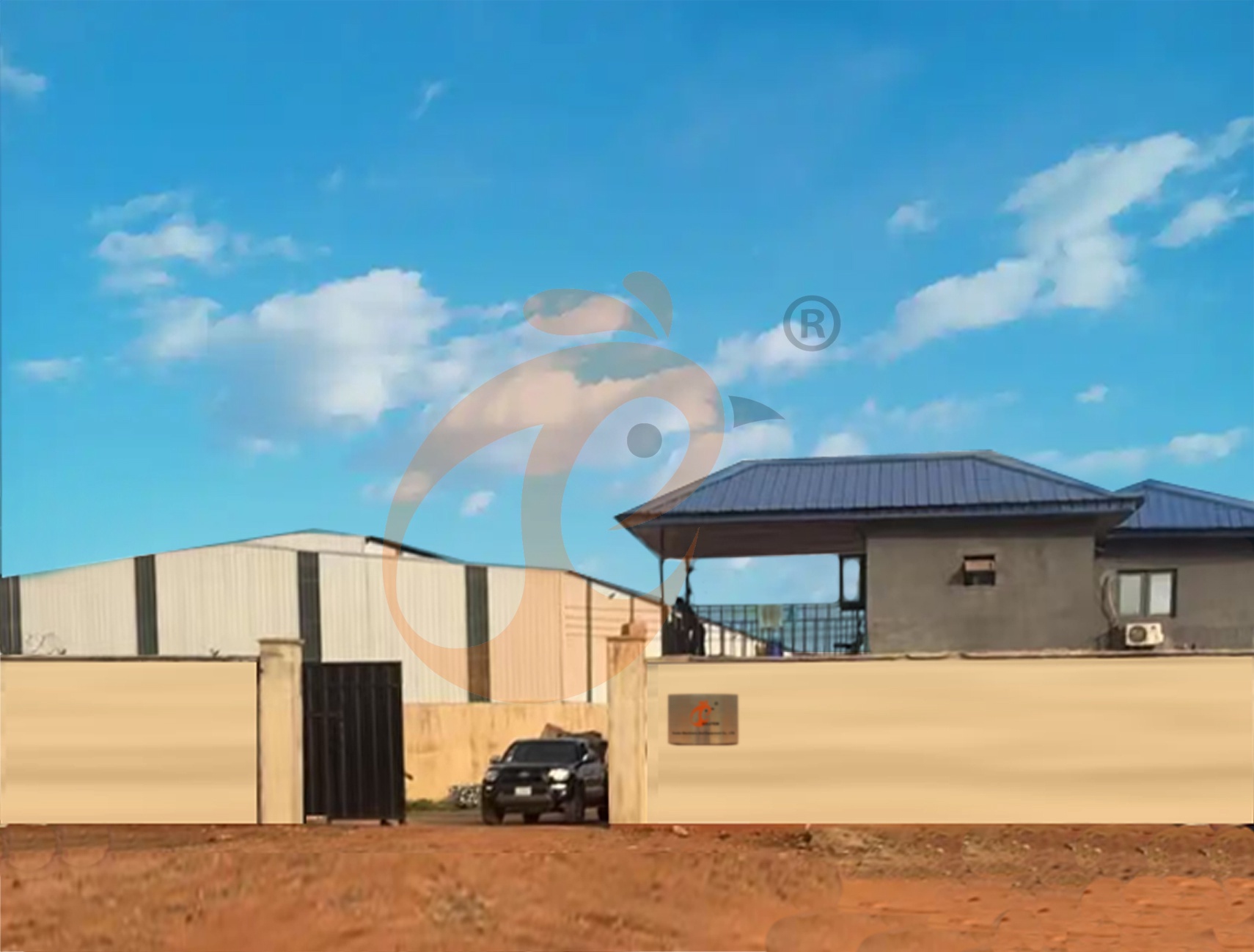
Nigeria Vanke Machinery And Equipment CO., LTD
Tanzania Best Machinery And Equipment CO., LTD
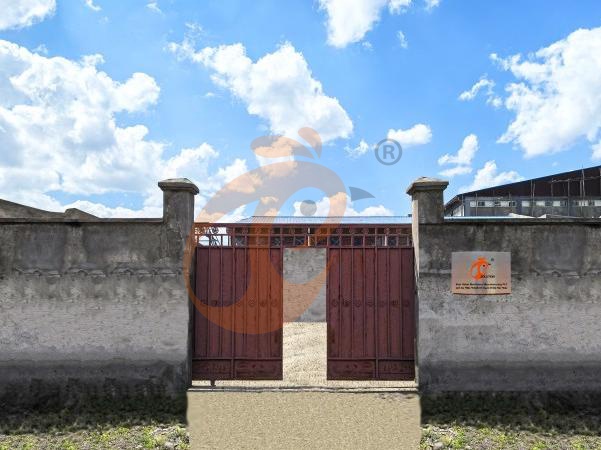
Ethiopia Best Hebei Machinery Manufacturing PLC




Reception /24 WhatsApp NO. : +8618830120193
FAQ
What Are The Recommended Cage Width And Height For A-Type Layer Cage?
Cage width: 2200–2400 mm
Cage depth: 400 mm
Birds per set: 120-200
Egg production rate: 90–96%
How To Improve Feed Efficiency In A-Type Poultry Cage System?
Reduce feed waste
FCR reduced to 1.9–2.2
Egg production rate: 90–96%
Feed waste reduced by 5–10%
How To Implement Egg Collection Automation In A-Type Layer Cage Farm?
Egg breakage rate <1%
Daily egg yield: 900–960 eggs/1,000 birds
Labor savings: 50–70%
Egg production rate: 90–96%
- poultry farm
- poultry farms
- poultry house
- poultry cage
- cage
- poultry farm equipment
- poultry farm construction
- poultry cage supplier
- poultry cage system
- automatic poultry cage system
- automatic poultry cage
- poultry cage solution
- automatic feeding system
- egg collection system
- automatic egg collection system
- chickencage
- bestchickencage
- cage system
- cage systems
- Nigeria
- automated egg collection
- layer farm
- poultry cage systems
- cage supplier
- poultry cage solutions
- automatic egg collection
- poultry farm plan
- Ethiopia
Message
Products recommended
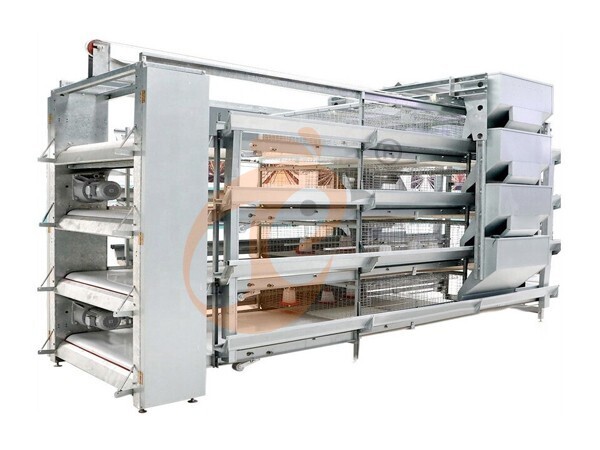
 >30,000 Pullets Automatic H Type Battery Cage1. More than 30,000 pullets a house, choose it.
2. It is designed to rearing older than 1 day old pullets to 12 to 16 weeks old chicken starting laying eggs.
3. Its lifespan is more than 25 years.
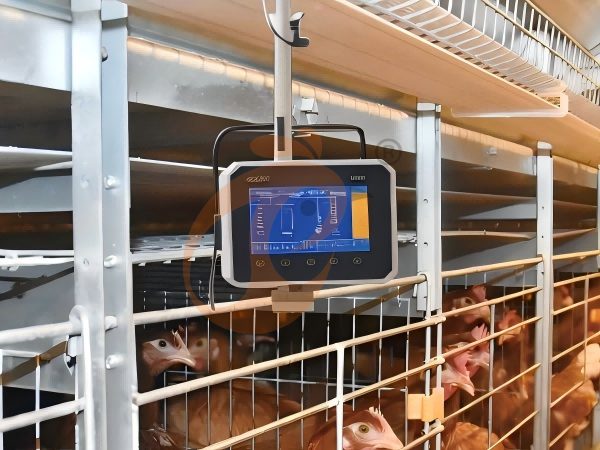
4. Its structure are Vcloud artificial intelligent fusion, electric control cabinet, automatic equipment of drinking, feeding, manure clean, manual harvesting.
5. Our 24 hour online reception What’sApp NO. is +8618830120193 <30,000 Pullets Automatic A Type Battery Cage1. 10,000 to 30,000 pullets a house, choose it.
2. It is designed to rearing older than 1 day old pullets to 12 to 16 weeks old chicken starting laying eggs.
3. Its lifespan is more than 25 years.
4. Its structure are Vcloud artificial intelligent fusion, electric control cabinet, automatic equipment of drinking, feeding, manure clean, manual harvesting.
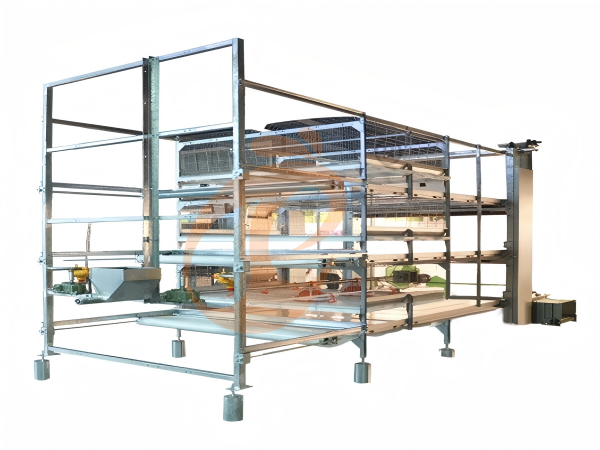
5. Our 24 hour online reception What’sApp NO. is +86 18830120193. >30,000 Broilers Semi-Automatic Harvest H Type Battery Cage1. More than 30,000 broilers a house, choose it.
2. It is designed to rearing 1 to 45 day old adult broiler ready for market.
3. Its lifespan is more than 20 years.
4. Our 24 hour online reception What’sApp NO. is +8618830120193, +234 8111199996. >30,000 Broilers Manual Harvest H Type Battery Cage1. More than 30,000 broilers a house, choose it.
2. It is designed to rearing 1 to 45 day old adult broiler ready for market.
3. Its lifespan is more than 20 years.
4. Its structure are Vcloud artificial intelligent fusion, electric control cabinet, automatic equipment of drinking, feeding and manure clean, manual harvesting.
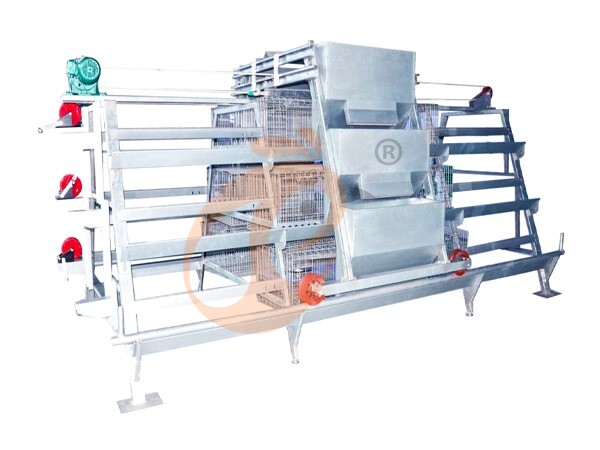
5. Our 24 hour online reception What’sApp NO. is +8618830120193, +234 8111199996. <30,000 Broilers Manual Harvest A Type Battery Cage1. Less 30,000 broilers a house, choose it.
2. It is designed to rearing 1 to 45 day old adult broiler ready for market.
3. Its lifespan is more than 20 years.
4. Its structure are Vcloud artificial intelligent fusion, electric control cabinet, automatic equipment of drinking, feeding and manure clean, manual harvesting.
5. Our 24 hour online reception What’sApp NO. is +8618830120193, +234 8111199996. HK Headquarter Offers EU-standard Poultry Farm Solutions, Manufacture Poultry Farm Equipment1. Continuous communication with the EU and the US
2. China, Nigeria, Ethiopia, Tanzania branch companies and factories
3. The products’ quality is customized for local poultry farms
4. Poultry cage and poultry farm equipment stock for sale
5. 24 online reception Whatsapp NO. : +8618830120193,contact us to get full information China Branch Offer Poultry Farm Business Plan, Manufacture Poultry Farm Equipment1. Address: Flat/RM 2416, 24/F, Runxing Building, Youyi Nan Street, Shijiazhuang City, Hebei Province, China
2. Poultry cage and poultry farm equipment factory and stock for sale
3. Customized for local poultry farms
4. Quality and design are based on Euro
5. 24 online reception Whatsapp NO. : +8618830120193 Nigeria Branch Offer Poultry Farm Business Plan, Manufacture Poultry Farm Equipment1. Address: After Sinoma Office, 200 Meters Near Danco Filling Station, Lagos/Ibadan Expressway, Lagos State, Nigeria
2. Poultry cage and poultry farm equipment factory and stock for sale
3. Customized for Nigerian poultry farms
4. Quality and design are based on Euro
5. 24 online reception Whatsapp NO. : +8618830120193 Ethiopia Branch Offer Poultry Farm Business Plan, Manufacture Poultry Farm Equipment1. Address: WR93+FQ2, Addis Ababa, Ethiopia
2. Poultry cage and poultry farm equipment stock for sale
3. Customized for Ethiopian poultry farms
4. Quality and design are based on Euro
5. 24 online reception Whatsapp NO. : +8618830120193, contact us to get price list Tanzania Branch Offer Poultry Farm Business Plan, Manufacture Poultry Farm Equipment1. Address: No.8, Sova Road, Msufini, Mlandizi, Kibaha, Pwani, Tanzania
2. Poultry cage and poultry farm equipment factory and stock for sale
3. Customized for Tanzanian poultry farms
4. Quality and design are based on Euro
5. 24 online reception Whatsapp NO. : +8618830120193



Contact
By clicking 'Allow All', you agree to the storage of cookies on your device to enhance site navigation, analyze site usage and assist with our marketing efforts.