


Blog
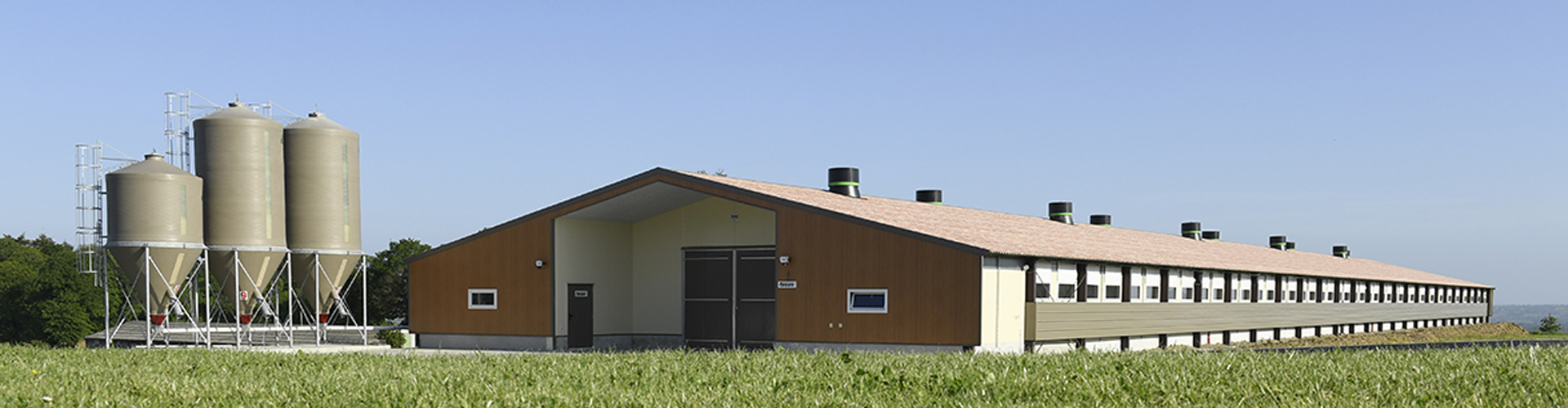
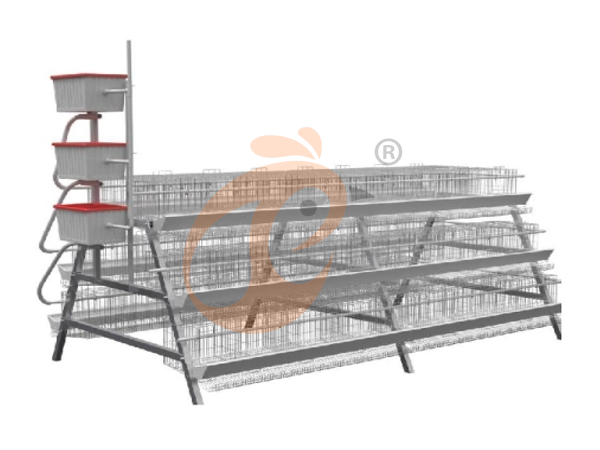
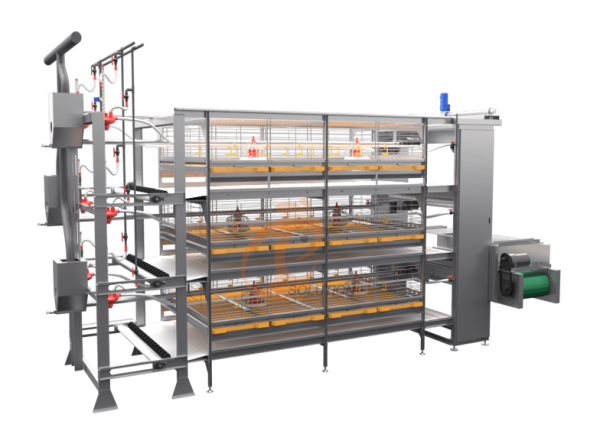
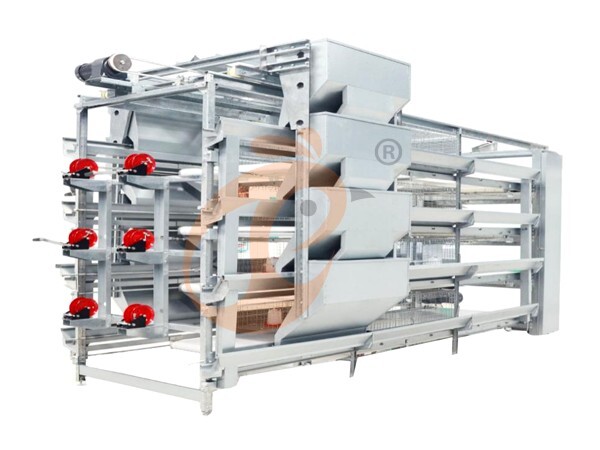
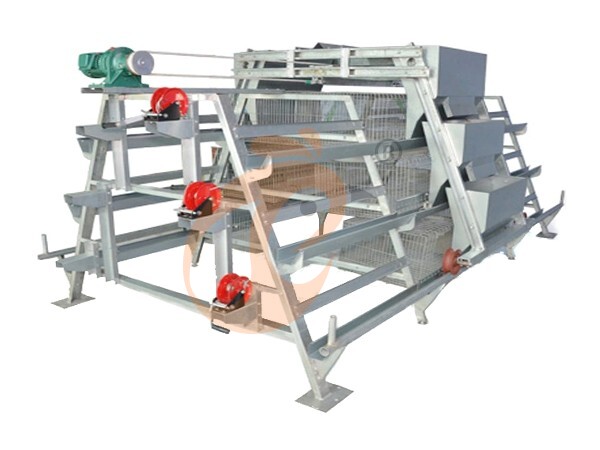
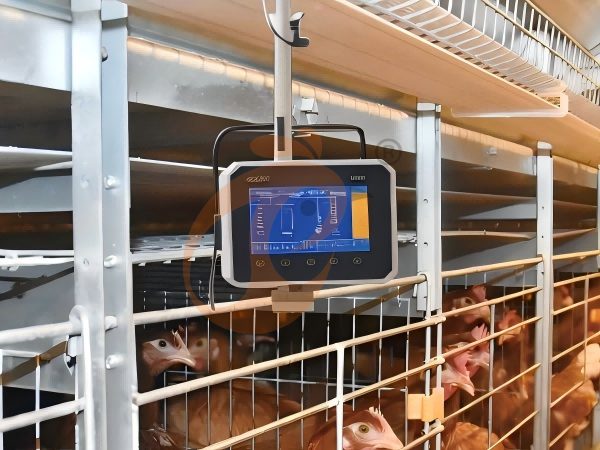
A type poultry cage system Ethiopia requires safety-focused design to ensure consistent egg production under diverse local climates.
Rapid poultry sector growth demands improved housing standards for layer farms.
Farmers face challenges including disease outbreaks, feed costs, and infrastructure gaps.
Proper cage systems reduce mortality and improve operational efficiency.
Safety features directly influence long-term profitability and sustainability outcomes.
Get professional poultry farm construction guidance, equipment selection solutions, and the latest price lists, whatsApp to +8618830120193, click to learn more:

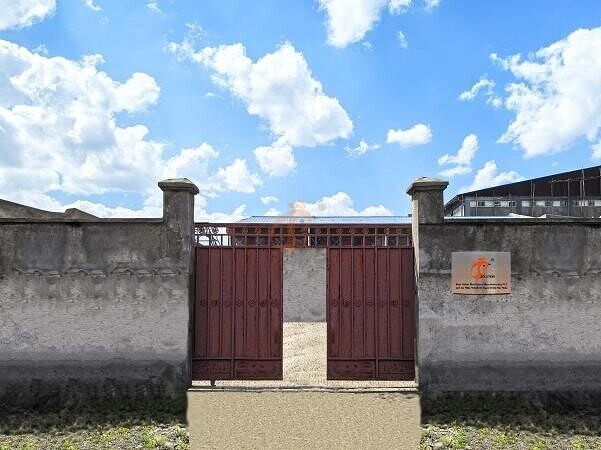
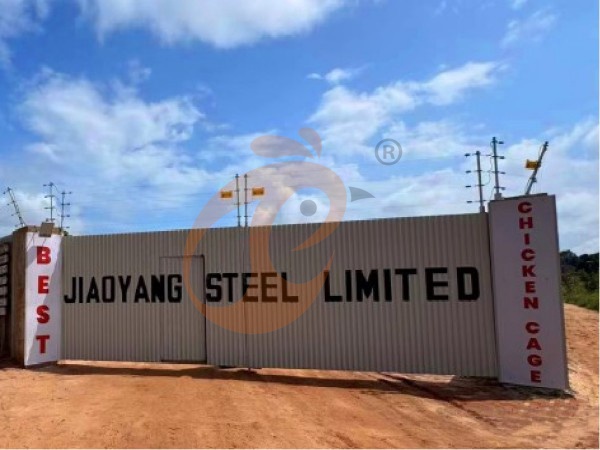
Ethiopia Branch Office And Factory Of Poultry Farm Equipment
Structural Stability Under Ethiopian Environmental Conditions
Ethiopia's diverse geography from the highlands of Oromia to the warmer lowlands of Afar creates significant variation in environmental stressors.
Cage systems must withstand static loads, wind pressure, and temperature fluctuations.
Poor structural integrity often results in deformation, bird injury, and reduced egg output.
Many locally fabricated systems degrade quickly due to weak materials and corrosion exposure.
Data is for reference only.Swipe horizontally to view full table.
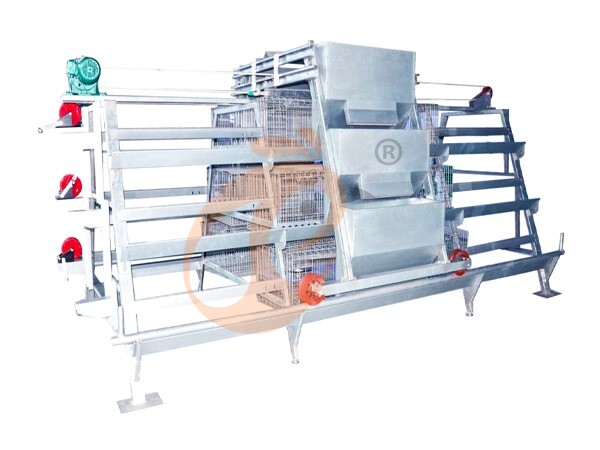
Hot dip galvanized A-type chicken cage structures are recommended for long-term durability.
Anchoring systems are essential in wind-prone Rift Valley areas.
Safe And Efficient Manure Management Systems
Manure accumulation is a critical operational issue in Ethiopian poultry farms.
Ammonia buildup reduces bird health and egg productivity.
Manual cleaning increases labor costs and hygiene risks.
Data is for reference only.Swipe horizontally to view full table.
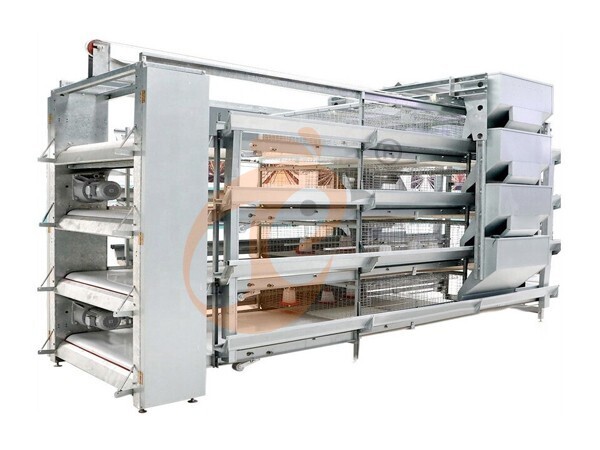
Semi-automated manure systems are suitable for medium-scale Ethiopian farms.
Processed manure can be reused as fertilizer in mixed agriculture systems.
Bird Welfare And Injury Prevention Design
Layer comfort directly impacts egg production efficiency.
Poor cage design leads to injuries, stress, and reduced laying rates.
Wire quality and spacing are essential safety parameters.
Data is for reference only.Swipe horizontally to view full table.
Optimized design improves feed conversion efficiency under Ethiopian cost constraints.
This aligns with increasing demand for commercial egg production Ethiopia.
Reliable Feeding And Watering Systems
Feed and water systems must ensure consistency and minimize waste.
Manual systems lead to uneven distribution and contamination risks.
Automated solutions improve efficiency and bird health.
Data is for reference only.Swipe horizontally to view full table.
Water efficiency is critical in regions with limited supply such as Tigray.
Nipple systems significantly reduce wastage compared to open drinkers.
Disease Control And Biosecurity Integration
Disease outbreaks remain a major constraint in Ethiopian poultry farming.
Preventive design is more effective than reactive treatment due to limited veterinary access.
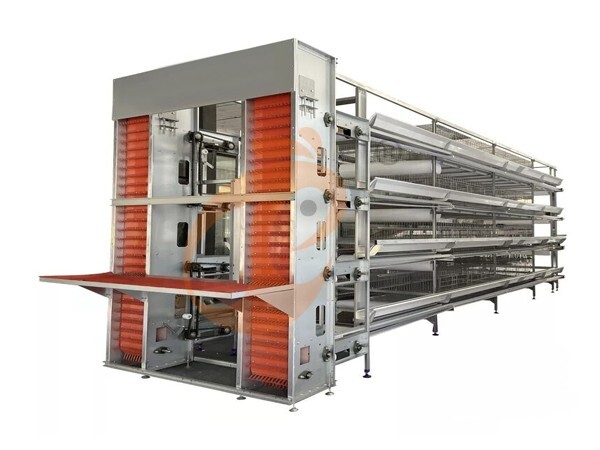
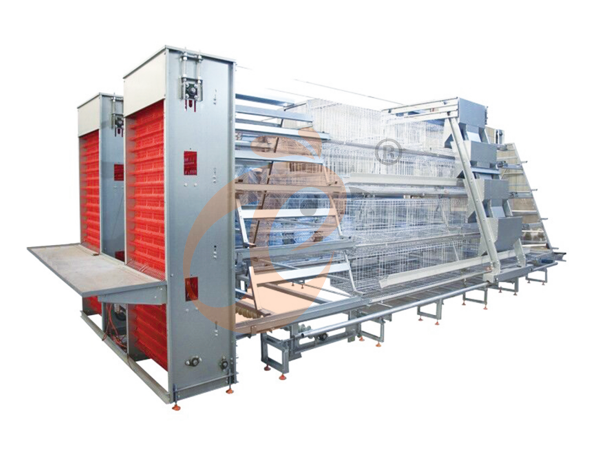
A-type chicken cage systems can support strong biosecurity if properly implemented.
Data is for reference only.Swipe horizontally to view full table.
This supports safer operations in high-density layer farms.
Adaptation To Local Climate Variability
Ethiopia's climate diversity requires adaptable poultry housing systems.
Heat stress significantly reduces egg production in lowland regions.
Ventilation and insulation are essential design elements.
Data is for reference only.Swipe horizontally to view full table.
Low-cost solutions such as curtain systems improve environmental control.
These are practical for rural Ethiopian poultry operations.
Electrical And Fire Safety Considerations
Modern poultry farms increasingly depend on electrical systems.
Improper installation can create fire risks, especially in dry climates.
Safety systems must be integrated into cage infrastructure.
Data is for reference only.Swipe horizontally to view full table.
Solar energy offers a practical solution due to high sunlight availability.
Ease Of Maintenance And Labor Efficiency
Labor efficiency is a key factor in Ethiopian poultry farm profitability.
Systems requiring excessive manual work reduce operational margins.
Modular design simplifies maintenance and reduces downtime.
Data is for reference only.Swipe horizontally to view full table.
Efficient systems reduce dependence on skilled labor.
Economic Viability And Return On Investment
Safety upgrades increase initial investment but improve long-term returns.
Farmers must balance affordability with durability and performance.
Data is for reference only.Swipe horizontally to view full table.
Typical A-type chicken cage investment ranges between 1500–3000 Ethiopian Birr per unit European union standard reference only.
This supports sustainable poultry farm equipment Ethiopia adoption.
Integrated Safety As A Competitive Advantage
Integrated safety design improves productivity, bird welfare, and operational efficiency.
Farmers adopting advanced systems gain long-term economic benefits.
This strengthens the overall poultry industry development in Ethiopia.
Frequently Asked Questions
Q1: Is A-type chicken cage suitable for Ethiopian conditions?
A1: Yes, it is suitable when adapted for climate, ventilation, and local farm scale.
Q2: What is the main challenge for poultry cage systems in Ethiopia?
A2: The main challenge is balancing cost with durability and disease control.
Q3: How can farmers improve egg production efficiency in Ethiopia?
A3: By using proper cage design, consistent feeding systems, and strong biosecurity measures.
Ethiopia Best Hebei Machinery Manufacturing Plc - One Of Ethiopia Largest Poultry Cage Manufacturer
Provides global factory direct supply with competitive pricing and consistent product quality assurance.
Specializes in poultry farm equipment including advanced A-type poultry cage systems for layers.
Offers complete Turn-key project solutions covering design installation and technical support services.
Ensures durable materials and engineering standards suitable for Ethiopian environmental conditions.
Delivers customized solutions based on farm scale climate and operational requirements.
Contact Us To Received Your Customized Poultry Farm Plan
Headquarters And Branchs

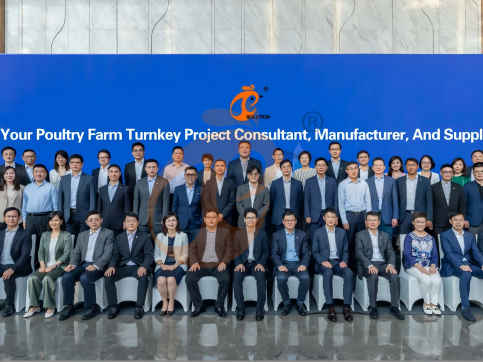
Hong Kong Headquarter Management Team
Hong Kong Headquarter Taiyu Industrial Group CO., LTD
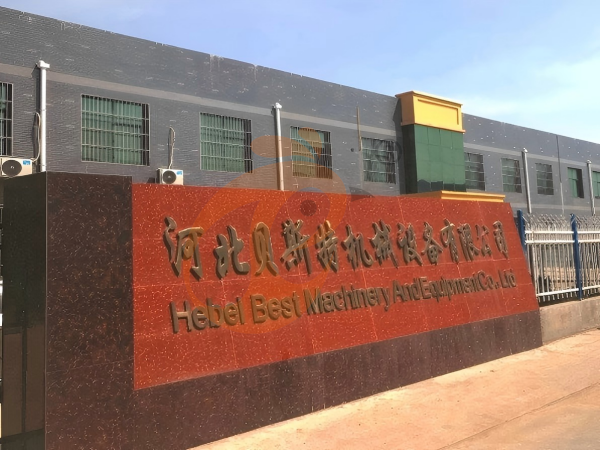
China Hebei Best Machinery And Equipment CO., LTD
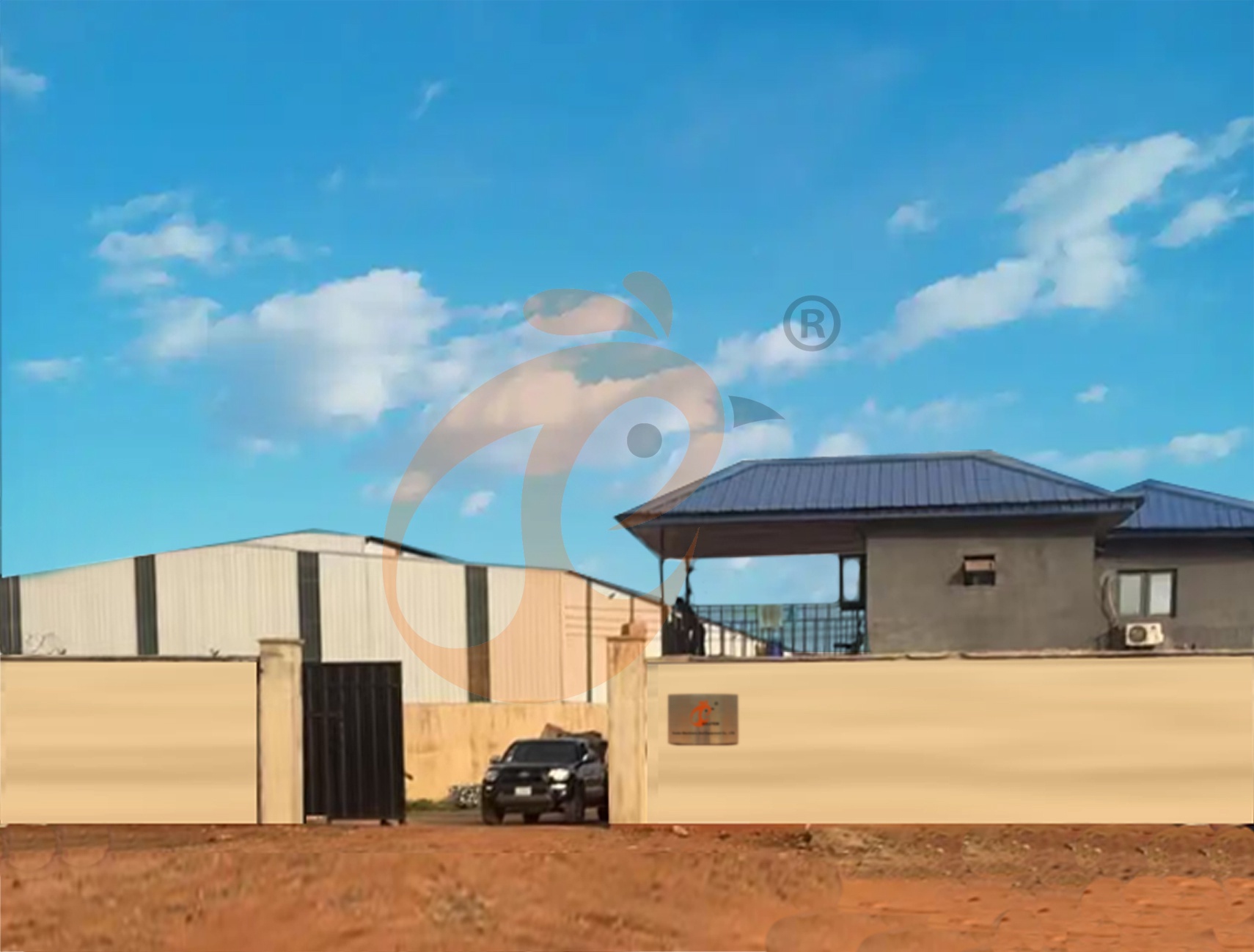
Nigeria Vanke Machinery And Equipment CO., LTD
Tanzania Best Machinery And Equipment CO., LTD
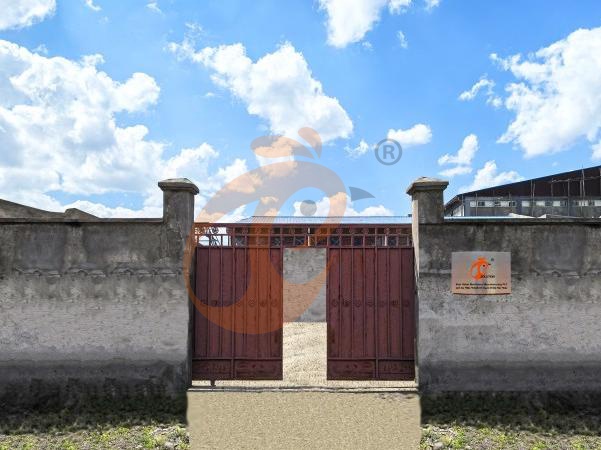
Ethiopia Best Hebei Machinery Manufacturing PLC
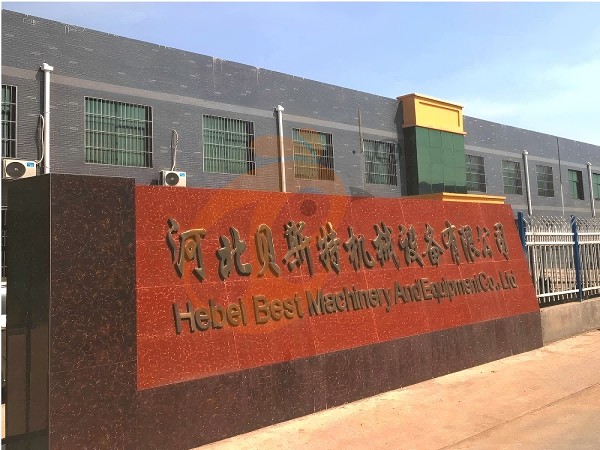
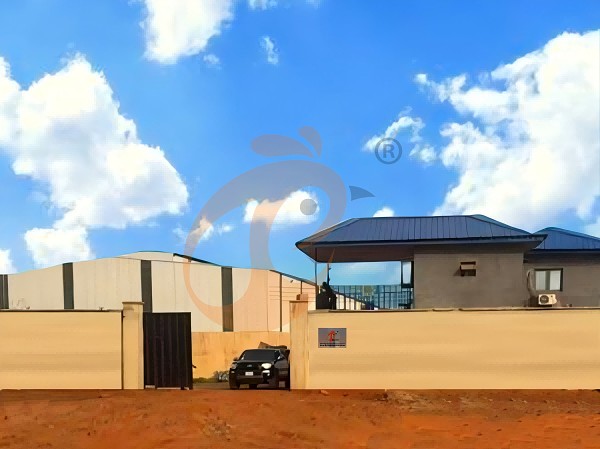
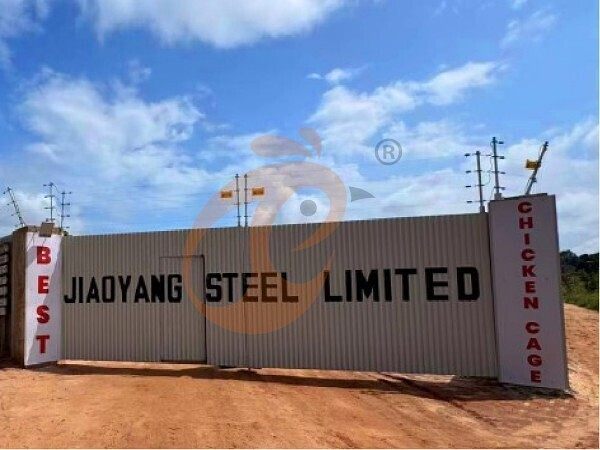
Reception /24 WhatsApp NO. : +8618830120193
FAQ
How To Maintain Optimal Lighting In A-Type Chicken Cage House?
Even lighting promotes laying
Egg production rate: 90–96%
FCR: 1.9–2.2
Reduces stress
How To Ensure Egg Safety And Reduce Breakage In A-Type Layer Cage System?
Control conveyor speed
Egg breakage rate <1%
Daily egg yield: 900–960 eggs/1,000 birds
Egg production rate: 90–96%
How To Reduce Heat Stress In A-Type Layer Cage Farm?
Maintain airflow for each tier
Provide water and cooling fans
Mortality rate: 2–3%
Egg production rate: 90–96%
- poultry farm
- chicken cage
- poultry farms
- poultry cage
- cage
- poultry farm equipment
- poultry farm construction
- poultry cage manufacturer
- poultry cage system
- chicken cage system
- poultry housing system
- chickencage
- a type poultry cage
- bestchickencage
- cage system
- cage systems
- Nigeria
- layer farm
- modern poultry farms
- poultry farming
- poultry cage systems
- poultry housing systems
- cage design
- cage manufacturer
- modern poultry farm
- poultry farm plan
- poultry farm profit
- poultry farm profitability
- Ethiopia
Message
Products recommended
 >30,000 Pullets Automatic H Type Battery Cage1. More than 30,000 pullets a house, choose it.
2. It is designed to rearing older than 1 day old pullets to 12 to 16 weeks old chicken starting laying eggs.
3. Its lifespan is more than 25 years.
4. Its structure are Vcloud artificial intelligent fusion, electric control cabinet, automatic equipment of drinking, feeding, manure clean, manual harvesting.
5. Our 24 hour online reception What’sApp NO. is +8618830120193 <30,000 Pullets Automatic A Type Battery Cage1. 10,000 to 30,000 pullets a house, choose it.
2. It is designed to rearing older than 1 day old pullets to 12 to 16 weeks old chicken starting laying eggs.
3. Its lifespan is more than 25 years.
4. Its structure are Vcloud artificial intelligent fusion, electric control cabinet, automatic equipment of drinking, feeding, manure clean, manual harvesting.
5. Our 24 hour online reception What’sApp NO. is +86 18830120193. >30,000 Broilers Semi-Automatic Harvest H Type Battery Cage1. More than 30,000 broilers a house, choose it.
2. It is designed to rearing 1 to 45 day old adult broiler ready for market.
3. Its lifespan is more than 20 years.
4. Our 24 hour online reception What’sApp NO. is +8618830120193, +234 8111199996. >30,000 Broilers Manual Harvest H Type Battery Cage1. More than 30,000 broilers a house, choose it.
2. It is designed to rearing 1 to 45 day old adult broiler ready for market.
3. Its lifespan is more than 20 years.
4. Its structure are Vcloud artificial intelligent fusion, electric control cabinet, automatic equipment of drinking, feeding and manure clean, manual harvesting.
5. Our 24 hour online reception What’sApp NO. is +8618830120193, +234 8111199996. <30,000 Broilers Manual Harvest A Type Battery Cage1. Less 30,000 broilers a house, choose it.
2. It is designed to rearing 1 to 45 day old adult broiler ready for market.
3. Its lifespan is more than 20 years.
4. Its structure are Vcloud artificial intelligent fusion, electric control cabinet, automatic equipment of drinking, feeding and manure clean, manual harvesting.
5. Our 24 hour online reception What’sApp NO. is +8618830120193, +234 8111199996. HK Headquarter Offers EU-standard Poultry Farm Solutions, Manufacture Poultry Farm Equipment1. Continuous communication with the EU and the US
2. China, Nigeria, Ethiopia, Tanzania branch companies and factories
3. The products’ quality is customized for local poultry farms
4. Poultry cage and poultry farm equipment stock for sale
5. 24 online reception Whatsapp NO. : +8618830120193,contact us to get full information China Branch Offer Poultry Farm Business Plan, Manufacture Poultry Farm Equipment1. Address: Flat/RM 2416, 24/F, Runxing Building, Youyi Nan Street, Shijiazhuang City, Hebei Province, China
2. Poultry cage and poultry farm equipment factory and stock for sale
3. Customized for local poultry farms
4. Quality and design are based on Euro
5. 24 online reception Whatsapp NO. : +8618830120193 Nigeria Branch Offer Poultry Farm Business Plan, Manufacture Poultry Farm Equipment1. Address: After Sinoma Office, 200 Meters Near Danco Filling Station, Lagos/Ibadan Expressway, Lagos State, Nigeria
2. Poultry cage and poultry farm equipment factory and stock for sale
3. Customized for Nigerian poultry farms
4. Quality and design are based on Euro
5. 24 online reception Whatsapp NO. : +8618830120193 Ethiopia Branch Offer Poultry Farm Business Plan, Manufacture Poultry Farm Equipment1. Address: WR93+FQ2, Addis Ababa, Ethiopia
2. Poultry cage and poultry farm equipment stock for sale
3. Customized for Ethiopian poultry farms
4. Quality and design are based on Euro
5. 24 online reception Whatsapp NO. : +8618830120193, contact us to get price list Tanzania Branch Offer Poultry Farm Business Plan, Manufacture Poultry Farm Equipment1. Address: No.8, Sova Road, Msufini, Mlandizi, Kibaha, Pwani, Tanzania
2. Poultry cage and poultry farm equipment factory and stock for sale
3. Customized for Tanzanian poultry farms
4. Quality and design are based on Euro
5. 24 online reception Whatsapp NO. : +8618830120193



Contact
By clicking 'Allow All', you agree to the storage of cookies on your device to enhance site navigation, analyze site usage and assist with our marketing efforts.