


Blog
Poultry cage cost Ethiopia remains a decisive factor for small-scale egg farmers planning expansion in urban and peri-urban regions.
Rapid growth of egg consumption in Addis Ababa and regional towns is increasing demand for efficient production systems.
Limited land availability and rising feed prices require farmers to adopt space-saving and cost-efficient housing solutions.
Import dependency through Djibouti port adds logistical cost pressures for equipment procurement.
- Selecting appropriate chicken cage systems directly impacts long-term profitability and farm sustainability.
Get professional poultry farm construction guidance, equipment selection solutions, and the latest price lists, whatsApp to +8618830120193, click to learn more:

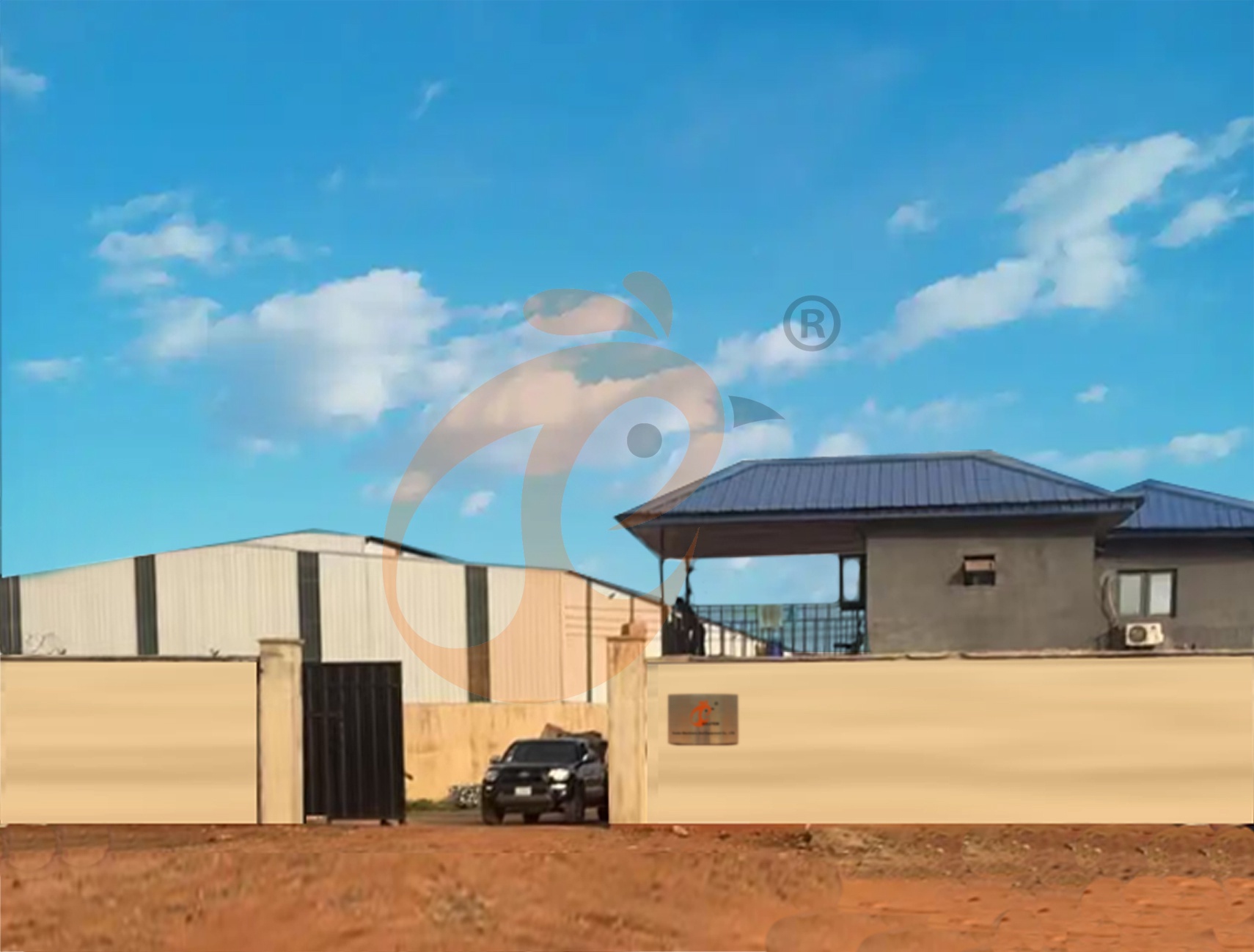
Ethiopia Branch Office And Factory Of Poultry Farm Equipment
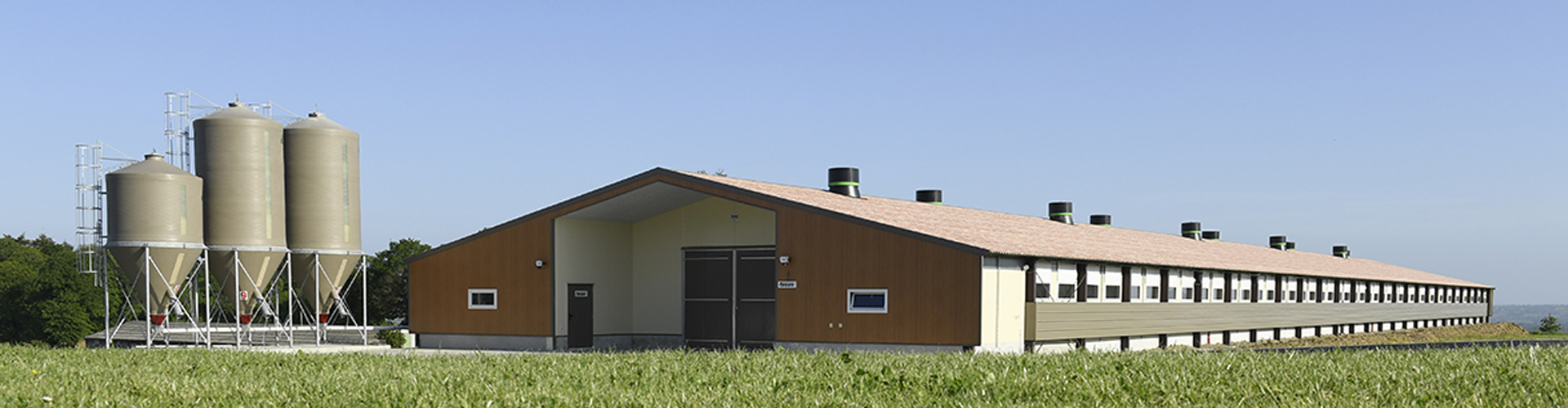
Ethiopian Poultry Farming Background
Ethiopia's poultry industry is transitioning from traditional backyard systems to semi-intensive and intensive egg production models.
Urbanization and dietary changes are driving egg demand, especially in Addis Ababa, Hawassa, and Bahir Dar.
Small farms dominate production, typically ranging from 500 to 5,000 layers.
However, inefficiencies in housing systems reduce productivity and increase feed waste.
Modern chicken cage solutions offer a structured approach to improving egg output and farm management.
Poultry Cage Cost Ethiopia Overview
Understanding poultry cage cost Ethiopia requires evaluating both direct and indirect expenses.
These include equipment purchase, transport, installation, and taxation.
Data is for reference only.Swipe horizontally to view full table.
These costs reflect Ethiopia's reliance on imported poultry equipment.
European union standard reference only.
Benefits Of Chicken Cage Systems For Layers
Chicken cage systems significantly improve egg production efficiency compared to floor systems.
They also reduce disease transmission and egg breakage.
Data is for reference only.Swipe horizontally to view full table.
This efficiency is critical in Ethiopia where feed costs dominate production expenses.
Manual A-Type Chicken Cage Option
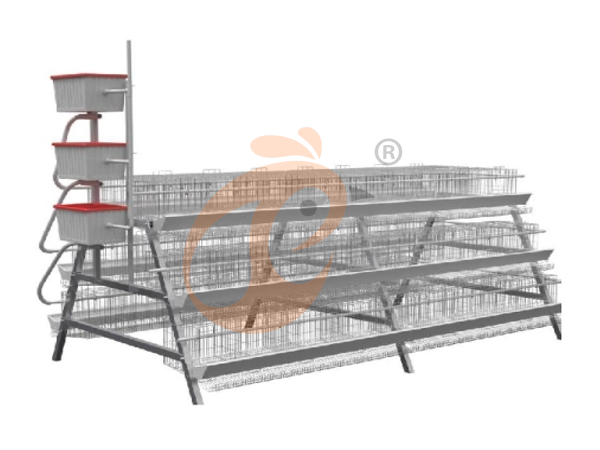
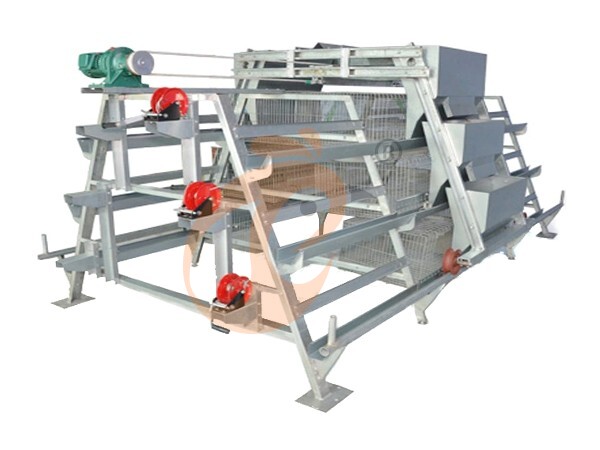
The manual A-type system is the most accessible entry-level option for small Ethiopian farms.
It is widely used due to its simplicity and affordability.
Data is for reference only.Swipe horizontally to view full table.
This system suits rural areas where labor availability is relatively stable.
European union standard reference only.
Semi-Automatic A-Type Chicken Cage Option
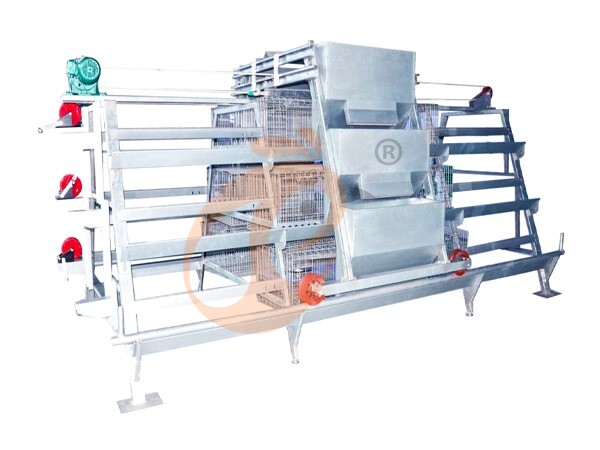
Semi-automatic systems represent a transition stage toward modern poultry farming.
They reduce labor input and improve feeding consistency.
Data is for reference only.Swipe horizontally to view full table.
These systems are increasingly adopted near urban centers with rising labor costs.
European union standard reference only.
Local Fabricated Chicken Cage Option
Locally fabricated cages are produced using mild steel materials.
They offer a lower upfront investment but require frequent maintenance.
Data is for reference only.Swipe horizontally to view full table.
These cages are suitable for short-term or pilot projects in Ethiopia.
European union standard reference only.
Entry-Level H-Frame Chicken Cage Option
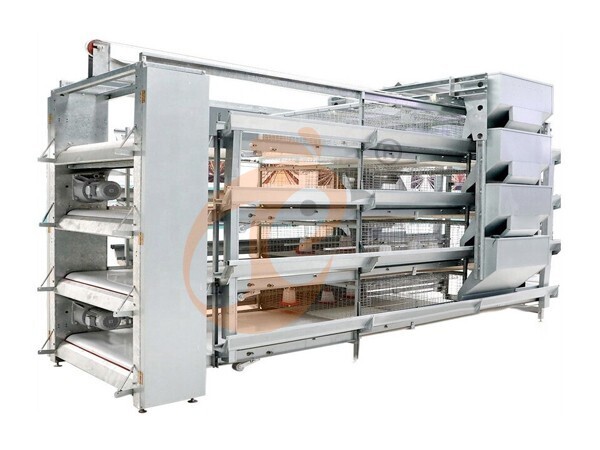
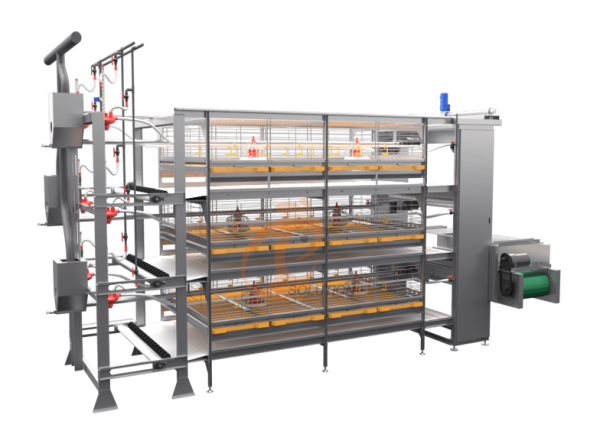
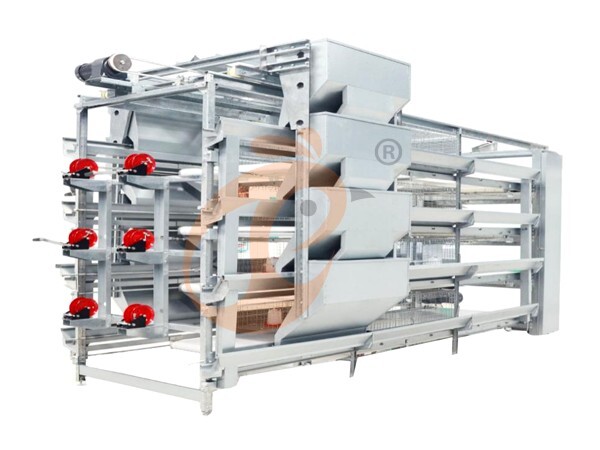
H-frame systems provide higher productivity and automation.
They are designed for long-term efficiency and scalability.
Data is for reference only.Swipe horizontally to view full table.
This system supports commercial-scale egg production with stable output.
European union standard reference only.
Land Use Efficiency In Ethiopia Farms
Land scarcity near major cities makes vertical cage systems essential.
Chicken cage cost Ethiopia must also consider land savings as a financial factor.
Data is for reference only.Swipe horizontally to view full table.
Efficient land utilization allows farmers to expand production within limited space.
Long-Term Cost Analysis Of Cage Systems
Farmers often focus on initial cost rather than lifecycle cost.
Layer cage investment Ethiopia should consider long-term savings.
Data is for reference only.Swipe horizontally to view full table.
Automated systems provide better economic returns over time.
European union standard reference only.
Key Challenges And Practical Solutions
Ethiopian farmers face multiple constraints when investing in chicken cage systems.
Limited access to foreign currency restricts equipment imports.
Feed price volatility affects profitability.
Infrastructure limitations impact automation adoption.
Solutions include cooperative purchasing models, gradual system upgrades, and prioritizing durable materials such as hot-dip galvanized steel.
Frequently Asked Questions About Poultry Cage Cost Ethiopia
Q1: Is chicken cage suitable for Ethiopian climate conditions?
A1: Yes, galvanized chicken cage systems perform well in both highland and lowland climates when proper ventilation is maintained.
Q2: Which cage option is best for small Ethiopian farms?
A2: Manual A-type cages are suitable for beginners, while semi-automatic systems offer better efficiency for expanding farms.
Q3: How can farmers reduce poultry cage cost Ethiopia investment pressure?
A3: Farmers can form cooperatives, import in bulk, and adopt phased installation strategies to manage costs effectively.
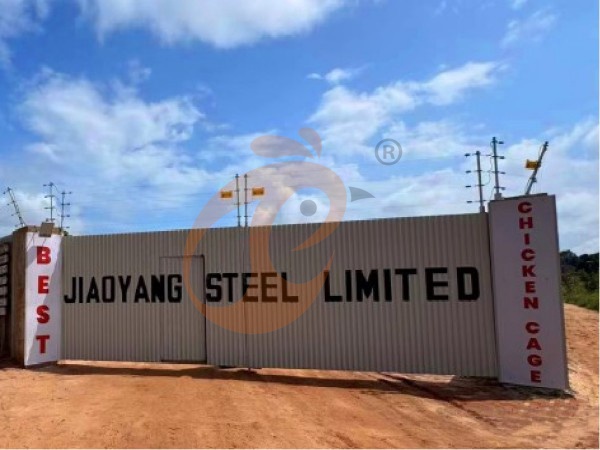
Ethiopia Best Hebei Machinery Manufacturing Plc - One Of Ethiopia Largest Poultry Cage Manufacturer
Provides global factory direct supply ensuring competitive pricing and stable product quality for poultry farm equipment.
Offers complete poultry cage systems including A-type and H-frame designs tailored for egg production farms.
Delivers Turn-key engineering solutions covering design, installation, and technical training services.
Supports Ethiopian farmers with durable galvanized equipment adapted to local climate conditions.
Maintains strong international logistics network ensuring efficient delivery through Djibouti port channels.
Contact Us To Received Your Customized Poultry Farm Plan
Headquarters And Branchs

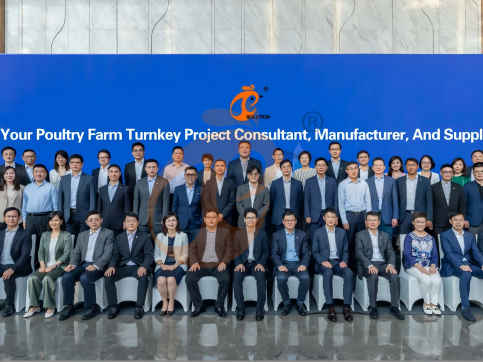
Hong Kong Headquarter Management Team
Hong Kong Headquarter Taiyu Industrial Group CO., LTD
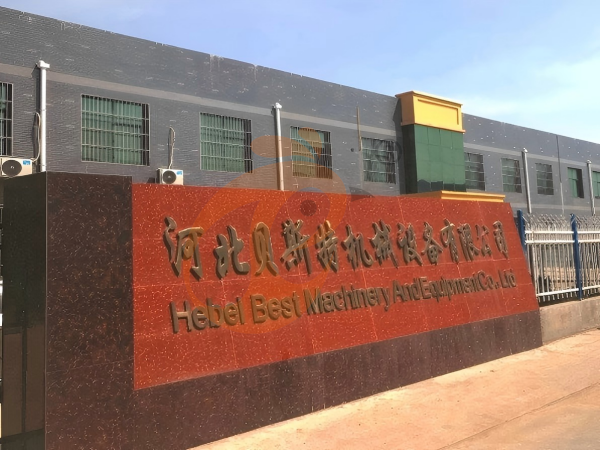
China Hebei Best Machinery And Equipment CO., LTD
Nigeria Vanke Machinery And Equipment CO., LTD
Tanzania Best Machinery And Equipment CO., LTD
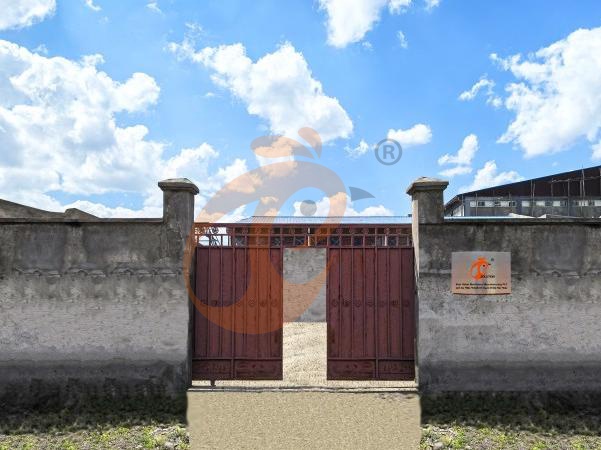
Ethiopia Best Hebei Machinery Manufacturing PLC




Reception /24 WhatsApp NO. : +8618830120193
FAQ
How To Buy The Best Professional Poultry Cage Systems For ROI Optimization?
Include automatic feeding, drinking, egg collection, and manure cleaning systems.
Initial investment recovers in 24–36 months, ROI can increase 20–25%.
What Are The Advanced Techniques For Minimizing Feed Waste In Layer Cage Farms?
Implement zoned feeding to reduce competition and spillage.
Combined with lighting and temperature/humidity control, FCR can reach 1.9–2.1 while maintaining egg production at 90–98%.
How To Design A Layer Cage Farm For Optimal Airflow And Temperature?
24–48 birds per tier with balanced density to reduce stress and disease spread.
Install temperature/humidity monitoring and fan control systems to boost egg production to 90–98%.
- poultry farm
- chicken cage
- layer cage
- poultry cage
- cage
- poultry farm equipment
- poultry farm construction
- poultry cage manufacturer
- poultry cage system
- poultry cage cost
- chicken cage system
- chicken cage cost
- poultry equipment
- chickencage
- bestchickencage
- cage system
- galvanized chicken cage
- cage systems
- h cage
- Nigeria
- egg production farm
- poultry farming
- poultry cage systems
- cage manufacturer
- modern poultry farm
- modern poultry farming
- chicken cage solution
- poultry farm plan
- Ethiopia
Message
Products recommended
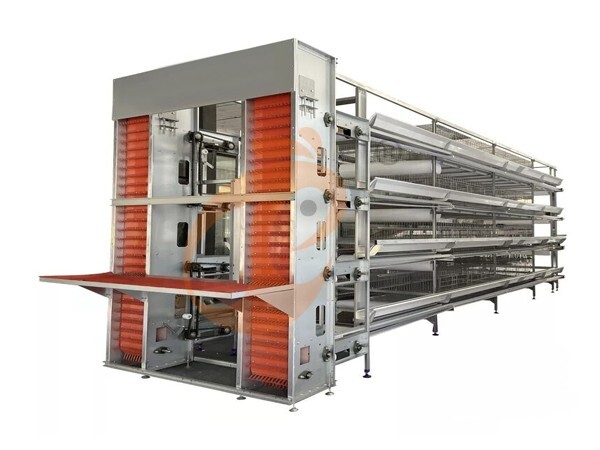
 >30,000 Pullets Automatic H Type Battery Cage1. More than 30,000 pullets a house, choose it.
2. It is designed to rearing older than 1 day old pullets to 12 to 16 weeks old chicken starting laying eggs.
3. Its lifespan is more than 25 years.
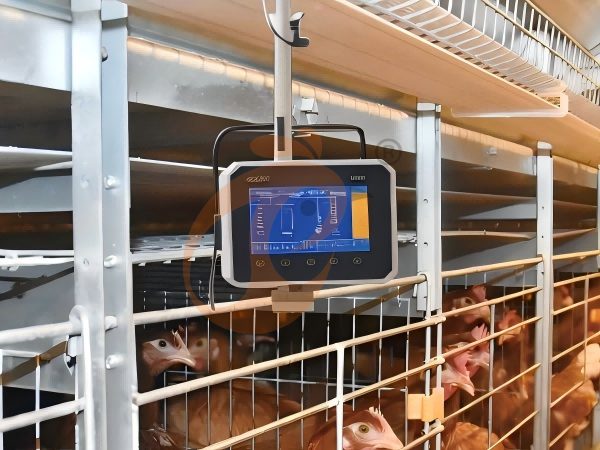
4. Its structure are Vcloud artificial intelligent fusion, electric control cabinet, automatic equipment of drinking, feeding, manure clean, manual harvesting.
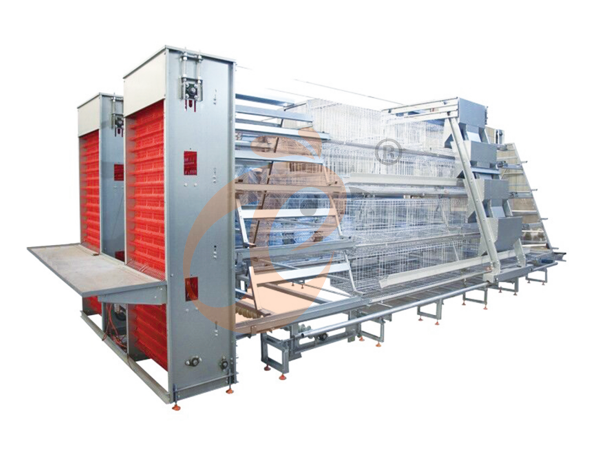
5. Our 24 hour online reception What’sApp NO. is +8618830120193 <30,000 Pullets Automatic A Type Battery Cage1. 10,000 to 30,000 pullets a house, choose it.
2. It is designed to rearing older than 1 day old pullets to 12 to 16 weeks old chicken starting laying eggs.
3. Its lifespan is more than 25 years.
4. Its structure are Vcloud artificial intelligent fusion, electric control cabinet, automatic equipment of drinking, feeding, manure clean, manual harvesting.
5. Our 24 hour online reception What’sApp NO. is +86 18830120193. >30,000 Broilers Semi-Automatic Harvest H Type Battery Cage1. More than 30,000 broilers a house, choose it.
2. It is designed to rearing 1 to 45 day old adult broiler ready for market.
3. Its lifespan is more than 20 years.
4. Our 24 hour online reception What’sApp NO. is +8618830120193, +234 8111199996. >30,000 Broilers Manual Harvest H Type Battery Cage1. More than 30,000 broilers a house, choose it.
2. It is designed to rearing 1 to 45 day old adult broiler ready for market.
3. Its lifespan is more than 20 years.
4. Its structure are Vcloud artificial intelligent fusion, electric control cabinet, automatic equipment of drinking, feeding and manure clean, manual harvesting.
5. Our 24 hour online reception What’sApp NO. is +8618830120193, +234 8111199996. <30,000 Broilers Manual Harvest A Type Battery Cage1. Less 30,000 broilers a house, choose it.
2. It is designed to rearing 1 to 45 day old adult broiler ready for market.
3. Its lifespan is more than 20 years.
4. Its structure are Vcloud artificial intelligent fusion, electric control cabinet, automatic equipment of drinking, feeding and manure clean, manual harvesting.
5. Our 24 hour online reception What’sApp NO. is +8618830120193, +234 8111199996. HK Headquarter Offers EU-standard Poultry Farm Solutions, Manufacture Poultry Farm Equipment1. Continuous communication with the EU and the US
2. China, Nigeria, Ethiopia, Tanzania branch companies and factories
3. The products’ quality is customized for local poultry farms
4. Poultry cage and poultry farm equipment stock for sale
5. 24 online reception Whatsapp NO. : +8618830120193,contact us to get full information China Branch Offer Poultry Farm Business Plan, Manufacture Poultry Farm Equipment1. Address: Flat/RM 2416, 24/F, Runxing Building, Youyi Nan Street, Shijiazhuang City, Hebei Province, China
2. Poultry cage and poultry farm equipment factory and stock for sale
3. Customized for local poultry farms
4. Quality and design are based on Euro
5. 24 online reception Whatsapp NO. : +8618830120193 Nigeria Branch Offer Poultry Farm Business Plan, Manufacture Poultry Farm Equipment1. Address: After Sinoma Office, 200 Meters Near Danco Filling Station, Lagos/Ibadan Expressway, Lagos State, Nigeria
2. Poultry cage and poultry farm equipment factory and stock for sale
3. Customized for Nigerian poultry farms
4. Quality and design are based on Euro
5. 24 online reception Whatsapp NO. : +8618830120193 Ethiopia Branch Offer Poultry Farm Business Plan, Manufacture Poultry Farm Equipment1. Address: WR93+FQ2, Addis Ababa, Ethiopia
2. Poultry cage and poultry farm equipment stock for sale
3. Customized for Ethiopian poultry farms
4. Quality and design are based on Euro
5. 24 online reception Whatsapp NO. : +8618830120193, contact us to get price list Tanzania Branch Offer Poultry Farm Business Plan, Manufacture Poultry Farm Equipment1. Address: No.8, Sova Road, Msufini, Mlandizi, Kibaha, Pwani, Tanzania
2. Poultry cage and poultry farm equipment factory and stock for sale
3. Customized for Tanzanian poultry farms
4. Quality and design are based on Euro
5. 24 online reception Whatsapp NO. : +8618830120193


Contact
By clicking 'Allow All', you agree to the storage of cookies on your device to enhance site navigation, analyze site usage and assist with our marketing efforts.