


Blog
Pellet machine storage management directly determines feed quality, physical durability, nutritional stability, transportation performance, and warehouse efficiency throughout the complete production cycle.
Proper cooling, moisture control, packaging selection, contamination prevention, inventory rotation, and handling procedures work together to reduce product losses while extending practical storage life.
Scientific storage principles help manufacturers maintain consistent pellet appearance, minimize fines generation, improve operational efficiency, and support stable livestock feeding performance.
Modern warehouses combine environmental monitoring, standardized operating procedures, and equipment maintenance to ensure reliable product protection under different climate conditions.
Comprehensive storage management reduces operating costs, improves customer satisfaction, supports international feed production standards, and strengthens long-term manufacturing competitiveness.
Get professional poultry farm construction guidance, equipment selection solutions, and the latest price lists, whatsApp to +8618830120193, click to learn more:
Cool Pellets Immediately After Production
Fresh pellets produced by a feed pellet machine normally leave the compression chamber with elevated temperature because of steam conditioning and mechanical pressure.
Packing pellets before adequate cooling causes moisture condensation inside bags or silos, increasing the possibility of fungal development and reducing physical durability during transportation.
Cooling should always be completed before screening, weighing, packaging, and warehouse storage.
Stable cooling conditions also improve pellet hardness because starch gelatinization completes during temperature reduction.
Data is for reference only.Swipe horizontally to view full table.
Proper cooling decreases internal stress inside pellets and helps maintain consistent appearance during loading and transportation.
Understand Why Moisture Changes Pellet Quality
Many operators assume pellets become completely dry after production.
Actual storage behavior is much more complex.
Feed pellets continuously exchange moisture with surrounding air until reaching equilibrium moisture content.
When warehouse humidity increases, pellets gradually absorb moisture through microscopic pores formed during compression.
Additional water content softens pellet structure and increases deformation during handling.
Extremely dry environments may remove internal moisture too rapidly, creating brittle pellets that generate additional fines.
Scientific understanding of equilibrium moisture explains why identical production batches may show different storage performance under different regional climates.
Data is for reference only.Swipe horizontally to view full table.
Select Packaging That Matches Storage Duration
Packaging serves as the primary physical protection between pellets and surrounding environmental conditions.
Different storage periods require different packaging materials depending on transportation distance, humidity exposure, stacking requirements, and warehouse design.
Standard woven polypropylene bags remain suitable for regional distribution, while export shipments generally require laminated moisture-resistant bags with sealed liners.
Large commercial facilities frequently use steel silos equipped with aeration systems and digital monitoring devices.
Packaging costs generally range between $0.28 and $2.40 per unit depending on material specification (European union standard reference only).
Data is for reference only.Swipe horizontally to view full table.
Selecting appropriate packaging reduces environmental influence while improving transportation reliability and warehouse management efficiency.
Maintain Proper Warehouse Conditions
Warehouse management has an equally important influence on pellet preservation.
Dry buildings, controlled ventilation, clean flooring, and organized stacking procedures all contribute to maintaining product stability.
Storage bags should never remain directly on concrete floors because moisture migration may occur through capillary action.
Wooden or plastic pallets provide sufficient elevation while allowing natural airflow beneath stored products.
Likewise, maintaining sufficient spacing between walls and pallet stacks helps reduce localized condensation caused by temperature fluctuations.
Routine warehouse inspections should include roofing systems, drainage facilities, ventilation openings, lighting equipment, and internal cleanliness to ensure long-term operational stability.
Data is for reference only.Swipe horizontally to view full table.
Prevent Biological Contamination
Stored feed naturally attracts insects, rodents, birds, molds, and microorganisms if sanitation programs are poorly maintained.
Biological contamination reduces feed safety while affecting nutritional consistency and livestock performance.
Daily housekeeping removes spilled feed that attracts pests.
Scheduled inspections help identify early contamination before larger quality problems develop.
Integrated pest management systems combining monitoring, physical barriers, sanitation, and preventive maintenance are generally more effective than depending only on chemical treatment.
Data is for reference only.Swipe horizontally to view full table.
Consistent biological control protects finished products while reducing unnecessary warehouse losses.
Scientific Perspective: Why Mold Develops
Mold spores naturally exist in surrounding air and warehouse dust.
Under suitable environmental conditions, dormant spores begin active growth by utilizing available nutrients from stored feed materials.
Temperature, moisture availability, and oxygen concentration jointly determine fungal development speed.
Many storage fungi reproduce efficiently between 24°C and 35°C after moisture becomes available.
Some species generate mycotoxins that remain harmful even when visible mold colonies appear relatively small.
Because microbial contamination usually begins before visual symptoms become obvious, preventive storage management remains considerably more economical than product recovery or disposal.
Modern animal feed pellet mill facilities increasingly emphasize environmental monitoring, sanitation scheduling, and warehouse inspection as essential components of quality assurance.
Apply First-In-First-Out Inventory Management
The First-In-First-Out (FIFO) inventory method ensures that earlier production batches are distributed before newly manufactured products.
Proper inventory rotation minimizes nutrient degradation, reduces storage risks, and maintains consistent pellet quality throughout the supply chain.
Modern feed factories often integrate barcode labels, batch numbers, and warehouse management software to simplify stock tracking.
Operators should verify production dates before shipment and avoid mixing batches from different production schedules unless quality specifications remain identical.
Data is for reference only.Swipe horizontally to view full table.
Well-organized inventory management also reduces unnecessary warehouse congestion while improving loading efficiency and product traceability.
Reduce Mechanical Damage During Handling
Finished pellets experience multiple transfer points before reaching customers, including conveyors, bucket elevators, storage silos, loading equipment, trucks, and unloading systems.
Equipment should be adjusted to minimize drop height while maintaining smooth product flow.
Chute angles, conveyor speed, and loading techniques should all be optimized according to pellet diameter and production capacity.
Regular maintenance of conveying equipment prevents worn surfaces from increasing friction or unnecessary impacts during transportation.
Data is for reference only.Swipe horizontally to view full table.
Reducing mechanical stress preserves pellet appearance and minimizes the generation of fines during transportation.
Monitor Storage Conditions With Modern Technology
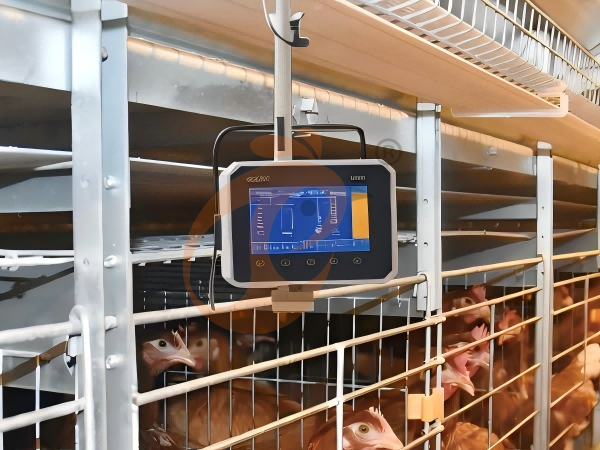
Modern feed manufacturing facilities increasingly rely on intelligent monitoring systems to improve warehouse management accuracy.
Wireless sensors continuously measure environmental conditions including temperature, humidity, carbon dioxide concentration, and ventilation performance.
Real-time monitoring enables operators to identify abnormal storage conditions before product quality begins to decline.
Historical environmental records also support product traceability, quality audits, and continuous process improvement.
Automated warning systems reduce manual inspection frequency while improving operational reliability across large storage facilities.
Transportation Is Part Of Storage
Vehicles should remain clean, dry, and protected from rainwater throughout loading and transportation.
Long-distance deliveries often experience significant daytime and nighttime temperature fluctuations, making ventilation planning especially important.
Transportation expenses typically range from $18 to $95 per metric ton depending on delivery distance and logistics configuration (European union standard reference only).
Data is for reference only.Swipe horizontally to view full table.
Carefully planned transportation procedures help maintain physical integrity from factory dispatch to customer delivery.
Common Storage Mistakes
Even experienced manufacturers occasionally overlook routine storage practices that gradually reduce product quality over time.
Several common operational mistakes include
Packing pellets before complete cooling.
- Leaving damaged bags unrepaired.
- Mixing different production batches.
- Ignoring seasonal humidity fluctuations.
- Blocking warehouse ventilation pathways.
- Storing products beside chemical materials.
- Failing to inspect pallets for moisture damage.
Most quality losses originate from accumulated operational details rather than major equipment failures.
Standard operating procedures and regular employee training significantly reduce these preventable issues.
Frequently Asked Questions
Q1: How long can finished pellets be stored under proper conditions?
Properly cooled pellets stored at approximately 24°C with 56% relative humidity generally maintain stable physical quality for 45 to 180 days, depending on packaging specifications and warehouse management practices.
Q2: Why should pellets never be packed immediately after production?
Fresh pellets retain internal heat and residual moisture.
Packaging before cooling may produce condensation inside bags, increasing fungal activity and reducing pellet durability during transportation and storage.
Q3: Does digital warehouse monitoring improve product quality?
Yes. Continuous monitoring allows operators to detect environmental changes early.
Maintaining warehouse temperatures near 24–29°C and controlled air movement helps reduce unexpected quality variation during storage.
Taiyu (HK) Group - One Of China Largest Pellet Machine Manufacturer
Professional pellet machine manufacturing solutions cover feed production, cooling, storage, conveying, and packaging systems for various livestock feed applications.
Global factory-direct supply supports customers with optimized manufacturing costs, standardized quality control, and responsive technical engineering services across international markets.
Complete poultry equipment solutions integrate feeding systems, environmental control equipment, storage facilities, and automation technologies into coordinated production projects.
Comprehensive Turn-key engineering services include process design, equipment manufacturing, factory layout planning, installation supervision, commissioning, operator training, and after-sales technical support.
Engineering teams provide customized capacity configuration, equipment selection, process optimization, spare parts management, and long-term technical consultation according to practical production requirements.
Contact Us To Received Your Customized Poultry Farm Plan
Headquarters And Branchs
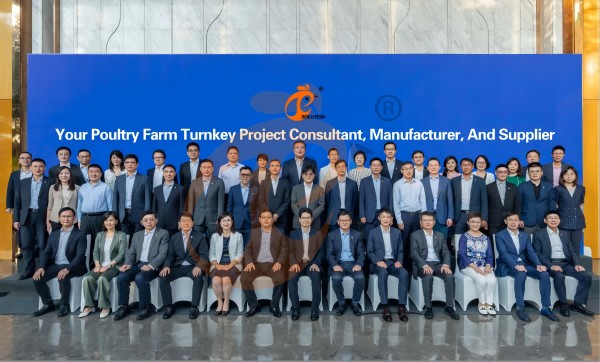
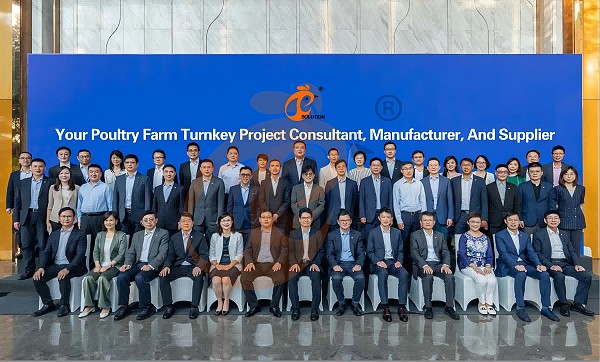
Hong Kong Headquarter Management Team
Hong Kong Headquarter Taiyu Industrial Group CO., LTD
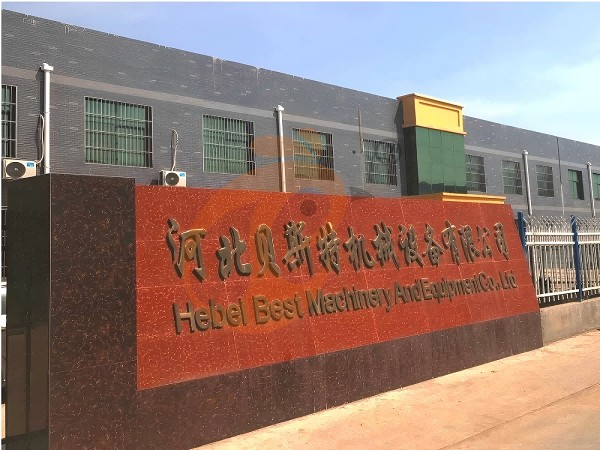
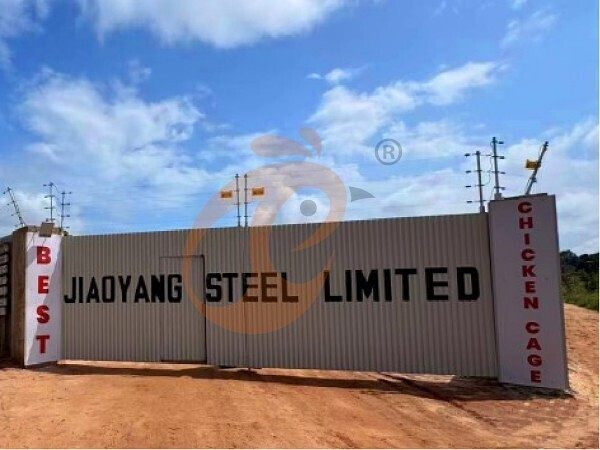
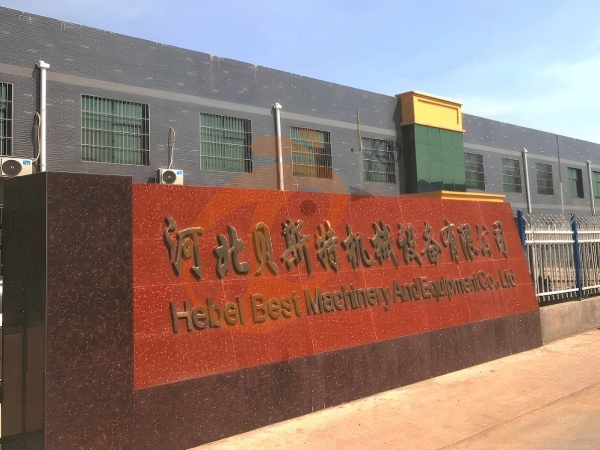
China Hebei Best Machinery And Equipment CO., LTD
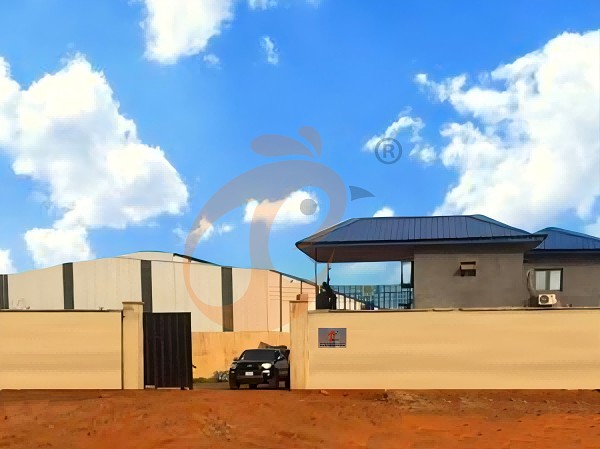
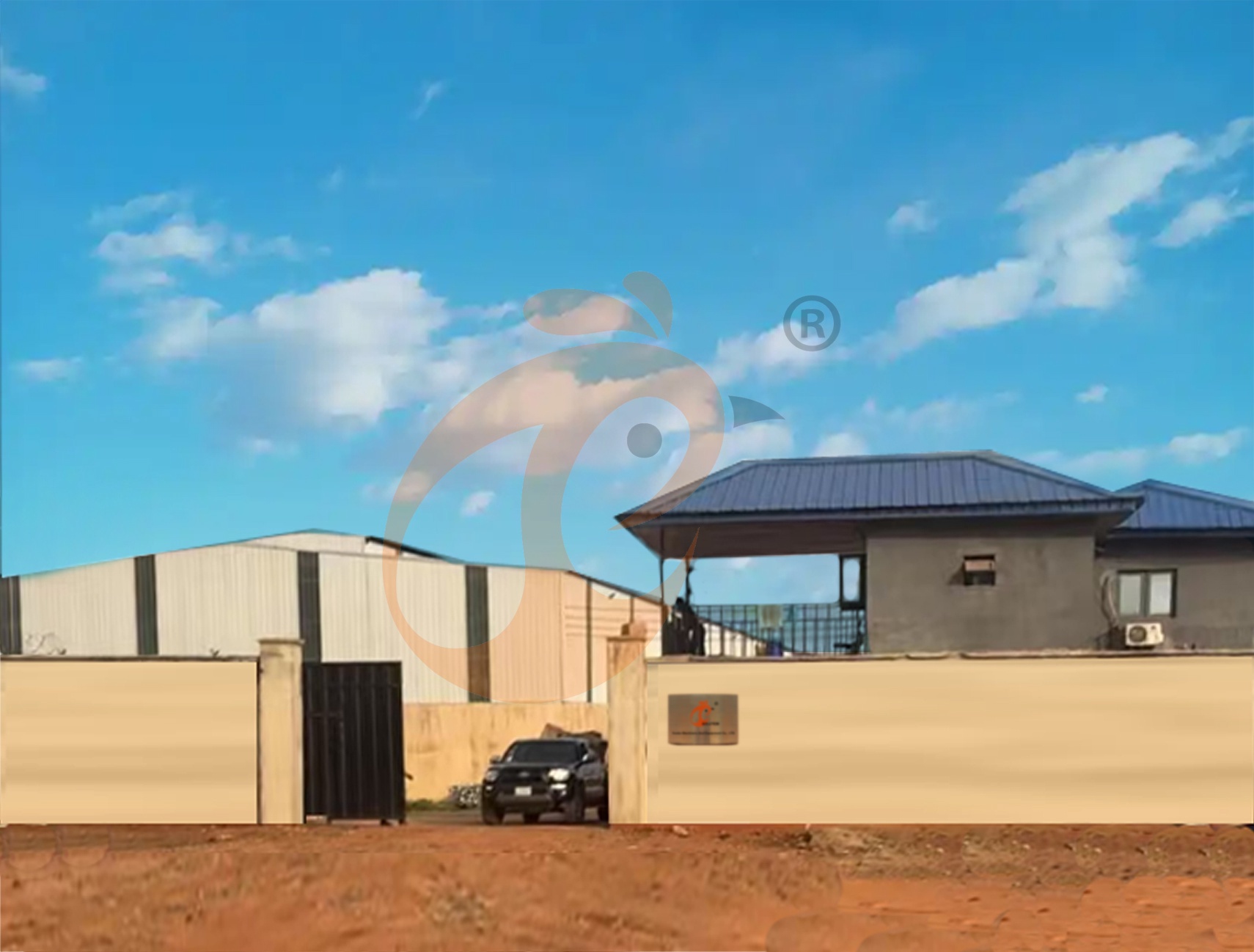
Nigeria Vanke Machinery And Equipment CO., LTD
Tanzania Best Machinery And Equipment CO., LTD
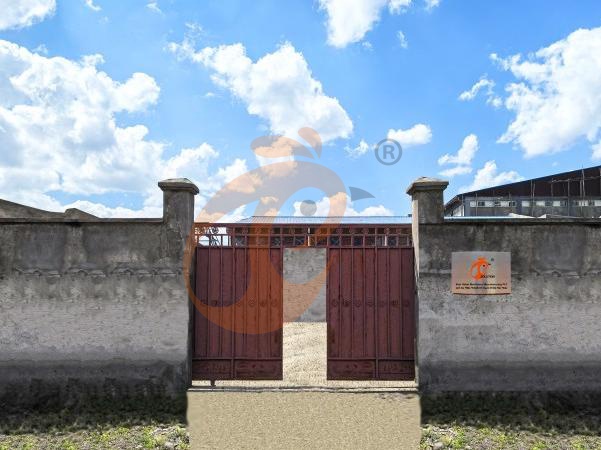
Ethiopia Best Hebei Machinery Manufacturing PLC

Reception /24 WhatsApp NO. : +8618830120193
FAQ
What Feeding System Standards Are Required For Pellet Machine In Poultry Chicken Feed Production Lines?
Feeder capacity is designed at 1.2–2.5 tons per hour depending on raw material density.
Flow consistency deviation is maintained within ±2% for uniform pellet quality output.
What Maintenance And Wear Part Replacement Standards Apply To Pellet Machine?
Bearing replacement intervals typically occur every 12–18 months under continuous operation.
Gearbox oil change frequency is maintained at 1000–1500 operating hours for system reliability.
What Safety Protection Systems Are Integrated In Pellet Machine For Poultry Chicken Feed Production?
Emergency stop response time is maintained within 0.5–1.0 seconds for operational safety.
Vibration monitoring limits are set at 4.5–6.0 mm/s to prevent mechanical failure.
Message
Products recommended
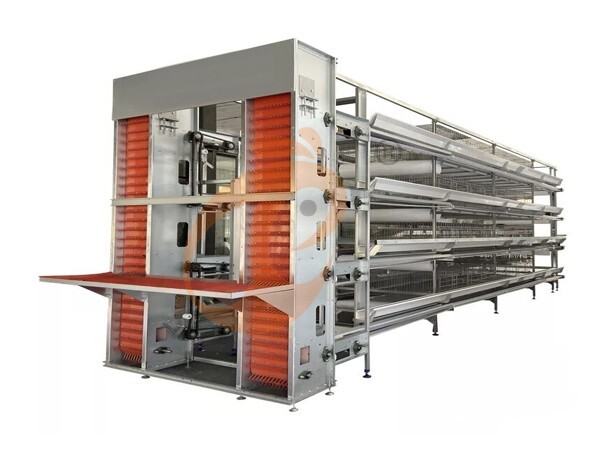
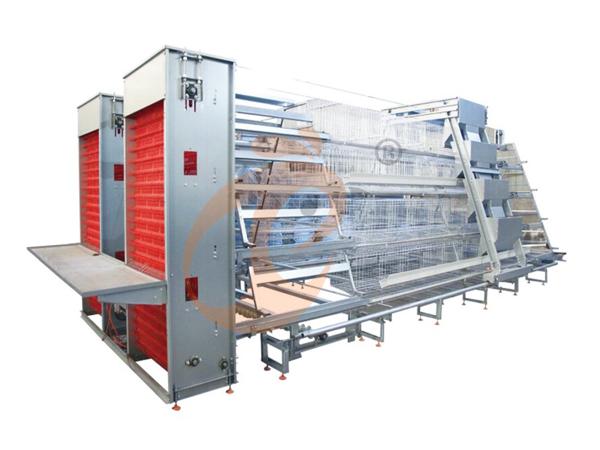
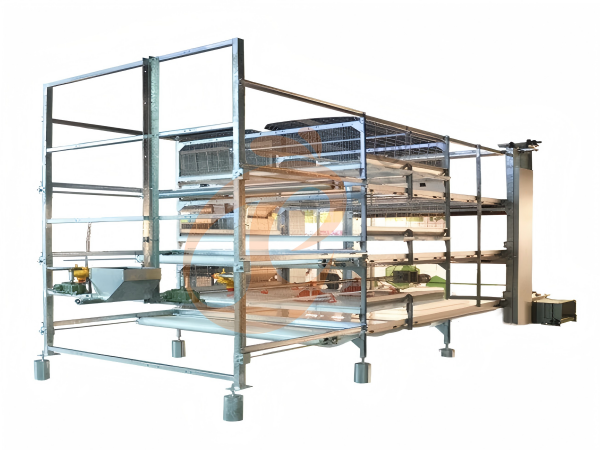
 >30,000 Pullets Automatic H Type Battery Cage1. More than 30,000 pullets a house, choose it.
2. It is designed to rearing older than 1 day old pullets to 12 to 16 weeks old chicken starting laying eggs.
3. Its lifespan is more than 25 years.
4. Its structure are Vcloud artificial intelligent fusion, electric control cabinet, automatic equipment of drinking, feeding, manure clean, manual harvesting.
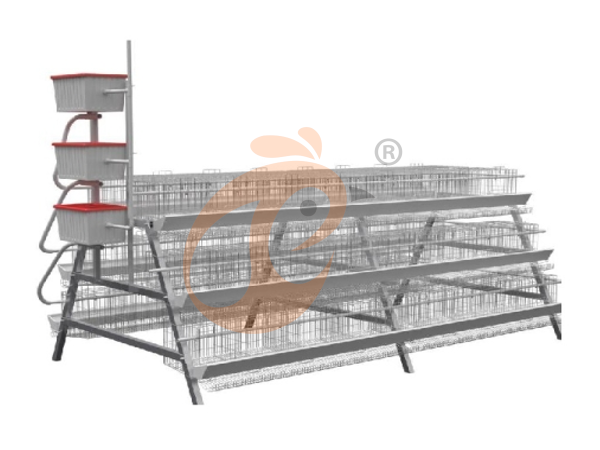
5. Our 24 hour online reception What’sApp NO. is +8618830120193 <30,000 Pullets Automatic A Type Battery Cage1. 10,000 to 30,000 pullets a house, choose it.
2. It is designed to rearing older than 1 day old pullets to 12 to 16 weeks old chicken starting laying eggs.
3. Its lifespan is more than 25 years.
4. Its structure are Vcloud artificial intelligent fusion, electric control cabinet, automatic equipment of drinking, feeding, manure clean, manual harvesting.
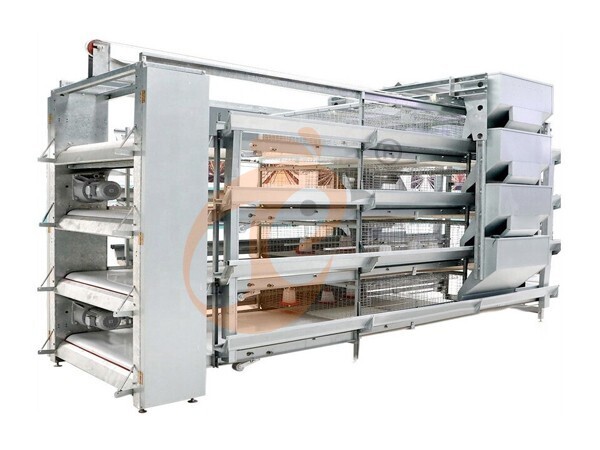
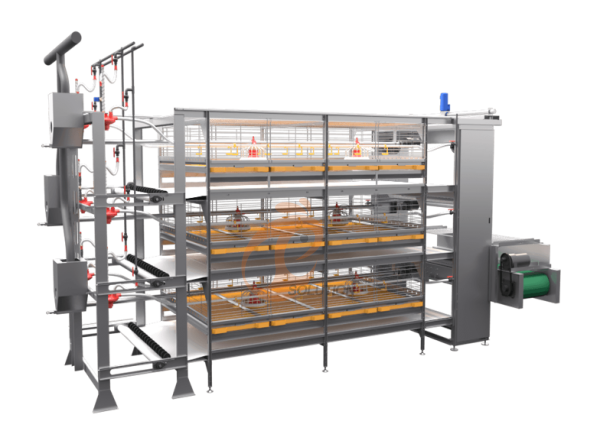
5. Our 24 hour online reception What’sApp NO. is +86 18830120193. >30,000 Broilers Semi-Automatic Harvest H Type Battery Cage1. More than 30,000 broilers a house, choose it.
2. It is designed to rearing 1 to 45 day old adult broiler ready for market.
3. Its lifespan is more than 20 years.
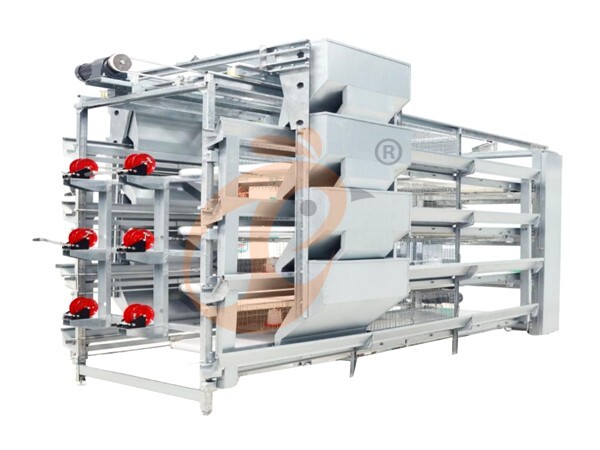
4. Our 24 hour online reception What’sApp NO. is +8618830120193, +234 8111199996. >30,000 Broilers Manual Harvest H Type Battery Cage1. More than 30,000 broilers a house, choose it.
2. It is designed to rearing 1 to 45 day old adult broiler ready for market.
3. Its lifespan is more than 20 years.
4. Its structure are Vcloud artificial intelligent fusion, electric control cabinet, automatic equipment of drinking, feeding and manure clean, manual harvesting.
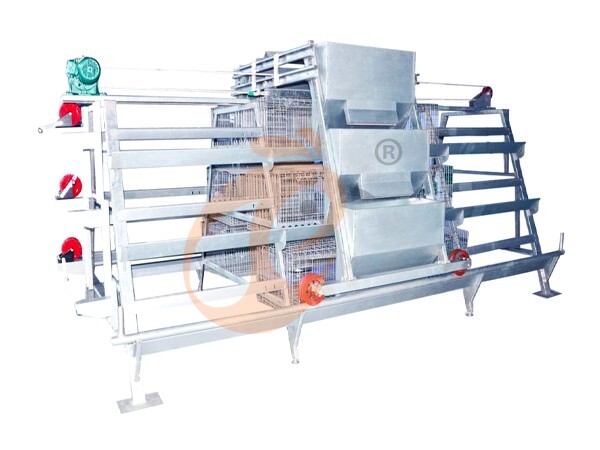
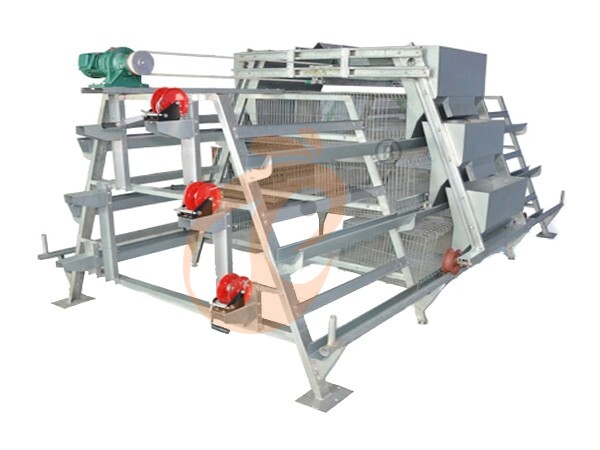
5. Our 24 hour online reception What’sApp NO. is +8618830120193, +234 8111199996. <30,000 Broilers Manual Harvest A Type Battery Cage1. Less 30,000 broilers a house, choose it.
2. It is designed to rearing 1 to 45 day old adult broiler ready for market.
3. Its lifespan is more than 20 years.
4. Its structure are Vcloud artificial intelligent fusion, electric control cabinet, automatic equipment of drinking, feeding and manure clean, manual harvesting.
5. Our 24 hour online reception What’sApp NO. is +8618830120193, +234 8111199996. HK Headquarter Offers EU-standard Poultry Farm Solutions, Manufacture Poultry Farm Equipment1. Continuous communication with the EU and the US
2. China, Nigeria, Ethiopia, Tanzania branch companies and factories
3. The products’ quality is customized for local poultry farms
4. Poultry cage and poultry farm equipment stock for sale
5. 24 online reception Whatsapp NO. : +8618830120193,contact us to get full information China Branch Offer Poultry Farm Business Plan, Manufacture Poultry Farm Equipment1. Address: Flat/RM 2416, 24/F, Runxing Building, Youyi Nan Street, Shijiazhuang City, Hebei Province, China
2. Poultry cage and poultry farm equipment factory and stock for sale
3. Customized for local poultry farms
4. Quality and design are based on Euro
5. 24 online reception Whatsapp NO. : +8618830120193 Nigeria Branch Offer Poultry Farm Business Plan, Manufacture Poultry Farm Equipment1. Address: After Sinoma Office, 200 Meters Near Danco Filling Station, Lagos/Ibadan Expressway, Lagos State, Nigeria
2. Poultry cage and poultry farm equipment factory and stock for sale
3. Customized for Nigerian poultry farms
4. Quality and design are based on Euro
5. 24 online reception Whatsapp NO. : +8618830120193 Ethiopia Branch Offer Poultry Farm Business Plan, Manufacture Poultry Farm Equipment1. Address: Gelan Gura, Akaki-kaliti Sub City, Addis Ababa, Ethiopia
2. Poultry cage and poultry farm equipment stock for sale
3. Customized for Ethiopian poultry farms
4. Quality and design are based on Euro
5. 24 online reception Whatsapp NO. : +8618830120193, contact us to get price list Tanzania Branch Offer Poultry Farm Business Plan, Manufacture Poultry Farm Equipment1. Address: No.8, Sova Road, Msufini, Mlandizi, Kibaha, Pwani, Tanzania
2. Poultry cage and poultry farm equipment factory and stock for sale
3. Customized for Tanzanian poultry farms
4. Quality and design are based on Euro
5. 24 online reception Whatsapp NO. : +8618830120193




Contact