


Blog
Feed mill optimization systems enhance modern production efficiency, reducing material waste across grinding, mixing, pelleting, storage, transportation processes worldwide operations.
Article explains causes of feed loss, mechanical issues, operational inefficiencies, particle control, pellet durability, dust management strategies in feed mills.
Scientific perspective covers mass loss nutrient degradation functional decline affecting livestock performance feed conversion ratio and industrial efficiency outcomes metrics.
Advanced monitoring systems digital sensors automation enable real time tracking storage conditions grinding consistency pellet quality dust emission control optimization.
Industry benefits include improved feed efficiency reduced operational cost enhanced sustainability stronger supply chain resilience and scalable production capacity globally
Get professional poultry farm construction guidance, equipment selection solutions, and the latest price lists, whatsApp to +8618830120193, click to learn more:
What Is Feed Loss? (Scientific Overview)
Feed loss refers to any reduction in usable feed mass or nutritional value during production, processing, storage, or delivery.
It includes both physical loss (spillage, dust, breakage) and nutritional degradation (oxidation, moisture damage, contamination).
From a scientific perspective, feed loss can be understood as
Mass loss: measurable reduction in feed quantity
- Nutrient loss: reduction in protein, energy, or vitamin content
- Functional loss: reduced digestibility or palatability
These losses collectively reduce feed conversion efficiency (FCE), directly impacting animal performance.
Importance Of Reducing Feed Loss
Reducing feed loss improves
Profit margins through lower raw material waste
- Environmental sustainability by reducing resource consumption
- Feed conversion efficiency (FCR) in livestock production
- Operational stability in industrial feed mills
Feed ingredients such as corn, soybean meal, and additives are expensive, so even minor inefficiencies accumulate into major losses over time.
Types Of Feed Loss
Data is for reference only.Swipe horizontally to view full table.
Major Causes Of Feed Loss
Data is for reference only.Swipe horizontally to view full table.
Most losses are not caused by a single factor but by combined mechanical and operational inefficiencies.
Grinding And Mixing Optimization
Grinding and mixing are critical stages in feed production.
Poor control leads to uneven particle size and nutrient distribution.
Data is for reference only.Swipe horizontally to view full table.
From technical engineering view, particle uniformity improves enzymatic breakdown efficiency inside animal digestive systems.
Pellet Quality Science (Educational Section)
Pellet quality is one of the most important determinants of feed utilization efficiency.
High-quality pellets reduce fines, improve feed intake, and minimize waste.
Key scientific factors include
Conditioning temperature: typically 75–85°C
- Moisture content: 15–17% during pelleting
- Compression ratio: determines pellet hardness
- Binder usage: improves structural integrity
Data is for reference only.Swipe horizontally to view full table.
A well-formed pellet maintains structural integrity from mill to animal feeding point.
Equipment Maintenance And Efficiency
Mechanical efficiency plays a direct role in minimizing feed loss.
Equipment wear leads to inconsistent output and increased waste.
Data is for reference only.Swipe horizontally to view full table.
Preventive maintenance is significantly more cost-effective than reactive repairs.
Storage And Logistics Optimization
Feed storage and transportation are critical points where losses often go unnoticed.
Data is for reference only.Swipe horizontally to view full table.
Proper logistics management ensures feed quality preservation from production line to consumption stage.
Dust And Fines Recovery Systems
Dust and fines represent hidden but significant losses in feed mills.
Advanced facilities use recovery systems to reclaim usable material.
Key methods include
Cyclone separators
- Baghouse filtration systems
- Pneumatic recovery pipelines
Industrial feed mill efficiency solutions play a key role in improving material recovery and reducing airborne waste generation.
Data is for reference only.Swipe horizontally to view full table.
Recovered fines can often be reintegrated into production systems, reducing overall material waste.
Monitoring And KPI Systems
Modern feed mills rely on data-driven monitoring to reduce inefficiencies.
Data is for reference only.Swipe horizontally to view full table.
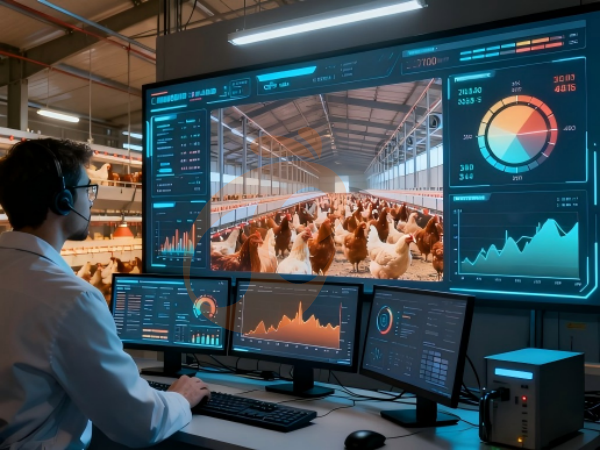
Digital sensors and automation systems enable real-time optimization of production lines.
Cost Impact And Conclusion
Feed loss directly affects production cost structures.
Even small improvements generate large economic benefits.
Data is for reference only.Swipe horizontally to view full table.
Feed loss reduction technology improves operational precision across all production stages, enhancing long-term industrial sustainability.
In conclusion, optimizing feed mills requires integrated engineering, process control, scientific understanding, and workforce discipline to achieve maximum efficiency.
Frequently Asked Questions
Q1: What causes most feed loss in industrial feed mills?
Most losses come from dust generation, pellet breakage, and material spillage during conveying, typically accounting for 3–6% total feed loss.
Q2: How can pellet quality reduce feed loss?
Strong pellets reduce fines formation during transport and handling, improving utilization efficiency by approximately 4–8% in production systems.
Q3: What is the most effective recovery method for fines?
Bag filtration combined with recycle loop systems achieves recovery efficiency up to 98%, minimizing wasted raw materials.
Taiyu (HK) Group - One Of China Largest Feed Mills Manufacturer
Feed mills systems designed for poultry, livestock, aquaculture integrated processing lines.
Global factory direct supply ensures stable industrial scale production capability worldwide distribution network.
Poultry equipment engineering supports automated grinding mixing pelleting cooling packaging full systems.
Turn-key project solutions cover design manufacturing installation commissioning complete production line delivery.
Advanced feed mill optimization systems support high efficiency, low loss industrial operations standardization
Contact Us To Received Your Customized Poultry Farm Plan
Headquarters And Branchs
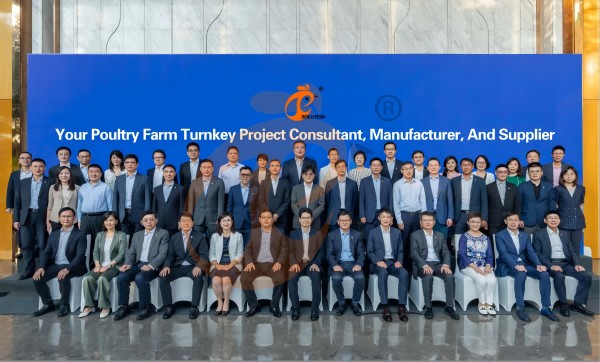
Hong Kong Headquarter Management Team
Hong Kong Headquarter Taiyu Industrial Group CO., LTD
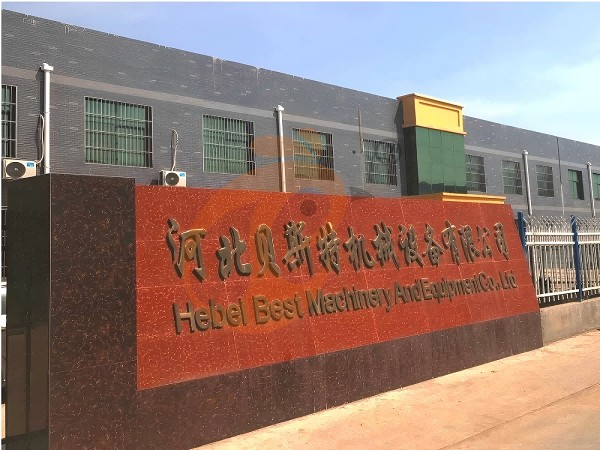
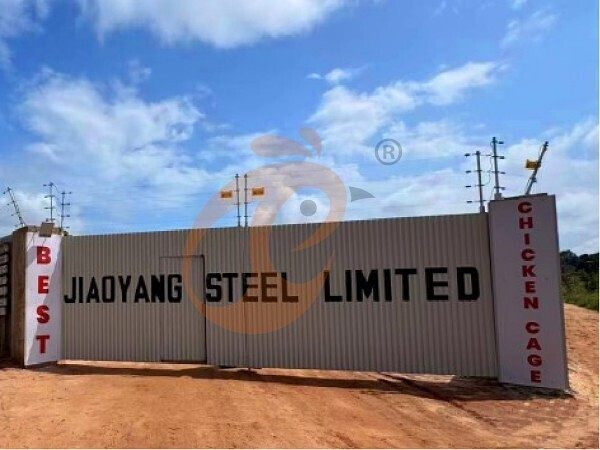
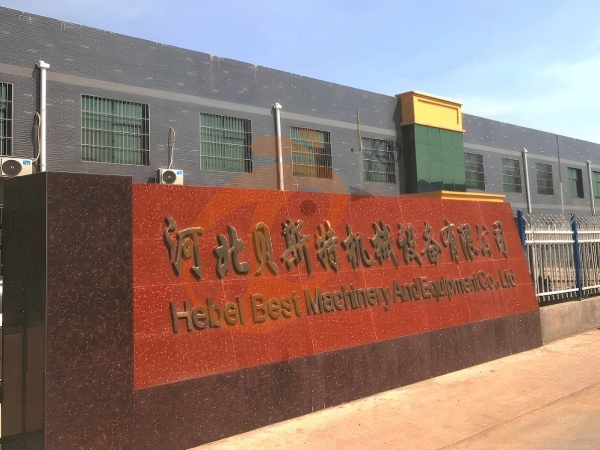
China Hebei Best Machinery And Equipment CO., LTD
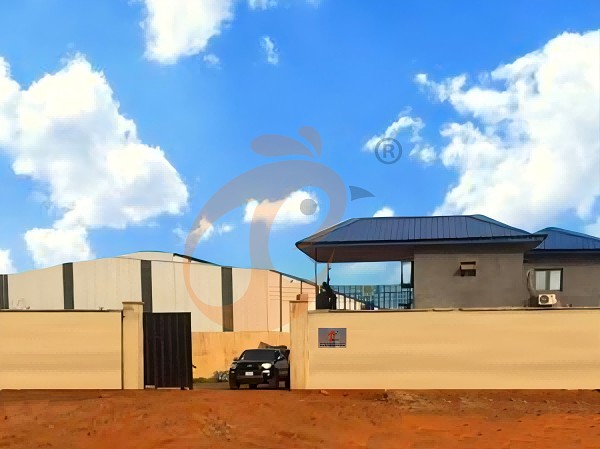
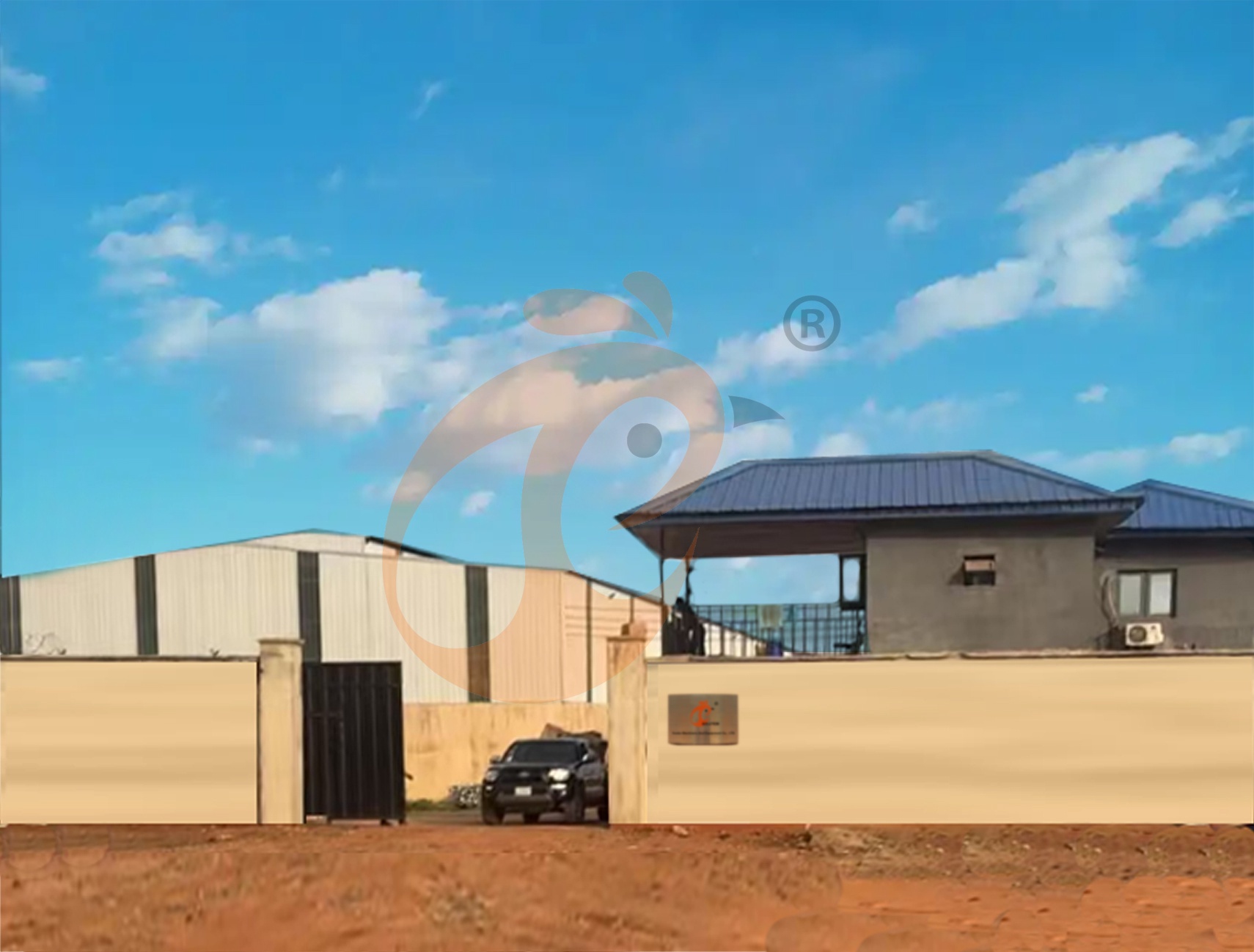
Nigeria Vanke Machinery And Equipment CO., LTD
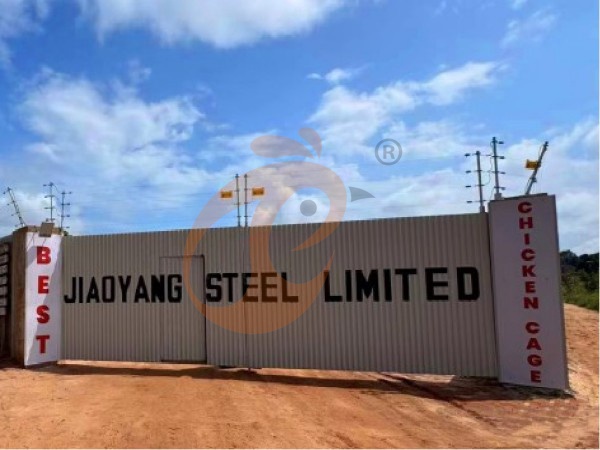
Tanzania Best Machinery And Equipment CO., LTD
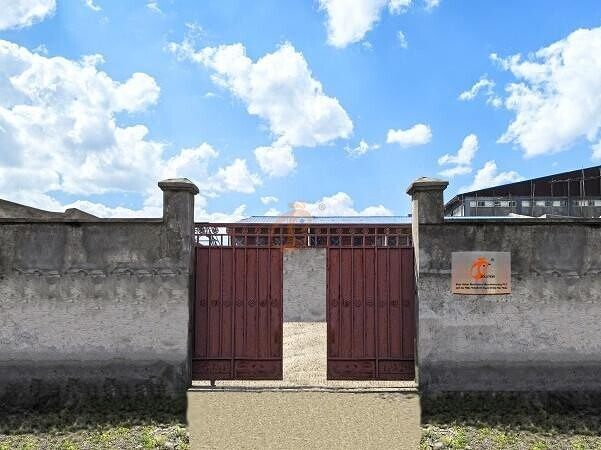
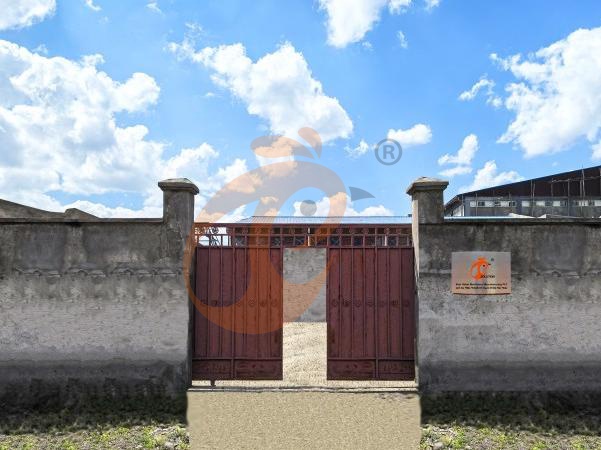
Ethiopia Best Hebei Machinery Manufacturing PLC
Reception /24 WhatsApp NO. : +8618830120193
FAQ
What Are The Main Equipment Components In Feed Mill And Feed Mixer Systems For Poultry Chicken Production?
Hammer mill units operate with rotor speeds of 2800–3600 rpm for efficient grain size reduction.
Twin-shaft mixers achieve batch capacities of 500–2000 kg per cycle for uniform poultry feed blending.
What Dust Control Requirements Are Needed In Feed Mill Operations For Poultry Chicken Farms?
Cyclone separators remove 85%–92% of airborne particles during grinding and conveying processes.
Negative pressure systems maintain airflow velocity between 0.8–1.2 m/s to prevent dust leakage.
What Temperature Parameters Are Used In Feed Mill Processing For Poultry Chicken Feed?
Conditioning temperature reaches 75–85°C to improve pellet durability and pathogen reduction.
Cooling stage reduces pellet temperature to within 5°C of ambient conditions for safe storage.
Message
Products recommended
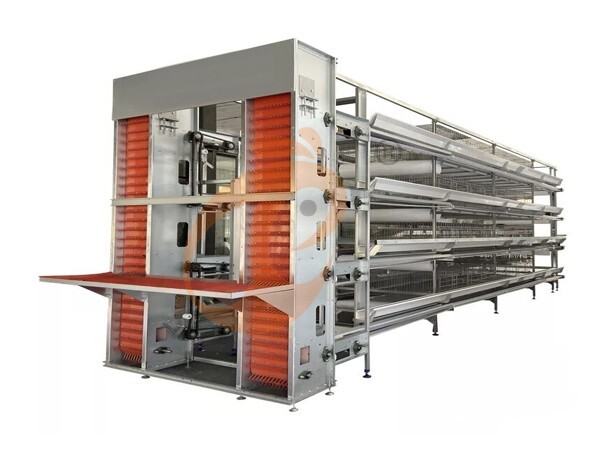
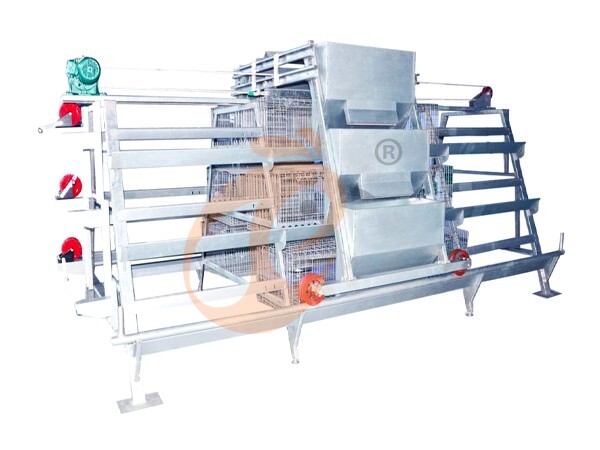
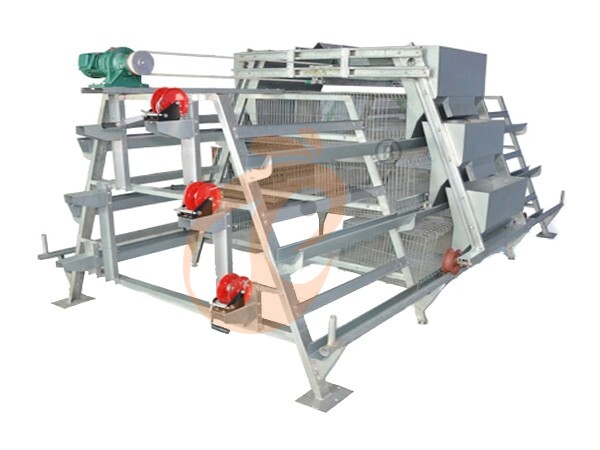
 >30,000 Pullets Automatic H Type Battery Cage1. More than 30,000 pullets a house, choose it.
2. It is designed to rearing older than 1 day old pullets to 12 to 16 weeks old chicken starting laying eggs.
3. Its lifespan is more than 25 years.
4. Its structure are Vcloud artificial intelligent fusion, electric control cabinet, automatic equipment of drinking, feeding, manure clean, manual harvesting.
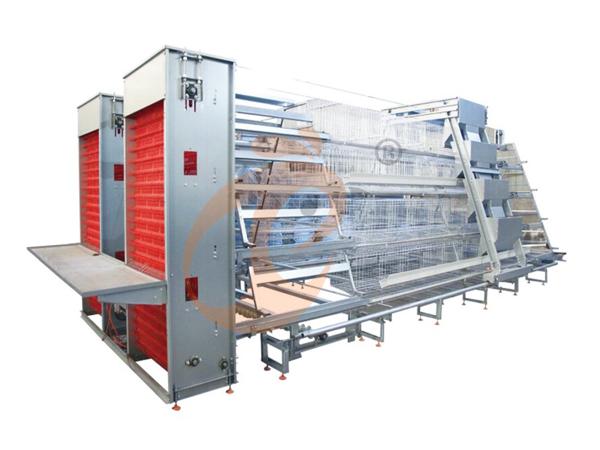
5. Our 24 hour online reception What’sApp NO. is +8618830120193 <30,000 Pullets Automatic A Type Battery Cage1. 10,000 to 30,000 pullets a house, choose it.
2. It is designed to rearing older than 1 day old pullets to 12 to 16 weeks old chicken starting laying eggs.
3. Its lifespan is more than 25 years.
4. Its structure are Vcloud artificial intelligent fusion, electric control cabinet, automatic equipment of drinking, feeding, manure clean, manual harvesting.
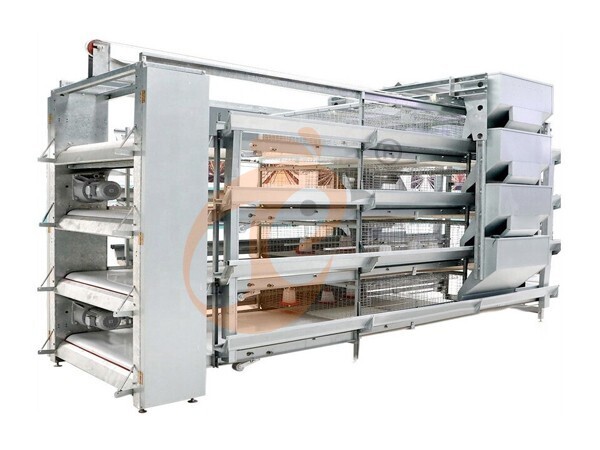
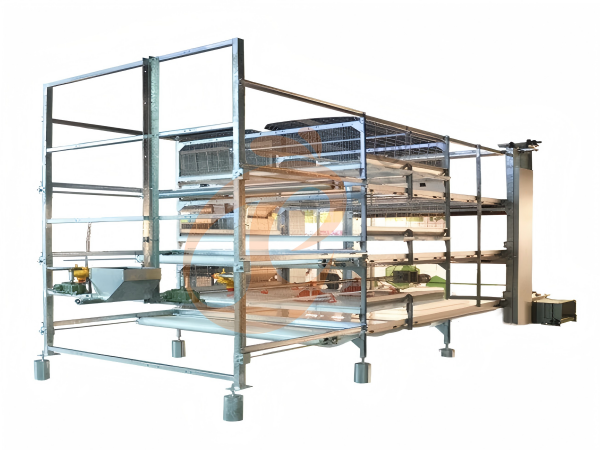
5. Our 24 hour online reception What’sApp NO. is +86 18830120193. >30,000 Broilers Semi-Automatic Harvest H Type Battery Cage1. More than 30,000 broilers a house, choose it.
2. It is designed to rearing 1 to 45 day old adult broiler ready for market.
3. Its lifespan is more than 20 years.
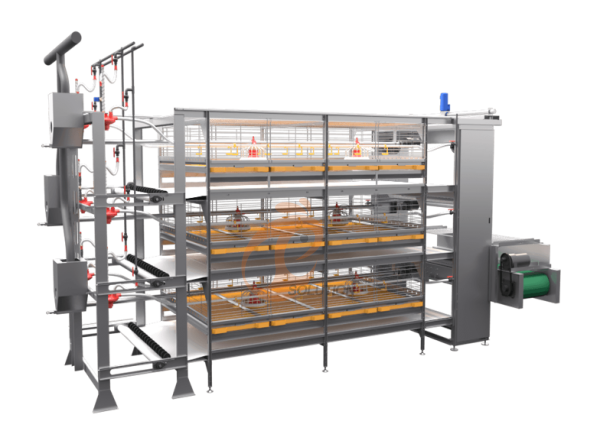
4. Our 24 hour online reception What’sApp NO. is +8618830120193, +234 8111199996. >30,000 Broilers Manual Harvest H Type Battery Cage1. More than 30,000 broilers a house, choose it.
2. It is designed to rearing 1 to 45 day old adult broiler ready for market.
3. Its lifespan is more than 20 years.
4. Its structure are Vcloud artificial intelligent fusion, electric control cabinet, automatic equipment of drinking, feeding and manure clean, manual harvesting.
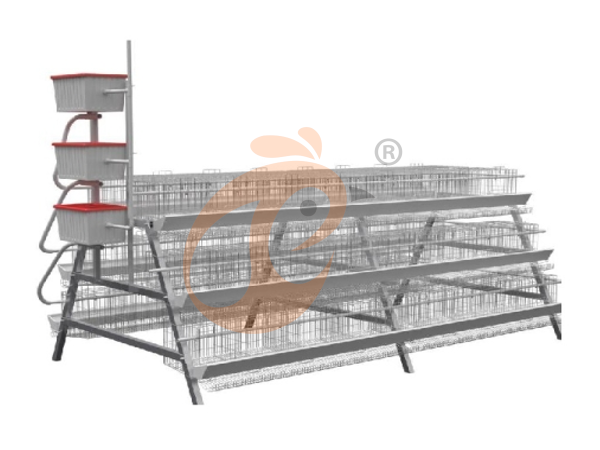
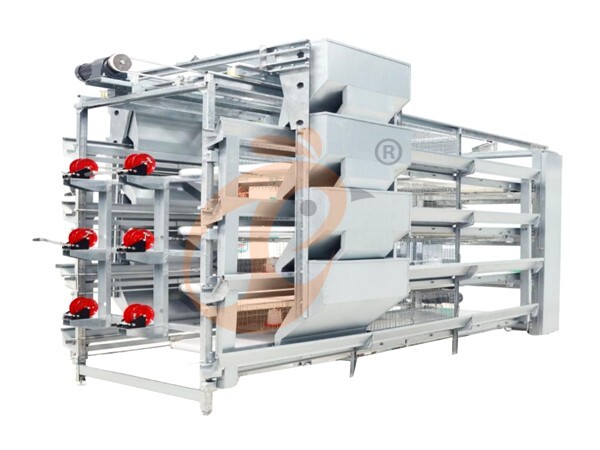
5. Our 24 hour online reception What’sApp NO. is +8618830120193, +234 8111199996. <30,000 Broilers Manual Harvest A Type Battery Cage1. Less 30,000 broilers a house, choose it.
2. It is designed to rearing 1 to 45 day old adult broiler ready for market.
3. Its lifespan is more than 20 years.
4. Its structure are Vcloud artificial intelligent fusion, electric control cabinet, automatic equipment of drinking, feeding and manure clean, manual harvesting.
5. Our 24 hour online reception What’sApp NO. is +8618830120193, +234 8111199996. HK Headquarter Offers EU-standard Poultry Farm Solutions, Manufacture Poultry Farm Equipment1. Continuous communication with the EU and the US
2. China, Nigeria, Ethiopia, Tanzania branch companies and factories
3. The products’ quality is customized for local poultry farms
4. Poultry cage and poultry farm equipment stock for sale
5. 24 online reception Whatsapp NO. : +8618830120193,contact us to get full information China Branch Offer Poultry Farm Business Plan, Manufacture Poultry Farm Equipment1. Address: Flat/RM 2416, 24/F, Runxing Building, Youyi Nan Street, Shijiazhuang City, Hebei Province, China
2. Poultry cage and poultry farm equipment factory and stock for sale
3. Customized for local poultry farms
4. Quality and design are based on Euro
5. 24 online reception Whatsapp NO. : +8618830120193 Nigeria Branch Offer Poultry Farm Business Plan, Manufacture Poultry Farm Equipment1. Address: After Sinoma Office, 200 Meters Near Danco Filling Station, Lagos/Ibadan Expressway, Lagos State, Nigeria
2. Poultry cage and poultry farm equipment factory and stock for sale
3. Customized for Nigerian poultry farms
4. Quality and design are based on Euro
5. 24 online reception Whatsapp NO. : +8618830120193 Ethiopia Branch Offer Poultry Farm Business Plan, Manufacture Poultry Farm Equipment1. Address: Gelan Gura, Akaki-kaliti Sub City, Addis Ababa, Ethiopia
2. Poultry cage and poultry farm equipment stock for sale
3. Customized for Ethiopian poultry farms
4. Quality and design are based on Euro
5. 24 online reception Whatsapp NO. : +8618830120193, contact us to get price list Tanzania Branch Offer Poultry Farm Business Plan, Manufacture Poultry Farm Equipment1. Address: No.8, Sova Road, Msufini, Mlandizi, Kibaha, Pwani, Tanzania
2. Poultry cage and poultry farm equipment factory and stock for sale
3. Customized for Tanzanian poultry farms
4. Quality and design are based on Euro
5. 24 online reception Whatsapp NO. : +8618830120193


Contact