


Blog
H type layer chicken cage system supports large-scale egg farms through automated production management.
Multi-tier housing structures improve building utilization and flock organization.
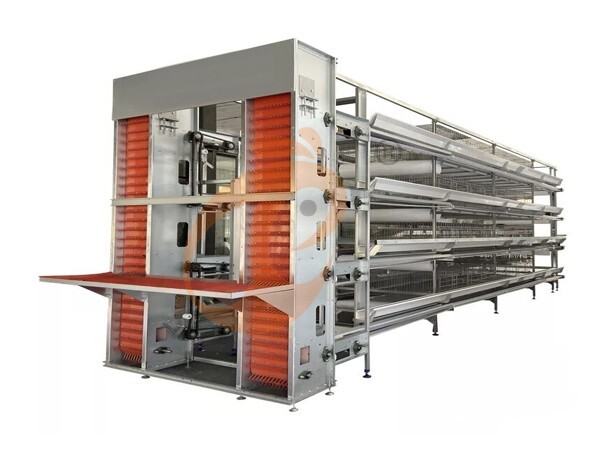
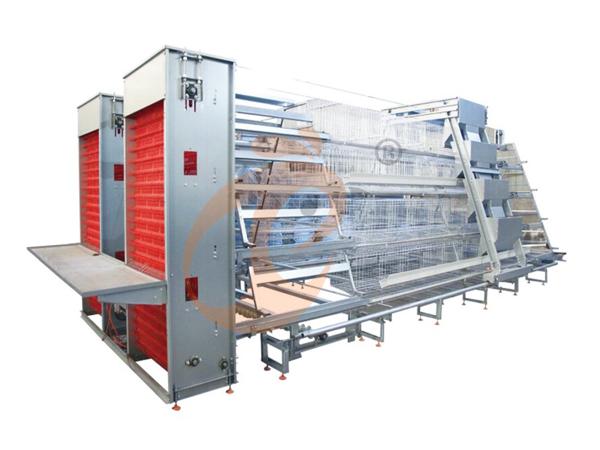
Automatic layer cage equipment integrates feeding, drinking, manure handling, and egg collection into one operational system.
Environmental control systems contribute to stable laying performance across different production cycles.
Commercial egg production system planning helps poultry investors improve operational efficiency and long-term project management.
Get professional poultry farm construction guidance, equipment selection solutions, and the latest price lists, whatsApp to +8618830120193, click to learn more:
Understanding The Structure Of An H Type Cage System
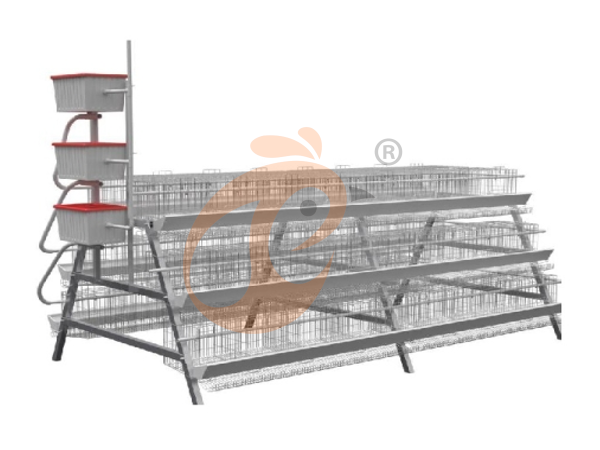
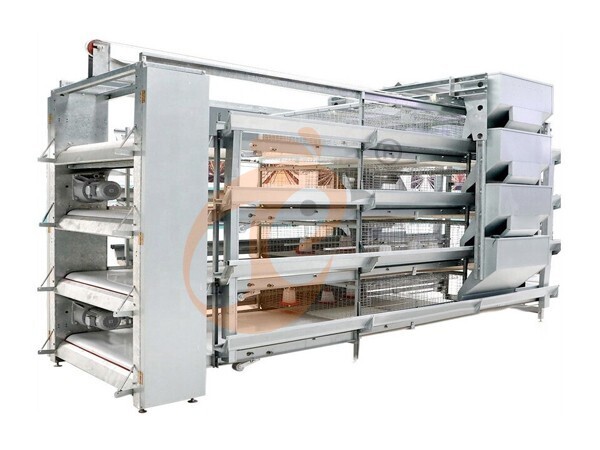
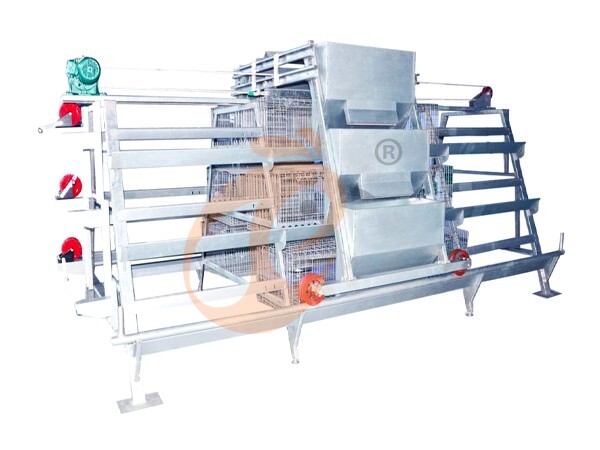
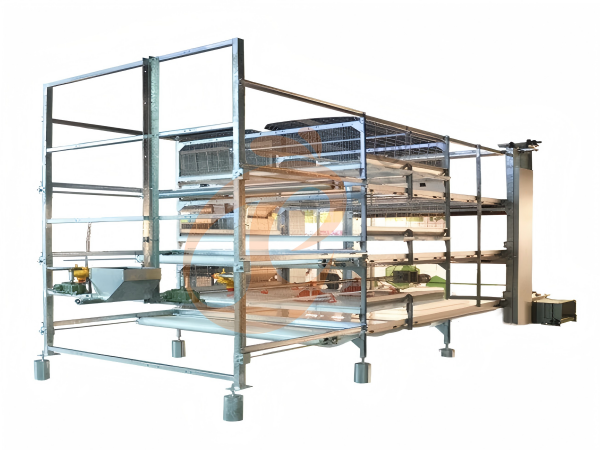
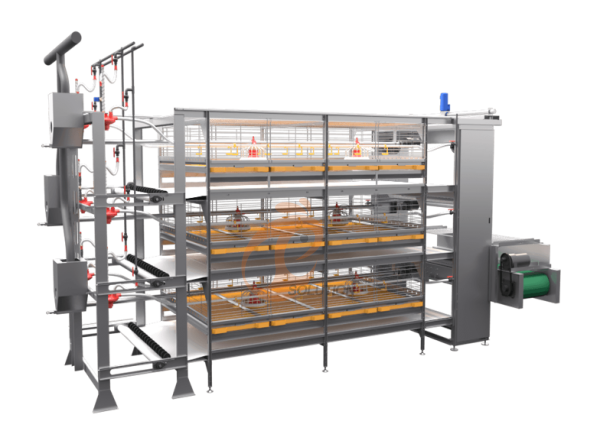
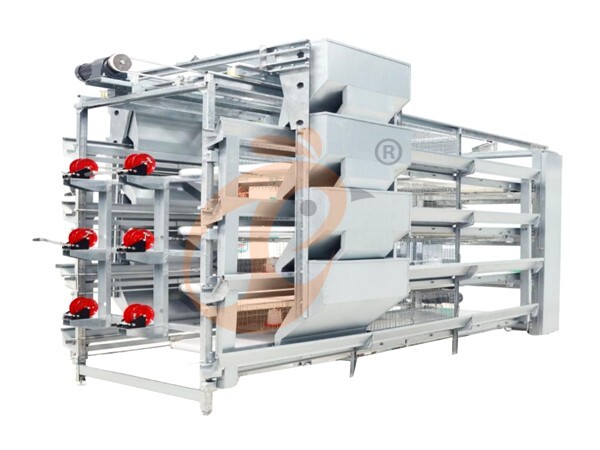
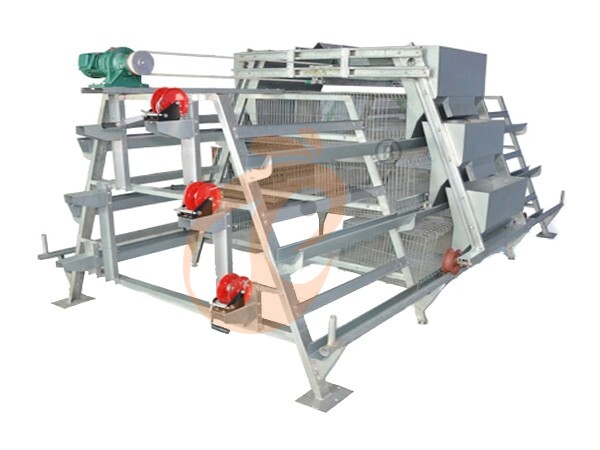
An H type layer cage system consists of multiple vertically stacked cage rows supported by a galvanized steel framework.
The design typically includes feeding lines, nipple drinking systems, egg collection belts, manure belts, and environmental control equipment.
Most commercial installations use between 4 and 16 tiers depending on building height and production goals.
Automatic layer cage equipment enables centralized management of feeding, watering, and waste handling across all cage levels.
Data is for reference only. Swipe horizontally to view full table.
Calculate Farm Capacity Requirements
Before purchasing equipment, determine the number of hens the farm intends to house.
Capacity planning affects building dimensions, ventilation design, feed storage, and labor allocation.
Data is for reference only. Swipe horizontally to view full table.
Proper capacity calculations prevent overcrowding and simplify future expansion.
Poultry Science Behind Cage Design
Laying hens require consistent access to feed, water, fresh air, and lighting.
Scientific poultry management shows that stable environmental conditions help maintain egg production and reduce stress-related performance losses.
The H type arrangement improves airflow distribution across multiple cage levels.
Automated equipment also reduces human interference, helping birds maintain regular feeding and laying patterns.
Well-designed cage floors allow eggs to roll gently toward collection belts, reducing shell damage during handling.
Prepare The Poultry House Structure
The poultry house must support equipment weight, ventilation systems, and maintenance access routes.
Concrete flooring should be level to ensure accurate cage alignment.
Data is for reference only. Swipe horizontally to view full table.
A properly designed structure minimizes installation difficulties and future maintenance expenses.
Select The Correct Cage Configuration
Different production goals require different cage layouts.
The number of tiers should match both flock size and building height.
Data is for reference only. Swipe horizontally to view full table.
Commercial farms often choose 5- to 8-tier systems because they balance production density and management efficiency.
Install Automated Feeding Equipment
Feed distribution directly influences flock performance.
Automated feeding systems ensure every hen receives feed simultaneously, reducing competition among birds.
Data is for reference only. Swipe horizontally to view full table.
Automatic feeding systems improve consistency and help farms manage larger flocks with fewer workers.
Install Water Supply Systems
Clean water is essential for egg production.
H type systems normally use nipple drinkers connected to pressure-regulated pipelines.
Data is for reference only. Swipe horizontally to view full table.
Water quality monitoring should become a routine management practice throughout the production cycle.
Configure Egg Collection And Manure Removal
Automation greatly reduces labor requirements.
Egg belts move eggs to a central collection area, while manure belts remove waste from beneath each tier.
Data is for reference only. Swipe horizontally to view full table.
Efficient manure management helps maintain cleaner air quality by reducing ammonia accumulation inside the poultry house.
Optimize Ventilation And Lighting
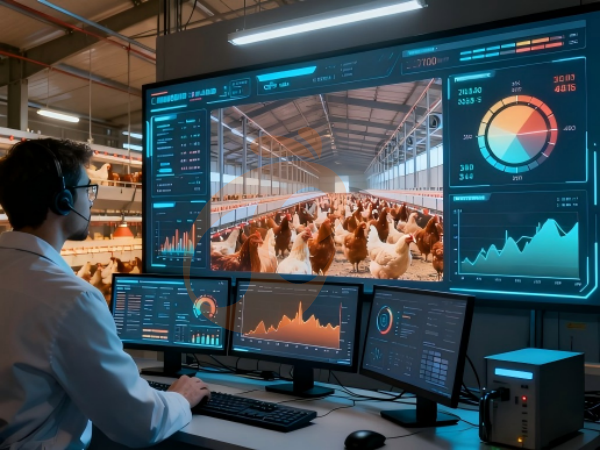
Environmental control systems maintain stable conditions throughout the year.
Ventilation removes excess heat and moisture, while lighting programs influence laying performance.
Data is for reference only. Swipe horizontally to view full table.
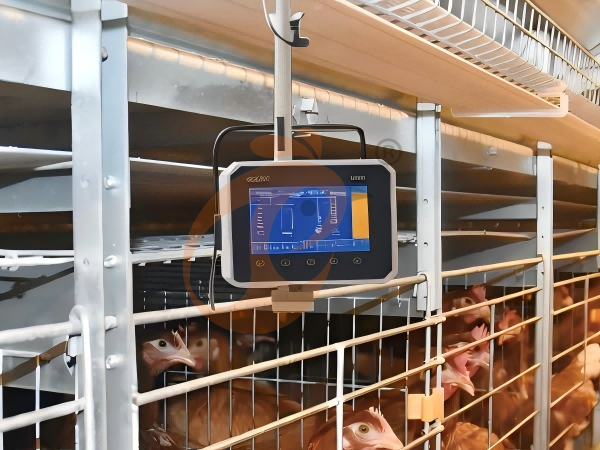
Automated controllers can adjust fan speed and lighting schedules according to flock age and seasonal conditions.
Biosecurity And Preventive Management
Even the most advanced cage system cannot compensate for poor biosecurity.
Disease prevention begins with controlled farm access, equipment sanitation, and routine monitoring.
Key management practices include
Restricting visitor access.
Using dedicated farm clothing.
Disinfecting vehicles entering the farm.
Monitoring flock health daily.
Vaccinating according to veterinary recommendations.
Testing water quality regularly.
Strong biosecurity programs protect productivity and reduce economic losses associated with disease outbreaks.
Frequently Asked Questions
Q1: What cage density is suitable for commercial layer farms?
Most projects allocate 450–550 cm² per bird depending on flock age, cage configuration, and regional management standards.
Q2: How often should manure belts operate?
Many farms schedule manure removal every 12 hours.
Regular operation helps maintain ammonia concentration below 20 ppm inside poultry houses.
Q3: What service life can a galvanized H type cage structure reach?
Hot-dip galvanized structures commonly achieve 20–25+ years of operation under normal maintenance conditions and controlled environmental management.
Taiyu (HK) Group - One Of China Largest H Type Layer Chicken Cage System Manufacturer
H type layer chicken cage systems are widely deployed in commercial egg production projects ranging from 20,000 to 100,000 laying hens.
Direct factory supply supports project procurement efficiency across Africa, Asia, Middle East, and Latin America markets.
Poultry equipment portfolios include layer cages, broiler cages, feeding systems, drinking systems, ventilation equipment, and manure handling solutions.
Turn-key engineering services cover poultry house planning, equipment manufacturing, installation guidance, commissioning, and production startup support.
Technical teams provide layout optimization, capacity calculation, utility planning, and long-term operational consultation for commercial poultry investments.
Contact Us To Received Your Customized Poultry Farm Plan
Headquarters And Branchs
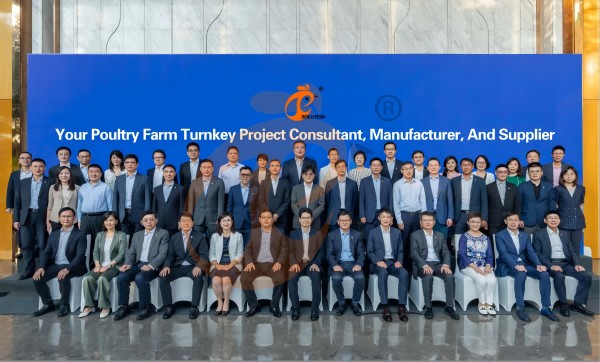
Hong Kong Headquarter Management Team
Hong Kong Headquarter Taiyu Industrial Group CO., LTD
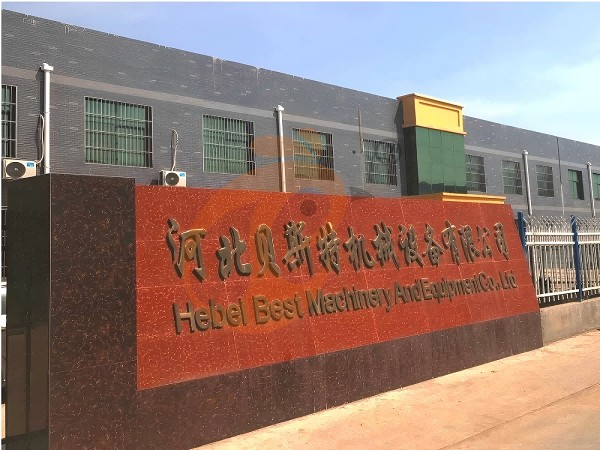
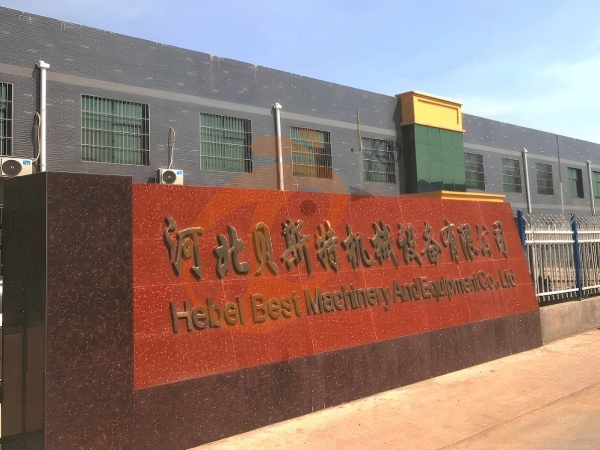
China Hebei Best Machinery And Equipment CO., LTD
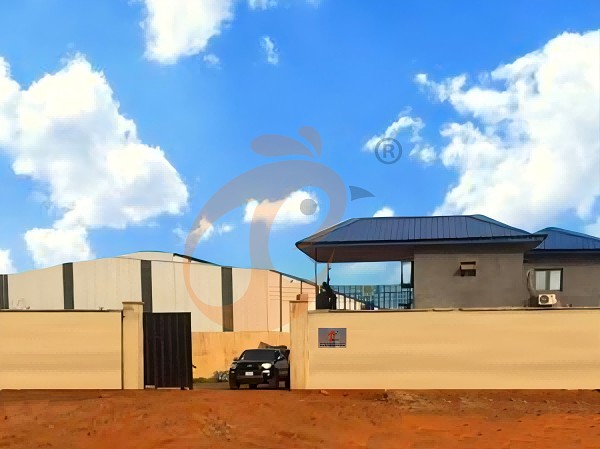
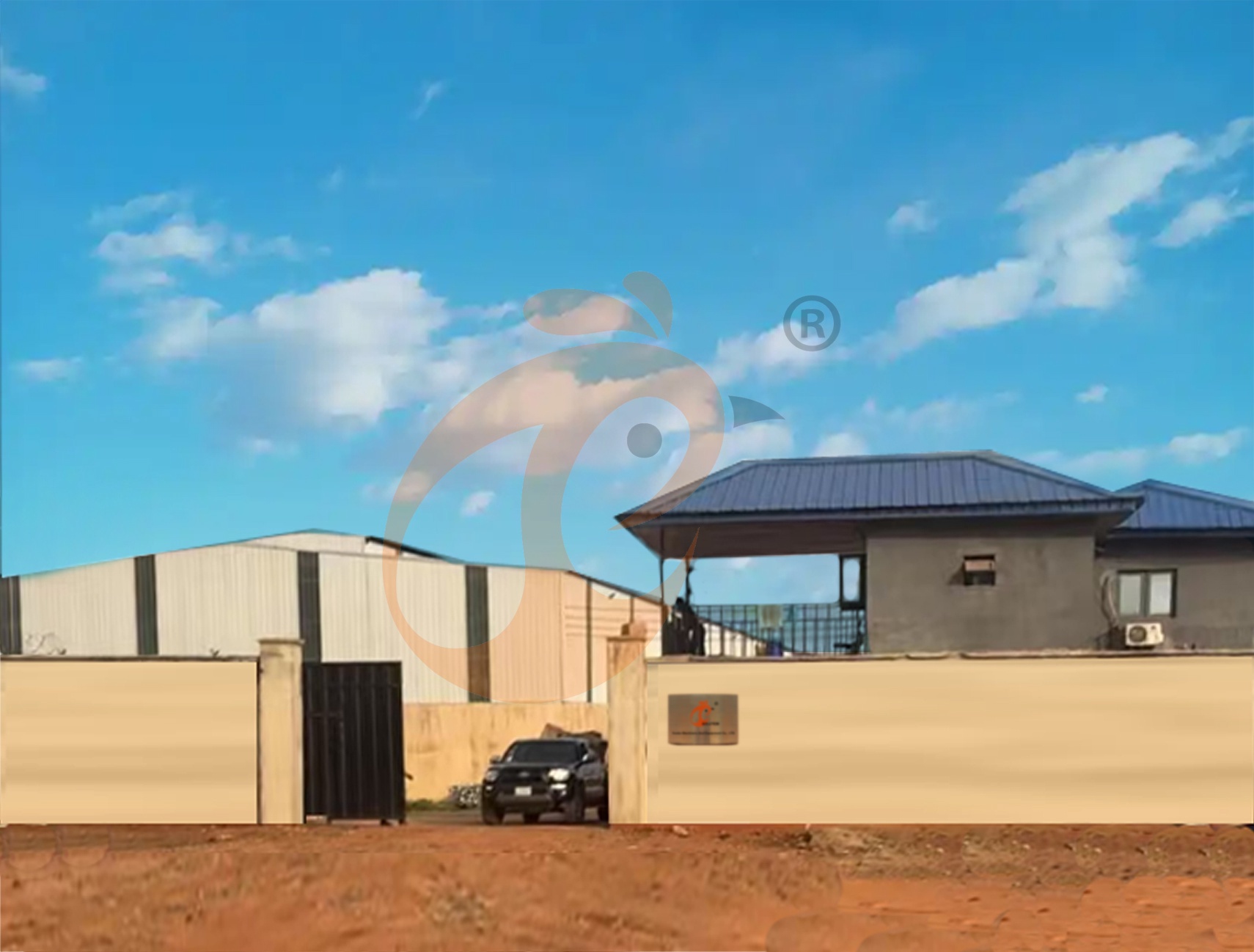
Nigeria Vanke Machinery And Equipment CO., LTD
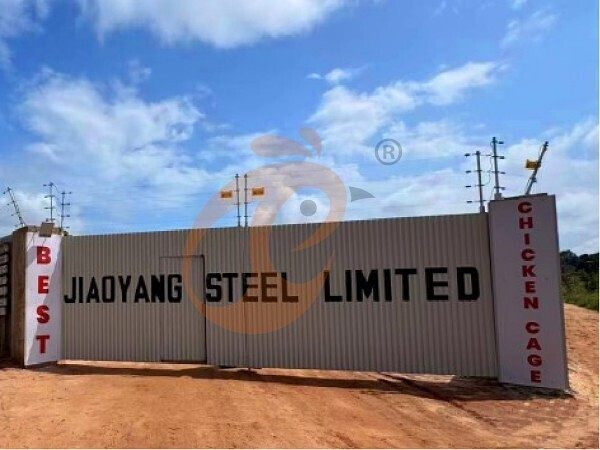
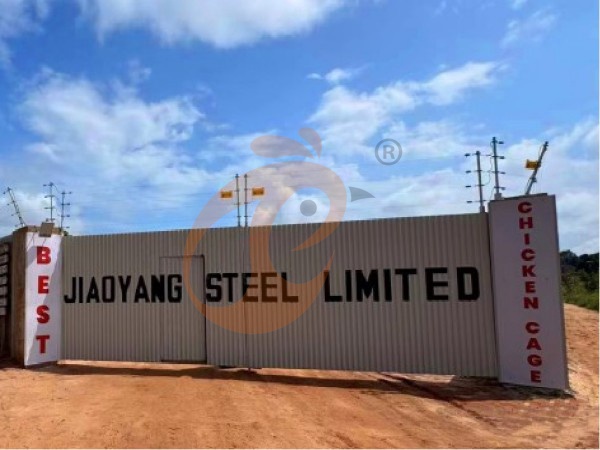
Tanzania Best Machinery And Equipment CO., LTD
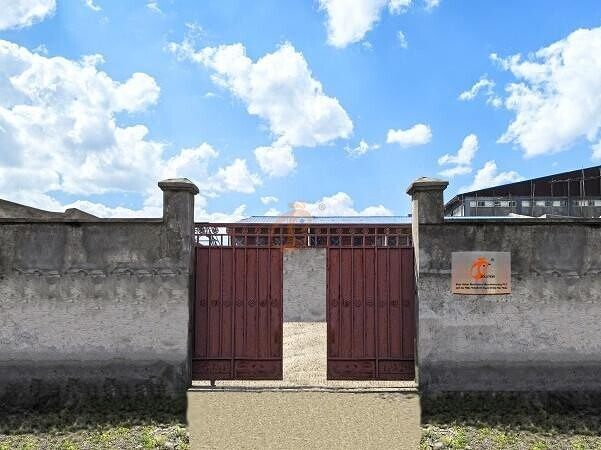
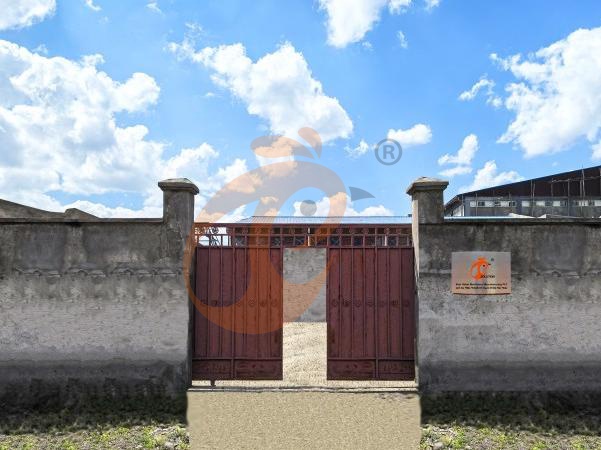
Ethiopia Best Hebei Machinery Manufacturing PLC
Reception /24 WhatsApp NO. : +8618830120193
FAQ
- poultry farm
- layer cages
- chicken cage
- poultry farms
- broiler cage
- layer cage
- automatic layer cage
- poultry house
- cage
- poultry farm construction
- layer cage system
- chicken cage system
- chicken cage system manufacturer
- automatic feeding system
- poultry equipment
- manure removal system
- h type layer cage
- broiler cages
- chickencage
- h type cage
- bestchickencage
- cage system
- h type
- cage systems
- layer chicken cage
- h type layer chicken cage
- Nigeria
- layer farm
- egg production system
- layer chicken cage system
- egg production project
- layer cage equipment
- layer chicken cage system manufacturer
- cage design
- poultry farm plan
- poultry house planning
- automatic layer cage equipment
- Ethiopia
Message
Products recommended
 >30,000 Pullets Automatic H Type Battery Cage1. More than 30,000 pullets a house, choose it.
2. It is designed to rearing older than 1 day old pullets to 12 to 16 weeks old chicken starting laying eggs.
3. Its lifespan is more than 25 years.
4. Its structure are Vcloud artificial intelligent fusion, electric control cabinet, automatic equipment of drinking, feeding, manure clean, manual harvesting.
5. Our 24 hour online reception What’sApp NO. is +8618830120193 <30,000 Pullets Automatic A Type Battery Cage1. 10,000 to 30,000 pullets a house, choose it.
2. It is designed to rearing older than 1 day old pullets to 12 to 16 weeks old chicken starting laying eggs.
3. Its lifespan is more than 25 years.
4. Its structure are Vcloud artificial intelligent fusion, electric control cabinet, automatic equipment of drinking, feeding, manure clean, manual harvesting.
5. Our 24 hour online reception What’sApp NO. is +86 18830120193. >30,000 Broilers Semi-Automatic Harvest H Type Battery Cage1. More than 30,000 broilers a house, choose it.
2. It is designed to rearing 1 to 45 day old adult broiler ready for market.
3. Its lifespan is more than 20 years.
4. Our 24 hour online reception What’sApp NO. is +8618830120193, +234 8111199996. >30,000 Broilers Manual Harvest H Type Battery Cage1. More than 30,000 broilers a house, choose it.
2. It is designed to rearing 1 to 45 day old adult broiler ready for market.
3. Its lifespan is more than 20 years.
4. Its structure are Vcloud artificial intelligent fusion, electric control cabinet, automatic equipment of drinking, feeding and manure clean, manual harvesting.
5. Our 24 hour online reception What’sApp NO. is +8618830120193, +234 8111199996. <30,000 Broilers Manual Harvest A Type Battery Cage1. Less 30,000 broilers a house, choose it.
2. It is designed to rearing 1 to 45 day old adult broiler ready for market.
3. Its lifespan is more than 20 years.
4. Its structure are Vcloud artificial intelligent fusion, electric control cabinet, automatic equipment of drinking, feeding and manure clean, manual harvesting.
5. Our 24 hour online reception What’sApp NO. is +8618830120193, +234 8111199996. HK Headquarter Offers EU-standard Poultry Farm Solutions, Manufacture Poultry Farm Equipment1. Continuous communication with the EU and the US
2. China, Nigeria, Ethiopia, Tanzania branch companies and factories
3. The products’ quality is customized for local poultry farms
4. Poultry cage and poultry farm equipment stock for sale
5. 24 online reception Whatsapp NO. : +8618830120193,contact us to get full information China Branch Offer Poultry Farm Business Plan, Manufacture Poultry Farm Equipment1. Address: Flat/RM 2416, 24/F, Runxing Building, Youyi Nan Street, Shijiazhuang City, Hebei Province, China
2. Poultry cage and poultry farm equipment factory and stock for sale
3. Customized for local poultry farms
4. Quality and design are based on Euro
5. 24 online reception Whatsapp NO. : +8618830120193 Nigeria Branch Offer Poultry Farm Business Plan, Manufacture Poultry Farm Equipment1. Address: After Sinoma Office, 200 Meters Near Danco Filling Station, Lagos/Ibadan Expressway, Lagos State, Nigeria
2. Poultry cage and poultry farm equipment factory and stock for sale
3. Customized for Nigerian poultry farms
4. Quality and design are based on Euro
5. 24 online reception Whatsapp NO. : +8618830120193 Ethiopia Branch Offer Poultry Farm Business Plan, Manufacture Poultry Farm Equipment1. Address: Gelan Gura, Akaki-kaliti Sub City, Addis Ababa, Ethiopia
2. Poultry cage and poultry farm equipment stock for sale
3. Customized for Ethiopian poultry farms
4. Quality and design are based on Euro
5. 24 online reception Whatsapp NO. : +8618830120193, contact us to get price list Tanzania Branch Offer Poultry Farm Business Plan, Manufacture Poultry Farm Equipment1. Address: No.8, Sova Road, Msufini, Mlandizi, Kibaha, Pwani, Tanzania
2. Poultry cage and poultry farm equipment factory and stock for sale
3. Customized for Tanzanian poultry farms
4. Quality and design are based on Euro
5. 24 online reception Whatsapp NO. : +8618830120193


Contact