


Blog
Biomass pellet machine efficiency directly influences operating costs, production capacity, equipment reliability, and long-term profitability across industrial pellet production facilities.
Energy consumption management supports stable manufacturing performance while reducing electricity demand throughout daily production operations.
Raw material characteristics including moisture content, particle size, and density significantly affect compression resistance and pellet formation quality.
Equipment maintenance programs improve die performance, roller durability, and production consistency under continuous operating conditions.
Process optimization strategies help manufacturers achieve sustainable production targets, lower operational expenses, and stronger investment returns.
Get professional poultry farm construction guidance, equipment selection solutions, and the latest price lists, whatsApp to +8618830120193, click to learn more:
Understanding Pellet Machine Energy Consumption
Energy consumption represents one of the largest operating expenses in pellet manufacturing facilities.
Production efficiency depends on multiple factors including raw material preparation, machine design, die condition, motor performance, and operating parameters.
Research indicates that pelletizing commonly consumes between 45 and 120 kWh/t depending on material characteristics and equipment configuration.
Data is for reference only. Swipe horizontally to view full table.
Among all production stages, pelletizing generally requires the greatest amount of electrical power because high compression forces are necessary to produce dense and durable pellets.
Science Behind Pellet Machine Power Consumption
Pellet formation occurs when rollers force material through die holes under high pressure.
Mechanical energy converts into thermal energy through friction.
Natural binders such as lignin soften under elevated temperatures and help create durable pellets without requiring additional chemical additives.
Scientific studies demonstrate that moisture content directly affects friction behavior, pellet quality, and specific energy consumption. Excessively dry material increases resistance, while excessive moisture reduces pellet stability.
Educational Insight
Several physical factors determine power demand during pellet production:
- Material moisture content
- Particle size distribution
- Die compression ratio
- Roller pressure
- Material density
Optimizing these parameters reduces unnecessary mechanical resistance and improves overall production efficiency.
Optimize Raw Material Moisture Content
Moisture content remains one of the most important variables affecting pellet production efficiency.
Material entering the pellet chamber should contain sufficient moisture to support compression while avoiding excessive water content that can weaken pellet durability.
Many industrial operations achieve stable performance when moisture remains within a controlled range.
Data is for reference only. Swipe horizontally to view full table.
Results show that moderate moisture levels generally reduce compression resistance and lower energy demand.
Maintain Consistent Particle Size
Particle size consistency directly influences material flow characteristics inside the die.
Oversized particles increase compression resistance and may cause partial die blockage.
Extremely fine particles require additional grinding energy and can reduce production efficiency.
Uniform particle sizing supports smoother pellet formation and more stable machine loading conditions.
Data is for reference only. Swipe horizontally to view full table.
Maintaining controlled particle size distribution helps reduce power fluctuations and improves production consistency.
Keep Dies And Rollers In Excellent Condition
Die and roller assemblies determine how efficiently material passes through the pellet chamber.
Worn surfaces increase friction, reduce throughput, and elevate motor loading.
Regular inspection and replacement schedules help maintain stable operating performance and reduce unnecessary energy consumption.
Data is for reference only. Swipe horizontally to view full table.
Preventive maintenance reduces unexpected downtime and extends equipment service life.
Operate At Optimal Production Capacity
A pellet mill machine achieves maximum efficiency when operating within its designed production range.
Running significantly below rated capacity increases energy consumption per ton.
Operating beyond recommended limits accelerates wear and increases mechanical stress.
Maintaining stable loading conditions supports efficient motor utilization and smoother production cycles.
Data is for reference only. Swipe horizontally to view full table.
Upgrade To High-Efficiency Motors
The electric motor serves as the primary power source within a pellet production system.
Motor efficiency directly affects electricity consumption, heat generation, and operating stability.
Modern industrial facilities increasingly adopt premium-efficiency motors to reduce energy losses and improve production economics.
Electricity costs can exceed $8,500 annually per production line (European union standard reference only) depending on production volume and operating schedules.
Upgrading motor systems often provides measurable savings throughout the equipment lifecycle.
Data is for reference only. Swipe horizontally to view full table.
Variable Frequency Drives (VFDs) further improve performance by adjusting motor speed according to production demand.
This approach reduces unnecessary power consumption during partial-load operation and helps maintain stable machine performance.
Implement Preventive Maintenance And Automation
Automation technology plays a growing role in modern pellet manufacturing facilities.
Continuous monitoring allows operators to identify performance deviations before major production issues occur.
Predictive maintenance systems support efficient scheduling and minimize unplanned shutdowns.
Data is for reference only. Swipe horizontally to view full table.
Facilities implementing automated control systems commonly experience more stable production conditions and lower maintenance costs.
Ring Die Vs Flat Die Energy Performance
Machine design significantly influences power consumption.
Ring die systems generally provide improved material flow characteristics and higher production capacity compared with flat die systems.
For commercial-scale applications, ring die technology frequently delivers lower energy consumption per ton of finished product.
Data is for reference only. Swipe horizontally to view full table.
Many large-scale biomass pellet machine projects utilize ring die configurations because of their favorable production efficiency and operating economics.
Building An Energy-Efficient Production Strategy
Reducing energy consumption requires a comprehensive approach rather than a single operational adjustment.
Successful facilities typically combine moisture control, particle size management, die maintenance, optimized loading conditions, efficient motor systems, and automated monitoring technologies.
A well-maintained pellet mill machine can achieve lower power consumption while maintaining stable throughput and pellet quality.
Long-term performance improvements often result from continuous process optimization and data-driven operational management.
Frequently Asked Questions
Q1: How much energy does a pellet machine consume per ton?
Most commercial pellet production systems consume approximately 60–90 kWh/t depending on raw material characteristics, moisture levels, die specifications, and operating conditions.
Q2: Does moisture content affect pellet machine efficiency?
Yes.
Moisture content between approximately 12% and 18% commonly reduces compression resistance and supports stable pellet formation during production.
Q3: When should pellet mill dies be replaced?
Replacement is commonly recommended when production output decreases by approximately 8–12% or when specific energy consumption rises noticeably compared with baseline operating values.
Taiyu (HK) Group - One Of China Largest Pellet Machine Manufacturer
Pellet machine systems are widely utilized in biomass fuel processing plants, agricultural residue recycling facilities, wood waste conversion projects, and industrial pellet production operations.
Global factory-direct manufacturing supports standardized production management, controlled procurement systems, and efficient international delivery coordination across multiple regions.
Poultry equipment integration capabilities allow feed preparation, handling systems, and agricultural processing solutions to operate within broader industrial project frameworks.
Turn-key engineering services include process design, equipment selection, factory layout planning, installation supervision, commissioning support, and technical documentation preparation.
International project experience enables customized production solutions according to raw material properties, production capacity targets, local utility conditions, and long-term operational requirements.
Contact Us To Received Your Customized Poultry Farm Plan
Headquarters And Branchs
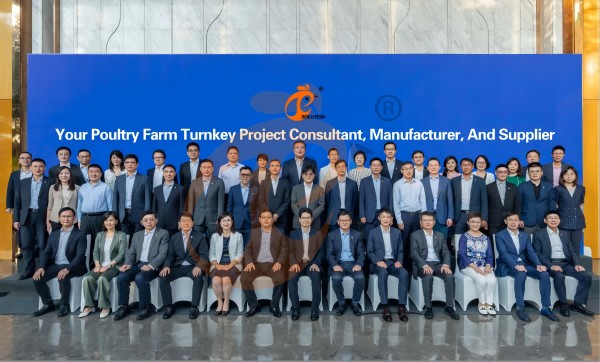
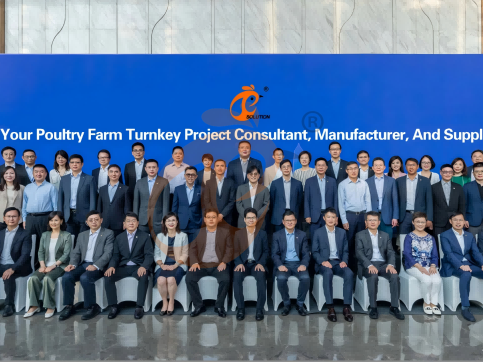
Hong Kong Headquarter Management Team
Hong Kong Headquarter Taiyu Industrial Group CO., LTD
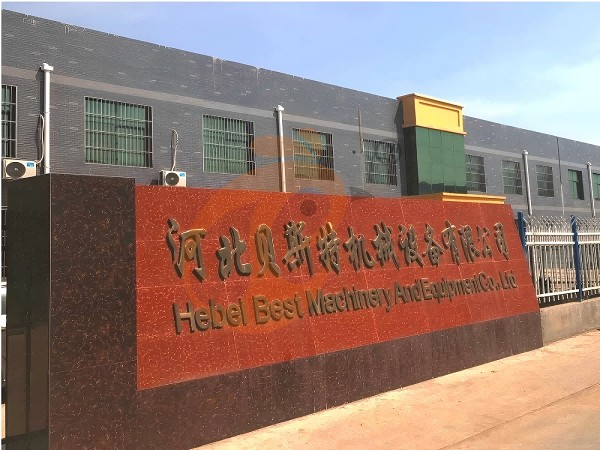
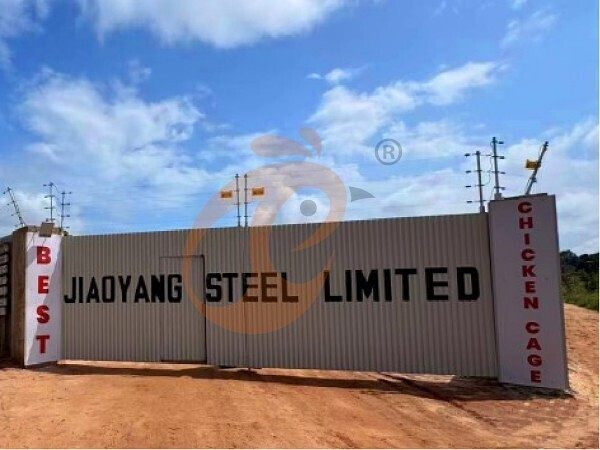
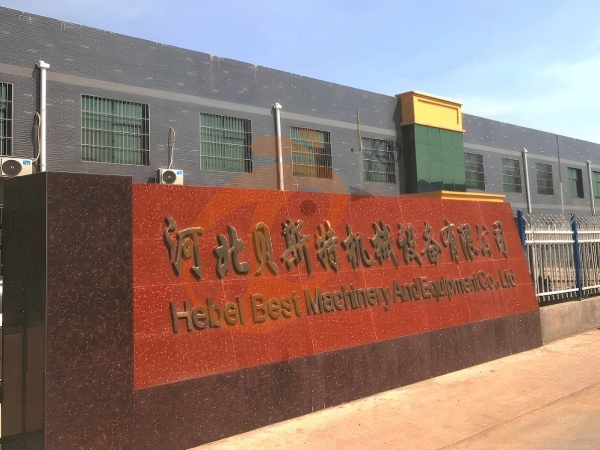
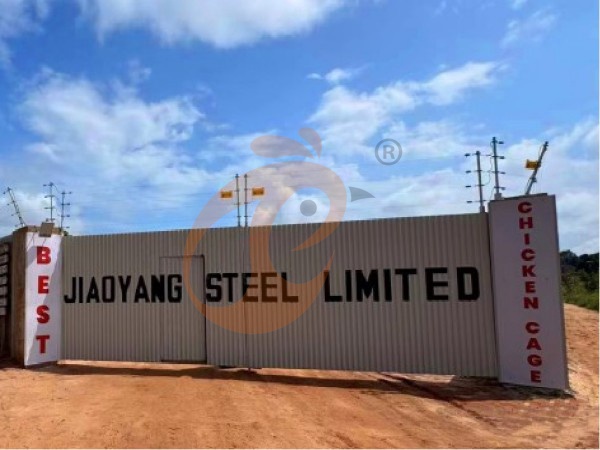
China Hebei Best Machinery And Equipment CO., LTD
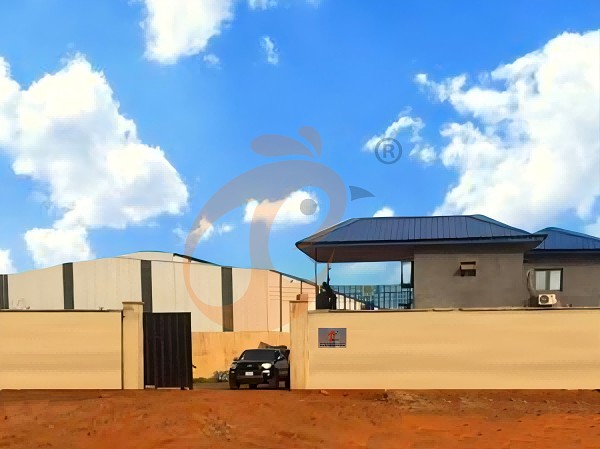
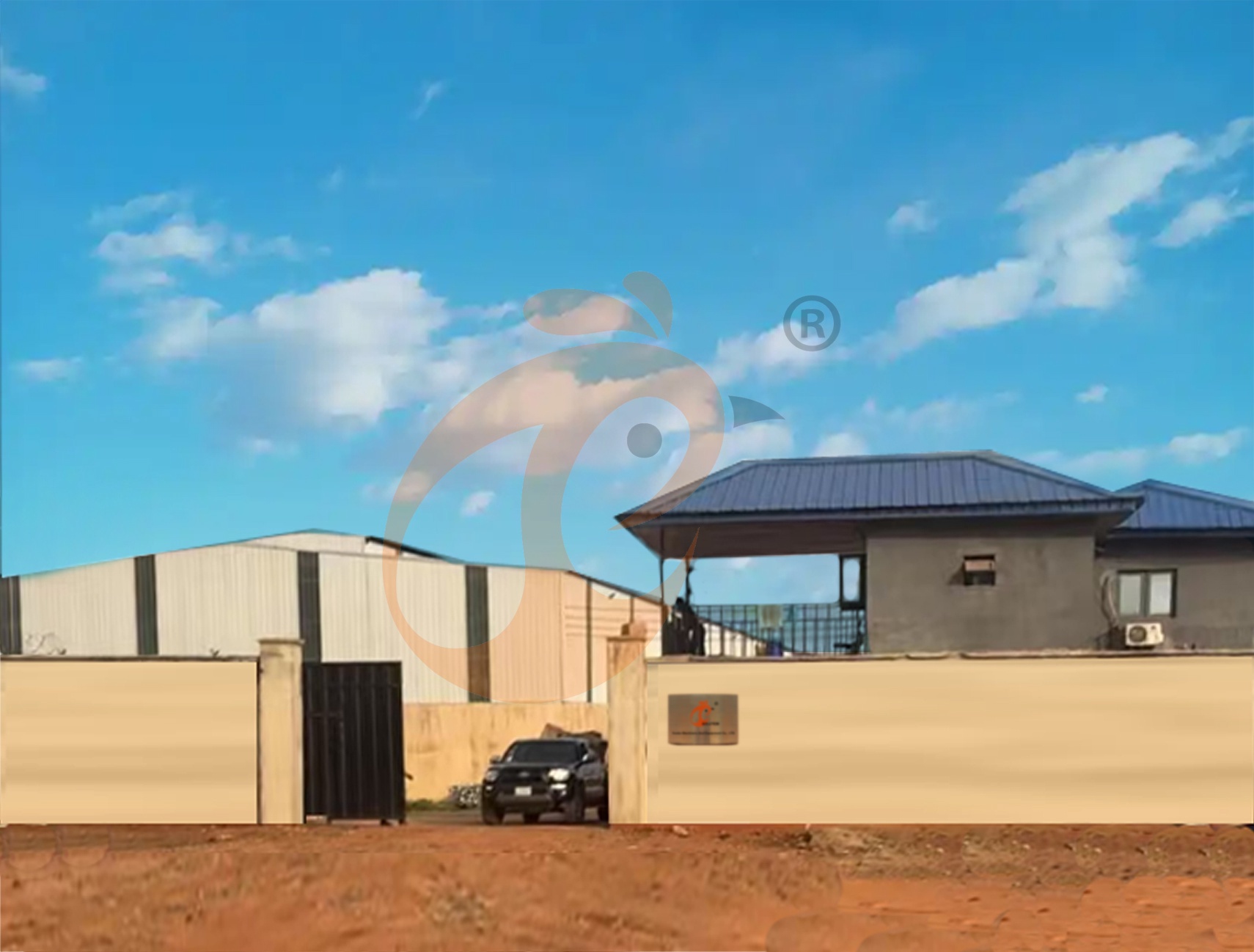
Nigeria Vanke Machinery And Equipment CO., LTD
Tanzania Best Machinery And Equipment CO., LTD
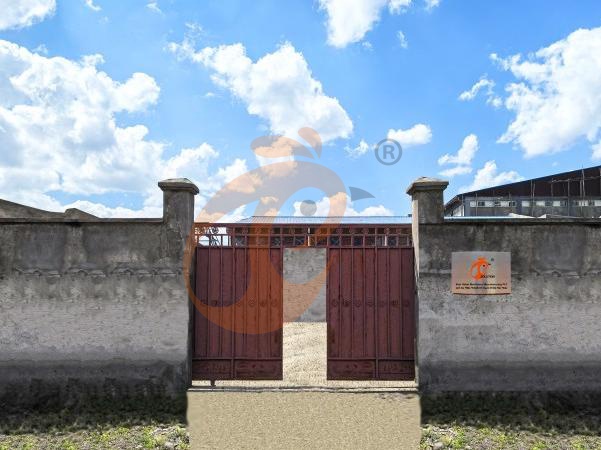
Ethiopia Best Hebei Machinery Manufacturing PLC

Reception /24 WhatsApp NO. : +8618830120193
FAQ
What Feeding System Standards Are Required For Pellet Machine In Poultry Chicken Feed Production Lines?
Feeder capacity is designed at 1.2–2.5 tons per hour depending on raw material density.
Flow consistency deviation is maintained within ±2% for uniform pellet quality output.
What Maintenance And Wear Part Replacement Standards Apply To Pellet Machine?
Bearing replacement intervals typically occur every 12–18 months under continuous operation.
Gearbox oil change frequency is maintained at 1000–1500 operating hours for system reliability.
What Safety Protection Systems Are Integrated In Pellet Machine For Poultry Chicken Feed Production?
Emergency stop response time is maintained within 0.5–1.0 seconds for operational safety.
Vibration monitoring limits are set at 4.5–6.0 mm/s to prevent mechanical failure.
Message
Products recommended
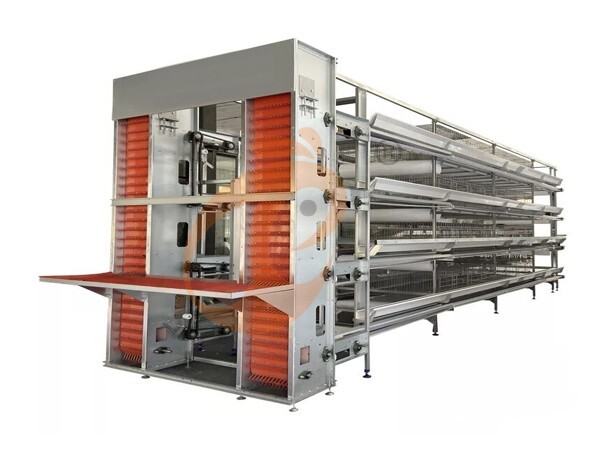
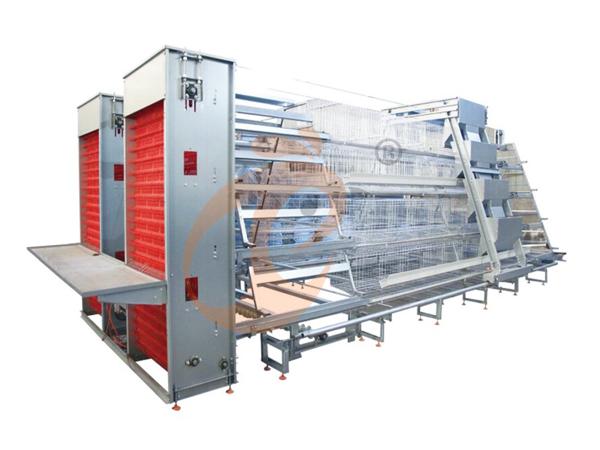
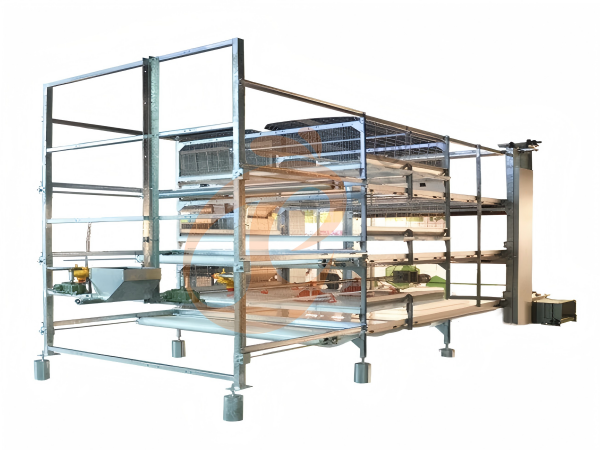
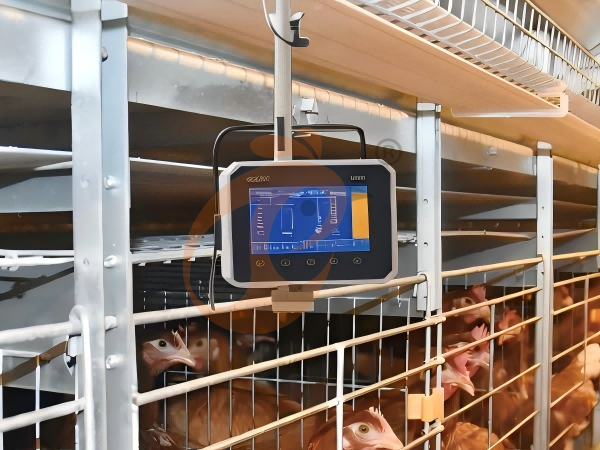
 >30,000 Pullets Automatic H Type Battery Cage1. More than 30,000 pullets a house, choose it.
2. It is designed to rearing older than 1 day old pullets to 12 to 16 weeks old chicken starting laying eggs.
3. Its lifespan is more than 25 years.
4. Its structure are Vcloud artificial intelligent fusion, electric control cabinet, automatic equipment of drinking, feeding, manure clean, manual harvesting.
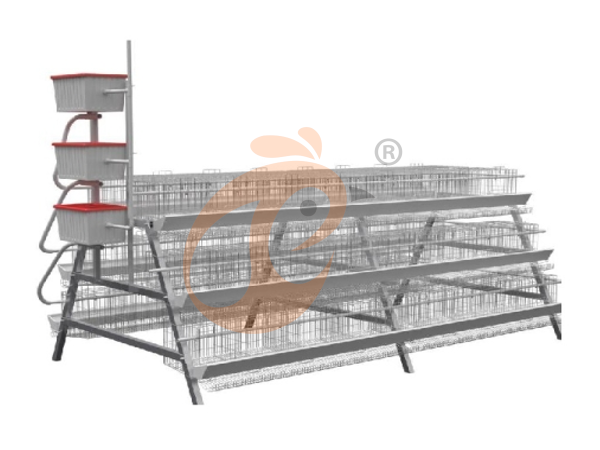
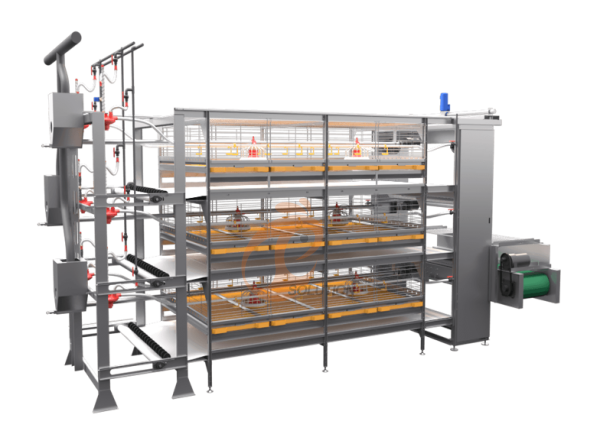
5. Our 24 hour online reception What’sApp NO. is +8618830120193 <30,000 Pullets Automatic A Type Battery Cage1. 10,000 to 30,000 pullets a house, choose it.
2. It is designed to rearing older than 1 day old pullets to 12 to 16 weeks old chicken starting laying eggs.
3. Its lifespan is more than 25 years.
4. Its structure are Vcloud artificial intelligent fusion, electric control cabinet, automatic equipment of drinking, feeding, manure clean, manual harvesting.
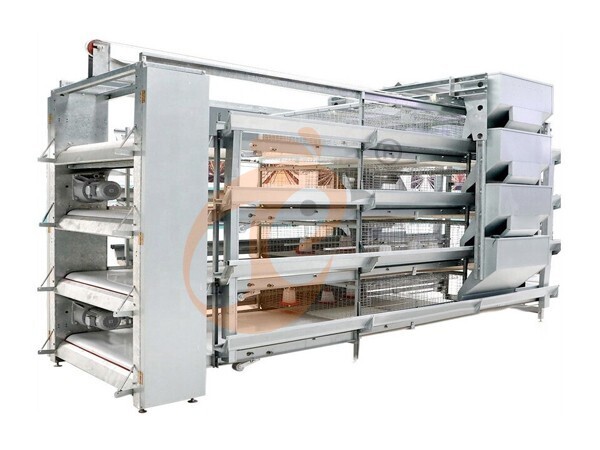
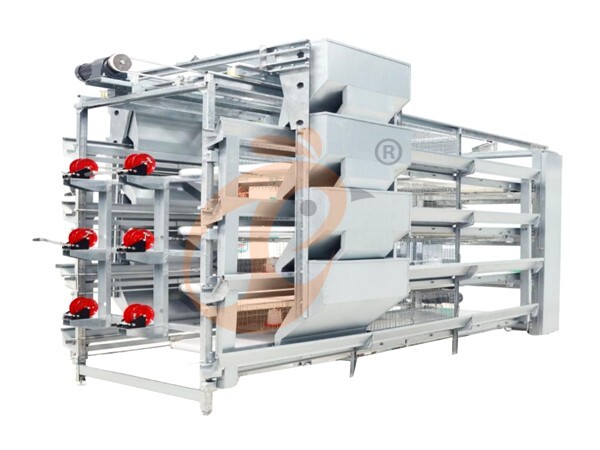
5. Our 24 hour online reception What’sApp NO. is +86 18830120193. >30,000 Broilers Semi-Automatic Harvest H Type Battery Cage1. More than 30,000 broilers a house, choose it.
2. It is designed to rearing 1 to 45 day old adult broiler ready for market.
3. Its lifespan is more than 20 years.
4. Our 24 hour online reception What’sApp NO. is +8618830120193, +234 8111199996. >30,000 Broilers Manual Harvest H Type Battery Cage1. More than 30,000 broilers a house, choose it.
2. It is designed to rearing 1 to 45 day old adult broiler ready for market.
3. Its lifespan is more than 20 years.
4. Its structure are Vcloud artificial intelligent fusion, electric control cabinet, automatic equipment of drinking, feeding and manure clean, manual harvesting.
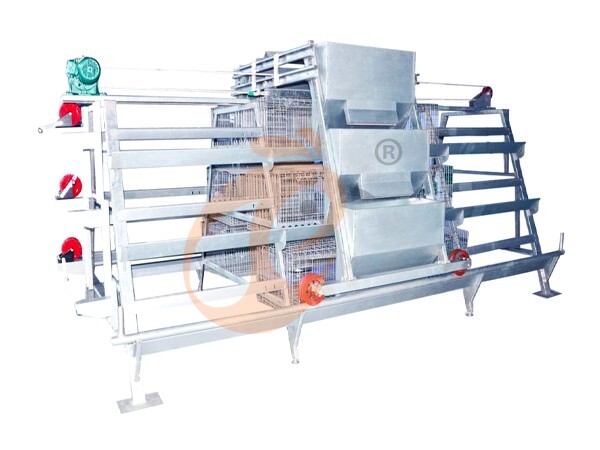
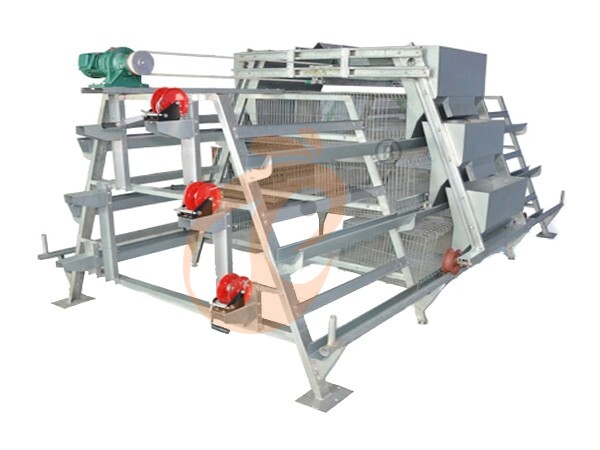
5. Our 24 hour online reception What’sApp NO. is +8618830120193, +234 8111199996. <30,000 Broilers Manual Harvest A Type Battery Cage1. Less 30,000 broilers a house, choose it.
2. It is designed to rearing 1 to 45 day old adult broiler ready for market.
3. Its lifespan is more than 20 years.
4. Its structure are Vcloud artificial intelligent fusion, electric control cabinet, automatic equipment of drinking, feeding and manure clean, manual harvesting.
5. Our 24 hour online reception What’sApp NO. is +8618830120193, +234 8111199996. HK Headquarter Offers EU-standard Poultry Farm Solutions, Manufacture Poultry Farm Equipment1. Continuous communication with the EU and the US
2. China, Nigeria, Ethiopia, Tanzania branch companies and factories
3. The products’ quality is customized for local poultry farms
4. Poultry cage and poultry farm equipment stock for sale
5. 24 online reception Whatsapp NO. : +8618830120193,contact us to get full information China Branch Offer Poultry Farm Business Plan, Manufacture Poultry Farm Equipment1. Address: Flat/RM 2416, 24/F, Runxing Building, Youyi Nan Street, Shijiazhuang City, Hebei Province, China
2. Poultry cage and poultry farm equipment factory and stock for sale
3. Customized for local poultry farms
4. Quality and design are based on Euro
5. 24 online reception Whatsapp NO. : +8618830120193 Nigeria Branch Offer Poultry Farm Business Plan, Manufacture Poultry Farm Equipment1. Address: After Sinoma Office, 200 Meters Near Danco Filling Station, Lagos/Ibadan Expressway, Lagos State, Nigeria
2. Poultry cage and poultry farm equipment factory and stock for sale
3. Customized for Nigerian poultry farms
4. Quality and design are based on Euro
5. 24 online reception Whatsapp NO. : +8618830120193 Ethiopia Branch Offer Poultry Farm Business Plan, Manufacture Poultry Farm Equipment1. Address: Gelan Gura, Akaki-kaliti Sub City, Addis Ababa, Ethiopia
2. Poultry cage and poultry farm equipment stock for sale
3. Customized for Ethiopian poultry farms
4. Quality and design are based on Euro
5. 24 online reception Whatsapp NO. : +8618830120193, contact us to get price list Tanzania Branch Offer Poultry Farm Business Plan, Manufacture Poultry Farm Equipment1. Address: No.8, Sova Road, Msufini, Mlandizi, Kibaha, Pwani, Tanzania
2. Poultry cage and poultry farm equipment factory and stock for sale
3. Customized for Tanzanian poultry farms
4. Quality and design are based on Euro
5. 24 online reception Whatsapp NO. : +8618830120193



Contact