


Blog
Broiler chicken cage system weight gain optimization improves commercial poultry productivity through controlled environment management and structured feeding behavior improvement, with average market cycles reaching 38–44 days in intensive systems.
Cage housing design enhances metabolic efficiency, stabilizes growth rate, and supports uniform flock development across production cycles with stocking stability improvements of around 6–9% in controlled farms.
Nutrition balancing strategies integrate amino acid precision, energy density regulation, and feed conversion enhancement mechanisms with lysine utilization efficiency often reaching 82–88% in optimized feed programs.
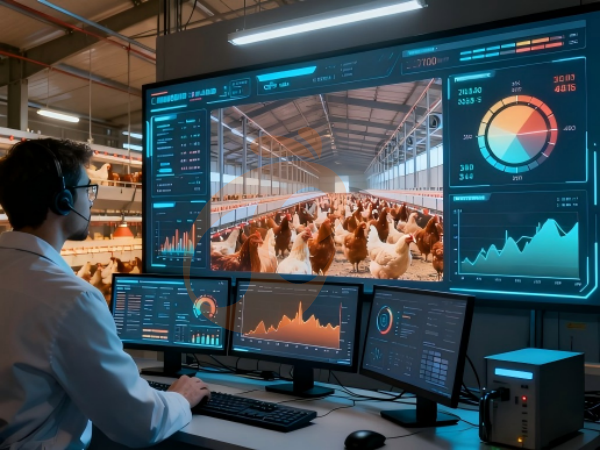
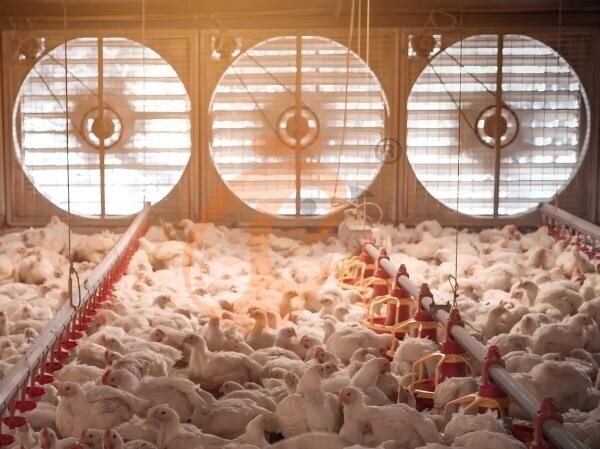
Environmental engineering focuses ventilation airflow, thermal balance, humidity stability, and gas concentration control inside poultry houses, maintaining respiratory load reduction within measurable operational thresholds.
- Commercial production systems combine automation equipment, health monitoring protocols, and scalable farming infrastructure for consistent weight performance with mortality control typically kept below 4–6% in managed operations.
Get professional poultry farm construction guidance, equipment selection solutions, and the latest price lists, whatsApp to +8618830120193, click to learn more:
Scientific Growth Regulation In Cage Environments
Broiler weight gain is closely linked to physiological stress, energy allocation, and feed efficiency.
Research indicates that high stocking density can suppress locomotion and increase stress hormones, leading to reduced growth performance and poorer feed conversion efficiency.
Physiological monitoring in controlled farms shows that corticosterone levels may rise by 12–18% under poorly ventilated cage conditions, directly affecting feed intake behavior and metabolic energy distribution.
At the same time, poorly managed density increases ammonia levels, heat accumulation, and humidity, all of which negatively impact metabolic function and bone development.
However, cage systems can mitigate these effects if designed correctly. Compared with deep litter systems, cages reduce direct contact with manure, lowering disease exposure and improving air quality.
Key scientific mechanisms influencing weight gain include
Feed intake regulation affected by stress and temperature
Oxygen availability influenced by ventilation efficiency
Energy allocation between growth and stress response
Gut microbiota stability supporting digestion efficiency, with microbial diversity improving by 9–14% in stable cage environments
Thermal comfort zone maintenance improving metabolic balance
Broiler chicken cage system weight gain optimization depends strongly on synchronizing environmental stability and nutrition precision.
Core Components Of Broiler Cage Systems
Data is for reference only.Swipe horizontally to view full table.
Stocking Density Regulation Strategy
Stocking density is one of the most important factors influencing weight gain.
Excess density reduces feed intake and increases stress, limiting growth rate and carcass quality.
Moderate density levels in cage systems can improve efficiency if environmental conditions remain stable.
In well-managed commercial houses, average feed competition incidents can be reduced by 15–20% when density is properly balanced.
Advantages Of Broiler Cage Systems For Weight Gain
Data is for reference only.Swipe horizontally to view full table.
Nutrition And Feeding Strategy Enhancement
Nutrition is the most direct driver of weight gain. Broilers require high-energy diets with balanced amino acids and minerals.
Digestibility tests in commercial feed programs show protein absorption efficiency can reach 85–90% under optimized cage feeding systems with stable intake rhythm.
Frequent feed delivery improves intake consistency.
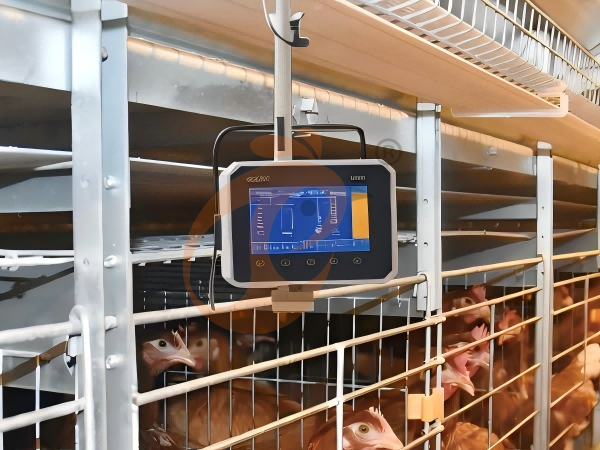
Commercial broiler cage farming equipment supports precise feed distribution and reduces nutrient waste.
Feed Phase Nutritional Structure
Data is for reference only.Swipe horizontally to view full table.
Environmental And Thermal Stability Control
Temperature and humidity directly affect metabolic rate and feed efficiency.
Heat stress reduces appetite while cold stress increases maintenance energy demand.
Ventilation ensures oxygen supply and gas removal.
Operational monitoring often records that maintaining stable airflow can reduce respiratory energy consumption by 6–8%, allowing more energy allocation toward muscle deposition.
Air And Climate Control Indicators
Data is for reference only.Swipe horizontally to view full table.
Health Management And Biosecurity System
Disease prevention is essential for stable weight gain. Cage systems reduce litter contact but require strict hygiene protocols.
On well-managed farms, early-stage vaccination programs can improve immune response efficiency by approximately 10–12% during the first three weeks of growth.
Vaccination schedules and probiotic supplementation improve immunity and gut efficiency.
Health Control Management Plan
Data is for reference only.Swipe horizontally to view full table.
Growth Performance Indicators Evaluation
Performance evaluation focuses body weight, feed efficiency, and survival rate.
Field data shows that uniformity improvement of even 5% can significantly increase market grading efficiency and processing yield consistency across batches.
Production Efficiency Metrics
Data is for reference only.Swipe horizontally to view full table.
Frequently Asked Questions
Q1: Why cage systems improve broiler weight gain performance?
Cage systems reduce litter exposure, stabilize feeding access, and improve ventilation control.
These factors reduce stress load and increase energy allocation toward growth, improving final body weight efficiency.
Q2: What stocking density supports optimal growth inside cage systems?
A range between 22–28 birds per square meter during finishing stage supports balanced growth.
Excess density above 40 birds per square meter usually reduces feed intake and slows weight development.
Q3: How feeding automation influences growth rate?
Automated feeding ensures consistent nutrient delivery across all tiers.
Stable feed access reduces competition stress and improves daily gain by approximately 5–12 percent depending on management quality.
Taiyu (HK) Group - One Of China Toppest Poultry Equipment Manufacturer
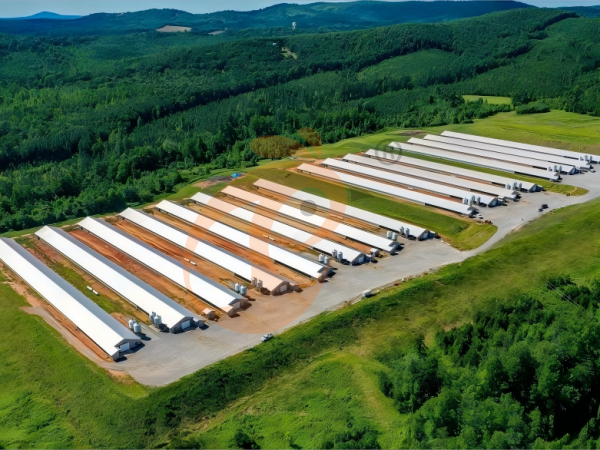
Cage-based broiler production project integration covers engineering design, installation planning, and operational commissioning for commercial poultry farms, supporting capacity ranges from 10,000 to 500,000 birds per project scale
- Global factory direct supply chain supports standardized poultry equipment manufacturing with consistent mechanical quality and structural durability control, ensuring component lifespan of 8–12 years under normal operation
- Poultry equipment systems include cage modules, feeding automation, ventilation engineering, and manure removal mechanical solutions designed for continuous 24-hour operational environments
- Turn-key engineering service delivers complete farm construction packages from layout planning to equipment deployment and system calibration with project delivery cycles typically between 45–90 days
- International project support ensures technical consultation, spare parts supply, and lifecycle maintenance service for industrial poultry production systems across more than 30 export regions
Contact Us To Received Your Customized Poultry Farm Plan
Headquarters And Branchs

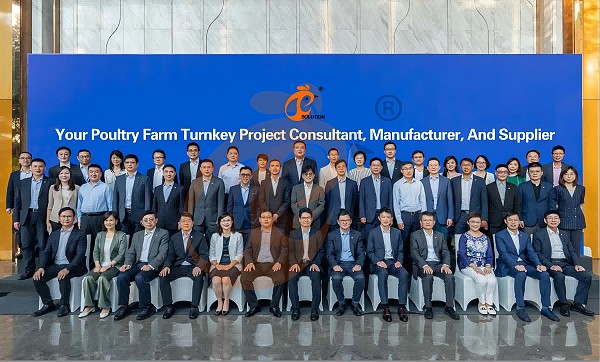
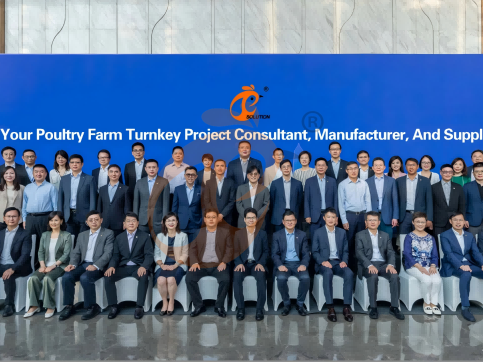
Hong Kong Headquarter Management Team
Hong Kong Headquarter Taiyu Industrial Group CO., LTD
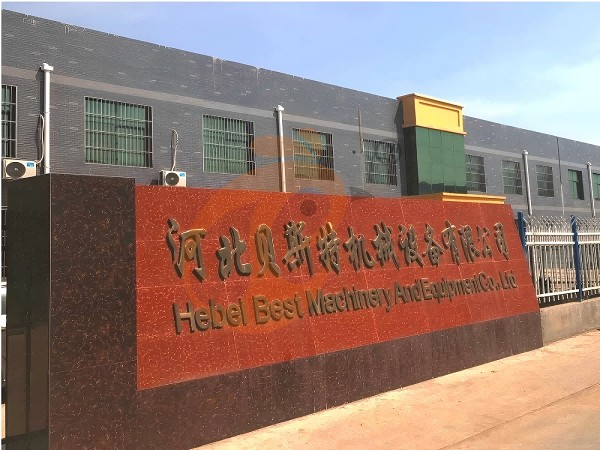
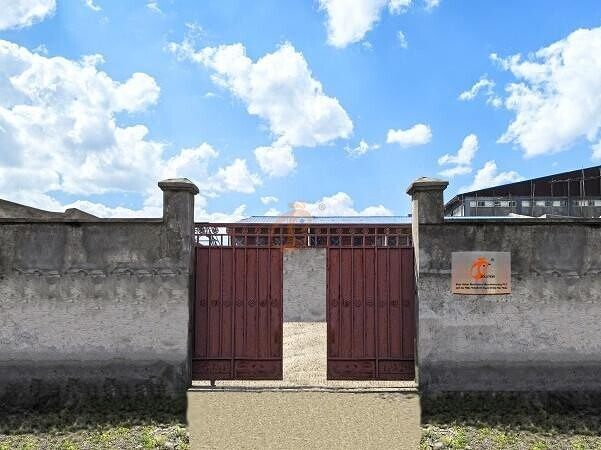
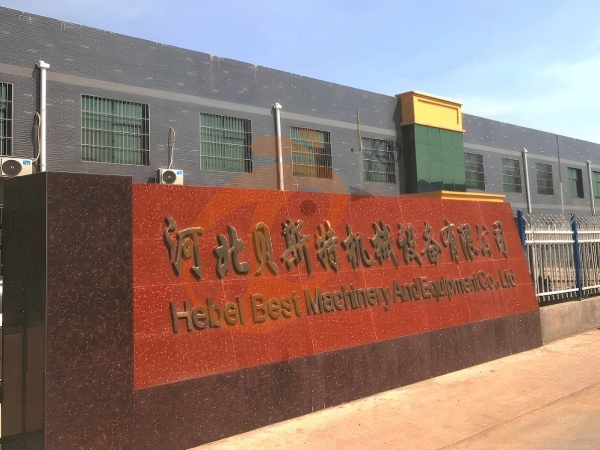
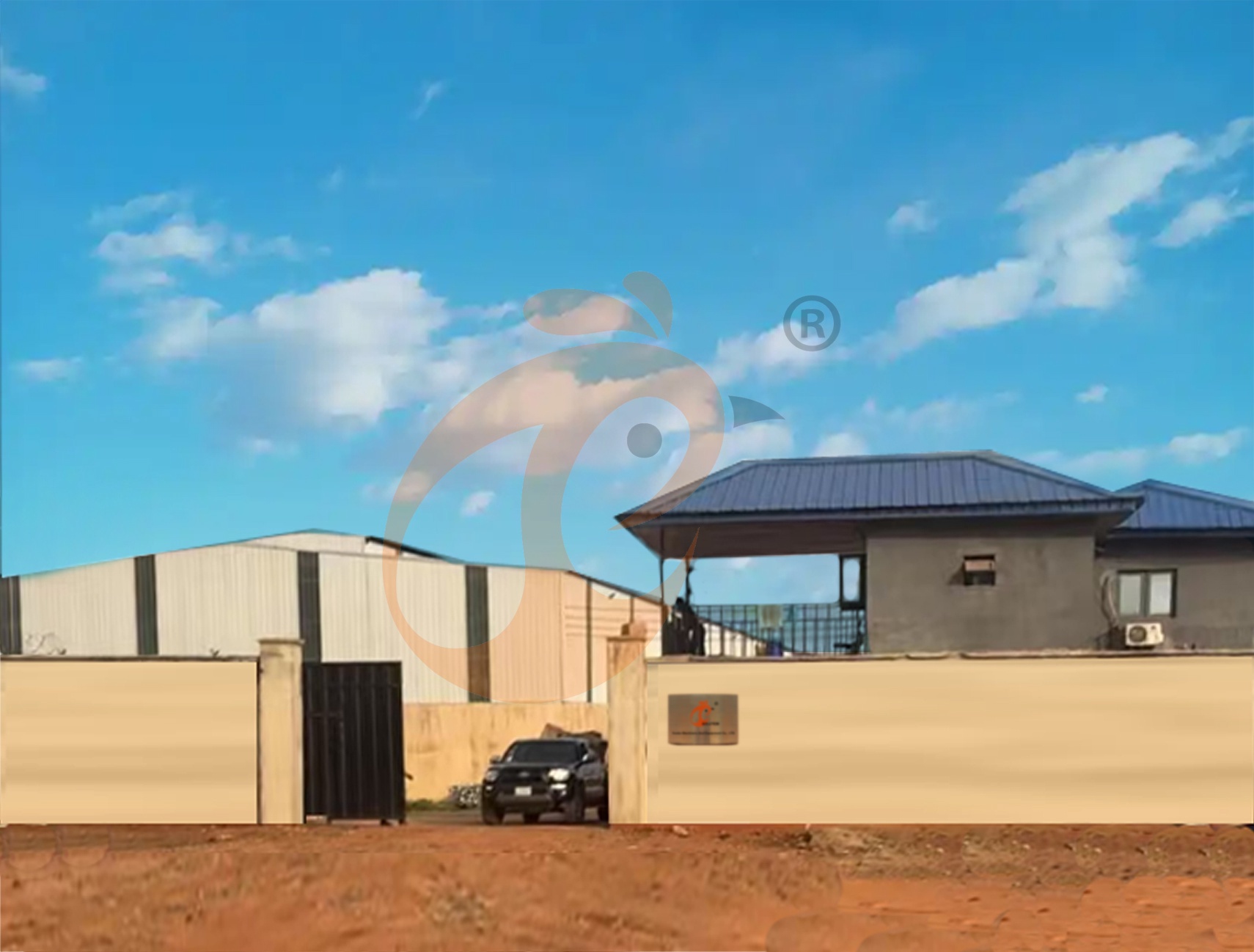
China Hebei Best Machinery And Equipment CO., LTD
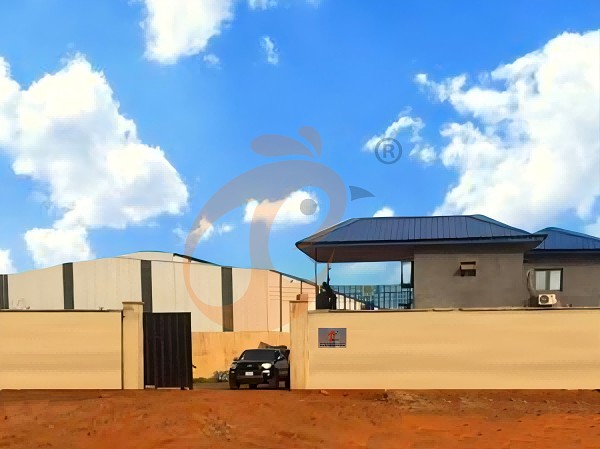
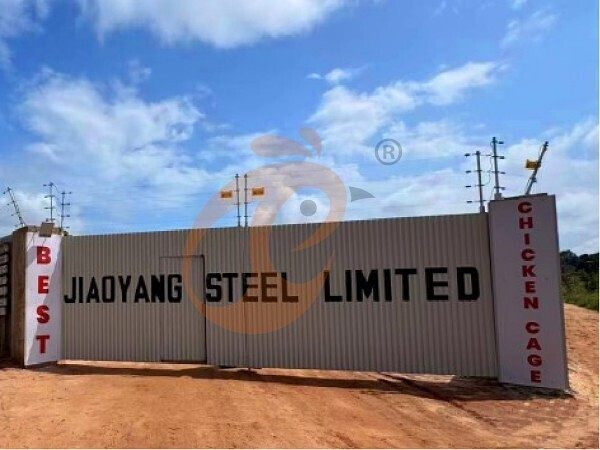
Nigeria Vanke Machinery And Equipment CO., LTD
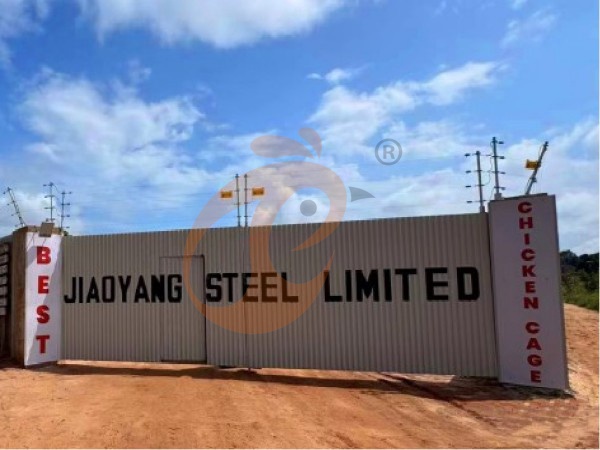
Tanzania Best Machinery And Equipment CO., LTD
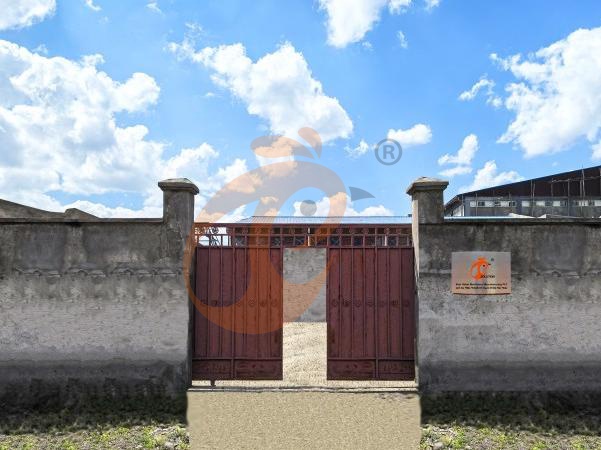
Ethiopia Best Hebei Machinery Manufacturing PLC
Reception /24 WhatsApp NO. : +8618830120193
FAQ
- poultry farm
- chicken cage
- poultry farms
- broiler cage
- poultry house
- poultry cage
- cage
- poultry farm construction
- broiler cage system
- chicken cage system
- automatic poultry cage
- poultry cage feeding system
- broiler cage farming
- deep litter system
- poultry equipment
- broiler chicken cage
- chickencage
- bestchickencage
- cage system
- cage systems
- broiler chicken cage system
- Nigeria
- commercial poultry farms
- poultry equipment manufacturer
- cage design
- poultry farm plan
- Ethiopia
Message
Products recommended
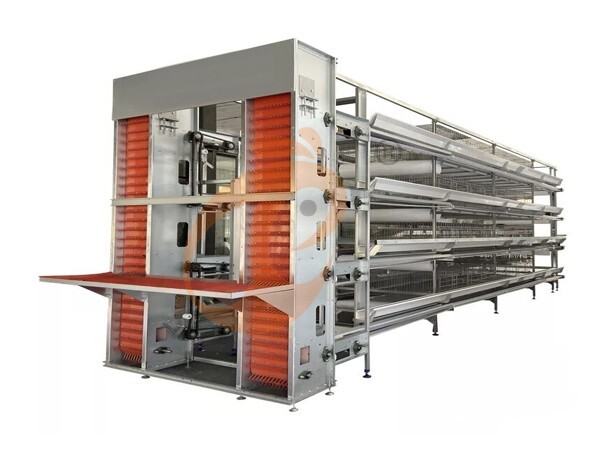
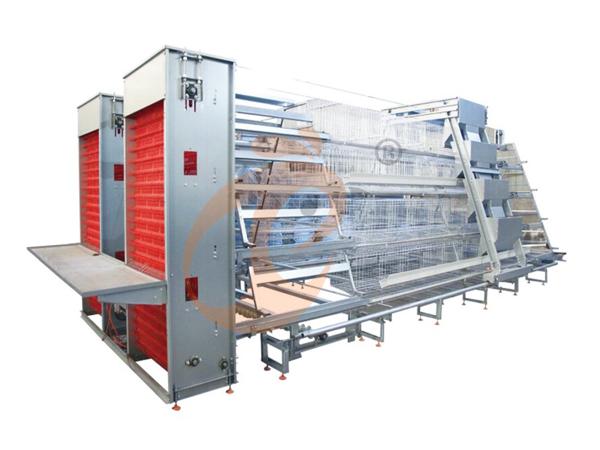
 >30,000 Pullets Automatic H Type Battery Cage1. More than 30,000 pullets a house, choose it.
2. It is designed to rearing older than 1 day old pullets to 12 to 16 weeks old chicken starting laying eggs.
3. Its lifespan is more than 25 years.
4. Its structure are Vcloud artificial intelligent fusion, electric control cabinet, automatic equipment of drinking, feeding, manure clean, manual harvesting.
5. Our 24 hour online reception What’sApp NO. is +8618830120193 <30,000 Pullets Automatic A Type Battery Cage1. 10,000 to 30,000 pullets a house, choose it.
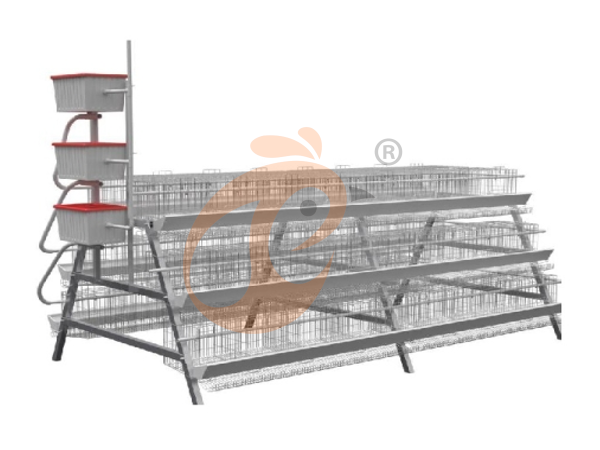
2. It is designed to rearing older than 1 day old pullets to 12 to 16 weeks old chicken starting laying eggs.
3. Its lifespan is more than 25 years.
4. Its structure are Vcloud artificial intelligent fusion, electric control cabinet, automatic equipment of drinking, feeding, manure clean, manual harvesting.
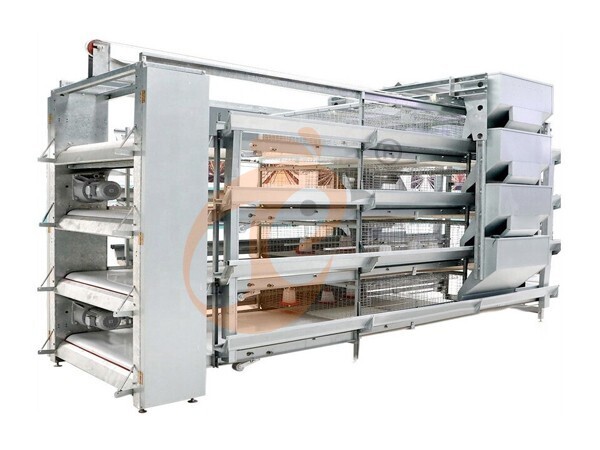
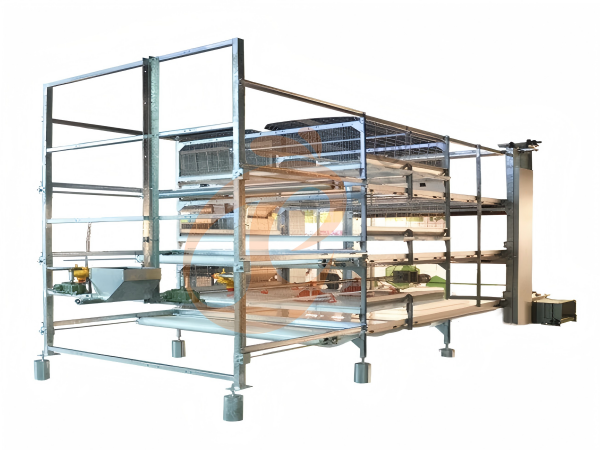
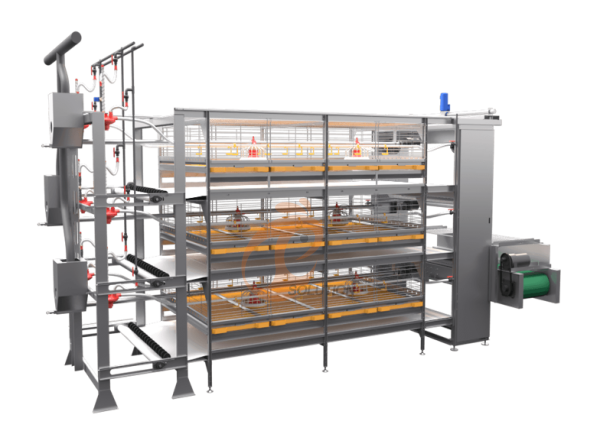
5. Our 24 hour online reception What’sApp NO. is +86 18830120193. >30,000 Broilers Semi-Automatic Harvest H Type Battery Cage1. More than 30,000 broilers a house, choose it.
2. It is designed to rearing 1 to 45 day old adult broiler ready for market.
3. Its lifespan is more than 20 years.
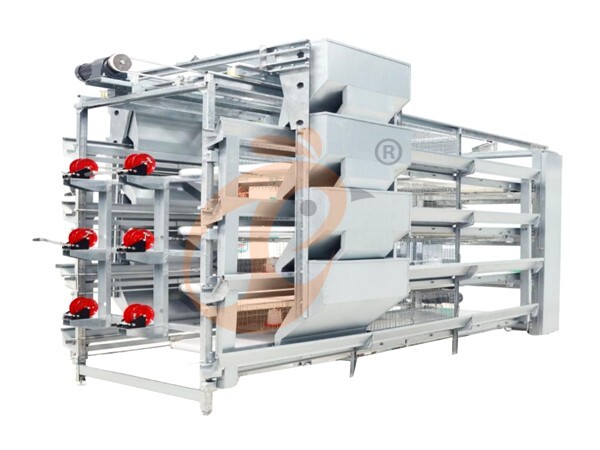
4. Our 24 hour online reception What’sApp NO. is +8618830120193, +234 8111199996. >30,000 Broilers Manual Harvest H Type Battery Cage1. More than 30,000 broilers a house, choose it.
2. It is designed to rearing 1 to 45 day old adult broiler ready for market.
3. Its lifespan is more than 20 years.
4. Its structure are Vcloud artificial intelligent fusion, electric control cabinet, automatic equipment of drinking, feeding and manure clean, manual harvesting.
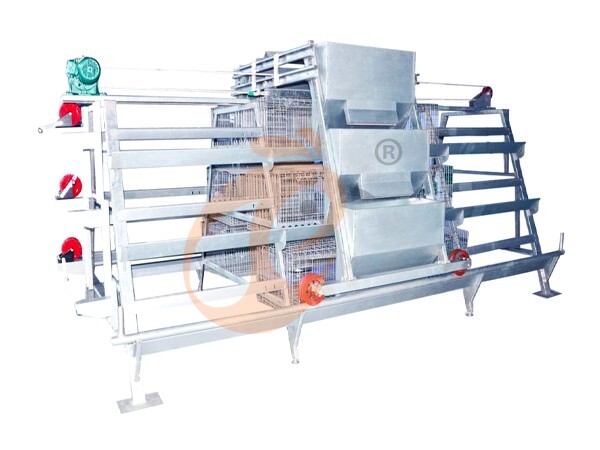
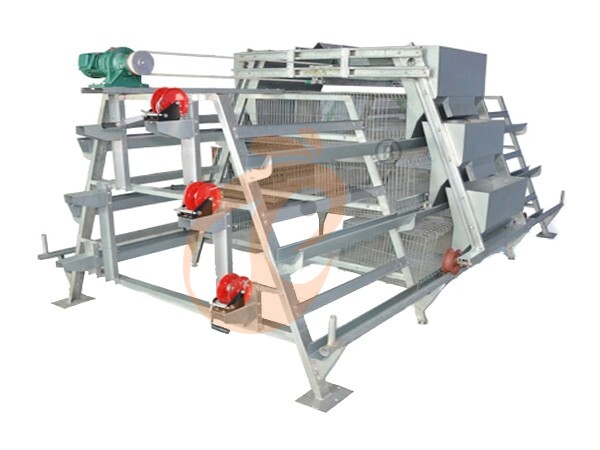
5. Our 24 hour online reception What’sApp NO. is +8618830120193, +234 8111199996. <30,000 Broilers Manual Harvest A Type Battery Cage1. Less 30,000 broilers a house, choose it.
2. It is designed to rearing 1 to 45 day old adult broiler ready for market.
3. Its lifespan is more than 20 years.
4. Its structure are Vcloud artificial intelligent fusion, electric control cabinet, automatic equipment of drinking, feeding and manure clean, manual harvesting.
5. Our 24 hour online reception What’sApp NO. is +8618830120193, +234 8111199996. HK Headquarter Offers EU-standard Poultry Farm Solutions, Manufacture Poultry Farm Equipment1. Continuous communication with the EU and the US
2. China, Nigeria, Ethiopia, Tanzania branch companies and factories
3. The products’ quality is customized for local poultry farms
4. Poultry cage and poultry farm equipment stock for sale
5. 24 online reception Whatsapp NO. : +8618830120193,contact us to get full information China Branch Offer Poultry Farm Business Plan, Manufacture Poultry Farm Equipment1. Address: Flat/RM 2416, 24/F, Runxing Building, Youyi Nan Street, Shijiazhuang City, Hebei Province, China
2. Poultry cage and poultry farm equipment factory and stock for sale
3. Customized for local poultry farms
4. Quality and design are based on Euro
5. 24 online reception Whatsapp NO. : +8618830120193 Nigeria Branch Offer Poultry Farm Business Plan, Manufacture Poultry Farm Equipment1. Address: After Sinoma Office, 200 Meters Near Danco Filling Station, Lagos/Ibadan Expressway, Lagos State, Nigeria
2. Poultry cage and poultry farm equipment factory and stock for sale
3. Customized for Nigerian poultry farms
4. Quality and design are based on Euro
5. 24 online reception Whatsapp NO. : +8618830120193 Ethiopia Branch Offer Poultry Farm Business Plan, Manufacture Poultry Farm Equipment1. Address: Gelan Gura, Akaki-kaliti Sub City, Addis Ababa, Ethiopia
2. Poultry cage and poultry farm equipment stock for sale
3. Customized for Ethiopian poultry farms
4. Quality and design are based on Euro
5. 24 online reception Whatsapp NO. : +8618830120193, contact us to get price list Tanzania Branch Offer Poultry Farm Business Plan, Manufacture Poultry Farm Equipment1. Address: No.8, Sova Road, Msufini, Mlandizi, Kibaha, Pwani, Tanzania
2. Poultry cage and poultry farm equipment factory and stock for sale
3. Customized for Tanzanian poultry farms
4. Quality and design are based on Euro
5. 24 online reception Whatsapp NO. : +8618830120193


Contact