


Blog
Layer chicken cage systems improve egg quality by supporting precise nutrition management, efficient housing design, and standardized production procedures across commercial poultry farms.
Balanced feeding programs and controlled water quality directly influence eggshell formation, albumen characteristics, yolk development, and overall laying performance.
Environmental factors including temperature, humidity, ventilation, and lighting schedules affect bird welfare, metabolic activity, and production consistency throughout the laying cycle.
Health monitoring strategies, biosecurity measures, and flock management practices help reduce production risks while maintaining stable egg quality indicators.
Automated collection technology, operational efficiency, and economic performance metrics demonstrate how modern poultry farming equipment contributes to sustainable egg production and long-term profitability.
Get professional poultry farm construction guidance, equipment selection solutions, and the latest price lists, whatsApp to +8618830120193, click to learn more:
Understanding Egg Quality
Egg quality includes both external and internal characteristics.
External quality influences market appearance and transportation performance, while internal quality affects freshness and consumer satisfaction.
Data is for reference only.Swipe horizontally to view full table.
Maintaining these standards requires a combination of genetics, nutrition, housing management, environmental control, and health monitoring.
Even small deviations in management can influence one or more of these indicators.
Maintain Precise Nutritional Management
Nutrition serves as the foundation of egg quality.
Hens require a carefully balanced diet containing energy, protein, amino acids, minerals, and vitamins to sustain egg production while maintaining shell and albumen quality.
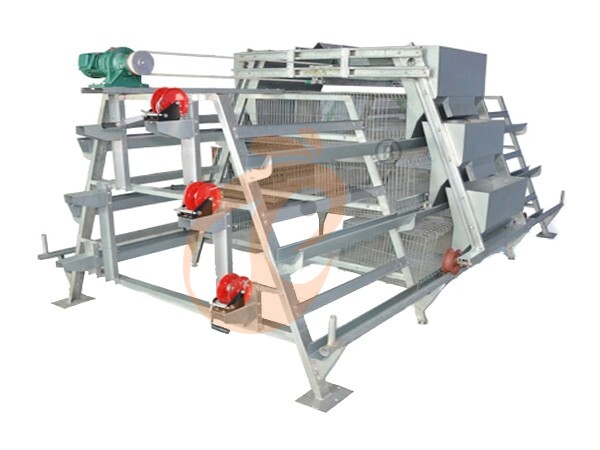
Modern automatic layer cages ensure uniform feed distribution throughout poultry houses and reduce nutrient intake variation among birds.
Data is for reference only.Swipe horizontally to view full table.
Calcium deserves particular attention because eggshell formation requires large quantities of calcium carbonate.
Inadequate calcium intake often results in fragile shells and increased breakage during handling and transportation.
Even a well-balanced feed program may not achieve optimal results if drinking water contains excessive minerals or contaminants.
Data is for reference only.Swipe horizontally to view full table.
Regular water testing allows producers to identify problems before they affect flock performance and egg quality.
How Eggshells Are Formed
An eggshell is formed primarily during the final 18–20 hours before laying.
During this period, calcium is deposited onto the shell membrane within the hen’s shell gland.
Approximately 2 grams of calcium are required for each eggshell produced.
If calcium availability becomes limited during shell formation, shell density and structural integrity may decline.
Nutritional consistency remains essential for maintaining commercial egg quality standards.
Optimize The Housing Environment
Environmental conditions directly influence feed consumption, metabolism, and egg formation.
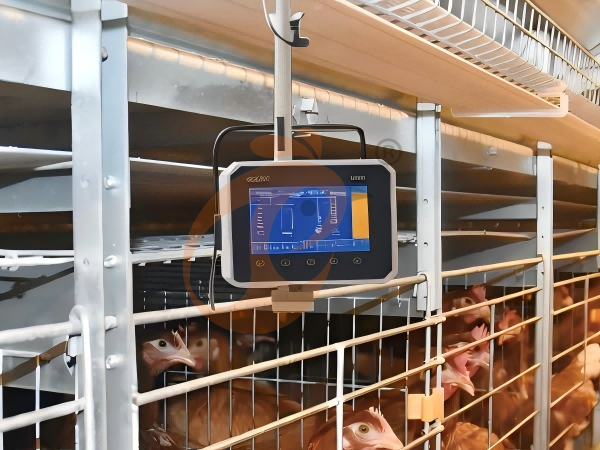
Modern layer chicken cage systems provide an advantage because temperature, humidity, airflow, and gas concentrations can be monitored and adjusted continuously.
Data is for reference only.Swipe horizontally to view full table.
Temperature management is particularly important.
When temperatures rise significantly above the recommended range, hens often reduce feed intake.
Lower feed consumption means fewer nutrients are available for egg production and shell formation.
Ventilation systems help remove excess heat, moisture, dust, and harmful gases.
Efficient airflow improves bird comfort and supports consistent production performance.
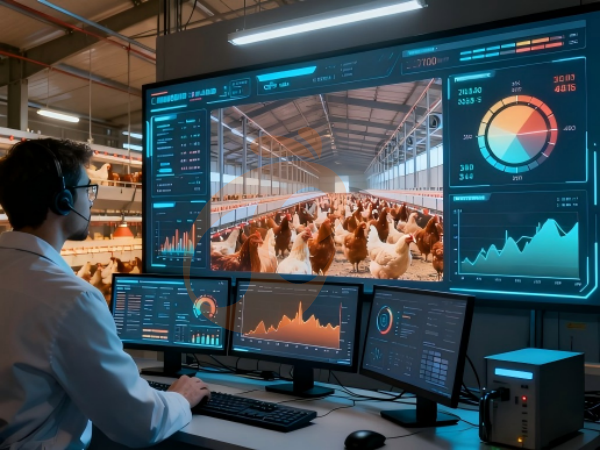
Modern poultry houses frequently use automated environmental controllers connected to sensors.
These systems can adjust ventilation fans, cooling pads, and air inlets based on real-time conditions, reducing environmental fluctuations that may negatively affect egg quality.
Strengthen Flock Health Management
Disease challenges can reduce egg size, alter shell characteristics, and decrease overall production efficiency.
Layer chicken cage systems simplify health monitoring because birds are housed in organized rows, making it easier to observe feeding behavior, water consumption, and production trends.
Data is for reference only.Swipe horizontally to view full table.
Monitoring these indicators helps producers identify health issues early.
For example, sudden declines in feed intake or egg mass may signal disease, environmental stress, or nutritional deficiencies.
Vaccination programs should be implemented according to regional disease risks and veterinary recommendations.
Biosecurity protocols should also limit the introduction of pathogens into the poultry house.
Data is for reference only.Swipe horizontally to view full table.
Routine flock inspections allow producers to detect abnormalities before they affect overall egg quality and profitability.
Implement An Effective Lighting Program
Lighting is a powerful management tool in layer production.
Birds rely on light signals to regulate reproductive activity and maintain laying cycles.
Modern cage houses commonly use LED lighting systems because they offer energy efficiency, uniform illumination, and programmable control.
Data is for reference only.Swipe horizontally to view full table.
Consistent lighting schedules help maintain stable laying performance.
Abrupt changes in photoperiod or light intensity may disrupt reproductive rhythms and affect egg production.
LED systems also allow producers to create gradual sunrise and sunset simulations.
These transitions reduce bird disturbances and encourage more natural behavior patterns.
Lighting management becomes increasingly important as flock age advances.
Adjustments should be made carefully and according to production goals.
Improve Egg Collection Efficiency
Even eggs with excellent shell quality can lose value if damaged during collection and handling.
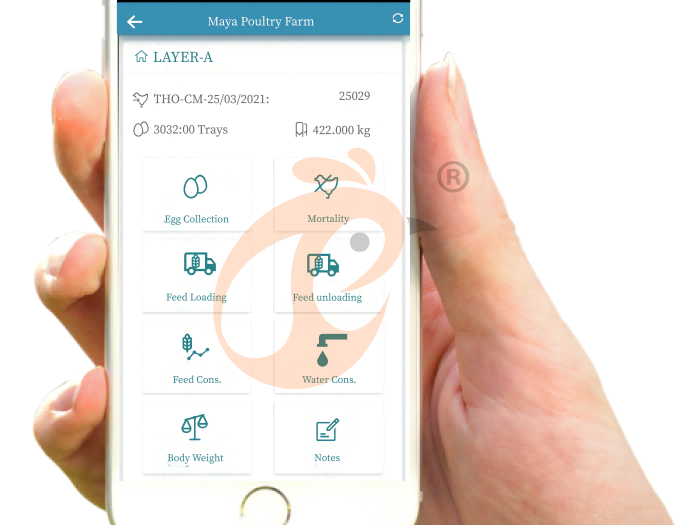
Modern poultry farming equipment is designed to move eggs efficiently from the laying area to centralized collection points.
Automated egg belts reduce manual handling and improve consistency throughout the collection process.
Data is for reference only.Swipe horizontally to view full table.
Frequent egg collection reduces the amount of time eggs remain inside the house, decreasing the risk of contamination and accidental damage.
Automated systems also support better traceability because eggs can be graded, counted, and packaged more efficiently.
This improves quality control and simplifies production management.
Economic Benefits Of Improved Egg Quality
Higher egg quality not only satisfies customers but also improves farm profitability.
Reduced breakage, improved feed utilization, and efficient labor management all contribute to better financial performance.
Data is for reference only.Swipe horizontally to view full table.
European union standard reference only.
These operational improvements allow producers to maximize returns while maintaining consistent production standards.
Additional Best Practices
Besides the five primary steps discussed above, several management practices can further support egg quality improvement.
- Conduct regular feed analysis.
- Inspect watering systems weekly.
- Calibrate environmental sensors routinely.
- Monitor flock uniformity throughout the production cycle.
- Maintain accurate production records.
- Train workers in proper egg handling procedures.
- Schedule preventive equipment maintenance.
Continuous monitoring and adjustment help ensure that all production factors remain within target ranges.
Frequently Asked Questions
Q1: How does housing density influence egg quality?
Appropriate stocking density helps maintain feed access, bird comfort, and stable production performance.
Providing approximately 450–550 cm² of cage space per hen supports consistent feeding behavior and reduces production variation across commercial flocks.
Q2: Why is water quality important in egg production?
Water directly influences nutrient absorption and metabolic functions.
Maintaining nitrate concentrations below 25 ppm and total dissolved solids below 1000 ppm helps preserve flock health and supports stable egg formation.
Q3: What is the most important factor for reducing egg damage?
Egg handling efficiency remains one of the most important factors.
Automated collection systems operating at approximately 4 m/min belt speed reduce manual contact frequency and improve egg consistency throughout the supply chain.
Taiyu (HK) Group - One Of China Largest Layer Chicken Cage Systems Manufacturer
Layer chicken cage systems are widely applied in commercial egg production projects ranging from small-scale farms to integrated poultry facilities with hundreds of thousands of birds.
Taiyu (HK) Group provides factory-direct poultry equipment solutions covering project planning, manufacturing, installation, commissioning, and operational guidance for international customers.
Product portfolios include automatic layer cages, feeding systems, drinking systems, manure removal systems, egg collection systems, and environmental control equipment.
Engineering teams support turn-key poultry projects through layout design, equipment integration, workflow optimization, and technical training services.
Global project execution combines poultry equipment manufacturing capabilities with logistics coordination, construction support, and long-term technical assistance.
Contact Us To Received Your Customized Poultry Farm Plan
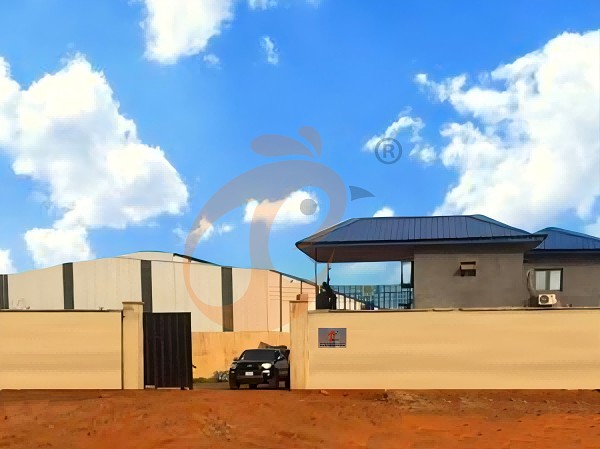
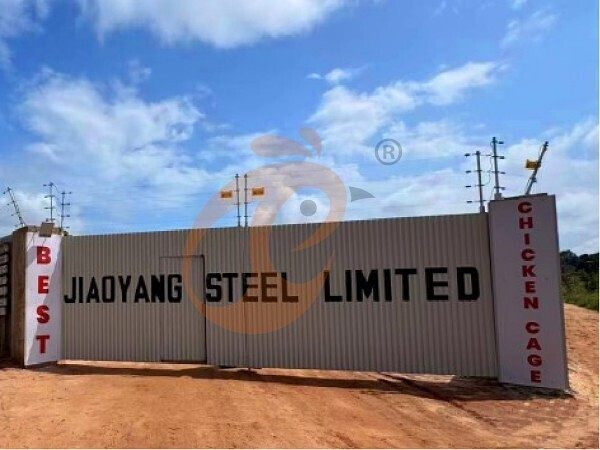
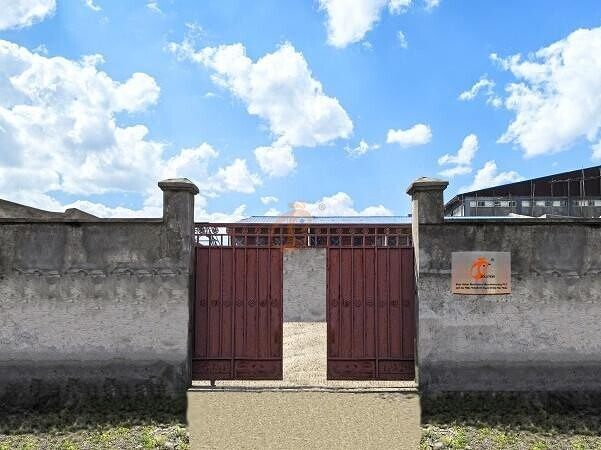
Headquarters And Branchs
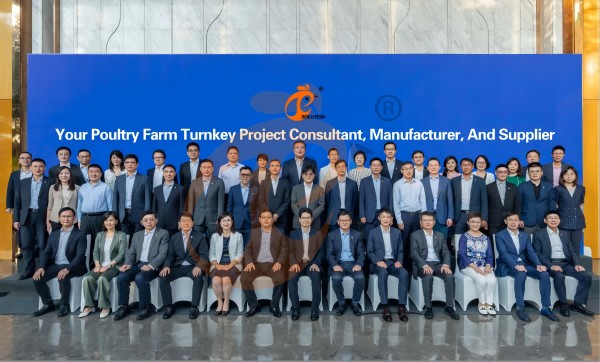
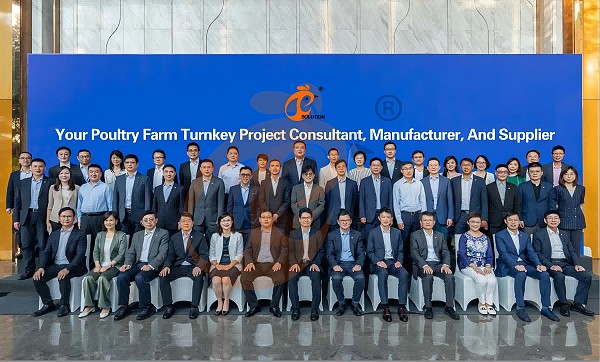
Hong Kong Headquarter Management Team
Hong Kong Headquarter Taiyu Industrial Group CO., LTD
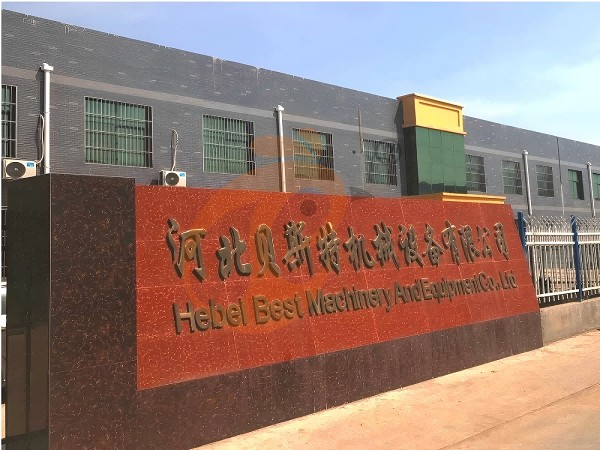
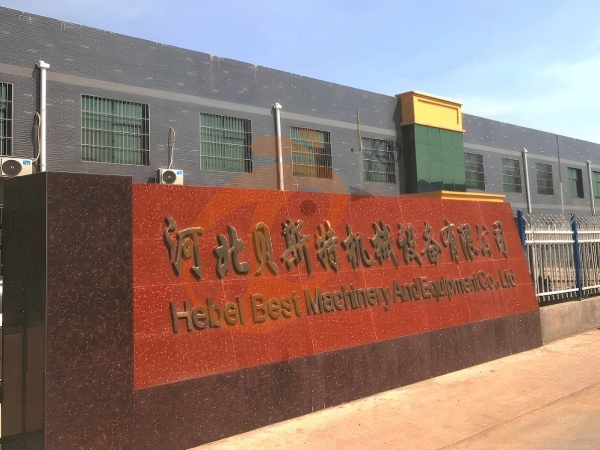
China Hebei Best Machinery And Equipment CO., LTD
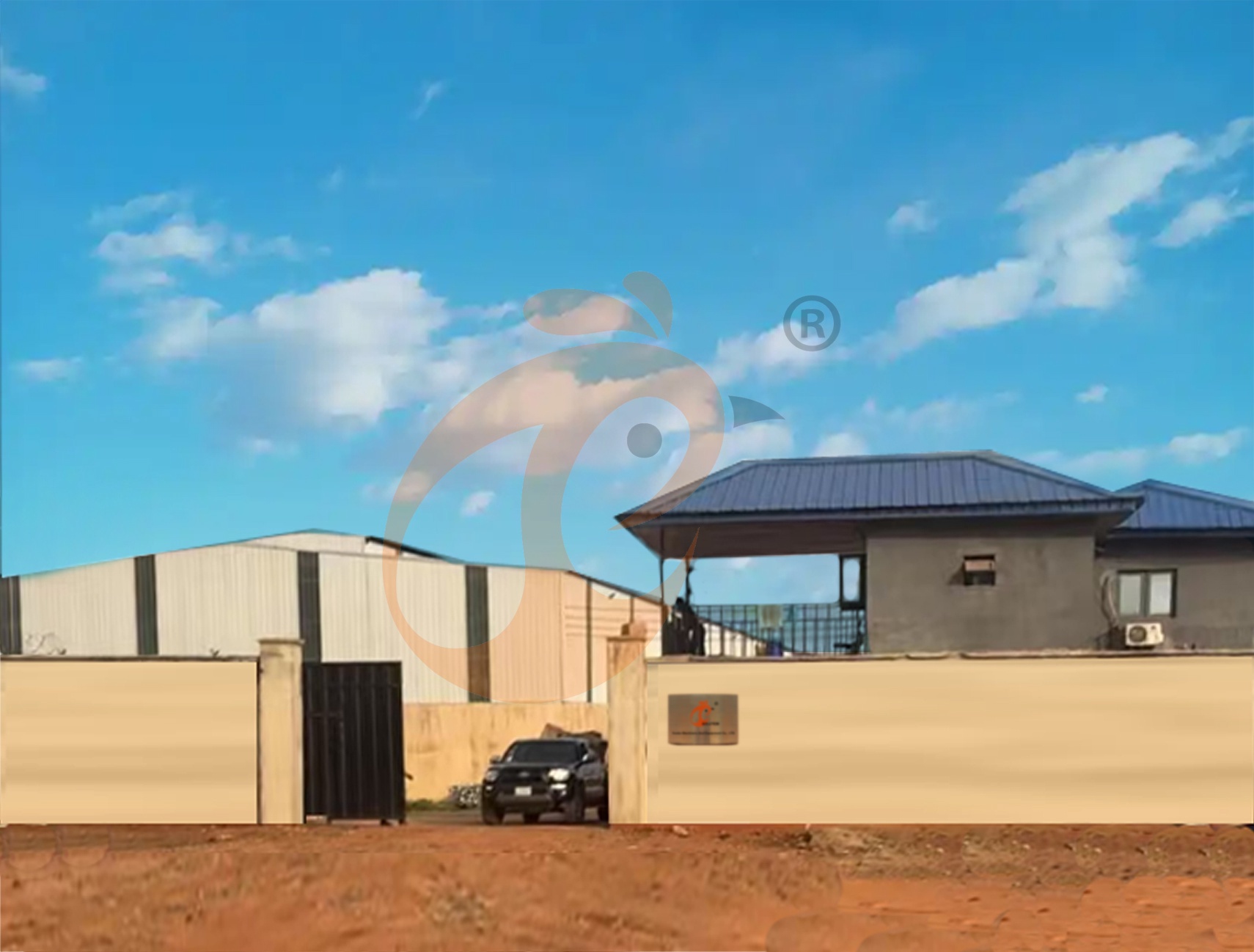
Nigeria Vanke Machinery And Equipment CO., LTD
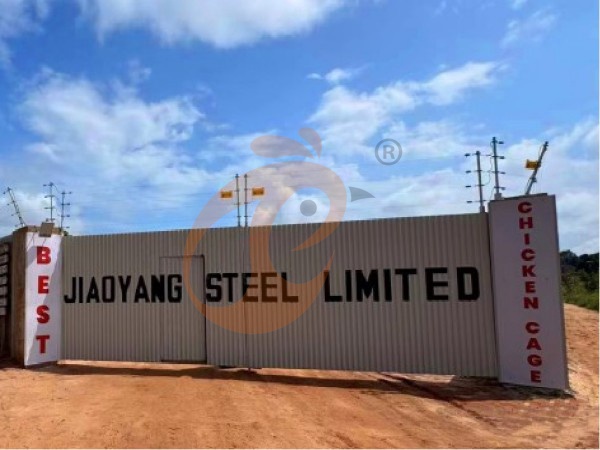
Tanzania Best Machinery And Equipment CO., LTD
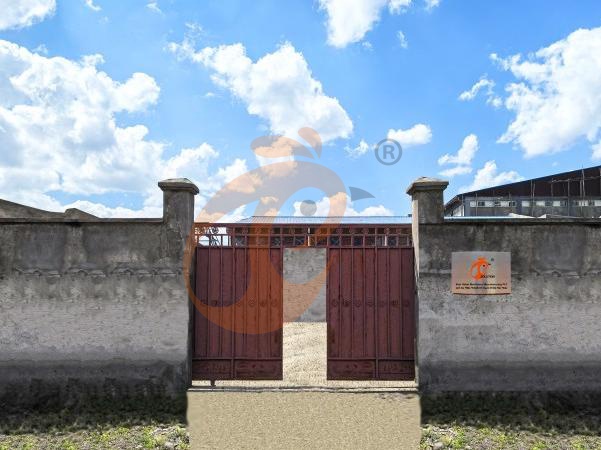
Ethiopia Best Hebei Machinery Manufacturing PLC
Reception /24 WhatsApp NO. : +8618830120193
FAQ
- poultry farm
- layer cages
- chicken cage
- poultry farms
- layer cage
- automatic layer cage
- poultry house
- cage
- poultry farm construction
- poultry farming equipment
- chicken cage system
- poultry equipment
- manure removal system
- egg collection system
- chickencage
- bestchickencage
- cage system
- cage systems
- automatic layer cages
- layer chicken cage
- Nigeria
- layer chicken cage system
- egg production project
- commercial poultry farms
- poultry farming
- modern poultry house
- modern poultry farm
- modern poultry farming
- poultry farm plan
- modern automatic layer cage
- Ethiopia
Message
Products recommended
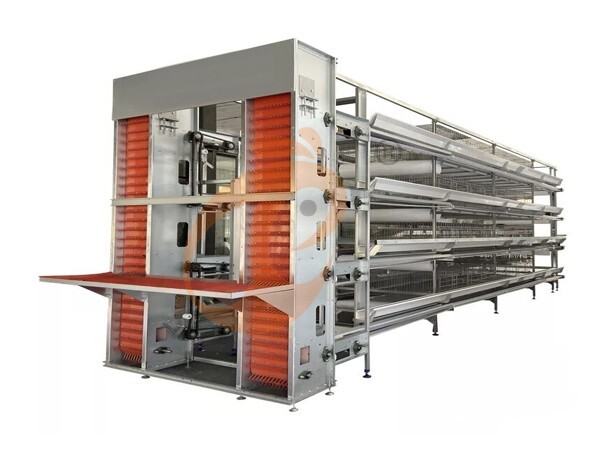
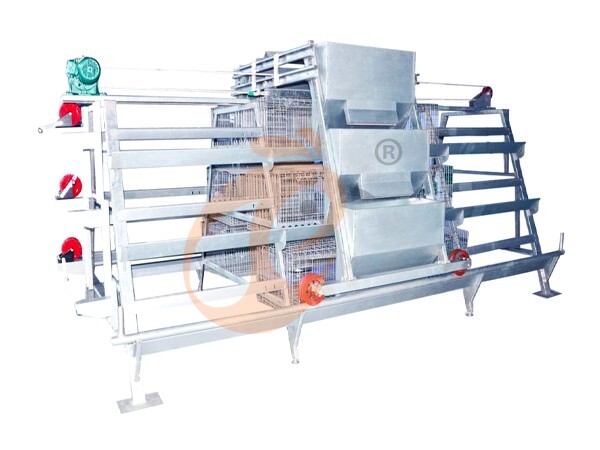
 >30,000 Pullets Automatic H Type Battery Cage1. More than 30,000 pullets a house, choose it.
2. It is designed to rearing older than 1 day old pullets to 12 to 16 weeks old chicken starting laying eggs.
3. Its lifespan is more than 25 years.
4. Its structure are Vcloud artificial intelligent fusion, electric control cabinet, automatic equipment of drinking, feeding, manure clean, manual harvesting.
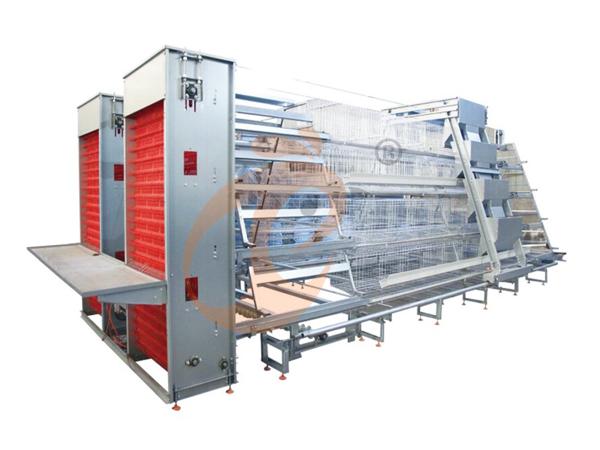
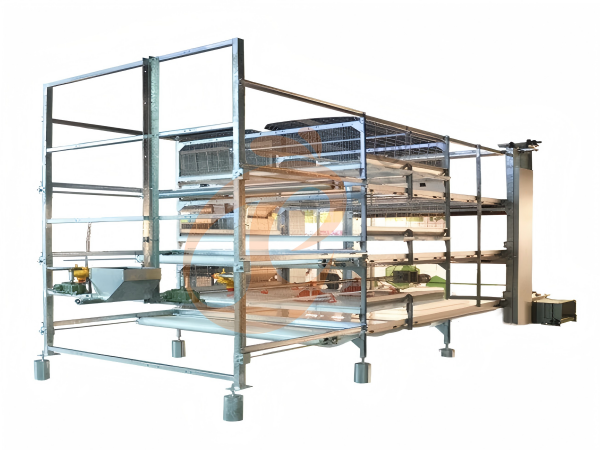
5. Our 24 hour online reception What’sApp NO. is +8618830120193 <30,000 Pullets Automatic A Type Battery Cage1. 10,000 to 30,000 pullets a house, choose it.
2. It is designed to rearing older than 1 day old pullets to 12 to 16 weeks old chicken starting laying eggs.
3. Its lifespan is more than 25 years.
4. Its structure are Vcloud artificial intelligent fusion, electric control cabinet, automatic equipment of drinking, feeding, manure clean, manual harvesting.
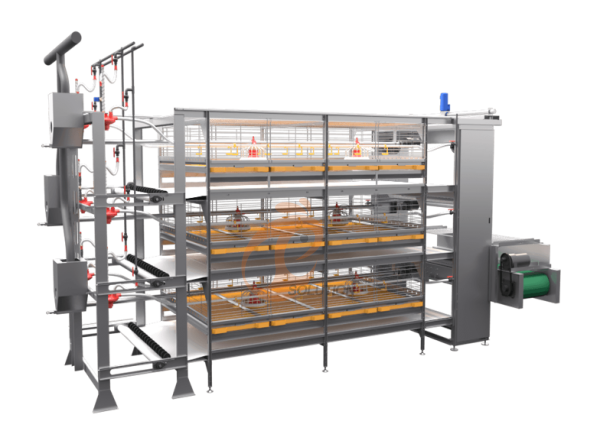
5. Our 24 hour online reception What’sApp NO. is +86 18830120193. >30,000 Broilers Semi-Automatic Harvest H Type Battery Cage1. More than 30,000 broilers a house, choose it.
2. It is designed to rearing 1 to 45 day old adult broiler ready for market.
3. Its lifespan is more than 20 years.
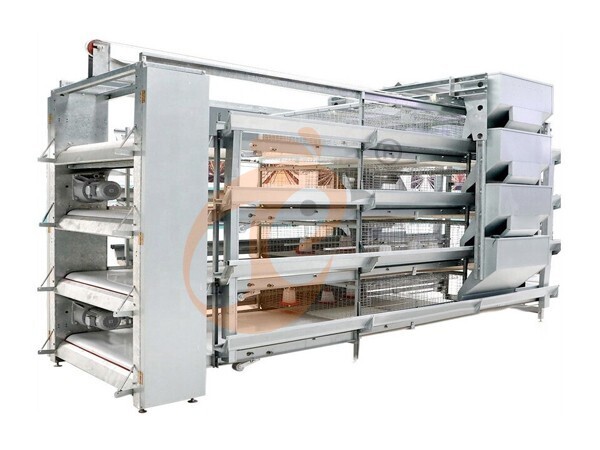
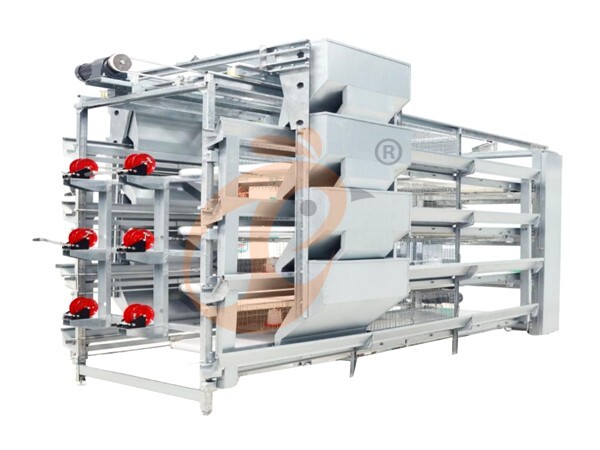
4. Our 24 hour online reception What’sApp NO. is +8618830120193, +234 8111199996. >30,000 Broilers Manual Harvest H Type Battery Cage1. More than 30,000 broilers a house, choose it.
2. It is designed to rearing 1 to 45 day old adult broiler ready for market.
3. Its lifespan is more than 20 years.
4. Its structure are Vcloud artificial intelligent fusion, electric control cabinet, automatic equipment of drinking, feeding and manure clean, manual harvesting.
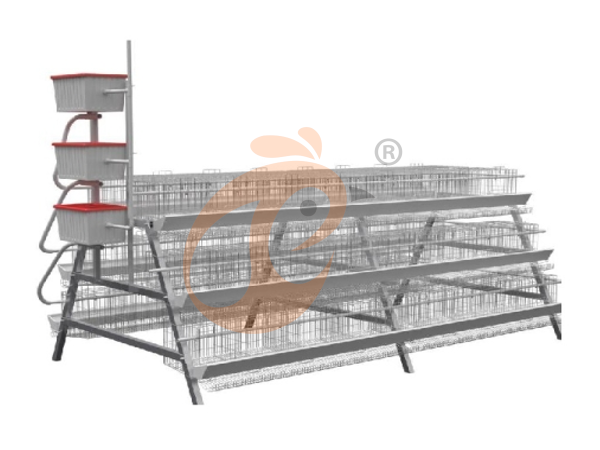
5. Our 24 hour online reception What’sApp NO. is +8618830120193, +234 8111199996. <30,000 Broilers Manual Harvest A Type Battery Cage1. Less 30,000 broilers a house, choose it.
2. It is designed to rearing 1 to 45 day old adult broiler ready for market.
3. Its lifespan is more than 20 years.
4. Its structure are Vcloud artificial intelligent fusion, electric control cabinet, automatic equipment of drinking, feeding and manure clean, manual harvesting.
5. Our 24 hour online reception What’sApp NO. is +8618830120193, +234 8111199996. HK Headquarter Offers EU-standard Poultry Farm Solutions, Manufacture Poultry Farm Equipment1. Continuous communication with the EU and the US
2. China, Nigeria, Ethiopia, Tanzania branch companies and factories
3. The products’ quality is customized for local poultry farms
4. Poultry cage and poultry farm equipment stock for sale
5. 24 online reception Whatsapp NO. : +8618830120193,contact us to get full information China Branch Offer Poultry Farm Business Plan, Manufacture Poultry Farm Equipment1. Address: Flat/RM 2416, 24/F, Runxing Building, Youyi Nan Street, Shijiazhuang City, Hebei Province, China
2. Poultry cage and poultry farm equipment factory and stock for sale
3. Customized for local poultry farms
4. Quality and design are based on Euro
5. 24 online reception Whatsapp NO. : +8618830120193 Nigeria Branch Offer Poultry Farm Business Plan, Manufacture Poultry Farm Equipment1. Address: After Sinoma Office, 200 Meters Near Danco Filling Station, Lagos/Ibadan Expressway, Lagos State, Nigeria
2. Poultry cage and poultry farm equipment factory and stock for sale
3. Customized for Nigerian poultry farms
4. Quality and design are based on Euro
5. 24 online reception Whatsapp NO. : +8618830120193 Ethiopia Branch Offer Poultry Farm Business Plan, Manufacture Poultry Farm Equipment1. Address: Gelan Gura, Akaki-kaliti Sub City, Addis Ababa, Ethiopia
2. Poultry cage and poultry farm equipment stock for sale
3. Customized for Ethiopian poultry farms
4. Quality and design are based on Euro
5. 24 online reception Whatsapp NO. : +8618830120193, contact us to get price list Tanzania Branch Offer Poultry Farm Business Plan, Manufacture Poultry Farm Equipment1. Address: No.8, Sova Road, Msufini, Mlandizi, Kibaha, Pwani, Tanzania
2. Poultry cage and poultry farm equipment factory and stock for sale
3. Customized for Tanzanian poultry farms
4. Quality and design are based on Euro
5. 24 online reception Whatsapp NO. : +8618830120193


Contact