


Blog
Modern poultry equipment efficiency solutions define production systems through automation, environmental control, feeding precision, and integrated monitoring across industrial poultry farms.
Poultry operations depend on feed conversion stability, climate regulation, ventilation design, and waste management systems that directly influence biological growth performance.
Equipment-driven poultry production replaces manual labor with controlled engineering variables such as airflow rate, ammonia concentration, and water delivery precision.
Feed cost commonly represents 60–70% of total farm expenditure, requiring optimized machinery to reduce operational loss and improve cycle consistency.
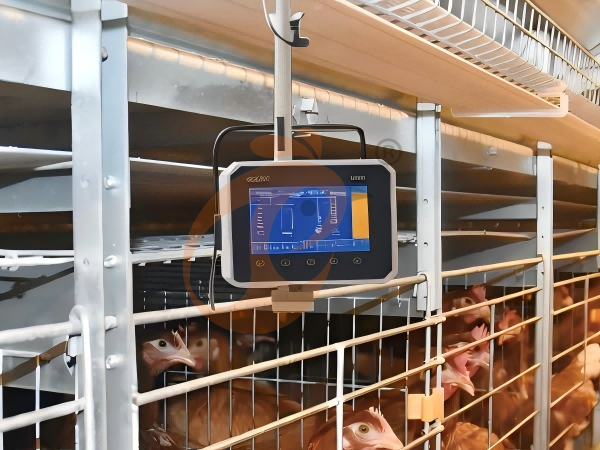
Modern poultry farm equipment integrates sensor systems, energy control units, and automated feeding infrastructure to stabilize production output across growth cycles.
Get professional poultry farm construction guidance, equipment selection solutions, and the latest price lists, whatsApp to +8618830120193, click to learn more:
Core Performance Indicators In Poultry Engineering
Before optimizing equipment, it is necessary to define what ''efficiency'' means in measurable terms.
Poultry systems rely on quantifiable biological and operational indicators rather than subjective assessment.
Each indicator reflects a different subsystem of farm performance: nutrition conversion, survival stability, and production consistency.
Data is for reference only. Swipe horizontally to view full table.
From an engineering perspective, Feed Conversion Ratio (FCR) is the most sensitive indicator because even minor feed inefficiencies propagate across the entire production cycle.
Method One: Precision Feeding System Optimization
Feeding systems act as the primary energy distribution network of a poultry farm.
Any inconsistency in feed delivery directly affects metabolic balance and growth uniformity.
Modern automated systems are designed not only to transport feed but to maintain consistent spatial and temporal distribution across thousands of birds simultaneously.
Automatic poultry feeding system stability improves flock uniformity through regulated mechanical delivery timing.
Data is for reference only. Swipe horizontally to view full table.
From a system design perspective, energy consumption is not the only optimization target. Feed distribution stability is often more important because it determines intake uniformity across the flock.
Method Two: Drinking System Hydration Control
Water intake regulates digestion efficiency, thermoregulation, and immune response.
In poultry physiology, hydration imbalance leads to immediate reductions in feed intake.
Different drinking systems create distinct hydraulic behaviors that influence consumption patterns.
Data is for reference only. Swipe horizontally to view full table.
A key engineering insight is that lower water exposure to open air reduces microbial contamination, which directly improves flock health stability over time.
Method Three: Thermal And Microclimate Regulation
Temperature regulation is one of the most critical constraints in poultry production systems because birds lack sweat glands and depend entirely on respiratory cooling mechanisms.
Environmental control systems must therefore maintain narrow thermal bands across different growth phases.
Data is for reference only. Swipe horizontally to view full table.
Small deviations in temperature can cascade into feed inefficiency, since metabolic energy is diverted toward thermoregulation rather than growth.
Method Four: Ammonia Emission Control Systems
Ammonia (NH₃) is a byproduct of litter decomposition and represents one of the most important environmental stressors in poultry houses.
Its concentration directly affects respiratory health, feed intake, and long-term growth efficiency.
Data is for reference only. Swipe horizontally to view full table.
Scientifically, ammonia irritates respiratory epithelium, reducing oxygen exchange efficiency and increasing metabolic stress load.
Method Five: Ventilation Architecture Engineering
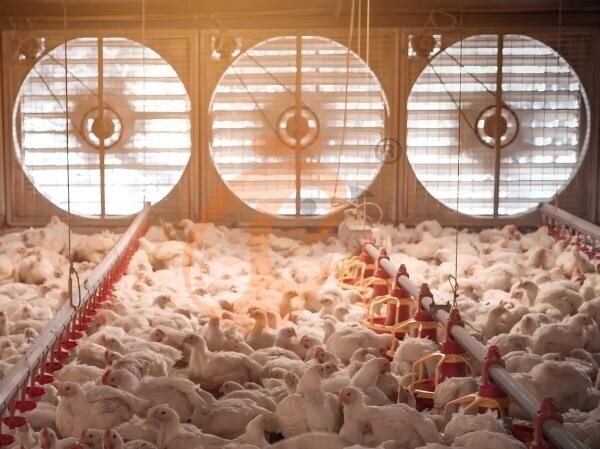
Ventilation systems function as the respiratory system of the poultry house.
Their role is to regulate oxygen supply, remove ammonia, and stabilize internal climate conditions.
Data is for reference only. Swipe horizontally to view full table.
From an engineering standpoint, airflow uniformity is often more important than total airflow volume.
Method Six: Automated Waste Management Systems
Waste accumulation is not only a sanitation issue but also a direct environmental control variable.
Moist litter increases ammonia production and microbial load.
Data is for reference only. Swipe horizontally to view full table.
Continuous removal systems reduce chemical instability in litter and stabilize long-term environmental conditions.
Smart Monitoring And IoT Integration
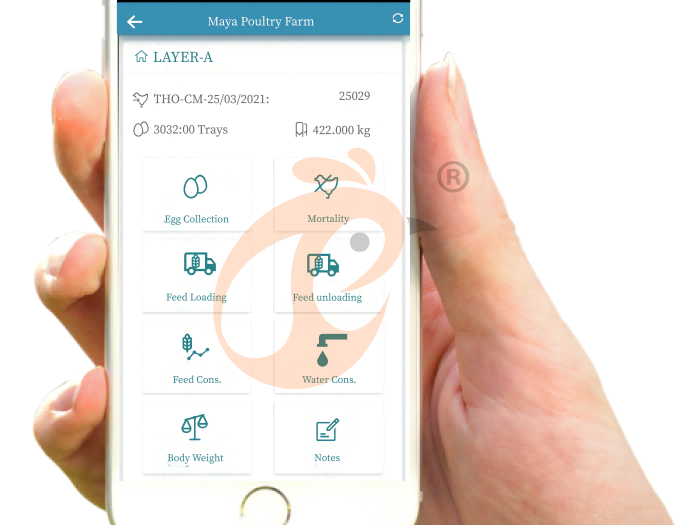
Digital monitoring systems convert poultry farming into a data acquisition environment.
Sensors provide continuous feedback loops for feed, climate, and health parameters.
Modern poultry farm equipment monitoring platforms integrate real-time analytics for predictive production control.
Data is for reference only. Swipe horizontally to view full table.
The primary engineering advantage is not data collection itself, but early anomaly detection before production loss occurs.
Energy Efficiency In Poultry Equipment
Energy consumption defines the operational ceiling of automated poultry systems.
Each subsystem contributes differently to total energy demand.
All financial energy estimation uses USD currency, European union standard reference only.
Data is for reference only. Swipe horizontally to view full table.
Ventilation dominates total energy consumption, making it the primary target for optimization strategies.
Productivity Optimization Through System Integration
System integration refers to synchronizing feeding, environmental, and monitoring subsystems into a unified control architecture.
Data is for reference only. Swipe horizontally to view full table.
Integration reduces variability between cycles, which is often more valuable than peak output improvement.
Conclusion: System-Level Efficiency Engineering
Poultry equipment efficiency should be understood as a system-level optimization problem rather than isolated equipment upgrades.
When feeding precision, environmental control, waste management, and sensor feedback operate as a closed-loop system, the farm transitions from reactive management to predictive production control.
The most stable efficiency gains are achieved not through single improvements, but through coordinated engineering of all subsystems.
Frequently Asked Questions
Q1: What is the most critical poultry equipment for efficiency improvement?
Feeding systems typically have the strongest influence because FCR values respond directly to distribution consistency.
Q2: How does ammonia level affect poultry growth?
At 30 ppm ammonia, feed conversion ratio can increase to 2.28 with noticeable reduction in weight gain efficiency near 39 g/day.
Q3: Why is ventilation system design important?
Airflow uniformity reduces thermal stress and stabilizes respiratory efficiency across large-scale flocks.
Taiyu (HK) Group - One Of China Biggest Poultry Equipment Manufacturer
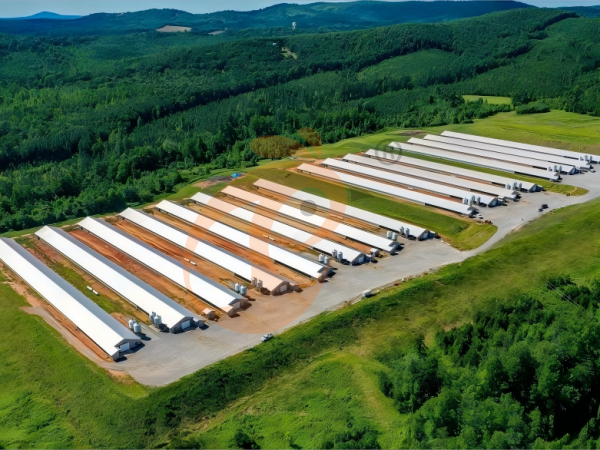
Poultry equipment integrated systems are engineered for large-scale commercial broiler and layer production environments requiring stable automation performance.
Global factory direct supply chain supports standardized poultry equipment manufacturing with consistent industrial-grade output control.
Turn-key engineering service covers planning, installation, and commissioning for automated poultry farm systems.
Core product scope includes feeding systems, ventilation systems, and environmental control equipment for intensive poultry operations.
Technical project delivery supports modular expansion for multi-house industrial poultry production facilities.
Contact Us To Received Your Customized Poultry Farm Plan
Headquarters And Branchs
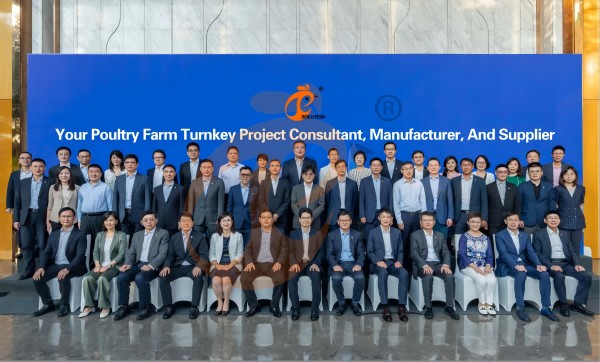
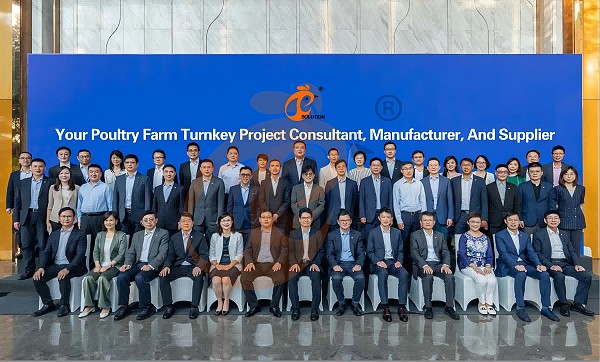
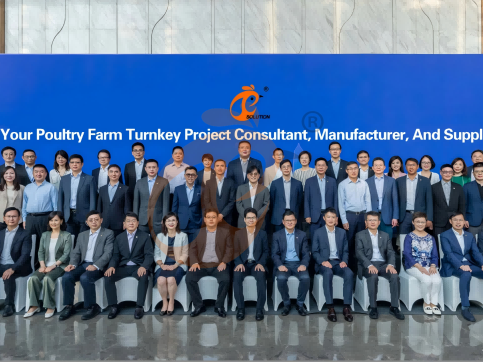
Hong Kong Headquarter Management Team
Hong Kong Headquarter Taiyu Industrial Group CO., LTD
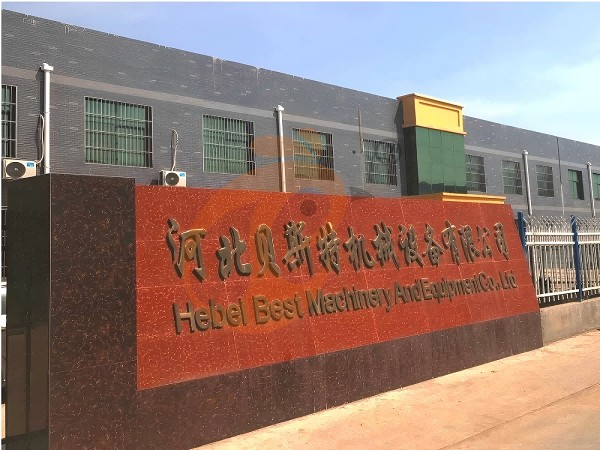
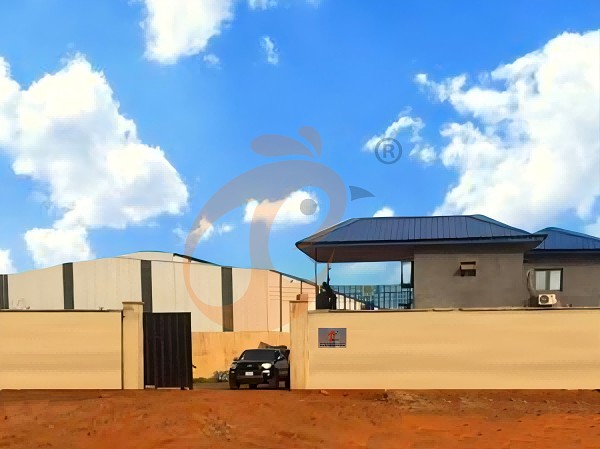
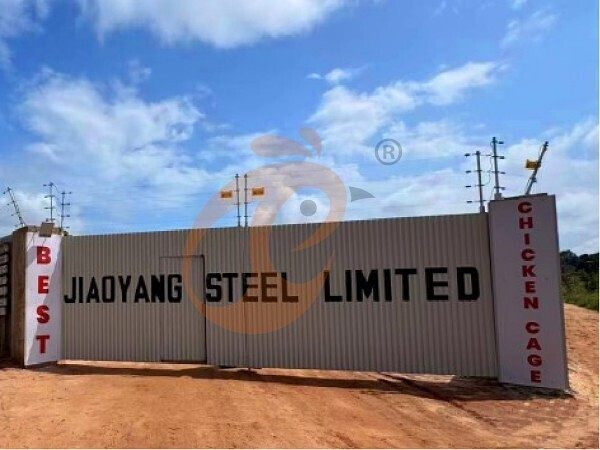
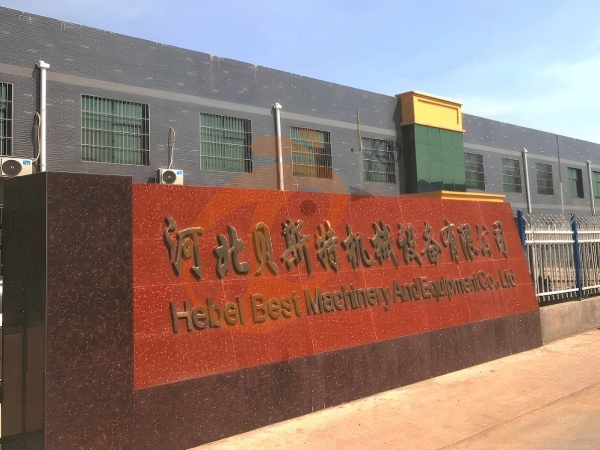
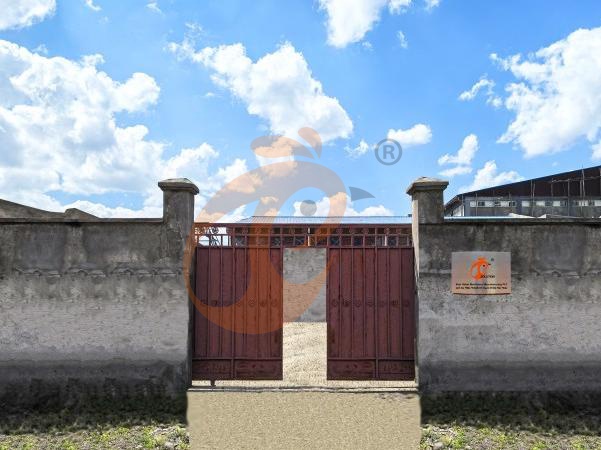
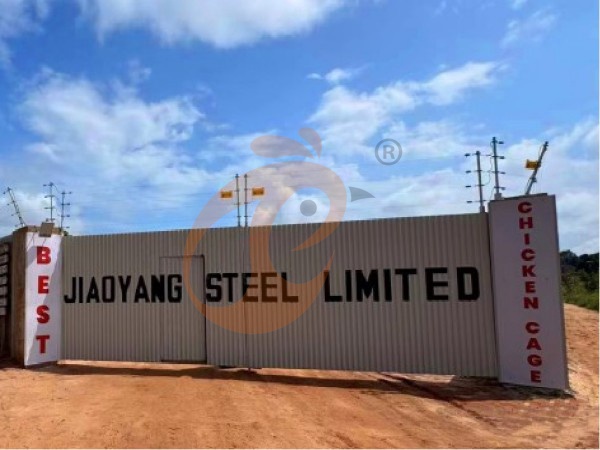
China Hebei Best Machinery And Equipment CO., LTD
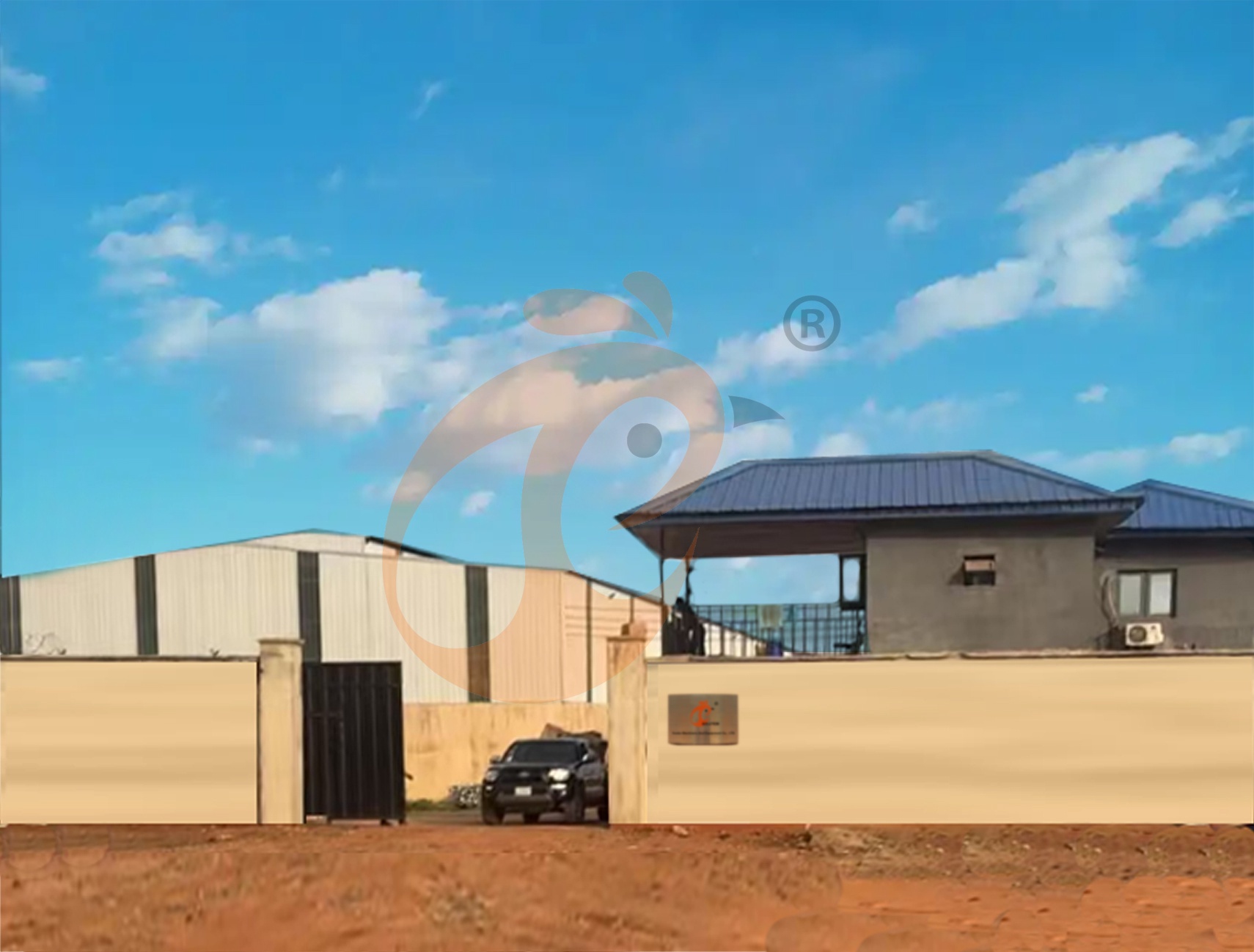
Nigeria Vanke Machinery And Equipment CO., LTD
Tanzania Best Machinery And Equipment CO., LTD
Ethiopia Best Hebei Machinery Manufacturing PLC

Reception /24 WhatsApp NO. : +8618830120193
FAQ
- poultry farm
- poultry farms
- poultry house
- cage
- poultry farm equipment
- poultry farm construction
- poultry farm system
- poultry feeding system
- automatic poultry feeding system
- poultry equipment
- chickencage
- bestchickencage
- Nigeria
- automated poultry farm
- poultry farming
- poultry equipment manufacturer
- modern poultry farm
- poultry farm plan
- poultry feed
- Ethiopia
Message
Products recommended
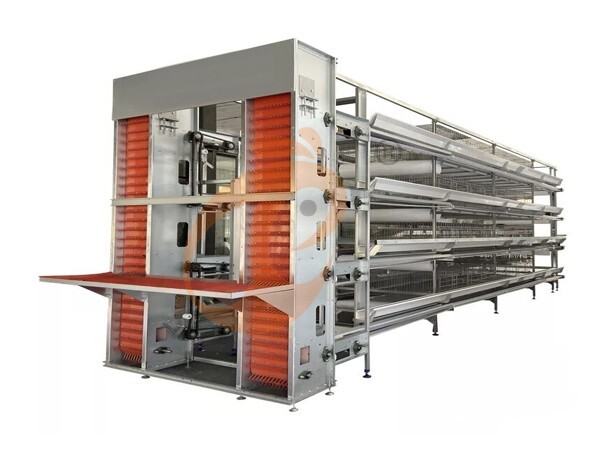
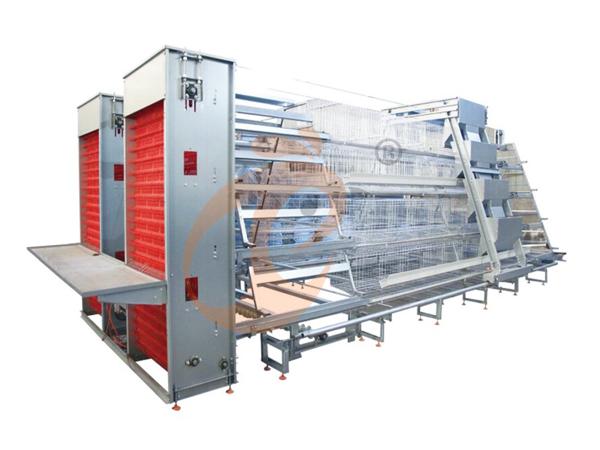
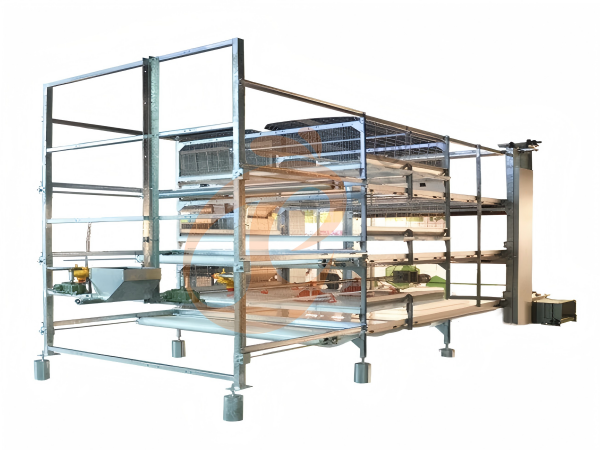
 >30,000 Pullets Automatic H Type Battery Cage1. More than 30,000 pullets a house, choose it.
2. It is designed to rearing older than 1 day old pullets to 12 to 16 weeks old chicken starting laying eggs.
3. Its lifespan is more than 25 years.
4. Its structure are Vcloud artificial intelligent fusion, electric control cabinet, automatic equipment of drinking, feeding, manure clean, manual harvesting.
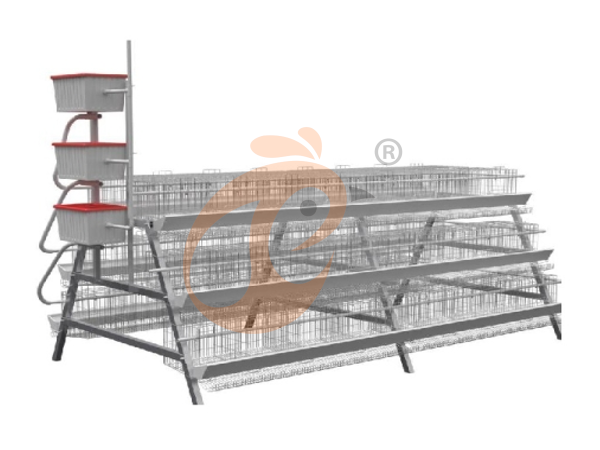
5. Our 24 hour online reception What’sApp NO. is +8618830120193 <30,000 Pullets Automatic A Type Battery Cage1. 10,000 to 30,000 pullets a house, choose it.
2. It is designed to rearing older than 1 day old pullets to 12 to 16 weeks old chicken starting laying eggs.
3. Its lifespan is more than 25 years.
4. Its structure are Vcloud artificial intelligent fusion, electric control cabinet, automatic equipment of drinking, feeding, manure clean, manual harvesting.
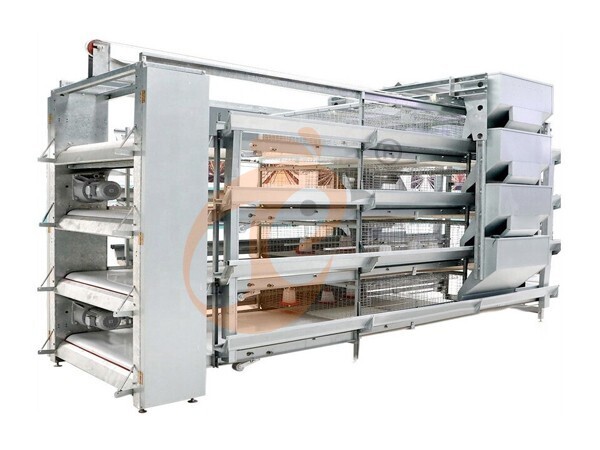
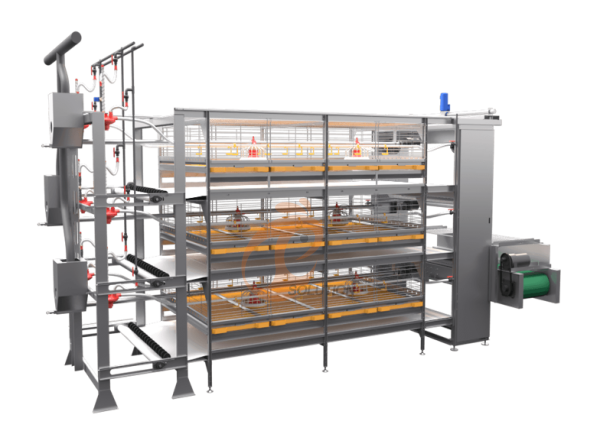
5. Our 24 hour online reception What’sApp NO. is +86 18830120193. >30,000 Broilers Semi-Automatic Harvest H Type Battery Cage1. More than 30,000 broilers a house, choose it.
2. It is designed to rearing 1 to 45 day old adult broiler ready for market.
3. Its lifespan is more than 20 years.
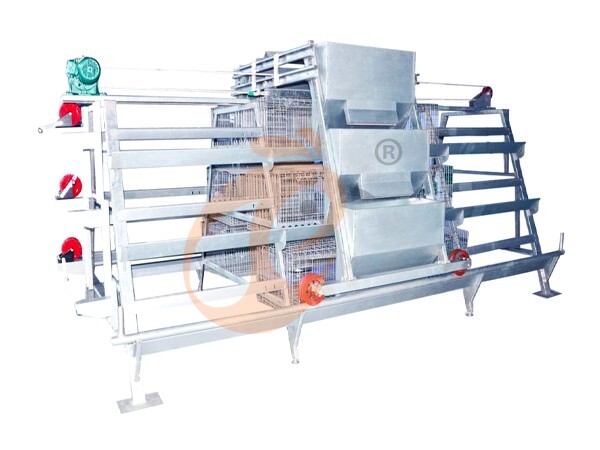
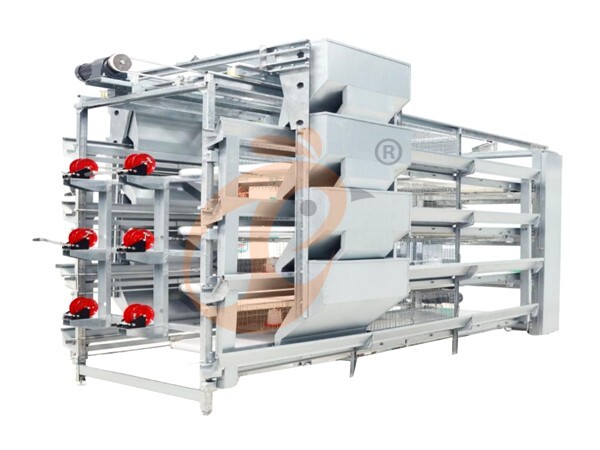
4. Our 24 hour online reception What’sApp NO. is +8618830120193, +234 8111199996. >30,000 Broilers Manual Harvest H Type Battery Cage1. More than 30,000 broilers a house, choose it.
2. It is designed to rearing 1 to 45 day old adult broiler ready for market.
3. Its lifespan is more than 20 years.
4. Its structure are Vcloud artificial intelligent fusion, electric control cabinet, automatic equipment of drinking, feeding and manure clean, manual harvesting.
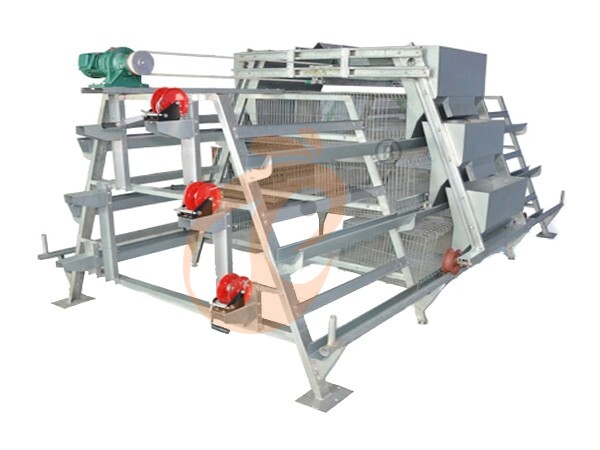
5. Our 24 hour online reception What’sApp NO. is +8618830120193, +234 8111199996. <30,000 Broilers Manual Harvest A Type Battery Cage1. Less 30,000 broilers a house, choose it.
2. It is designed to rearing 1 to 45 day old adult broiler ready for market.
3. Its lifespan is more than 20 years.
4. Its structure are Vcloud artificial intelligent fusion, electric control cabinet, automatic equipment of drinking, feeding and manure clean, manual harvesting.
5. Our 24 hour online reception What’sApp NO. is +8618830120193, +234 8111199996. HK Headquarter Offers EU-standard Poultry Farm Solutions, Manufacture Poultry Farm Equipment1. Continuous communication with the EU and the US
2. China, Nigeria, Ethiopia, Tanzania branch companies and factories
3. The products’ quality is customized for local poultry farms
4. Poultry cage and poultry farm equipment stock for sale
5. 24 online reception Whatsapp NO. : +8618830120193,contact us to get full information China Branch Offer Poultry Farm Business Plan, Manufacture Poultry Farm Equipment1. Address: Flat/RM 2416, 24/F, Runxing Building, Youyi Nan Street, Shijiazhuang City, Hebei Province, China
2. Poultry cage and poultry farm equipment factory and stock for sale
3. Customized for local poultry farms
4. Quality and design are based on Euro
5. 24 online reception Whatsapp NO. : +8618830120193 Nigeria Branch Offer Poultry Farm Business Plan, Manufacture Poultry Farm Equipment1. Address: After Sinoma Office, 200 Meters Near Danco Filling Station, Lagos/Ibadan Expressway, Lagos State, Nigeria
2. Poultry cage and poultry farm equipment factory and stock for sale
3. Customized for Nigerian poultry farms
4. Quality and design are based on Euro
5. 24 online reception Whatsapp NO. : +8618830120193 Ethiopia Branch Offer Poultry Farm Business Plan, Manufacture Poultry Farm Equipment1. Address: Gelan Gura, Akaki-kaliti Sub City, Addis Ababa, Ethiopia
2. Poultry cage and poultry farm equipment stock for sale
3. Customized for Ethiopian poultry farms
4. Quality and design are based on Euro
5. 24 online reception Whatsapp NO. : +8618830120193, contact us to get price list Tanzania Branch Offer Poultry Farm Business Plan, Manufacture Poultry Farm Equipment1. Address: No.8, Sova Road, Msufini, Mlandizi, Kibaha, Pwani, Tanzania
2. Poultry cage and poultry farm equipment factory and stock for sale
3. Customized for Tanzanian poultry farms
4. Quality and design are based on Euro
5. 24 online reception Whatsapp NO. : +8618830120193



Contact