


Blog
Floor rearing system lighting, poultry house lighting, and LED poultry lighting are essential elements for improving bird welfare,
production consistency, and energy efficiency in modern poultry farming.
Proper illuminance, balanced photoperiods, accurate fixture placement, and suitable color temperature work together to create a
stable environment that supports healthy flock development throughout every production stage.
Practical management methods, scientific explanations, maintenance schedules, environmental coordination, and measurable
operating data help producers establish reliable lighting systems with predictable performance.
Engineering recommendations, equipment layout references, and routine inspection practices contribute to reducing
unnecessary electricity consumption while improving daily management efficiency and flock uniformity.
Comprehensive reference tables and operational guidelines provide valuable technical information for designing, operating, and
maintaining professional lighting systems in commercial floor rearing facilities.
Get professional poultry farm construction guidance, equipment selection solutions, and the latest price lists, whatsApp to +8618830120193, click to learn more:
Understand The Role Of Light In Floor Rearing Systems
Proper illumination regulates feeding, drinking, resting, and movement throughout the day.
Birds exposed to stable light schedules generally show more consistent daily routines than those subjected to irregular lighting.
During the first week after placement, chicks typically spend more than 70% of their active time locating feed and water.
Adequate Poultry House Lighting improves visibility and encourages uniform flock distribution across the house.
Data is for reference only.Swipe horizontally to view full table.
Select An Appropriate Photoperiod Program
Longer lighting periods encourage feed intake during early growth, while scheduled dark periods allow birds to rest and improve skeletal development.
Many commercial farms gradually reduce daily lighting hours after the first week before stabilizing the schedule according to production
goals.
Data is for reference only.Swipe horizontally to view full table.
Maintain Uniform Light Distribution
Even if the average light intensity is correct, uneven distribution may cause birds to crowd in brighter areas while avoiding darker
sections.
Uneven behavior often results in inconsistent growth and increased litter moisture in heavily occupied zones.
A lighting layout should provide consistent coverage throughout the poultry house.
The difference between neighboring measurement points should remain minimal.
Data is for reference only.Swipe horizontally to view full table.
Choose The Correct Color Temperature
Warm light generally creates a calmer environment, while cooler light improves visibility during inspections and management tasks.
Many commercial poultry farms operate between 2700 K and 4000 K, depending on production objectives and management preferences.
Data is for reference only.Swipe horizontally to view full table.
Optimize Energy Efficiency Without Sacrificing Performance
Replacing conventional lamps with high-efficiency LED Poultry Lighting systems can noticeably reduce operating expenses while
maintaining stable illumination quality.
Besides fixture efficiency, dimming capability allows producers to adjust brightness according to bird age, avoiding unnecessary
electricity use.
For example, a lighting upgrade project with a budget of USD 4,850 can significantly improve long-term operating efficiency.
European union standard reference only.
Data is for reference only.Swipe horizontally to view full table.
Educational Insight: Why Birds Respond To Artificial Light
Unlike humans, poultry possess highly sensitive photoreceptors capable of detecting changes in both light intensity and day length.
These biological responses influence hormone secretion, circadian rhythms, daily activity patterns, and feed consumption.
Scientific observations indicate that providing a regular lighting schedule helps birds establish predictable feeding cycles.
Continuous exposure to irregular illumination may increase stress-related behaviors while reducing flock uniformity.
Lighting management should therefore be considered a fundamental environmental control system instead of merely an electrical
installation.
Perform Routine Lighting Maintenance
Even high-quality lighting systems gradually lose performance because of dust accumulation and component aging.
Dirty fixtures may reduce effective light output by more than 12% after several production cycles.
Routine inspection and preventive maintenance help maintain consistent illumination throughout the poultry house.
Data is for reference only.Swipe horizontally to view full table.
Monitor Lighting Performance With Accurate Measurements
Visual observation alone cannot determine whether the lighting system consistently delivers the intended illumination level.
Digital lux meters provide objective measurements that allow managers to identify dark zones, excessive brightness, or fixture
degradation before flock performance is affected.
Measurements should always be taken at bird level across multiple locations rather than directly beneath individual fixtures.
Maintaining measurement records over successive production cycles helps evaluate equipment stability and optimize future lighting
adjustments.
Adjust Lighting According To Seasonal Conditions
Seasonal temperature variation and natural daylight influence poultry house management strategies.
During summer, ventilation rates generally increase, while winter production often requires longer periods of artificial lighting.
Maintaining consistent daily schedules minimizes unnecessary environmental fluctuations experienced by the flock.
Data is for reference only.Swipe horizontally to view full table.
Combine Lighting With Other Environmental Controls
Lighting performs best when coordinated with ventilation, temperature, humidity, and feeding systems.
For instance, increasing light intensity without maintaining proper ventilation may encourage additional bird activity while causing
unnecessary heat accumulation inside the poultry house.
Integrated environmental management generally produces more stable production outcomes than optimizing a single environmental
factor independently.
Coordinating environmental parameters allows birds to maintain more consistent feeding patterns and resting behavior throughout the
production cycle.
Common Lighting Management Mistakes
Several operational mistakes frequently reduce overall lighting effectiveness.
Installing fixtures too close together may create excessive brightness in localized areas.
Ignoring lux measurements after equipment replacement often results in inconsistent illumination.
Using irregular daily lighting schedules may interrupt normal biological rhythms.
Failing to clean fixtures regularly gradually reduces usable light output.
Selecting unsuitable color temperatures for different bird ages may influence flock activity and distribution.
Avoiding these management issues helps establish a more consistent production environment while supporting long-term equipment
reliability.
Frequently Asked Questions
Q1: What illuminance is suitable during the brooding period?
Most commercial floor rearing systems operate between 25 lux and 30 lux during the first several days to help chicks locate feed and
water efficiently while establishing normal activity patterns.
Q2: How often should lighting equipment be inspected?
Routine visual inspections can be performed every 30 days, while controller verification, lux meter calibration, and complete electrical
inspections should follow scheduled preventive maintenance plans throughout the production year.
Q3: Why is LED poultry lighting widely used in commercial poultry houses?
LED systems provide stable illumination, longer service life, reduced maintenance frequency, and lower electricity consumption
compared with many conventional lighting technologies, making them suitable for continuous commercial operation.
Taiyu (HK) Group - One Of China Largest Floor Rearing System Lighting Manufacturer
Floor rearing system Lighting solutions are engineered for commercial poultry houses with stable illuminance, intelligent dimming
control, durable LED fixtures, and reliable long-term operating performance.
Factory-direct manufacturing supports customers worldwide with integrated poultry equipment production, strict engineering
quality control, and efficient project coordination from design through delivery.
Professional technical teams provide customized poultry equipment layouts, electrical planning, installation guidance, and
complete Turn-key engineering solutions for various commercial farm scales.
International project experience covers broiler farms, breeder farms, layer facilities, pullet houses, and modern livestock buildings
with standardized manufacturing specifications and dependable technical documentation.
Global customers benefit from engineering consultation, equipment integration, production scheduling, after-sales technical
assistance, and comprehensive commercial support for long-term agricultural infrastructure development.
Contact Us To Received Your Customized Poultry Farm Plan
Headquarters And Branchs
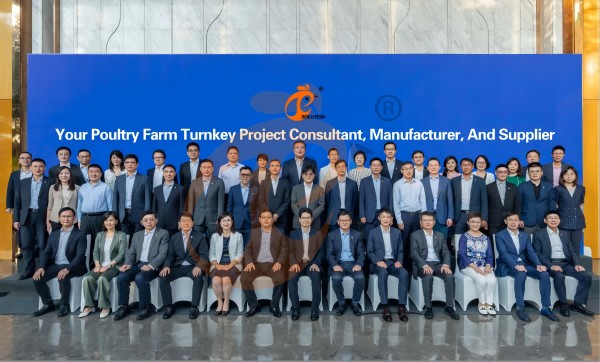
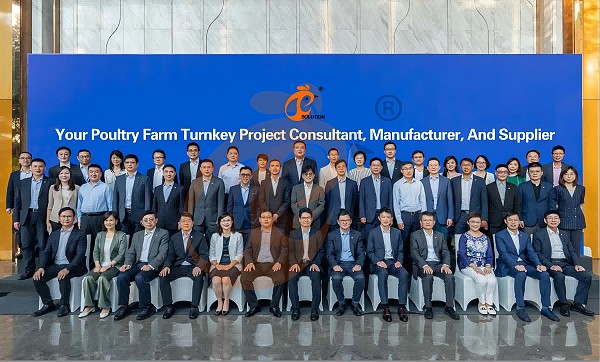
Hong Kong Headquarter Management Team
Hong Kong Headquarter Taiyu Industrial Group CO., LTD
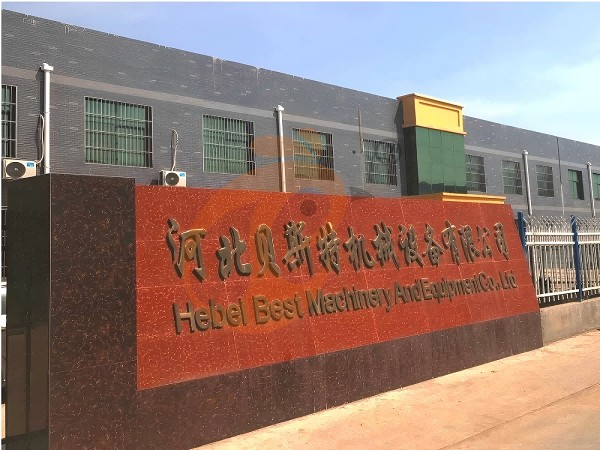
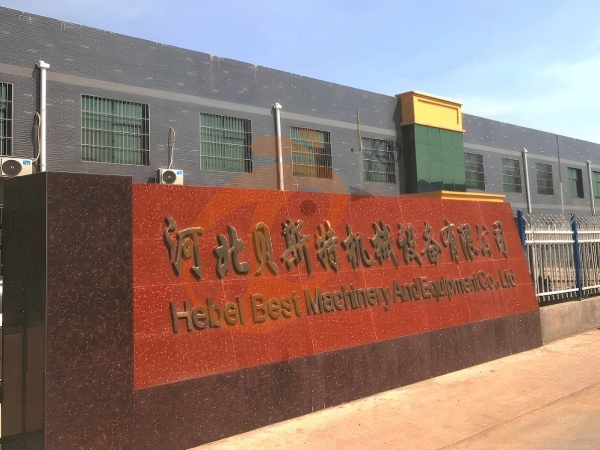
China Hebei Best Machinery And Equipment CO., LTD
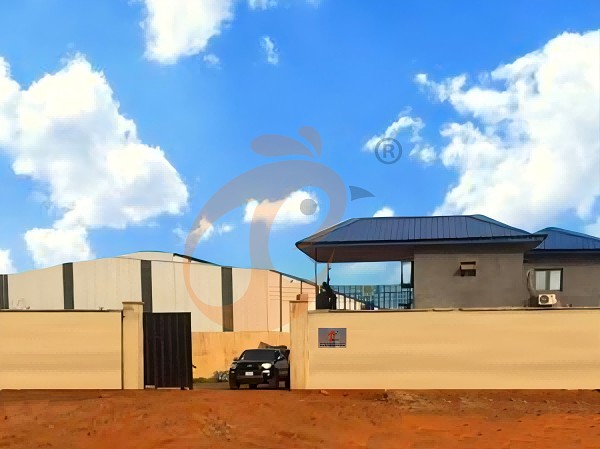
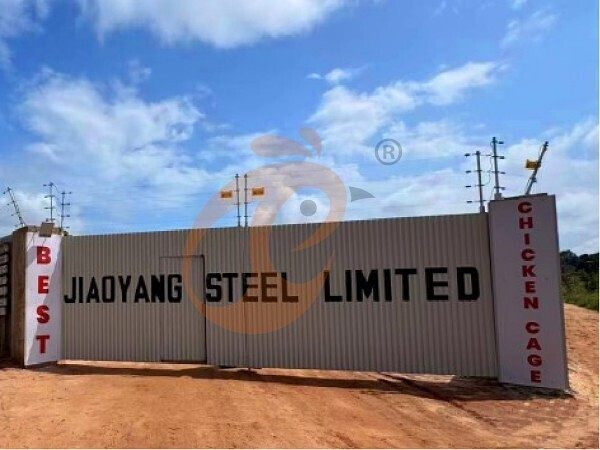
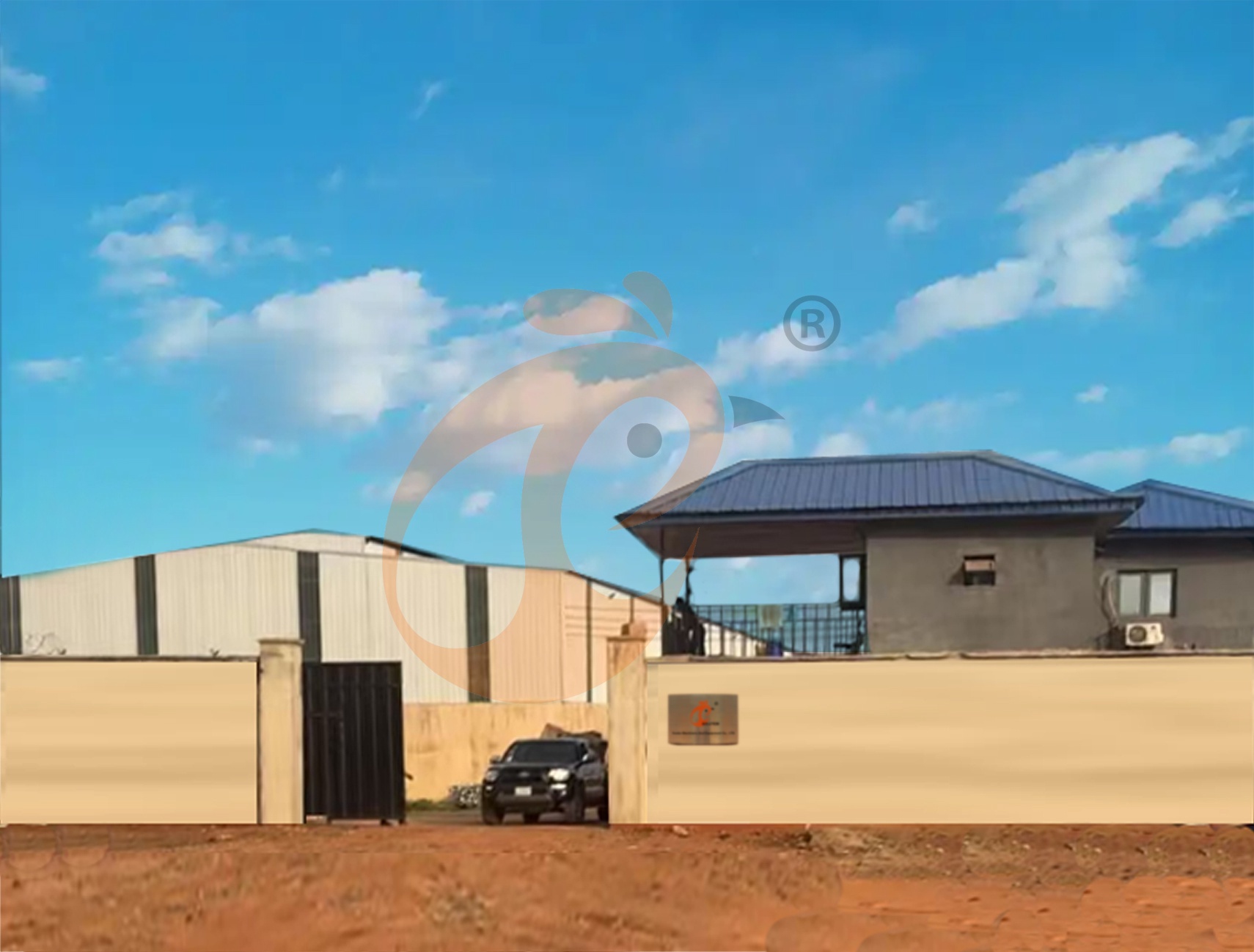
Nigeria Vanke Machinery And Equipment CO., LTD
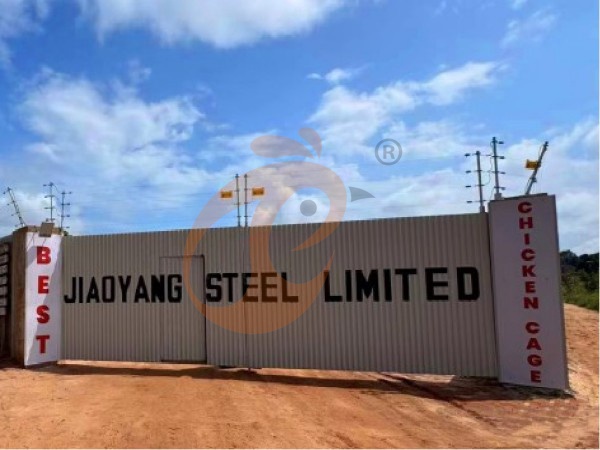
Tanzania Best Machinery And Equipment CO., LTD
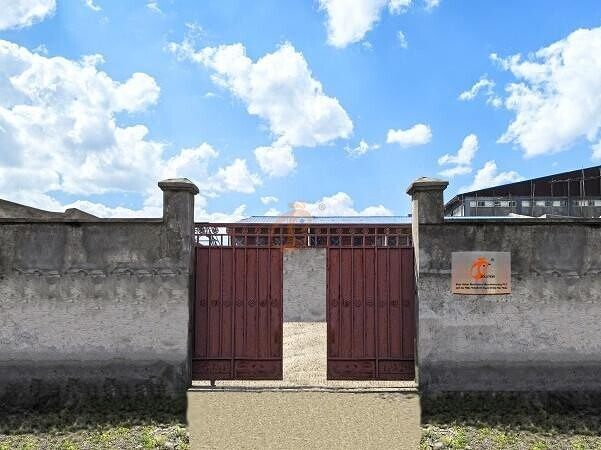
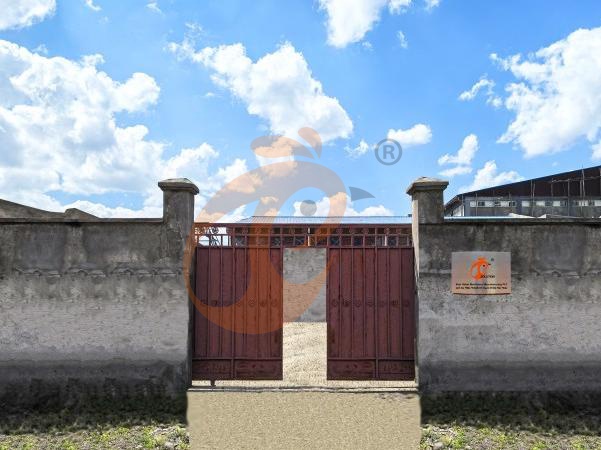
Ethiopia Best Hebei Machinery Manufacturing PLC
Reception /24 WhatsApp NO. : +8618830120193
FAQ
What Ventilation Requirements Are Needed In Floor Rearing Poultry System For Poultry Chicken Farms?
Tunnel airflow velocity ranges from 1.8–2.5 m/s for heat stress reduction.
Static pressure levels are controlled at 18–28 Pa for uniform air distribution.
What Litter Management Standards Are Used In Floor Rearing Poultry System For Poultry Chicken Production?
Moisture content is controlled below 25% to prevent ammonia buildup.
Replacement cycle occurs every 35–45 days depending on flock density.
What Feeding System Configuration Is Used In Floor Rearing Poultry System For Poultry Chicken Farms?
Feed distribution speed ranges from 12–18 meters per minute in automated lines.
Feed trough height is adjusted between 5–10 cm for chick accessibility.
- poultry farm
- poultry farms
- poultry house
- cage
- poultry farm construction
- poultry lighting system
- poultry equipment
- chickencage
- bestchickencage
- Nigeria
- broiler farm
- commercial poultry farms
- poultry farming
- poultry house management
- poultry house lighting
- LED poultry lighting
- poultry equipment layout
- LED poultry lighting system
- modern poultry farm
- modern poultry farming
- poultry farm plan
- Ethiopia
- Spring
Message
Products recommended
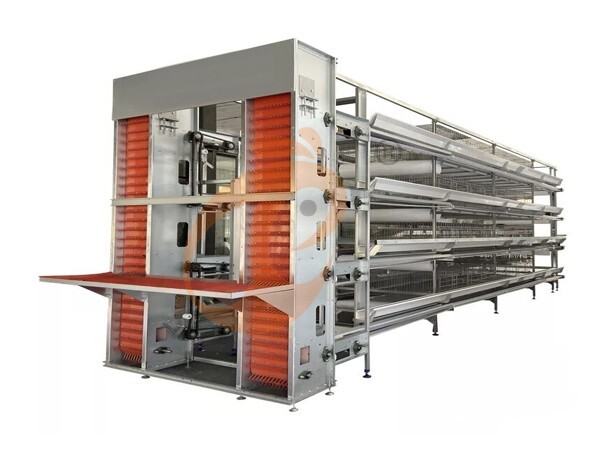
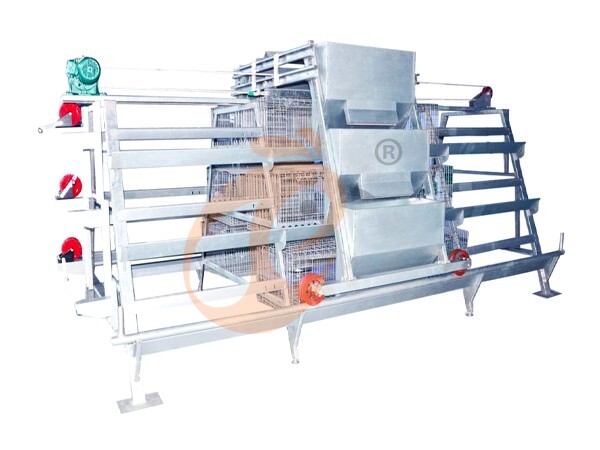
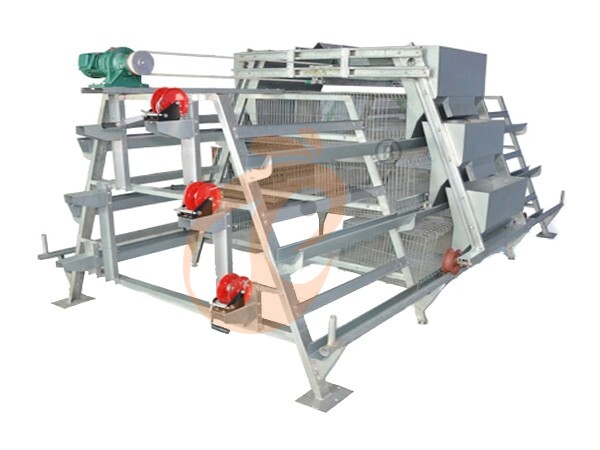
 >30,000 Pullets Automatic H Type Battery Cage1. More than 30,000 pullets a house, choose it.
2. It is designed to rearing older than 1 day old pullets to 12 to 16 weeks old chicken starting laying eggs.
3. Its lifespan is more than 25 years.
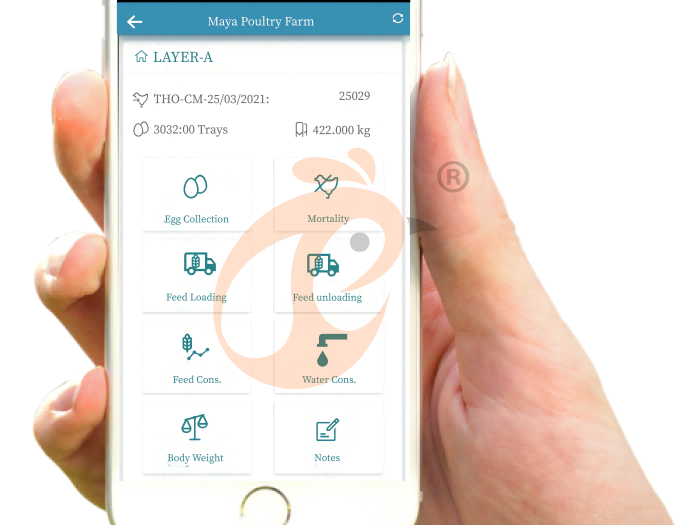
4. Its structure are Vcloud artificial intelligent fusion, electric control cabinet, automatic equipment of drinking, feeding, manure clean, manual harvesting.
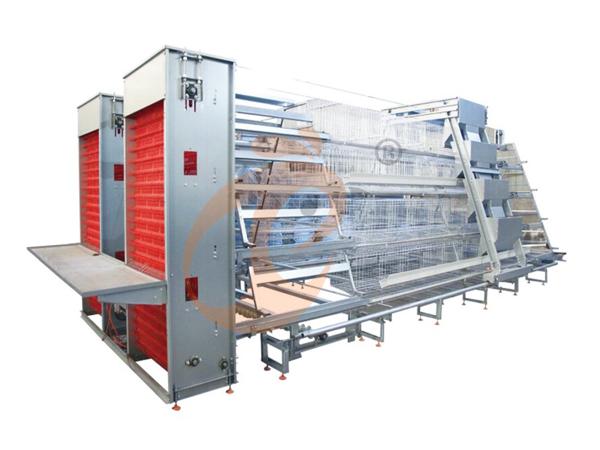
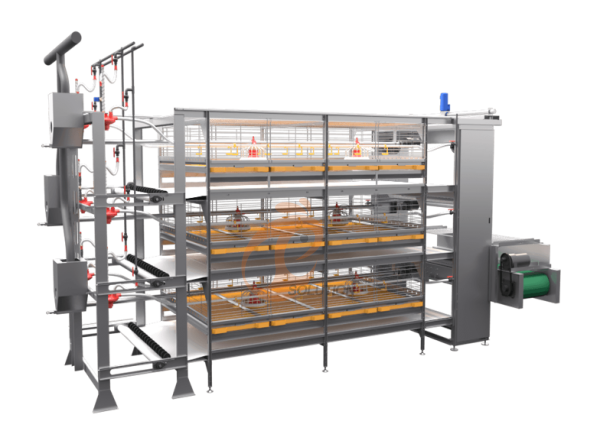
5. Our 24 hour online reception What’sApp NO. is +8618830120193 <30,000 Pullets Automatic A Type Battery Cage1. 10,000 to 30,000 pullets a house, choose it.
2. It is designed to rearing older than 1 day old pullets to 12 to 16 weeks old chicken starting laying eggs.
3. Its lifespan is more than 25 years.
4. Its structure are Vcloud artificial intelligent fusion, electric control cabinet, automatic equipment of drinking, feeding, manure clean, manual harvesting.
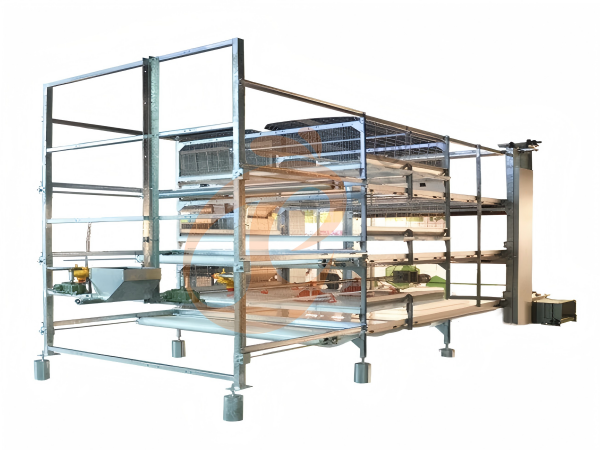
5. Our 24 hour online reception What’sApp NO. is +86 18830120193. >30,000 Broilers Semi-Automatic Harvest H Type Battery Cage1. More than 30,000 broilers a house, choose it.
2. It is designed to rearing 1 to 45 day old adult broiler ready for market.
3. Its lifespan is more than 20 years.
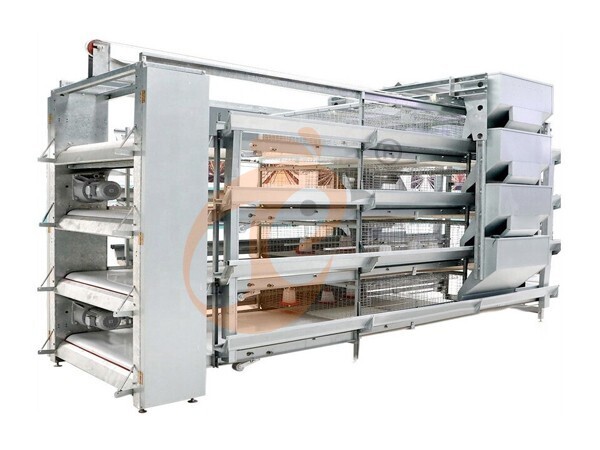
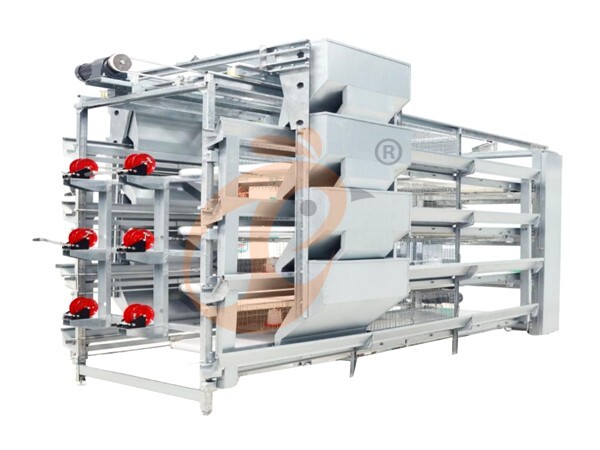
4. Our 24 hour online reception What’sApp NO. is +8618830120193, +234 8111199996. >30,000 Broilers Manual Harvest H Type Battery Cage1. More than 30,000 broilers a house, choose it.
2. It is designed to rearing 1 to 45 day old adult broiler ready for market.
3. Its lifespan is more than 20 years.
4. Its structure are Vcloud artificial intelligent fusion, electric control cabinet, automatic equipment of drinking, feeding and manure clean, manual harvesting.
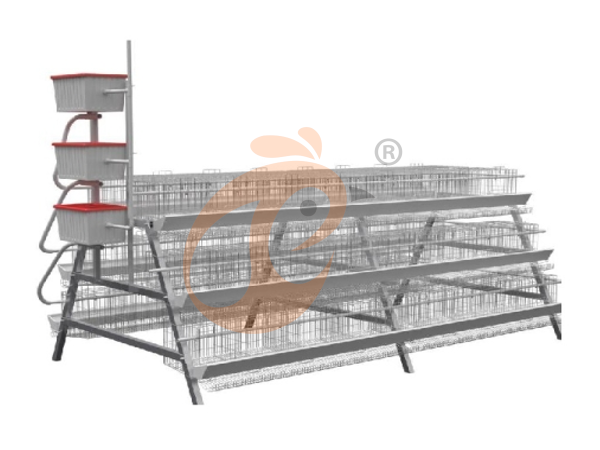
5. Our 24 hour online reception What’sApp NO. is +8618830120193, +234 8111199996. <30,000 Broilers Manual Harvest A Type Battery Cage1. Less 30,000 broilers a house, choose it.
2. It is designed to rearing 1 to 45 day old adult broiler ready for market.
3. Its lifespan is more than 20 years.
4. Its structure are Vcloud artificial intelligent fusion, electric control cabinet, automatic equipment of drinking, feeding and manure clean, manual harvesting.
5. Our 24 hour online reception What’sApp NO. is +8618830120193, +234 8111199996. HK Headquarter Offers EU-standard Poultry Farm Solutions, Manufacture Poultry Farm Equipment1. Continuous communication with the EU and the US
2. China, Nigeria, Ethiopia, Tanzania branch companies and factories
3. The products’ quality is customized for local poultry farms
4. Poultry cage and poultry farm equipment stock for sale
5. 24 online reception Whatsapp NO. : +8618830120193,contact us to get full information China Branch Offer Poultry Farm Business Plan, Manufacture Poultry Farm Equipment1. Address: Flat/RM 2416, 24/F, Runxing Building, Youyi Nan Street, Shijiazhuang City, Hebei Province, China
2. Poultry cage and poultry farm equipment factory and stock for sale
3. Customized for local poultry farms
4. Quality and design are based on Euro
5. 24 online reception Whatsapp NO. : +8618830120193 Nigeria Branch Offer Poultry Farm Business Plan, Manufacture Poultry Farm Equipment1. Address: After Sinoma Office, 200 Meters Near Danco Filling Station, Lagos/Ibadan Expressway, Lagos State, Nigeria
2. Poultry cage and poultry farm equipment factory and stock for sale
3. Customized for Nigerian poultry farms
4. Quality and design are based on Euro
5. 24 online reception Whatsapp NO. : +8618830120193 Ethiopia Branch Offer Poultry Farm Business Plan, Manufacture Poultry Farm Equipment1. Address: Gelan Gura, Akaki-kaliti Sub City, Addis Ababa, Ethiopia
2. Poultry cage and poultry farm equipment stock for sale
3. Customized for Ethiopian poultry farms
4. Quality and design are based on Euro
5. 24 online reception Whatsapp NO. : +8618830120193, contact us to get price list Tanzania Branch Offer Poultry Farm Business Plan, Manufacture Poultry Farm Equipment1. Address: No.8, Sova Road, Msufini, Mlandizi, Kibaha, Pwani, Tanzania
2. Poultry cage and poultry farm equipment factory and stock for sale
3. Customized for Tanzanian poultry farms
4. Quality and design are based on Euro
5. 24 online reception Whatsapp NO. : +8618830120193


Contact