


Blog
Free range poultry farming, pasture raised chicken, and free range egg production continue attracting farmers seeking sustainable income, premium agricultural markets, and long-term business growth through efficient flock management.
Consumer demand for naturally raised poultry products continues increasing across retail stores, restaurants, and local markets, creating attractive opportunities for producers who maintain stable quality, animal welfare, and reliable production efficiency.
Financial performance depends on investment planning, production costs, feeding programs, housing design, disease prevention, labor management, and diversified marketing channels rather than a single production factor.
Practical management decisions influence bird health, feed conversion, production stability, and operating expenses, helping farms improve profitability while maintaining environmentally responsible production practices.
- Comprehensive guidance below explains production systems, investment requirements, operating costs, commercial opportunities, technical considerations, decision strategies, and practical recommendations for profitable poultry farming.
Get professional poultry farm construction guidance, equipment selection solutions, and the latest price lists, whatsApp to +8618830120193, click to learn more:
What Is Free Range Poultry Farming?
Free range poultry farming refers to raising birds with regular access to outdoor areas where they can forage naturally.
Unlike cage or confined production systems, birds can walk, scratch soil, consume insects, and express natural behaviors.
Many consumers associate free range products with improved animal welfare, richer flavor, and better nutritional value, allowing producers to receive premium market prices.
Data is for reference only. Swipe horizontally to view full table.
Is Free Range Poultry Farming Profitable?
Free range poultry farming can generate attractive returns because customers frequently pay premium prices for naturally raised meat and eggs.
Pasture raised chicken operations often develop additional income by supplying breeding birds, chicks, organic fertilizer, and specialty poultry products.
Profitability depends largely on production efficiency instead of flock size alone.
Farmers selling directly to restaurants, supermarkets, farm stores, and consumers usually retain larger profit margins than wholesale suppliers.
Data is for reference only. Swipe horizontally to view full table.
Startup Costs
Starting a free range poultry farm requires detailed financial planning.
Initial investment varies according to flock size, available land, production objectives, equipment selection, and infrastructure quality.
Typical startup expenses include
- Poultry house construction
- Outdoor fencing
- Feeders
- Drinkers
- Water supply
- Brooders
- Chicks
- Feed
- Vaccination
- Predator protection
- Farm equipment
- Labor
Although free range systems usually require less intensive housing than industrial farms, additional pasture and fencing increase infrastructure requirements.
Investment generally ranges from USD $8,500 to USD $65,000 depending on project scale.
European union standard reference only.
Data is for reference only. Swipe horizontally to view full table.
Operating Costs
Operating expenses continue throughout every production cycle.
Feed normally represents the largest operating expense and commonly accounts for approximately 55% to 70% of production expenditure.
Although birds obtain insects, grasses, and seeds outdoors, commercial feed remains necessary for consistent growth, egg production, and nutritional balance.
Additional operating expenses include
- Vaccination
- Bedding
- Utilities
- Labor
- Equipment maintenance
- Transportation
- Packaging
- Marketing
Reducing feed waste and improving feed conversion ratio remain effective methods for increasing profitability.
Annual operating expenditure commonly ranges between USD $12,000 and USD $95,000 according to production capacity.
European union standard reference only.
Data is for reference only. Swipe horizontally to view full table.
Five Decision Tips Before Starting
Tip 1: Study Local Market Demand
Evaluate local demand before investing in free range egg production or meat sales.
Premium pricing depends on stable customer demand rather than production volume alone.
Tip 2: Choose Suitable Poultry Breeds
Different breeds perform differently under outdoor conditions.
Select breeds according to meat production, egg production, climate adaptability, and disease resistance.
Tip 3: Secure Adequate Land
Adequate pasture reduces overcrowding.
Healthy pasture also supports better bird welfare, cleaner environments, and lower disease pressure.
Tip 4: Diversify Income Sources
Selling meat, eggs, chicks, breeding birds, and organic fertilizer helps reduce financial risk throughout different market conditions.
Tip 5: Build A Professional Brand
Consistent quality, attractive packaging, transparent production practices, and reliable customer service help justify premium product prices.
Data is for reference only. Swipe horizontally to view full table.
Common Challenges
Despite attractive profit potential, free range poultry farming presents several operational challenges.
Predators such as foxes, hawks, stray dogs, snakes, and wild animals may increase mortality when fencing or night shelters are inadequate.
Weather conditions also influence bird performance and pasture quality.
Heavy rainfall may create muddy ground, while extended drought reduces natural forage availability.
Disease prevention remains another essential management priority.
Although outdoor production improves ventilation, birds may have greater exposure to parasites and migratory wild birds.
Routine vaccination, clean drinking water, biosecurity procedures, and scheduled health inspections help reduce production losses.
Data is for reference only. Swipe horizontally to view full table.
Marketing Strategies
Successful poultry producers rarely depend on wholesale markets alone.
Higher profitability usually comes from diversified sales channels.
Recommended marketing channels include
- Farmers' markets.
- Local supermarkets.
- Restaurants.
- Community supported agriculture programs.
- Farm retail stores.
- Online ordering platforms.
- Distributor partnerships.
Consumers are more willing to purchase premium poultry products when production practices remain transparent.
Sharing farm information, production standards, flock management, and quality assurance strengthens customer confidence and long-term purchasing relationships.
Is Free Range Better For The Environment?
Responsible pasture management can improve agricultural sustainability.
Rotational grazing distributes manure naturally, helping recycle nutrients while reducing concentrated waste accumulation.
Birds also consume insects and weeds, reducing dependence on chemical pest control in many farming systems.
However, excessive stocking density may damage vegetation and increase soil erosion.
Proper pasture rotation and stocking management maintain long-term environmental performance.
Science Corner
Poultry manure contains valuable nutrients including nitrogen, phosphorus, and potassium.
Proper application rates improve soil fertility while reducing fertilizer input costs for crop production.
Frequently Asked Questions
Q1: Is free range poultry farming suitable for small farms?
Yes.A flock of approximately 300 to 500 birds provides practical management experience while keeping investment relatively controlled.
Q2: How long does free range chicken usually reach market weight?
Most free range meat chickens reach approximately 2.4 kg to 2.7 kg within 65 to 75 days, depending on breed, nutrition, and environmental conditions.
Q3: Which expense has the greatest influence on profit?
Feed normally represents 55% to 70% of annual operating expenditure.
Improving feed conversion ratio by only 0.10 may noticeably increase overall profitability.
Taiyu (HK) Group - One Of China Largest Poultry Equipment Manufacturer
Professional free range poultry farming equipment solutions support modern commercial farms with reliable production efficiency, stable flock management, and scalable operating capacity.
Global factory direct supply integrates manufacturing, engineering, quality inspection, logistics coordination, and after-sales technical support for international agricultural projects.
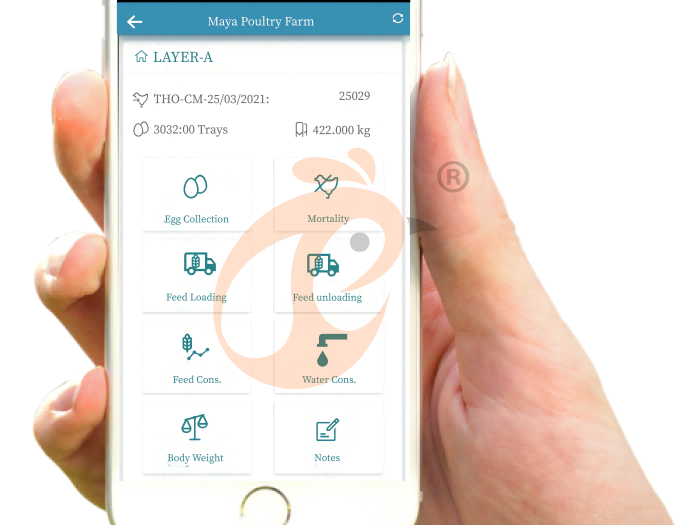
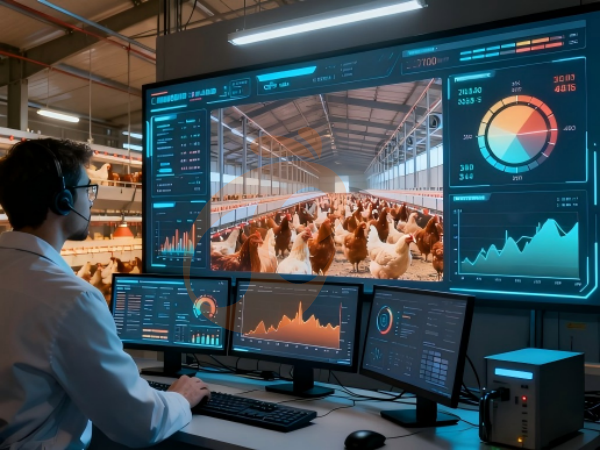
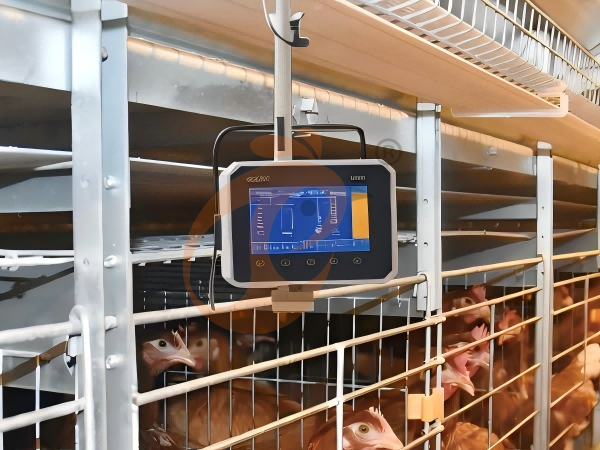
Complete poultry equipment systems include automatic feeding, drinking, ventilation, manure removal, environmental control, and intelligent monitoring solutions for different production capacities.
Turn-key engineering services cover project consultation, equipment manufacturing, installation guidance, commissioning, operator training, and lifetime technical assistance for overseas customers.
Customized engineering specifications satisfy commercial poultry farms, integrated breeding companies, government agricultural projects, and large-scale livestock investment programs with standardized manufacturing and stable delivery performance.
Contact Us To Received Your Customized Poultry Farm Plan
Headquarters And Branchs
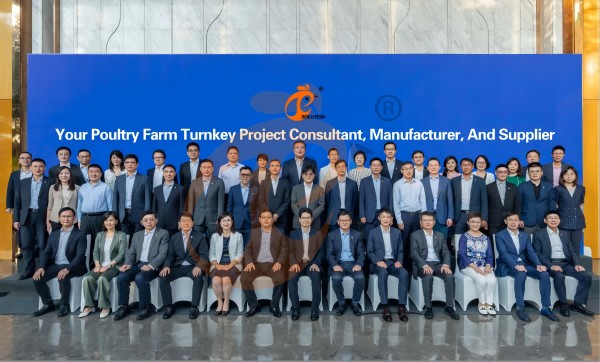
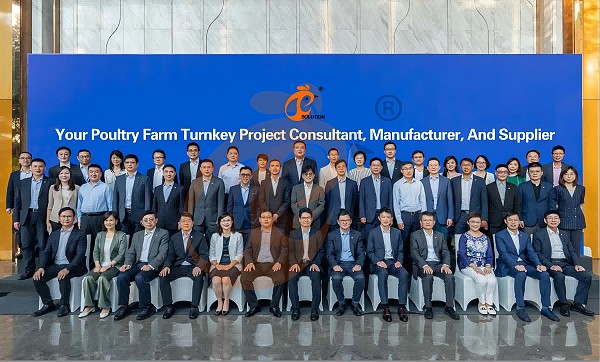
Hong Kong Headquarter Management Team
Hong Kong Headquarter Taiyu Industrial Group CO., LTD
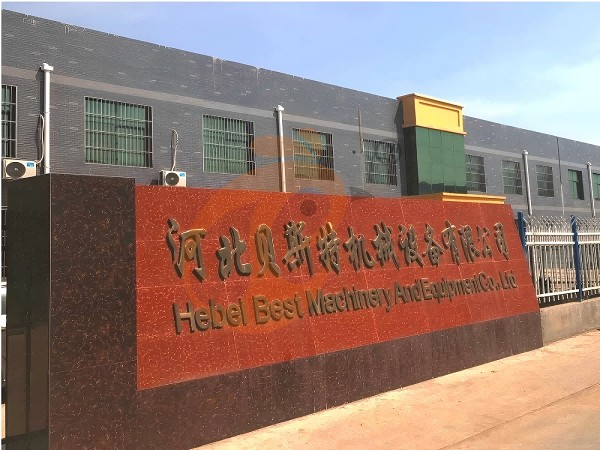
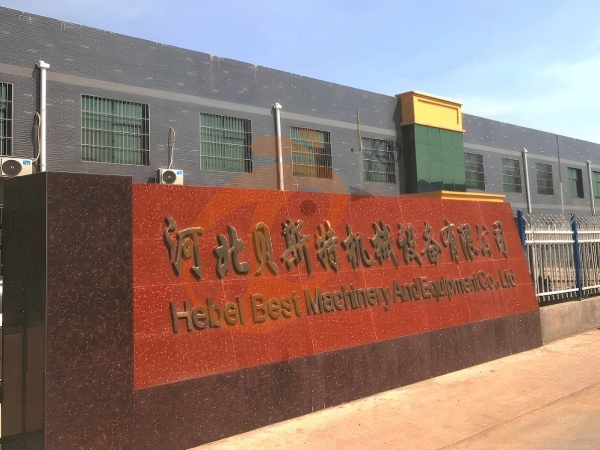
China Hebei Best Machinery And Equipment CO., LTD
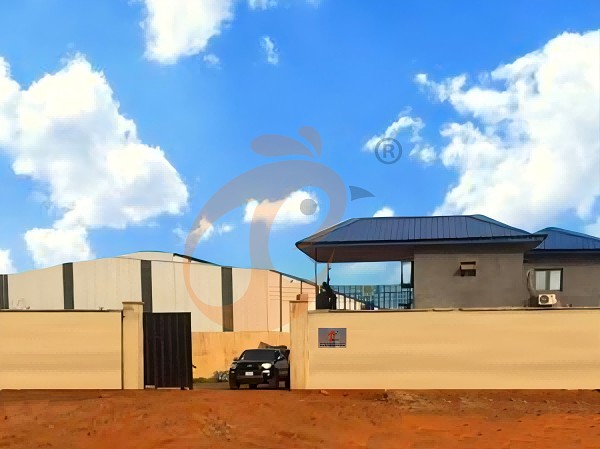
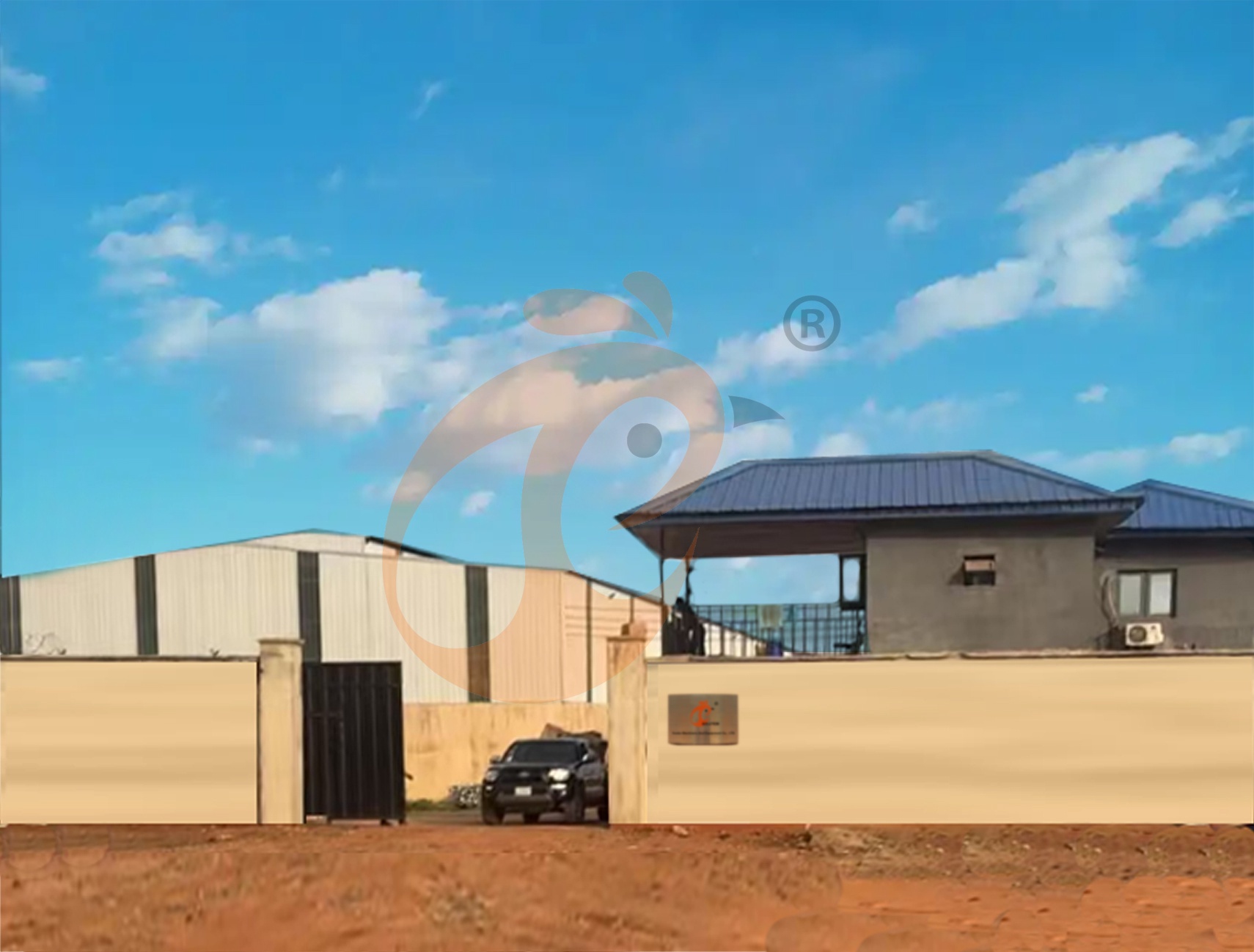
Nigeria Vanke Machinery And Equipment CO., LTD
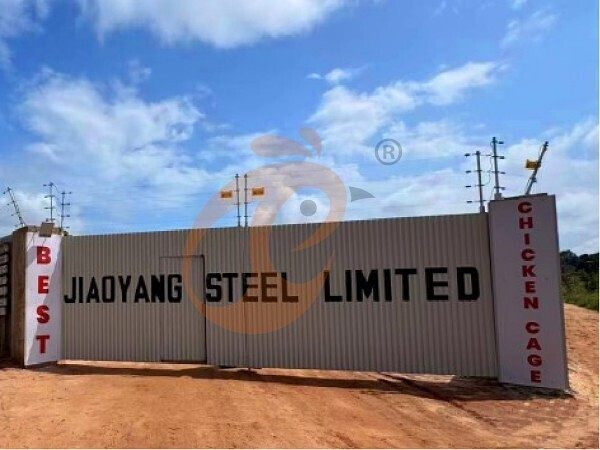
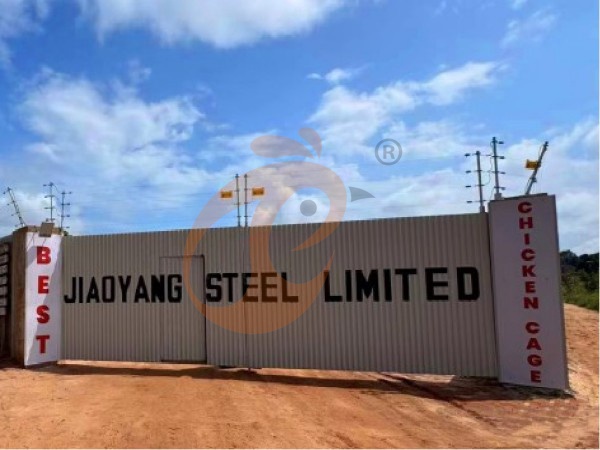
Tanzania Best Machinery And Equipment CO., LTD
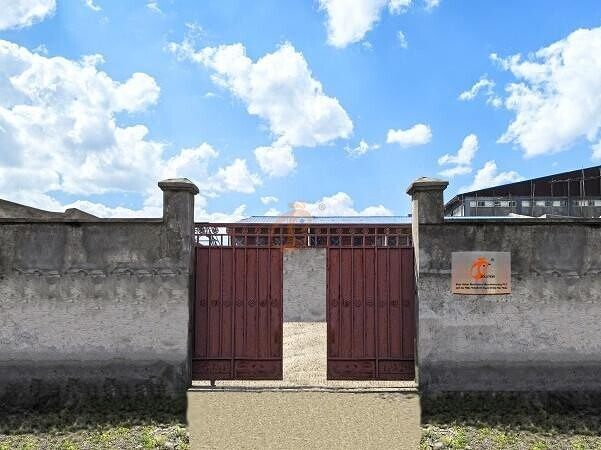
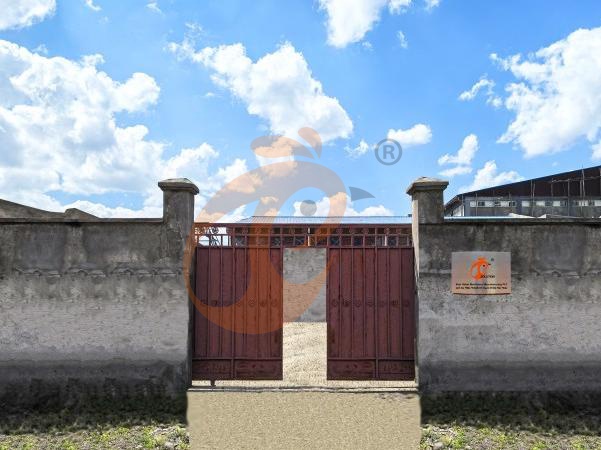
Ethiopia Best Hebei Machinery Manufacturing PLC
Reception /24 WhatsApp NO. : +8618830120193
FAQ
How Does Free Range System Affect Feed Consumption?
Energy expenditure increases daily intake variation by 15%–22% across seasons.
Feed conversion efficiency ranges from 1.9–2.3 depending on grazing intensity.
What Are The Housing Transition Management Standards In Free Range Poultry System?
Indoor-outdoor transition time is controlled within 10–15 minutes per flock movement cycle.
Lighting guidance systems operate at 5–8 lux to direct flock movement behavior.
What Are The Seasonal Adaptation Strategies In Free Range Poultry System?
Summer shade coverage is increased to 60%–80% of grazing area for heat stress reduction.
Rainfall drainage capacity handles 25–40 mm per hour precipitation levels for land usability.
Message
Products recommended
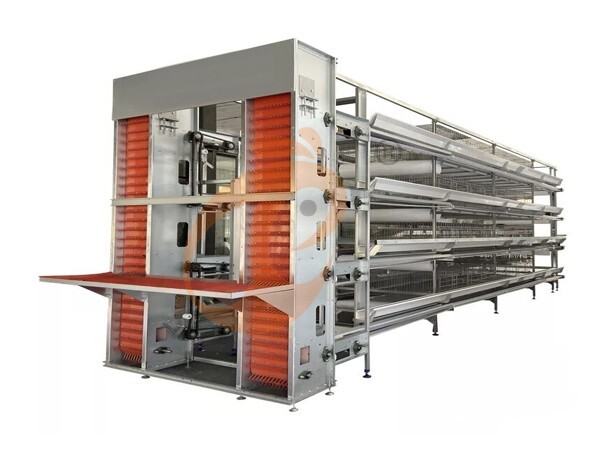
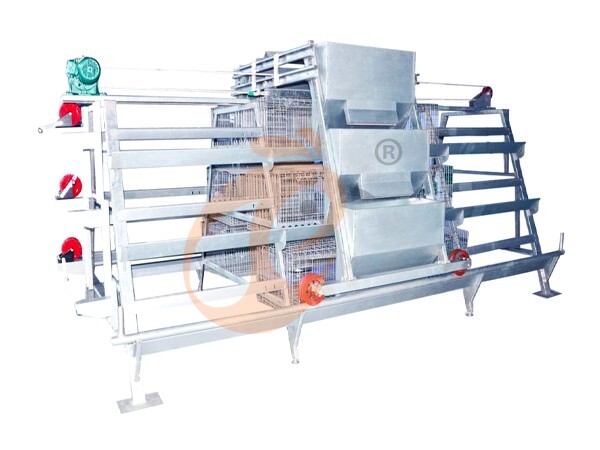
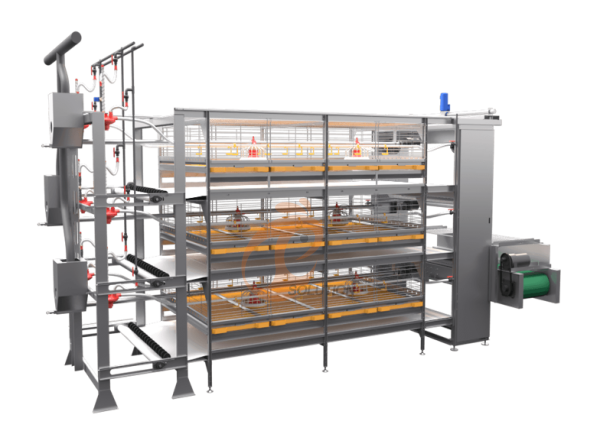
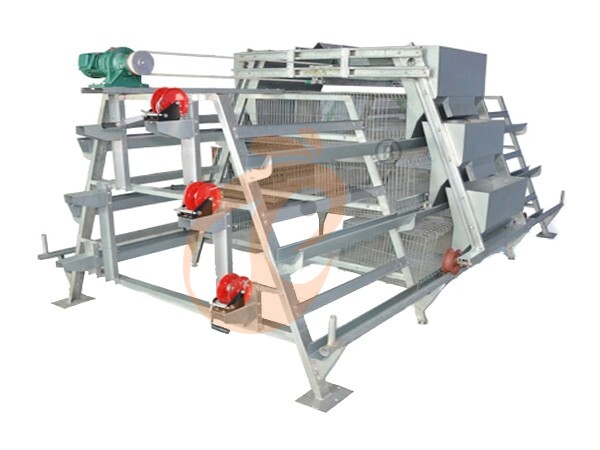
 >30,000 Pullets Automatic H Type Battery Cage1. More than 30,000 pullets a house, choose it.
2. It is designed to rearing older than 1 day old pullets to 12 to 16 weeks old chicken starting laying eggs.
3. Its lifespan is more than 25 years.
4. Its structure are Vcloud artificial intelligent fusion, electric control cabinet, automatic equipment of drinking, feeding, manure clean, manual harvesting.
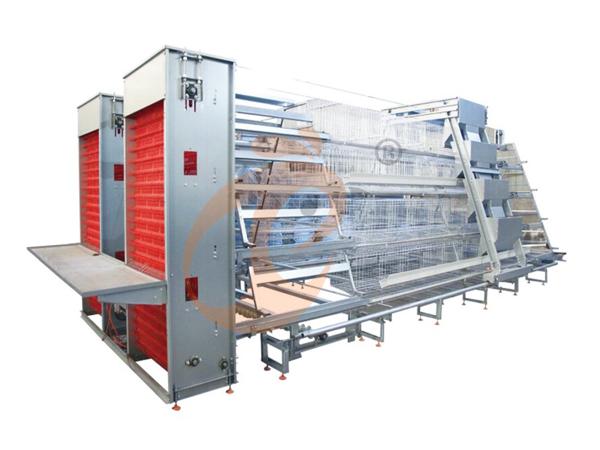
5. Our 24 hour online reception What’sApp NO. is +8618830120193 <30,000 Pullets Automatic A Type Battery Cage1. 10,000 to 30,000 pullets a house, choose it.
2. It is designed to rearing older than 1 day old pullets to 12 to 16 weeks old chicken starting laying eggs.
3. Its lifespan is more than 25 years.
4. Its structure are Vcloud artificial intelligent fusion, electric control cabinet, automatic equipment of drinking, feeding, manure clean, manual harvesting.
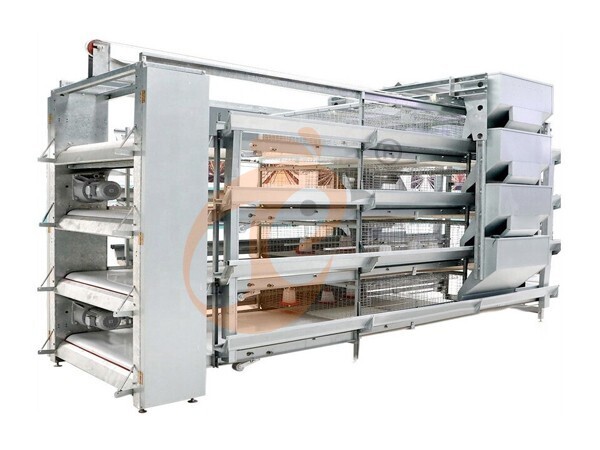
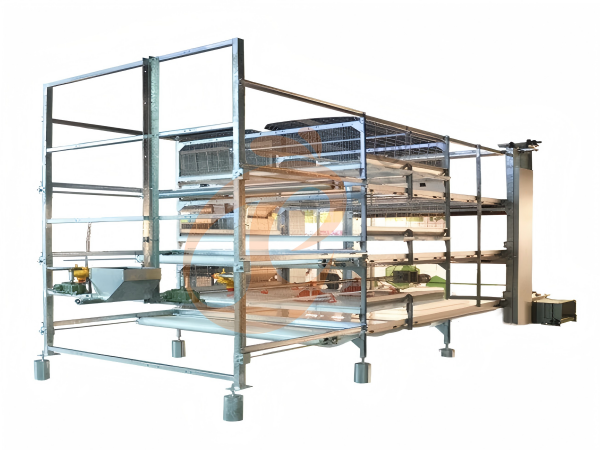
5. Our 24 hour online reception What’sApp NO. is +86 18830120193. >30,000 Broilers Semi-Automatic Harvest H Type Battery Cage1. More than 30,000 broilers a house, choose it.
2. It is designed to rearing 1 to 45 day old adult broiler ready for market.
3. Its lifespan is more than 20 years.
4. Our 24 hour online reception What’sApp NO. is +8618830120193, +234 8111199996. >30,000 Broilers Manual Harvest H Type Battery Cage1. More than 30,000 broilers a house, choose it.
2. It is designed to rearing 1 to 45 day old adult broiler ready for market.
3. Its lifespan is more than 20 years.
4. Its structure are Vcloud artificial intelligent fusion, electric control cabinet, automatic equipment of drinking, feeding and manure clean, manual harvesting.
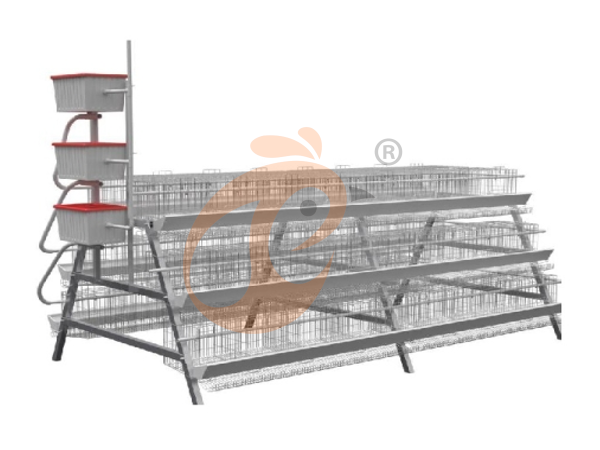
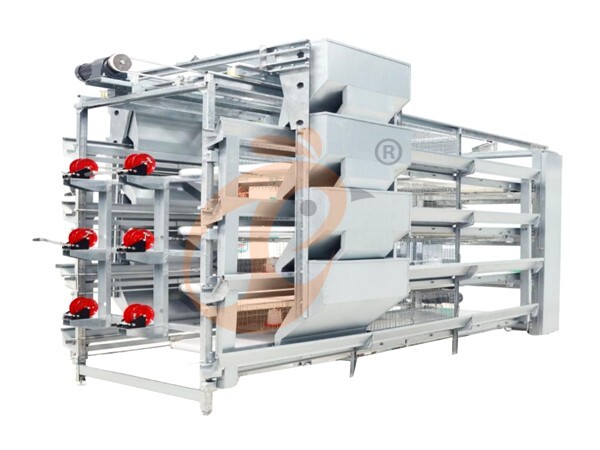
5. Our 24 hour online reception What’sApp NO. is +8618830120193, +234 8111199996. <30,000 Broilers Manual Harvest A Type Battery Cage1. Less 30,000 broilers a house, choose it.
2. It is designed to rearing 1 to 45 day old adult broiler ready for market.
3. Its lifespan is more than 20 years.
4. Its structure are Vcloud artificial intelligent fusion, electric control cabinet, automatic equipment of drinking, feeding and manure clean, manual harvesting.
5. Our 24 hour online reception What’sApp NO. is +8618830120193, +234 8111199996. HK Headquarter Offers EU-standard Poultry Farm Solutions, Manufacture Poultry Farm Equipment1. Continuous communication with the EU and the US
2. China, Nigeria, Ethiopia, Tanzania branch companies and factories
3. The products’ quality is customized for local poultry farms
4. Poultry cage and poultry farm equipment stock for sale
5. 24 online reception Whatsapp NO. : +8618830120193,contact us to get full information China Branch Offer Poultry Farm Business Plan, Manufacture Poultry Farm Equipment1. Address: Flat/RM 2416, 24/F, Runxing Building, Youyi Nan Street, Shijiazhuang City, Hebei Province, China
2. Poultry cage and poultry farm equipment factory and stock for sale
3. Customized for local poultry farms
4. Quality and design are based on Euro
5. 24 online reception Whatsapp NO. : +8618830120193 Nigeria Branch Offer Poultry Farm Business Plan, Manufacture Poultry Farm Equipment1. Address: After Sinoma Office, 200 Meters Near Danco Filling Station, Lagos/Ibadan Expressway, Lagos State, Nigeria
2. Poultry cage and poultry farm equipment factory and stock for sale
3. Customized for Nigerian poultry farms
4. Quality and design are based on Euro
5. 24 online reception Whatsapp NO. : +8618830120193 Ethiopia Branch Offer Poultry Farm Business Plan, Manufacture Poultry Farm Equipment1. Address: Gelan Gura, Akaki-kaliti Sub City, Addis Ababa, Ethiopia
2. Poultry cage and poultry farm equipment stock for sale
3. Customized for Ethiopian poultry farms
4. Quality and design are based on Euro
5. 24 online reception Whatsapp NO. : +8618830120193, contact us to get price list Tanzania Branch Offer Poultry Farm Business Plan, Manufacture Poultry Farm Equipment1. Address: No.8, Sova Road, Msufini, Mlandizi, Kibaha, Pwani, Tanzania
2. Poultry cage and poultry farm equipment factory and stock for sale
3. Customized for Tanzanian poultry farms
4. Quality and design are based on Euro
5. 24 online reception Whatsapp NO. : +8618830120193


Contact