


Blog
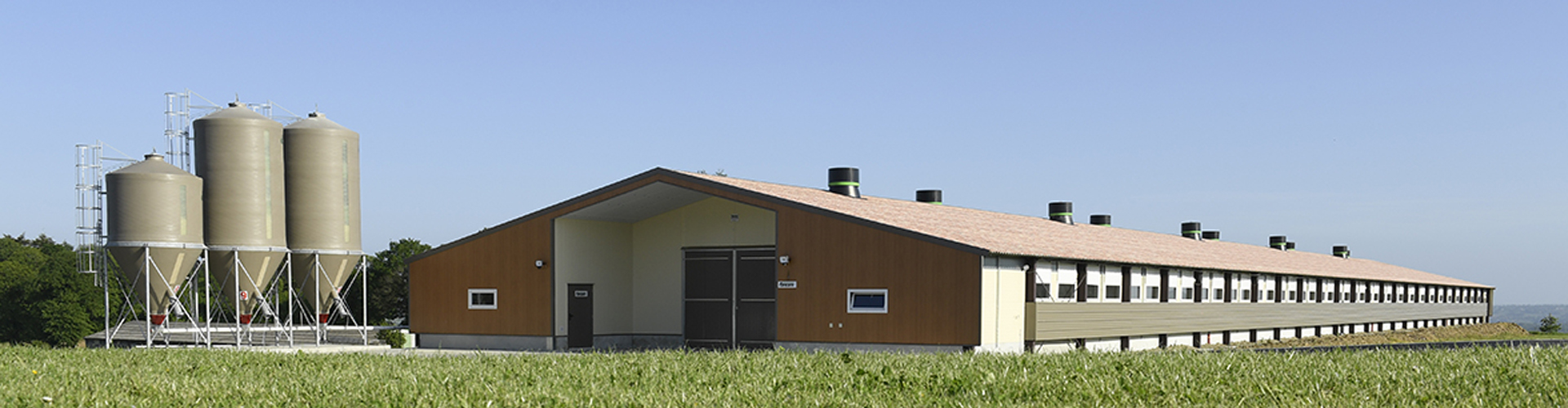
- Deep litter system management requires scientific planning, stable environmental control, routine inspection, and measurable maintenance strategies to reduce operating expenses while supporting healthy livestock housing throughout every production cycle.
Poultry litter management combines bedding selection, moisture regulation, ventilation optimization, microbial balance, and scheduled maintenance to improve housing efficiency and reduce unnecessary replacement frequency.
Chicken house bedding performance depends on material characteristics, stocking density, climate conditions, and daily operational practices that influence biological decomposition and animal comfort.
Practical maintenance decisions supported by measurable operational data help producers control labor investment, bedding consumption, equipment servicing, and environmental performance over long production periods.
- Comprehensive guidance below explains maintenance factors, engineering recommendations, biological principles, operational comparisons, cost evaluation, frequently asked questions, and commercial project solutions for modern livestock facilities.
Get professional poultry farm construction guidance, equipment selection solutions, and the latest price lists, whatsApp to +8618830120193, click to learn more:
Understanding Deep Litter System Maintenance Cost
Deep litter system maintenance cost extends beyond bedding replacement.
Daily management, environmental monitoring, ventilation efficiency, labor scheduling, and equipment inspection all contribute to annual operating expenses.
Farms that evaluate these factors continuously usually experience more stable production and longer bedding service life.
Maintenance planning should also include seasonal weather changes because humidity, rainfall, and temperature directly affect microbial activity inside the bedding layer.
Small operational adjustments often prevent expensive corrective maintenance.
Data is for reference only.Swipe horizontally to view full table.
Bedding Material Selection
Selecting suitable bedding materials determines moisture retention, airflow distribution, decomposition speed, and replacement frequency. Physical properties should match animal species, housing design, and regional climate instead of simply considering purchase price.
Wood-based materials generally maintain structural stability longer than finely ground agricultural residues, while coarse materials improve oxygen circulation inside the litter profile.
Data is for reference only.Swipe horizontally to view full table.
Moisture Control
Moisture remains one of the most influential operational variables affecting bedding stability. Water leakage, inadequate airflow, excessive animal density, and seasonal humidity gradually reduce litter performance and accelerate biological imbalance.
Daily observation of wet areas around drinkers and feeders minimizes localized deterioration before replacement becomes necessary.
Scientific Knowledge
Aerobic microorganisms require sufficient oxygen and moderate moisture to convert manure into stable organic matter.
Oxygen availability decreases when excessive water fills bedding pores.
Under these conditions, anaerobic microorganisms dominate the decomposition process, producing ammonia, methane, and hydrogen sulfide.
Stable moisture therefore supports biological efficiency while improving housing hygiene and animal welfare.
Data is for reference only.Swipe horizontally to view full table.
Ventilation Management
Proper ventilation removes moisture before it accumulates inside bedding materials.
Stable airflow also reduces airborne dust, carbon dioxide concentration, and ammonia emission, creating healthier conditions for both livestock and farm personnel.
Mechanical ventilation systems should be inspected regularly to ensure designed airflow capacity remains consistent throughout each production cycle.
Data is for reference only.Swipe horizontally to view full table.
Litter Turning Schedule
Routine litter turning redistributes moisture, introduces oxygen into lower bedding layers, and supports continuous microbial activity.
Uneven decomposition commonly develops beneath feeding equipment when litter remains undisturbed for extended periods.
Mechanical cultivation equipment improves efficiency in commercial farms, while manual turning remains practical for smaller operations.
Data is for reference only.Swipe horizontally to view full table.
Stocking Density Planning
Livestock population directly influences manure output, bedding compression, moisture generation, and microbial activity.
Appropriate stocking density allows the biological decomposition process to remain balanced throughout the production period.
Housing layouts should also consider feeder placement, drinker distribution, and walking space to reduce localized litter deterioration.
Data is for reference only.Swipe horizontally to view full table.
Microbial Treatment Application
Microbial additives accelerate decomposition processes by increasing populations of beneficial bacteria inside bedding layers.
These organisms compete with odor-producing microbes and improve organic matter breakdown efficiency under controlled environmental conditions.
Application timing should align with humidity levels, ventilation performance, and manure accumulation rate to maintain stable biological activity.
Data is for reference only.Swipe horizontally to view full table.
Ammonia Monitoring System
Ammonia concentration reflects decomposition stability and ventilation efficiency inside livestock houses.
Rising ammonia levels often indicate excessive moisture accumulation or insufficient airflow distribution across bedding layers.
Continuous monitoring supports early intervention before structural bedding failure occurs.
Data is for reference only.Swipe horizontally to view full table.
Preventive Maintenance Scheduling
Preventive maintenance reduces unexpected breakdowns and stabilizes long-term operational performance.
Regular inspections of ventilation systems, water lines, and bedding conditions minimize emergency intervention costs.
Structured scheduling improves system reliability and reduces labor concentration during peak production periods.
Data is for reference only.Swipe horizontally to view full table.
Annual Cost Structure Analysis
Annual cost distribution provides a structured overview of operational expenditure across bedding, labor, equipment maintenance, and environmental control systems.
Financial planning becomes more accurate when each category is measured independently.
Bedding-related spending typically represents the largest portion of total operating cost in most livestock housing systems.
Data is for reference only.Swipe horizontally to view full table.
Frequently Asked Questions
Q1: Why does bedding degrade faster in humid climates?
High atmospheric moisture increases microbial acceleration and reduces oxygen diffusion inside bedding layers, causing faster decomposition cycles and increased replacement frequency.
Q2: How often should microbial additives be applied?
Typical application cycles range between 21 and 34 days depending on manure load, with dosage levels between 28 g/m² and 74 g/m² based on product formulation.
Q3: What ventilation capacity is required for pig barns?
Common commercial pig barns require approximately 8.4 m³/h per animal with daily fan operation around 16 hours for stable environmental control.
Taiyu (HK) Group - One Of China Largest Deep Litter System Manufacturer Supplier
Deep litter system equipment engineered for poultry and livestock housing with modular structural integration and controlled environmental design.
Global factory direct supply chain supports cost efficiency, standardized production, and consistent export-grade manufacturing quality control systems.
Poultry equipment solutions include automated ventilation, bedding processing units, manure handling systems, and integrated housing design engineering support.
Turn-key engineering services cover planning, fabrication, installation, commissioning, and after-sales technical maintenance for industrial livestock farms.
Technical commercial specification supports large-scale agricultural projects with customized capacity design, environmental optimization, and international project execution capability.
Contact Us To Received Your Customized Poultry Farm Plan
Headquarters And Branchs
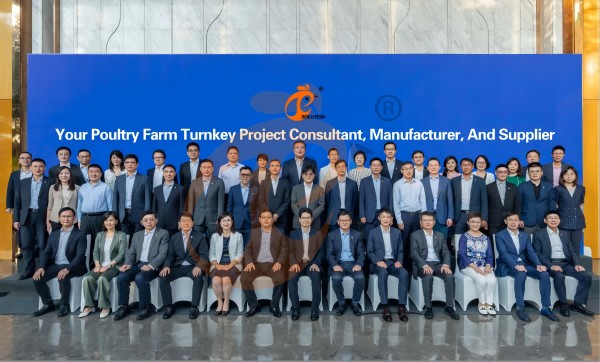
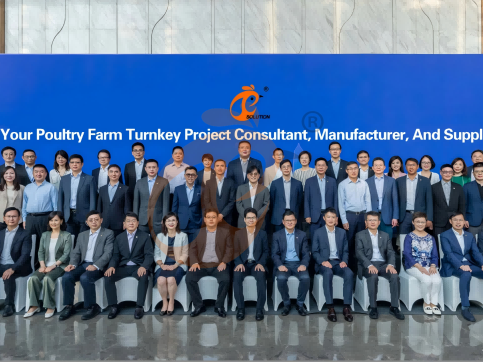
Hong Kong Headquarter Management Team
Hong Kong Headquarter Taiyu Industrial Group CO., LTD
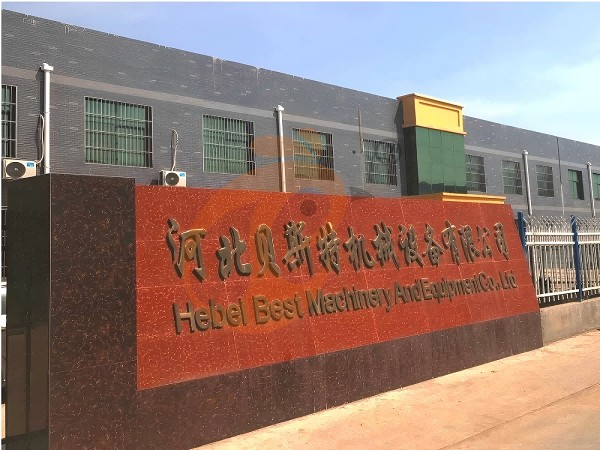
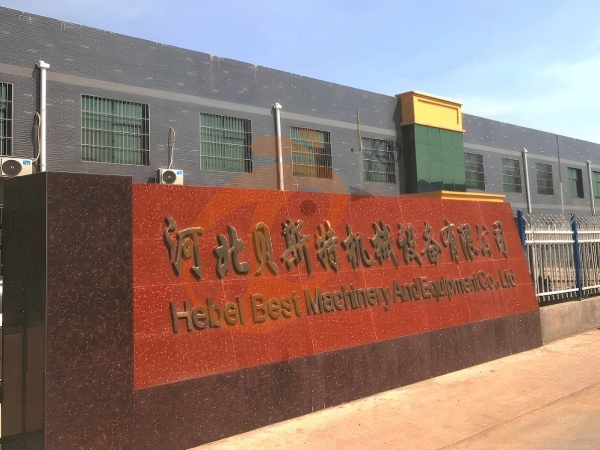
China Hebei Best Machinery And Equipment CO., LTD
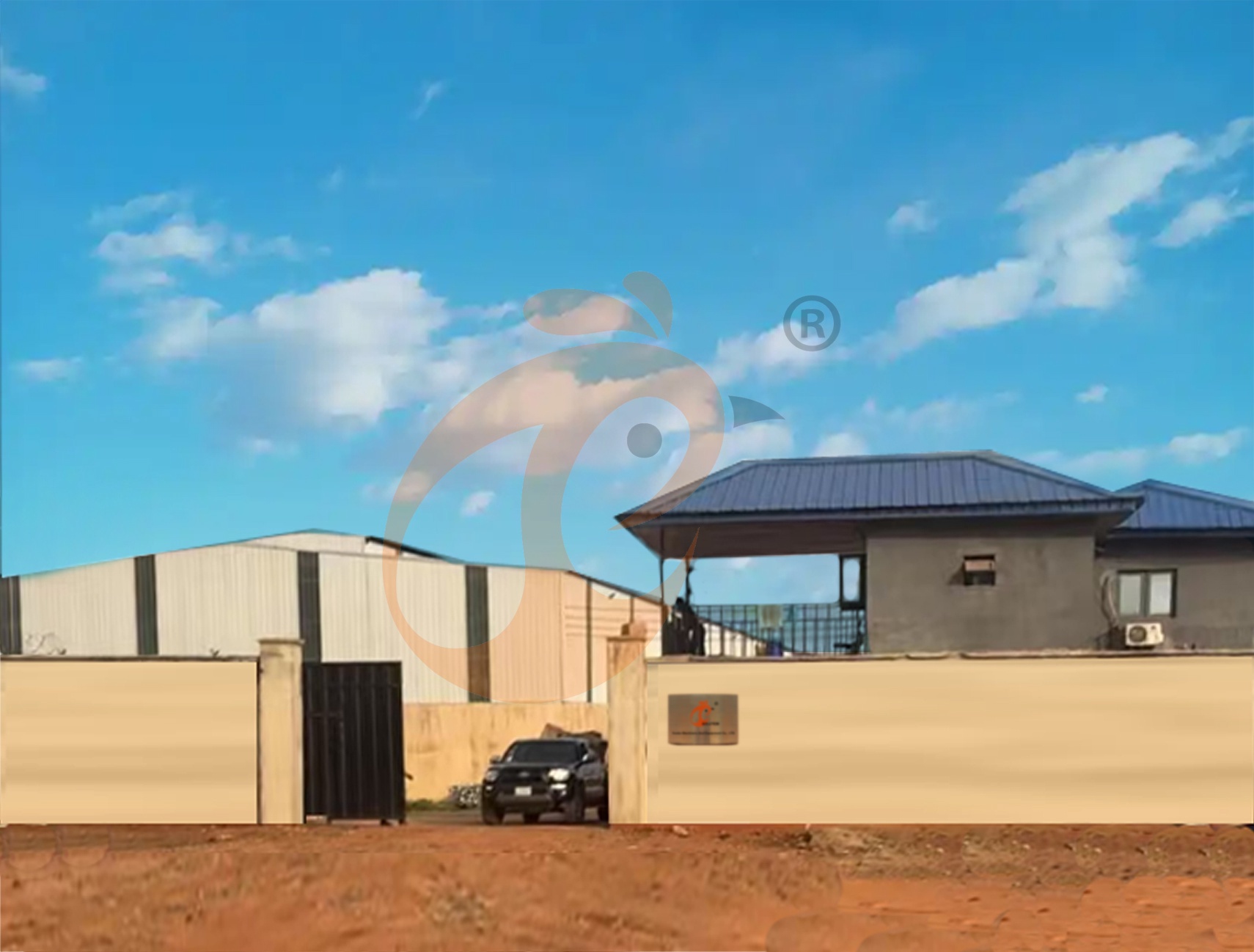
Nigeria Vanke Machinery And Equipment CO., LTD
Tanzania Best Machinery And Equipment CO., LTD
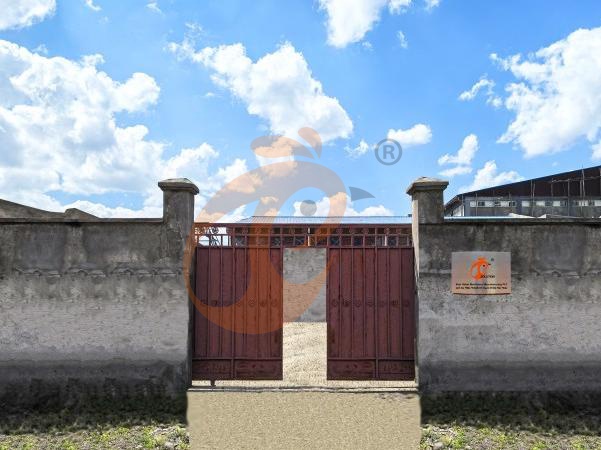
Ethiopia Best Hebei Machinery Manufacturing PLC
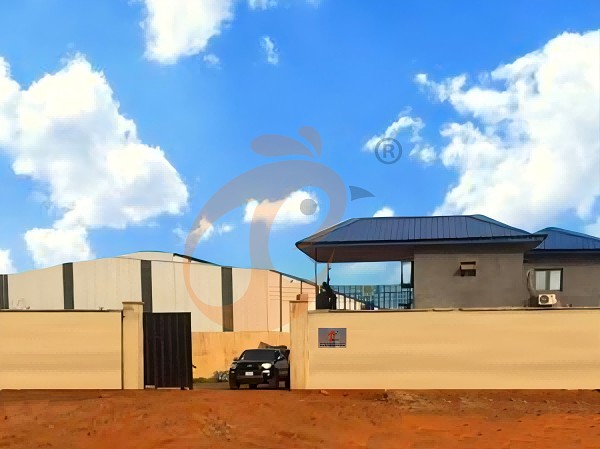
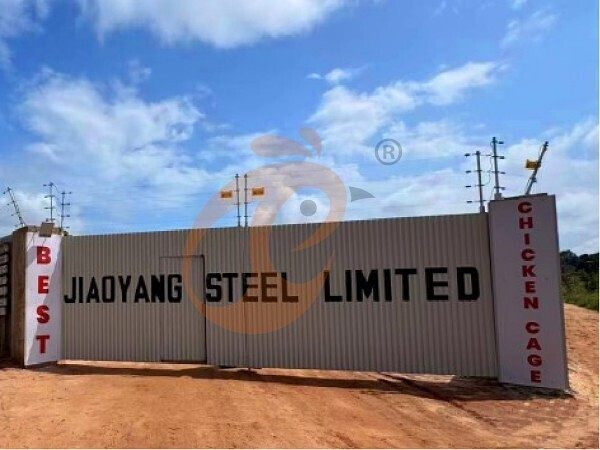
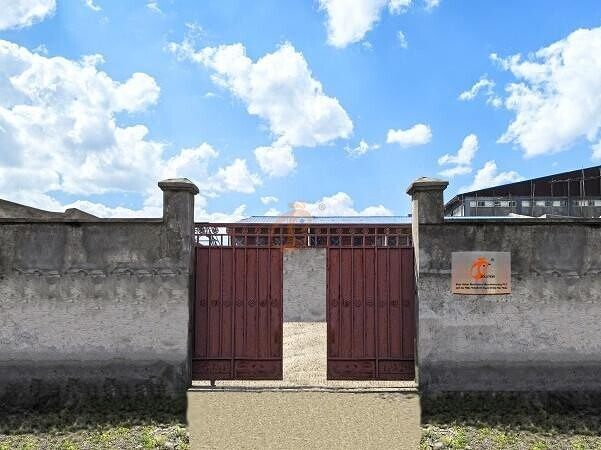
Reception /24 WhatsApp NO. : +8618830120193
FAQ
What Are The Growth Performance Benefits In Deep Litter Poultry System?
Feed conversion ratio improves to 1.55–1.78 due to thermal comfort and reduced stress.
Market uniformity rate exceeds 85%–92% within target slaughter weight range.
What Are The Litter Turning And Management Frequency Standards In Deep Litter Poultry System?
Surface leveling is maintained every 3–5 days to prevent compaction zones.
Full litter replacement cycle occurs every 2–3 production batches depending on load intensity.
What Are The Energy Efficiency And Cost Advantages In Deep Litter Poultry System?
Construction cost savings reach 25%–40% compared with fully caged housing systems.
Operational labor demand decreases by 30%–50% through simplified floor-based management.
Message
Products recommended
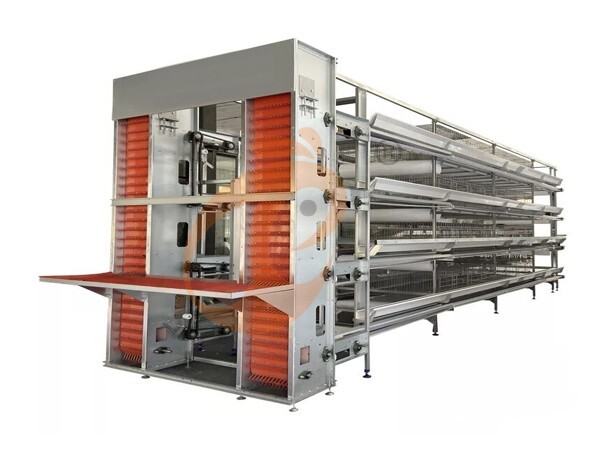
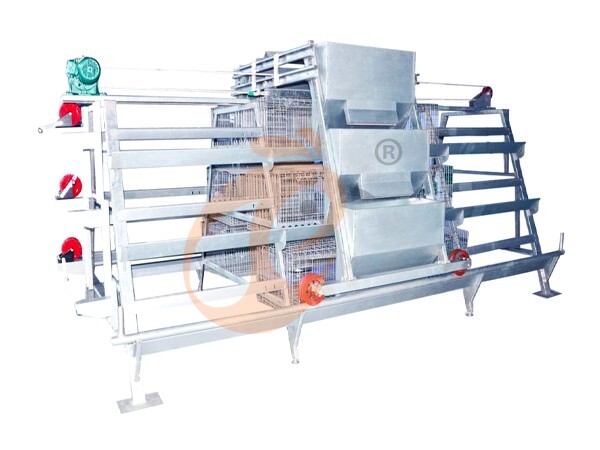
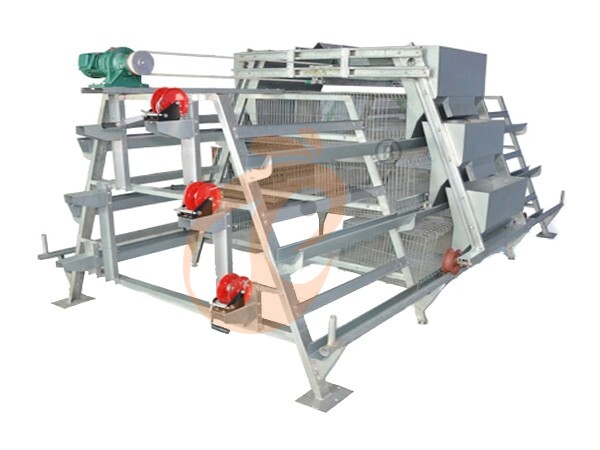
 >30,000 Pullets Automatic H Type Battery Cage1. More than 30,000 pullets a house, choose it.
2. It is designed to rearing older than 1 day old pullets to 12 to 16 weeks old chicken starting laying eggs.
3. Its lifespan is more than 25 years.
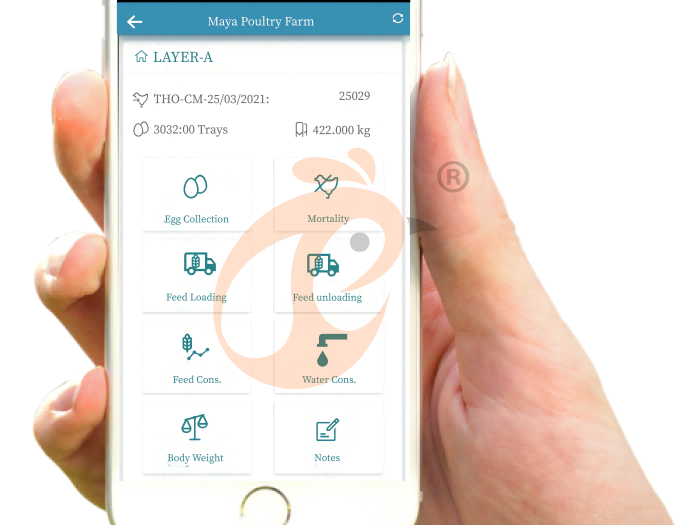
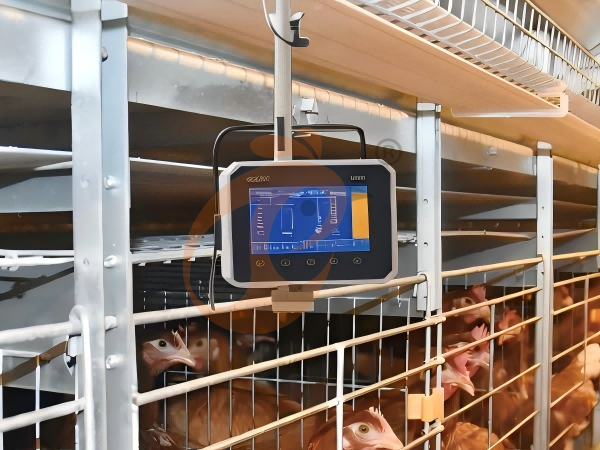
4. Its structure are Vcloud artificial intelligent fusion, electric control cabinet, automatic equipment of drinking, feeding, manure clean, manual harvesting.
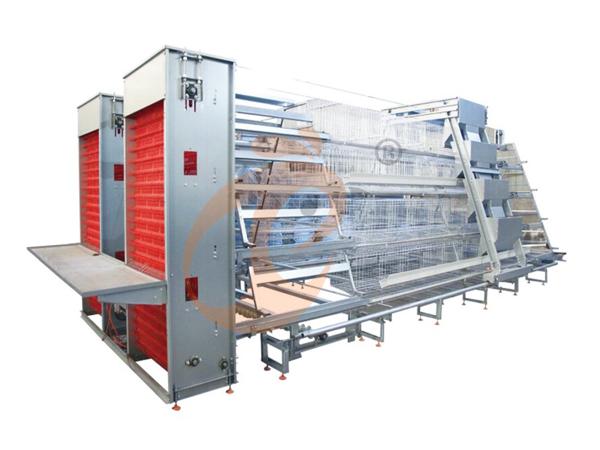
5. Our 24 hour online reception What’sApp NO. is +8618830120193 <30,000 Pullets Automatic A Type Battery Cage1. 10,000 to 30,000 pullets a house, choose it.
2. It is designed to rearing older than 1 day old pullets to 12 to 16 weeks old chicken starting laying eggs.
3. Its lifespan is more than 25 years.
4. Its structure are Vcloud artificial intelligent fusion, electric control cabinet, automatic equipment of drinking, feeding, manure clean, manual harvesting.
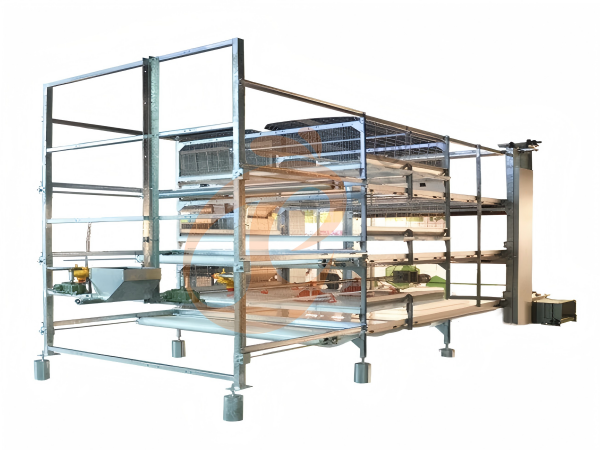
5. Our 24 hour online reception What’sApp NO. is +86 18830120193. >30,000 Broilers Semi-Automatic Harvest H Type Battery Cage1. More than 30,000 broilers a house, choose it.
2. It is designed to rearing 1 to 45 day old adult broiler ready for market.
3. Its lifespan is more than 20 years.
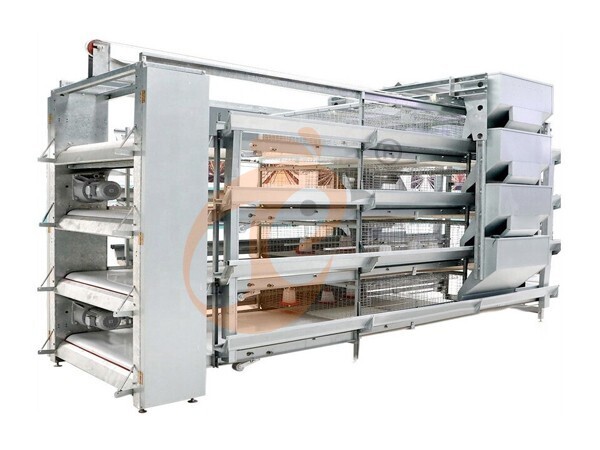
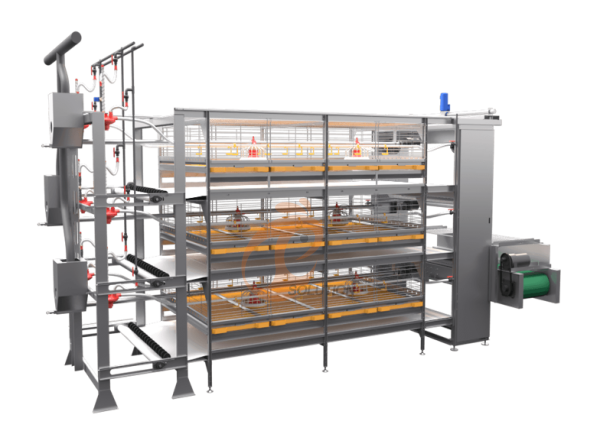
4. Our 24 hour online reception What’sApp NO. is +8618830120193, +234 8111199996. >30,000 Broilers Manual Harvest H Type Battery Cage1. More than 30,000 broilers a house, choose it.
2. It is designed to rearing 1 to 45 day old adult broiler ready for market.
3. Its lifespan is more than 20 years.
4. Its structure are Vcloud artificial intelligent fusion, electric control cabinet, automatic equipment of drinking, feeding and manure clean, manual harvesting.
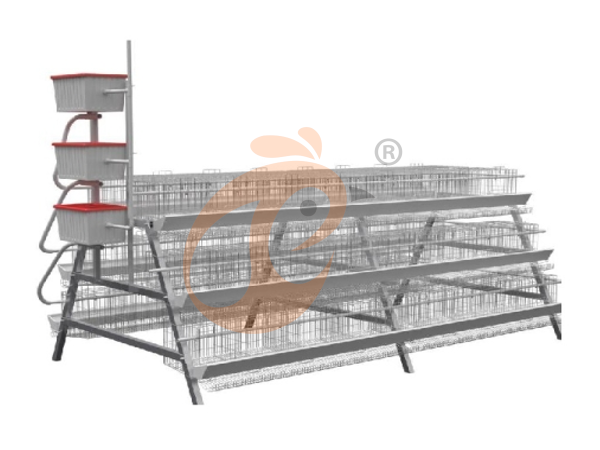
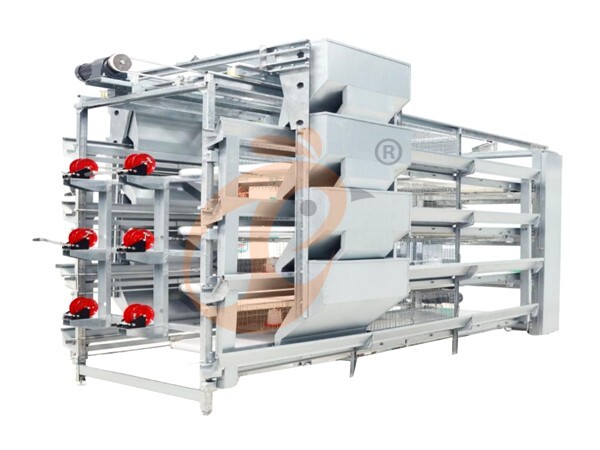
5. Our 24 hour online reception What’sApp NO. is +8618830120193, +234 8111199996. <30,000 Broilers Manual Harvest A Type Battery Cage1. Less 30,000 broilers a house, choose it.
2. It is designed to rearing 1 to 45 day old adult broiler ready for market.
3. Its lifespan is more than 20 years.
4. Its structure are Vcloud artificial intelligent fusion, electric control cabinet, automatic equipment of drinking, feeding and manure clean, manual harvesting.
5. Our 24 hour online reception What’sApp NO. is +8618830120193, +234 8111199996. HK Headquarter Offers EU-standard Poultry Farm Solutions, Manufacture Poultry Farm Equipment1. Continuous communication with the EU and the US
2. China, Nigeria, Ethiopia, Tanzania branch companies and factories
3. The products’ quality is customized for local poultry farms
4. Poultry cage and poultry farm equipment stock for sale
5. 24 online reception Whatsapp NO. : +8618830120193,contact us to get full information China Branch Offer Poultry Farm Business Plan, Manufacture Poultry Farm Equipment1. Address: Flat/RM 2416, 24/F, Runxing Building, Youyi Nan Street, Shijiazhuang City, Hebei Province, China
2. Poultry cage and poultry farm equipment factory and stock for sale
3. Customized for local poultry farms
4. Quality and design are based on Euro
5. 24 online reception Whatsapp NO. : +8618830120193 Nigeria Branch Offer Poultry Farm Business Plan, Manufacture Poultry Farm Equipment1. Address: After Sinoma Office, 200 Meters Near Danco Filling Station, Lagos/Ibadan Expressway, Lagos State, Nigeria
2. Poultry cage and poultry farm equipment factory and stock for sale
3. Customized for Nigerian poultry farms
4. Quality and design are based on Euro
5. 24 online reception Whatsapp NO. : +8618830120193 Ethiopia Branch Offer Poultry Farm Business Plan, Manufacture Poultry Farm Equipment1. Address: Gelan Gura, Akaki-kaliti Sub City, Addis Ababa, Ethiopia
2. Poultry cage and poultry farm equipment stock for sale
3. Customized for Ethiopian poultry farms
4. Quality and design are based on Euro
5. 24 online reception Whatsapp NO. : +8618830120193, contact us to get price list Tanzania Branch Offer Poultry Farm Business Plan, Manufacture Poultry Farm Equipment1. Address: No.8, Sova Road, Msufini, Mlandizi, Kibaha, Pwani, Tanzania
2. Poultry cage and poultry farm equipment factory and stock for sale
3. Customized for Tanzanian poultry farms
4. Quality and design are based on Euro
5. 24 online reception Whatsapp NO. : +8618830120193


Contact